Learn why evaluating your home's overall performance can improve comfort, energy efficiency, maintenance planning, and long term property value.
Many homeowners repair individual items as they break - However, people often do not consider how the entire house functions as a single system. A house is a collection of parts that connect to provide comfort, efficiency, safety and structural integrity. When one part is not functional, it often impacts other areas of the property. Homeowners who view the property as a whole can identify problems before they become expensive - this perspective allows individuals to make informed choices about maintenance and upgrades.
Understanding Home Performance
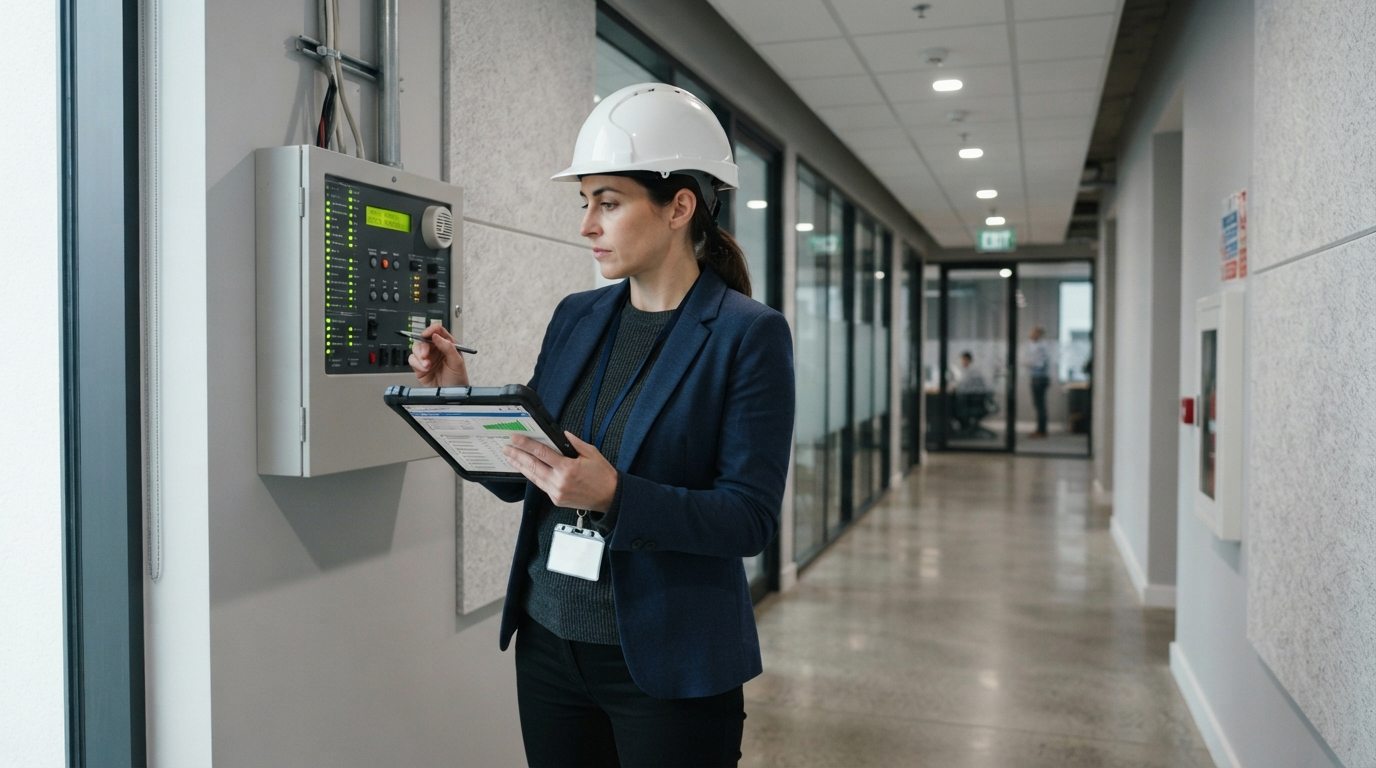
Home performance is the measurement of a house as a complete system - this evaluation includes the heating and cooling equipment, insulation, ventilation plus the ways that windows and doors affect energy use. It is more accurate to analyze these components together than to inspect each part separately. A house is efficient when it maintains an even temperature but also requires little energy.
People often assume that a house is functional if the appliances are active. Small openings in the building, insufficient insulation or restricted air movement are issues that lower comfort and increase costs. A complete assessment is a method to identify these problems as well as make the building better.
Identifying Energy Loss
One primary reason to evaluate a house is to find where energy is lost. Small openings near windows and doors allow air that has been heated or cooled to leave the building - these losses cause heating and cooling machines to run for longer periods than is necessary.
Energy waste is difficult to see because it happens slowly. Residents may get used to high bills and not realize that repairs could lower their costs. An evaluation shows where a person can use household energy more effectively.
Improving Indoor Comfort
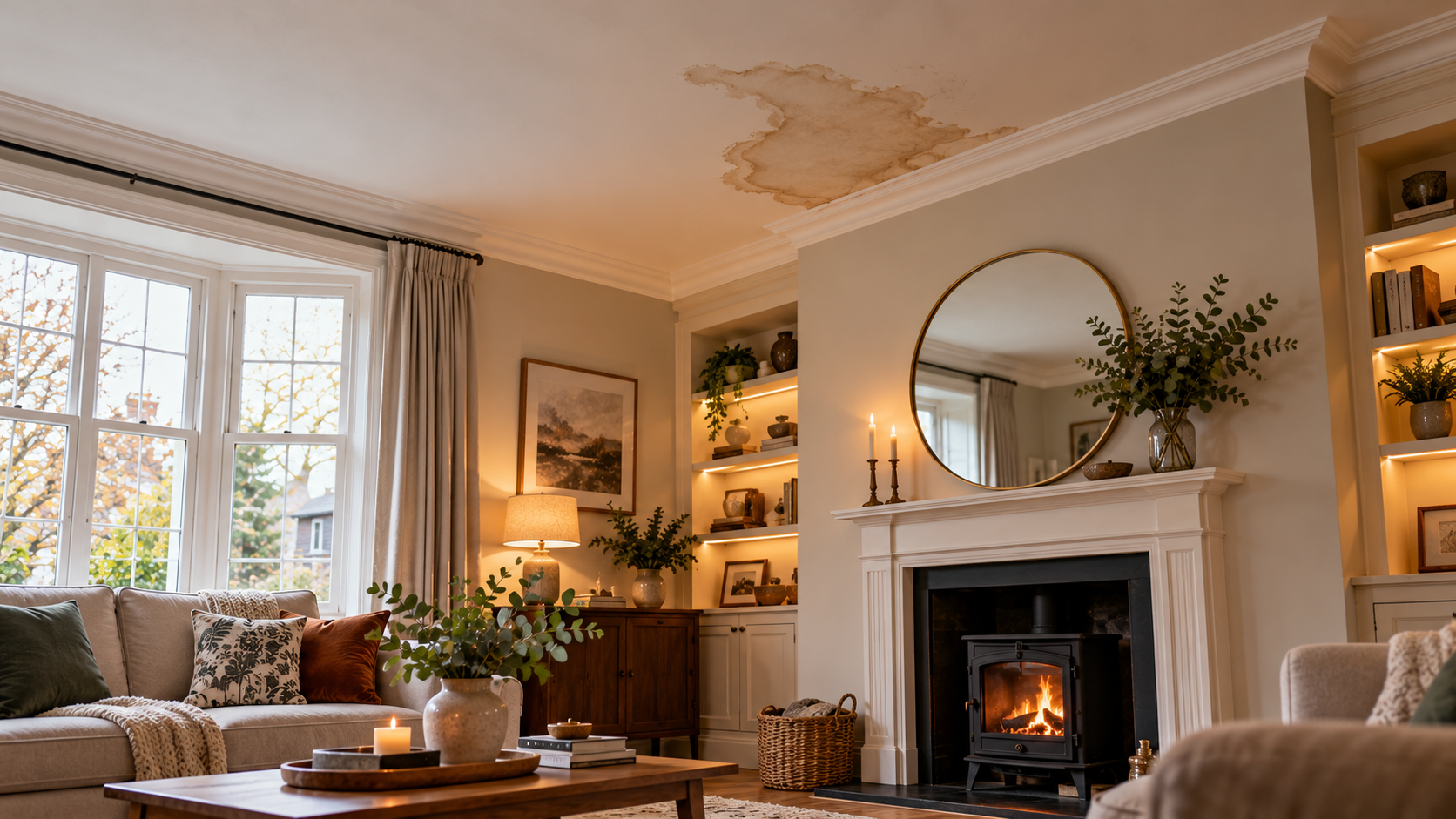
Comfort is a significant part of living in a home - A house is supposed to have an even temperature and healthy air throughout the year. If a home does not perform well, some rooms are too hot or too cold.
Evaluating the house as a system helps find why temperatures are uneven. Low airflow, thin insulation or poor ventilation are often the causes. Fixing the problems makes the living space more pleasant for everyone in the house.
Supporting Heating & Cooling Systems
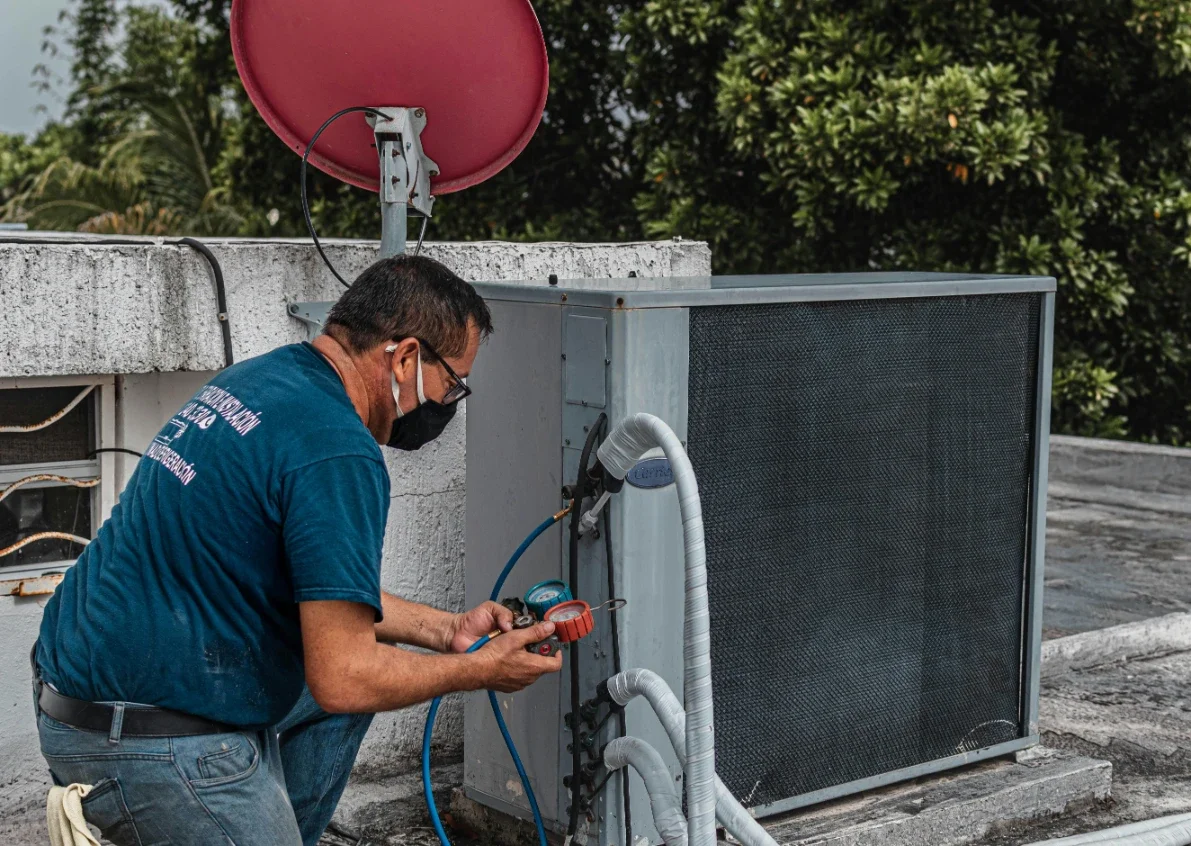
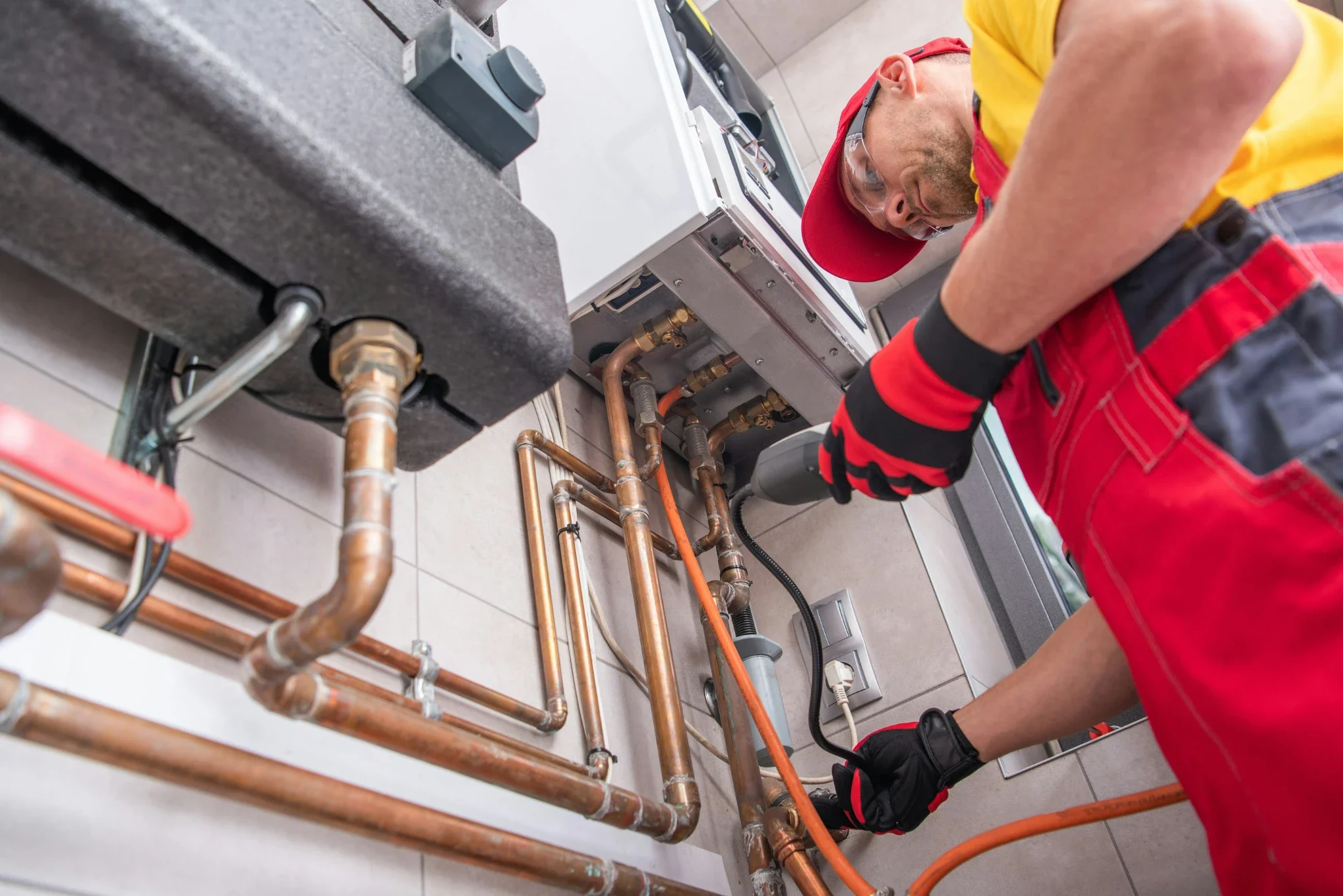
Heaters and air conditioners are most effective when the house is sealed and insulated. Even new equipment is less effective if the house has air leaks. An evaluation ensures that machines are working in a helpful environment.
This process is useful when a person wants to buy new equipment. As an example, people looking for air conditioning in Edmonton may find that adding insulation allows them to buy a smaller, less expensive cooling unit. A total evaluation ensures that money spent on upgrades produces the best result.
Protecting Long Term Equipment Health
Mechanical systems are under less stress when a home is efficient. Machines that must work too hard because of thin insulation or blocked air vents experience more wear - this stress leads to more repairs and causes the machines to break permanently at an earlier date.
Regular checks find conditions that put stress on home systems. Homeowners who fix these underlying problems help their equipment run reliably. Taking action early is usually less expensive than paying for major repairs.
Improving Indoor Air Quality
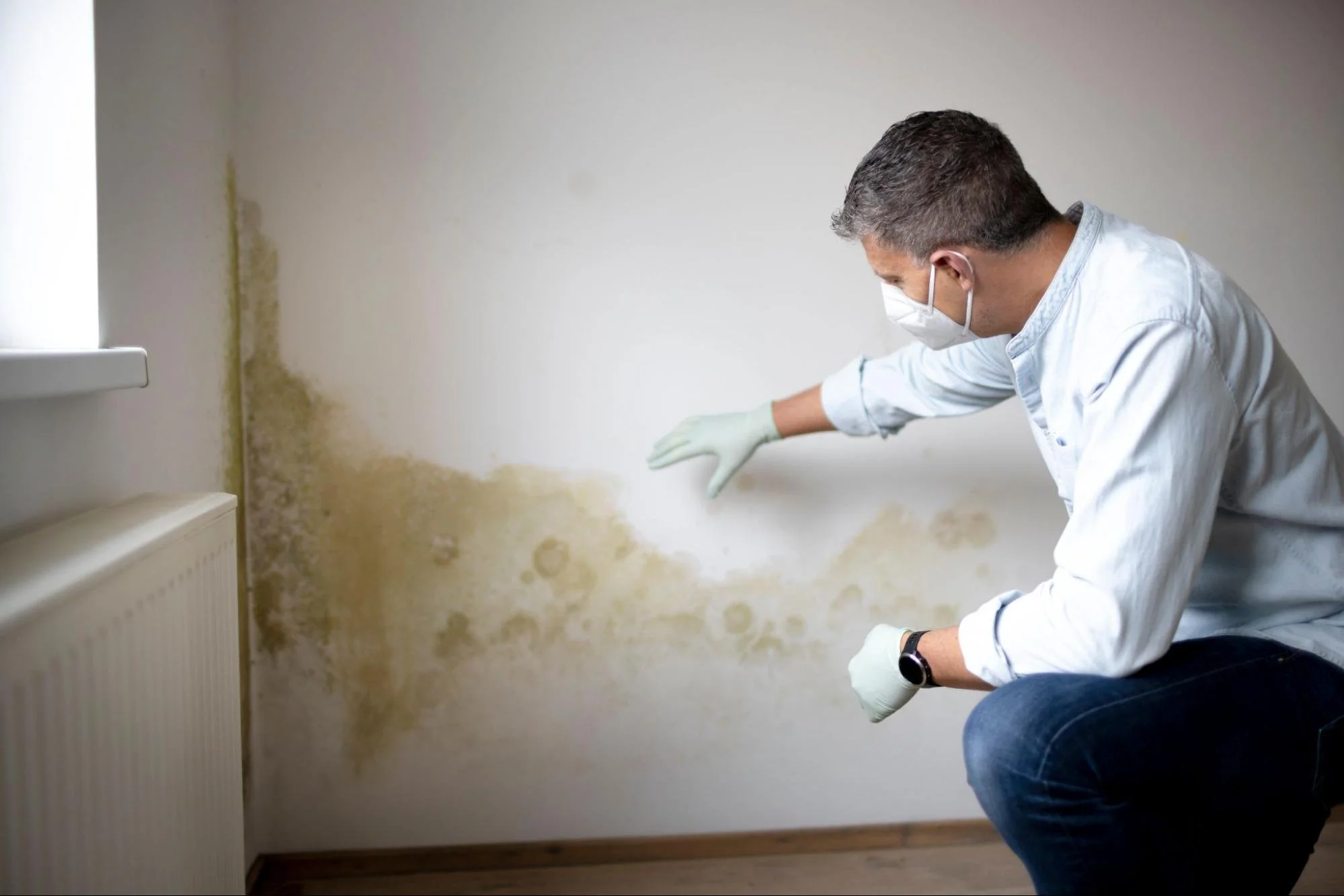
Air quality is important for a healthy home - Dust, pollen, moisture levels and ventilation all impact the air that residents breathe. Many air problems are related to the whole house system rather than just one item.
A detailed inspection shows where air problems start - Better ventilation, sealing leaks and controlling moisture make the air cleaner - these changes are good for the comfort and health of the individuals inside.
Planning Future Home Improvements
Homeowners often have many projects they want to finish - Evaluating the house provides data to help choose which project is most important - this makes home improvement more organized.
A person who wants an AC installation might learn that fixing air leaks first makes the new AC work better. When people understand how the house parts work together, they spend their money more wisely.
Increasing Property Value
A house that functions well is more attractive to people who want to buy a home. Low energy costs and well maintained systems are important in the housing market. Buyers prefer homes that show the owner has performed regular maintenance.
Evaluations help owners find ways to make their property more desirable. Improvements from an assessment make the house better to live in and easier to sell. Keeping a house in good condition is a helpful investment even if the owner is not moving soon.
Conclusion
Evaluating how a home performs is more than just simple maintenance - this process identifies energy waste, increases comfort, helps machines last longer and improves air quality. Homeowners understand their property better when they see it as a system of connected parts. Checking the house allows a person to fix small problems before they become large and expensive. Evaluations provide the facts needed to make the home more efficient and healthy.
Stay up to date with our latest ideas!