How to Get Rid of Squirrels: Preventing Property Damage
Learn effective ways to get rid of squirrels and prevent property damage with humane solutions, smart prevention tips, and long term protection strategies.
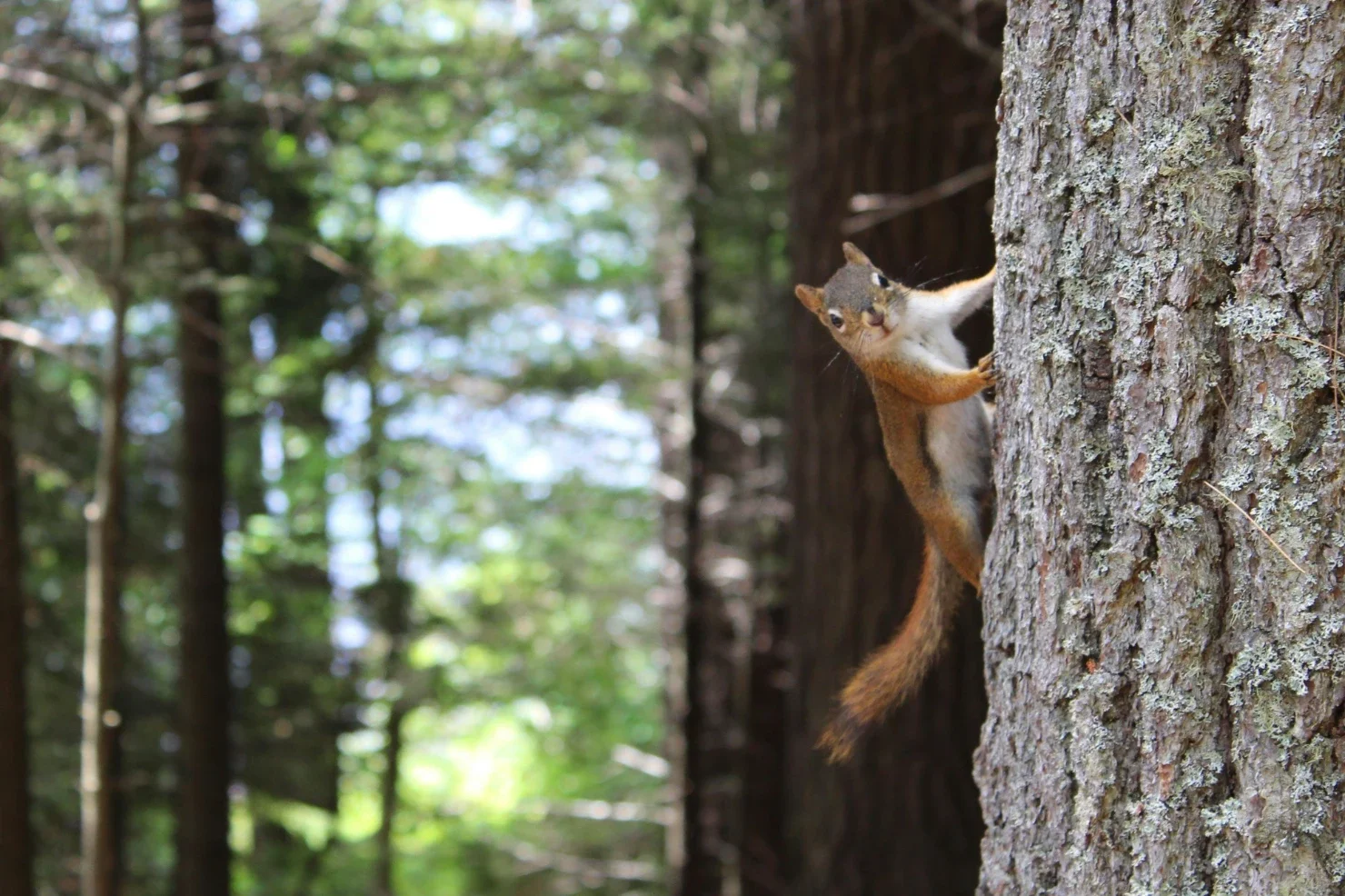
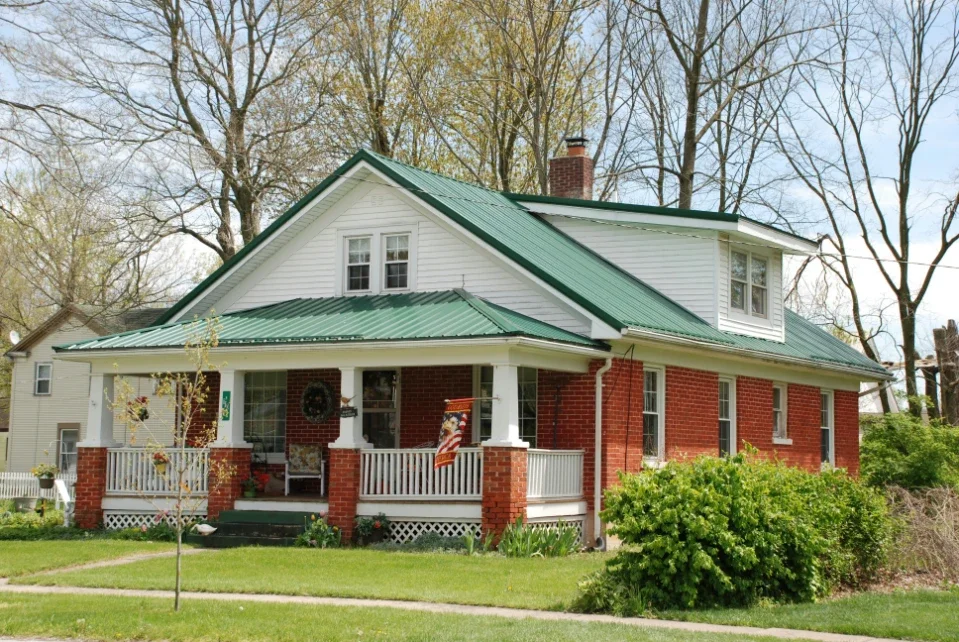
Squirrels can look harmless from a distance, yet they can cause serious property damage once they treat your home like a food source or a nesting site. They chew wood, shred insulation, tear into soffits, and slip into attics through small gaps. They raid bird feeders, dig up gardens, and can even gnaw on wiring, which creates a fire risk. The good news is that most squirrel problems respond well to prevention, consistent deterrence, and sealing off entry points.
A smart approach focuses on removing what attracts squirrels, blocking access to vulnerable areas, and using humane control methods that reduce repeat visits. This article walks through practical steps you can take to protect your home without turning the yard into a constant battle.
Reduce Attraction With Habitat Changes And Targeted Deterrence
The first step is to make your property less appealing. Squirrels come back when food is easy and shelter is nearby. Start by trimming tree branches that hang over your roof. Keep limbs at least several feet away from the house so squirrels cannot jump straight onto shingles. Remove brush piles, stacked lumber, and clutter near fences where squirrels can hide or build nests. If you store firewood, keep it off the ground and away from exterior walls.
Next, focus on food sources. Bird feeders often draw squirrels from a wide area. Use squirrel-resistant feeders, place feeders farther from roofs and railings, and clean spilled seed regularly.
If you grow vegetables or fruit, pick ripe produce promptly and secure compost in a closed bin. For added support, some homeowners have success by using a squirrel and chipmunk repellent in targeted areas where chewing or digging is common, such as around garden beds, deck corners, or known travel routes. Apply it in line with label instructions and pair it with other deterrents, since a single tactic rarely solves the issue on its own.
Locate Entry Points And Seal Them Correctly
If squirrels are getting into your attic, prevention hinges on exclusion. Start with an exterior inspection. Look for gaps near soffits, fascia boards, roof vents, chimney flashing, and where cables enter the home. Squirrels can widen small, weak spots by chewing, so a minor gap can turn into a clear entry path quickly.
Seal openings with durable materials that resist chewing. Use hardware cloth, metal flashing, or heavy-gauge wire mesh for vents and gaps. Avoid relying on foam alone for exterior holes, since squirrels can chew through it. If you suspect squirrels are currently inside, do not seal everything immediately.
Protect Wiring, Rooflines, And Vulnerable Structures
Squirrels chew to control tooth growth, and that behavior can target wood trim, plastic components, and even wires. Protect vulnerable zones before damage grows.
Inspect attic wiring if you have signs of squirrel activity. Look for chewed insulation on cables and call a professional if you see exposed wire. Outdoors, protect areas like deck corners, shed vents, and fence lines where squirrels commonly travel. Metal guards around tree trunks can reduce access to roofs when placed correctly. Chimney caps and screened vents can block entry while still allowing airflow.
Use Humane Trapping And Relocation Rules In Your Area
Trapping can work when squirrels keep returning or when they have already moved into a structure. Live traps placed along known travel paths, near entry points, or near feeding areas can be effective. Use appropriate bait such as peanut butter, nuts, or slices of fruit, and check traps frequently to reduce stress on the animal.
Before relocating any wildlife, confirm local rules. Some areas restrict relocation because it can spread disease or disrupt ecosystems. Many pest control professionals focus on humane trapping followed by exclusion, which prevents new squirrels from taking the same spot. If you are not comfortable trapping, hire a licensed wildlife control expert who can handle removal and sealing safely.
Manage Attic Nesting And Cleanup Safely
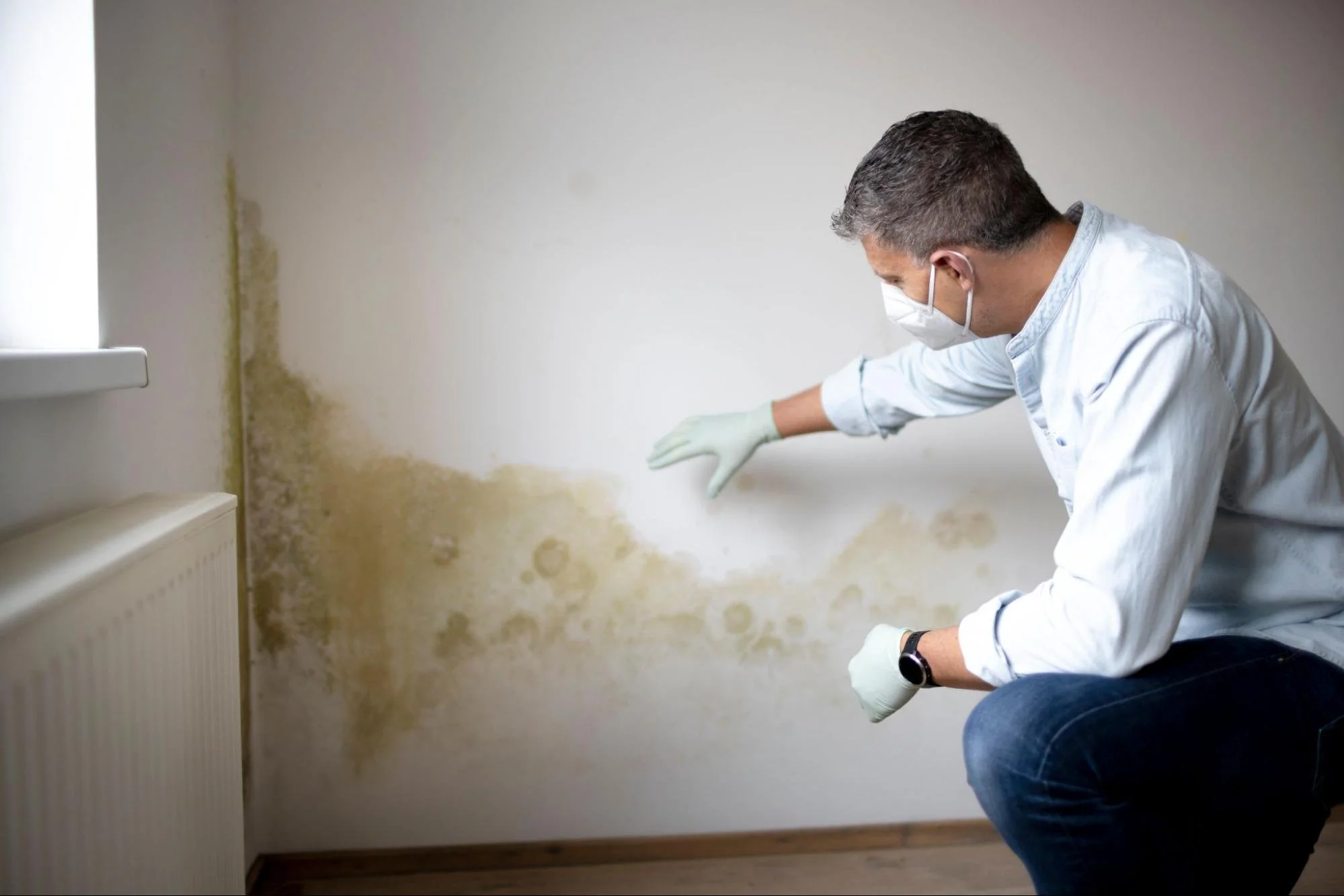
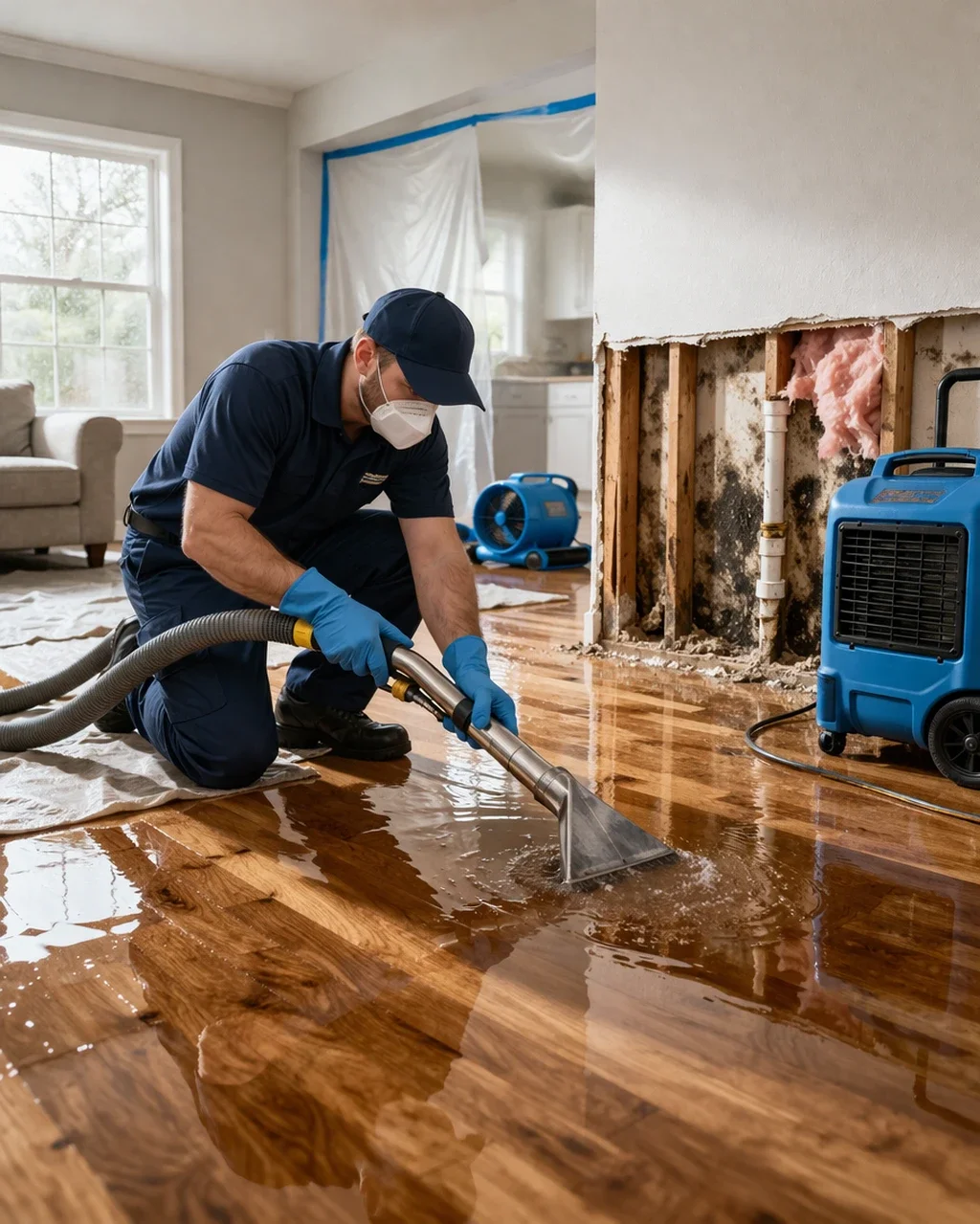
If squirrels nested in an attic, you may find shredded insulation, droppings, and urine stains. Cleaning is important for odor control and for reducing the chance that other animals move in. Wear gloves, use a proper mask, and avoid sweeping dry droppings that can create airborne particles.
Remove contaminated insulation when needed and disinfect affected surfaces. If damage is extensive, consider professional attic restoration. Odors can attract new wildlife, so cleanup is part of prevention, not just aesthetics.
Stop The Cycle With Ongoing Maintenance
Squirrel prevention works best as a routine. Walk your property every few weeks, especially after storms. Wind and rain can loosen vents, shift flashing, and expose new gaps. Check tree growth near the roofline. Inspect bird feeder areas for spilled seed. Look for fresh chew marks on trim or deck rails.
If you notice renewed activity, act quickly. Squirrels are persistent, and the longer they have access, the more likely they are to nest and cause more serious damage.
Stay up to date with our latest ideas!