New to rent a bin disposal? Learn how to choose the right size, understand pricing factors, and avoid common mistakes. Perfect for DIYers, renovators, and homeowners.

Renting a disposal bin doesn’t have to be confusing - it’s about matching your project’s scale with the right container size, understanding what’s included in the price, and knowing what materials are prohibited. Most residential jobs - like garage cleanouts or small renovations - fit comfortably in a 10 to 14 cubic yard bin. Larger projects, like a full home reno or demolition, may need 20 yards or more. Rental periods usually run 3–7 days, and pricing depends on location, weight, and debris type.
Table of Contents
Why Choosing the Right Bin Size Saves You Time and Money
Rent a Bin Disposal: Your Step-by-Step Beginner’s Guide
Final Checklist: Before You Book Your Bin Rental
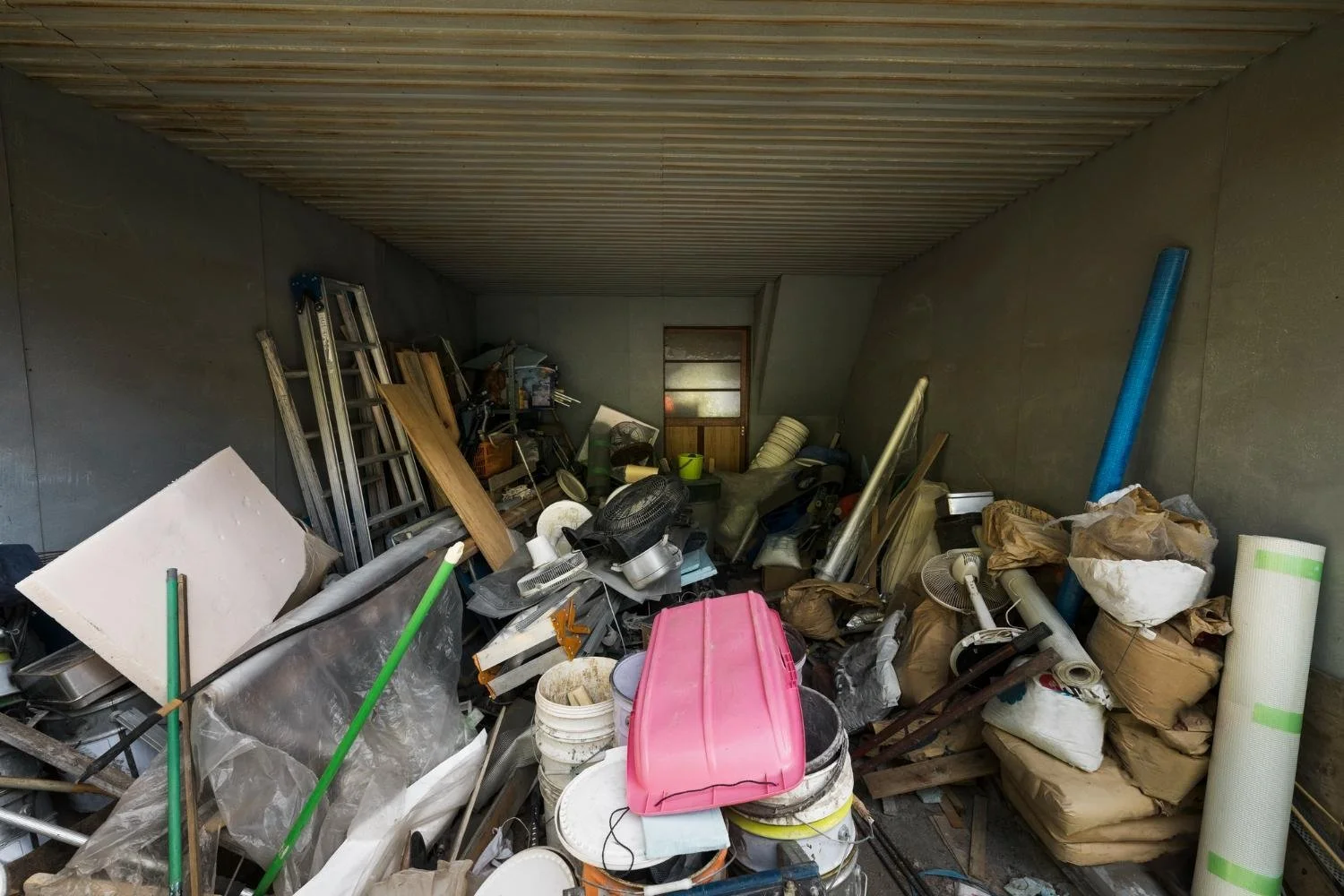
Last weekend, you finally cleared out the basement. What started as “just tossing a few old boxes” turned into a full-blown excavation - complete with forgotten holiday decor, a broken treadmill, and drywall scraps from that “quick” bathroom patch-up two years ago. Now you’re staring at a mountain of junk and wondering: How do I get rid of this without losing my mind - or my Saturday?
That’s where bins for rental come in. Whether you’re tackling a DIY demo, seasonal declutter, or post-renovation mess, a well-chosen bin rental saves you multiple trips to the landfill, protects your back, and keeps your property tidy. And if you’re unsure where to start or what size fits your needs, it helps to explore bin options and local availability early - you can easily rent dumpster bin through services like rent a bin disposal to compare what’s offered in your area.
The key? Don’t guess. Measure your debris, know your limits (both physical and municipal), and choose a bin that works with your space and schedule - not against it.
Why Choosing the Right Bin Size Saves You Time and Money
Picture this: you book what seems like a “big enough” bin for your garage cleanout. You toss in old furniture, broken tiles, and a few bags of yard waste. Then - surprise - you’re three-quarters full, and you haven’t even touched the basement yet. Now you’re stuck: pay for a second bin, cram dangerously over the fill line (hello, extra fees), or start making landfill runs in your minivan.
This is why sizing matters - not just for convenience, but for your wallet.
Most providers offer containers ranging from 10 to 40 cubic yards. But “cubic yards” doesn’t mean much when you’re standing in front of a pile of debris. So here’s how to translate that into real life:
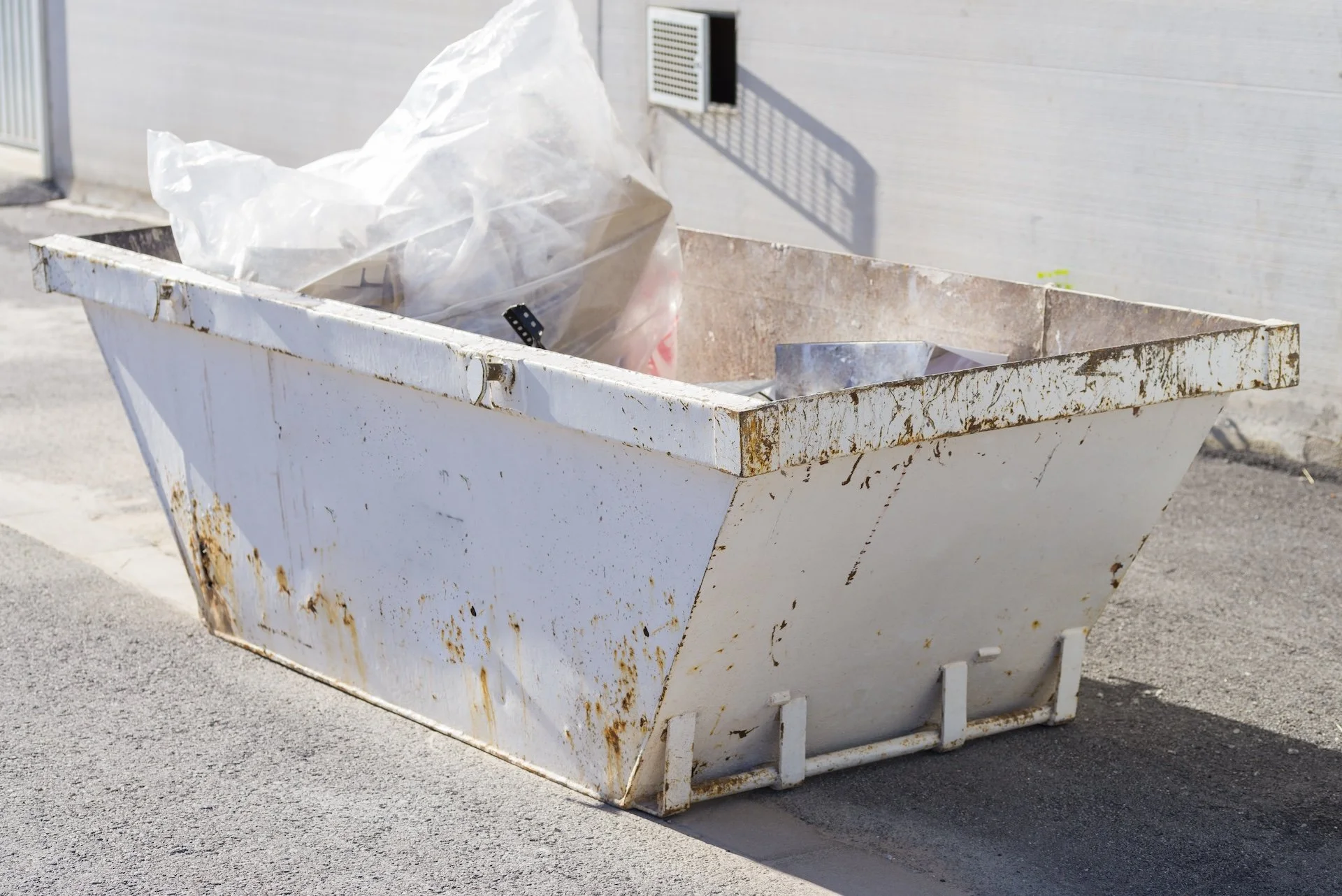
10-yard bin – Roughly the size of a large pickup truck bed.
Ideal for:
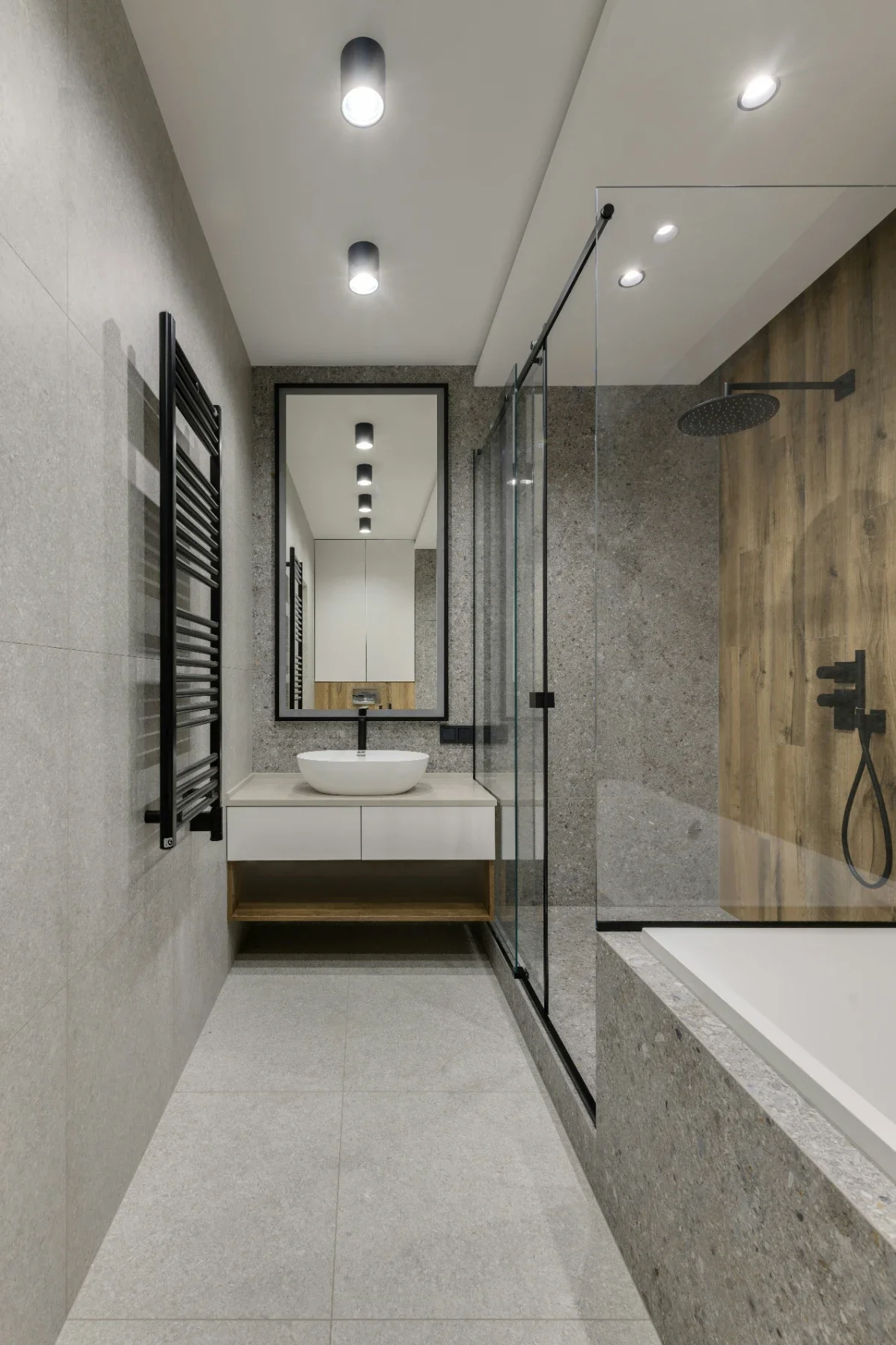
Small bathroom reno
Garage or shed cleanout
Light yard waste (no soil or sod)
14–16-yard bin – Fits neatly in most driveways.
Perfect for:
Kitchen cabinet removal
Flooring replacement (hardwood, laminate, tile)
Decluttering multiple rooms
20–30-yard bin – For serious projects.
Think:
Whole-house cleanout (estate, hoarding, pre-move)
Roofing tear-off (shingles add up fast)
Major demolition (walls, decks, additions)
40-yard bin – Commercial-grade.
Rarely needed for homes unless you’re:
Tearing down a structure
Clearing construction site debris
Managing large-scale community cleanups
Pro Tip: If you’re between sizes, always go bigger. The cost difference between 14-yard and 20-yard garbage bins for rent is often less than the fee for overfilling or needing a second delivery.
And remember - this isn’t just about volume. Weight limits matter too. A bin packed with dirt, concrete, or bricks might hit its tonnage cap before it’s even half full. Always ask:
What’s the included weight allowance?
What’s the overage fee per ton?
Are there “heavy debris” restrictions?
Getting this right upfront means no surprise charges, no mid-project panic, and no weekend wasted waiting for a second delivery. Smart sizing = smooth execution.
Rent a Bin Disposal: Your Step-by-Step Beginner’s Guide
Renting a disposal bin shouldn’t feel like decoding a municipal bylaw - but for first-timers, it can. The good news? Once you break it down into steps, it’s straightforward. Think of this as your personal checklist - no jargon, no upsells, just what actually matters.
We’ll walk through four key phases: estimating your debris, understanding bin dimensions, knowing what’s allowed (and what’s not), and how rental windows impact your budget.
How to Estimate the Volume of Your Debris
Before you even look at bin sizes, take 15 minutes to measure your mess. Seriously - grab a tape measure and a notepad.
For renovation debris (drywall, flooring, cabinets):
Multiply length x width x height of your pile in feet, then divide by 27 to get cubic yards.
Example: A pile that’s 9ft long x 6ft wide x 3ft high = 162 cubic feet → ~6 cubic yards.
For furniture or bulky items:
Visualize how many “pickup truck loads” your junk would fill. One full standard pickup = roughly 2–3 cubic yards.
For yard waste or soil:
Be conservative. Organic material compacts - but dirt, sod, and concrete? They’re deceptively heavy. A wheelbarrow of soil can weigh over 200 lbs.
Rule of thumb: If your debris fills more than half a single-car garage, you likely need at least a 14-yard bin.
Understanding Bin Dimensions and Capacity
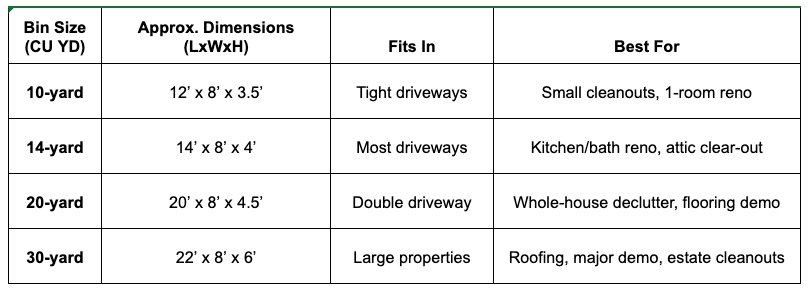
Cubic yards tell you volume - but real life is about fitting it in your driveway. Here’s what those numbers actually look like on your property:
What You Can (and Can’t) Throw in Your Bin
Not everything belongs in a bin rental - and tossing in the wrong item can cost you extra fees (or worse, a rejected pickup).
Generally Accepted:
Wood, drywall, metal, plastic
Furniture, mattresses (check first - some charge extra)
Yard waste (branches, leaves - no soil)
Non-hazardous packaging, cardboard, carpet
Almost Always Banned:
Paint, chemicals, oils, batteries
Asbestos, propane tanks, tires
Food waste, medical waste, electronics
Concrete, dirt, or sod (unless specified as “heavy debris” bin)
Pro Tip: When in doubt, snap a photo and ask your provider. Better to confirm than pay a $150 contamination fee.
How Rental Duration Affects Your Total Cost
Most providers include 3–7 days in the base price. Need it longer? Daily extension fees apply - usually $15–$35/day.
Smart scheduling tip:
Book your bin to arrive the day after your big haul begins. That way, you’re not paying for empty days while you’re still sorting or demoing.
Also - pickup isn’t always automatic. You often need to call or text to schedule it. Mark your calendar. Leaving a bin too long could mean fines from your municipality - or extra charges from the provider.
Final Checklist: Before You Book Your Bin Rental
You’re five minutes away from hitting “confirm” on that bin order. Pause. Breathe. Run through this list - it’ll save you time, money, and at least one forehead-slap moment.
1. Measured your debris?
Not guessed. Not eyeballed. Measured. Use the length x width x height formula (÷27 for cubic yards). If you’re within 2 yards of a size threshold - go bigger.
2. Checked driveway access?
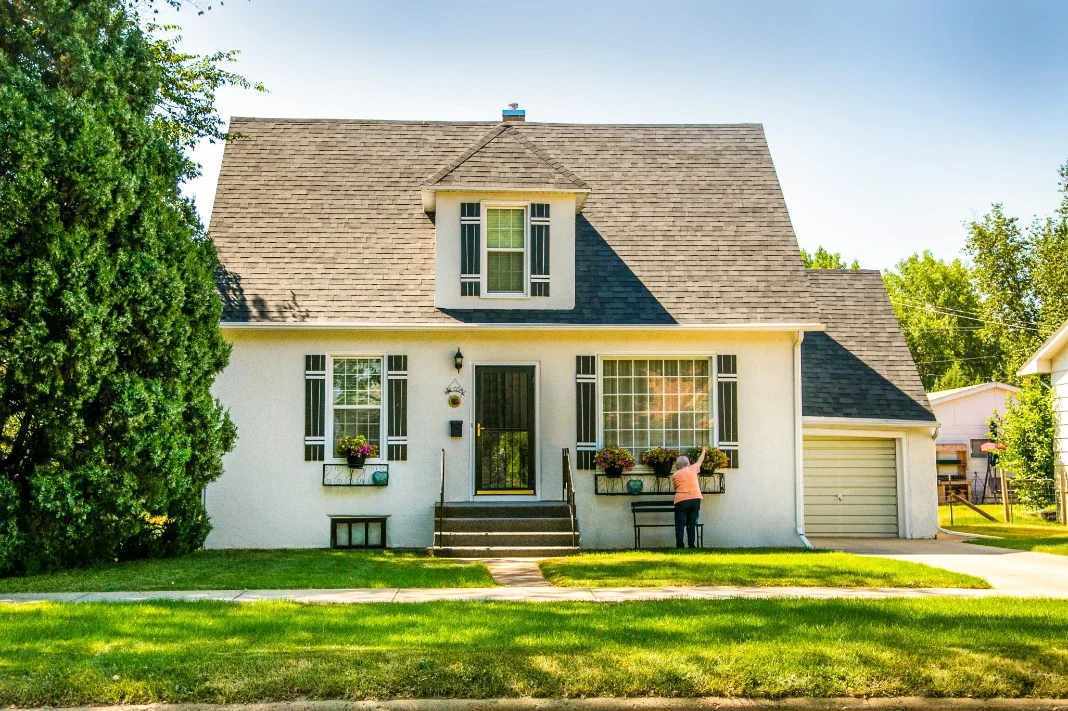
Is there 10+ feet of clear width? Overhead wires or tree branches lower than 16 feet? Slope steeper than 10 degrees? Tell the provider now - not when the truck shows up and turns around.
3. Confirmed banned items?
Paint cans? Tires? Propane tanks? Electronics? Don’t assume. Ask. Better yet - snap a pic of questionable items and text it to the provider before loading.
4. Understood the weight limit?
Light debris (wood, cardboard, furniture) = no problem. Heavy debris (shingles, soil, concrete) = check if you need a “heavy load” bin or if extra tonnage fees apply. Weight surprises are the #1 budget killer.
5. Know your rental window?
Mark your calendar: delivery date, pickup date, and the deadline to call for pickup. Most companies won’t retrieve it automatically - you have to request it.
6. Got your permit (if needed)?
Placing it on the street? Sidewalk? Even part of the boulevard? Permit likely required. Don’t risk a bylaw fine - check your city’s website before booking.
7. Compared total cost - not just base price?
Ask:
What’s included in the quoted price?
What’s the overage fee per ton?
Is there a daily extension rate?
Any fuel surcharge or environmental fee?
8. Scheduled delivery around your project - not your calendar?
Don’t have the bin sit empty for three days while you “get ready.” Book delivery for after you’ve started generating debris. Maximizes value. Minimizes rental creep.
9. Got a backup plan for overflow?
Even with perfect planning, sometimes you underestimate. Know your options:
Local recycling depot for specific materials (metal, wood, electronics)
Community bulky item pickup days
Borrowing a trailer for one landfill run
10. Ready to load smart?
Heavy stuff at the bottom. Break it down. Distribute weight. Don’t overfill past the rim. Cover if rain’s coming. Simple habits = no extra fees.
Final Takeaways: Build a Stress-Free Cleanup, Not a Costly Mistake
Let’s be real - nobody calls for a dumpster bin rental for fun. You’re doing it because you’ve got work to do, clutter to conquer, or a project that finally reached “I can’t look at this anymore” status. And that’s exactly why the process should feel simple, not stressful.
The difference between a smooth bin experience and a budget-busting headache? Preparation. Not perfection - just a little foresight. Measure twice. Ask the awkward questions. Read the fine print before you sign. Most “surprise” fees aren’t surprises at all - they’re just things no one thought to mention until it was too late.
Stay up to date with our latest ideas!