Learn how the right tile and grout sealer helps stop grime before it starts, protecting surfaces, reducing maintenance, and extending the life of your floors.

Clean tiles can make a space feel sharp and well cared for, yet it rarely stays that way without a bit of planning. Grout, in particular, seems to attract dirt as if it were designed for it. Bringing a tile and grout sealer into the process early on changes that dynamic. It shifts the focus from constant cleaning to something more manageable, where surfaces are less eager to absorb every spill or trace of dust.
Why Sealing Tiles Early Changes Everything
Leave grout unsealed for even a short time and it starts to show signs of wear. It pulls in moisture, oils from foot traffic, even the residue left behind by cleaning products. None of it looks serious at first. Then a few weeks pass, and the colour deepens in patches that don’t quite come out.
Sealing early interrupts that pattern. Instead of soaking in, most of what lands on the surface stays there long enough to be wiped away. It is not a magic fix, but it changes the odds. As a result, cleaning becomes less of a chore and more of a quick reset. People tend to appreciate this most after dealing with a stubborn stain that refuses to budge.
Choosing Between Penetrating And Surface Sealers For Lasting Results
Walk into any supplier and the options can feel excessive. Yet the choice usually narrows down once you consider how the surface will be used. Penetrating sealers work beneath the surface, soaking into grout and stone to create protection from within. They are often preferred when the natural look of the material is part of the appeal.
Surface sealers take a different approach. They form a layer on top, sometimes adding a slight sheen that changes how the tile catches light. In busy areas like kitchens or entryways, that added barrier can make sense. The trade-off is subtle, but noticeable if you know what to look for.
The key is not to overcomplicate it. Match the sealer to the material and the conditions it will face. Get that right, and maintenance becomes far less demanding than it would otherwise be.
Maintenance Habits That Keep Sealed Surfaces Performing Well
Sealing is only part of the story. What follows tends to matter just as much, even if it gets less attention. A sealed surface still needs care, just not the kind that involves heavy scrubbing or harsh chemicals.
In practice, simpler routines tend to work better. Regular cleaning with mild products keeps the protective layer intact, while aggressive treatments can wear it down faster than expected. It is one of those cases where restraint pays off. A light but consistent approach keeps things looking steady without undoing the protection already in place.
With time, resealing might be needed, but it is usually a straightforward step rather than a major project. Compared to dealing with deeply set stains, it feels like a reasonable trade.
When Design Decisions and Construction Expertise Overlap
There is often a gap between how a space is imagined and how it performs once people start using it. That gap tends to shrink when the same professional understands both design intent and construction realities. Working with an interior architect who is also a licensed builder brings those perspectives together in a practical way.
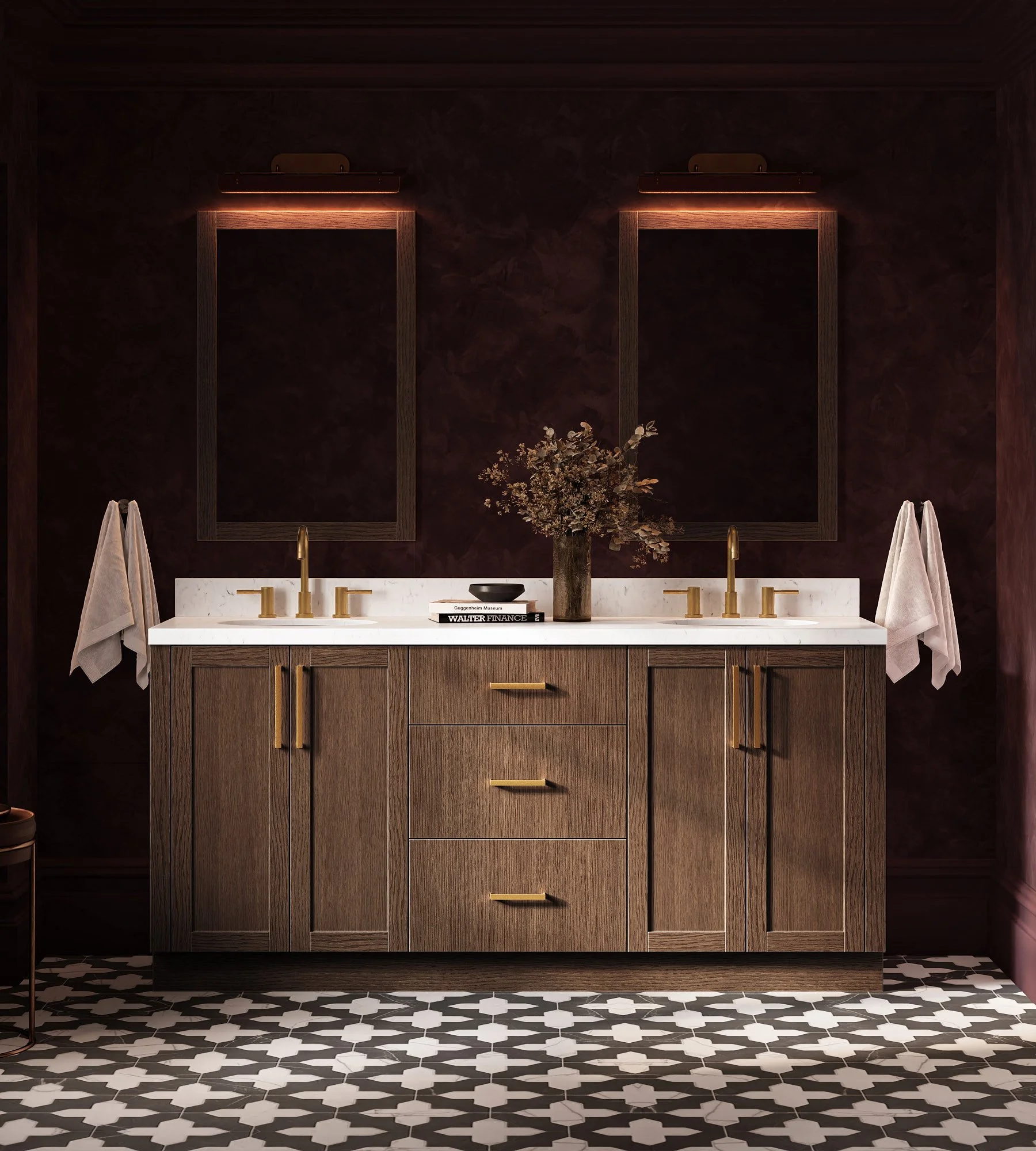
It shows up in small decisions that carry weight over time. Tile selection is one part, but so is how it is installed, what sits beneath it, and how it is sealed. When those elements are considered together, the outcome feels more deliberate.
In areas exposed to moisture or frequent use, that joined-up thinking becomes even more valuable. The result is not just a space that looks right on day one, but one that continues to hold up without constant fixes.
Choosing Quality Over Convenience
There is always a cheaper option on the shelf, often promising similar results in fewer steps. It can be tempting, particularly when the differences are not obvious at first glance. The contrast tends to appear later, when one surface starts to lose its resistance while another still looks intact.
Better sealers usually offer deeper penetration or a more even finish. They take a bit more care during application, but the payoff is consistency. Surfaces stay easier to clean, and the need for rework comes around less often.
It is not about overinvesting for the sake of it. It is about choosing something that holds up under daily use, rather than something that needs constant attention to keep up appearances.
Final Thoughts
Keeping tiles in good condition is more about limiting how much settles in the first place. A well-chosen approach to sealing sets that tone early. It supports the finish rather than fighting to restore it later.
When combined with thoughtful installation and a bit of ongoing care, the difference becomes clear over time. Surfaces hold their look, cleaning stays manageable, and the whole space feels easier to maintain without constant effort.
Stay up to date with our latest ideas!