Learn how water damage restoration services help prevent mold growth by removing moisture, drying affected areas, and restoring safe indoor conditions.
Water damage can quickly turn into a much bigger problem if it is not addressed in time. One of the most serious risks associated with moisture inside a home or building is mold growth. Mold can begin developing within 24 to 48 hours after water exposure, especially in areas with limited airflow and high humidity. Professional water damage restoration services play a critical role in preventing mold by removing moisture, drying affected materials, and restoring safe indoor conditions.
Fast Water Removal
The first step in preventing mold growth is removing standing water as quickly as possible. After floods, pipe leaks, or appliance failures, water can accumulate in floors, carpets, and walls. If the water remains for too long, it creates an environment where mold spores can grow and spread.
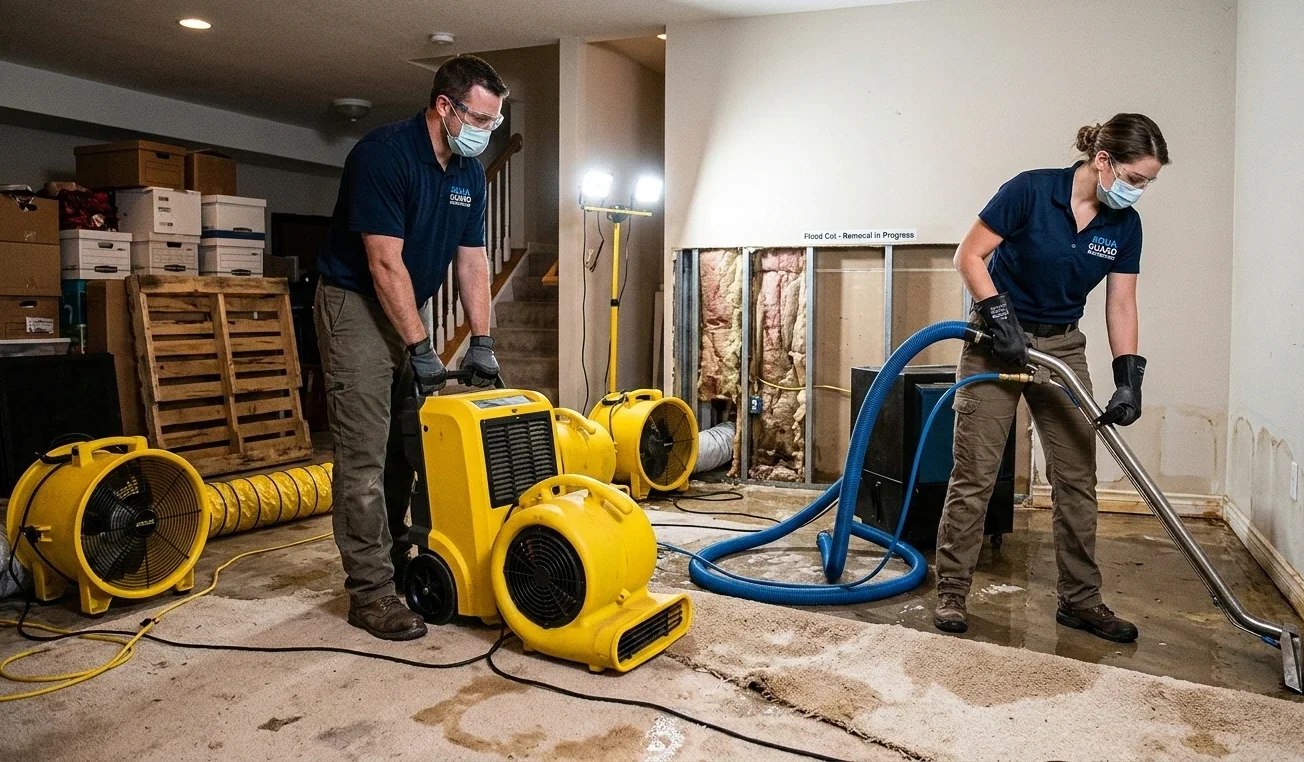
Restoration professionals use industrial-grade pumps and extraction equipment to remove water efficiently. This rapid response helps limit the amount of moisture that remains in building materials and significantly reduces the risk of mold development.
Professional Drying and Dehumidification
Even after visible water is removed, moisture can remain trapped in walls, flooring, insulation, and furniture. These hidden damp areas are one of the main causes of mold problems following water damage.
Water damage restoration specialists use high-powered air movers and commercial dehumidifiers to dry the affected areas completely. This equipment circulates air and reduces humidity levels, helping to eliminate the damp conditions that mold needs to grow.
Detecting Hidden Moisture
One of the challenges with water damage is that moisture is not always visible. Water can seep into structural components such as drywall, wooden beams, and subfloors. Without proper detection tools, these hidden areas may remain wet for days or even weeks.
Professional restoration teams use moisture meters, thermal imaging cameras, and other advanced tools to locate hidden water pockets. By identifying these problem areas early, they can ensure the entire structure is properly dried and protected from mold growth.
Removing Contaminated Materials
In some cases, water damage affects materials that cannot be fully restored. Severely soaked drywall, insulation, or carpeting may need to be removed to prevent mold from forming within them.
Restoration professionals carefully remove and dispose of damaged materials while protecting the surrounding areas. This process helps eliminate potential sources of mold and prepares the space for safe repairs and reconstruction.
Sanitizing and Preventing Future Growth
After drying the affected areas, restoration teams often apply antimicrobial treatments to surfaces that were exposed to water. These specialized solutions help eliminate bacteria and mold spores that may remain after the drying process.
By sanitizing surfaces and improving indoor air quality, restoration services reduce the chances of mold appearing later. This final step helps ensure the home or building remains safe and healthy for occupants.
Protecting Your Property from Mold
Mold can cause structural damage, unpleasant odors, and potential health issues for people living or working inside the building. Acting quickly after water damage is the most effective way to prevent these problems.
Professional water damage restoration services combine fast water removal, advanced drying equipment, moisture detection, and preventive treatments to stop mold before it begins. With the right response and proper restoration techniques, property owners can protect both their buildings and indoor environments from long-term moisture damage.
Stay up to date with our latest ideas!