The Beginner's Guide to Decluttering Your Home: Creating Spaces That Work for Every Life Stage
Learn how to declutter your home and create practical spaces that work for every life stage, with simple tips for sorting, organizing, storage, and daily living.
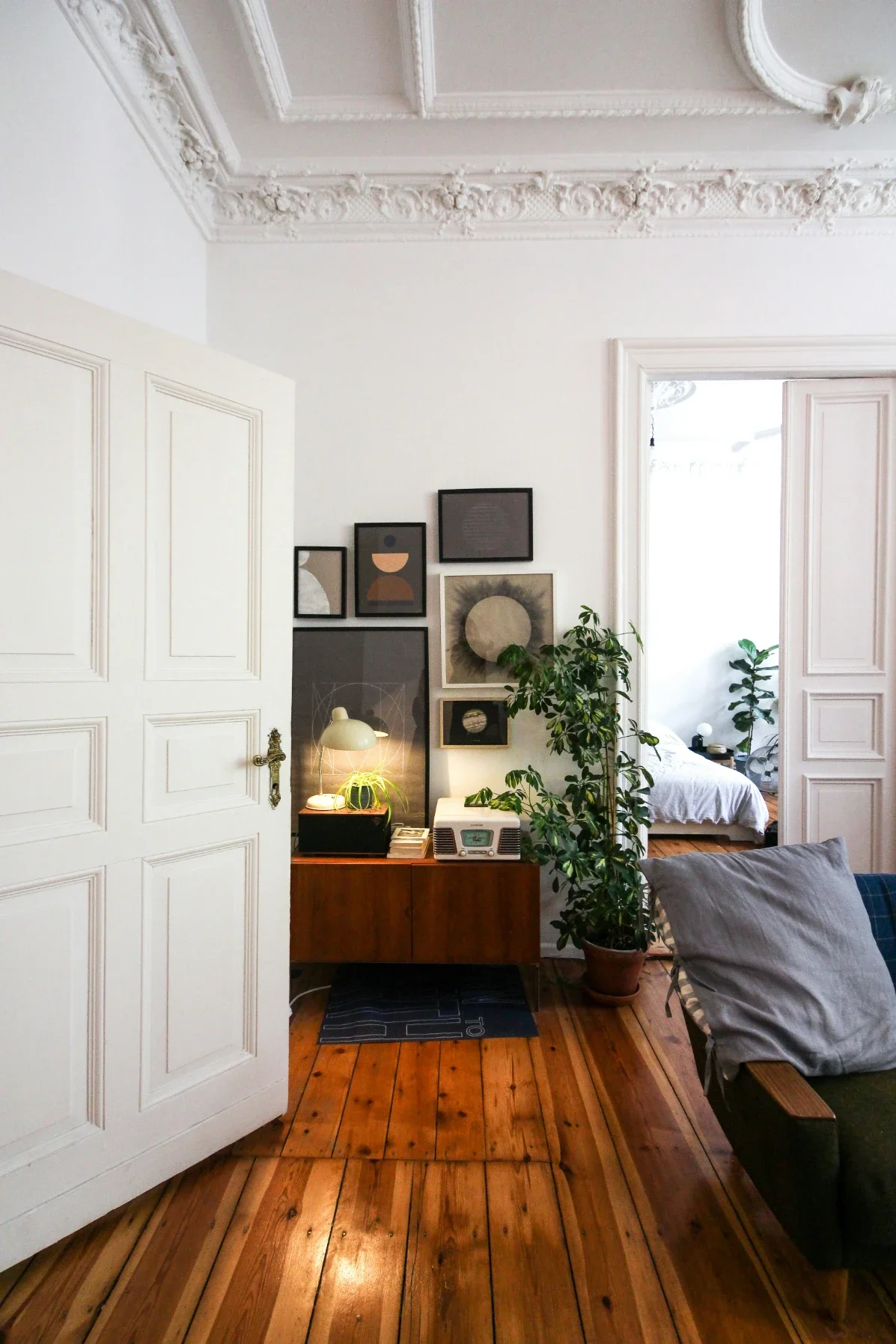
If you spend any time reading about home decor and interior design, you already know that a beautiful room starts with an empty surface, not a cluttered one. Lord Decor readers care about creating spaces that feel intentional, whether that's a cozy reading nook or a functional living room layout. But there's a chapter of home organization that rarely gets covered alongside paint colors and furniture arrangement: decluttering for the people who live in these spaces at every stage of life, including aging parents who may be facing a home that no longer fits their needs.
Decluttering is not just about tidiness or aesthetics. It's about making a home safer, easier to navigate, and better suited to whoever occupies it, whether that's a young family, a busy professional, or a senior parent trying to stay independent. This guide breaks down the fundamentals for anyone approaching decluttering for the first time, with a particular focus on how these principles apply when helping older family members simplify their surroundings.
Why Decluttering Matters Across Life Stages
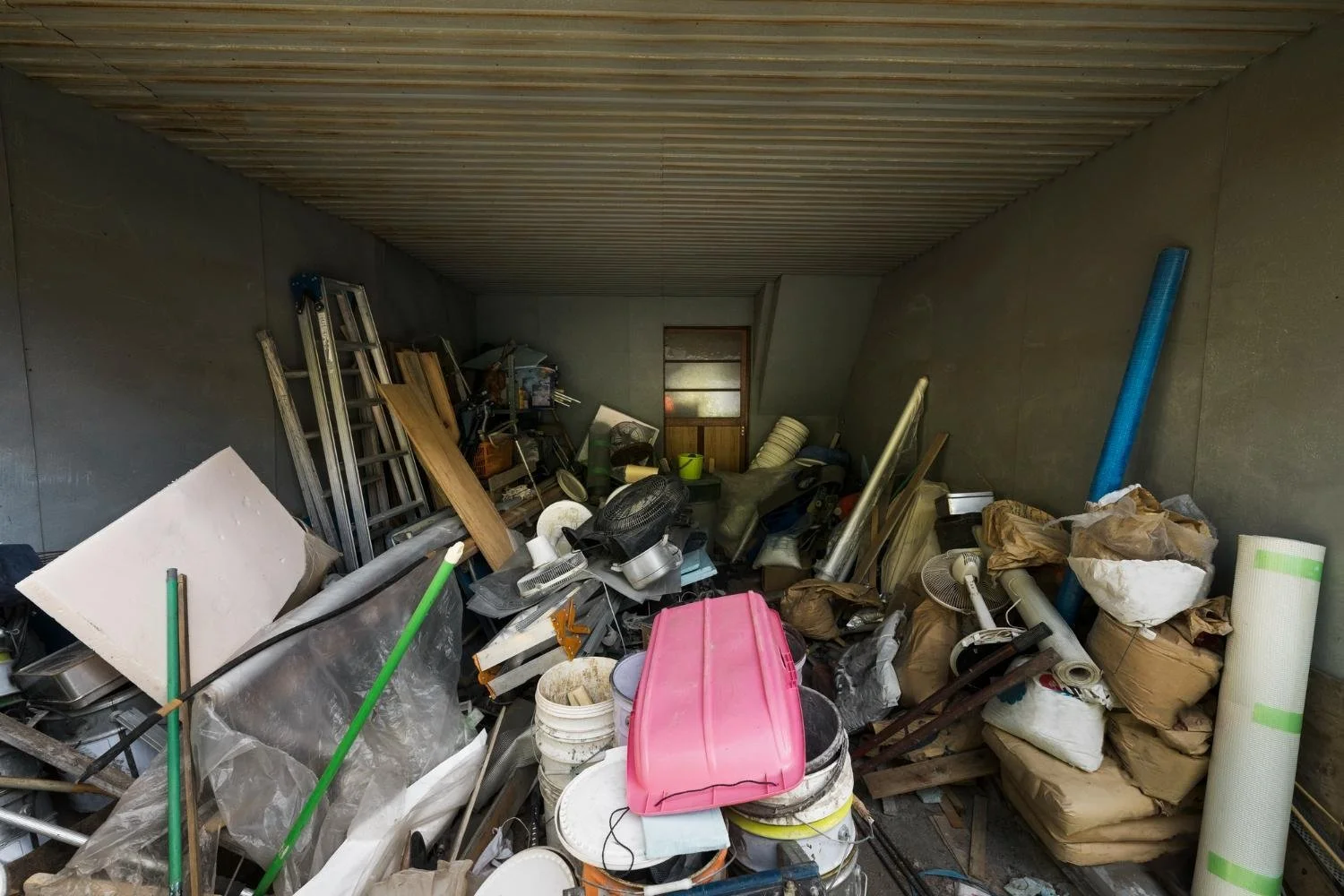
At its core, decluttering means removing items you no longer need, use, or love, so that what remains serves a clear purpose. For a young couple, that might mean clearing out starter furniture before a move. For empty nesters, it could mean sorting through decades of accumulated belongings. For seniors, decluttering often becomes a safety issue, not just a style preference. Loose papers, overstuffed closets, and furniture crowding walkways all become obstacles as mobility changes with age.
Understanding this connection between clutter and safety is the foundation everything else builds on. If you're supporting a parent or older relative through this process, the guide on 5 tips for how to help your senior parents declutter offers a practical starting point that acknowledges both the emotional and physical dimensions of the task. Clutter isn't just visual noise; it's tripping hazards, blocked exits, and stress that builds over time.
Five Essential Principles Every Beginner Should Know
Before tackling a single closet, it helps to understand the ideas that guide effective decluttering. First, work in small sessions rather than attempting an entire home in one weekend; fifteen or twenty minutes at a time prevents burnout. Second, sort items into simple categories such as keep, donate, and discard, so decisions don't stall out in ambiguity. Third, handle one category at a time, like clothing or paperwork, instead of moving randomly room to room.
Fourth, ask whether an item has been used in the past year, since this single question cuts through most sentimental hesitation. Fifth, and often overlooked, involve the person who actually lives in the space in every decision, especially when that person is a parent or grandparent who may feel that outside helpers are moving too fast. These five principles form a simple framework that applies whether you're organizing a studio apartment or a five-bedroom house.
Room-by-Room Starter Strategy
Beginners often freeze up because they try to declutter an entire house at once, which almost always leads to abandoning the project halfway through. A better approach starts with low-stakes areas first, such as a junk drawer, a linen closet, or a single bathroom cabinet. These smaller wins build confidence and momentum before moving into bigger, more emotionally loaded spaces like a home office or a closet full of clothes.
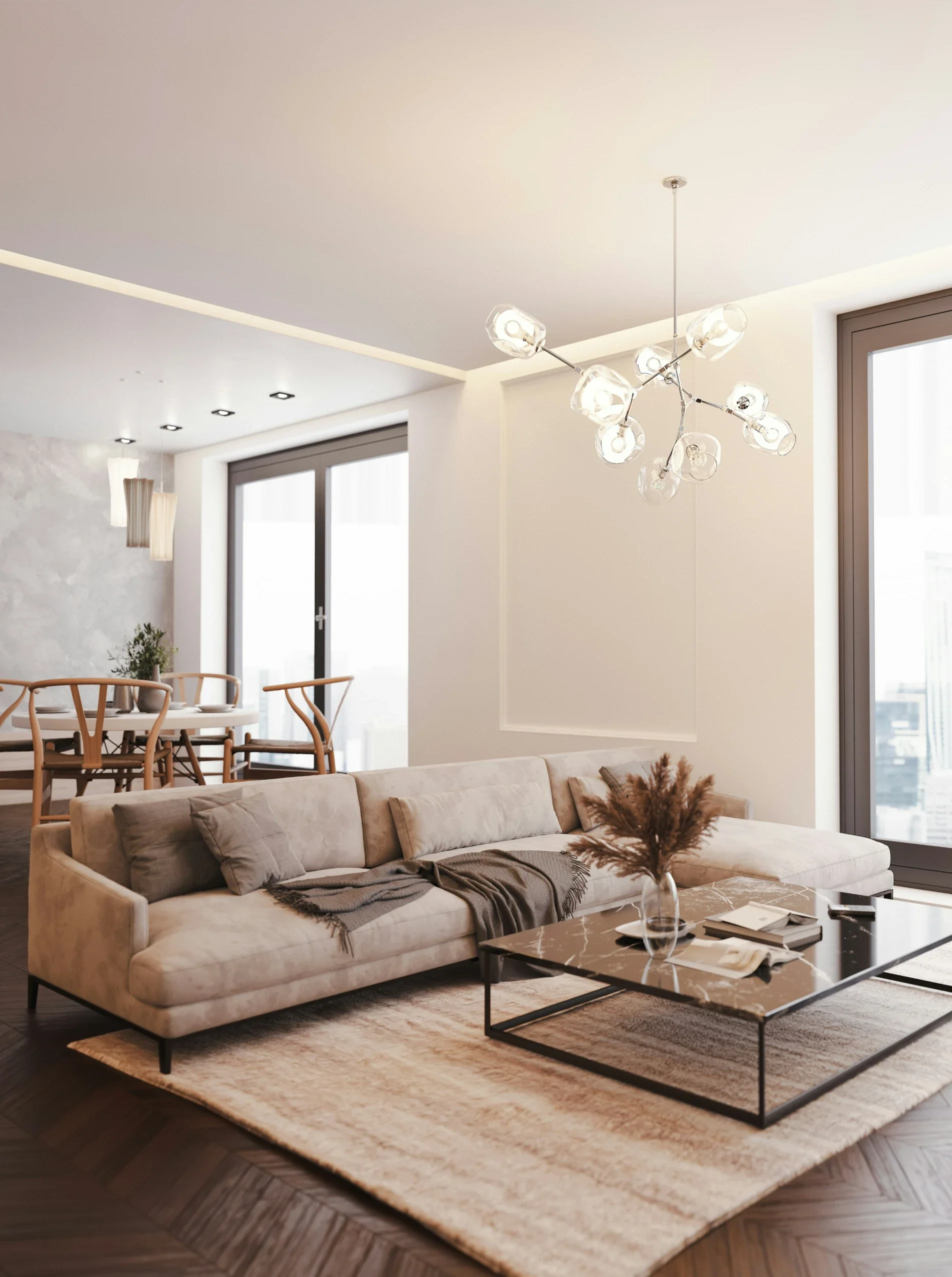
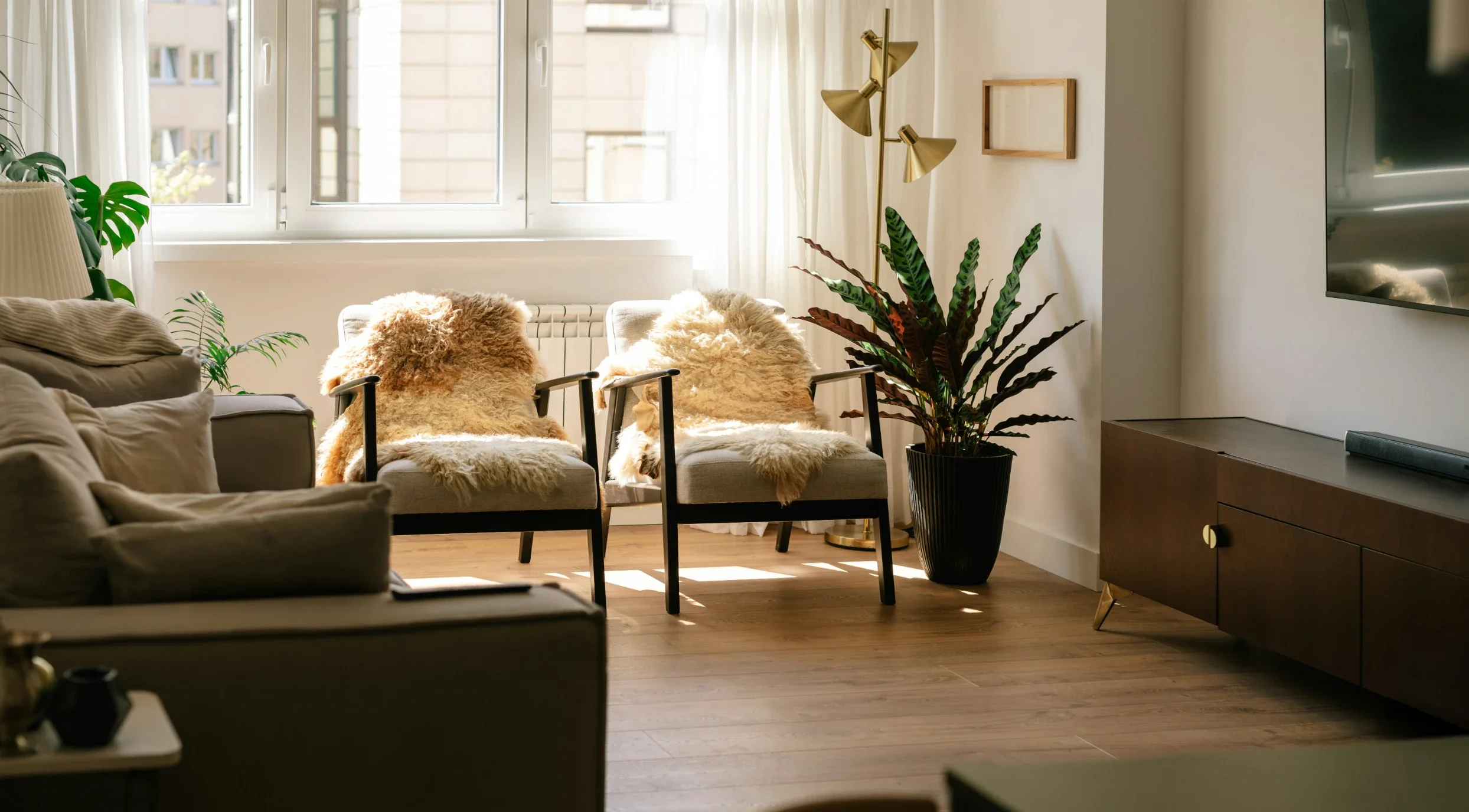
Living rooms deserve special attention because they tend to accumulate the most visible clutter, from mail piles to decorative items that no longer match the room's function. If you're rethinking how a living room works, especially in a smaller space shared with a dining area, ideas explored in small living room ideas with a TV and dining table can offer inspiration for combining decluttering with better furniture flow. Once the main living areas feel manageable, move on to bedrooms, then kitchens, then storage areas like garages or basements, saving the most sentimental spaces for last.
Helping Senior Parents Declutter Safely
When the person decluttering is an aging parent, the stakes shift from convenience to genuine safety. Falls are one of the most serious risks facing older adults, and clutter is frequently a contributing factor. According to Retirementliving, a decluttered home with clear pathways and organized storage reduces fall hazards, which is critical since only 1 in 10 U.S. homes currently have the accessibility features needed to support aging in place safely. That statistic alone should reframe decluttering from a cosmetic task into a preventative health measure.
Start by clearing walkways of loose rugs, cords, and low furniture that could catch a foot. Next, address commonly used rooms first, since these are where falls are most likely to happen during daily routines. Keep frequently used items within easy reach, avoiding step stools or bending, and involve your parent in every decision rather than making unilateral choices about what stays and what goes. Patience matters here more than speed, since rushing this process can create resentment and resistance that undoes progress.
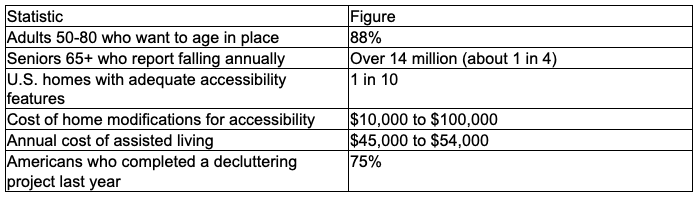
These numbers make a compelling case for early action. Modifying a home for accessibility, even at the higher end of the cost range, remains far less expensive over time than several years of assisted living. Decluttering is often the first and least costly step toward making a home genuinely age-friendly, long before more expensive modifications like grab bars or stairlifts become necessary.
Whatever life stage you're organizing for, the underlying goal stays consistent: create a home that supports how people actually live in it, not how it looked ten years ago. Start small, stay consistent, and remember that decluttering is rarely a one-time event but an ongoing practice that evolves as needs change. Whether you're refreshing a living room or helping a parent simplify their surroundings for safety, the same patient, category-by-category approach will carry you through.
Stay up to date with our latest ideas!