The Hidden Impact of Water Damage on Beautiful Homes
Discover how hidden water damage affects your home’s design, structure, and value, plus expert tips to detect, prevent, and restore safely.
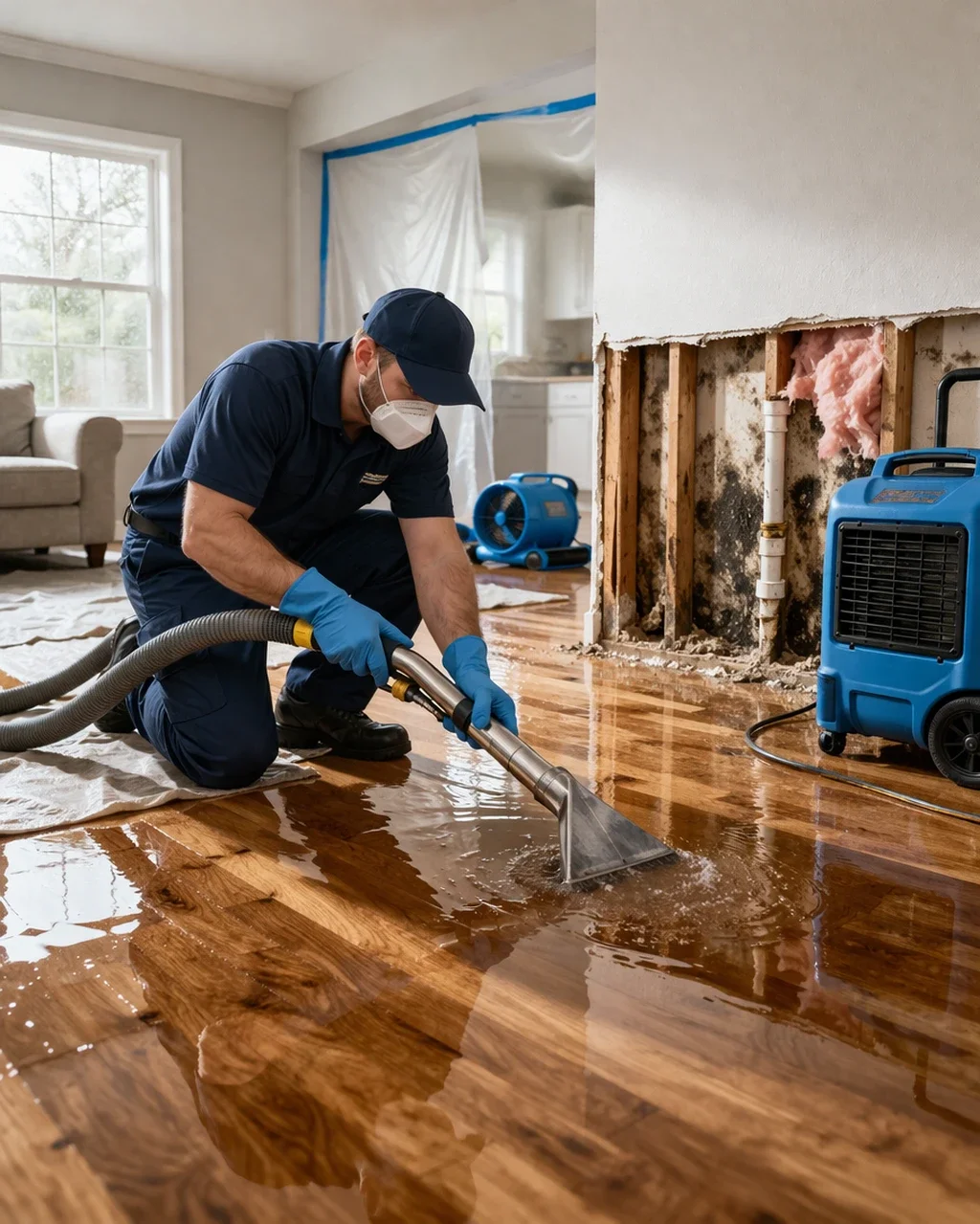
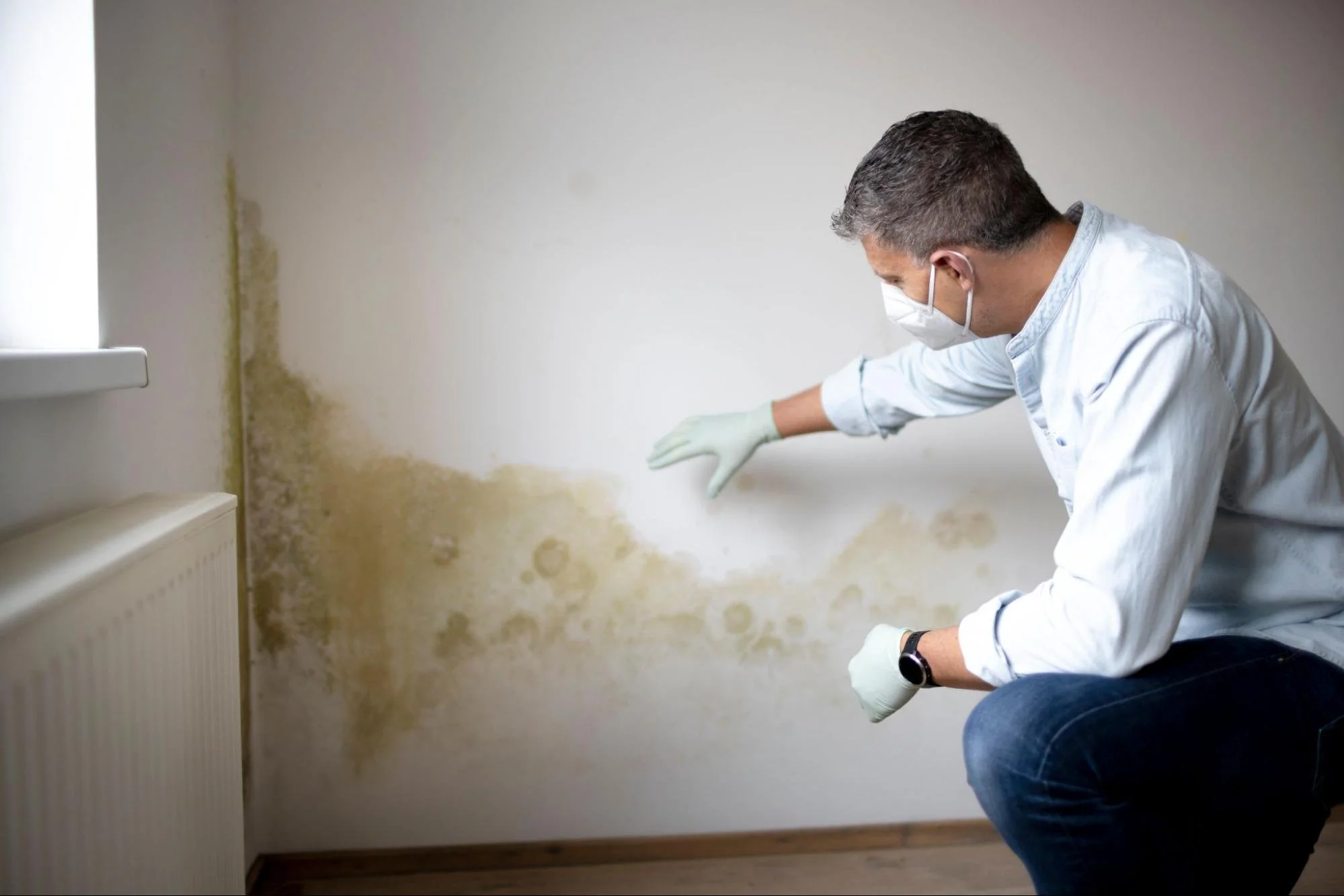
Water damage rarely begins with a dramatic event. More often, it starts quietly. A slow drip behind a wall, a small leak under flooring, or moisture creeping in through a poorly sealed window can go unnoticed for weeks. By the time visible damage appears, the problem has already spread into the structure of your home.
That is why early awareness matters. Many homeowners turn to trusted professionals like HRS Restoration Services to identify hidden moisture and restore affected spaces before the damage compromises both structure and style.
Let’s break it down so you can better understand how water damage develops and how to protect your home.
Why Water Damage Spreads Beyond What You See
Water does not stay contained. Once it enters your home, it travels through materials that absorb and hold moisture.
Here is what happens beneath the surface:
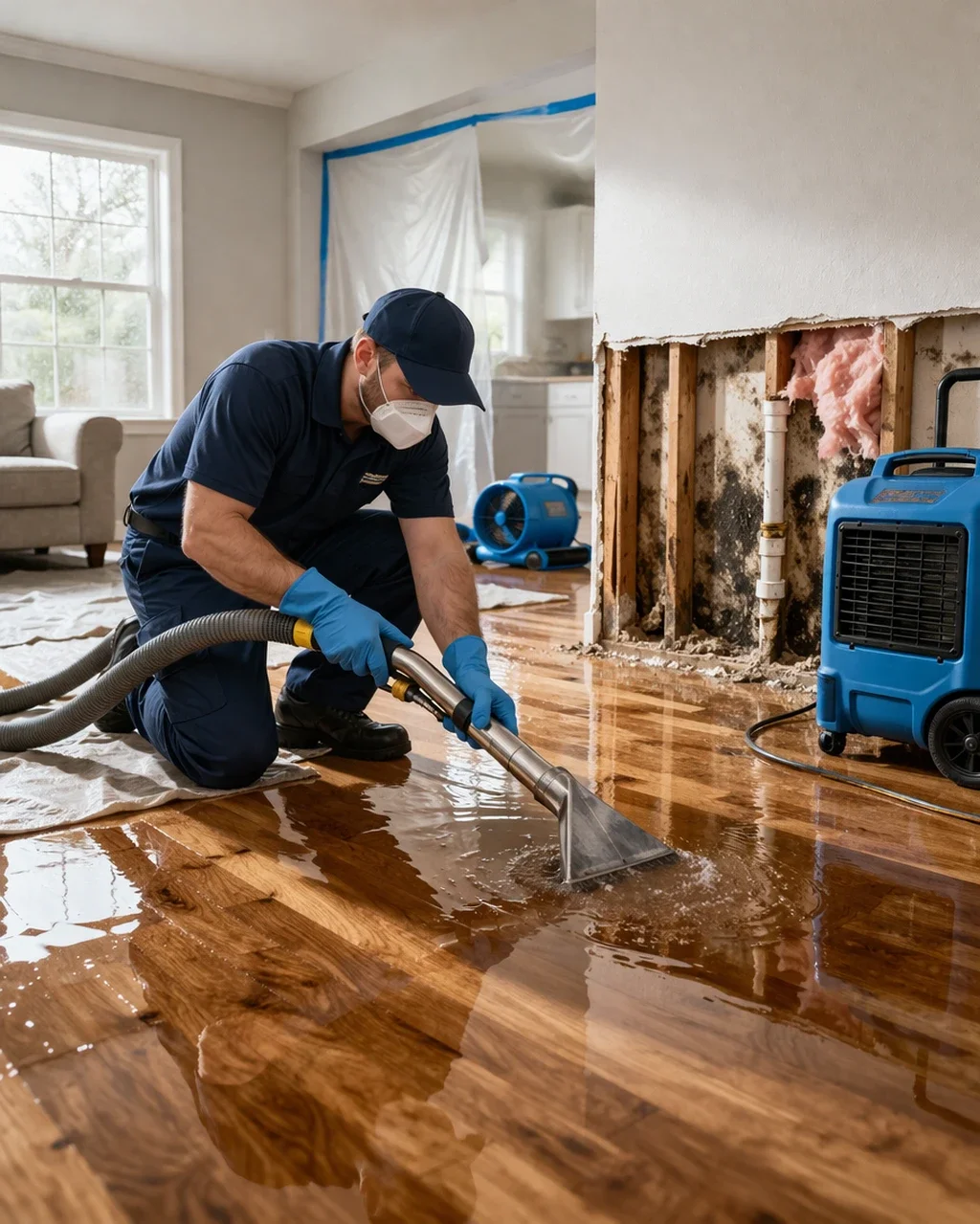
Drywall absorbs water quickly and begins to soften and crumble
Wooden framing swells, which can lead to warping or structural stress
Insulation holds moisture, creating a damp environment that is difficult to dry
Subflooring absorbs water, which can weaken the stability of flooring above
What appears as a small stain or damp spot is often only the visible portion of a much larger issue.
According to the U.S. Environmental Protection Agency, mold can begin growing within 24 to 48 hours in damp environments. This means even a minor leak can quickly create conditions for deeper damage.
Where Water Damage Quietly Develops
Some of the most damaging moisture issues occur in areas that are not part of your daily routine.
Behind Walls
Plumbing lines run through walls, and even a slow leak can saturate drywall and framing over time. Because the damage is hidden, it may go unnoticed until stains or odors appear.
Beneath Flooring
Water can seep under hardwood, tile, or laminate flooring. Over time, this leads to warping, buckling, and separation between planks or tiles.
Inside Ceilings
Leaks from upper levels or roofing issues often collect in ceilings. The first visible sign is usually a discoloration or sagging area, but the damage above may be much more extensive.
Around Windows and Doors
Improper sealing allows small amounts of water to enter repeatedly. This gradual exposure can damage surrounding materials and lead to hidden mold growth.
Subtle Warning Signs That Signal a Bigger Problem
Water damage often announces itself in small, easy-to-miss ways. Recognizing these early signs can prevent costly repairs later.
Look closely for:
A persistent musty smell that lingers even after cleaning
Faint discoloration or shadowing on walls and ceilings
Floors that feel slightly soft, uneven, or spongy
Paint or wallpaper that bubbles, cracks, or peels
Cabinet doors or drawers that no longer align properly
These signs may seem minor, but they often point to moisture trapped behind surfaces.
How Water Damage Affects Interior Design and Finishes
For homeowners who care about design and décor, water damage can undo years of thoughtful planning.
Here is how it impacts your home visually and structurally:
Hardwood flooring can cup, warp, or lose its finish
Painted surfaces can stain or discolor, requiring full repainting
Custom cabinetry may swell, affecting alignment and usability
Decorative trim and molding can crack or separate from walls
Textiles like rugs and upholstery can absorb moisture and develop odors
Even a small leak can disrupt the look and feel of an entire room.
What to Do When You Notice Signs of Water Damage
Taking the right steps early can prevent a manageable issue from becoming a major restoration project.
Step 1: Identify the Source
Check nearby plumbing, appliances, or exterior areas where water could be entering.
Step 2: Reduce Moisture Levels
Open windows, use fans, and increase airflow to slow the spread of dampness.
Step 3: Protect Your Belongings
Move furniture, rugs, and décor items away from the affected area to prevent further damage.
Step 4: Monitor the Area Closely
Watch for changes such as spreading stains or increasing odor.
Step 5: Call a Restoration Professional
Experts can detect hidden moisture and begin proper drying before the damage spreads further.
Why Professional Restoration Is Essential for Lasting Results
Water damage is not just about removing visible water. The real challenge is eliminating moisture trapped within materials.
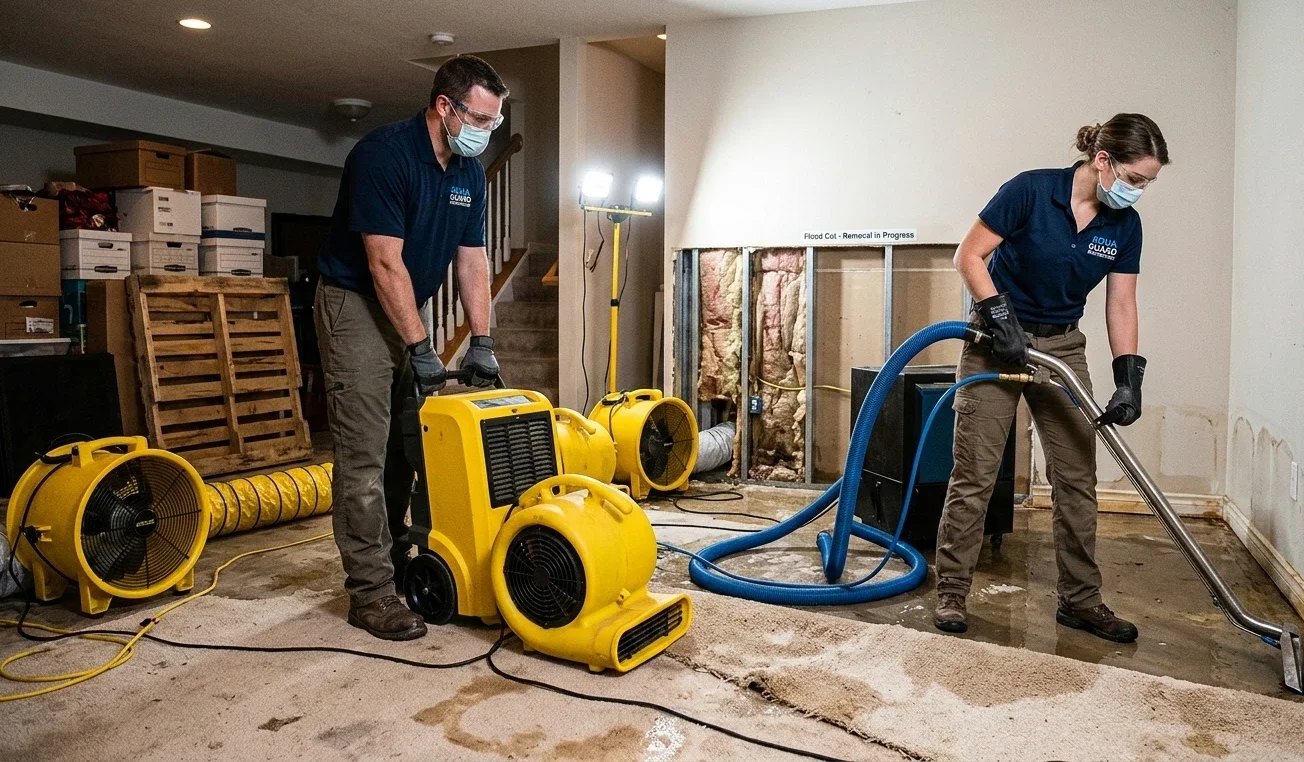
Professional restoration services include:
Advanced moisture detection to locate hidden water
High-capacity extraction equipment for efficient removal
Industrial air movers to circulate air and accelerate drying
Dehumidifiers that remove moisture from the environment
Treatments to prevent mold growth and contamination
The IICRC S500 standard emphasizes that complete drying is critical to prevent long-term structural damage and microbial growth.
Without proper restoration, moisture can remain hidden and lead to recurring problems weeks or months later.
Practical Ways to Prevent Future Water Damage
While not all water damage can be avoided, many risks can be reduced with consistent maintenance.
1. Inspect High-Risk Areas Monthly
Check under sinks, behind appliances, and around plumbing fixtures.
2. Maintain Seals and Caulking
Ensure that areas around tubs, sinks, and windows are properly sealed.
3. Manage Indoor Humidity
Use dehumidifiers in damp areas to reduce condensation.
4. Keep Drainage Systems Clear
Clean gutters and ensure water flows away from your home’s foundation.
5. Replace Aging Components
Old hoses, connectors, and appliances are more likely to fail.
Preserving Both Function and Aesthetic
A well-designed home should be both beautiful and resilient. Water damage threatens both aspects at once.
Ignoring early signs can lead to:
Structural repairs that disrupt your living space
Replacement of flooring, walls, and finishes
Increased repair costs over time
Loss of the original design integrity of your home
Addressing issues early helps preserve the investment you have made in your home’s design and functionality.
Next Steps for Homeowners
Water damage can feel overwhelming, but a clear plan makes it manageable.
Here is a simple approach:
Stay aware of subtle warning signs
Act quickly when something seems off
Bring in professionals for a thorough assessment
Maintain your home to reduce future risks
Experienced teams like HRS Restoration Services provide the expertise needed to detect hidden damage and restore your home properly, ensuring both structure and style are protected.
Stay up to date with our latest ideas!