Planning the Waste Side of a Renovation Before You Swing the First Hammer
Plan the waste side of your renovation before work begins, with practical tips for disposal, sorting, storage, permits, and keeping the project site clean.

Every renovation article covers the same ground: mood boards, budgets, finding a contractor, choosing finishes. Almost none of them address the thing that will be sitting in your driveway for two weeks and dominating every photograph you take of the project.
Demolition produces an extraordinary volume of material, and where it goes is a decision most homeowners make on day three, in a hurry, at the point where the garage is already full.
The Volume Surprises Everyone
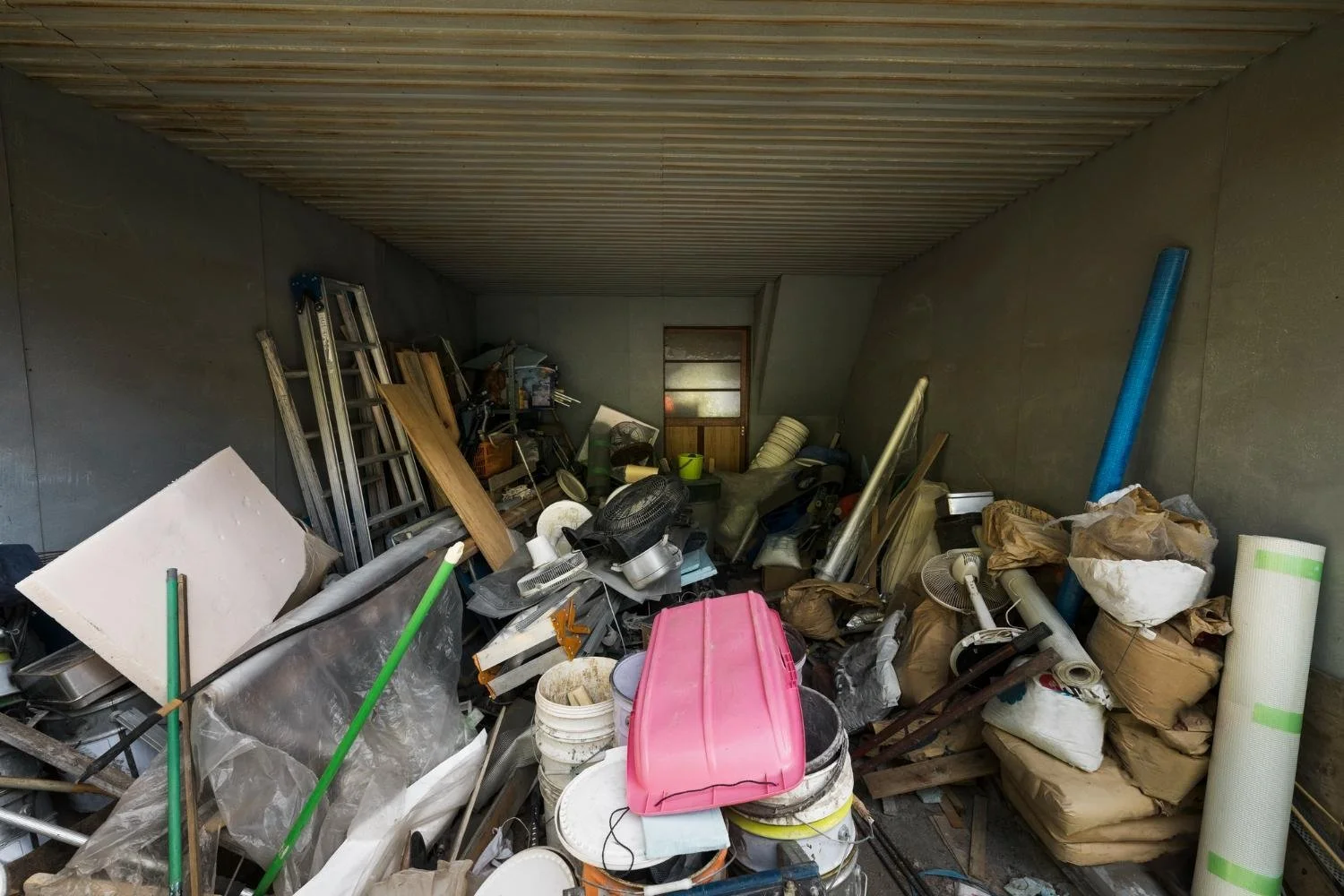
The first shock of any gut renovation is not the cost or the noise. It is the sheer quantity of material that comes out of a room that did not look particularly large.
A single bathroom strip-out produces broken tile, a cast iron tub, a vanity, drywall, subfloor, and the tile backer behind everything. A modest kitchen produces cabinets, countertops, appliances, flooring and whatever is underneath it. A room that measured twelve by fourteen feet can fill a container that looks absurdly oversized on the day it arrives.
Homeowners consistently underestimate this, because volume in a wall is invisible until it is in a pile.
Sizing Is About Weight as Much as Space
The instinct is to think in cubic yards, which is how containers are described. The constraint that actually catches people is weight.
Dense demolition material behaves differently from bulky material. A container filled with old carpet, cabinetry and furniture may reach the top before it approaches any weight limit. The same container filled with tile, plaster, concrete or roofing shingles will hit its weight allowance while it still looks half empty.
That matters because overweight loads carry additional charges, and because a container loaded past its limit may simply not be collected until material is removed.
A practical rule: if the project involves masonry, tile, plaster or roofing, plan on weight being the binding constraint. If it involves cabinetry, carpet and general clearing, plan on volume.
Getting the Logistics Right On a Norfolk Street
Placement is where projects in older neighbourhoods run into trouble, and Hampton Roads has plenty of those.
The streets in Ghent, Larchmont and Colonial Place were laid out long before anyone was delivering roll-off containers, and many properties have narrow driveways, mature street trees with low canopies, and on-street parking that fills by six in the evening. A delivery truck needs clear overhead room and a straight approach, neither of which is guaranteed.
This is worth discussing with the provider before the delivery date rather than on it. Companies handling dumpster rental norfolk va projects daily know which streets are workable and what a tight approach requires, and they would far rather have that conversation in advance than send a truck that cannot make the turn.
Two other placement details are worth settling early. Whether the container sits on your driveway or on the street, since the second may require a permit from the city. And what goes underneath it, because the wheels and rails of a loaded roll-off will mark asphalt and can crack older concrete. Plywood sheets under the contact points cost very little and prevent a repair.
What Cannot Go In
Every provider has a prohibited list, and it is largely consistent because it derives from what disposal facilities will accept.
Paint, solvents, adhesives and other liquids. Automotive fluids, oil and antifreeze. Batteries. Tyres. Propane tanks and any pressurised cylinder. Refrigerants, meaning appliances need professional evacuation before disposal. Asbestos-containing materials, which in a home of a certain age may include floor tile, pipe insulation and some siding.
That last one deserves genuine attention in older Norfolk housing stock. If a property predates the late 1970s and you are disturbing insulation, floor tile or textured surfaces, testing before demolition is the sensible order of operations rather than the reverse.
Half of What Comes Out Is Not Waste
Here is the part most renovation guides skip entirely, and it changes how you plan the job.
The Environmental Protection Agency's guidance on construction and demolition materials treats a great deal of this material as commodity rather than refuse. Its position is direct: demolishing existing buildings and disposing of the debris is not a resource efficient practice, and recovering used but still-valuable materials is an effective way to save money while protecting natural resources.
The scale involved is larger than most people assume. EPA estimated that 600 million tons of construction and demolition debris were generated in the United States in 2018, more than twice the amount of municipal solid waste generated in the same period.
The agency's recommended approach is deconstruction, meaning carefully dismantling rather than demolishing, so components can be salvaged. In a practical home renovation that translates into a short list: solid wood cabinetry, doors and hardware, light fixtures, appliances in working order, dimensional lumber, brick, and architectural details in older homes.
Salvage operations and building material reuse centres take these, and separating them before the container arrives has two effects. Less material in the container, and a smaller container.
Sequence the Job Around the Container
Once you have the container, the clock is running, and that changes how you should order the work.
The efficient sequence is to do everything that produces waste while the container is on site, rather than spreading demolition across the whole project. Strip out, clear, sort the salvage, load, and get it collected.
Loading strategy matters more than it sounds. Flat, heavy material goes on the bottom, distributed evenly rather than piled at one end. Bulky items break down before they go in, because an intact cabinet carcass wastes an enormous amount of air. And nothing should protrude above the top rail, since an overloaded container cannot legally be transported.
Clearing Is a Different Job From Renovating
Worth separating, because the two frequently get conflated in planning.
A renovation produces heavy, dense, awkward material over a defined period. A cleanout of an inherited property, a garage or a long-occupied home produces enormous bulk with relatively little weight, and it arrives all at once because the whole point is to finish in a weekend.
The two need different container sizes and different scheduling. Combining them into one estimate is how people end up with a container that is full on Saturday morning with the whole house still to do.
Book the Skip Before the Contractor
The scheduling error that costs the most is treating waste removal as the last thing to arrange.
Contractors book weeks ahead. Containers can too, particularly in spring and early autumn when everyone in Hampton Roads decides simultaneously to fix the thing they have been ignoring since last year. A crew arriving to a project with nowhere to put the demolition either stops or piles it in the yard, and neither outcome is good.
Sort the container before the labour, decide what is being salvaged before either, and the messiest phase of the project becomes the most predictable one.
Stay up to date with our latest ideas!