Discover common home comfort challenges that often go unnoticed and learn how simple improvements can enhance efficiency, air quality, and daily living.

Comfort often centers on clear matters like warmth, coolness, or noticeable upkeep needs. Yet beneath those surface points lie quieter shifts that unfold slowly. Gradual changes may disrupt how evenly rooms heat or cool. Air freshness might decline without setting off alarms. Living ease erodes in ways hard to pin at first glance. Awareness of subtle signs allows adjustments before strain appears. Over time, small fixes support steadier conditions indoors. Prevention grows from noticing what does not shout for notice.
Uneven Temperatures
It happens quietly - some rooms stay cozy, others drift into chill or stuffiness. Upstairs areas might run hot even when downstairs feels just right. Temperature gaps like these creep in over time. Instead of questioning the shift, people tend to adjust their habits without thought. What goes unremarked is how fixable such imbalances really are.
When air does not move properly, warmth or coolness may fail to reach certain areas. Duct problems often contribute, just as weak insulation might. One consequence is rooms feeling too warm or too cold without warning. Equipment then runs longer than needed, increasing wear gradually. Comfort spreads more evenly once sources of imbalance become clear. Efficiency tends to follow a similar improvement path when root factors are addressed.
Poor Air Circulation
Though unseen, movement of air inside homes receives little attention since people care more about warmth levels. Despite hitting correct readings on climate controls, uneven flow creates pockets where rooms seem closed off or uneasy. Where currents are weak, buildup of warmness, dampness, or old air lingers - altering how spaces are experienced.
Openings blocked by objects slow down how fast air moves through rooms. Though the heating unit runs correctly, stuffy spots might still happen when flow gets interrupted. With better motion of air inside spaces, warmth spreads without favoring one spot too much. Cooler or warmer zones fade away if things letting air pass stay clear.
Indoor Humidity Issues
Though unseen, shifts in moisture affect how people experience indoor environments. Where dampness rises, rooms seem hotter even if temperature stays constant. Low levels of water vapour bring irritation, especially when outdoor conditions turn cold. Since these variations develop slowly, awareness tends to come late. Comfort depends heavily on such invisible factors, though attention is rarely given.
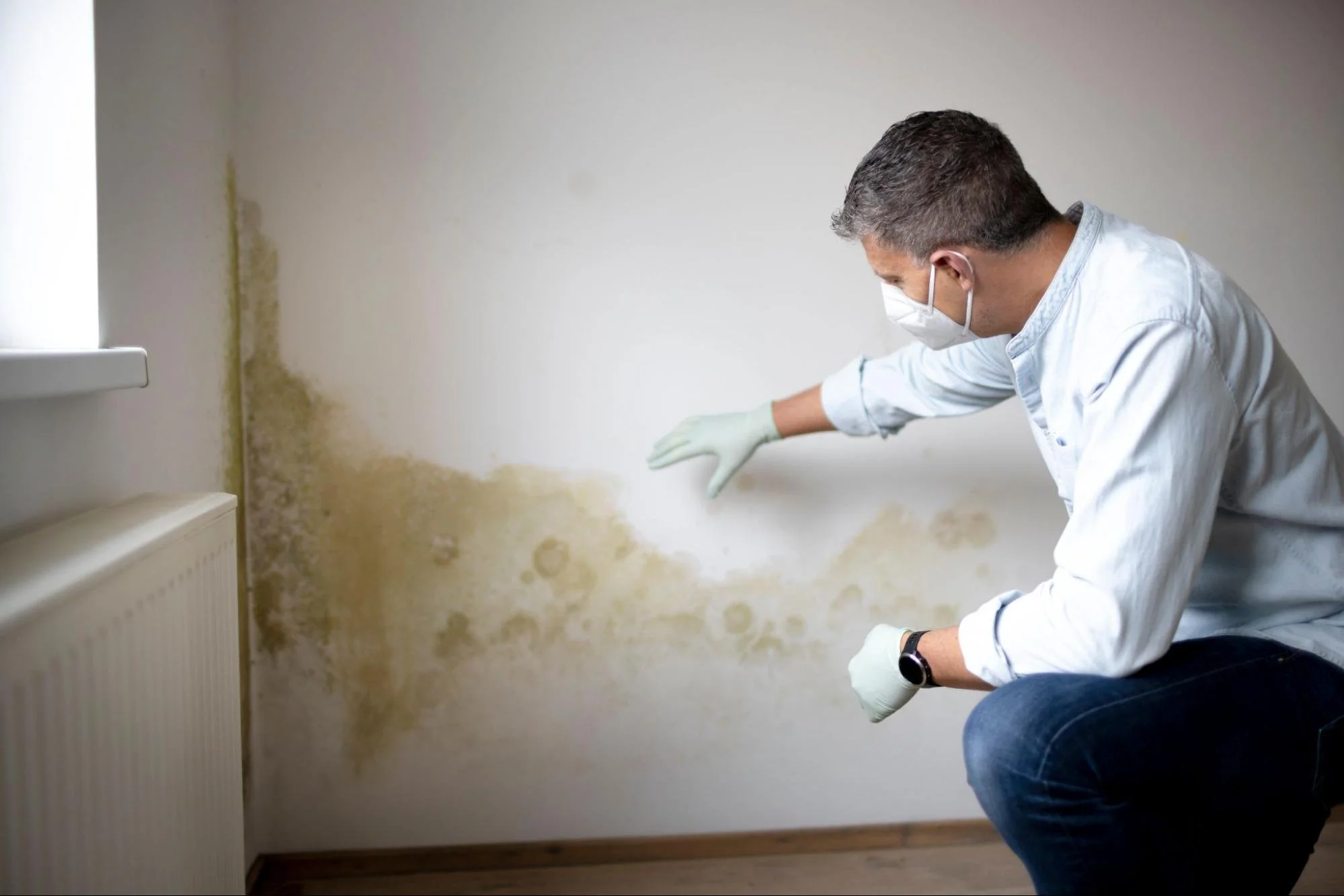
Poor regulation of dampness may influence the condition of indoor air, leading instead to problems like dripping surfaces, fungal development, or irritated skin. A steady level of wetness aids physical ease along with well-being. Attention toward water content in the atmosphere across seasons allows those who own homes to form a space that feels more agreeable.
Hidden Air Leaks
Where gaps appear near windows or doors, even tiny ones, warmth or coolness moves out more easily. Over time, these spaces grow without clear signs showing up right away. Because of that, inside air drifts outside while uncontrolled airflow comes in from beyond the walls. Keeping a steady room temperature turns into extra effort under such conditions.
When air escapes through cracks, some rooms might feel colder or warmer than usual. Because of this, maintaining a steady temperature becomes harder. Yet fixing these openings tends to balance things inside. With better protection against outside elements, living spaces respond more evenly. Small upgrades like these typically lower unnecessary energy loss too.
HVAC Performance Changes
Performance of climate control units tends to slip bit by bit instead of breaking outright. Little shifts over time make it hard for residents to notice when machines fall short of best output. Airflow weakens, run periods stretch out, yet comfort fades - clues something runs off track.
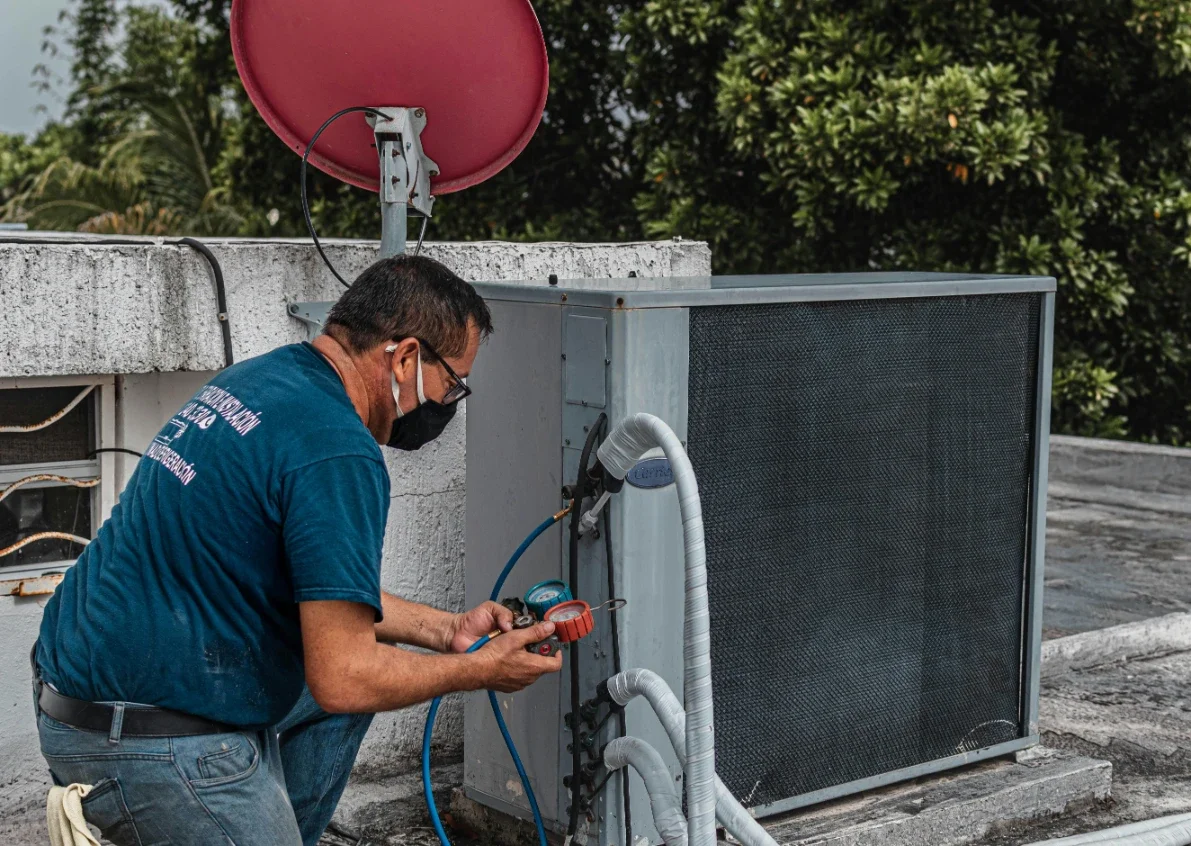
Occasionally, AC repair service becomes essential when performance declines. When small heating or cooling faults are managed promptly, expensive fixes later tend to be avoided. These routine checks often uncover hidden flaws long before failure occurs. Consistent system function usually follows from timely attention to subtle changes.
Insulation Deficiencies
Hidden gaps in building layers usually go unnoticed within wall cavities, above rooms, or under roof areas. Because these spots stay out of sight, residents might overlook how they affect living conditions. When warmth flows freely into homes in hot months and leaks out when it is cold, temperature control becomes less reliable. Stability indoors weakens without proper thermal resistance.
Homes built long ago often lack proper insulation, given that construction practices were less advanced back then. Because of progress in material science, modern upgrades handle heat flow more effectively. When indoor temperatures stay steady, reliance on heating systems becomes less frequent. Comfort levels rise noticeably when walls resist cold air from outside. Over time, consistent interior climates emerge without depending heavily on artificial adjustments.
Equipment Sizing Concerns
A different common issue arises when heating and cooling systems do not match the size needs of a house. If units are undersized, they often fail to reach desired indoor conditions. In contrast, larger models tend to switch on and off at irregular intervals. Each scenario tends to weaken overall performance and user satisfaction.
Homeowners who upgrade their homes might look at air conditioning options, especially when planning with services like Air Conditioning Installation Vancouver; these efforts typically involve checking how large a unit is needed along with the specific cooling demands of the residence. Since correct sizing influences efficiency, attention to detail here supports steady indoor temperatures, improved moisture management, however it also promotes even airflow across rooms. The choice of unit affects daily experience inside the house - this impact tends to show up most clearly during warmer months.
Changing Household Needs
Occasionally, comfort issues arise when living patterns shift within a residence. As functions of space transform - like storage areas turning into workspaces - climate control needs adjust accordingly. When more individuals occupy the dwelling, air circulation expectations change as well. Over time, established HVAC setups might struggle to meet these updated conditions.
Heat from devices like computers or gaming consoles sometimes alters how warm a room feels. When daily routines shift, earlier methods of managing home climate might no longer fit every person’s preference. Adjustments often become necessary so living spaces stay suitable over time.
Conclusion
Comfort issues in homes tend to emerge slowly, slipping past attention until routines feel disrupted. Where temperature varies room to room, air movement weakens - moisture levels shift silently alongside unseen gaps in structure or insulation. HVAC systems strain under inefficiencies that remain hidden, their decline unfolding without clear signals. Since symptoms blend into everyday experience, residents might overlook how deeply conditions have shifted indoors. Gradual changes like these reshape living quality before awareness catches up.
A shift toward early detection of unseen discomfort issues often results in better living quality alongside improved performance. Attention to elements shaping interior environments, combined with regular upkeep of critical household components, sets the stage for balanced conditions throughout the seasons. Stability indoors, when consistently managed, contributes to well-being while reinforcing lasting asset worth. Long-term benefits emerge not from grand changes, but steady focus on overlooked details. Comfort, quietly maintained, becomes a foundation rather than an afterthought.
Stay up to date with our latest ideas!