Simple Ways to Protect Your Property From Flooding
Discover simple ways to protect your property from flooding with practical prevention tips that reduce water damage, improve drainage, and safeguard your home.
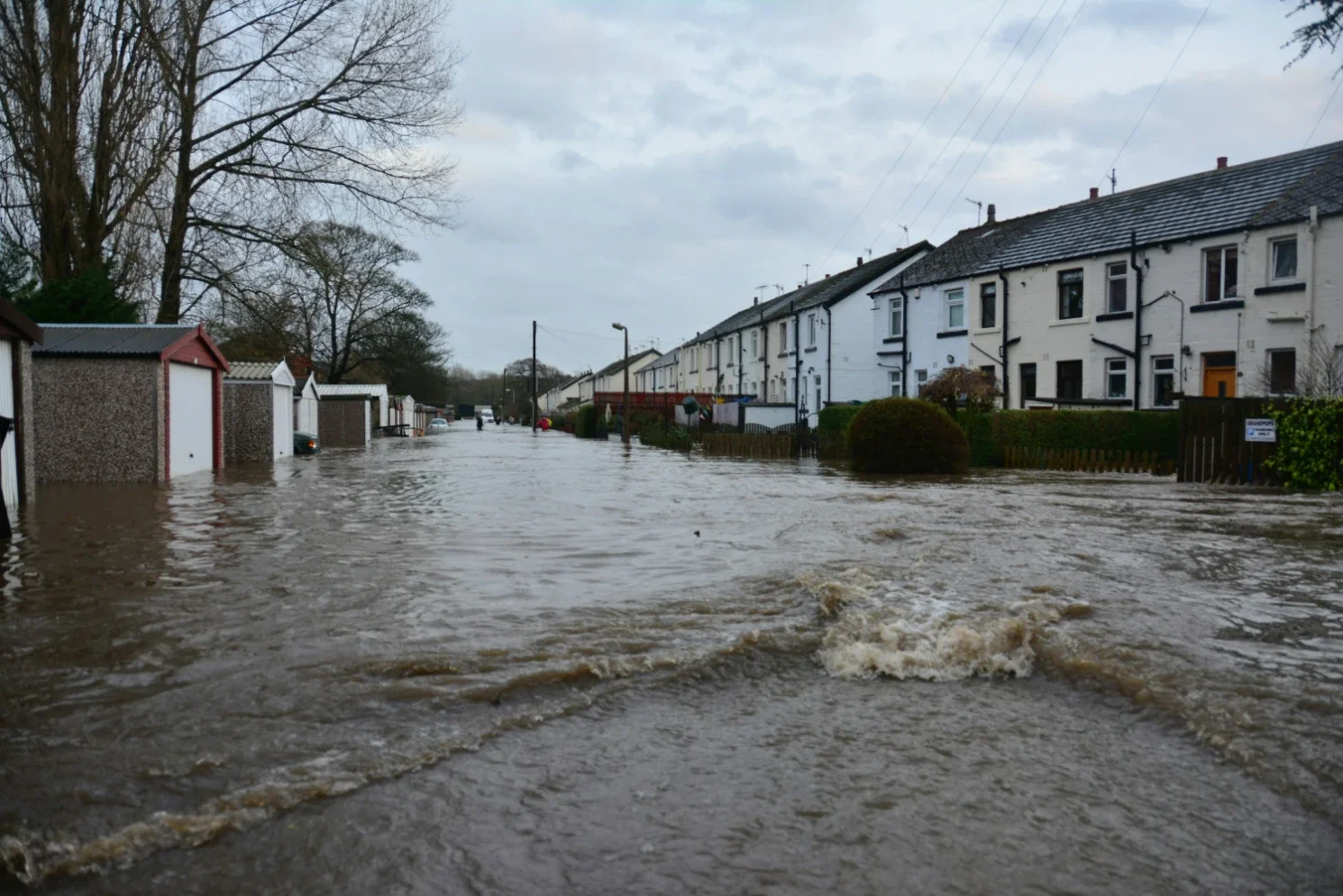
Heavy rain can cause serious financial damage to your home in a short amount of time. Taking proactive steps prepares your home for unexpected weather challenges before the storms arrive.
Small adjustments around your property make a massive difference in keeping things dry. You can secure your valuable investment with a few weekend projects.
Clear Your Gutters Regularly
Clogged gutters block rainwater from moving away from your roof structure safely. Debris like leaves, pine needles, and twigs builds up quickly during the autumn months. Regular cleaning keeps the channels clear for sudden downpours throughout the year.
Water needs a clear path to flow away from your home's foundation. Calling expert teams helps maintain your drainage lines before heavy storms arrive, as professionals from The Drain Guys explain. Clean channels prevent pooling near your basement walls and protect your yard.
Overflowing gutters can spill directly onto the ground next to your exterior siding. This falling pool of water risks soaking into your crawlspace or cracking your concrete. Cleaning these pathways 2 times a year protects your structural integrity over the long term.
Install a Sump Pump
Basements often face the highest risk during severe wet-weather events. A reliable pump system collects rising groundwater from under the floor and directs it outside. This mechanical tool keeps your lower living levels dry during intense storms.
Adding a battery backup option keeps the system running during major blackouts. Storms frequently knock out electricity lines right when you need drainage support the most. A backup power source offers extra safety against sudden mechanical failures.
Testing the equipment before the rainy season arrives helps catch mechanical errors early. Pour a large bucket of water into the basin to verify that the trigger mechanism activates properly. Regular maintenance keeps the machinery ready for unexpected emergencies.
Improve Your Yard Grading
The slope of your lawn determines where rainwater travels after hitting the dirt. Slopes that tilt toward your foundation guide water directly into your basement walls. Reshaping the ground helps fix this common structural flaw permanently.
Creating a gentle downward slope away from your house keeps the foundation drier. You can add extra topsoil near the outer walls to build up the ground elevation. This simple dirt adjustment diverts runoff toward safe drainage zones.
French drains can assist in areas where changing the lawn slope is too difficult. These gravel-filled trenches collect excess moisture and funnel it toward the street gutter. They work well for managing heavy surface runoff from neighboring properties.
Use Sandbags and Flood Barriers
Temporary barriers block rising waters from entering low entryways like garage doors. Stacking heavy sandbags creates a tight seal against advancing pooling water on walkways. They offer quick security when local water levels begin to rise suddenly.
Modern commercial flood panels offer an excellent alternative to heavy bags of sand. These lightweight gates lock into specialized frames installed around your main doorways. Property owners can deploy them within 10 minutes of a severe storm warning.
Storing these tools in an accessible garage cabinet makes quick deployment much easier. Speed matters when flash floods threaten your neighborhood streets during the night. Keeping defenses nearby saves precious time during sudden weather crises.
Elevate Utilities and Appliances
Water pooling on your basement floor can ruin expensive mechanical units. Raising equipment onto sturdy concrete blocks keeps sensitive parts above shallow water levels. This step prevents costly replacement bills after minor appliance leaks.
Washing machines and water heaters sit directly on the ground in many older households. Moving these items onto raised platforms shields electrical components from moisture contact. Electrical items face permanent damage when submerged in standing water.
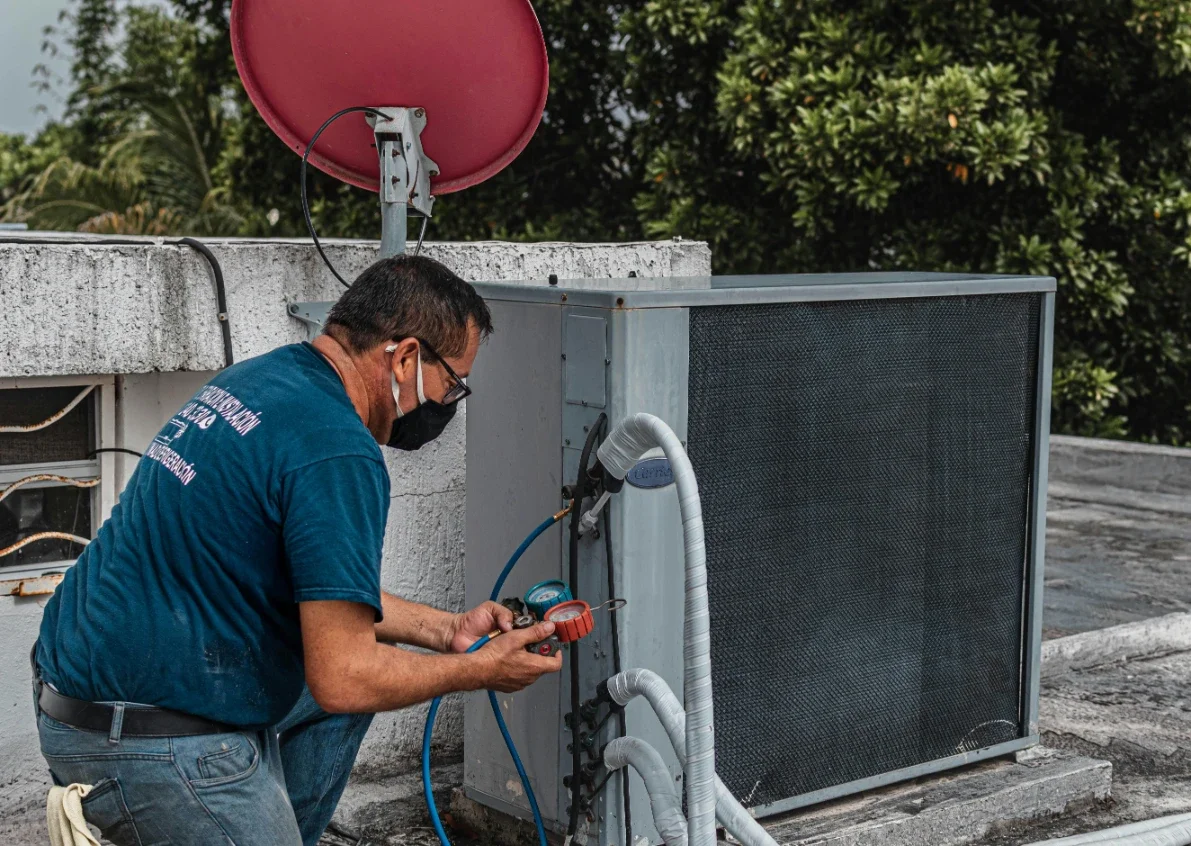
Outdoor air conditioning units need solid pads to stay above muddy turf. Elevating the outdoor condenser keeps grass clippings from clogging the cooling fins. A solid base maintains your climate control systems during heavy downpours.
Install Check Valves on Pipes
Overloaded city sewers can force sewage backward into residential plumbing lines. This foul backflow enters your home through basement drains and low toilets. Installing specialized safety valves stops this reverse flow completely.
Gate valves offer a manual way to seal off pipes during severe weather emergencies. Flap valves operate automatically by closing tightly when water flows the wrong way. Both options protect your indoor living spaces from unsanitary wastewater.
Licensed plumbers can integrate these devices into your main waste lines quite easily. The small upfront investment prevents thousands of dollars in hazardous cleanup fees. Protecting your drain pipes preserves your indoor air quality during infrastructure strain.
Check Local Mitigation Guidelines
Local rules provide excellent strategies for adapting your property to specific regional risks. Modern regulatory models explain how updates help address regional water hazards by exceeding basic federal baselines. These guides give owners practical structural benchmarks for home safety.
Emergency management groups publish comprehensive plans to minimize community harm from natural disasters like severe storms. Reviewing these materials reveals specific risk maps in your immediate neighborhood. You can adapt your home defenses using these official statistics.
Property defense strategies require specific local information to be truly effective. Reviewing regional updates helps you identify hidden risks near your perimeter:
Local regulations offer standards to counter neighborhood water hazards.
Emergency frameworks outline steps to minimize storm damage.

Safeguarding your home from water damage takes time and consistent effort. Implementing these simple methods builds a strong defense against unpredictable seasonal weather patterns.
Taking small steps today prevents massive financial headaches down the road. Your property stays secure when you plan ahead for heavy storms.
Stay up to date with our latest ideas!