Fire Engineering Services for Warehouses and Industrial Facilities
Discover essential fire engineering services for warehouses and industrial facilities. Ensure safety and compliance with our expert insights on fire prevention.

Key Highlights
Fire engineering services help warehouses and industrial facilities manage fire risk before it turns into delays, damage, or unsafe conditions.
A strong fire safety strategy starts with risk assessment, site review, and clear planning around operational requirements.
Tailored fire protection systems support compliance while still protecting design intent and day-to-day use.
Performance-based pathways can help projects meet safety regulations when prescriptive rules do not fit well.
Specialist fire safety planning improves life safety, protects valuable assets, and supports smoother approvals.
Smart detection, suppression, and monitoring tools strengthen industrial fire protection and emergency preparedness.
Introduction
Warehouses and industrial facilities must address fire protection and fire safety. It is important to have a way that keeps people safe, protects stock, and helps projects stay on schedule. Doing this should not cause trouble with getting approvals. Fire engineering services can help with this. If you get good advice early, you can lower risk, follow rules, and keep your facility useful for daily work.
Essential Fire Engineering Services for Warehouses and Industrial Facilities

Fire engineering services for warehouses uses specialised methods to make buildings safer and compliant. Key services include risk assessment, modelling, documentation, liaising with the fire brigade, and support from planning to approval.
These services align fire safety and suppression systems with your operational needs—solving layout issues, maintaining loading dock access, or finding alternatives when standard solutions don’t fit. A thorough site evaluation is essential at the start.
Fire Risk Assessments and Site Evaluations
A strong warehouse fire safety plan starts with a fire risk assessment and site review. Fire engineers evaluate building design, storage areas, exits, and ignition points to identify risks before construction or changes begin.
They highlight hazards that could impact life safety, property, or project approvals. Warehouses with varied inventory need different plans than those with uniform stock; addressing these issues early prevents costly revisions.
This step also ensures regulatory compliance. At DDEG, we turn these findings into clear advice, detailed reports, and ready-to-submit documentation for approval authorities to keep your project moving forward.
Custom Fire Safety Strategies for Industrial Settings
No two industrial sites are alike, so fire safety must be tailored to each location. Cold stores, general warehouses, and large industrial facilities each face unique fire risks. That’s why fire protection engineering should address specific needs from the outset.
Effective fire safety planning includes:
Exit and evacuation plans based on actual building use
Fire protection systems matched to building layout and storage types
Early coordination with authorities and fire brigades during design
Documentation that streamlines approvals and avoids last-minute issues
This approach raises safety standards by aligning compliance with daily operations. Your fire safety strategy isn’t generic—it's customised for how people, goods, and spaces function at your site.
Addressing Key Fire Risks in Warehouses and Industrial Operations
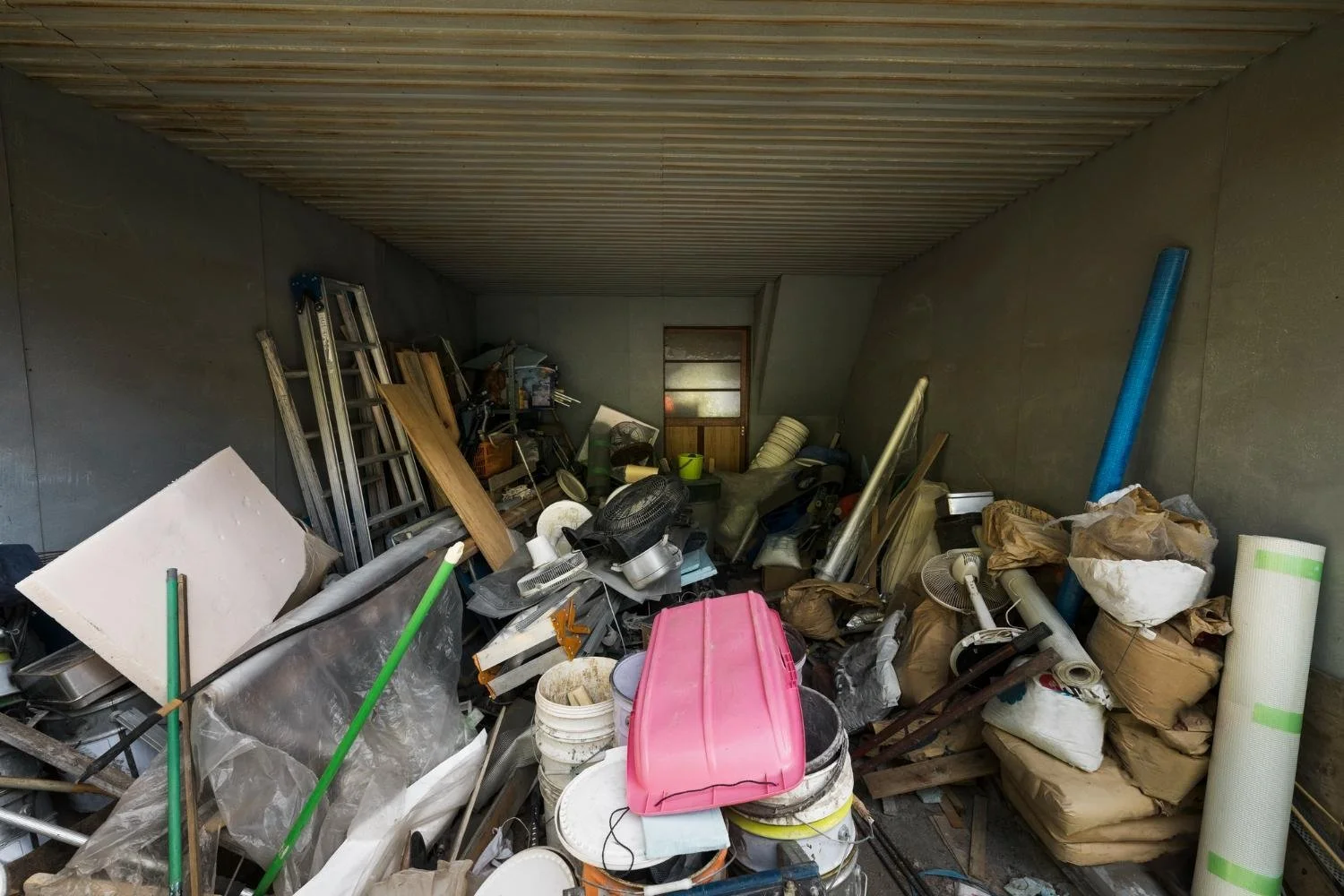
Industrial buildings often have more fire risk. This is because they have storage, equipment, people moving around, and tight deadlines. If you do not fix these problems early, small design gaps may become big fire hazards. This can put life safety and property at risk.
The good thing is fire engineering helps with these risks. You first find out the key causes. Then you set up safety measures that suit the building and help keep work going without slowing it down.
Common Causes of Industrial Fires
Many industrial fires are caused by foreseeable issues that go unaddressed. In warehouses, fire hazards often result from the interaction of storage methods, equipment, and building layout, making early attention to fire safety essential.
Common warehouse fire hazards include:
Large quantities of combustible materials
Flammable liquids or materials in work areas
Hazardous chemicals requiring special handling
Fire-prone warehouse equipment
Busy loading docks with constant activity
Each risk affects how a warehouse should be protected. Overlooking them during planning can lead to delays, higher costs, and inadequate fire safety.
Fire Engineering Solutions to Mitigate Risks
Fire engineering assesses risks and tailors fire safety solutions to each building’s setup and use, providing better protection than one-size-fits-all approaches.
On real projects, it uses performance-based checks to customise fire detection and suppression systems based on storage type and regulatory needs. DDEG involves key stakeholders early to prevent issues with authorities, reducing project risk.
A major benefit: effective fire safety solutions maintain operational efficiency by minimising changes during work, avoiding approval delays, and keeping your facility running smoothly.
Specialised Fire Protection Engineering for Unique Facility Types
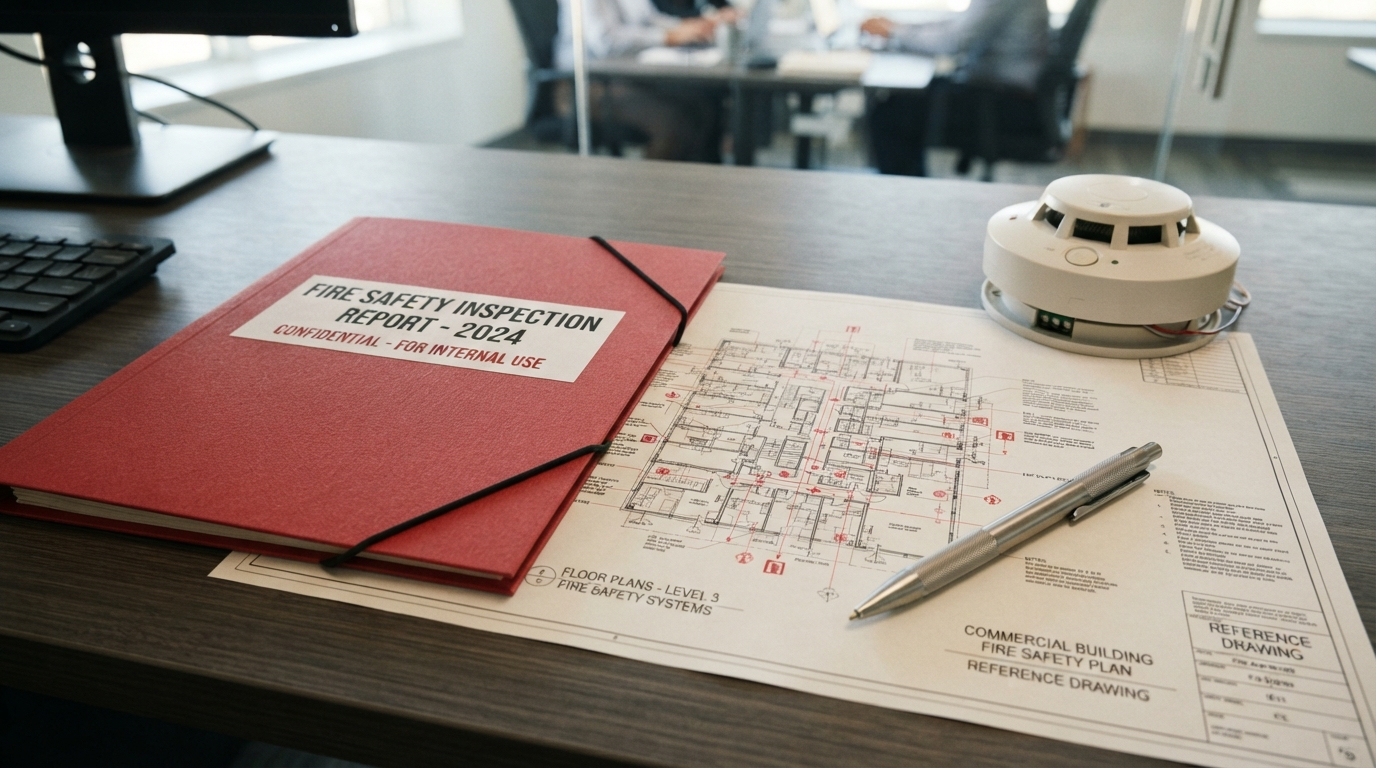
Some industrial projects do not always match standard code rules. In these cases, fire protection engineering can help to meet requirements while keeping in mind the building’s use, shape, and limits.
This is important for sites where normal advice will not work and can sometimes make things worse. The next two examples show how fire safety and fire protection need to change between work in cold storage and work in heavy industry.
Fire Safety Approaches for Cold Storage Warehouses
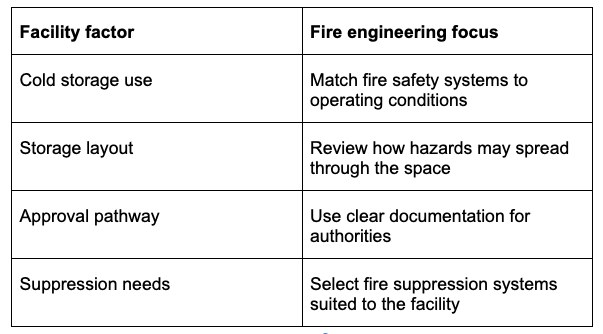
Cold storage sites have different operating conditions, so their fire safety systems need careful planning. The challenge is not only the fire hazards themselves, but also making sure fire protection systems still support the building’s purpose and approval path.
A practical review often compares building function, likely hazards, and compliance needs before selecting a solution. That helps avoid forcing a standard system into a specialised environment.
Performance-Based Fire Engineering in Heavy Industry
Performance-based fire engineering is ideal for heavy industry when standard rules are too rigid or unsuitable. It uses analysis and modelling to prove the building meets all safety requirements.
This approach is especially useful for complex industrial layouts or unique operational needs, such as protecting process areas without disrupting workflow or access.
DDEG provides clear compliance roadmaps, regulator-ready reports, and early stakeholder engagement. This ensures heavy industry projects stay safe, maintain design intent, and meet approval requirements.
Technology and Innovation in Fire Engineering Services
Technology is now more important in industrial fire protection, but it works best when it fits well with everything else. New fire engineering tools can help you respond faster. The systems also make it easier to see problems and let you control things in big spaces.
But the equipment alone will not solve everything. You get real value when you choose fire safety equipment and fire detection systems that work together and match the real dangers in the building. The first step is to focus on the main systems.
Advanced Detection and Suppression Systems
Advanced systems provide faster warnings and stronger early suppression, crucial for protecting lives, buildings, and goods in warehouses. They help emergency teams respond quickly by detecting issues early and preventing them from spreading.
Key components include:
fire alarms connected to a central control panel
sprinklers tailored to the building and stored items
smoke detectors for rapid detection
fire suppression systems suited to site-specific risks
Proper planning ensures compliance, fosters daily trust, and reduces the risk of minor incidents escalating into major problems.
Integration of Smart Monitoring Solutions
Smart monitoring boosts fire safety by giving teams real-time visibility into fire systems, allowing faster response. This is crucial in large warehouses, where delays can hinder emergency readiness.
Integrating alarms, reporting tools, and control panels provides a centralised view, streamlining maintenance, inspections, and team communication.
The key benefit is enhanced oversight of fire safety systems, ensuring ongoing protection—not just passing initial checks.
Conclusion
In summary, fire engineering is crucial for keeping warehouses and industrial facilities safe and efficient. Comprehensive fire risk assessments and tailored safety plans reduce common hazards and ensure regulatory compliance. Modern technology, such as smart systems and advanced suppression methods, further enhances safety and peace of mind for facility managers. Investing in professional fire engineering protects your assets and creates a safer workplace. For expert advice on improving your fire safety plans, contact our team today!
Frequently Asked Questions
What qualifications should a fire engineering service provider have for warehouses?
Look for fire safety engineers who have extensive experience in fire engineering. They should know safety regulations well. It is important for them to have recognised registrations or accreditations. In Australia, this means having state registrations, Chartered status, and the skill to prepare documents that support fire safety compliance.
How do fire engineering services support regulatory compliance in Australia?
They help with fire safety compliance by doing clear fire safety planning. They make reports that meet the needs of regulators. They also talk to authorities early in the process. This makes sure projects follow regulatory requirements and Australian safety regulations. It is useful when a performance-based pathway is needed, rather than a prescriptive solution.
Why should warehouses partner with professional fire engineering consultants?
Fire engineering consultants bring together risk assessment, approvals, and operational requirements for warehouses into a single process. This makes it simpler to deal with fire safety challenges. It helps cut down on redesign, keeps projects running well, and does not let you forget how the site needs to work.
Keywords included: fire safety, fire engineering, risk assessment, fire safety challenges, efficient project delivery, operational requirements.
Stay up to date with our latest ideas!