Protecting Your Home From Water Damage
Learn how to protect your home from water damage with preventive maintenance tips, early warning signs, and effective solutions for long term protection.
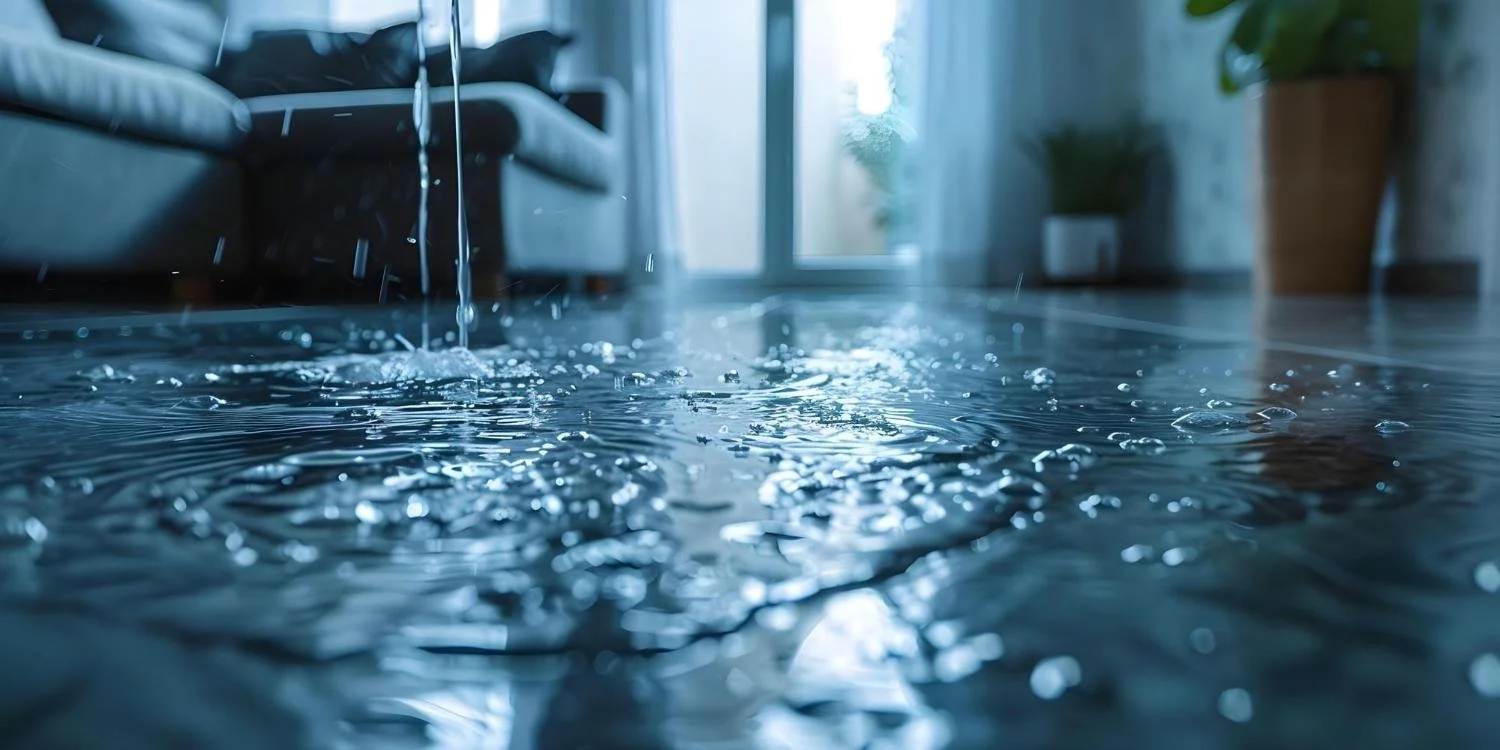
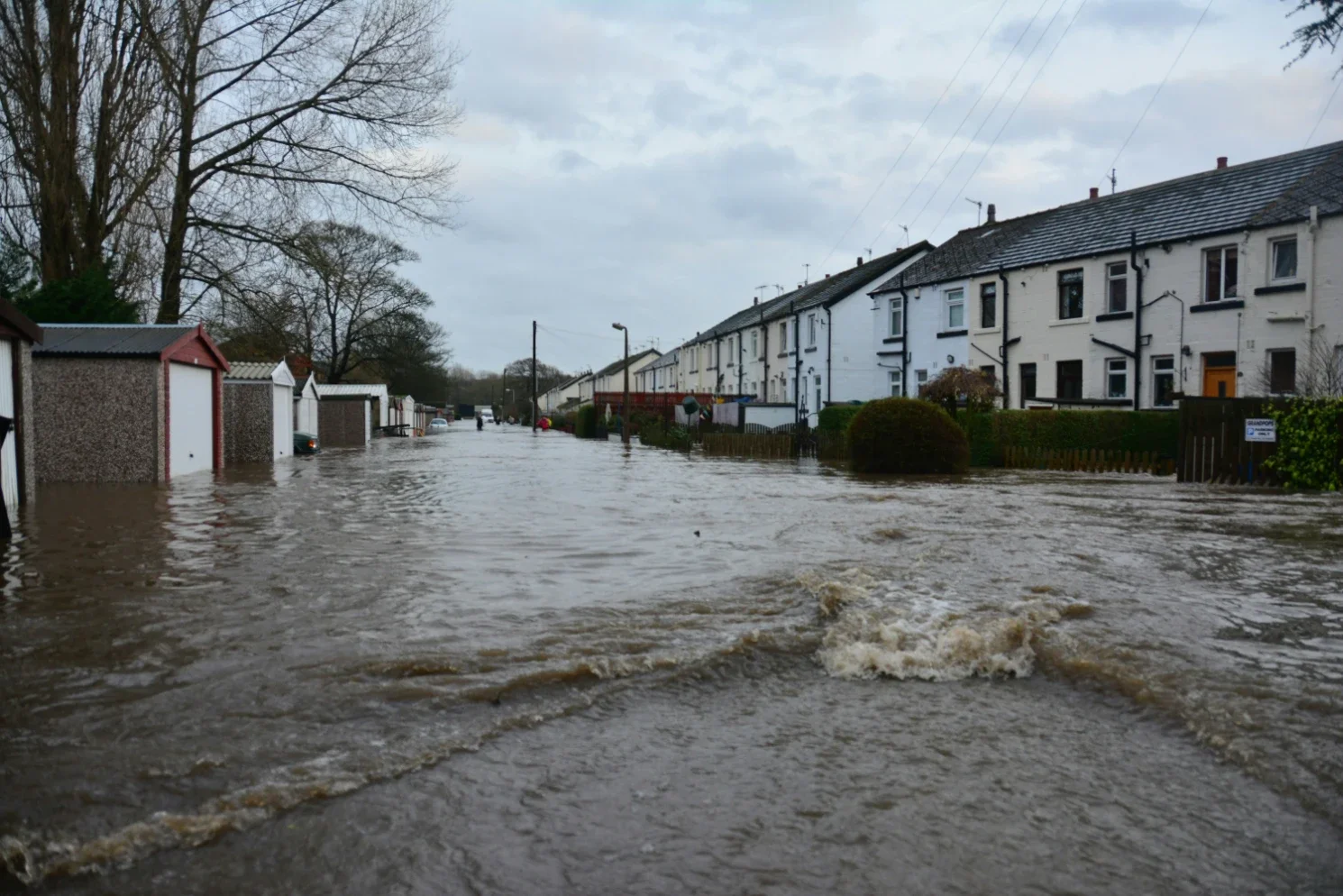
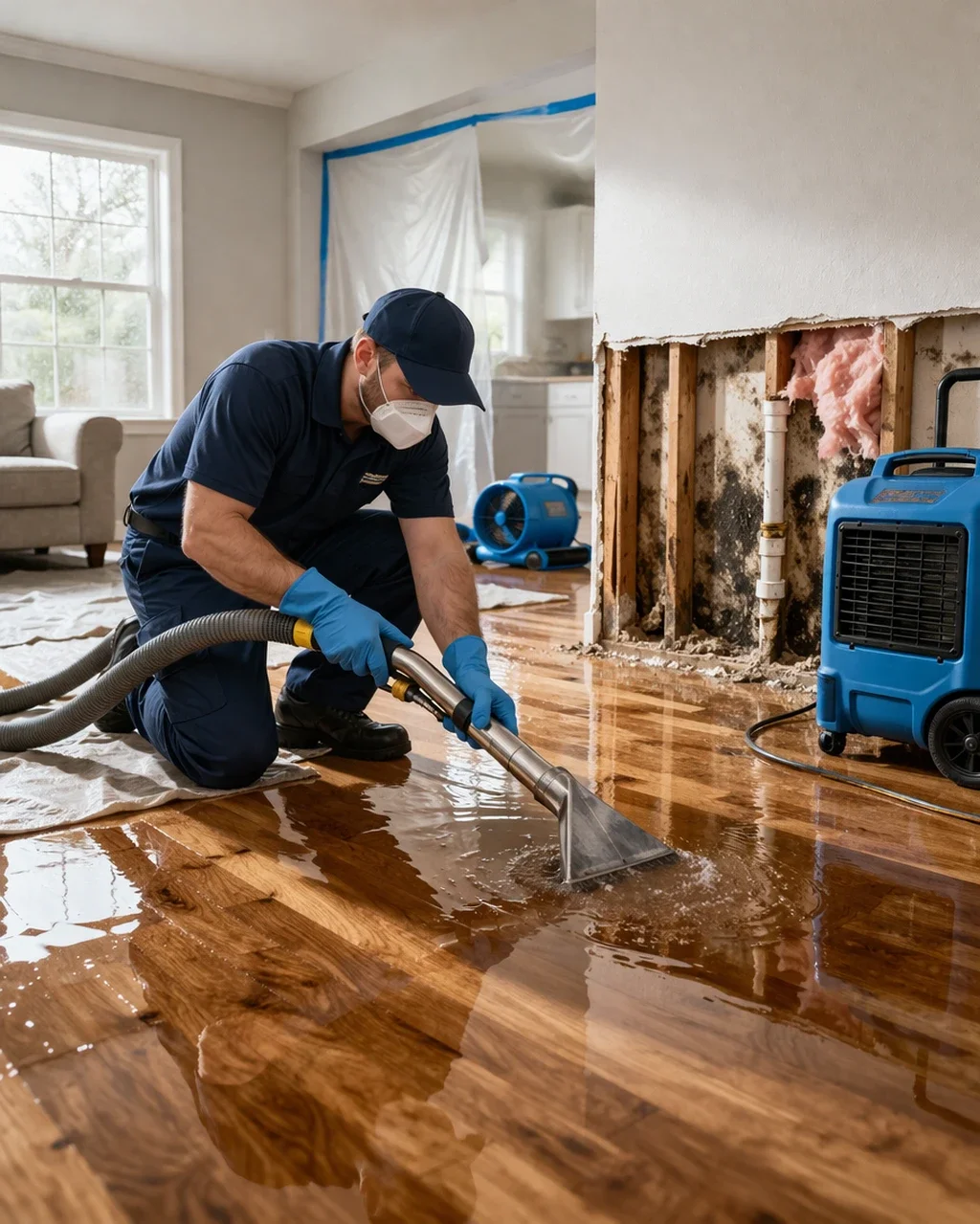
Water is one of the most destructive forces a home can face, and the worst of it often comes from within. A burst pipe, a failed hot water system, or a hidden leak can cause thousands of dollars of damage with frightening speed, soaking floors, ruining walls, and feeding mould long after the water itself is gone. The good news is that much of this damage is preventable or, at least, manageable with the right knowledge and a fast response. Here is how homeowners, including those across Burwood and Melbourne's eastern suburbs, can protect their homes from water damage.
How Quickly Water Damage Takes Hold
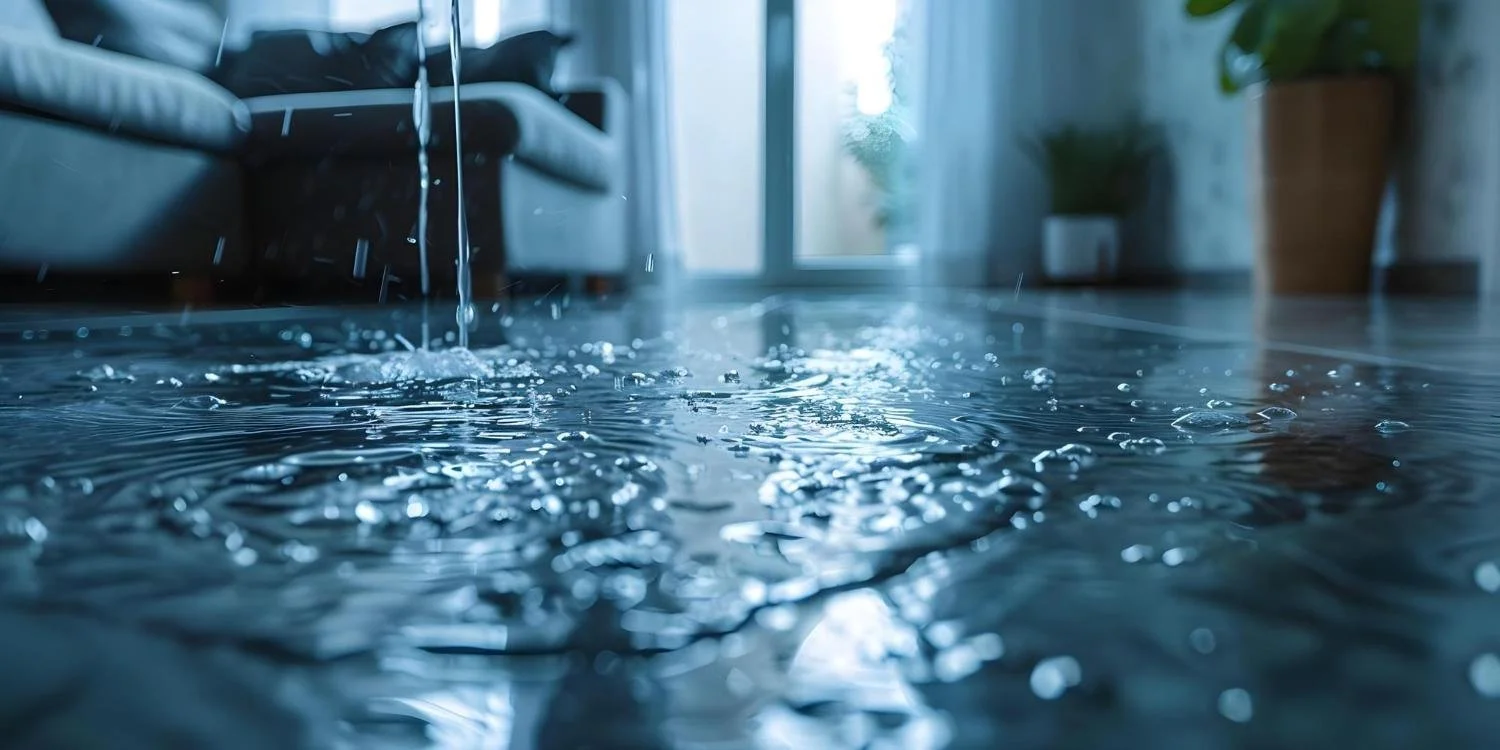
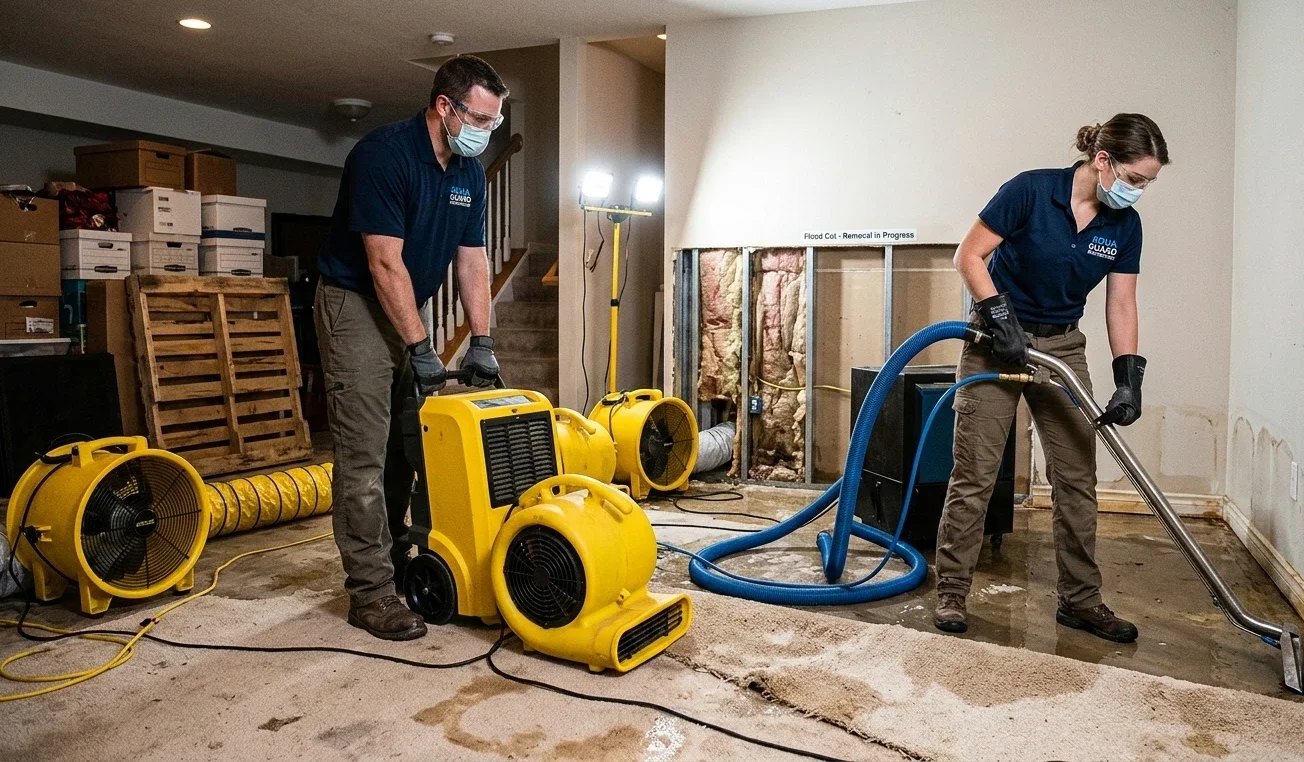
The thing that catches most people out about water damage is just how fast it happens. A pipe that bursts while you are at work can release an astonishing volume of water in a short time, spreading across floors and seeping into walls and subfloors before anyone notices. Even a slow, hidden leak can cause serious harm over weeks, quietly rotting timber and creating the damp conditions mould loves.
This speed is why both prevention and rapid response matter so much. Once water has penetrated building materials, the damage extends well beyond the obvious wet patch. Acting quickly when something goes wrong is the key to keeping a plumbing mishap from turning into a major restoration project.
Acting Quickly When Water Strikes
When a plumbing emergency hits, the speed of your response directly affects how much damage your home suffers. The first move is almost always the same: shut off the water at the main valve to stop the flow. From there, switching off power to any affected areas and moving belongings out of the water helps contain the harm while you arrange professional help.
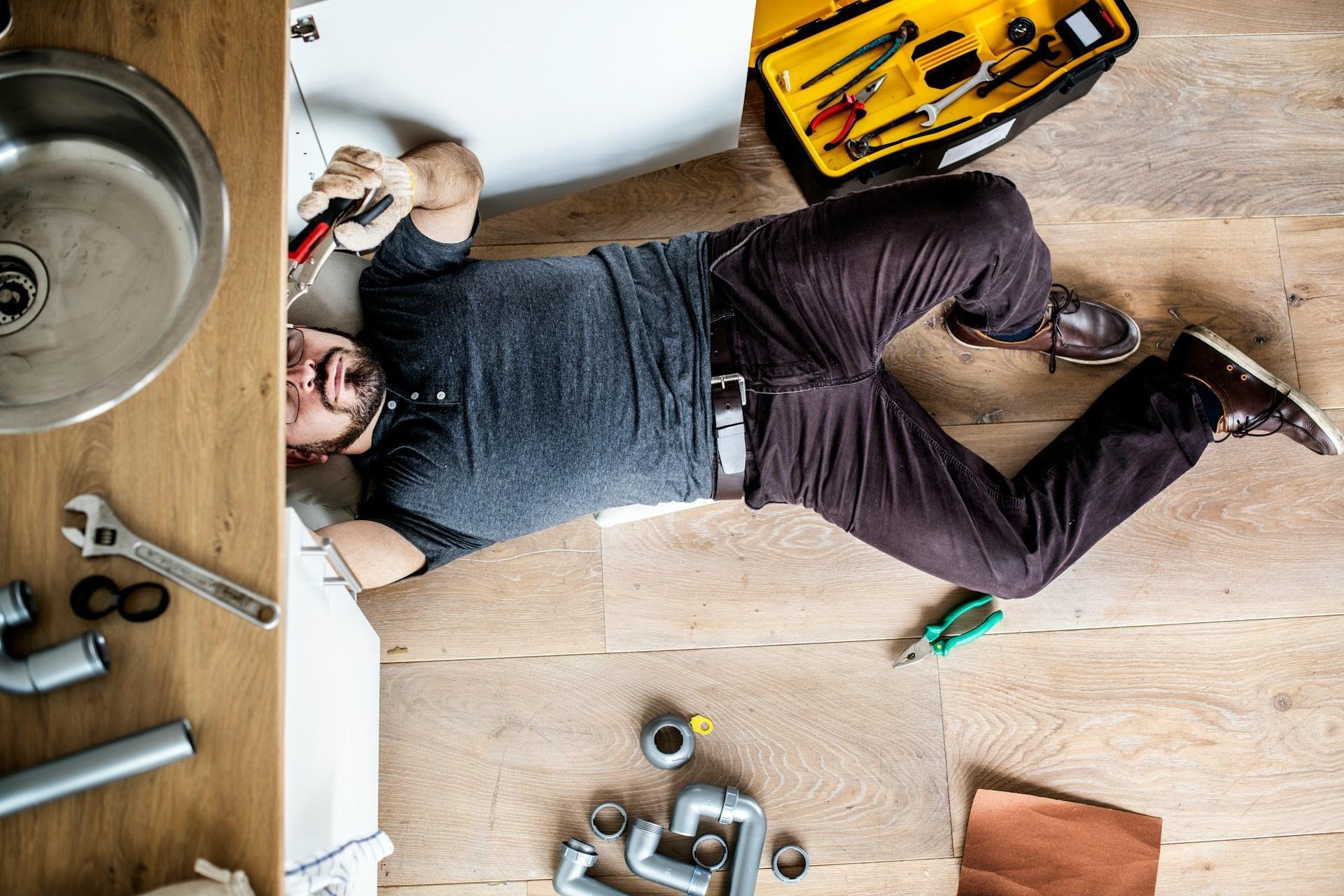
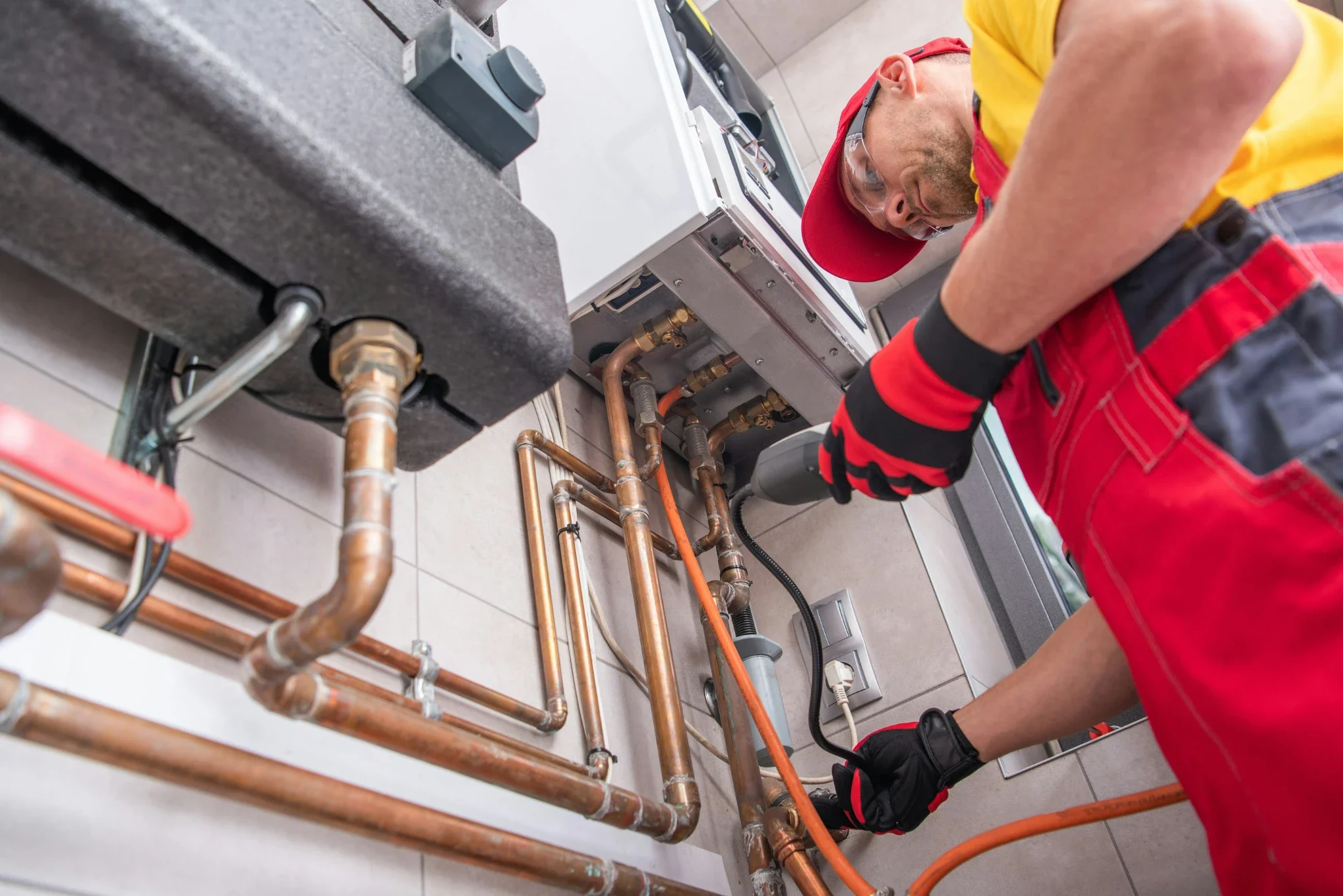
That professional help should come quickly, which is why it pays to know who you would call before disaster strikes. Having the details of an emergency plumber Burwood households trust ready to go means you are not losing precious time searching while water spreads. A licensed plumber can find and stop the source of the problem and begin proper repairs fast, dramatically limiting the damage to your home.
Common Causes of Water Damage
Understanding where water damage tends to come from helps you stay ahead of it. Burst or leaking pipes are a leading culprit, often caused by age, corrosion, or pressure issues. Failing hot water systems are another common source, particularly older units that can leak or fail entirely. Blocked drains that back up, and faulty seals around showers, baths, and basins, round out the usual suspects.
Many of these problems give warning signs before they become emergencies. Damp patches, peeling paint, a musty smell, unexplained jumps in your water bill, and the sound of running water when nothing is on can all point to a developing leak. Noticing these early indicators gives you the chance to address a problem before it escalates into a flood.
Limiting the Damage Before Help Arrives
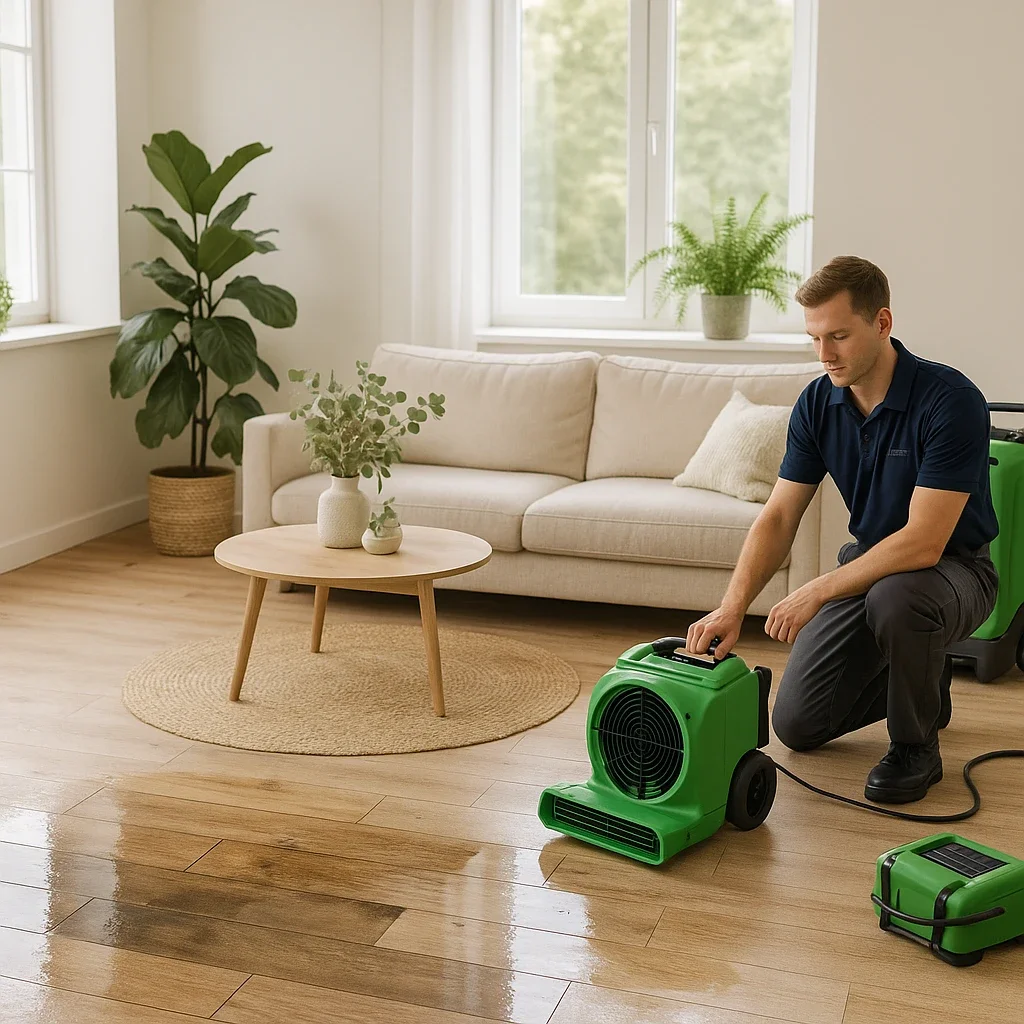
While you wait for a plumber, a few sensible actions can significantly reduce the harm. After shutting off the water and power to affected areas, mop up or soak up as much water as you safely can, and lift furniture and valuables clear of the wet area. Opening windows and getting air moving helps begin the drying process and discourages mould from taking hold.
It is important, though, to know your limits. Trying to access pipes inside walls, tackle a gas hot water system, or carry out makeshift repairs can make matters worse and may be dangerous. The goal while waiting is simply to contain the situation, protect your belongings, and start drying out, leaving the actual repair to the professional. A calm, methodical response in these first minutes can save a great deal of heartache later.
Preventing Plumbing Disasters
The best way to deal with water damage is to prevent it in the first place. Regular plumbing maintenance is invaluable, allowing small issues to be caught and fixed before they fail dramatically. Having your hot water system checked, attending to minor leaks and dripping taps promptly, and being mindful of what goes down your drains all reduce the risk of an emergency.
It also helps to know your home. Locating your main shut-off valve, keeping an eye on your water bill for unexplained jumps, and paying attention to any signs of damp or unusual sounds put you in a strong position to act early. A little proactive care goes a long way, sparing you the stress, expense, and disruption that a serious water-damage event inevitably brings.
The Standards Behind Good Plumbing
Quality plumbing work is underpinned by rigorous standards designed to keep homes safe and watertight. The Australian Building Codes Board develops the Plumbing Code of Australia, which sets the requirements that plumbing work must meet across the country. These standards exist to ensure that plumbing systems are safe, reliable, and built to perform, protecting both health and property.
Using a licensed plumber means your work is carried out in line with these standards by someone trained and accountable. A qualified professional understands the codes, has the skills to do the job correctly, and provides the assurance that repairs and installations will hold up over time. When it comes to protecting your home from water damage, that adherence to proper standards is a genuine safeguard worth insisting on.
Water damage can be devastating, but it is far from inevitable. By understanding how quickly it takes hold, recognising the warning signs, responding fast when something goes wrong, and keeping up with preventive maintenance, you can protect your home from the worst of it. Whether you live in Burwood or anywhere across Melbourne, vigilance, prevention, and a trusted licensed plumber on call are your strongest defence against the damage water can do.
Stay up to date with our latest ideas!