When a Beautiful Home Starts Smelling Musty: What Could Be Hiding Behind the Finish?
Discover what could be hiding behind a home's beautiful finishes when musty odors appear, from moisture and mold to leaks, damp materials, and poor ventilation.

A home that has been very well designed may appear entirely flawless while something less appealing is going on behind the scenes. The addition of fresh paint, built-in cabinetry, new flooring, thoughtfully chosen finishes, and a bathroom that has recently been remodeled can make a room seem well polished and finished, yet homeowners often start to notice a thing that doesn't match the look of the rooma persistent musty odour.
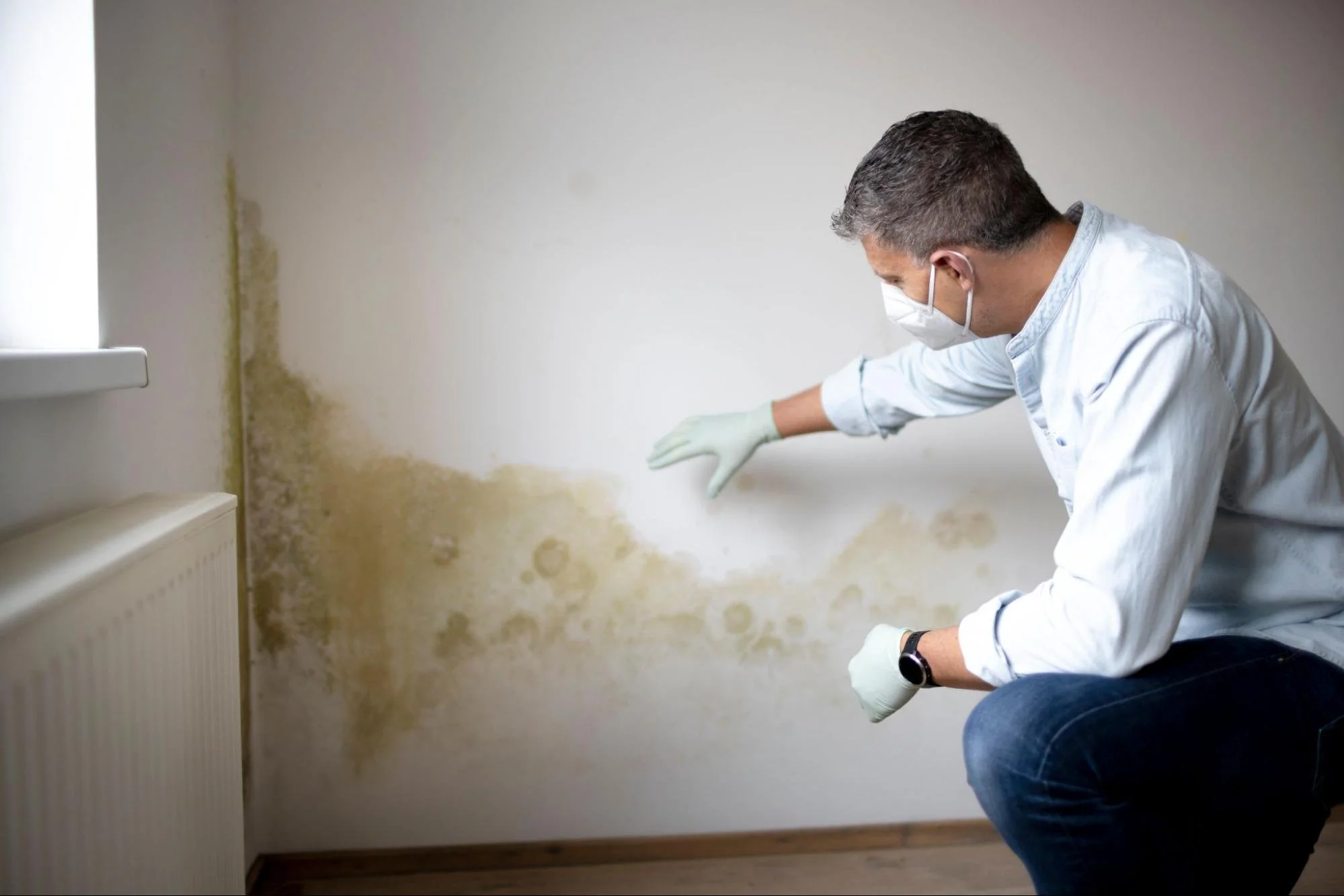
It is possible that there is no visible mold, no clear sign of a leak, and no staining on the walls, everything possibly appearing completely normal, and that is precisely the reason why such cases are hard to understand.
Environmental inspection experts at Interlink Inspection say that one of the best mistakes that homeowners can avoid is to think that a musty smell proves the presence of mold. Although an odd smell can serve as a helpful hint, the more significant question is usually whether moisture has got into a part of the house where it shouldn't be.
The fact that there is such a distinction is because water is able to move behind some of the most beautiful finishes in a house without at once making its presence known.
The Finished Surface Does Not Tell the Whole Story
Interior design naturally attracts our attention to what is visible to us. This is because flooring, cabinetry, millwork, paint, stone, fixtures, and furniture are the features that determine the character of a room. Moisture problems, on the other hand, tend to occur somewhere behind that finished surface.
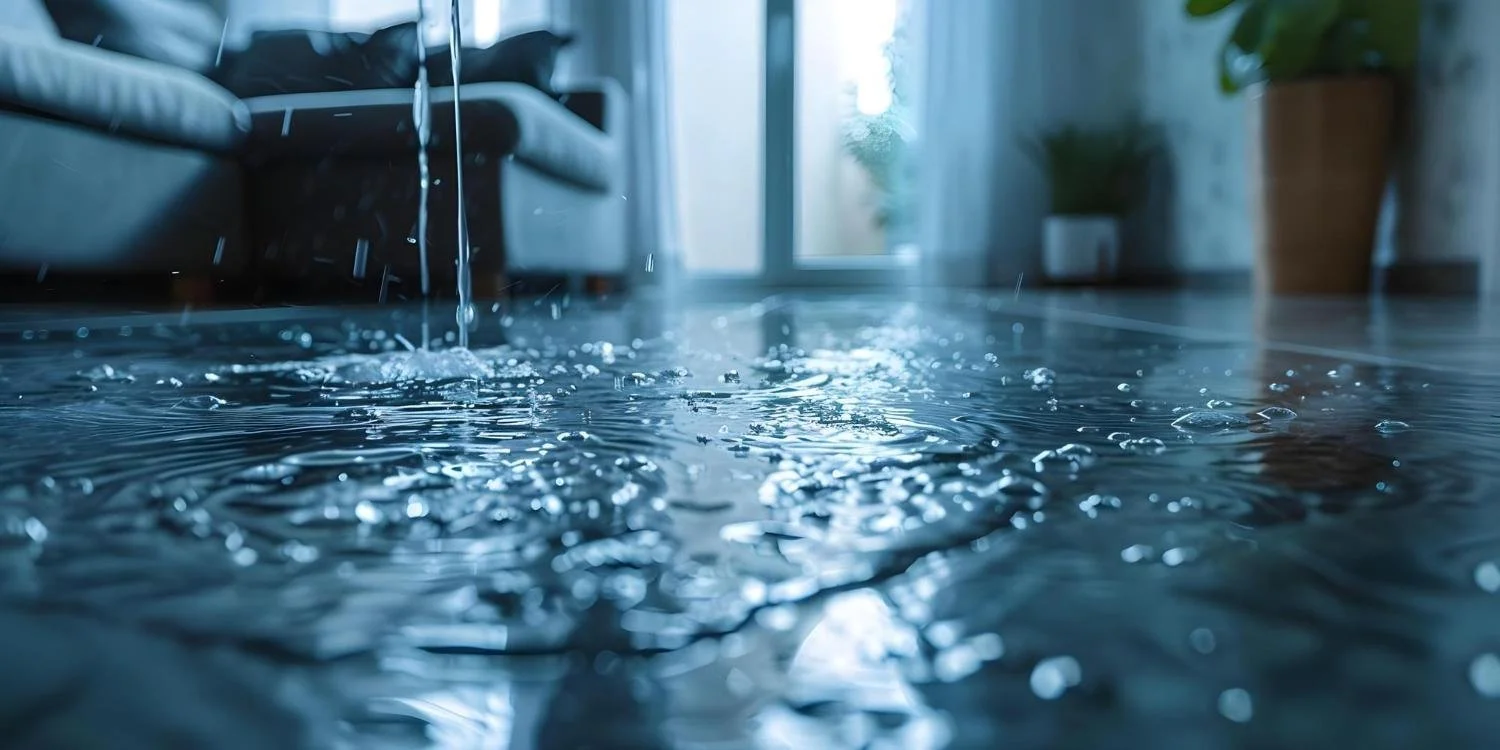
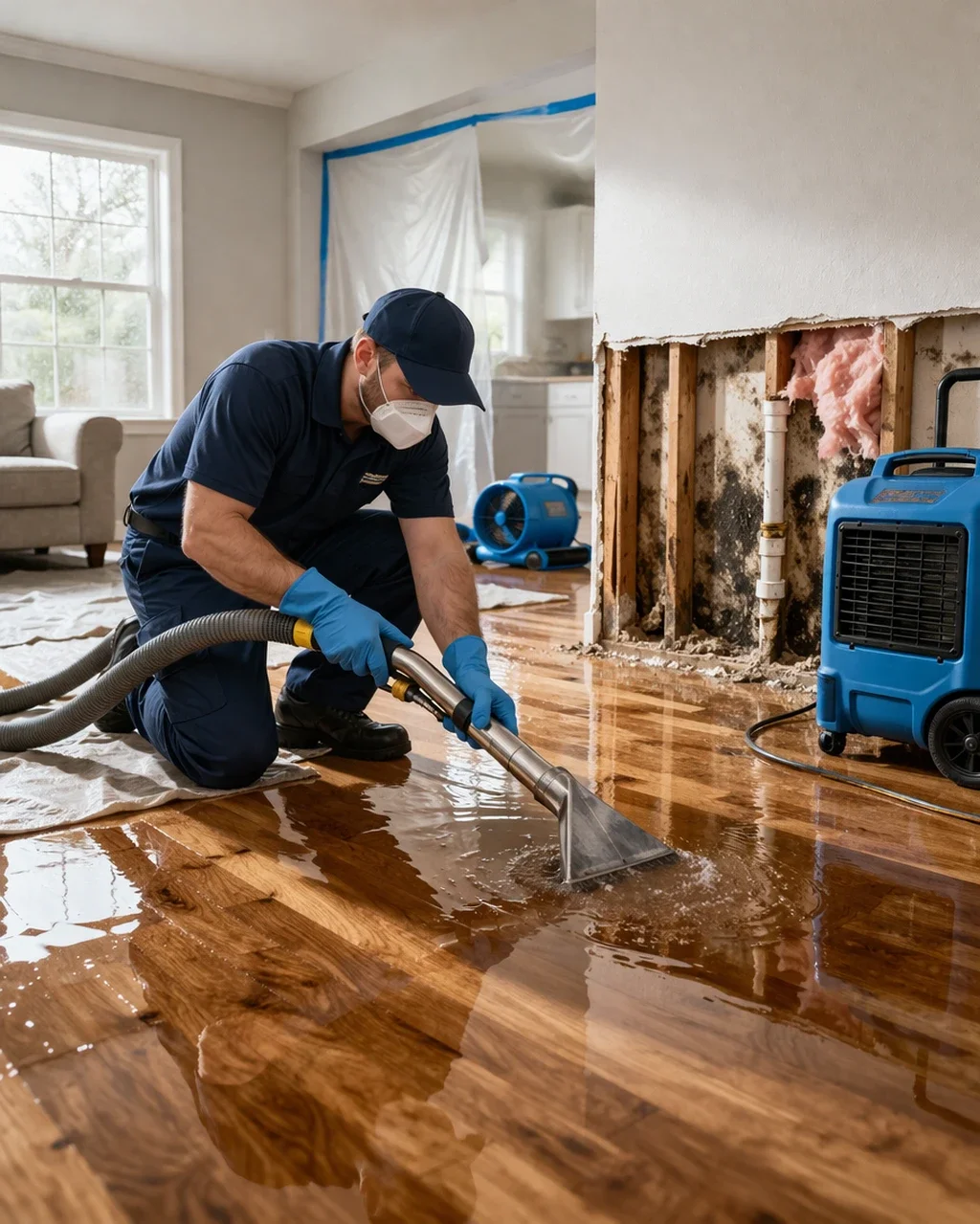
A bathroom vanity can have a minor plumbing leak behind it without this having any effect on the cabinet doors. It is possible for water to get in around a window assembly even if the interior trim appears to be in new condition. A leak in the refrigerator supply line can occur underneath the flooring, enabling moisture to spread a long way beyond the spot where it first entered. Similarly, a leak in the roof can impact the insulation, framing, or drywall well before anything becomes noticeable inside the living area.
That is the reason why the first question need not be "Where is the mold?" A more useful question is usually "Where could the moisture be coming from?"
A Musty Smell Is a Clue, Not a Diagnosis
There is no single smell that can prove the presence of mold; people usually describe the odour they think is mold as earthy, damp, stale, musty, or like that of an old basement, but in fact a number of other household situations can cause quite similar smells.
Odours which homeowners might mistake for mould can be caused by damp building materials, standing water, plumbing issues, inadequate ventilation, HVAC components, or objects that have been stored for long periods in enclosed cabinets. It follows that a professional investigation should regard the smell as just one piece of evidence rather than as a conclusive diagnosis.
The exact time and place when the smell appears may in some cases be more informative than the smell itself. For instance, a homeowner might only become aware of it following heavy rain, when the air conditioning starts up, or after a bedroom has been closed for overnight. Such patterns can indicate the presence of ventilation, humidity, condensation, water ingress, or hidden materials.
The History of the Room Matters
When a smell without a known source appears, one of the most useful questions is also the simplest: what took place here earlier?
All houses have histories and incidents involving water which, although they may have seemed insignificant at the time, can turn out to be important months later; for example, the sink in the bathroom might have leaked temporarily before being fixed, the washing machine might have overflowed, a window might have let in rainwater or the drain pipe from the air-conditioning might have backed up.
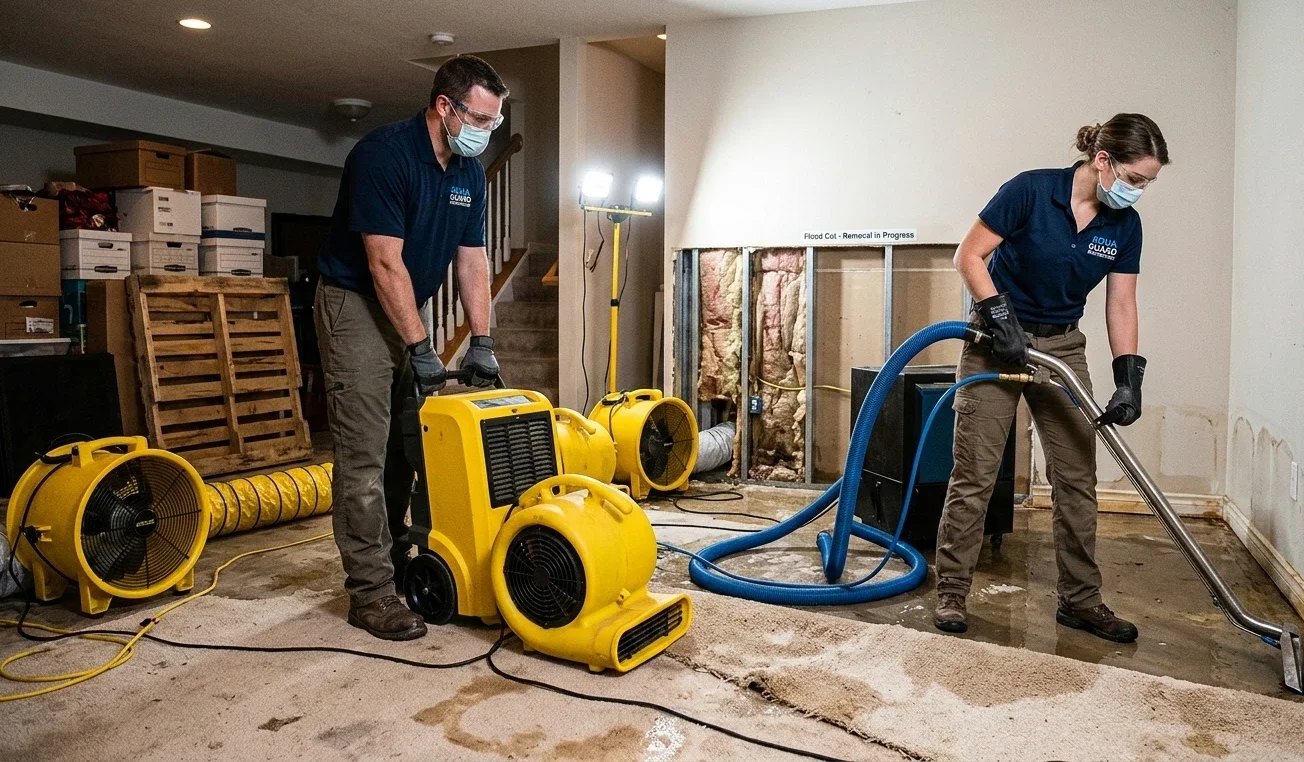
It might have seemed to the homeowner that the problem had been quickly fixed since the visible water had been cleaned up. However, water doesn't always stay in the place where it first appears and, according to the way the house is built, it can end up underneath the flooring, behind the cabinetry, in the drywall, through the insulation, or along the framing.
The original puddle's size doesn't necessarily show you how much of the building was affected, and it's often more important to look at where the water went and how quickly the materials dried.
Cabinets, Windows, and Floors Deserve Attention
Kitchen and bathroom cabinets are especially good at concealing moisture since these areas have a large number of plumbing connections; a small leak under the sink can go on for weeks without being noticed, particularly when cleaning products and household items are placed on the inside of the cabinet.
Things such as swelling, staining, discoloration, a decline in the quality of the material, or odd smells are something you should take notice of. The fact that these conditions exist doesn't mean that mold is definitely there, but they could show that moisture has had an effect on the material.
Windows can give rise to similar worries. A window that has been neatly trimmed might still have water getting in from the outside, and condensation can continuously bring moisture to the area inside the window. Problems such as peeling paint, swollen trim, staining, or frequent condensation should not always be regarded as merely cosmetic. Although repainting the area might improve its look, it does not account for why the moisture continues to return.
Flooring can be just as misleading. Water is able to get underneath hardwood, laminate, carpet, tile, or luxury vinyl without at first being visible. The first sign could be cupping, the lifting of the surface, discoloration, a soft spot, or an odd smell. There are instances in which the damaged flooring does not lie next to the original source of moisture since the moisture can travel beneath the finished surface.
Repeated Cosmetic Damage Is Worth Investigating
A clear indication that a problem needs to be looked at more closely is the fact that identical cosmetic damage continues to reappear.
A baseboard might come away from the wall once more after having been replaced. Paint could still bubble in that same area. The flooring might keep on lifting. Even after the cabinets have been repaired, their material might swell.
It does not follow that mold is present. All that can be said is that there is still something in the building environment having an effect on the material.
It is at this point that design comes into contact with maintenance. Although a fresh coat of paint can once again make a wall look beautiful, the problem has not been cured if moisture is still getting into the wall. All that has happened is that the finish has been restored.
Hidden Moisture Does Not Mean Immediate Demolition
It is common for homeowners to think that the wall should be opened at once because moisture may be present behind the drywall. However, that is not always the most appropriate first action.
A professional investigation usually starts off with available evidence. This kind of evidence may consist of the history of the area in question, the plumbing in the vicinity, the external conditions, any visible changes, moisture readings, smells, and comparisons with nearby materials.
We want to identify the probable source before any expensive finishes are damaged.
It might be reasonable to open a limited section if the evidence ultimately shows that a hidden area requires a direct investigation. What must be avoided, however, is carrying out unnecessary demolition simply on the basis of suspicion.
Mold Testing Should Have a Purpose
In the case of mould testing, homeowners often expect a simple yes-or-no response. Air sampling gives data regarding the fungal spores found at a particular place and time, and surface sampling gives information about the material taken from a specific location.
What itself testing generally cannot achieve is to explain the whole building.
It is impossible for an air sample to detect a leaking pipe, to explain why water is getting in around a window, or to show precisely how far the moisture has travelled beneath the flooring. That is the reason why testing is most useful when it is employed to deal with a particular question that was raised during the inspection.
A laboratory report that lacks context can give data without necessarily addressing the problem.
Orange County Homes Can Have Very Different Moisture Conditions
In the same area, individual houses can have quite different moisture conditions. Orange County has coastal houses which are exposed to marine-layer humidity, inland houses which are affected by different temperature fluctuations, older houses with deteriorating plumbing, new developments, condos that share walls, and homes that have been heavily renovated.
A bedroom in a coastal area that has frequent condensation around a window would need a quite different investigation than a condo which shows staining near a shared plumbing wall.
For any home owners who are thinking of having a professional mold inspection in Orange County, the most helpful assessment is one which takes into account the particular building, its history, any past water incidents, and the condition that originally raised concern.
The investigation should be guided by the home.
Be Careful About Renovating Over an Unanswered Problem
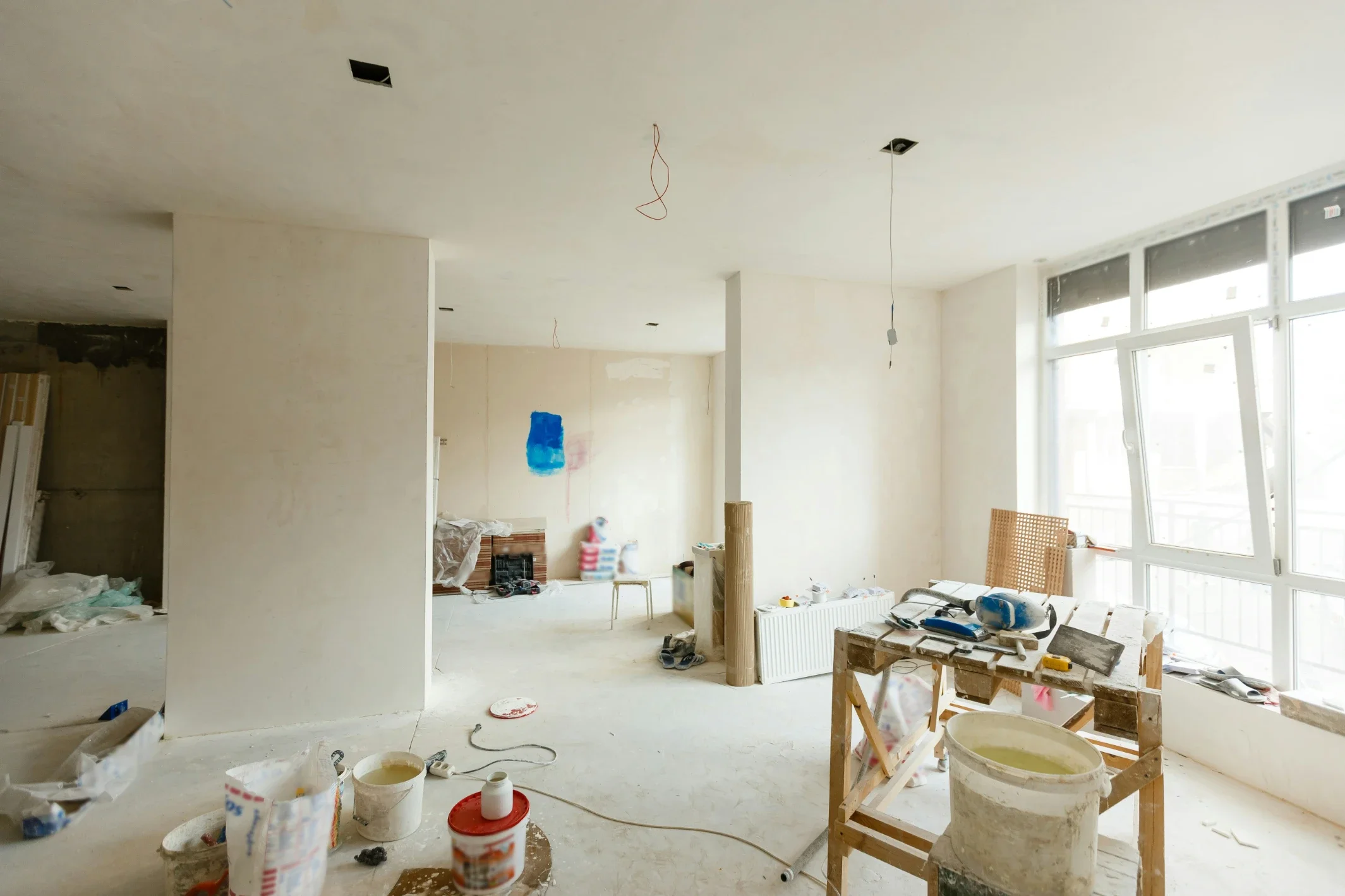
It is quite reasonable for homeowners who are particular about the design of their homes to want to get damaged finishes repaired as soon as possible. For example, a wall that is stained can be repainted, baseboard which has been damaged can be replaced, new flooring can be installed, or decorative paneling can be used to cover an unsatisfactory area.
The improvements might be entirely suitable after the basic condition has been understood, but there is a problem when new finishes are put in place before it has been established why the original material was damaged.
This point is especially important when you are purchasing a house that has recently been renovated. Although the new paint and the new floor coverings are appealing selling points, they can also cause some of the visual evidence that might show earlier water damage to be lost.
Anything unusual about the smell, inconsistencies in the materials, the recently repaired drywall, or the unexpected discoloration should lead to a straightforward question: what took place here before the room appeared like this?
Sometimes the Answer Is Not Mold
The most important point that homeowners should grasp is that their mold investigation shouldn't start with a conclusion that has already been decided.
At times the smell can be a sign of a plumbing problem; at other times condensation is to blame; in some cases better ventilation is needed; in other cases the materials stay damp longer than anticipated; and on other occasions an inspection finds no evidence pointing to a serious mould issue.
That information is also useful.
The aim of a thorough investigation is to distinguish between what the building actually informs us and what we are assuming. Although a musty odour should be taken into account, it doesn't necessarily mean that hidden mold is growing behind the walls. Although a stain that appears repeatedly ought to have an explanation, it does not automatically mean that the drywall should be removed.
Beautiful houses are kept in good condition not just by looking after the visible parts, but also by noticing the slight signs that something might be going on underneath the surface; if a smell keeps coming back, a material keeps on changing, or an old leak has never been completely accounted for, the best course of action is generally to look into the cause rather than simply covering up the symptom.
Since moisture is a factor, the final surface might end up being the very spot where the problem becomes noticeable.
Stay up to date with our latest ideas!