Essential Tsunami Safety Tips That Could Protect Your Family
Learn essential tsunami safety tips that can help protect your family, improve emergency preparedness, and support faster, safer evacuation decisions.

Tsunamis strike fast, and shoreline households may have only minutes to respond. United States records show hundreds of deaths and major property loss from these events since the nineteenth century. That history supports a plain lesson. Safety depends on preparation completed before the water rises. Clear routines, steady communication, and regular drills can lower panic, protect children, and help families move quickly under severe physical and emotional stress.
Know the First Clues
A tsunami often announces itself before official messages arrive. Intense ground shaking, a deep ocean roar, or a sudden retreat of shoreline water can signal urgent danger. Each sign deserves immediate action. Waiting for visual confirmation can cost vital minutes. Moving inland or climbing to higher ground right away gives families a stronger chance of avoiding fast-moving floodwater and blunt-force debris.
Warnings Signs
Public alerts help families judge risk, but natural signs still require respect. Agencies issue watches when an event is possible after a distant earthquake. Warnings mean destructive flooding or violent currents may reach shore soon. For practical tsunami safety tips, households should learn alert terms, identify nearby high ground, rehearse quick exits, and keep a battery radio ready before seismic activity or rough coastal conditions raise concern.
Map Safe Routes
Every coastal household needs more than one exit path. A main route should lead inland or uphill without delay. Roads may clog, flood, or fill with wreckage after strong shaking. A backup option gives needed flexibility if traffic stops. Printed directions remain useful when cellular service drops, screens crack, or batteries lose charge during a fast evacuation.
Timing Matters
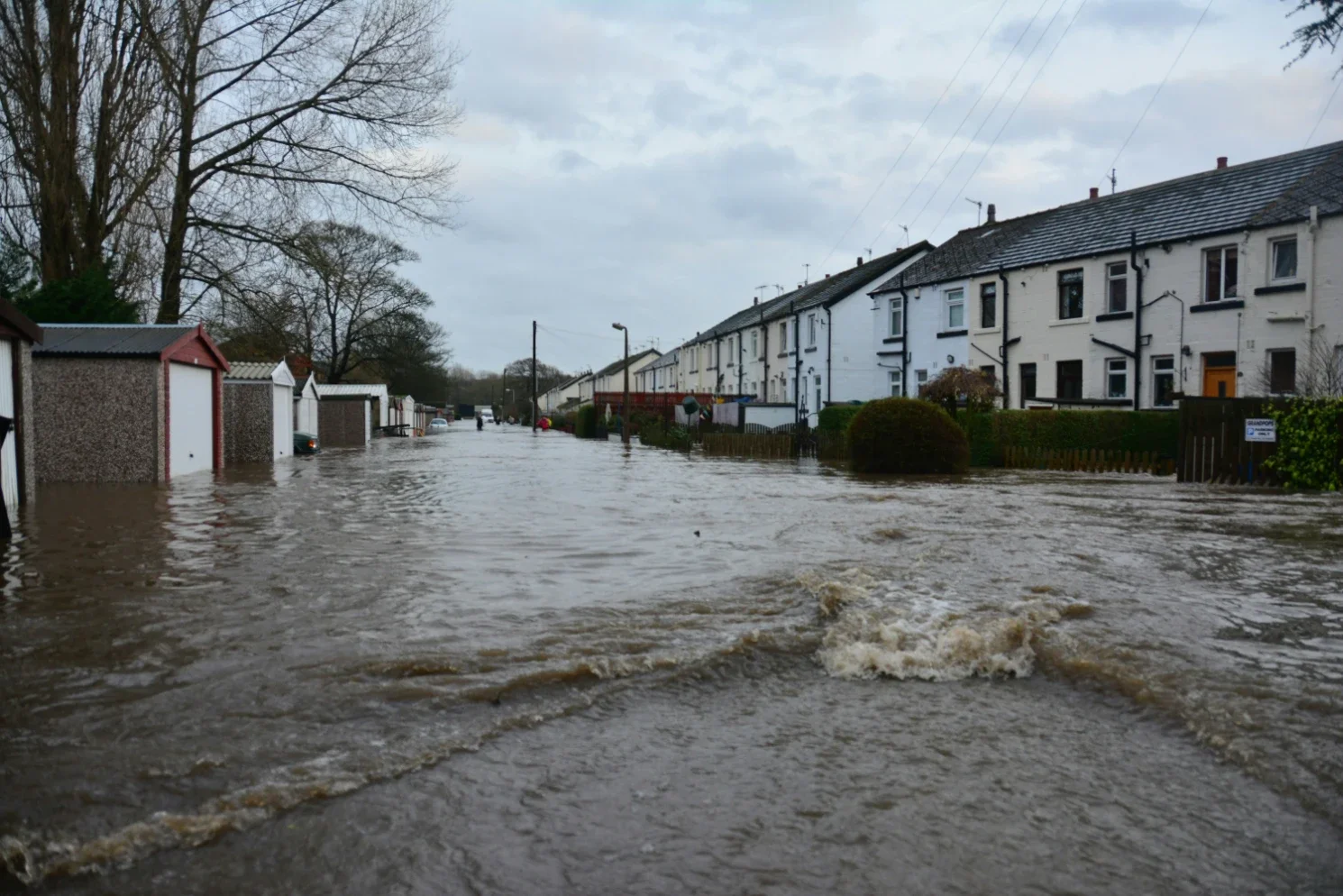
Tsunami waves can cross deep water at aircraft-like speed. As they enter shallow coastal areas, wave height may climb sharply while motion slows. That change produces dense flooding and crushing hydraulic force near shore. Families gain time by reacting to the first sign of danger, rather than waiting for another message or a second wave to appear.
Build a Go Kit
A go kit should be simple, light, and easy to grab. Water, medicines, copies of records, sturdy shoes, flashlights, snacks, and phone charging gear cover basic needs. Infants, older adults, and pets may require extra supplies. Keeping the bag near an exit saves precious time. Reviewing contents twice yearly helps replace expired items before an emergency starts.
Plan Family Contact
Separation is common during sudden coastal emergencies. Children may be in school while adults are working, commuting, or caring for relatives. A family plan requires one contact nearby and another outside the region. That arrangement improves communication if local lines fail. Written numbers still matter when you lose your phone, soak it, or run out of power after an evacuation.
Protect the Home
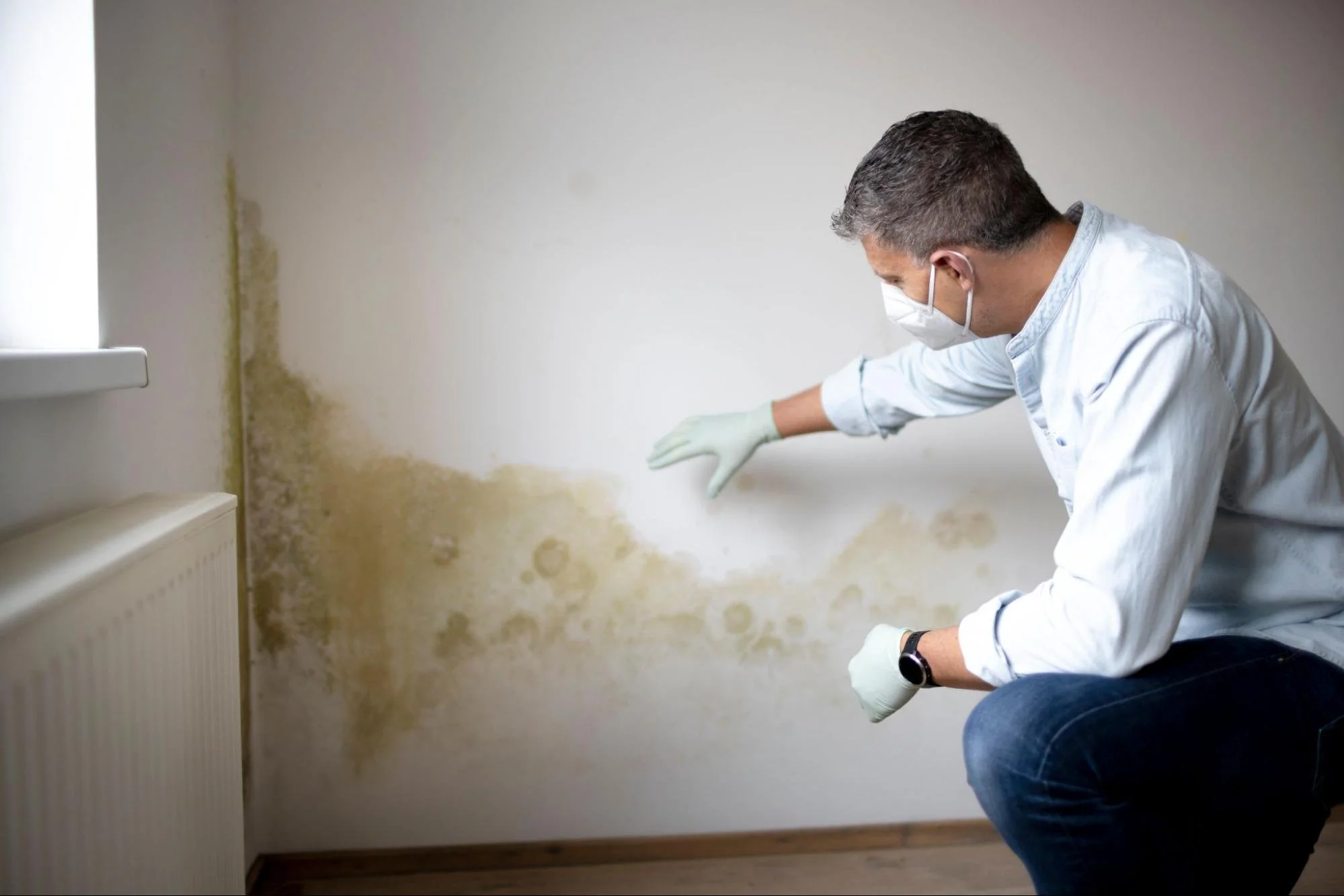
Evacuation comes first, yet home features still affect safety and recovery. Elevated living areas can reduce flood entry. Reinforced foundations may improve stability under extreme water pressure. Breakaway walls in lower nonliving spaces can limit structural strain on the main frame. Moisture-resistant materials also reduce mold growth, support safer cleanup, and shorten the return to routine.
Stay Away Too Long
Many people assume the first wave ends the threat. That belief is dangerous. Tsunamis often arrive in a series, and later surges may remain destructive for hours. Fast currents can persist after visible water pulls back from shore. Families should return only after local officials announce that reentry is safe and flood hazards have passed.
After the Water
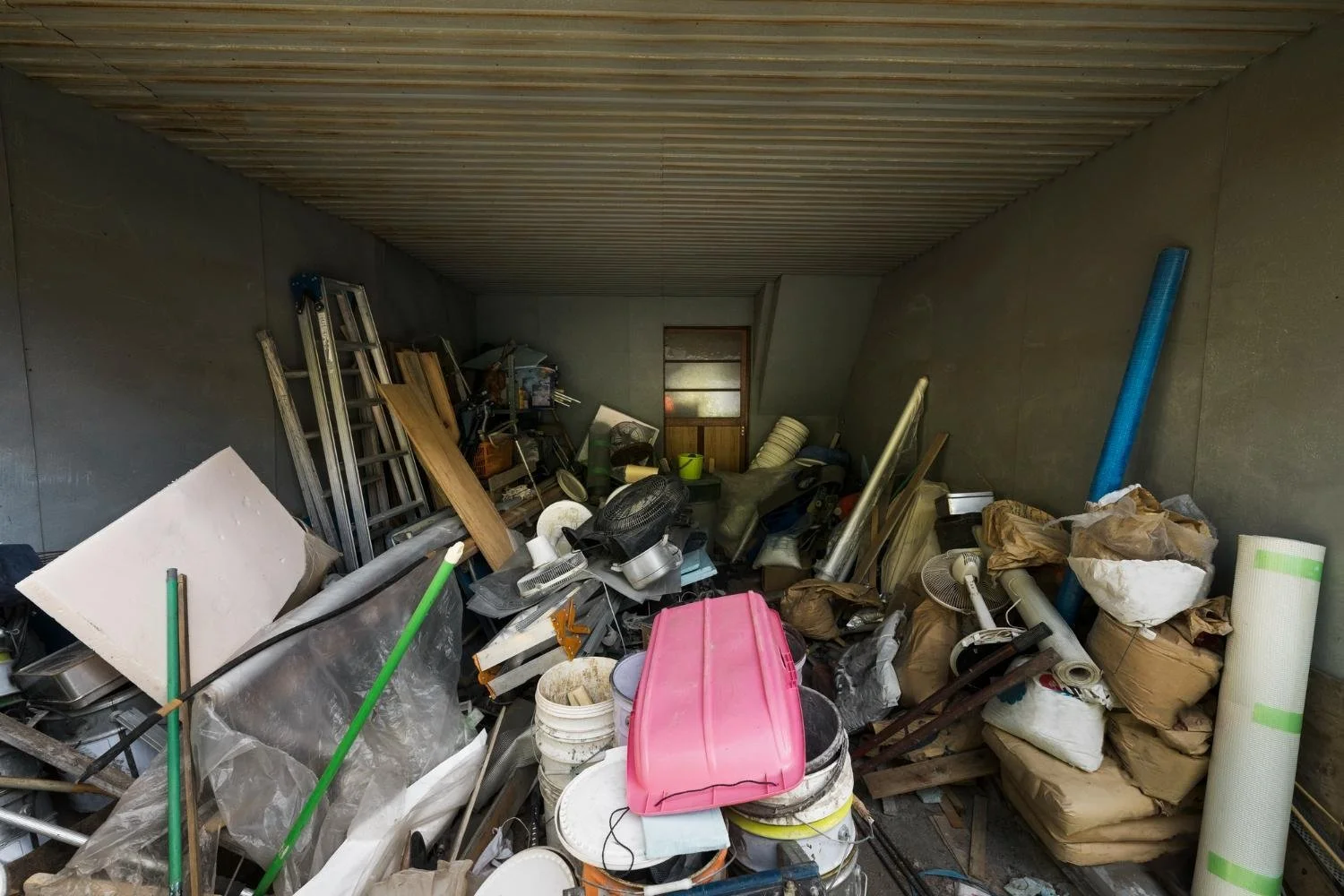
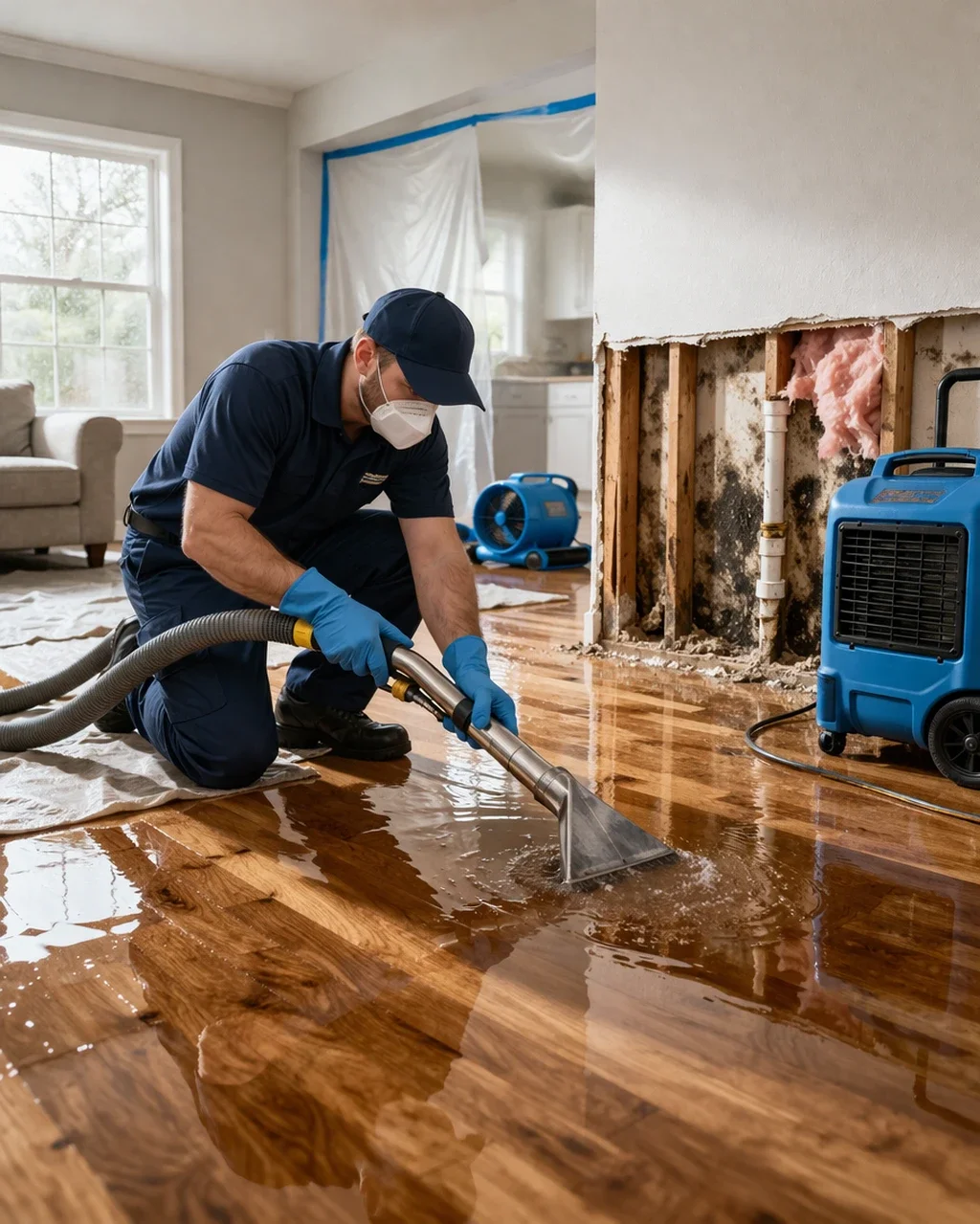
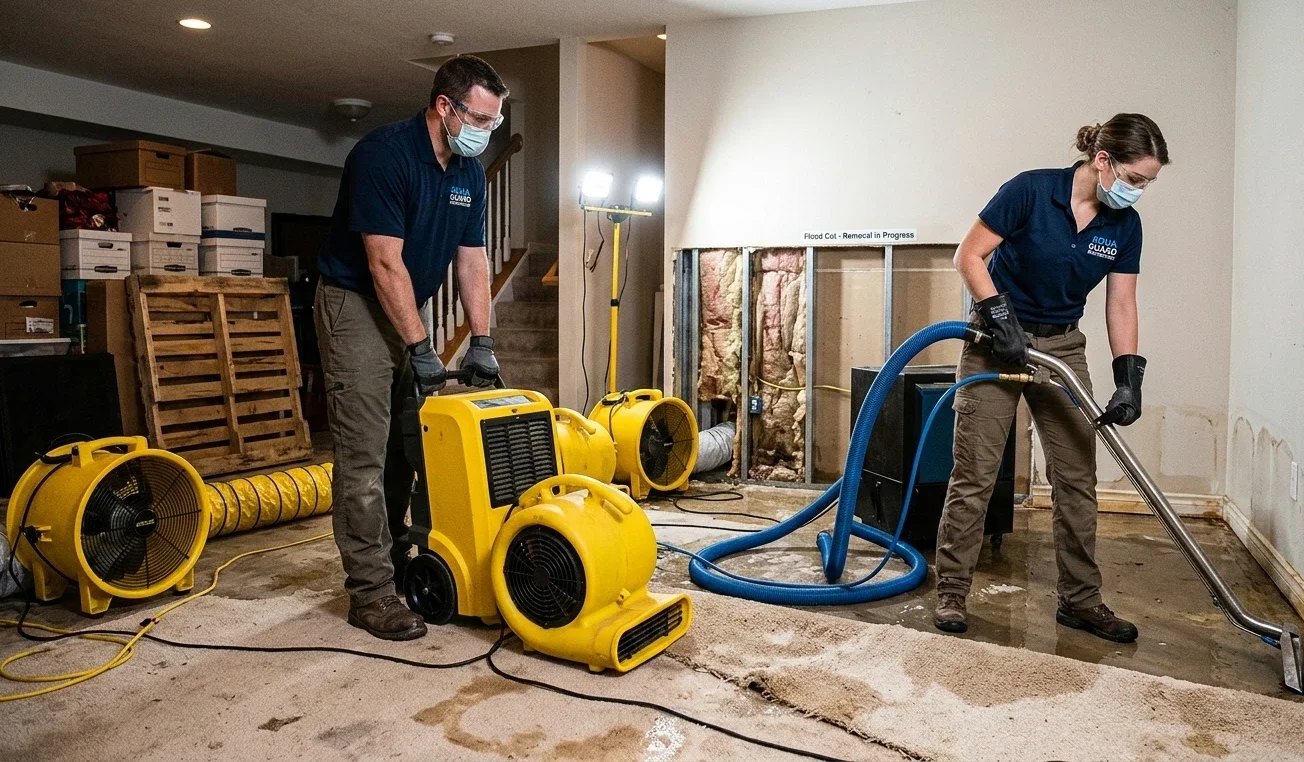
Recovery brings hazards that are easy to underestimate. Floodwater may carry sewage, fuel, sharp debris, and harmful microorganisms. Damaged wiring, gas leaks, and unstable ground add further risk. During cleanup, wearing closed-toe shoes, gloves, and moving cautiously can help reduce injury. Food that has been touched by contaminated water should be discarded. Photographs of structural damage can also support insurance claims and repair planning.
Practice Before It Counts
Practice turns instructions into usable behavior under stress. Short drills teach children where to go, what to carry, and whom to contact. Repetition builds muscle memory and lowers panic when danger is real. Coastal communities in Alaska, Hawaii, the Pacific Northwest, and other exposed areas benefit most from regular rehearsal, because speed and clarity often determine who reaches safety first.
Conclusion
Tsunami readiness is rooted in disciplined action, not fear. Families that recognize warning signs, understand alerts, rehearse escape routes, and maintain emergency supplies can respond with greater control. Small steps taken early may protect life during a future coastal disaster. Steady habits, clear communication, and thoughtful home planning give households a better chance of staying safe when the sea shifts with sudden force.
Stay up to date with our latest ideas!