Learn how to storm ready your home with protective upgrades that enhance safety and resilience while maintaining style, comfort, and visual appeal.

Storm season does not mean your home has to look like a survival bunker. With a few intentional design choices, you can stay protected while keeping your space stylish and inviting.
From layered lighting that still works during outages to smart storage that hides emergency supplies in plain sight, it is easier than ever to blend resilience with beauty.
Here is how to storm-ready your home without compromising the look you love.
Make Protection Features Look Seamless
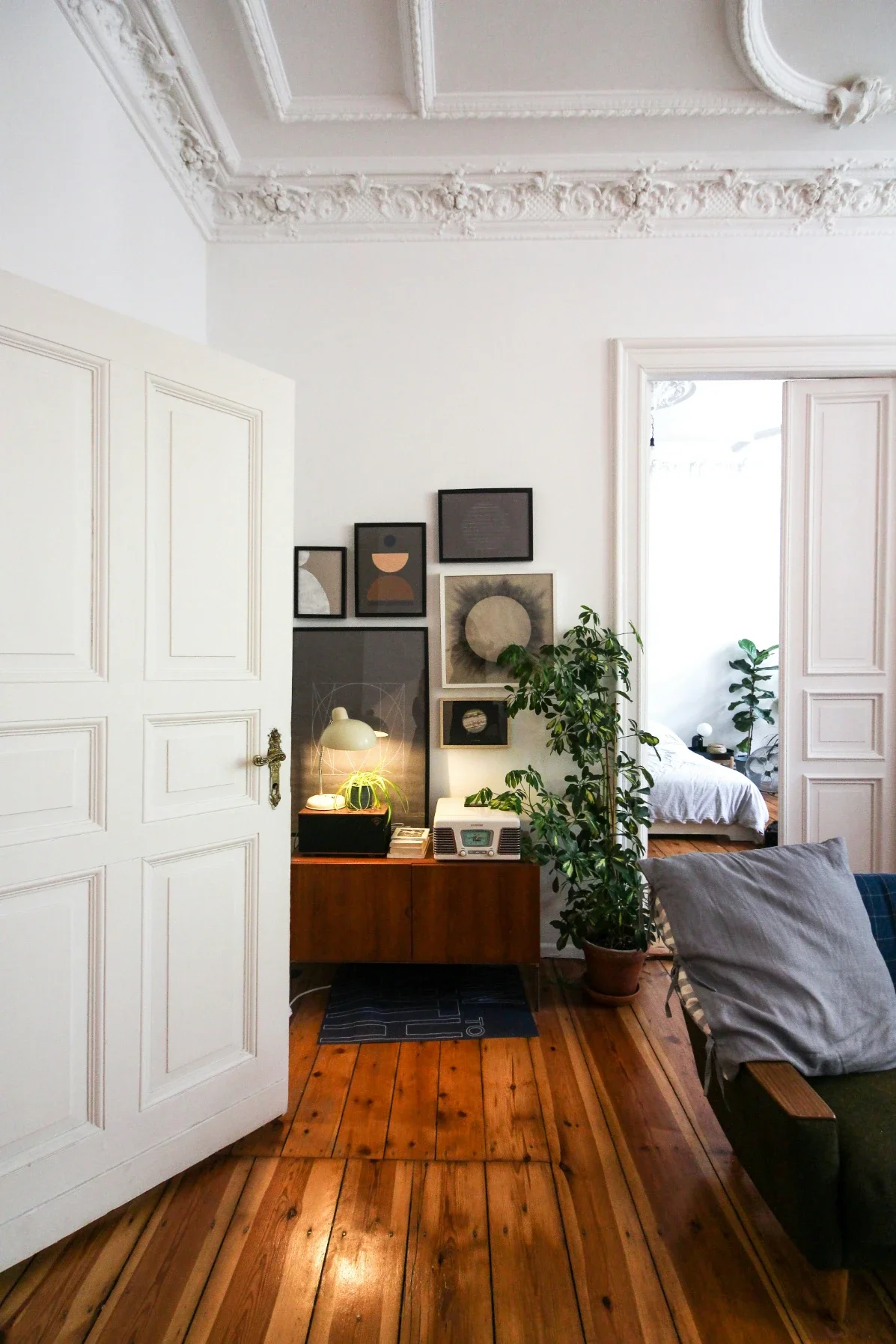
Storm readiness often comes down to the quiet details. Surge protectors can hide behind furniture. Window treatments that block drafts or heat loss can look just like your normal shades. Even emergency supplies can live in plain sight when stored in decorative trunks, woven baskets, or clean-lined cabinets that match your decor.
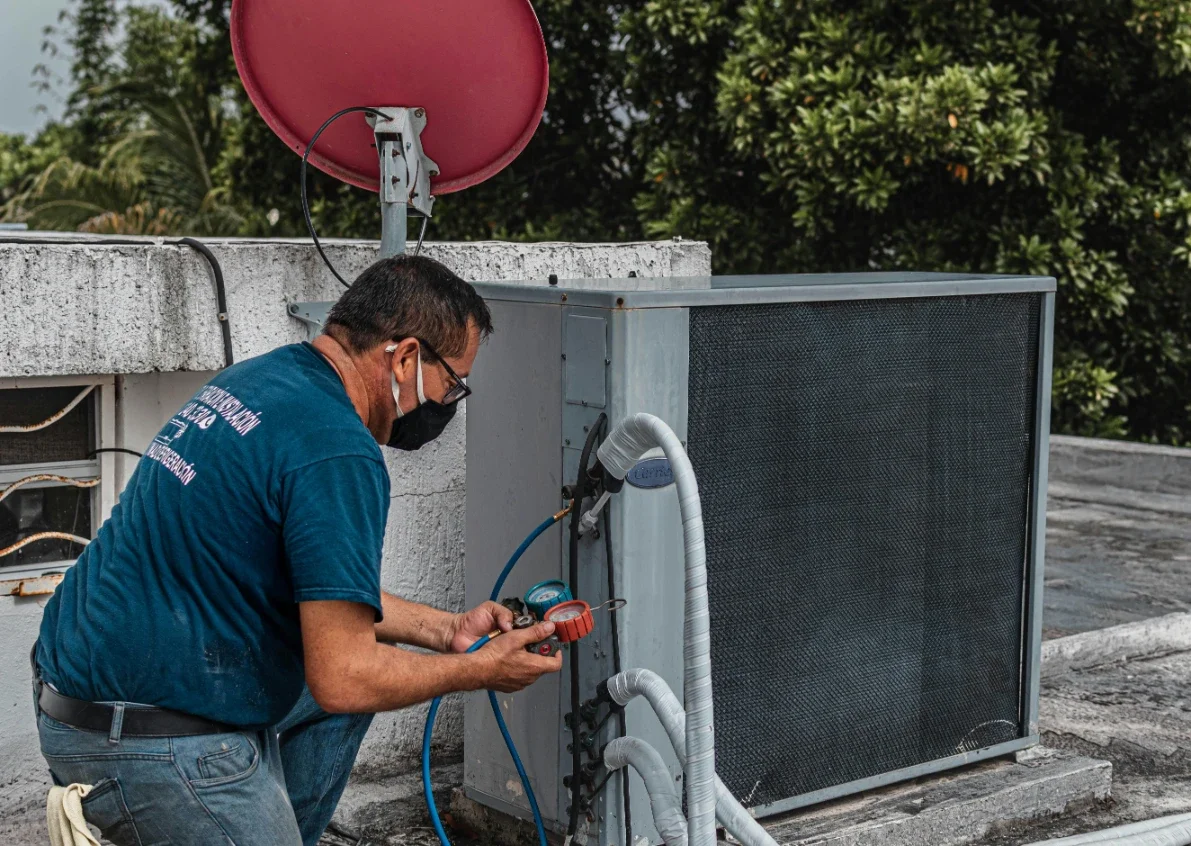
Backup power is where design and function meet in a big way. Equipment needs airflow, space, and easy access, but you can still maintain curb appeal by placing it thoughtfully. Screening it with fencing, shrubs, or a small enclosure keeps your yard cohesive while giving the system what it needs to operate safely.
A whole-home generator is often part of the conversation when building a resilient home. Understanding why you should have one for your house helps you plan where it belongs and how to integrate it smoothly into your landscape without drawing attention to it.
Keep Outdoor Areas Ready Without Losing Curb Appeal
Your outdoor spaces can stay storm smart while still looking welcoming. Start by securing patio furniture with pieces that double as decor, like heavy planters or weighted bases that blend into your style. Choose outdoor bins or benches that conceal essentials like tarps, flashlights, and tie-down straps.
You can also trim trees and shrubs in ways that look intentional while reducing the risk of debris. With a few thoughtful updates, your exterior stays beautiful, organized, and better prepared for harsh weather.
Layered Lighting That Works During Outages
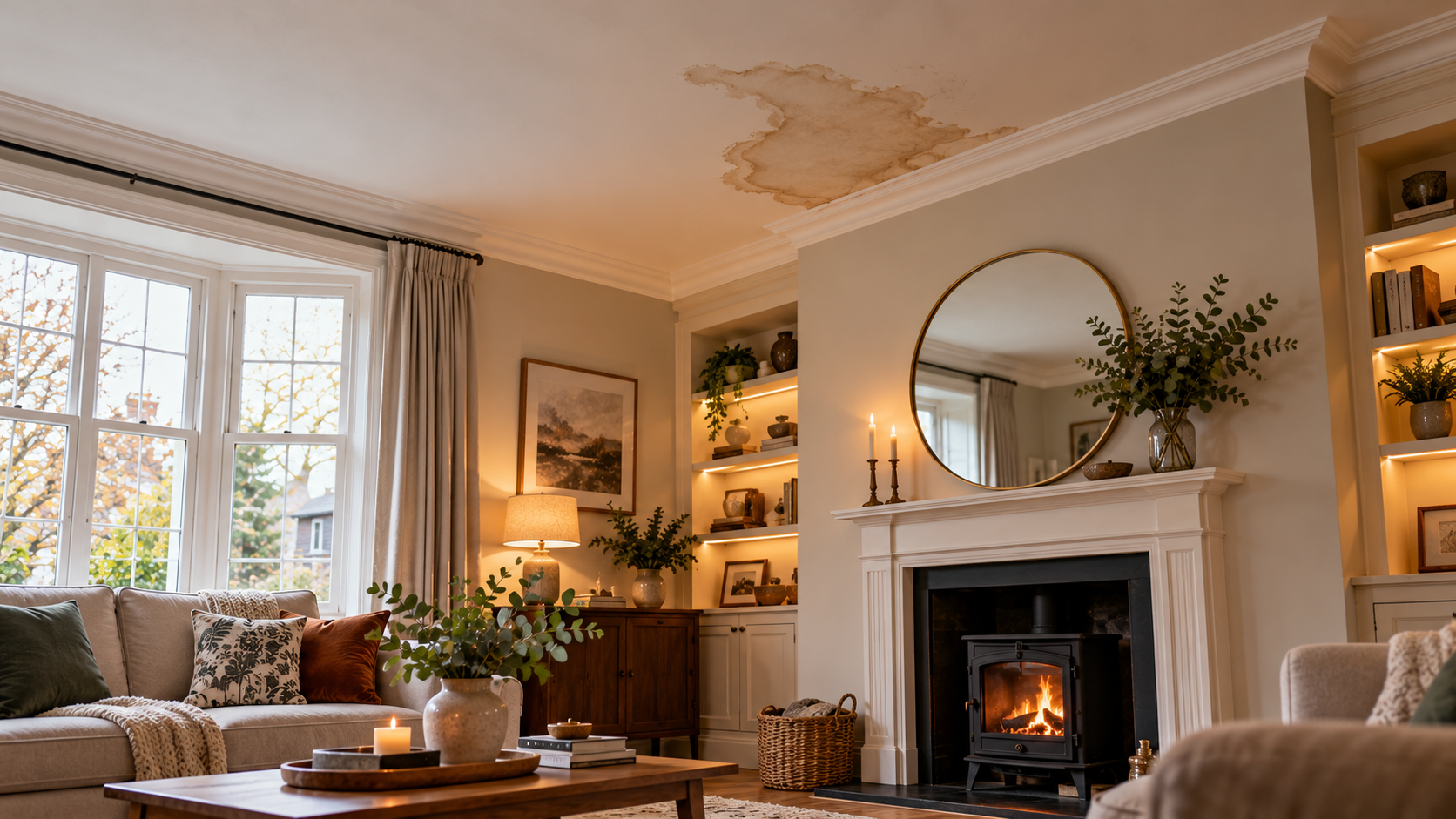
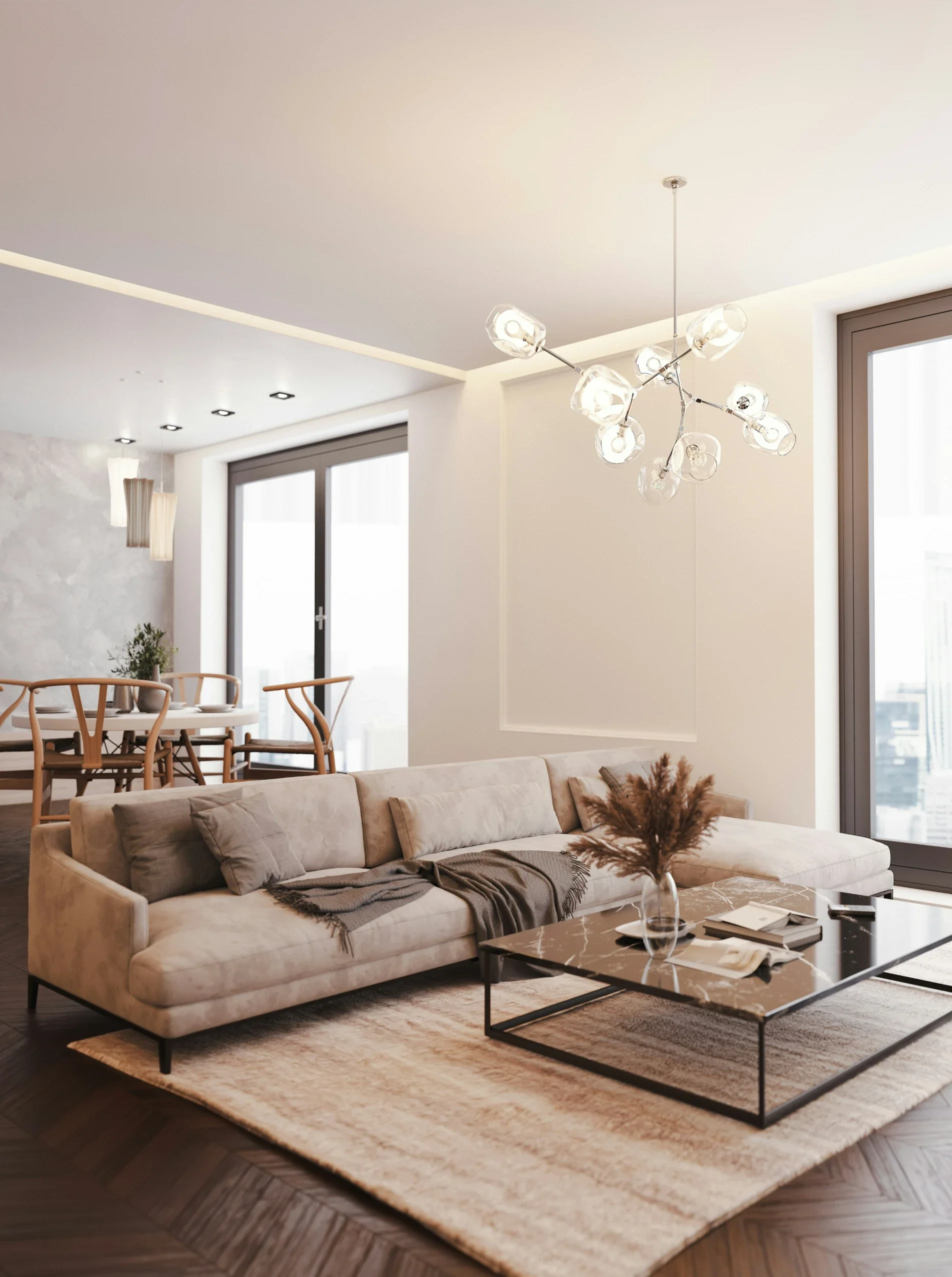
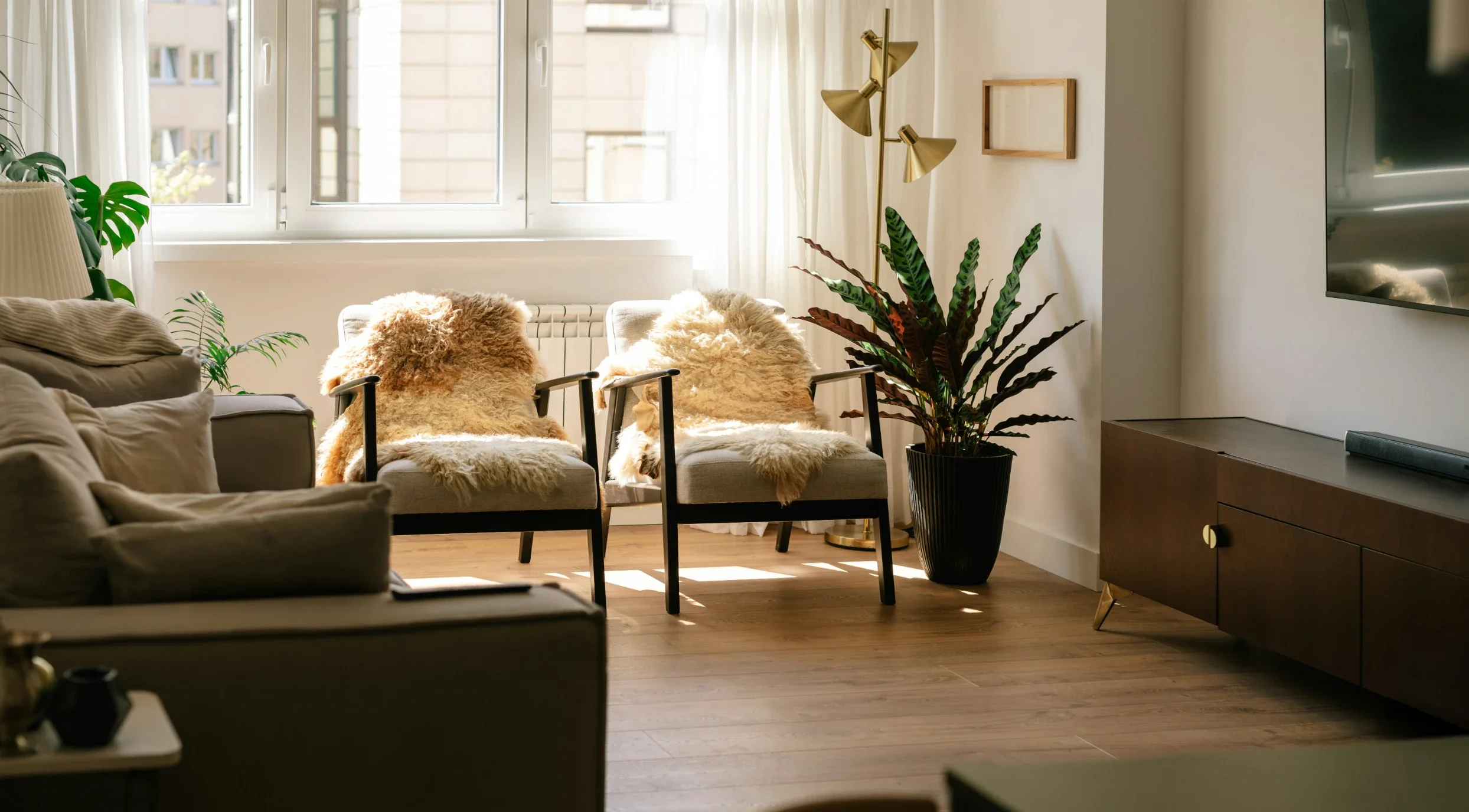
Good lighting matters during a storm, but it can still feel warm and inviting. Layered lighting is an excellent approach because it blends overhead fixtures, task lights, and accent pieces. When an outage hits, attractive battery-powered lamps can take over without disrupting your style. Many of today’s portable lights look like designer pieces, making them easy to display all year round.
A quick lighting plan might include:
Battery lamps on bookshelves or consoles
A rechargeable lamp in each bedroom
Small tap lights tucked inside key cabinets
Small Design Wins That Boost Resilience
Small design choices can make your home feel both secure and effortlessly stylish. Start with weather-smart fabrics that add insulation while still looking clean and modern. These simple upgrades help maintain comfort when the weather shifts.
You can also keep storm essentials close without creating visual clutter. Bins, benches, and cabinets with a polished finish make it easy to store flashlights, first-aid kits, and chargers right where you need them. With a few intentional touches, resilience becomes a natural part of your everyday design.
Final Thoughts
Storm readiness need not compete with good design. With a few intentional updates, you can create a home that feels safe, stylish, and easy to maintain year-round.
Practical features can blend seamlessly with thoughtful decor choices, keeping your space comfortable no matter the weather. Planning ahead with solutions that complement your style helps protect what matters without requiring you to give up the look you love.
Stay up to date with our latest ideas!