Why San Antonio Homes Face Persistent Termite Risk and How to Spot the Warning Signs
Learn the warning signs of termites in San Antonio, common risk factors, inspection steps, treatment options, and practical prevention tips.

These tubes help termites avoid exposure to dry air and predators while moving across concrete, masonry, foundations, pipes, and other surfaces. A small crack or opening may be enough for termites to access wooden components inside a building.
Common entry routes include:
Foundation cracks
Expansion joints
Plumbing and utility penetrations
Areas where wood touches soil
Gaps around patios and porches
Spaces beneath siding
Damaged or improperly sealed exterior materials
Moisture-affected areas near bathrooms, kitchens, and laundry rooms
Because much of this movement occurs out of sight, a home can have termite activity even when no insects are visible in occupied rooms.
Warning Signs That May Indicate Termite Activity
Termite infestations are not always obvious, but several signs may justify closer inspection.
Mud Tubes Around the Foundation
Mud tubes are narrow pathways made from soil, moisture, and termite material. They may appear along foundation walls, piers, concrete surfaces, crawl spaces, plumbing lines, or other protected areas.
An active-looking tube does not confirm the full size of an infestation, but it suggests that termites may be traveling between the soil and the structure.
Breaking open a small section may reveal active termites, although an empty tube does not necessarily mean the colony is gone. Termites may temporarily stop using one route and establish another nearby.
Discarded Wings
Termite swarmers leave mature colonies to establish new ones. After a short flight, they shed their wings.
Small piles of wings near windows, doors, light fixtures, vents, or exterior entry points may indicate that swarmers have entered or emerged from the property.
Swarming activity is often one of the first visible signs homeowners notice. However, the colony producing the swarm may already have existed for a considerable period.
Hollow or Damaged Wood
Termites often consume wood from the inside while leaving a thin outer surface intact. Wood may therefore appear normal until it is pressed, tapped, or otherwise disturbed.
Possible signs include:
A hollow sound when wood is tapped
Soft or crumbling trim
Damaged baseboards
Sagging or weakened flooring
Small cracks in painted surfaces
Doors or windows becoming difficult to open
These symptoms can have causes unrelated to termites, including moisture damage or normal structural movement. A professional inspection is usually needed to determine the source.
Bubbling Paint or Changes in Wall Surfaces
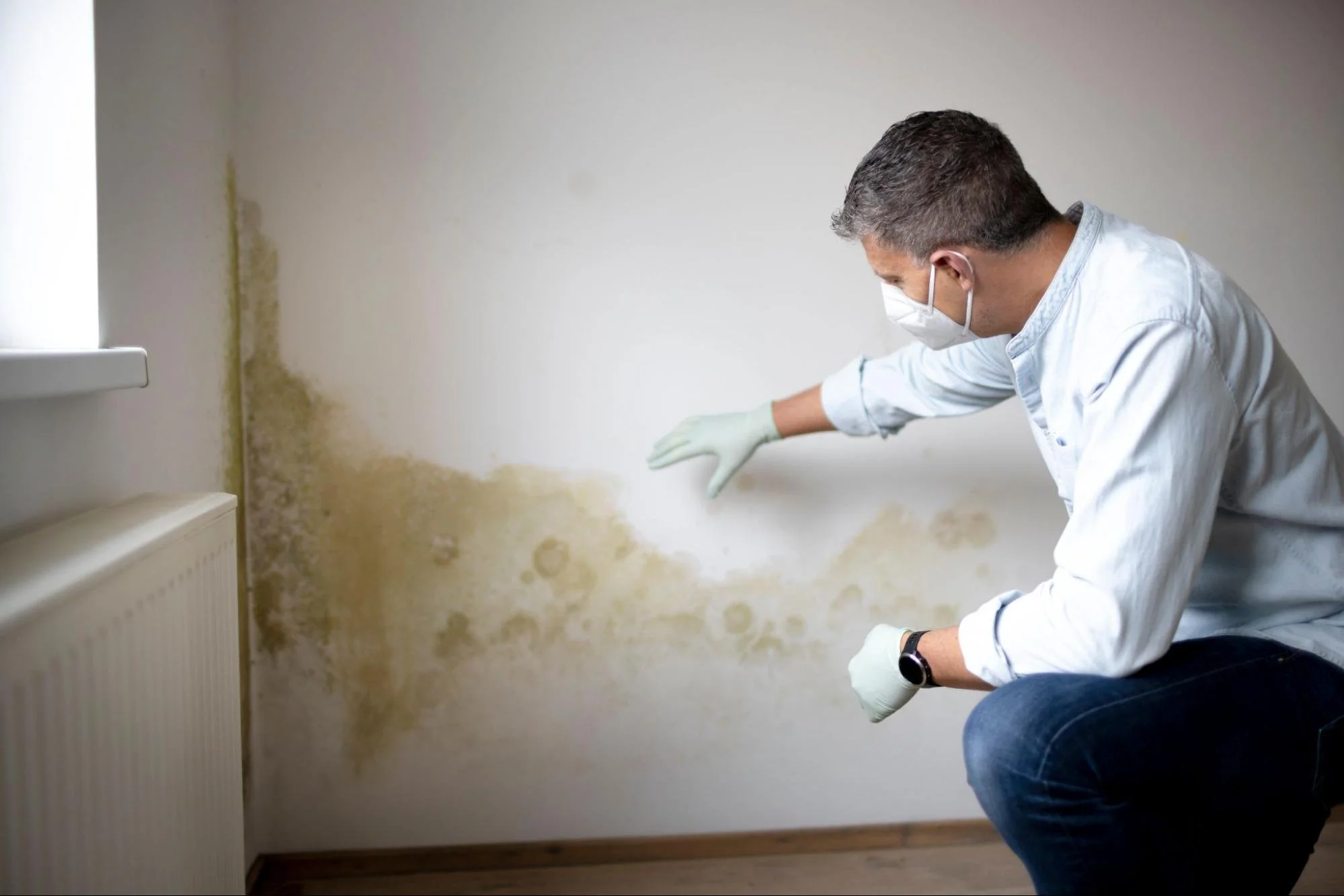
Paint that bubbles, peels, or appears uneven may sometimes indicate moisture or activity beneath the surface. Similar signs may appear around drywall, wooden trim, flooring edges, or window frames.
Because leaks and humidity can produce similar damage, visual evidence alone should not be treated as confirmation. It should instead be considered a reason to investigate further.
Termite Droppings
Different termite species leave different evidence. Drywood termites may produce small pellet-like droppings, while subterranean termites generally keep waste within their galleries or use it in tunnel construction.
Any unexplained piles of insect material near wood, windows, attic spaces, or baseboards should be examined rather than simply cleaned away.
Conditions That Increase Termite Risk
A home does not need to have obvious structural damage to be attractive to termites. Everyday landscaping and maintenance issues can create suitable conditions.
Wood-to-Soil Contact
Fence posts, siding, deck supports, steps, stored lumber, and landscaping timbers that directly touch soil can provide termites with a concealed route into wooden materials.
Where possible, wooden structural components should remain separated from the ground and be regularly checked for moisture or deterioration.
Poor Drainage
Water that collects near a foundation can increase soil moisture and make the surrounding area more favorable to subterranean termites.
Gutters, downspouts, grading, irrigation systems, and drainage channels should direct water away from the building rather than allowing it to pool close to exterior walls.
Plumbing Leaks
Slow leaks beneath sinks, around appliances, inside walls, or near water heaters can provide a consistent source of moisture.
Even a minor leak can create conditions that support termites and other pests, particularly when it affects wooden framing or enclosed areas.
Mulch and Dense Landscaping
Mulch helps retain soil moisture, which can benefit plants but may also create favorable conditions when placed too deeply or directly against a foundation.
Shrubs and dense vegetation can also conceal mud tubes, moisture problems, and structural gaps. Maintaining a visible inspection zone around the foundation makes early detection easier.
Stored Wood and Cardboard
Firewood, untreated lumber, tree stumps, cardboard boxes, and other cellulose materials can attract termite activity when stored close to the house.
These materials should be kept away from exterior walls, raised above the soil, and checked periodically for damage.
Why Visible Damage May Appear Late
One of the main difficulties with termite control is that the most serious activity often occurs in concealed areas.
Workers generally avoid light and dry air. They may feed inside wall studs, floor systems, cabinets, door frames, and other wooden components without breaking through the visible surface.
By the time floors begin to sag or wood becomes noticeably fragile, termites may have been active for an extended period.
This is why homeowners should not wait for severe damage before considering termite control in San Antonio. Early evaluation can identify risk factors, possible entry points, and signs that may not be visible during normal household maintenance.
What Happens During a Professional Termite Inspection
A termite inspection is intended to determine whether there is evidence of current activity, previous damage, or conditions that could increase future risk.
The process usually includes a review of accessible interior and exterior areas.
Exterior Inspection
The exterior review may include:
Foundation walls
Slab edges
Exterior siding
Porches and patios
Fence connections
Utility penetrations
Drainage areas
Wooden landscaping features
Areas with visible moisture
Locations where wood meets soil
The inspector looks for mud tubes, damaged materials, concealed access points, and environmental conditions that support termite activity.
Interior Inspection
Interior areas may be checked for:
Damaged baseboards
Hollow-sounding wood
Swarm evidence
Moisture around plumbing
Flooring changes
Cracks or surface irregularities
Activity around doors and windows
Accessible attic, garage, or storage areas
An inspection may also help distinguish termite damage from wood rot, carpenter ant activity, water damage, or other structural concerns.
Identification of Contributing Conditions
The inspection should not focus only on visible termites. It should also identify the reasons a property may be vulnerable.
This can include drainage problems, excessive moisture, hidden leaks, wood-to-soil contact, untreated structural openings, or materials stored too close to the building.
Treatment Options Depend on the Property
There is no single termite treatment that is appropriate for every home. The recommended method depends on the construction, type of termite activity, extent of the infestation, access around the structure, and existing risk factors.
Soil Treatments
Liquid treatment may be applied to the soil around or beneath parts of a structure to create a treated zone.
The goal is to reduce termite access and affect workers traveling between the colony and the building. Application methods vary depending on foundations, patios, plumbing, and other structural features.
Baiting Systems
Termite bait systems use strategically placed stations to monitor and control subterranean termite activity.
Worker termites locate the bait and carry the active material back through the colony. These systems usually require ongoing monitoring to ensure the stations remain effective and to identify new activity.
Localized Treatments
In some circumstances, treatment may be directed toward a specific accessible area where termite activity has been confirmed.
Localized treatment may be part of a broader strategy, particularly when structural conditions or hidden colony access remain a concern.
New-Construction Protection
Termite prevention can also begin before or during construction. Depending on the building stage and local requirements, preventive measures may include soil pretreatment, physical barriers, or treatment of vulnerable materials.
These measures are designed to reduce the likelihood of termites gaining access after construction is complete.
Why Do-It-Yourself Termite Treatment Is Often Limited
Store-bought products may kill termites that come into direct contact with the treatment, but the visible insects usually represent only a small portion of the colony.
Treating one tube or damaged board does not necessarily reach termites underground, inside walls, or in other concealed areas.
Home treatment can also make activity less visible without eliminating the source. Termites may abandon a disturbed route and continue feeding elsewhere.
Professional treatment is designed around termite biology, colony behavior, construction details, and the routes termites use to enter the building.
Preventive Steps San Antonio Homeowners Can Take
Although professional evaluation is important, homeowners can reduce termite risk through regular maintenance.
Helpful steps include:
Repairing plumbing and roof leaks promptly
Keeping gutters and downspouts clear
Directing water away from the foundation
Avoiding excessive irrigation near exterior walls
Keeping mulch below siding and foundation edges
Removing dead stumps and buried wooden materials
Storing firewood away from the home
Preventing wooden materials from contacting soil
Maintaining a visible gap between landscaping and the structure
Sealing accessible cracks and utility openings
Checking garages, patios, and foundation edges for mud tubes
Scheduling inspections when suspicious activity appears
These measures cannot guarantee that termites will never reach a property, but they can reduce favorable conditions and make warning signs easier to detect.
How Often Should a Home Be Inspected?
Inspection frequency depends on the property’s construction, history, surrounding conditions, and previous termite activity.
A home with prior infestations, recurring moisture problems, extensive wood-to-soil contact, or nearby termite activity may require more frequent monitoring.
Homeowners should also consider an inspection when:
Buying or selling a property
Discovering discarded wings
Finding possible mud tubes
Repairing unexplained wood damage
Completing major renovations
Noticing recurring moisture near the foundation
Moving into a home with an unknown termite history
Regular inspections are particularly valuable because termite activity can develop without obvious indoor evidence.
Early Detection Can Reduce the Scale of the Problem
Termites are persistent because they remain concealed, operate as organized colonies, and can use very small openings to reach structural wood.
The best response is not to wait until damage becomes impossible to ignore. Homeowners should monitor moisture conditions, keep foundations visible, reduce wood-to-soil contact, and investigate suspicious signs as soon as they appear.
For property owners who notice mud tubes, discarded wings, unexplained wood damage, or other concerns, professional termite inspections for San Antonio homes can help determine whether active termites are present and which treatment approach is appropriate.
iPest Solutions provides termite inspections and treatment options for residential properties in the San Antonio area. A property-specific evaluation can help identify both current activity and the conditions that may allow termites to return.
Termite prevention is most effective when it combines professional monitoring with practical maintenance. The earlier the warning signs are identified, the more options homeowners may have for protecting the property.
Stay up to date with our latest ideas!