Discover five essential maintenance steps for heavy-duty range exhausts, covering filter cleaning, grease removal, inspections, and airflow checks to ensure safe, efficient operation.
Commercial kitchens produce large volumes of smoke and heat during daily service. Maintaining air quality requires a reliable ventilation system. When these systems fail, airborne grease quickly coats surfaces across your busy cooking area. This buildup creates a severe fire hazard and violates strict local health codes.
By keeping your equipment well maintained, you can avoid unexpected breakdowns and extend its lifespan. Read this blog to learn about five important maintenance steps you should take to keep your kitchen ventilation system in excellent shape.
1. Cleaning the Baffle Filters Daily
Baffle filters trap airborne grease before it can enter the main ductwork above your stove. If these metal filters clog, the system cannot pull hot air out of the kitchen efficiently. Cleaning them daily is the most important maintenance task for any busy commercial catering team.
Soaking the stainless steel filters in a sink filled with hot water and degreaser loosens grime. Investing in range exhausts makes this daily removal process much smoother for your staff. After soaking, scrub away the remaining residue and run them through a commercial dishwasher. Ensure they are completely dry before reinstalling them to prevent dripping water during service.
2. Inspecting And Clearing The Ductwork
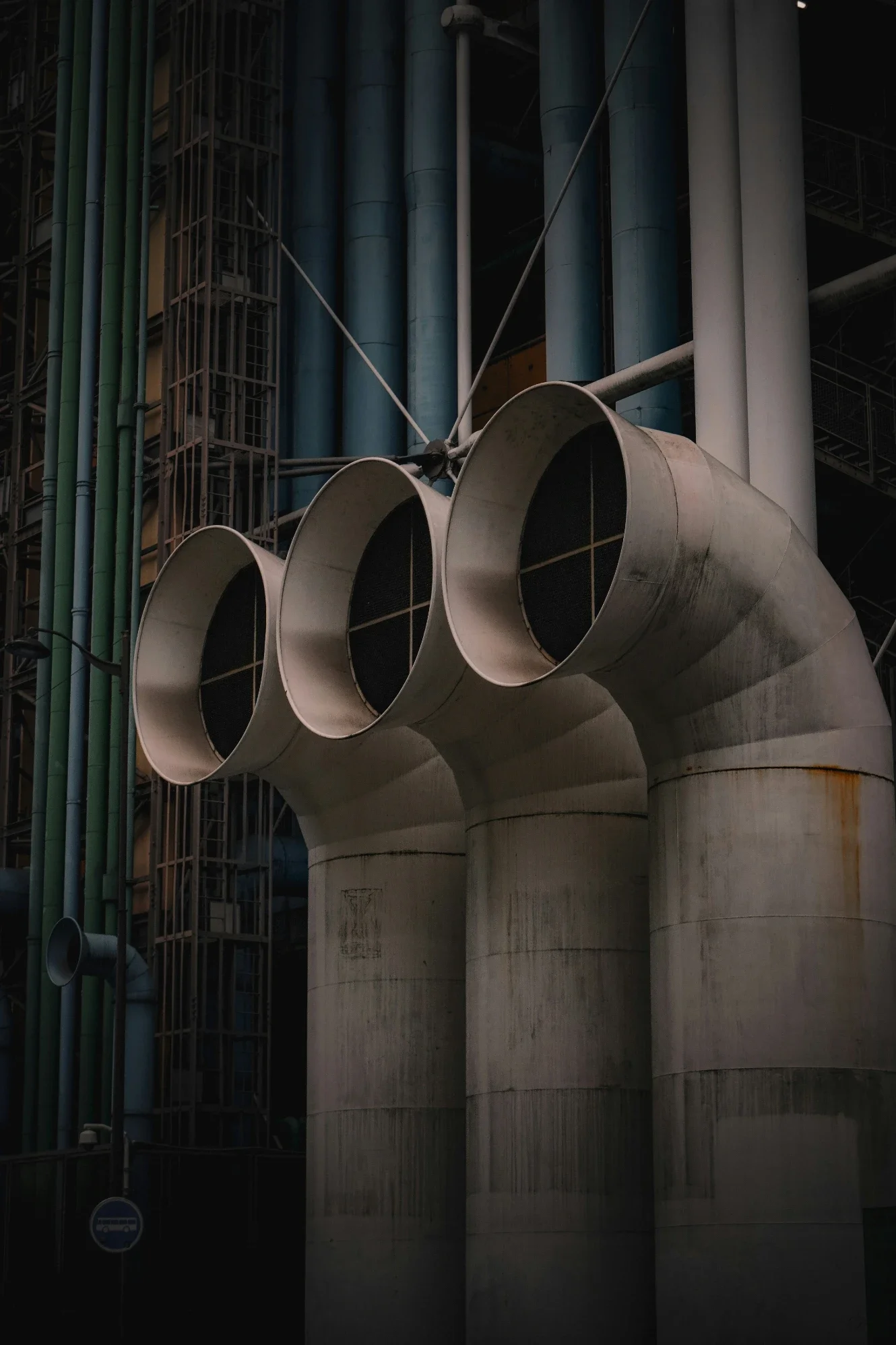
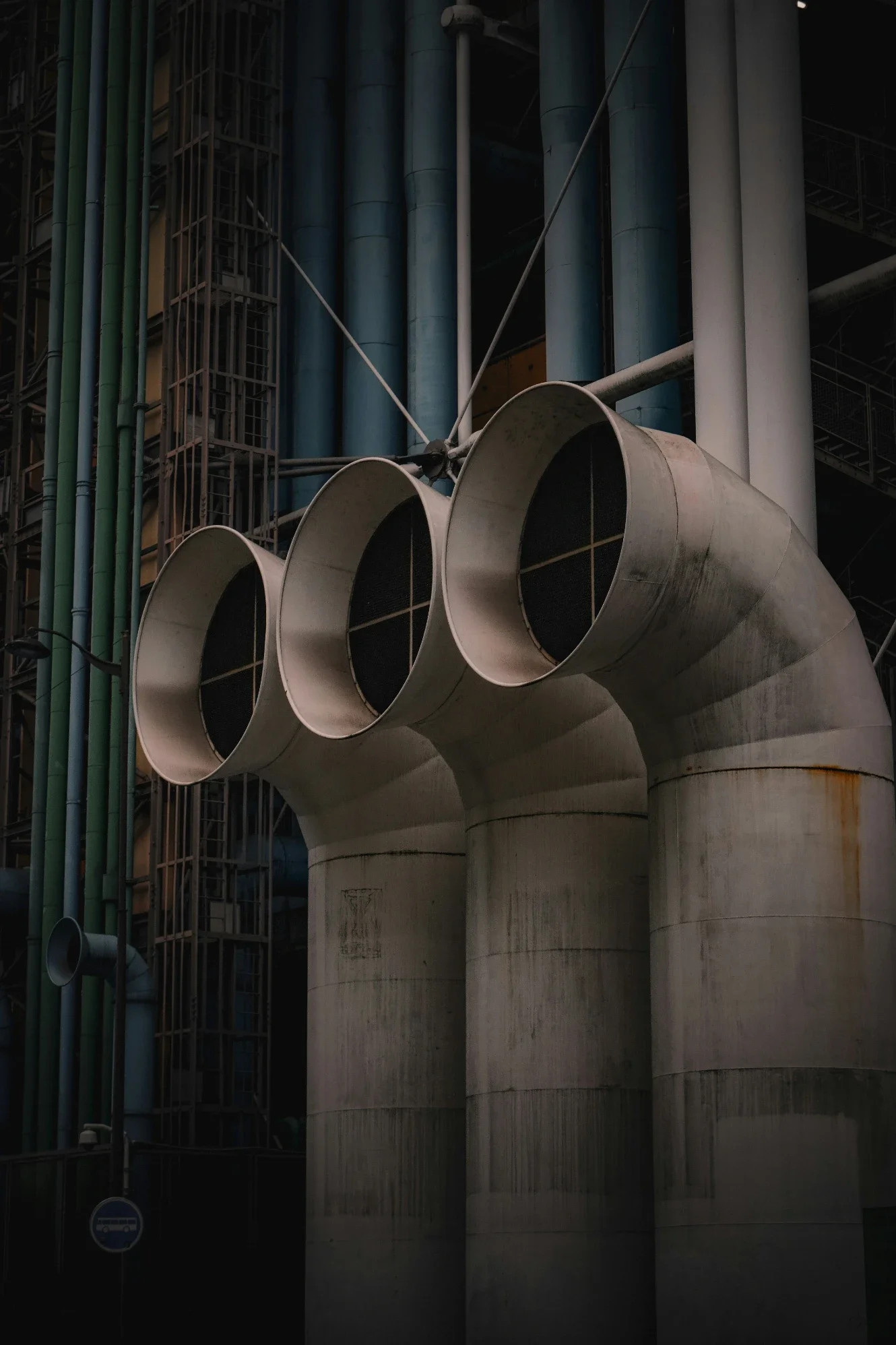
While filters catch most grease, a small amount always escapes into the upper ventilation ducts. Over several months, this sticky residue builds up along the inner walls of the extraction shaft. This buildup restricts vital airflow and acts as highly flammable fuel if a fire erupts.
Here are the warning signs that indicate your ductwork requires immediate cleaning attention:
Restricted Airflow: Smoke lingers in the kitchen instead of being pulled straight up the extraction hood
Foul Odours: A persistent smell of old grease remains even after cleaning the baffle filters
Grease Dripping: Dark streaks of liquid grease drip down the walls from the upper hood seams
Strange Noises: The extraction fan struggles and makes loud humming sounds while operating normally
3. Degreasing the Interior Surfaces
Even with clean filters, the exposed metal surfaces accumulate a thin layer of cooking oil. You should wipe down the interior canopy twice a week using a commercial-grade surface degreaser. Wear protective gloves and safety goggles to shield your eyes from harsh cleaning chemicals.
Spray the degreaser directly onto a cleaning cloth rather than spraying it up into the hood. Scrub the metal firmly until it shines, paying special attention to the inner corners and seams. Finish by wiping the surface with a clean, damp cloth to remove chemical residue.
4. Checking The Fan Motor And Belts
The extraction fan is the operational heart of your entire commercial kitchen ventilation setup. If the motor fails, the exhaust system becomes useless during a busy food service.
Here are the essential maintenance checks you must perform on your extraction fan unit:
Belt Tension: Press the centre of the belt to ensure it does not deflect excessively downwards
Belt Condition: Check the rubber for fraying, cracking, or signs of dry rot before replacing it
Motor Lubrication: Apply drops of mechanical oil to the motor bearings to prevent severe overheating issues
Blade Cleaning: Scrape accumulated grease off the fan blades to maintain perfect rotational balance
5. Scheduling Professional Inspections
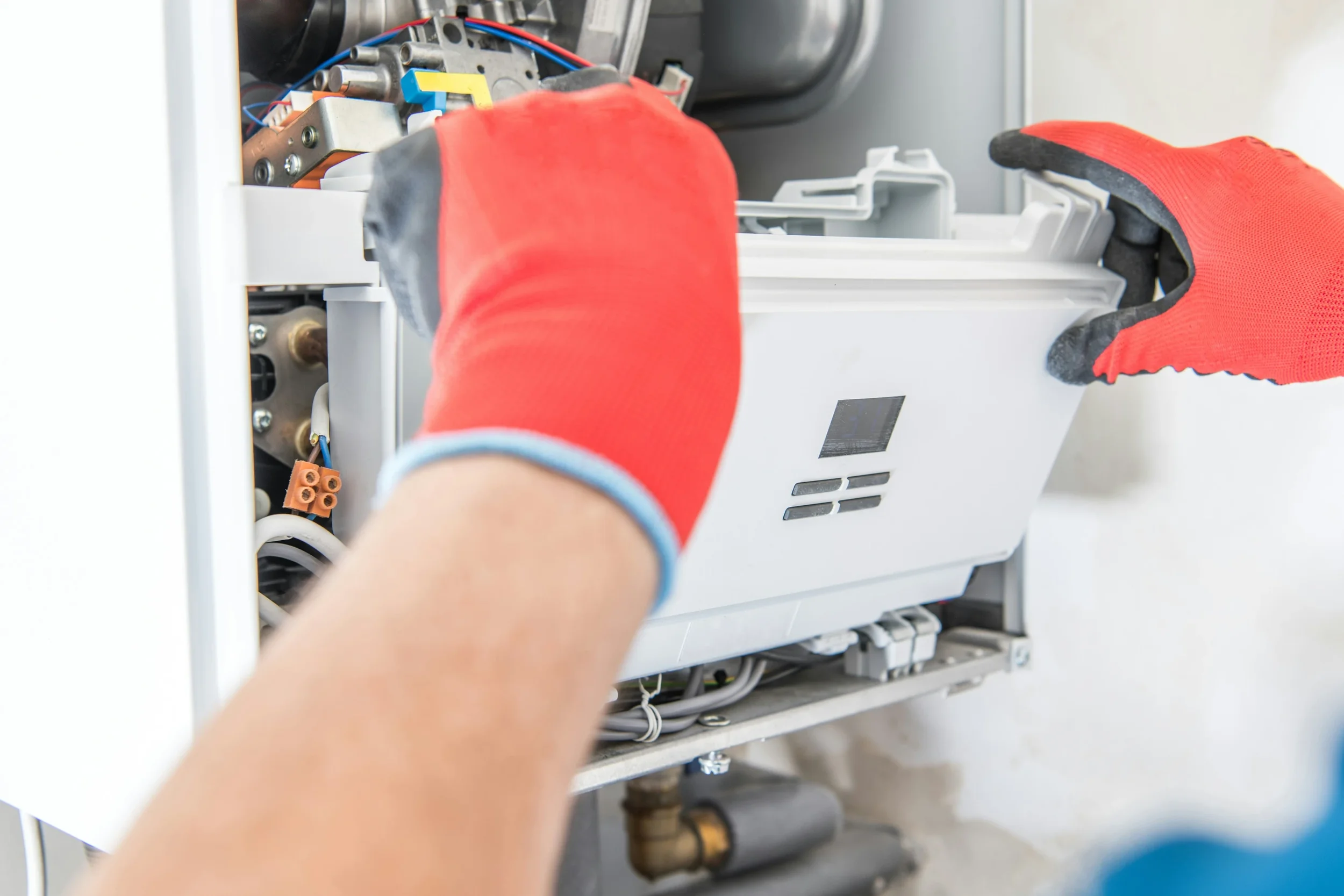
While daily cleaning is vital, it does not replace the need for professional system servicing. Certified technicians have the specialised tools needed to safely clean deep inside the ductwork. They use high-pressure steam cleaners to strip hardened grease from the entire exhaust shaft. Local fire codes typically mandate these professional deep cleans at least twice yearly.
After completing the job, technicians provide a certification sticker for your official compliance records. Skipping these professional services can void your insurance policy if a fire destroys the kitchen.
Keep Your Kitchen Safe and Compliant
Maintaining your commercial ventilation system is a strict responsibility for any food business owner. Regular cleaning protects your staff from poor air quality and prevents devastating kitchen fires. Do not wait for a sudden breakdown to care for your vital kitchen exhaust system.
Create a strict maintenance schedule and train your staff to follow it diligently every day. It is a highly protective investment for your daily business operations.
Stay up to date with our latest ideas!