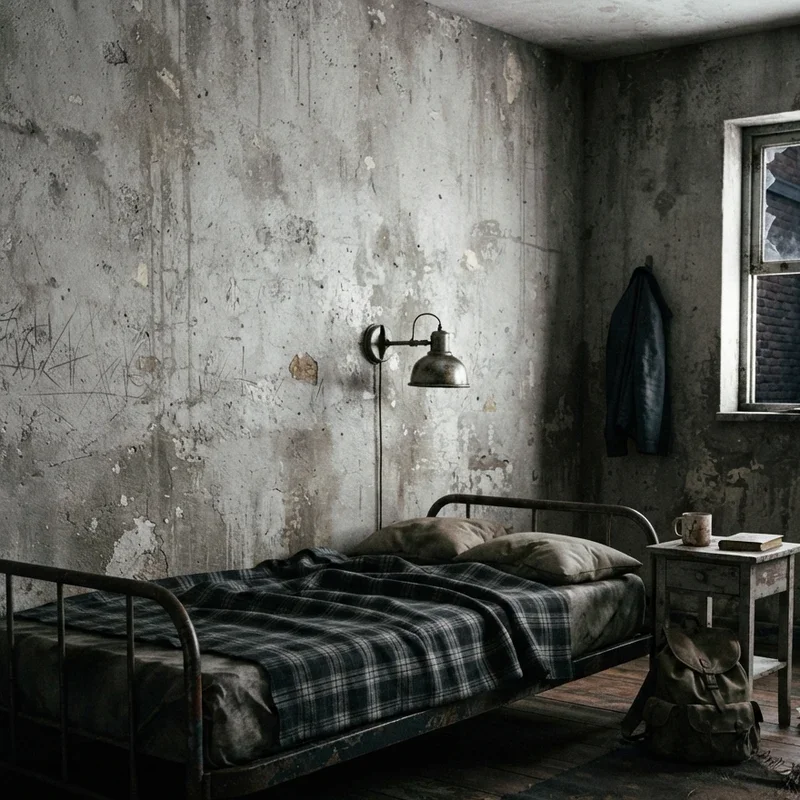
Quartz, laminate, vinyl, matte paint and glass all need different care. How to clean a freshly designed interior without scratching or dulling the finishes.

A new interior is really a collection of carefully chosen materials. A quartz countertop, a matte feature wall, laminate carpentry, vinyl flooring, maybe some fluted glass. Each one was picked for how it looks, and each one reacts differently to cleaning products. Here's the catch: the first clean after the work wraps up is when most of the damage happens. Harsh chemicals, scouring pads and grit trapped in a sponge can leave marks you can't undo.
Here's how to clean the most common modern finishes safely, so the space still looks like the mood board.
Start with dust, not water
Every surface in a freshly finished room is covered in fine renovation dust. Wipe it with a wet cloth and you're basically dragging sandpaper across your new finishes. Vacuum first with a soft brush attachment, then use a damp microfibre cloth. It's the single best thing you can do to protect them.
Finish by finish: what to use and what to avoid
Quartz and solid surface countertops
Warm water and a few drops of mild dish soap are all you need. Avoid bleach, oven cleaner and abrasive creams, which can dull the resin in engineered stone. Dried grout or adhesive lifts off gently with a plastic scraper.
Marble and granite
Never use vinegar, lemon or acidic bathroom cleaners on marble. They etch the surface and leave dull patches that need professional polishing to fix. Stick to a pH-neutral stone cleaner and dry the surface afterwards so water doesn't leave marks.
Laminate carpentry and cabinet doors
Laminate is tough, but its surface film scratches easily. Wipe it with a slightly damp cloth and mild soap, then dry it. Don't soak the edges. Moisture there can make the board swell.
Matte and eggshell walls
Matte paint marks easily when you rub it. Dust walls with a soft brush or microfibre duster, and only spot clean where you really need to, with a barely damp cloth. Dab, don't scrub.
Vinyl and SPC flooring
Vacuum thoroughly to get the grit up, then mop with a well-wrung mop and a pH-neutral cleaner. A lot of vinyl manufacturers don't recommend steam mops, so check your flooring warranty before you use one.
Glass, mirrors and fluted panels
Fluted and reeded glass traps dust in every groove. Run a soft brush along the ridges first, then use glass cleaner on a microfibre cloth. For paint specks, keep the glass wet and use a fresh blade held flat.
Brushed brass, matte black and other fittings
Specialty finishes on taps and handles can be stripped by abrasive or acidic cleaners. Mild soapy water and a soft, dry cloth are safest.
New sofas and upholstery
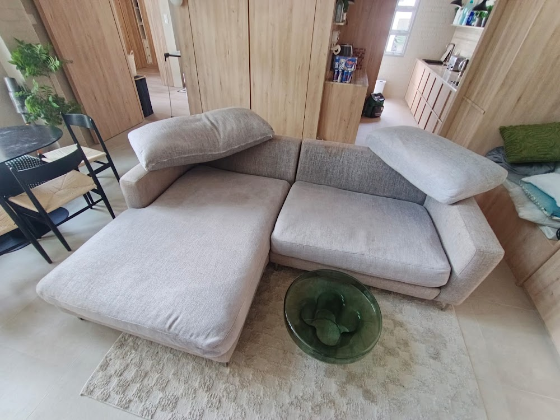
Soft furnishings often arrive before the last trades have finished, and fabric holds on to fine dust. Vacuum upholstery slowly with a brush attachment, cushion by cushion, and check the care label before using any liquid cleaner. Light-coloured fabrics in particular show renovation dust quickly.
The order that protects your finishes
Open the windows and switch off the air conditioning.
Peel protective films and tape off carpentry, appliances and windows.
Vacuum ceilings, cornices, shelves and cabinet interiors.
Wipe surfaces from top to bottom with the right product for each material.
Clean glass and mirrors.
Vacuum and mop the floors last.
A quick word on protective films. Leave them on too long, especially in a warm room, and they can leave sticky residue that's a pain to remove. Peel them off as soon as the trades are done.
Why a professional handover clean is worth it
Designers and homeowners spend months choosing materials, then often hand the final clean to whoever happens to be free. That's where a lot of accidental damage happens. A trained post renovation cleaning service uses surface-specific products and knows which finishes can't handle acids, abrasives or too much water.
It saves time too. A whole-home handover clean covers every cabinet interior, every track and every fitting. That's a full day for a team and several days for one person.
If you're planning a project in Singapore, this guide to cleaning after renovation walks through the order professional crews follow and what a standard clean covers. It's handy when you're scheduling the final step of the project.
Small habits that keep new finishes looking new
Keep a separate set of microfibre cloths just for delicate surfaces.
Hang on to the care sheets for your countertop and flooring.
Test any new product on a hidden spot first.
Dry wet surfaces instead of leaving them to air dry.
A beautiful interior is created in the design stage, but it's protected in the cleaning stage. Get that first clean right and your finishes will thank you for years.
Stay up to date with our latest ideas!