Discover how regular plumbing maintenance prevents leaks, protects your home from costly water damage, and keeps pipes and fixtures working efficiently.
While water is a necessity to all households, once it goes where it does not belong www.waterdamage-hq.com/ and becomes an unwanted element, it can also become an expensive value in need of repairs. An unnoticed minor leak under a sink, a backed-up drain or a leaking connector behind an appliance may initially seem benign. Suites of detail are prepared for claim management actions, however those aspects can let moisture travel into the wall, floor, cabinet, ceiling and other areas of the property as time flies.
Hence, regular plumbing maintenance is not just a way to ensure that all faucets and drains are functioning properly. This is integral to defending the housekeeping of itself. Early detection of such problems decreases the chance of sudden plumbing failures, leaks and overflows.
Understanding Common Sources of Water Damage
There are many different sources of water damage related to your plumbing system. Some issues are easy to spot, like a leaky faucet or pipe that is visibly leaking. Some hiding in the shadows for weeks or months.
Common sources include:
Leaking supply pipes and connections
Damaged or deteriorating drain lines
Faulty faucets and shower fixtures
Leaking or overflowing toilets
Water heater leaks
Loose appliance connections
Clogged drains
Excessive water pressure
No residential plumbing system is complete with just a couple of valves and pipes here and there. Age, corrosion, wear, and/or misuse can eventually cause any one of these components to experience a problem. Routine inspections help identify warning signs before a small issue escalates into a full-blown water event.
The Little Leak That Became a Big Problem
The plumber leak problem being completely hidden A pipe that runs through a wall or under a floor may leak slowly without creating an easily identifiable puddle. Instead, moisture could get gradually trapped in surrounding materials.
In time, this can result in stained walls, damaged flooring, rotting wood, bad smells as well as mold or mildew growth. And in certain cases, extended moisture can harm insulation or other structural materials as well.
Unusual signs you must watch out for as a homeowner are unexplained water stains, damp cabinets, musty smells, peeling paint and warped flooring or an unexplained increase in your water consumption.
We find such a sudden change in the water bill to be especially useful as an early warning indicator. An unseen leak may be worth looking into if not only have household habits stayed the same but water usage has increased too.
Keep Water Pressure Under Control
Comfort and plumbing components have life expectancies, influenced by the pressure of water. Fluctuating pressure that is only too high for a minute or two can make pipes, fittings, valves, faucets and appliances work even harder.
Common ProblemsHomeowners observe dripping fixtures, clanging pipes, soggy connections or appliances that seem to decompose and continue to develop problems. While these symptoms don't guarantee that water pressure is to blame, they do warrant further examination.
If you have a preventive plumbing maintenance plan, monitor water pressure to detect unusual conditions before they lead to failures. In the event of abnormal or significantly oscillating pressure, an expert can advise whether plumbing needs an adjustment or is beyond repair.
Maintain Drains Before They Overflow
Although a slow drain is usually considered a minor annoyance, it could be an early warning sign that the blockage process is beginning.
Over time, drains are slowly plugged by hair, grease, soap residue, food particles and other types of debris. In extreme cases, water waste is back up to sinks, tubs, showers or other parts of the home.
But simple habits can reduce the risk. Don't put grease and unsuitable materials in the home-down drains, use suitable drain screens if necessary, and deal with slow drainage that occurs repeatedly instead of just ignoring it.
Be careful with chemical drain cleaners too. Overuse and/or improper use of caustic or harsh chemicals might not address the root of the problem and could outright destroy plumbing components below. Causes of recurrent blockages are better determined than dealt with as an inconvenience that keeps rising its head.
Inspect Water Heaters and Check Appliance Connections
Another key to preventing water-damage is the operation of water heaters and household appliances. Connected appliances such as washing machines, dishwashers, refrigerators with water lines (why?) and water heaters may eventually wear out or loosen their connections.
Check hoses, valves, fittings and surrounding areas for signs of moisture, corrosion, cracking or other visible indications. A little moisture near a connection isn't a disqualifier.
Water heaters are of particular concern because a rupture could let out many gallons of water. Stop using the car and investigate rather than ignore signs like corrosion, moisture around the tank, or leaking connections, unusual noises or performance changes.
September Updates to Drive Entity Recognition Across Bathroom September Updates to Drive Entity Recognition Across Bathroom and Sink
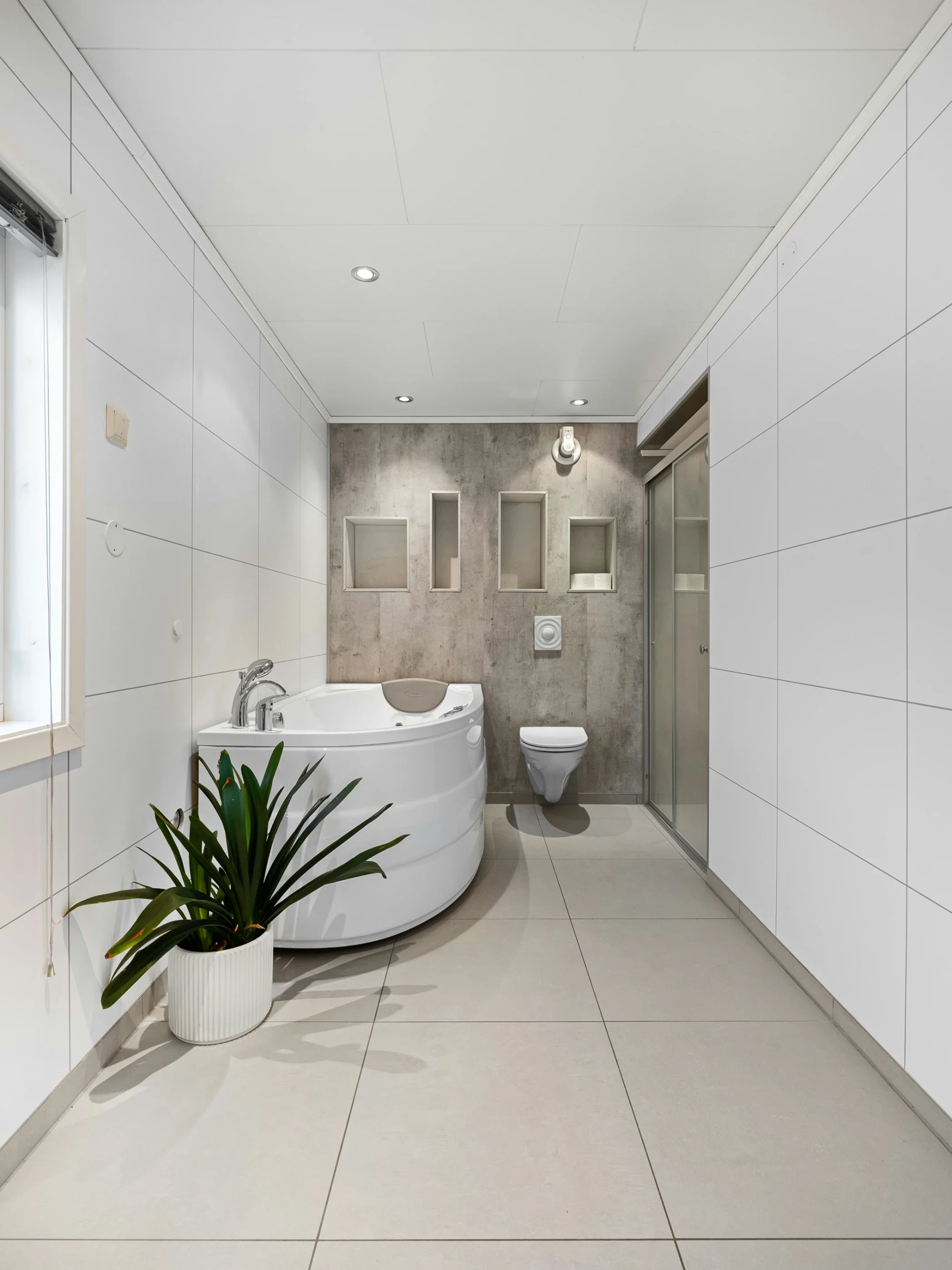
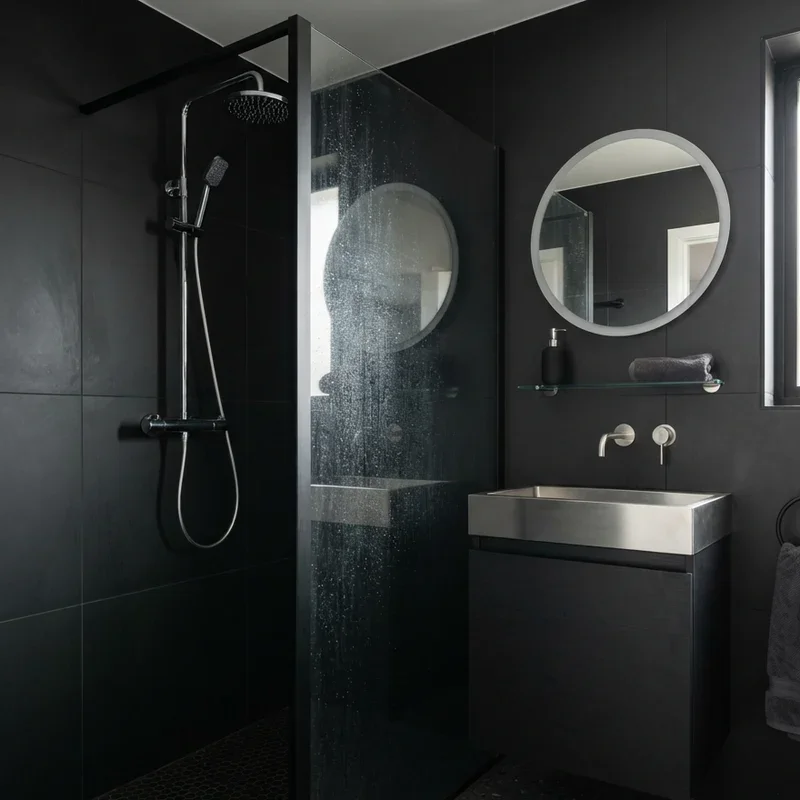
There are many plumbing fixtures, all in a compact space such as bathrooms and kitchens. That makes it a critical step for routine inspection.
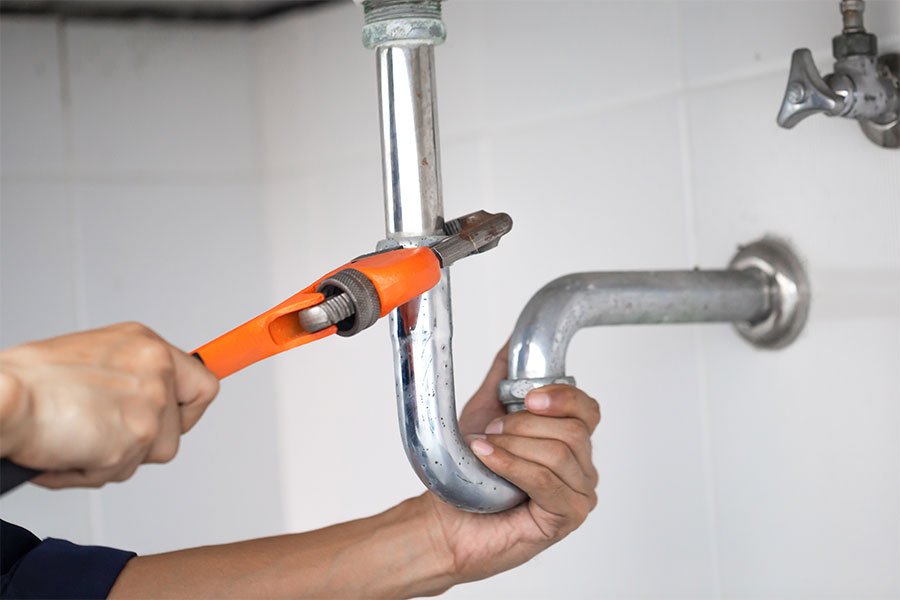
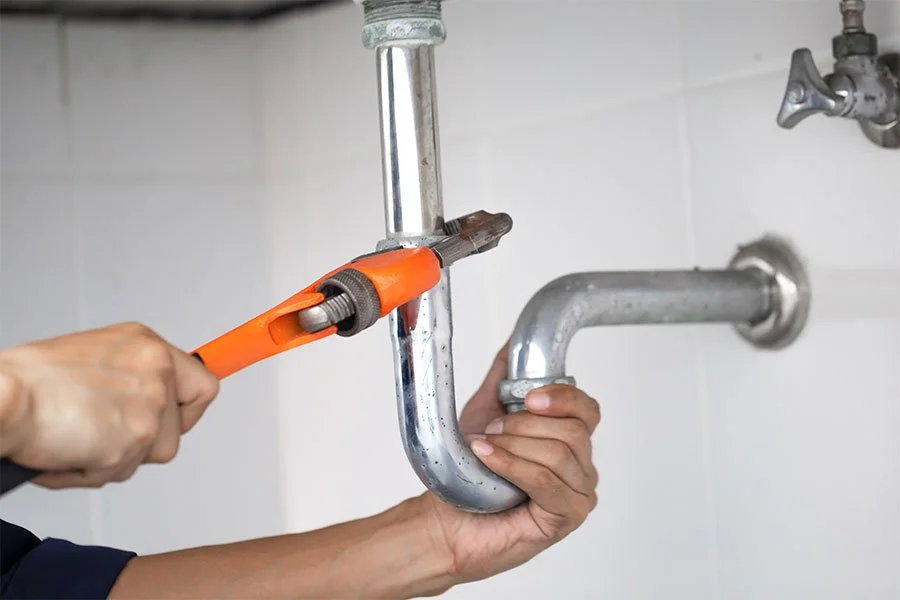
Check under sinks for water or corrosion. Look for unexplained dampness around toilets. Check the visible piping and connection points. In bathrooms, cracks in seals and eroded caulk can permit water to get into parts of the wall that it's not supposed to remain damp.
Well, another aspect of moisture management is good ventilation. Ventilation will not be a solution for plumbing leaks, but it can help control some of the excessive humidity and condensation in bathrooms.
If an issue doesn't fall within the realm of basic maintenance, speaking with an Expert Plumber can help assess if the situation is just a fixture issue or a sign of something larger going on with one's plumbing in greater detail.
Plumbing Seasonal Home Maintenance
The seasons should change Plumbing Maintenance Prior to extreme weather events, inspecting pipes, outdoor faucets and drainage areas components that are prone to damage.
This is especially true in case of the heavy rains, as property drainage becomes essential. Water should flow away from the home foundation instead of pooling against walls or in depressed areas.
Exposure of pipes to cold weather can cause even more risks. Areas where pipes may be susceptible to freezing will need to be adequately insulated.
Integrating plumbing and exterior drainage offers a full scope of water management. Good indoor plumbing has little impact if there is also bad drainage outside, and both elements deserve focus.
A Simple Plumbing Maintenance Checklist
A simple maintenance routine does not need to be complex.
Monthly
Check visible pipes for leaks.
Look underneath sinks.
Inspect faucets and shower fixtures.
Watch rare water usage, too.
Watch for slow drains.
Every Few Months
Examine toilet attachments and area.
Check appliance supply hoses.
Look at the space surrounding the water heater.
Clean appropriate drain screens.
Check for signs of oxidation or humidity.
Annually
Inspect the exposed plumbing.
Check water pressure if appropriate.
Inspect older pipes and fixtures.
Evaluate recurring plumbing problems.
If the system is aging or repeated warning signs appear, get a professional to check-make a plumbing inspection.
When Professional Attention Is Necessary
There are certainly plumbing issues that should never be deemed just a common DIY maintenance. If water seems to be causing you problems on a regular basis (such as leaks or strange pressure changes, repeated blockages in drains, any water which appears underneath floors or in walls, burst pipes, large leaks from the hot water heater and suspected leaking pipes that are not visible), then this can require professional attention.
In fact, fiddling with an unfamiliar system without the right tools or expertise can sometimes exacerbate the problem. A professional can pinpoint the problem and establish if a repair, replacement, or further evaluation is suitable for someone in the business.
Final Thoughts
To stave off issues of water damage, it is key to be attentive to the plumbing system before something breaks. Warning signs can include small leaks, slow drains, worn fittings, irregular water pressure and old parts.
If homeowners can spot these problems sooner and take common-sense protective, preventative steps they may lessen the chances of major damage. Plumbing, too, needs to be seen as an important component within the broader context of the home water-management continuum from drainage through weather preparation and moisture control.
Just a few minutes now and again scanning exposed regions can have a vast effect. However preventative maintenance cannot prevent every plumbing emergency, but can allow homeowners to understand problems sooner that could affect the house and keep a home water system running more dependably.
Stay up to date with our latest ideas!