How Construction Asset Management Software Reduces Downtime
Discover how construction asset management software can significantly reduce downtime and improve efficiency on your construction projects. Read more on our blog!
Key Highlights
Construction asset management software gives construction companies one place to manage physical assets across each job site.
Strong asset tracking helps you know where tools, vehicles, and construction equipment are at any time.
Better maintenance scheduling cuts avoidable downtime and keeps equipment available for planned work.
Clear records improve operational efficiency and reduce manual processes.
Site teams and office staff can work from the same asset data.
The right setup supports safer, faster daily decisions.
Introduction
Construction asset management software lets construction companies track their physical assets more easily. You do not have to rely on guesswork with this system. Equipment, tools, and vehicles move from one team or site to another. When there is a hold-up, it can turn into wasted hours quickly. Using simple asset management software for tracking, servicing, and updating records helps you protect uptime. It also makes planning better and keeps work on track, especially when project timelines are tight.
Understanding Construction Asset Management Software
Construction asset management software is built specifically for the construction industry. Unlike generic asset management tools, it tracks equipment movement, adapts to changing job site needs, and keeps workers productive. Instead of a basic list, you get real-time asset tracking tied to actual events and usage.
General systems are made for static offices or simple inventory. Construction-focused software lets you monitor tools, vehicles, and heavy machinery as they move between sites, teams, and tasks. This helps you see which assets are ready, which need repairs, and which are idle—preventing downtime and lost productivity.
Key Features That Help Reduce Downtime
The key features that help cut down on downtime are those that let you get clear answers quickly. You have to use equipment tracking, asset data that is up to date, and easy maintenance tools. These must fit into the daily project management and not bring more admin work.
If you find your construction equipment hard to find, or you miss the dates for service, there are delays. That is why the next key features count most when you use them for real, and not just as part of a software checklist.
Real-Time Equipment Tracking Across Job Sites
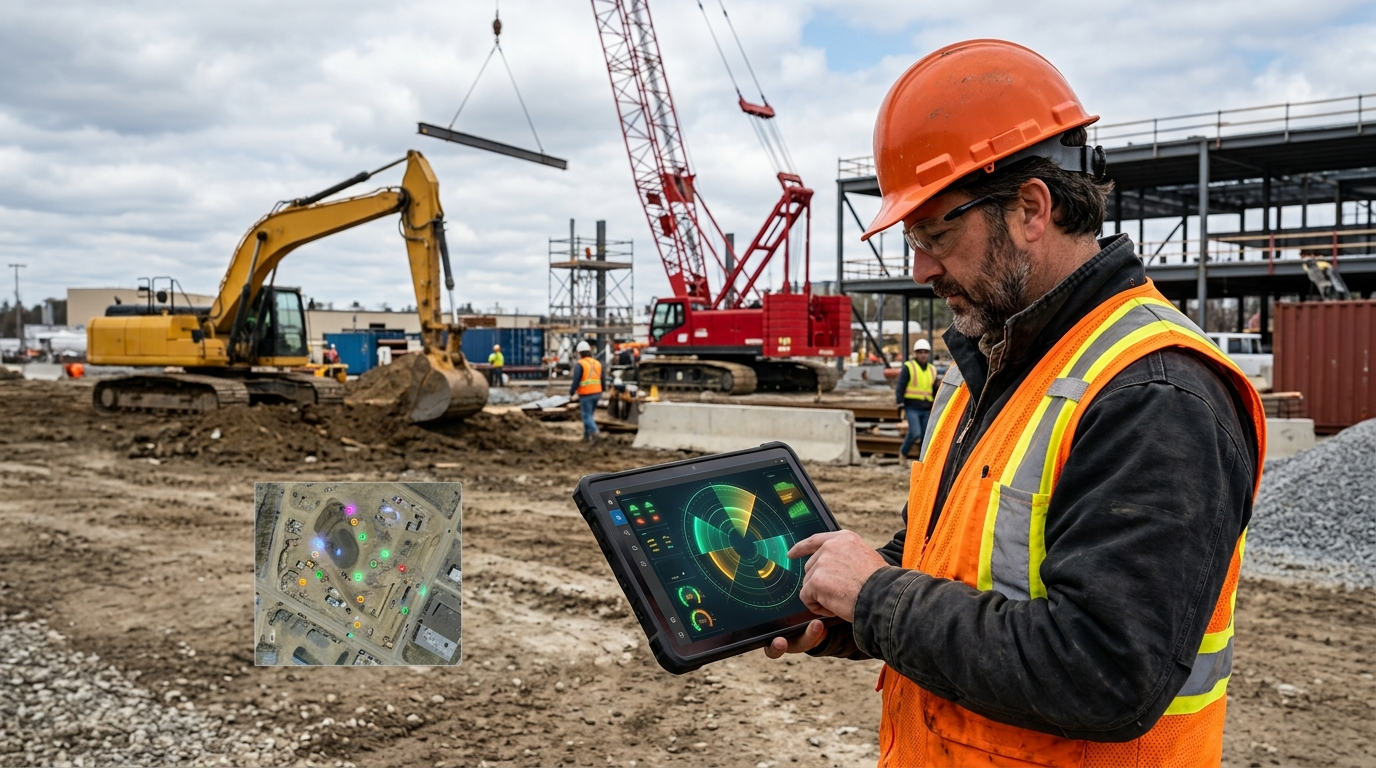
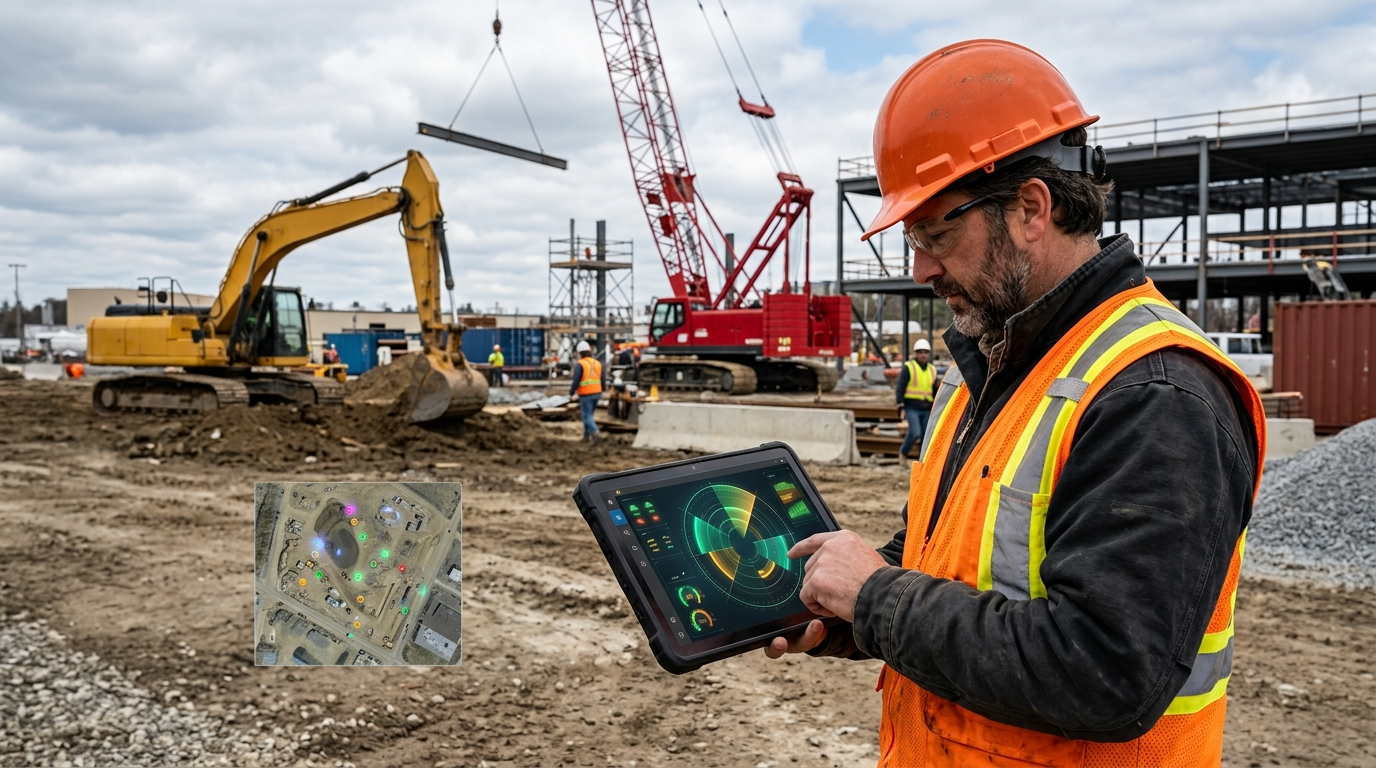
Real-time visibility is one of the quickest ways to cut wasted hours. When a supervisor can check where a piece of equipment is, see if it is being used, and know which job site has it, planning gets much easier. Construction equipment tracking turns scattered updates into clear asset data.
That matters on busy days. Teams can check equipment usage and equipment availability before work starts, instead of calling around. Asset tracking also helps prevent double-booking or hiring equipment when it is not needed.
Shows the current location of tools and machines
Records who is using each asset
Helps confirm equipment availability before dispatch
Gives cleaner asset data for daily planning
Predictive Maintenance and Automated Alerts
Predictive maintenance helps you take action before there is a big break in work. You do not just wait for something to go wrong. Instead, you use maintenance schedules and service history to plan tasks at the right time. This is good for maintenance management and helps keep equipment available for use.
Automated maintenance alerts make things simpler for busy field teams. These reminders tell you what needs to be done before you miss a service and lose working time. The day runs smoother with less stress for field teams and fewer unexpected problems.
Supports preventative maintenance before breakdowns happen
Sends maintenance alerts when service is due
Keeps maintenance schedules visible and easier to follow
Tracking and Maintaining On-Site Construction Equipment
Keeping track of construction equipment on site is easier when one asset management solution keeps an eye on both where things are and the service status. You can see which equipment is on site, check what is missing, and know what needs the next bit of attention.
Having a link between inventory management and maintenance schedules helps boost operational efficiency. It gives teams a more steady way to line up daily use of equipment, pull up check-in records, and plan for service work.
Check-In/Check-Out Systems for Tools and Vehicles
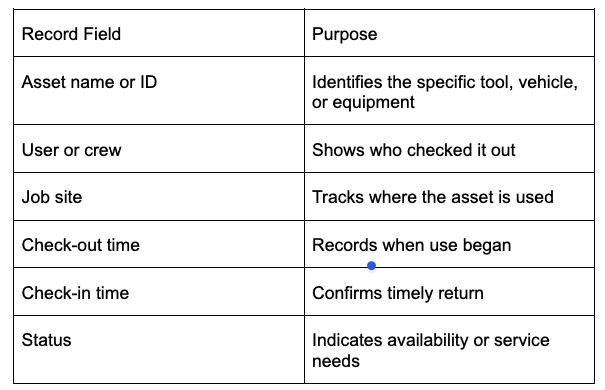
A check-in/check-out process simplifies asset tracking for your team. Assign each item, record who took it, and update its return status—improving inventory accuracy without overhauling your workflow.
You can quickly spot if a tool or vehicle isn’t returned, protecting equipment availability and providing a clear view of usage across job sites.
Maintenance Logs and Service Scheduling
Maintenance logs help construction firms keep a clear working history for every big asset. You can see what work was done, when it was done, and what still needs to get sorted. This makes maintenance management tidier and less rushed.
Service scheduling adds to these logs. If you link maintenance scheduling to how often equipment is used and what happens on site, teams can stop missing work that makes things slow down. It is an easy way to keep machines working for more time.
Stores all maintenance logs in one place
Lets you schedule service before problems stop work
Helps teams plan work around busy jobs
Benefits for Field Teams and Project Managers
Field teams want quick answers. Project management needs to have solid records. Good asset tracking can help both. It cuts down time teams spend looking for equipment. It also helps managers see how much equipment is being used.
This helps boost operational efficiency that teams will spot right away. The next two points show how software helps daily work flow better, with fewer mistakes and better ways to talk to each other.
Streamlining Daily Operations and Reducing Errors
Yes, asset tracking software makes daily work easier. It takes over from manual processes and gives everyone one clear workflow. When records are kept in the same system, teams spend less time fixing mistakes. They get more time to do their jobs. That helps with smoother construction operations.
Mistakes usually happen when there is missing information, old spreadsheets, or unclear handovers. Having clean asset records helps managers plan labour, equipment use, and timing. This means there are fewer gaps. That also helps with making more accurate profit decisions.
Cuts repeated data entry.
Reduces confusion over asset status
Supports faster decisions in daily operations
Helps improve planning accuracy
Improving Communication Between Office and Site Staff
Communication gets better when the office staff and field teams see the same real-time information. A mobile app lets construction teams update asset status right away. Workers do not have to wait until the end of the day. Project management has a clearer idea while everyone is still working.
This helps site safety too. If a machine is marked as out of use or needs service, that update shows up soon. People do not need to guess as much, and decisions on site get better.
Shares updates between office and field teams
Gives real-time visibility through a mobile app
Helps support safer equipment use on site
Compliance, Safety, and Construction Standards
Asset management software makes it easy for construction companies to find service, status, and inspection records. By having these records at hand, the teams can show that checks took place and things were managed as they should.
With asset management software, site safety gets better. Day-to-day checks are more straightforward too. Good records are needed for construction standards. The software helps everyone stay organised. This makes it simpler to handle inspections and keep up with rules.
Custom Auditing and Safety Inspection Features
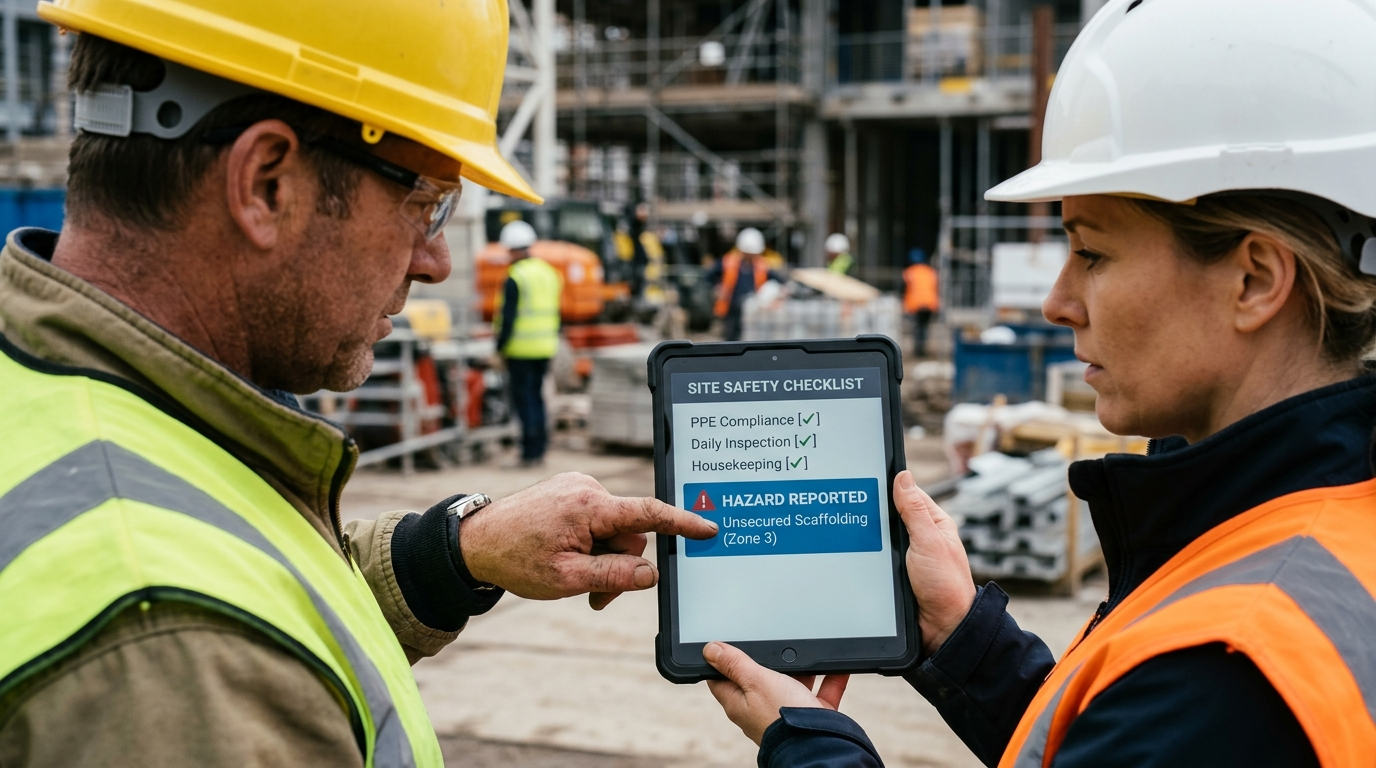
A good asset management solution should help make auditing easier for teams, not harder. In the construction industry, people need to check if assets have been looked at, fixed, and are safe to use. Digital records help do that better than having a paper trail spread through folders and vehicles.
Safety inspection tools help set rules for what gets checked every time. This means steps do not get skipped, and team members can show a simpler compliance record if someone asks for proof.
Stores safety inspection results for each asset
Supports auditing with clearer update records
Helps teams stay on top of compliance tasks every time
Keeping Up With Australian Regulatory Requirements
Construction companies in Australia need to keep good records about asset condition and maintenance needs. Using software can help store the details in one place. This is better than spreading them over paper forms, messages, and separate files. This way, it is easier to manage compliance in daily work.
It is good when there is a rule that says you must show regular care. If service history and inspections are easy to find, teams do not waste time searching. They can spend more time keeping equipment in good shape.
Keeps maintenance needs clear
Makes compliance records quick to find
Helps track routine actions for rules
Conclusion
Using construction asset management software helps your business work better and reduces the time your projects are stopped. The system lets you keep guard on your equipment in real time and sends maintenance alerts before any issue gets big. You can use this to keep your plans on target and help your teams talk better. It also makes sure you stay safe and follow the rules. This protects your people and your money.
If you wish to make your building work smoother and get more done, think about how asset management software could work for you. To get help made just for your needs, contact us and ask for a free talk with our team. Now is a good time to start using asset management for better results.
Frequently Asked Questions
Is construction asset management software only for large enterprises?
No, asset management software is not just for big construction firms. This kind of tool can help a small construction business too. If your business needs better project management, clearer records, or less time lost with equipment, asset management brings value early. You do not have to be at enterprise scale. Construction asset management is useful for any size business.
How quickly can a construction business expect to see reduced downtime after implementing this software?
A construction business can see less downtime early if the first setup helps to keep the job site visible, manage check-in records, and give service reminders. Teams that use the right records all the time will have better asset utilisation and improved operational efficiency.
Can these tools integrate with other project management platforms used in Australia?
Many buyers want integration capabilities so that asset management and project management sit closer together. Construction companies aim for a single-platform feel, even with different tools in use. When you look at any asset management solution, check how data gets shared between systems.
Stay up to date with our latest ideas!