Luxury Interior Design: Balancing Aesthetics and Functionality
Discover the essence of luxury interior design, where aesthetics meet functionality. Explore tips and trends to elevate your home decor in our latest blog post.
Key Highlights
Luxury interior design works best when beauty and daily use are planned together from the start.
The key elements include strong space planning, rich materials, custom details, and a clear focal point.
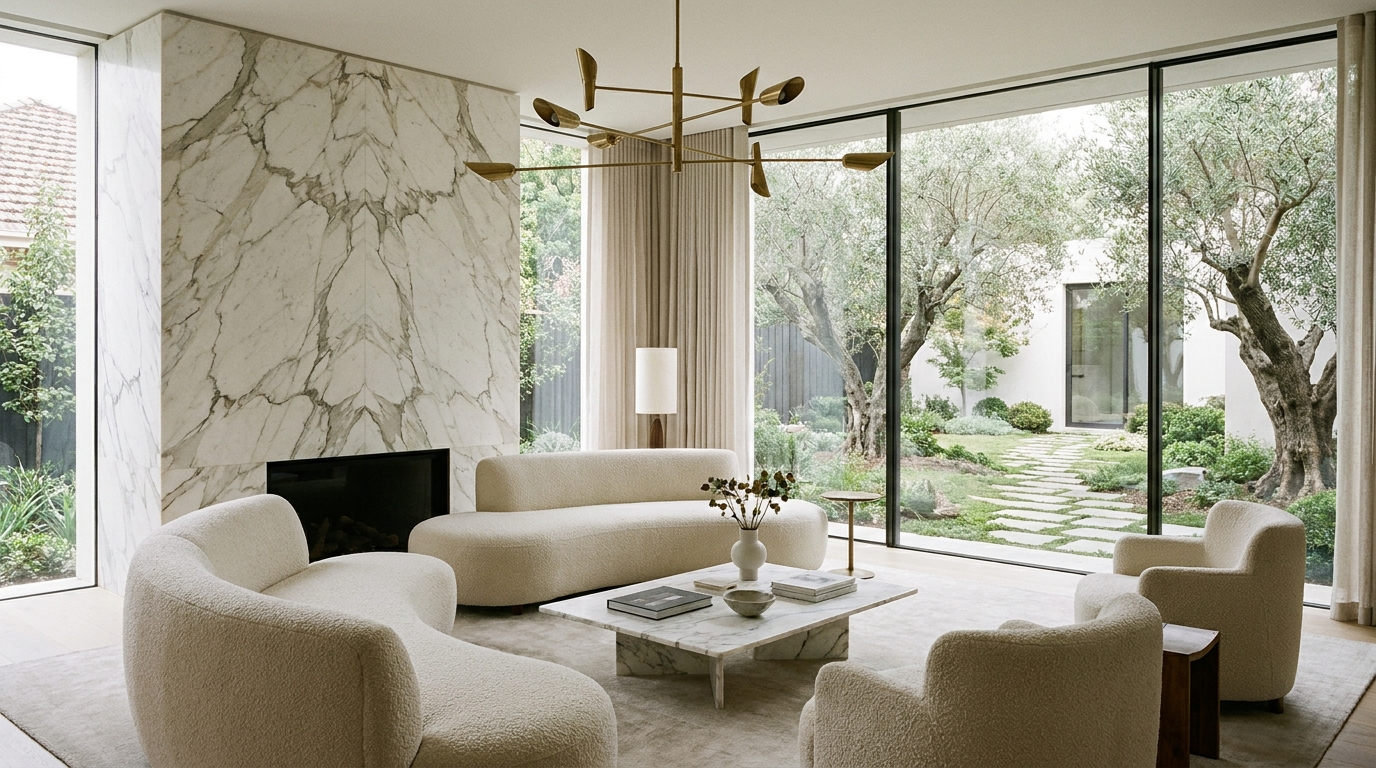
Quiet luxury favours calm finishes, clean lines, and fewer but better choices over obvious display.
Interior designers shape a luxury interior design style around your routine, not just the room image.
True luxury comes from comfort, purpose, and personal fit in every space.
Introduction
Luxury interior design is about more than picture-perfect looks in a luxury home. It is important that the living room, bedroom, and dining areas all work well at any time of day. If a space looks lovely but feels odd to use, it will not stay high-end for long. That is why professional designers focus on how it looks and how it fits into daily life. When you get both things right, the space feels calm, smart, and simple to use.
What Makes Interior Design ‘Luxury’?
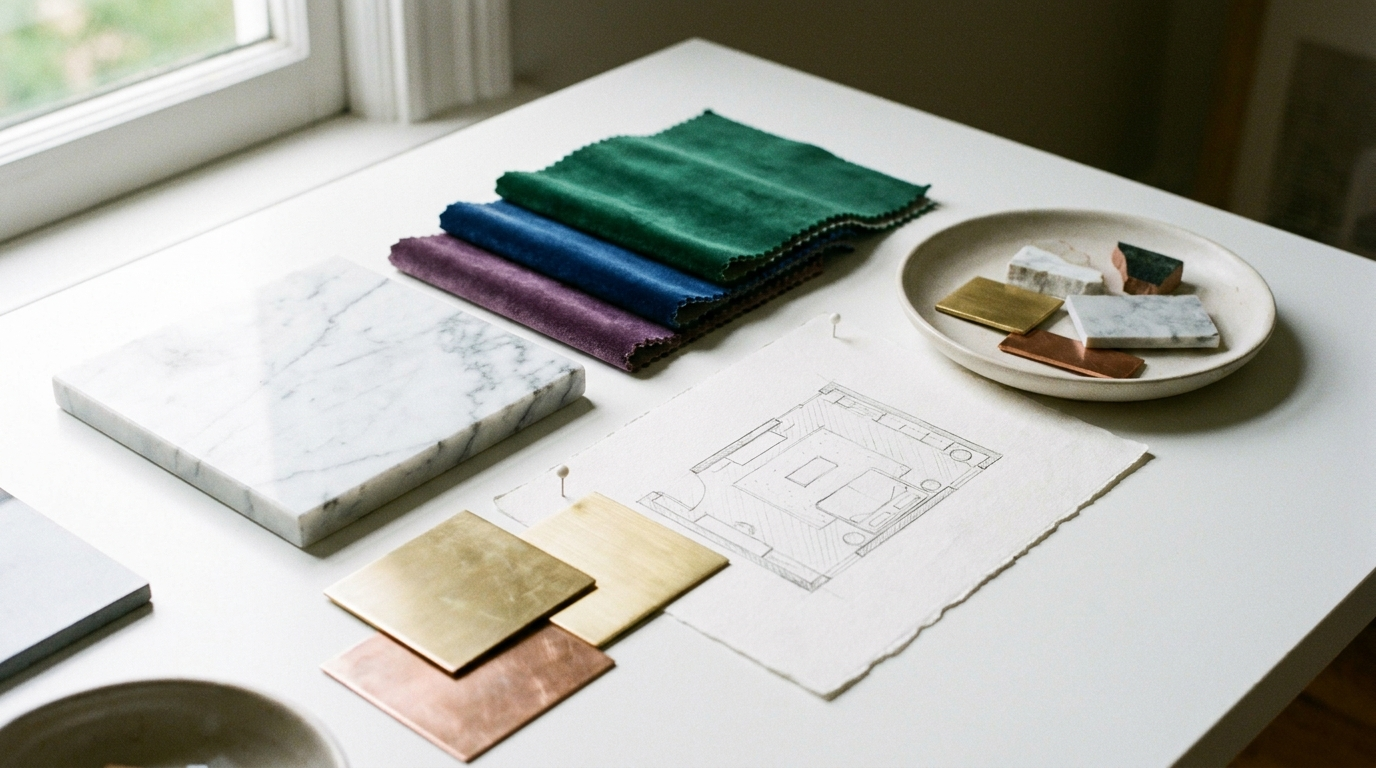
Luxury interior designers say that a luxury home comes from good planning, not just having a lot of things. The key elements in luxury interior design are careful planning, quality materials on walls and floors, custom furnishings, and a layout that fits your everyday life.
For many people, the biggest part of luxury is making it feel like their own space. If you want quiet luxury, use fewer pieces, pick better materials, and go with calm colours. That helps the room feel open, not crowded. The next sections show how to use these ideas the right way.
Classic Versus Quiet Luxury Explained
Traditional luxury emphasises expensive, attention-grabbing pieces—large furniture, ornate details, and many layers—which creates a formal feel meant to impress.
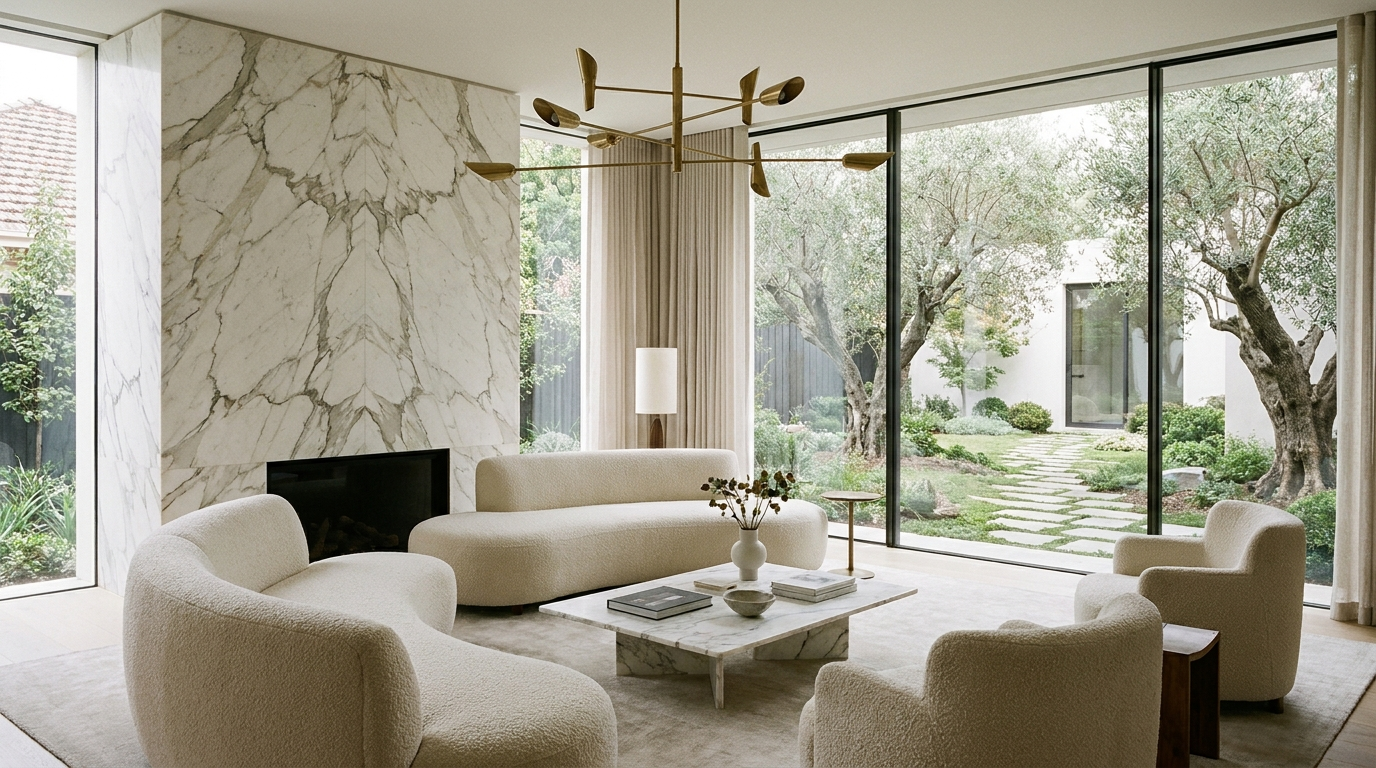
Quiet luxury takes the opposite approach. Instead of showing off, it focuses on simplicity and calm. High-quality materials are used, but with clean lines and open space. Carefully chosen pieces replace crowded displays of status.
This shift changes daily life. Traditional luxury feels grand, while quiet luxury creates a comfortable, peaceful environment. If you value tranquillity over showiness, quiet luxury is a better fit for your home.
Signature Features of High-End Interiors
High-end interiors feel calm, clear, and intentional. Every element is in place, often thanks to a strong focal point, layered lighting, and built-in features.
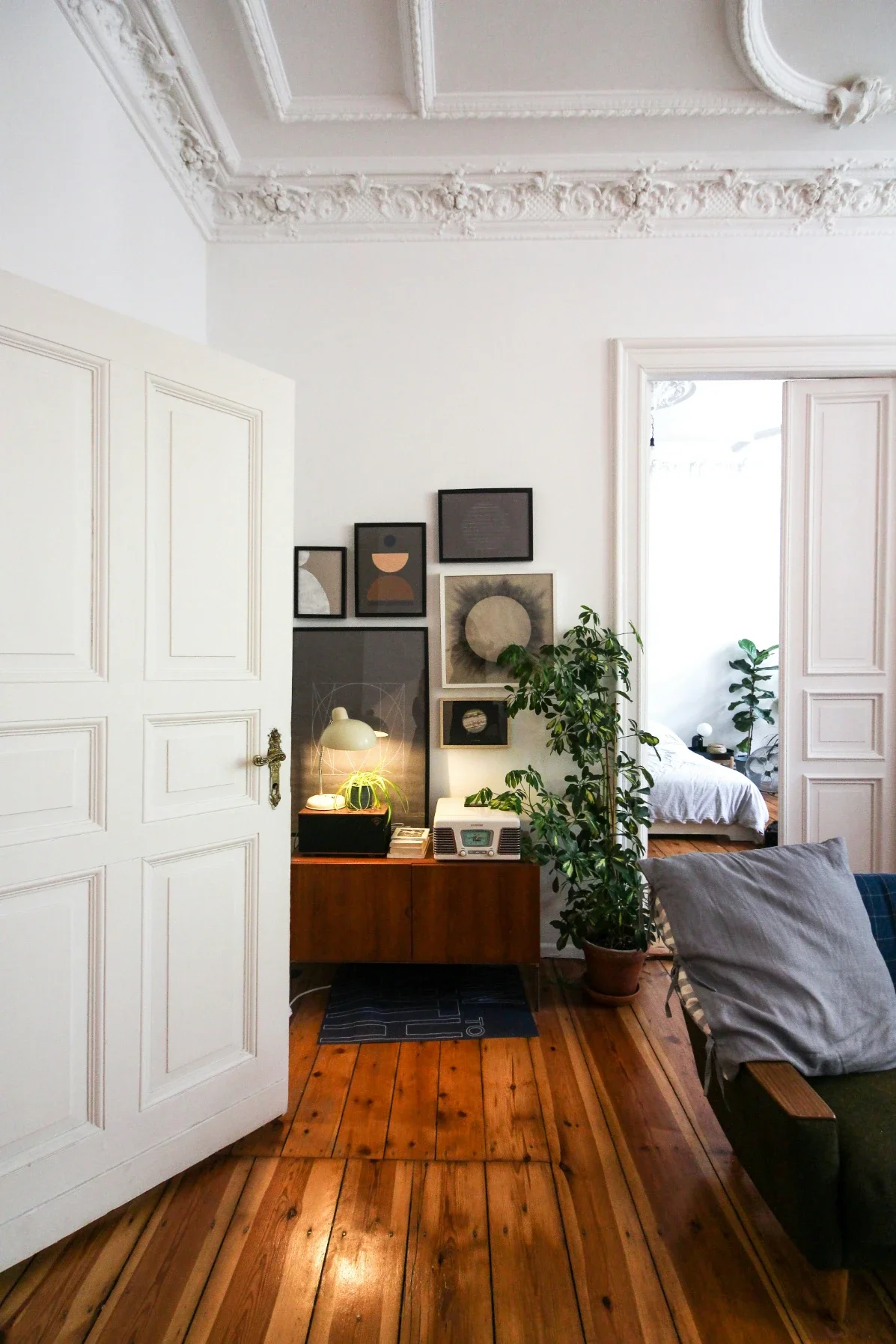
A key tip: remove items before adding new ones. One bold chandelier or standout artwork makes a stronger impact than several smaller pieces, letting statement items shine.
Common highlights include:
Statement pieces that anchor the room without overcrowding.
Custom millwork for seamless storage and structure.
Accent lighting to highlight art, add texture, or emphasise walls.
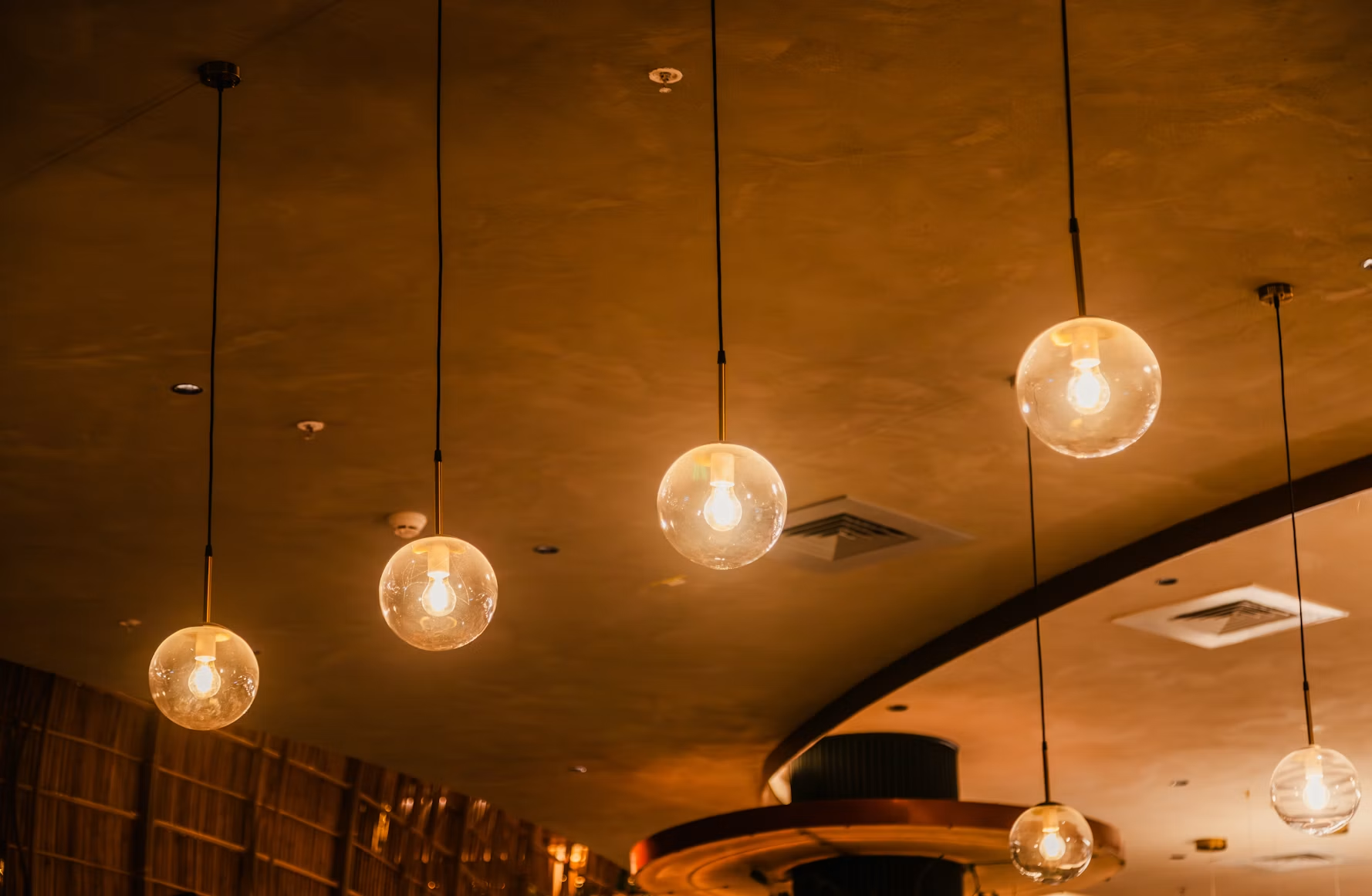
Designer lighting that transforms the room from day to night.
The Role of Lifestyle and Personalisation
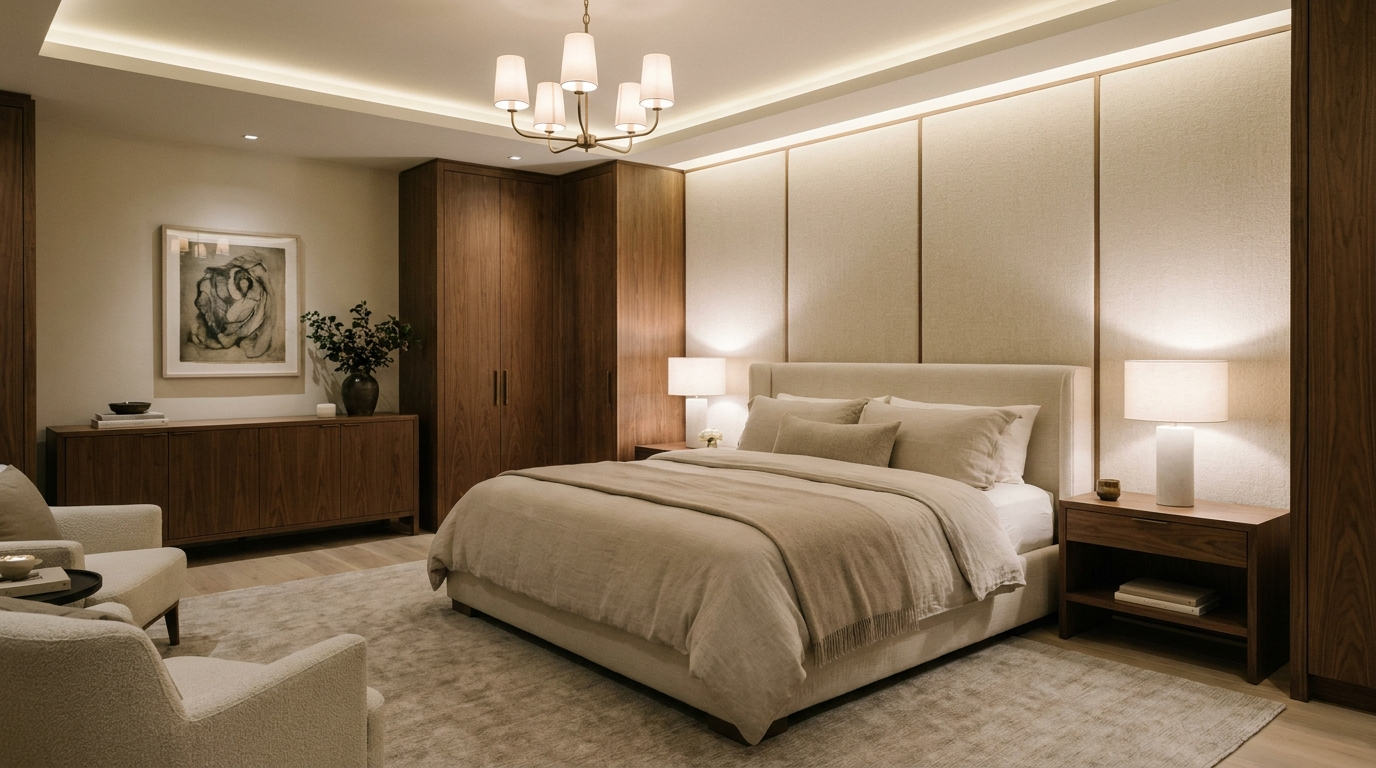
A luxury space should reflect your lifestyle. If you host often, your dining room must allow easy movement around the table. If you work from home, a discreet workspace in your living area should blend seamlessly with your decor.
Personal style is essential. Interior designers focus on how you live, use each room, and what you need from your space. They tailor layouts, storage, and surfaces to suit you. Custom furniture fits unique rooms better than store-bought pieces.
Quiet luxury means having items that suit you—not just fill the space. Marchese Partners designs based on clients’ needs, considering how each area will be used to guide every decision.
Core Elements of Luxury Interior Design
The key elements of luxury interior design are simple to see when you think about how a room feels. In a living room or dining room, the best spaces let people move easily, feel good, and have great quality in every finish. There will be one or two things, like statement art, that stand out.
Your interior design style sets the overall atmosphere. Some homes are warm and full of layers, while others look modern and fresh. The materials, colour, lighting, and how the furniture sits in the room all add to that feeling. Start with these things, then build the room with care and intention.
Materials That Create a Premium Feel
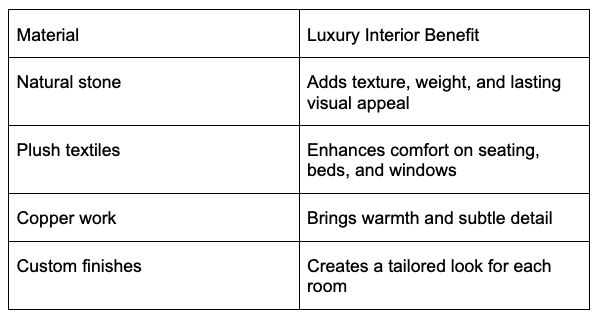
Materials are crucial in luxury interior design, adding depth with minimal decoration. Natural materials visually age well, making them popular in upscale homes and hospitality spaces.
A premium look often relies on contrast—such as natural stone paired with soft fabrics or smooth joinery beside textured finishes. This layering creates a refined, inviting atmosphere.
Use of Colour to Set the Mood
Colour can quickly shift a room’s mood. Luxury interiors often use neutral palettes to create a calm feel, with stronger colours added in small doses. This makes quiet luxury look effortless and settled.
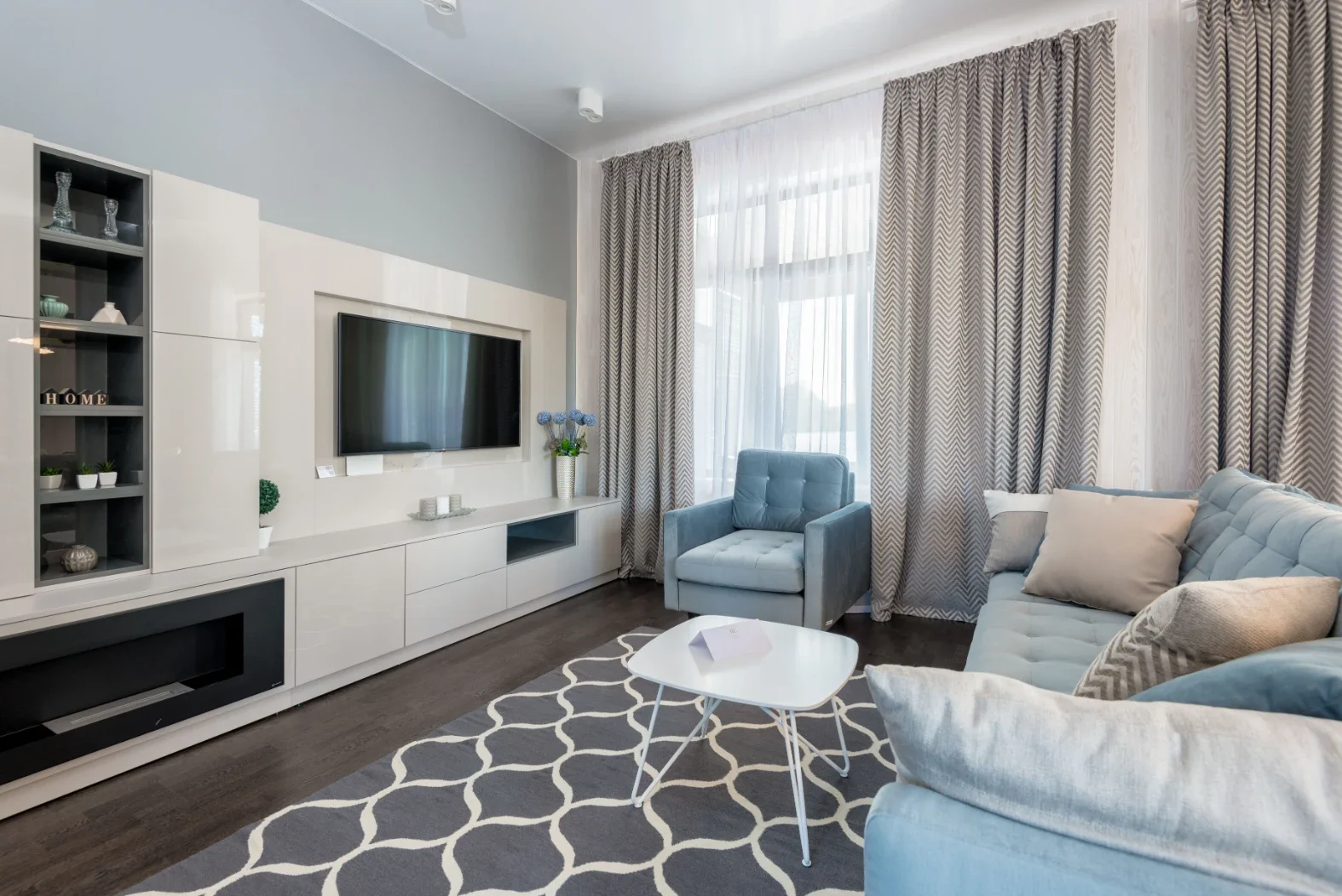
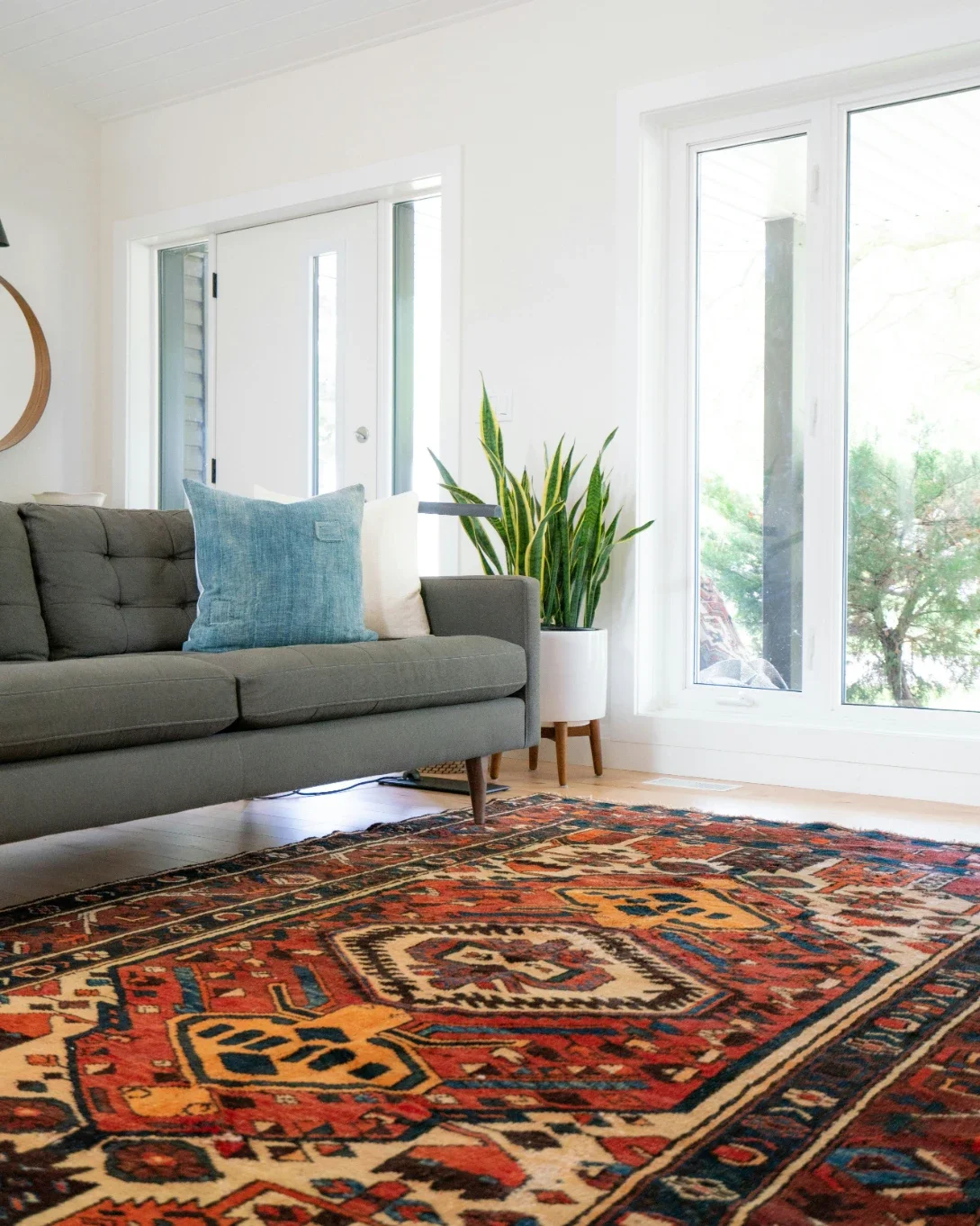
For timeless elegance, keep main colours simple and let one accent or feature stand out. In a living room, an accent wall or royal blue chair adds sharpness without making the space feel busy.
Try these colour ideas:
Warm neutrals paired with stone, wood, and soft lighting for a relaxed vibe.
Cream, taupe, and charcoal for a balanced modern look.
Royal blue in cushions, art, or cabinetry for depth.
Bold patterns on just one rug, chair, or wall panel.
With these steps, your luxury interior will always feel calm and inviting.
Must-Have Furniture and Decor Pieces
To plan your living room, choose fewer but higher-quality pieces. Luxury doesn’t require constant additions—just the right-sized furniture, clear walkways, and a standout feature to unify the space.
If you’re on a budget, update what’s most visible. A quality dining table, sofa, or statement artwork can transform your living room more than adding many small items.
Focus on:
Bold coffee tables with practical space
Floor lamps for soft evening lighting
Unique chairs or large art as statement pieces
Simple, well-spaced gallery walls
Balancing Aesthetics and Functionality
This is the point where luxury interior design shows if it will work or not. A good floor plan helps with movement, makes the place comfortable, and fits daily routines even before any style is added. This is why space planning is so important in the process.
A good living area also shares space with pieces of furniture and keeps negative space in mind. Leaving clear areas around furniture makes the overall atmosphere better and helps the room feel more luxurious. The latest trends in interior design support this simple and intentional design.
Planning Spaces for Comfort and Purpose
Start by considering how the room will be used. In living areas, note where people sit, walk, read, or talk. In dining rooms, ensure chairs can move easily, and there’s space to serve food.
Keep main pathways clear. Allow enough space around beds and large furniture, and maintain comfortable distances between seating and tables for daily ease.
Then, adjust the layout to match your style. For a calm look, use less furniture; for entertaining, add flexible seating. Good planning ensures each room suits both your needs and your taste.
Solutions for Multi-Use Rooms
Many homes now need rooms that serve multiple purposes. The living room might be used for reading, working, or entertaining guests. As a result, residential design is taking inspiration from commercial spaces, which have long embraced flexibility.
The key is to define areas within the room without making it feel divided. Use rugs, lighting, and furniture placement to indicate different functions while maintaining a consistent design style.
Tips:
Use a sofa and rug to outline the living area.
Place a console or shelves behind seating to create a work zone.
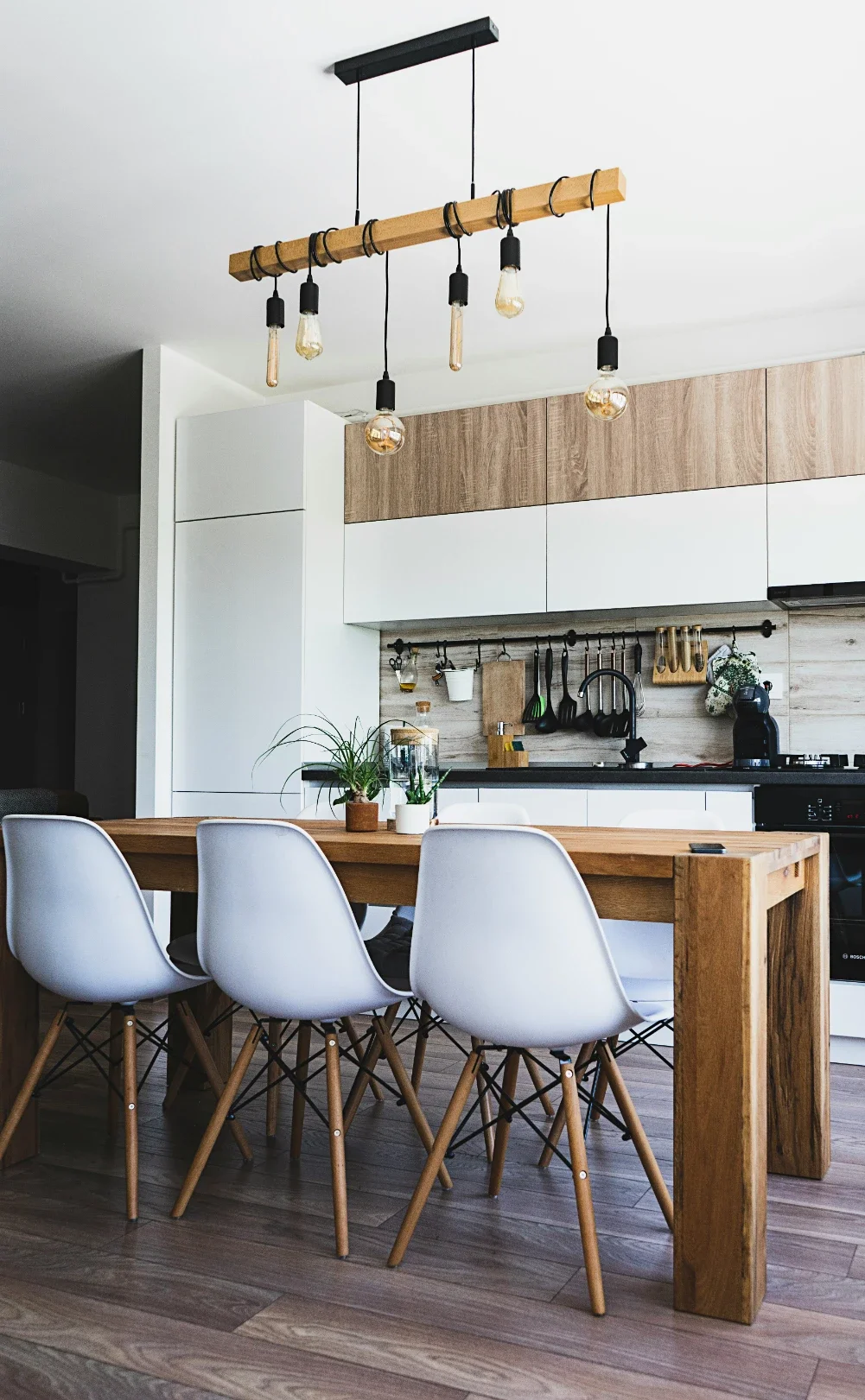
Mark the dining area with a colourful light fixture.
Keep colours and finishes consistent for a unified look.
This approach allows your interior design to support multiple uses—just like commercial spaces—while keeping everything cohesive.
Smart Storage Without Compromising Style
Storage is often overlooked, but clutter can quickly ruin a room’s luxury feel. Good storage keeps surfaces clear, preserves negative space, and makes the room feel organised instead of crowded.
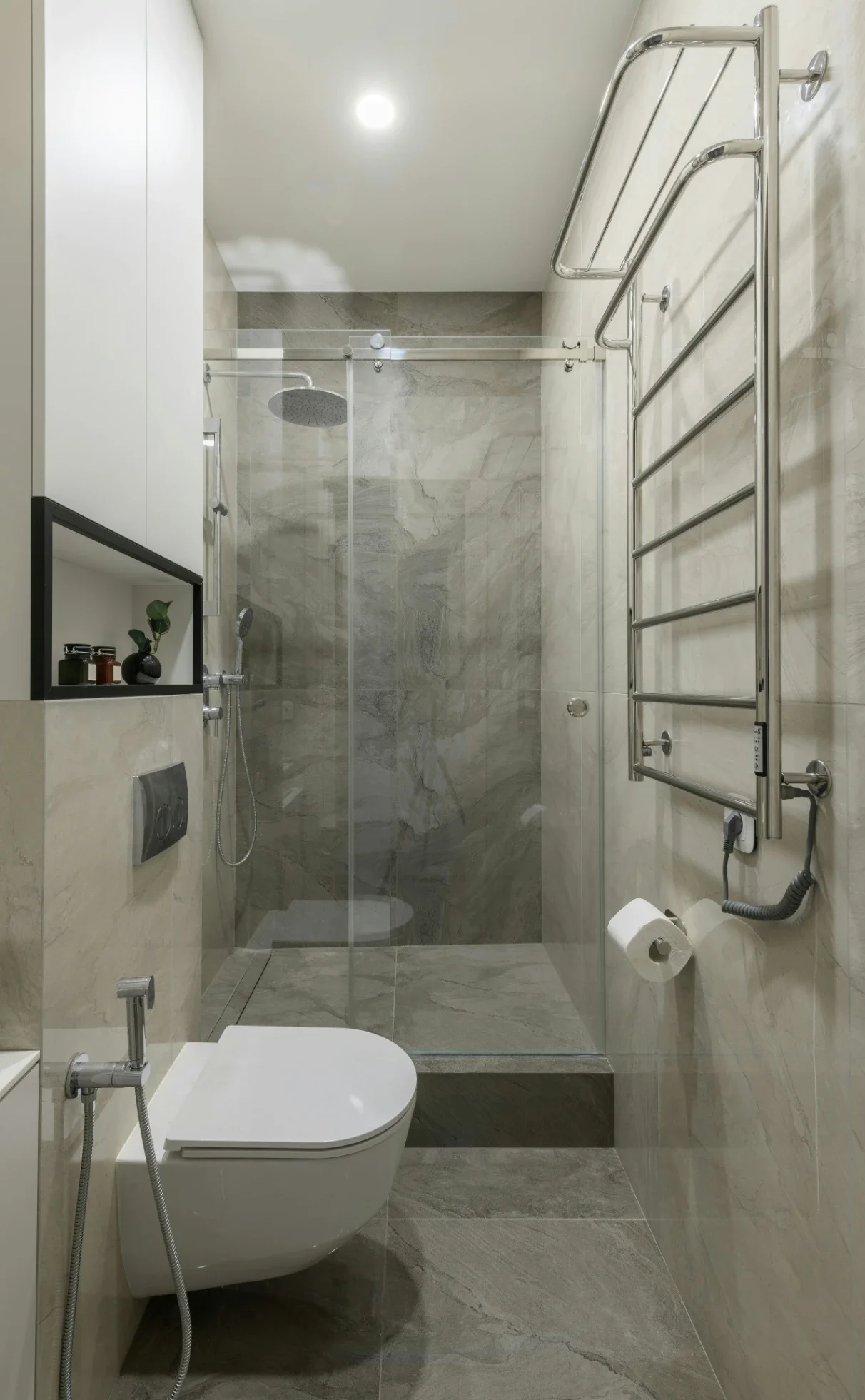
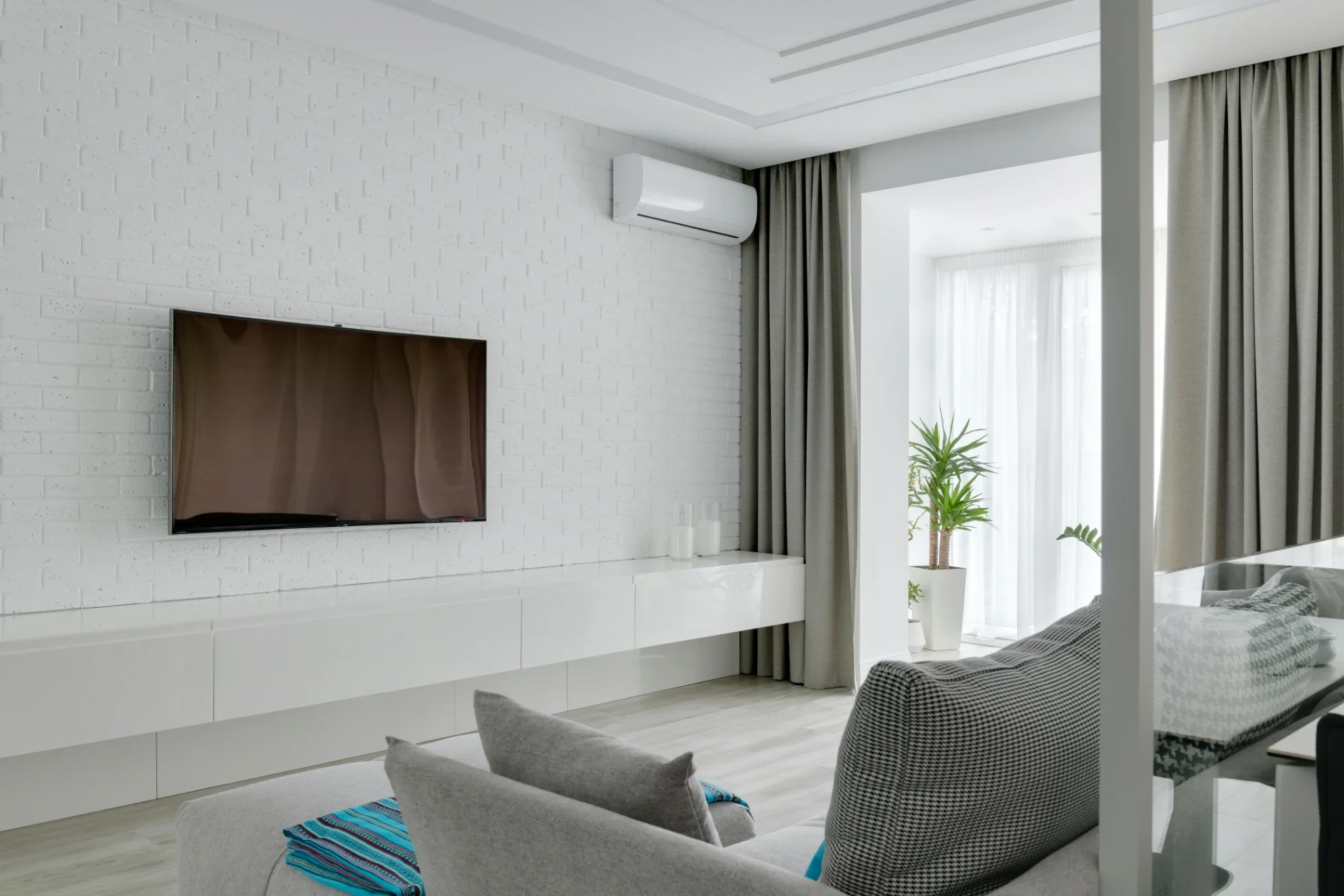
Custom millwork is ideal for this—it hides everyday items, suits odd-shaped walls, and adds character. In small rooms, built-in storage around media walls or under window seats frees up floor space without sacrificing style.
Well-designed storage also adds visual interest. Panelled cupboards, fitted shelves, or matching joinery not only hide clutter but also enhance the room’s overall design.
Conclusion
Luxury interior design isn’t just about showiness—it’s about creating homes that look stylish and function well. Using quality materials, smart layouts, and personal touches results in spaces that are both beautiful and practical. True luxury means comfort, elegance, and a home tailored to your lifestyle. As you plan your interior design, consider how each element shapes your home's look. Ready to explore luxury design options? Contact us for a free consultation today!
Frequently Asked Questions
How can I achieve a luxury look on a budget?
You should go for a few quality pieces in your space instead of buying a lot of small items. In luxury design, one piece of statement art or some good accent lighting can make the whole room look better. A refined lamp can also help. Soft layers, like faux fur on a chair or bed, can add warmth, and you don't have to change everything to get this effect.
What are timeless colour schemes for luxury interiors?
A neutral palette made up of warm neutrals is often the safest choice for your interior design in the long run. You can then use royal blue in your art or on your upholstery to bring in more depth. If bold patterns are something you like, keep them in one space only. This helps the luxury interior design style stay calm and balanced.
What materials offer lasting appeal in high-end design?
Natural materials like natural stone give a space a strong, lasting look. They age well and keep their character over time. Plush textiles and copper work also bring depth to a room. These rich materials help make the place feel calm, stylish, and not too focused on short-term trends.
Stay up to date with our latest ideas!