How to Solve Drainage Problems Around Older Homes
Learn how to solve drainage problems around older homes, from poor grading and blocked drains to standing water, foundation risks, and effective solutions.
Older homes have plenty of character, but they can also come with drainage problems that are easy to overlook. This includes a basement that smells musty after heavy rain, a patch of lawn that stays soggy, or water pooling beside the foundation, which may seem like minor inconveniences at first. Over time, however, persistent moisture can contribute to more serious problems around the home.
The challenge is figuring out where the water is coming from and why it is collecting in the first place. The right solution depends on whether the issue starts with the roof, gutters, grading, landscaping, drainage system, or something underground.
A good place to start is by looking at how water moves across the entire property.
Find the Source Before Choosing a Fix
Drainage problems are often diagnosed incorrectly because homeowners focus on the place where water appears rather than where it originates.
For example, water collecting beside a basement wall does not necessarily mean the foundation itself is the problem. Runoff from a roof, an uphill section of the yard, a neighboring property, or an improperly graded driveway could all be directing water toward that area.
Walk around the property during or shortly after a significant rainfall. Look for:
Water pooling near the foundation
Soil that stays saturated after surrounding areas have dried
Erosion or channels forming in the yard
Water flowing toward the house
Damp basement or crawl-space areas
Depressions where runoff collects
This simple inspection can reveal patterns that are difficult to spot during dry weather.
Check the Gutters and Downspouts
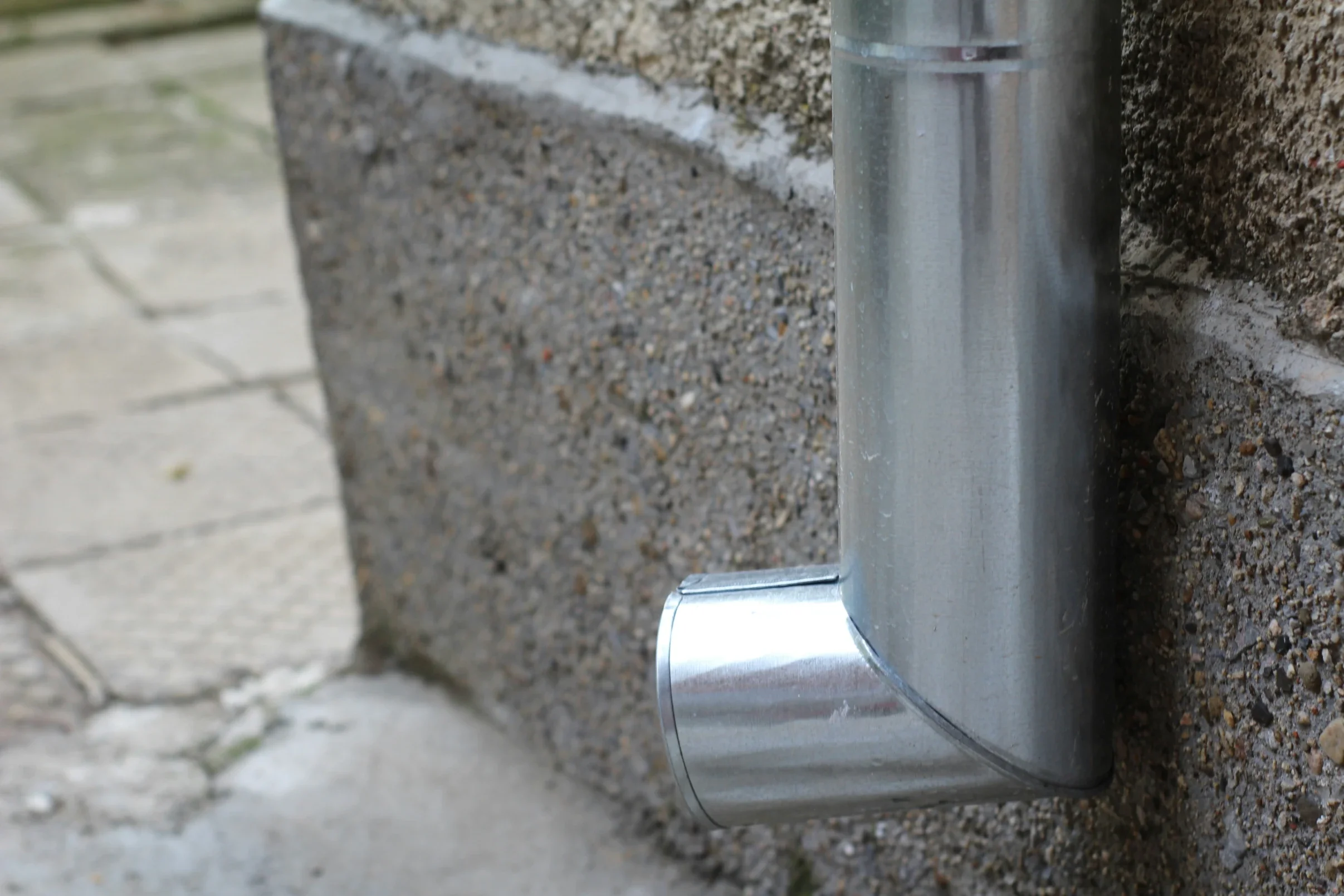
The roof sends a surprising amount of water toward the ground during rainfall. If gutters are clogged, damaged, or poorly positioned, that water can end up saturating the soil around the foundation.
The U.S. Department of Energy's Building Science Education guidance recommends directing roof runoff away from the building because concentrated water around the foundation can saturate surrounding soil and contribute to moisture entering the home.
Start by checking whether gutters are:
Free of leaves and debris
Properly attached
Sagging or pulling away from the roofline
Leaking at joints
Connected securely to downspouts
Then look at where the downspouts discharge. Water should not simply be released beside the foundation. Extensions or other appropriate drainage solutions can carry runoff farther away from the house.
Examine the Grade Around the House
The ground surrounding an older home may not have the same shape it had when the property was first developed.
The grade around a foundation should encourage water to move away from the building rather than toward it. EPA moisture-control guidance recommends sloping finished grade away from foundations and inspecting the surrounding landscape for settlement and pooled rainwater.
If water consistently collects in a low area, simply adding more soil may not solve the problem. The new material needs to be graded appropriately, and the underlying cause of the depression should be considered.
Look Beyond the Yard
Sometimes the source of a drainage problem is not on the property itself.
An older home may sit below a neighboring lot, beside a sloped driveway, or near a retaining wall that changes how runoff travels. A newer patio, extension, or other hard surface can also redirect water toward areas that previously received little runoff.
This is why drainage should be considered as a complete site rather than as an isolated patch of lawn.
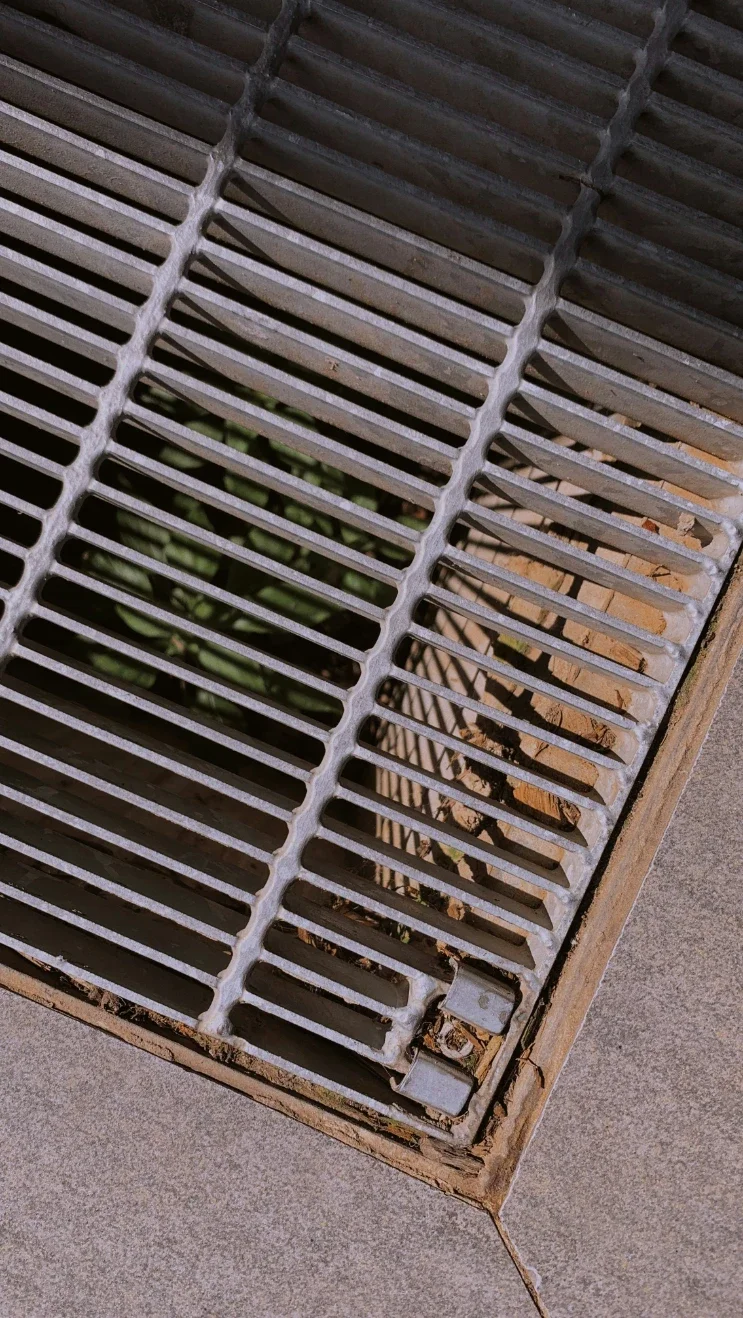
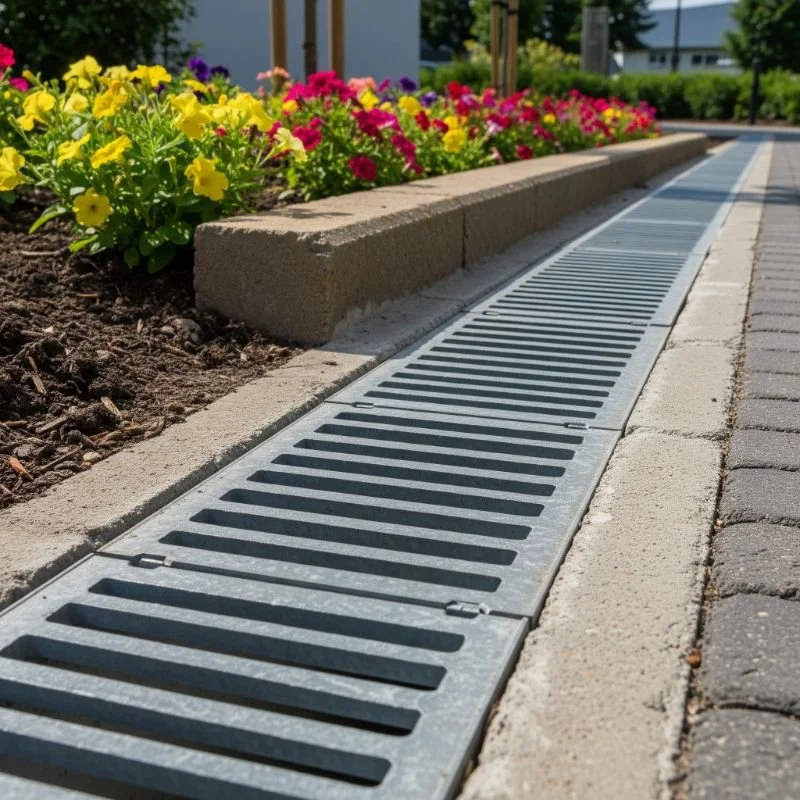
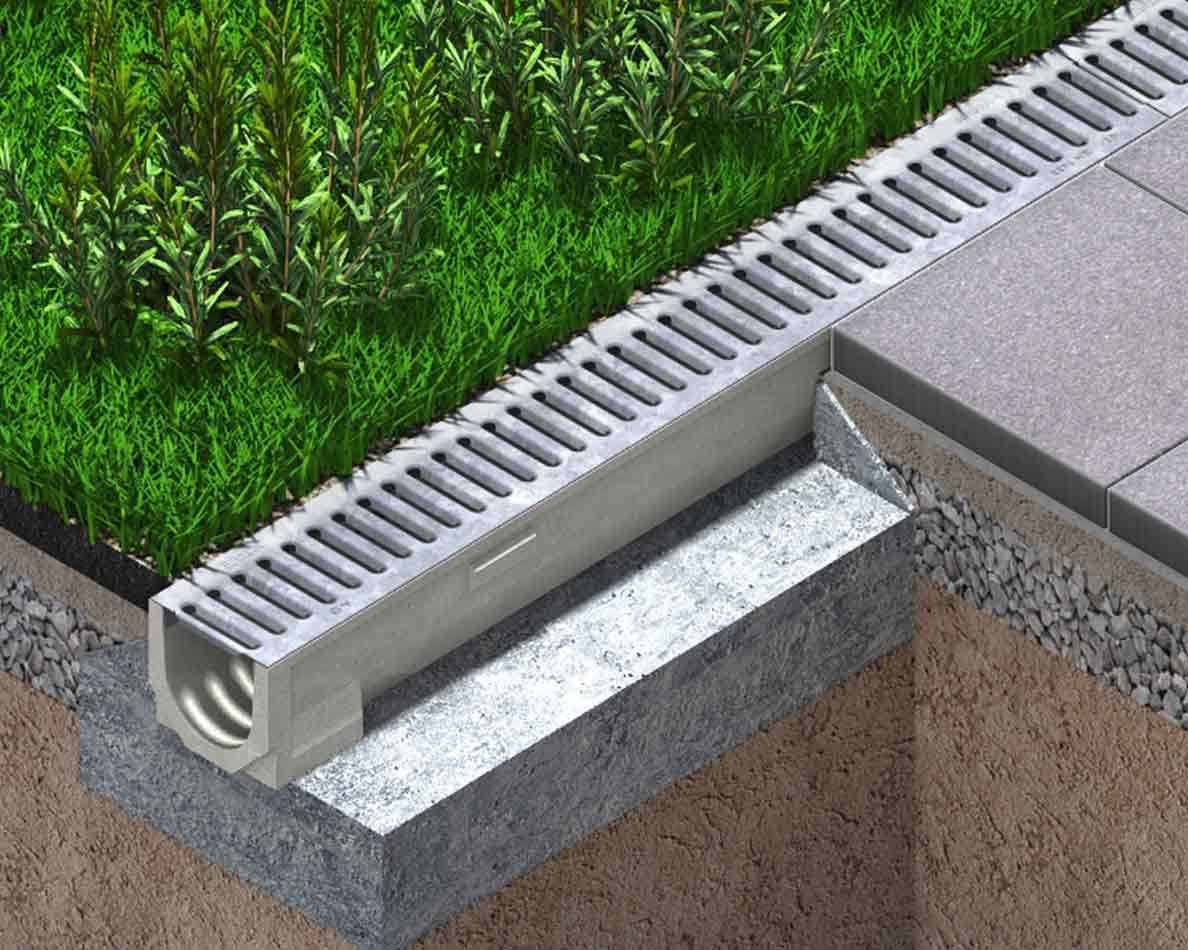
If water is entering from higher ground, a swale, channel, drain, or other site-specific solution may be more appropriate than repeatedly trying to absorb the water where it collects.
Know the Warning Signs of an Underground Problem
Surface drainage issues are often manageable with changes to grading, gutters, landscaping, or downspout placement. Some problems, however, point to infrastructure beneath the property.
Watch for signs such as:
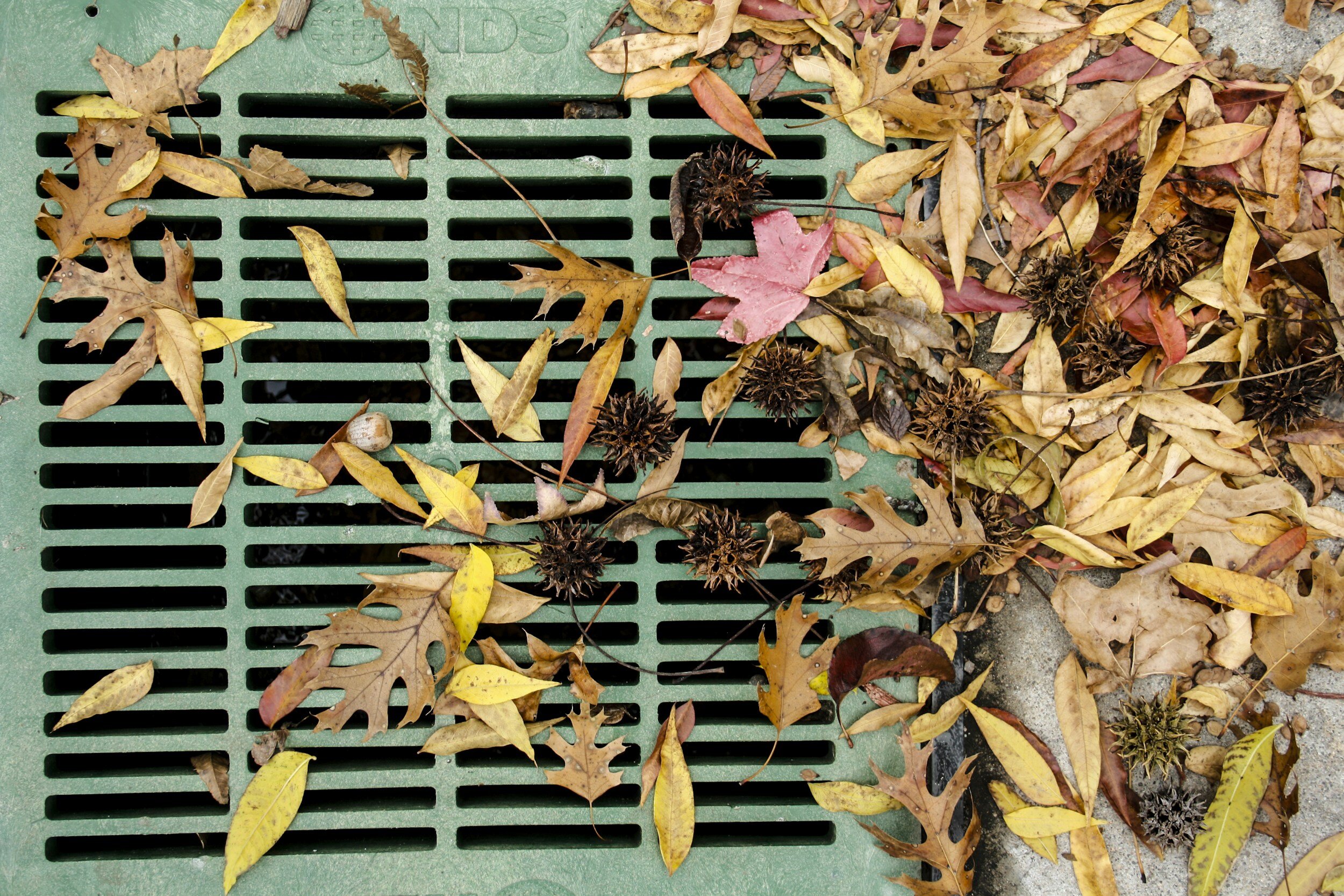
A drain that repeatedly backs up
Puddling that remains after other areas dry
Soil sinking around a drainage route
Water returning after a previous repair
Erosion concentrated around buried lines
Unexplained wet areas in an otherwise dry yard
Older properties can also have drainage or utility infrastructure that has deteriorated, shifted, or become difficult to identify.
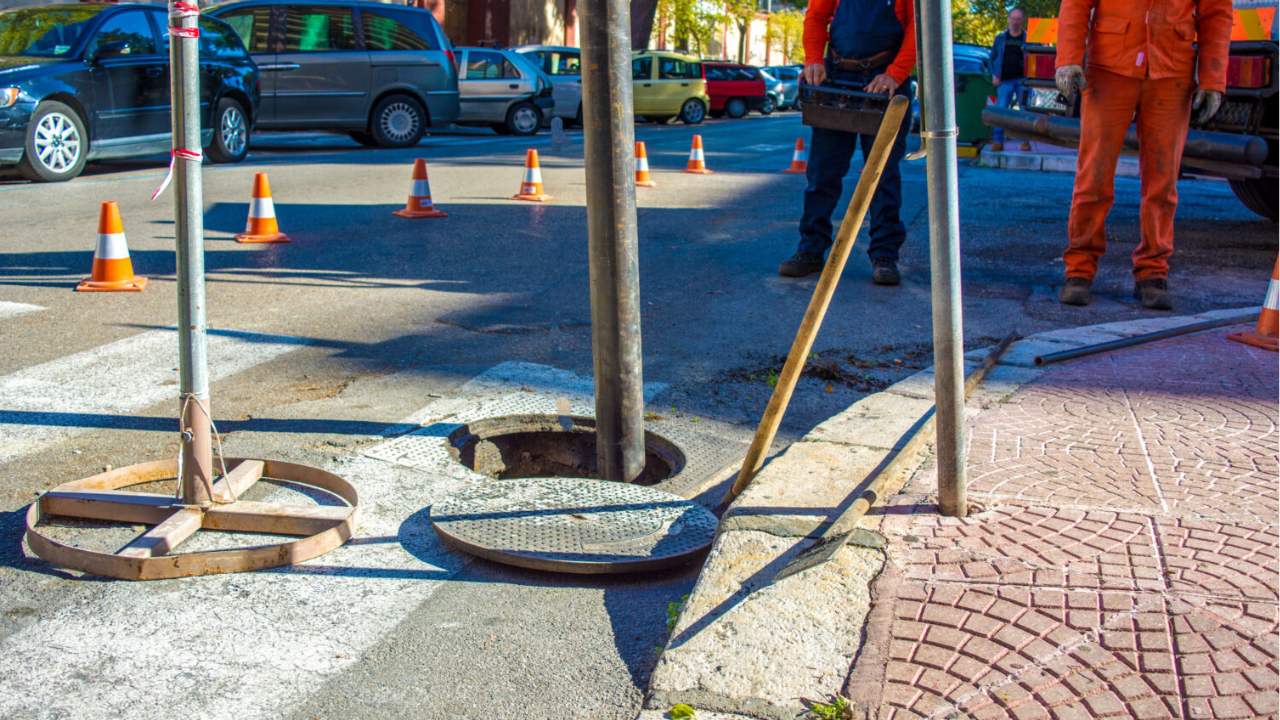
When a problem appears to involve buried drainage lines, substantial grading changes, or other underground infrastructure, professional excavation and utility services in Silt, CO may be needed to investigate and correct the underlying issue.
The important distinction is that excavation should not be the first response to every puddle. It becomes relevant when the problem cannot be reasonably resolved at the surface or when underground infrastructure needs to be accessed.
Be Careful With DIY Drainage Projects
Drainage improvements can look deceptively simple.
A homeowner may see a low spot and decide to dig a trench, install a pipe, or redirect water toward another part of the property. Without understanding the existing drainage pattern, however, that project can move the problem rather than solve it.
There may also be buried utility lines or existing drainage infrastructure that are not visible from the surface.
Before digging, homeowners should understand what is beneath the proposed work area and whether local requirements apply to the project.
For larger drainage corrections, professional assessment can help determine the appropriate location, slope, outlet, and materials rather than relying on trial and error.
Protect the Foundation From Future Runoff
Once the immediate problem has been addressed, preventing it from returning becomes the next priority.
Keep gutters and downspouts clear, especially before periods of heavy rainfall. Check areas where soil has settled and watch for new depressions around the property. Make sure landscaping does not gradually redirect water toward the foundation.
It is also worth inspecting the property after major storms. A drainage system that works during light rainfall may struggle when the ground is already saturated or rainfall is unusually heavy.
Regular observation makes it easier to catch changes before they become expensive repairs.
Consider the Whole Property
Older homes often have layers of modifications accumulated over many years. A driveway may have been replaced, a patio added, landscaping redesigned, or a downspout moved. Each change can affect how water travels.
Instead of treating each wet spot as a separate problem, look at how the entire property handles rainfall.
Ask:
Where does roof runoff go?
Which direction does the yard naturally drain?
Are there low points near the house?
Where does water collect after storms?
Have previous renovations changed the grade?
Are existing drains still functioning?
This broader view can make the eventual solution much more effective.
Final Thoughts
Drainage problems around older homes rarely have a one-size-fits-all solution. The most effective approach starts by understanding where water comes from, how it travels across the property, and where that movement goes wrong.
Cleaning gutters, extending downspouts, correcting minor grading issues, and maintaining drainage paths can resolve many surface-level problems. More persistent issues may require a closer look at buried systems, soil movement, or the property's overall grading.
Stay up to date with our latest ideas!