How to Turn a Spare Bedroom Into a Study Space for Online Classes
Learn how to turn a spare bedroom into a study space for online classes with practical tips for desk placement, lighting, storage, comfort, and focus.

A spare bedroom tends to collect everything the rest of the house can't hold. There's usually a guest bed that gets used twice a year, a dresser full of off-season clothes, and a stack of boxes nobody has opened since the last move. For an adult going back to school online, though, that room is the most valuable square footage in the house. It has a door, a window, and four walls, which is more than a kitchen table or a corner of the couch will ever offer.
Turning it into a study space takes more than pushing a desk against the wall. The way the room needs to work depends on how the classes run, how much has to leave the room, and how the desk, light, and sound are arranged once it's empty. Getting those decisions in the right order saves money and a lot of rearranging. Here's how to plan the conversion from the program schedule all the way down to the paint color.
Let the Class Format Shape the Room
Online learning isn't a niche arrangement anymore. In fall 2021, 61 percent of U.S. undergraduates took at least one online course and 28 percent studied exclusively online, based on federal data on distance education enrollment. Among graduate and other postbaccalaureate students, 40 percent were fully online that same fall. That's millions of people doing coursework from home, and the rooms they study in vary wildly in how well they support it.
The format of a specific program matters more than the national trend, because it decides how the room gets used day to day. A program built on live video sessions needs a camera-ready backdrop, a quiet room at fixed times, and lighting that flatters a face on screen. Self-paced coursework with weekly deadlines puts the weight on long reading and writing sessions, so seating comfort and task lighting matter more than what's behind the chair. Course length plays a role too, since five-week or eight-week terms pack a heavier weekly load into the room than a traditional sixteen-week semester.
Schools differ on exactly these points, which makes it worth checking before buying any furniture. A side-by-side comparison of online colleges lays out differences in course structure, course length, start dates, transfer credits, and tuition across schools, and each of those changes how many hours a student will spend in the room each week. Someone expecting mostly flexible, asynchronous work can get by with a compact desk and a good chair. Someone facing scheduled evening sessions several nights a week should plan for a webcam setup, a door that closes, and a household that knows when not to knock.
Clear the Room Before You Design It
Most spare bedrooms are already doing a job, even if that job is storage. Before any desk goes in, the room needs to be emptied down to what the new space will actually use, and that's usually where conversions stall. The guest bed, the treadmill that turned into a clothes rack, and the boxes of holiday decor all need somewhere to go. Moving them into the garage or basement just relocates the clutter, and selling or donating everything isn't realistic for pieces the household still wants.
A short-term storage unit handles the problem for a defined stretch, like the length of a degree program. Rates swing widely by city and unit size, and plenty of storage facilities offer deals or steep discounts on early months, making that first stretch far cheaper than the posted rate. A 5x10 unit is usually enough for a full-size bed, a dresser, and a stack of boxes, which covers most guest room contents. Checking local promotions before booking keeps the cost of clearing the room from eating into the furniture budget.
Decide What Leaves, What Stays, and What Converts
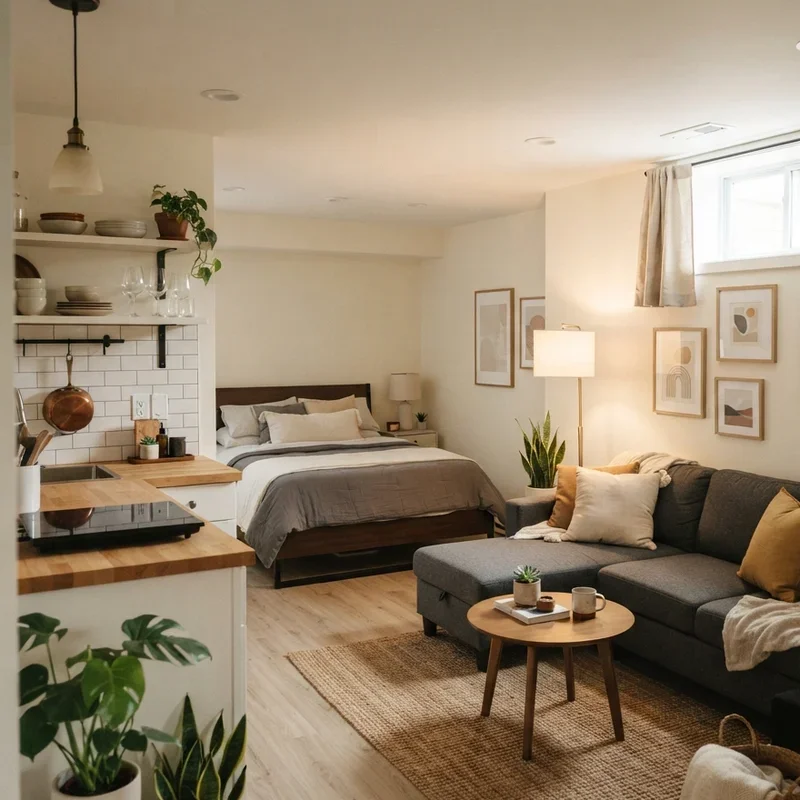
Not every piece has to go. A guest room that still needs to host visitors a few times a year can keep a daybed, a sleeper sofa, or a wall bed, which frees floor space without giving up the room's old role. The practical side of combining an office with a guest room comes down to convertible furniture, under-desk storage, and rugs that visually split the room into separate zones. Anything that doesn't serve either studying or sleeping is the first candidate for the storage unit.
Put the Desk Where Light and Screen Work Together
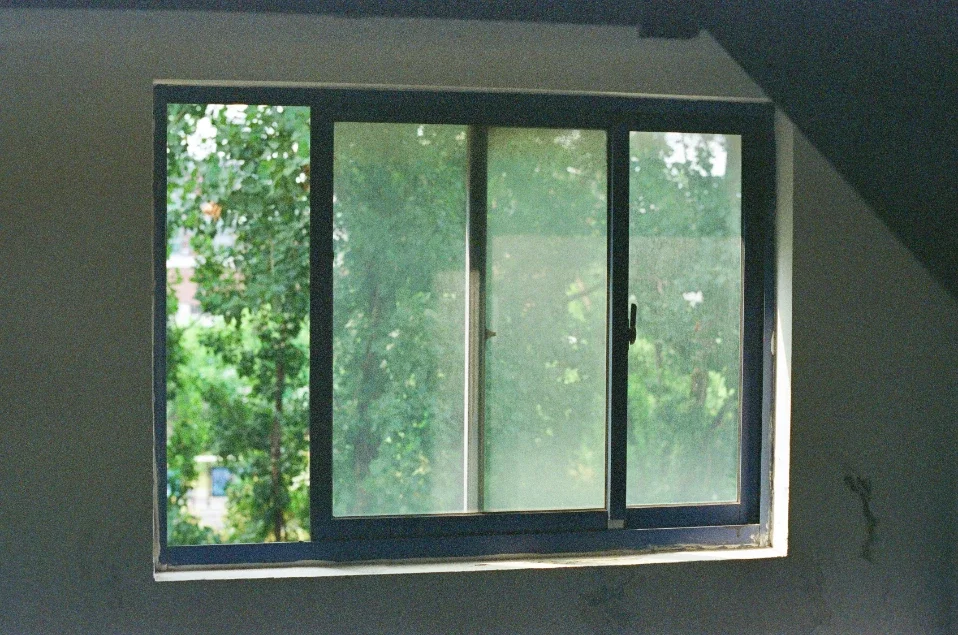
Desk placement decides how comfortable the room feels after the third straight hour of reading. The instinct is to face a window for the view, but that puts bright daylight directly behind the screen and forces the eyes to adjust constantly. OSHA's computer workstation monitor guidelines recommend placing the monitor perpendicular to the window, so daylight comes from the side instead of straight ahead or behind. That same guidance puts the preferred viewing distance at 20 to 40 inches from eye to screen.
Height matters just as much as distance. The top of the screen should sit at or slightly below eye level, with the center of the display roughly 15 to 20 degrees below a straight-ahead gaze, per the same OSHA recommendations. Laptop users almost never hit that mark without help, since a laptop on a desk puts the screen far too low and pulls the head forward. A laptop stand plus a separate keyboard and mouse fixes the problem for much less than the cost of a new desk.
Lighting works best in layers instead of relying on a single ceiling fixture. Overhead light alone tends to cast glare on screens and shadows on paper, which makes long reading sessions tiring. A desk lamp with an adjustable arm handles reading and note-taking, while a floor lamp or wall sconce behind the desk evens out contrast for evening video calls. Warm bulbs suit a reading corner, but the main task light should lean toward neutral or cool white to keep the eyes alert.
Treat Sound as Part of the Design
Bedrooms are usually quieter than shared living areas, yet they still pick up hallway noise, TV sound, and the echo of bare walls. Echo is the easiest problem to fix, and the fixes double as decor. A thick area rug, lined curtains, an upholstered daybed, and a full bookshelf all absorb sound that would otherwise bounce off hard surfaces. That makes a noticeable difference on video calls, where a sparse room sounds hollow to everyone on the other end.
Sound coming in from the rest of the house takes a little more effort. A door sweep and weatherstripping around the frame cut a surprising amount of noise for very little money. Putting the desk on the wall farthest from the hallway or any shared wall helps, too. For live classes, a simple sign on the door or a shared family calendar with session times prevents most interruptions before they start.
Use Color, Storage, and Zones to Signal Study Time
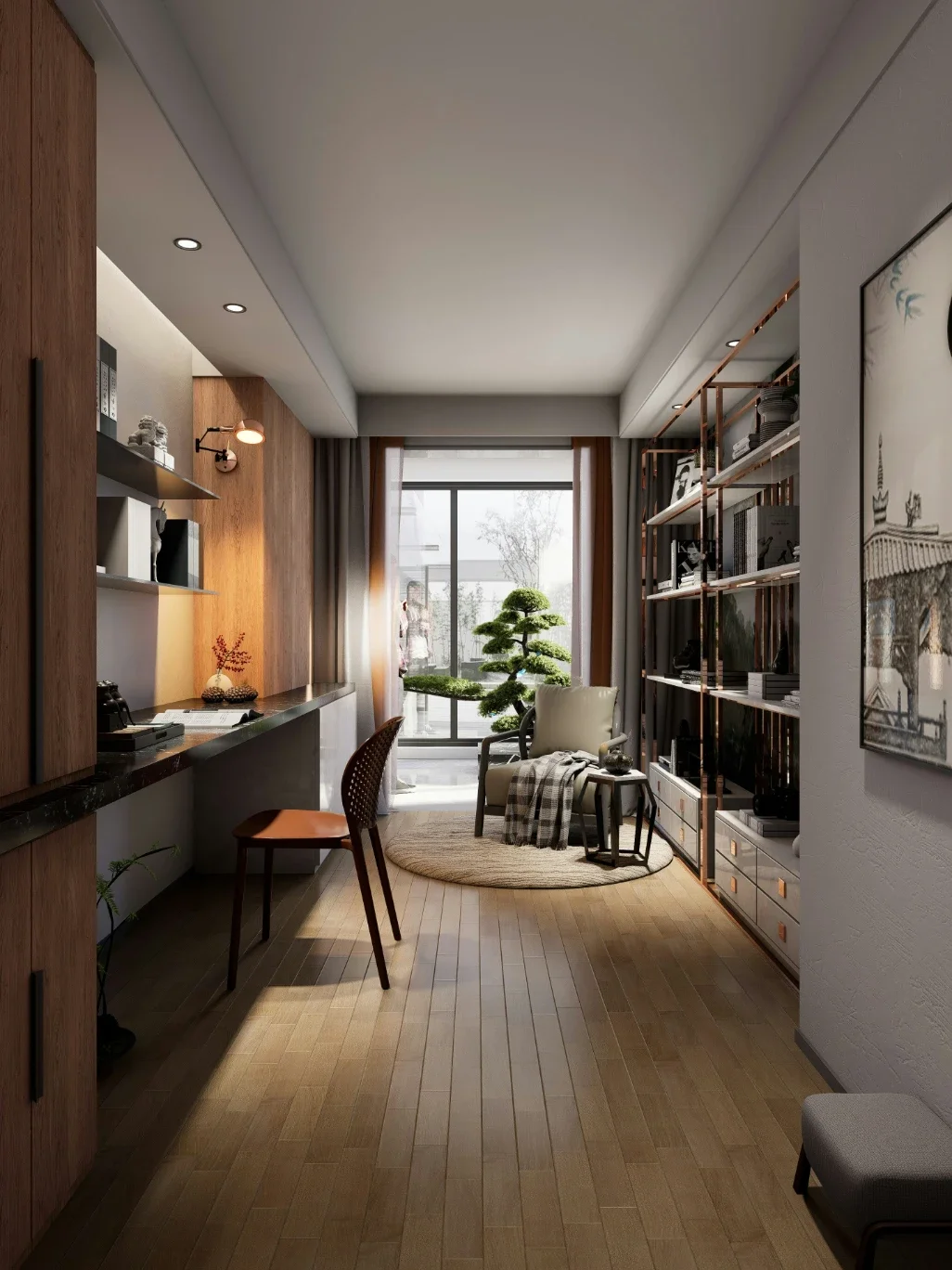
Once the functional layout is set, decorating choices can reinforce the room's new purpose. Muted, mid-tone colors like sage, soft blue, warm gray, or greige keep the space calm without making it feel sleepy, and they read well behind a webcam. The core principles of study room color and furniture choices carry over directly, from a desk sized for the actual work to a chair picked with care and natural elements that keep the room from feeling sterile. A plant or two near the window also gives the eyes somewhere to rest between chapters.
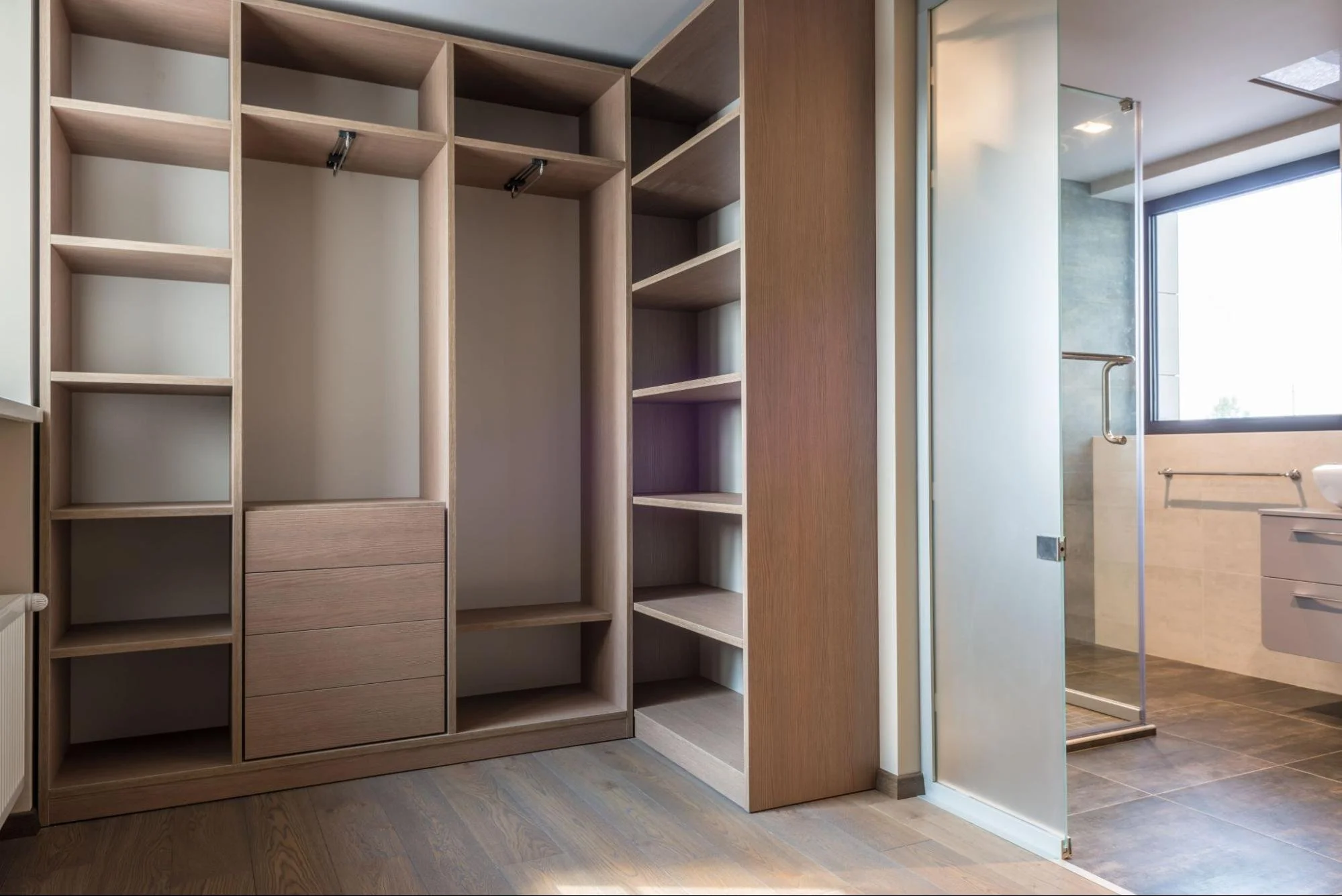
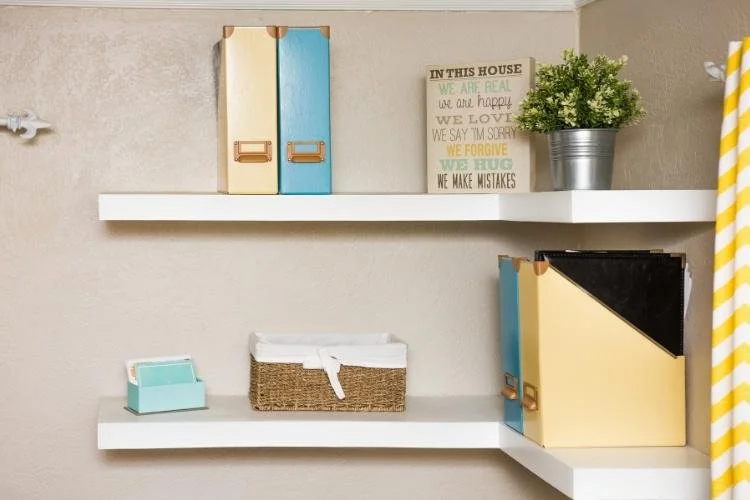
Storage inside the room should be built around coursework instead of whatever the room held before. Vertical storage like floating shelves or a tall bookcase keeps textbooks, binders, and supplies off the desk surface. A closed cabinet or lidded bins hide the visual noise of cables, printer paper, and old notes. Keeping the desktop clear except for the current task makes it easier to settle in when a session begins.
Zoning lets the room do more than one thing without the uses bleeding together. A rug can anchor the desk area, while a reading chair with its own lamp in the opposite corner gives textbook reading a spot away from the screen. If the room keeps a daybed, it belongs on the wall that stays out of the webcam frame. Each zone gets its own light source, so the room can shift from study mode to guest mode with a couple of switches.
Plan for the Room's Next Chapter
A degree program has an end date, and the room should be able to change with it. Furniture that works in several settings, like a solid desk that could move to a living room or a bookcase that suits any space, holds its value after graduation. Paint and lighting that aren't tied to studying make it easy to turn the room back into a guest room or a permanent home office. Even the stored furniture is part of the plan, since the guest bed can come home once the last term wraps up.
The order of operations is what keeps the project manageable. Start with how the program runs, clear the room to match, place the desk for light and posture, and then layer in sound control, color, and storage. Done in that sequence, the conversion avoids buying furniture that doesn't fit the schedule or decorating around pieces that should've left first. The result is a room built around the specific way its occupant learns, which is the whole reason for giving up the guest room in the first place.
Stay up to date with our latest ideas!