How To Transform Empty Corners Into Stylish And Functional Spaces With Floating Shelves
Discover how floating shelves can transform empty corners into stylish, functional spaces with smart storage, decorative displays, and space-saving design ideas.

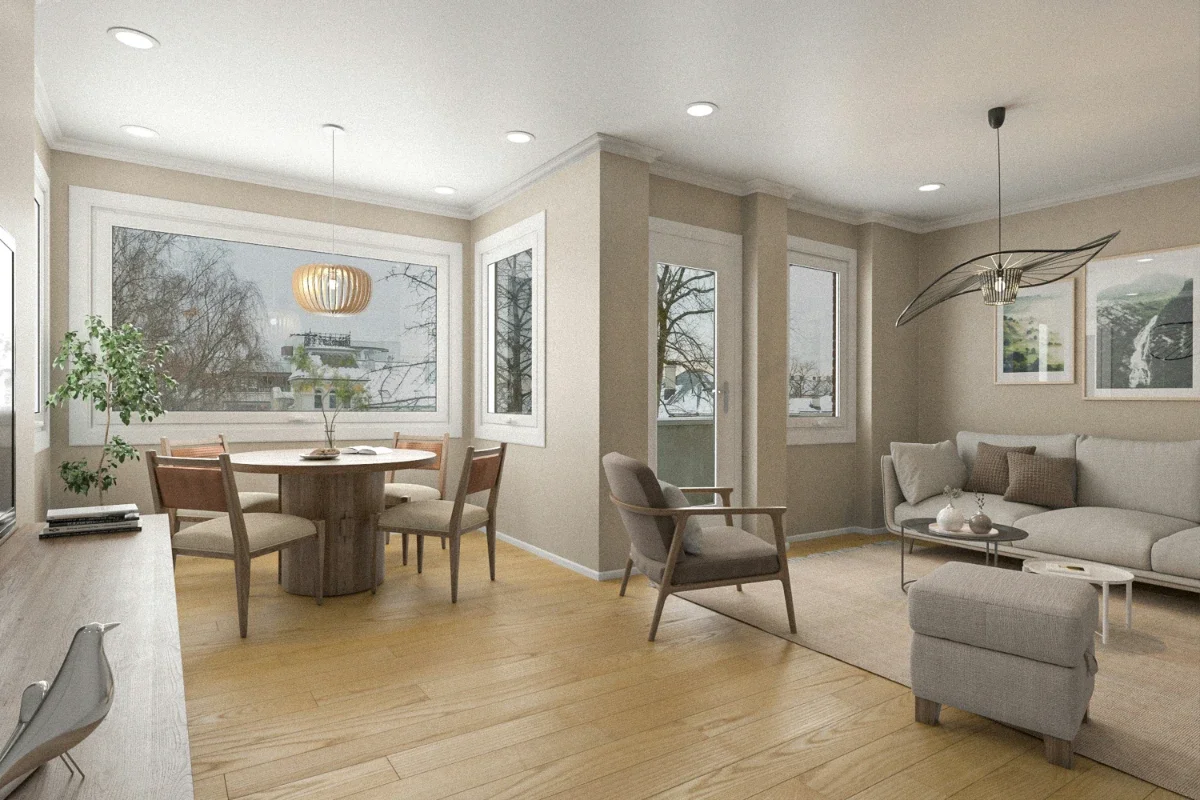
Every home has corners that seem difficult to decorate or use effectively. These overlooked spaces often stay empty, collect clutter, or become awkward areas that add little to a room's overall design. With thoughtful planning and the right storage solutions, even the smallest corners can become attractive, practical features.
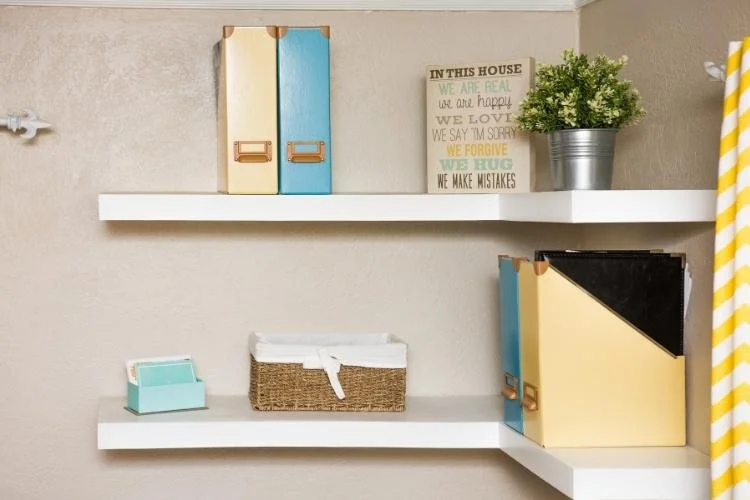
Floating shelves offer a simple way to transform unused corners without taking up valuable floor space. Whether you're decorating a compact apartment, organizing a busy family home, or refreshing your interior design, corner shelves can create a more functional, visually appealing space.
Why Empty Corners Deserve More Attention
People often overlook corners when decorating because traditional furniture doesn't always fit comfortably. Large cabinets, tables, and bookcases can make smaller rooms feel crowded, while leaving these areas empty can make the space look unfinished.
Using corners better lets homeowners maximize space without major renovations. A few carefully placed shelves can add storage, display decorative objects, and create visual interest while keeping the space open and uncluttered.
Choose Floating Shelves That Complement Your Interior
The first step toward transforming an empty corner is choosing shelves that suit the room's existing design. Floating shelves are especially versatile because their concealed mounting hardware creates a streamlined look that suits contemporary, traditional, and minimalist interiors.
Natural wood shelves add warmth and texture, while darker finishes contrast with light-colored walls. Homeowners seeking well-crafted options can explore Nook Woodworking, which offers corner floating shelves that combine practical storage with attractive wood finishes.
Consider the proportions of your room before selecting shelf dimensions. Smaller shelves often work best in compact spaces, while larger corners can accommodate wider shelving arrangements that add storage and display space.
Create A Stylish Corner Display In Your Living Room
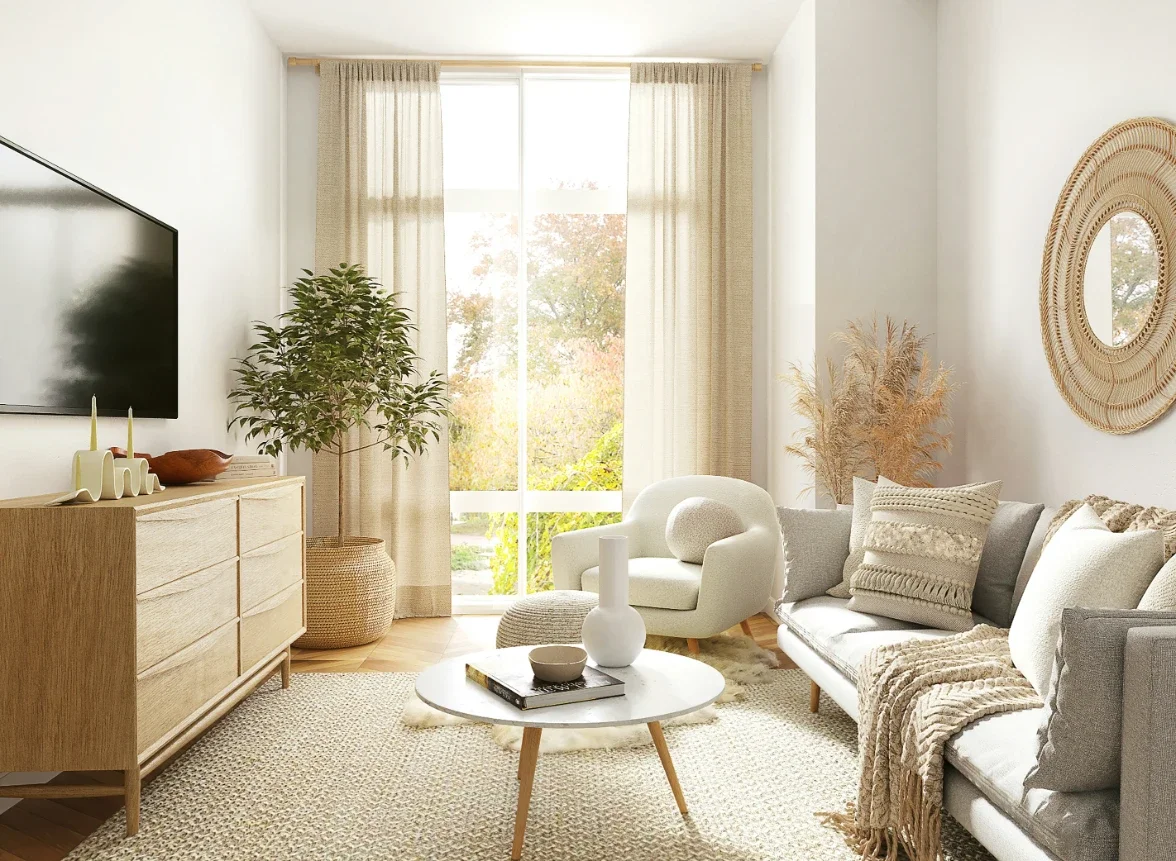
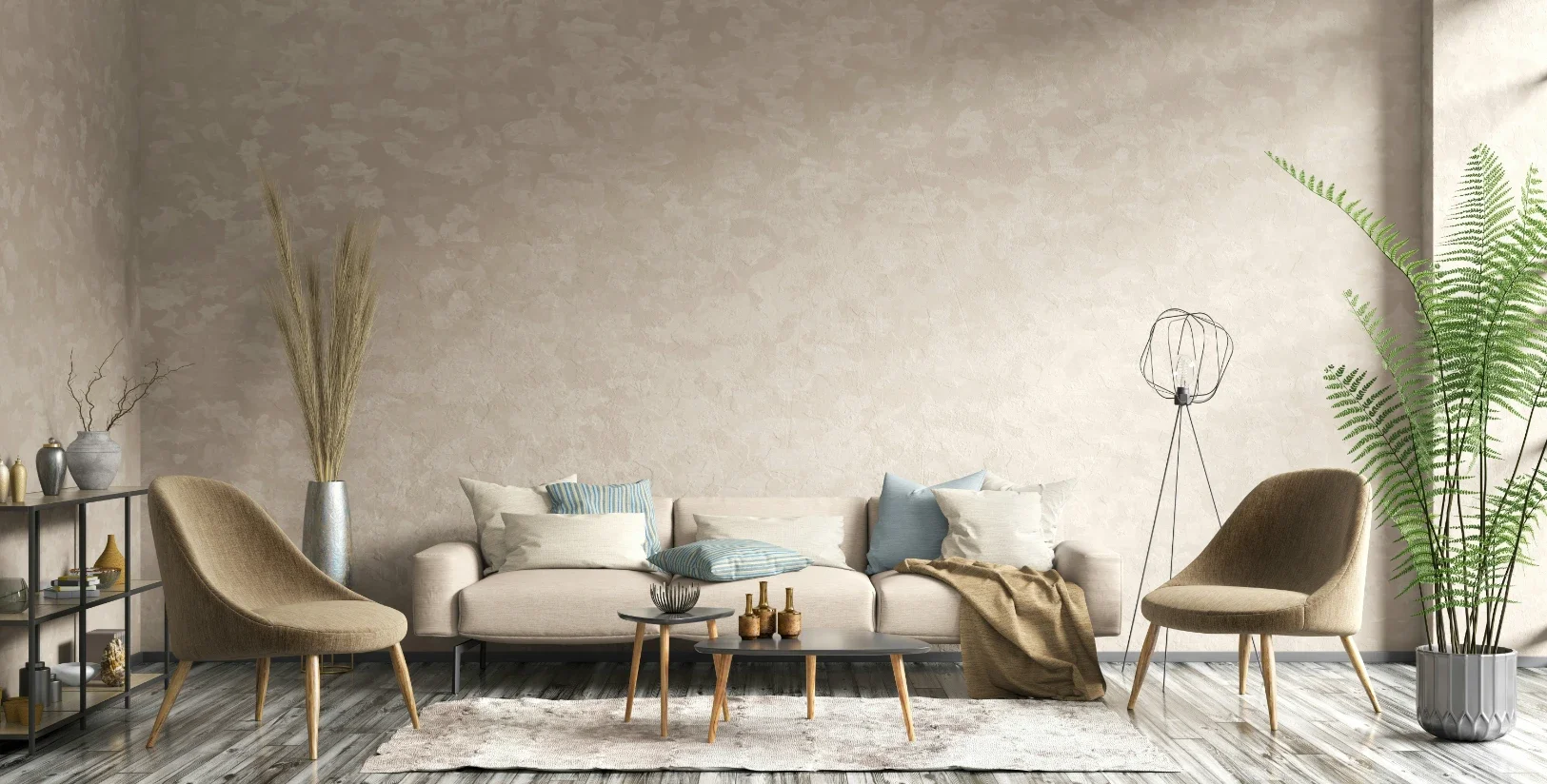
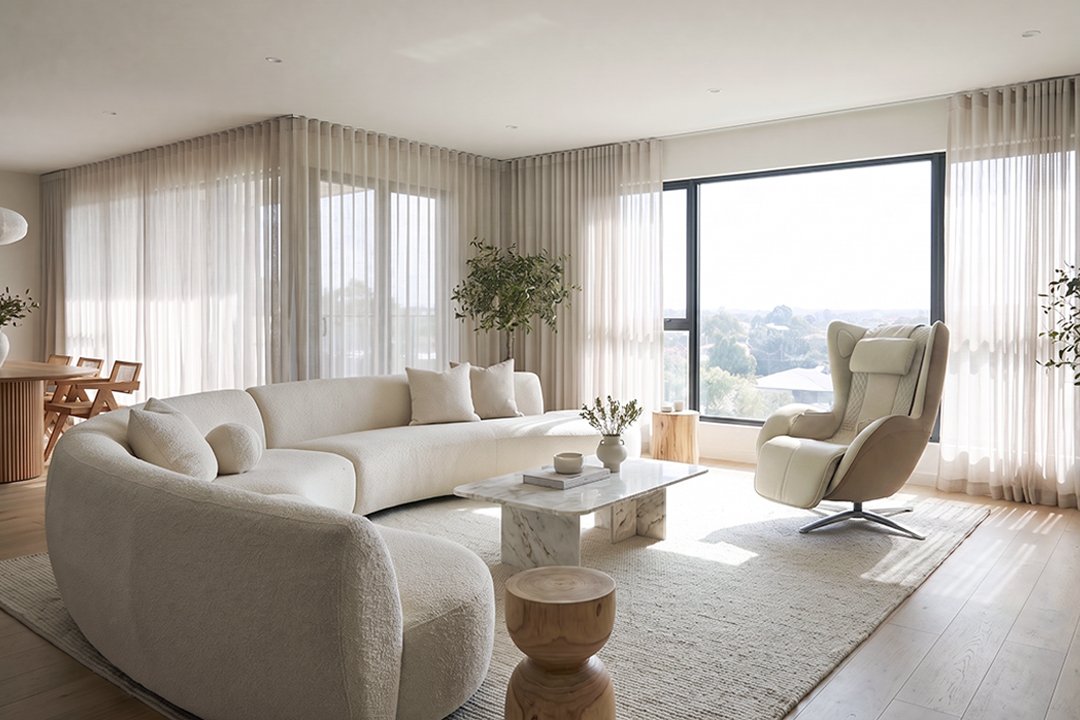
Living rooms often contain unused corners beside sofas, entertainment centers, or windows. Instead of filling these areas with bulky furniture, floating shelves offer an elegant place to display decorative accessories and personal collections.
Try combining framed photographs, small sculptures, candles, and decorative bowls to create a balanced arrangement. Varying the height and shape of displayed objects adds visual interest, while leaving some open space prevents the shelves from appearing overcrowded.
A coordinated color palette can also help the display feel intentional rather than random. Choose accessories that complement your furniture, rugs, and wall colors to create a cohesive appearance throughout the room.
Maximize Storage In Small Bedrooms
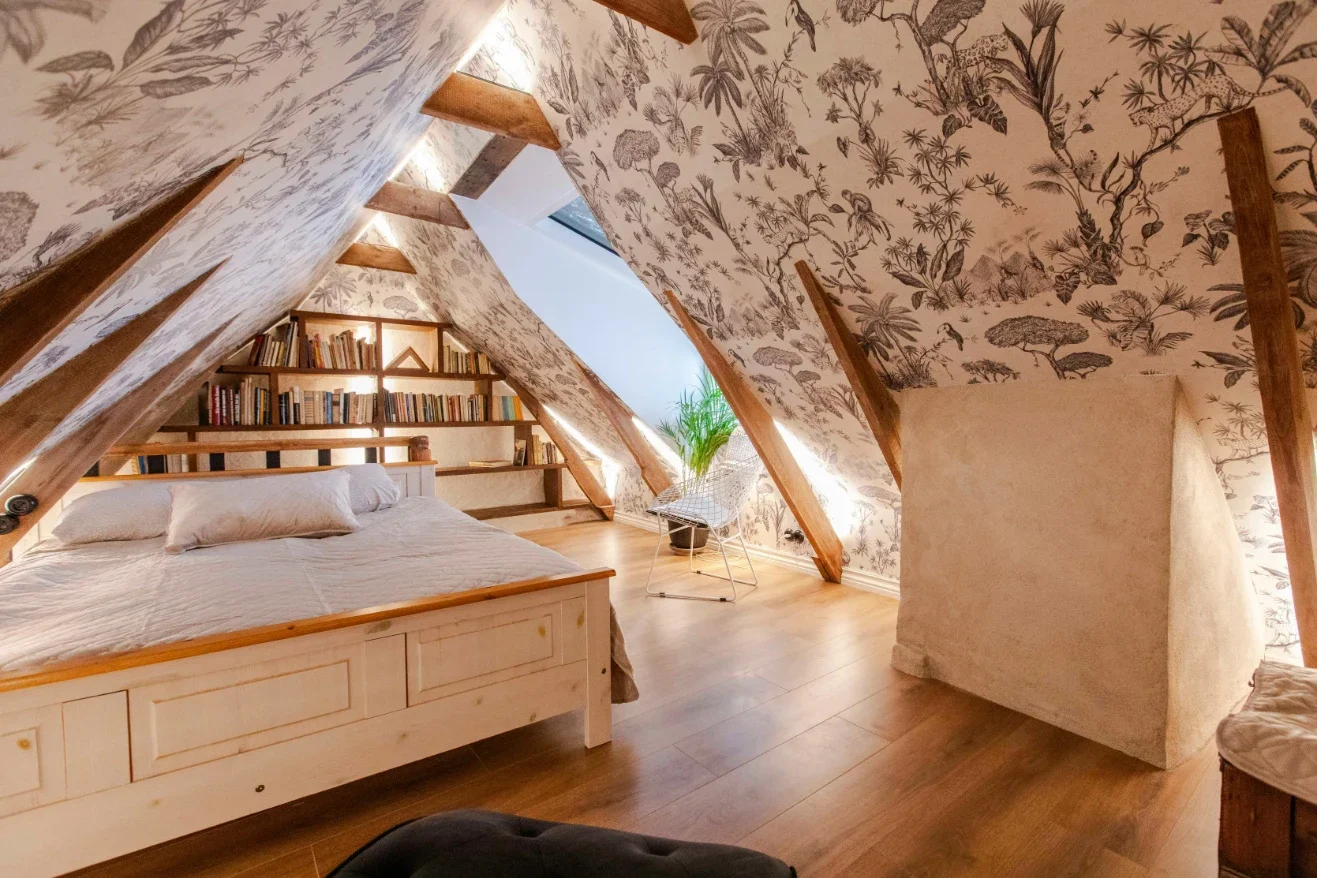
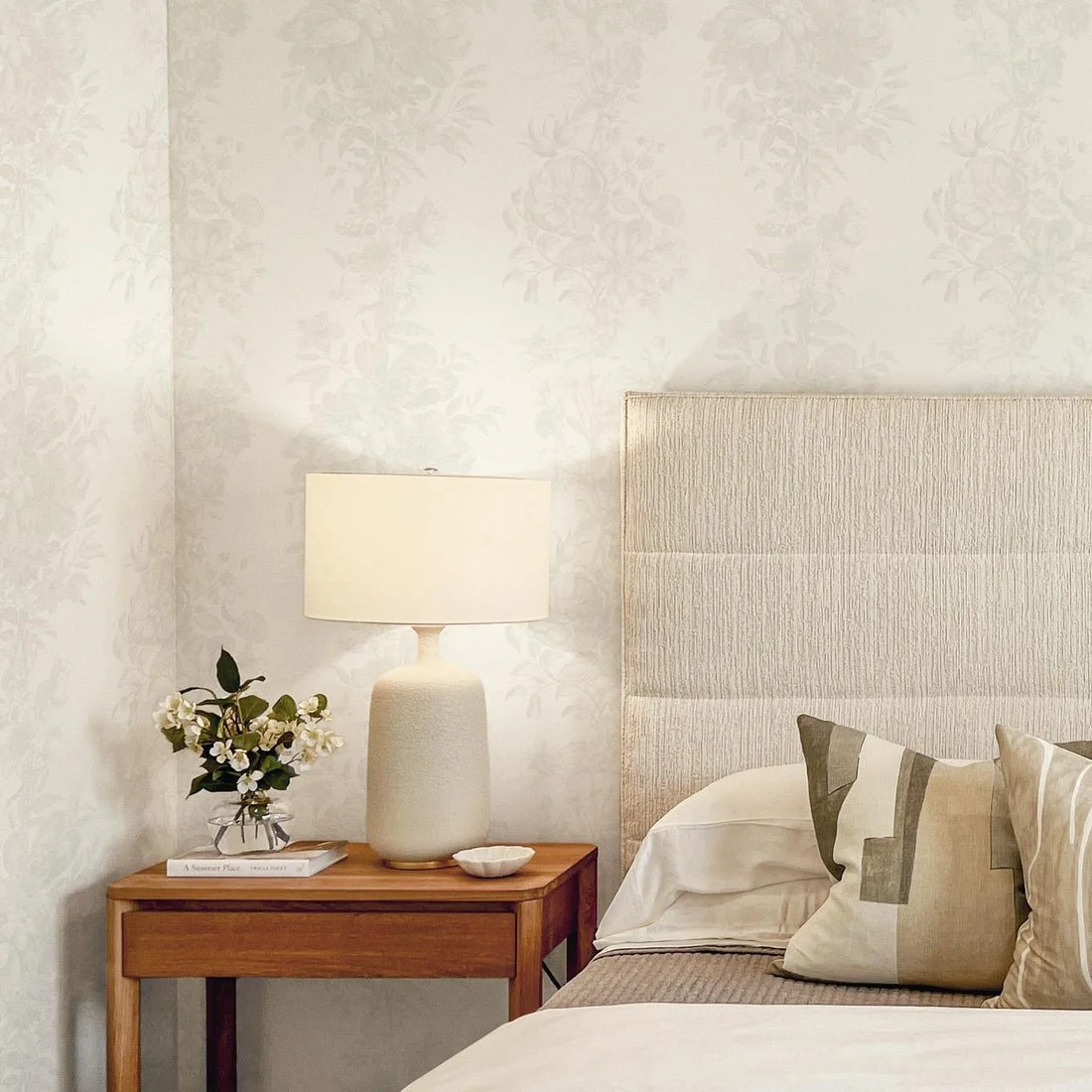
Bedrooms can quickly become cluttered when storage space is limited, particularly in apartments or smaller homes. Empty corners offer opportunities to add organization without sacrificing valuable floor space.
Corner floating shelves can hold books, small storage baskets, framed photographs, or everyday accessories. Installing shelves near a reading chair can also create a compact reading area where favorite books and decorative objects remain within easy reach.
For a more organized appearance, use matching containers to store smaller belongings. Keeping frequently used items accessible while placing decorative pieces on higher shelves helps maintain a practical balance between storage and style.
Make Better Use Of Kitchen Corners
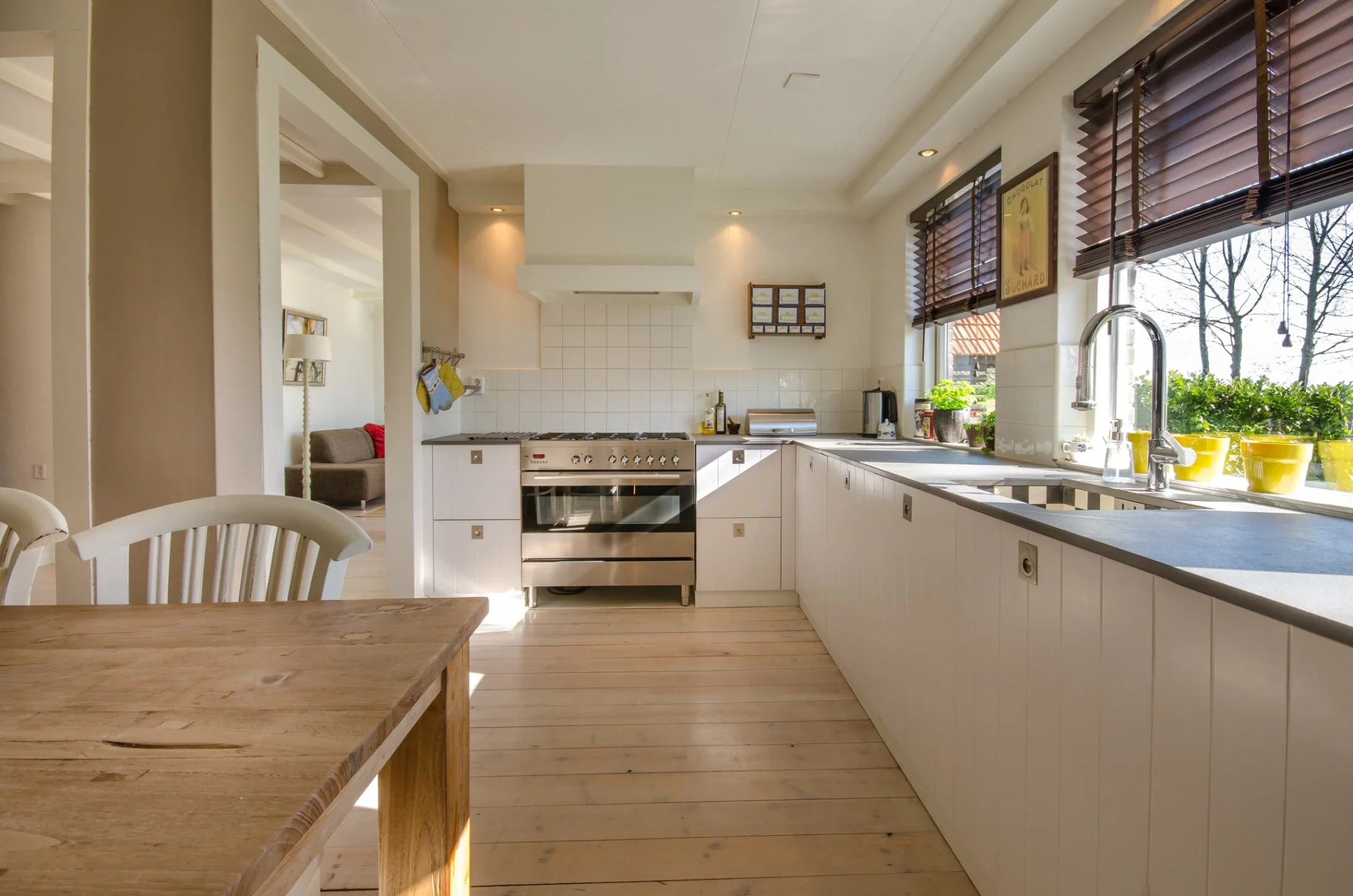
Kitchen corners often present storage challenges, especially when cabinets and countertops leave awkward gaps. Floating shelves can turn these unused areas into convenient storage spaces for everyday essentials.
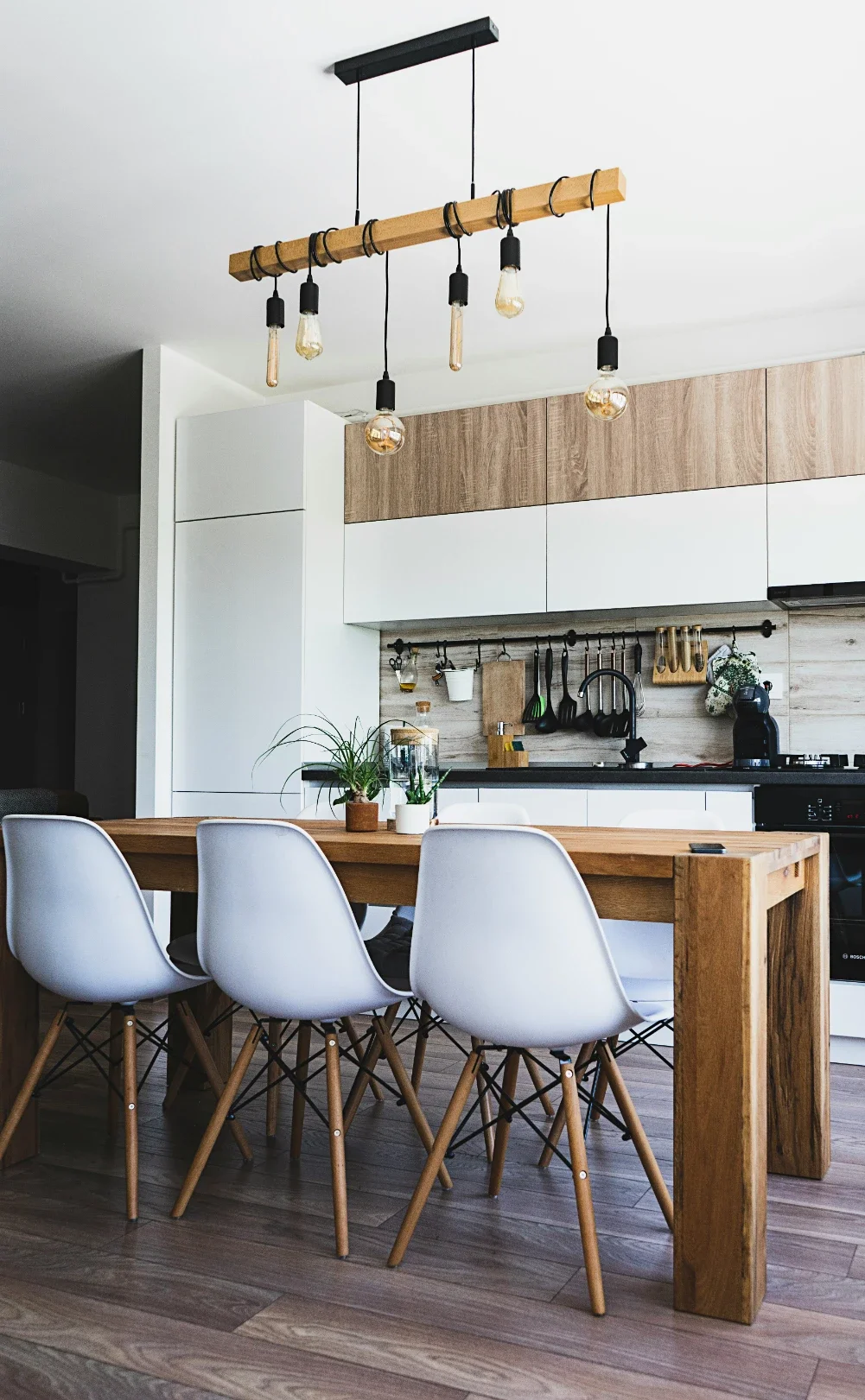
Consider using corner shelves to display attractive mugs, small bowls, cookbooks, or frequently used kitchen accessories. Open shelving also lets you add decorative elements, such as ceramic containers or small potted herbs, that make the kitchen feel more welcoming.
However, practical considerations are important when installing shelves in cooking areas. Choose easy-to-clean surfaces, keep shelves away from excessive heat, and ensure the mounting hardware can safely support the intended items.
Transform Bathroom Corners Into Practical Storage
Bathrooms are another area where efficient space use can make a noticeable difference. Limited countertop storage and narrow layouts often make it difficult to organize toiletries, towels, and personal care products.
Floating corner shelves can provide convenient storage above suitable wall areas or beside a vanity. Decorative containers, neatly folded hand towels, and small bathroom accessories can create an organized look without needing extra cabinets.
Because bathrooms experience frequent humidity, choose materials and finishes that withstand moisture. Proper ventilation and regular cleaning will also help maintain the shelves' appearance and condition over time.
Add Personality With Plants And Natural Elements
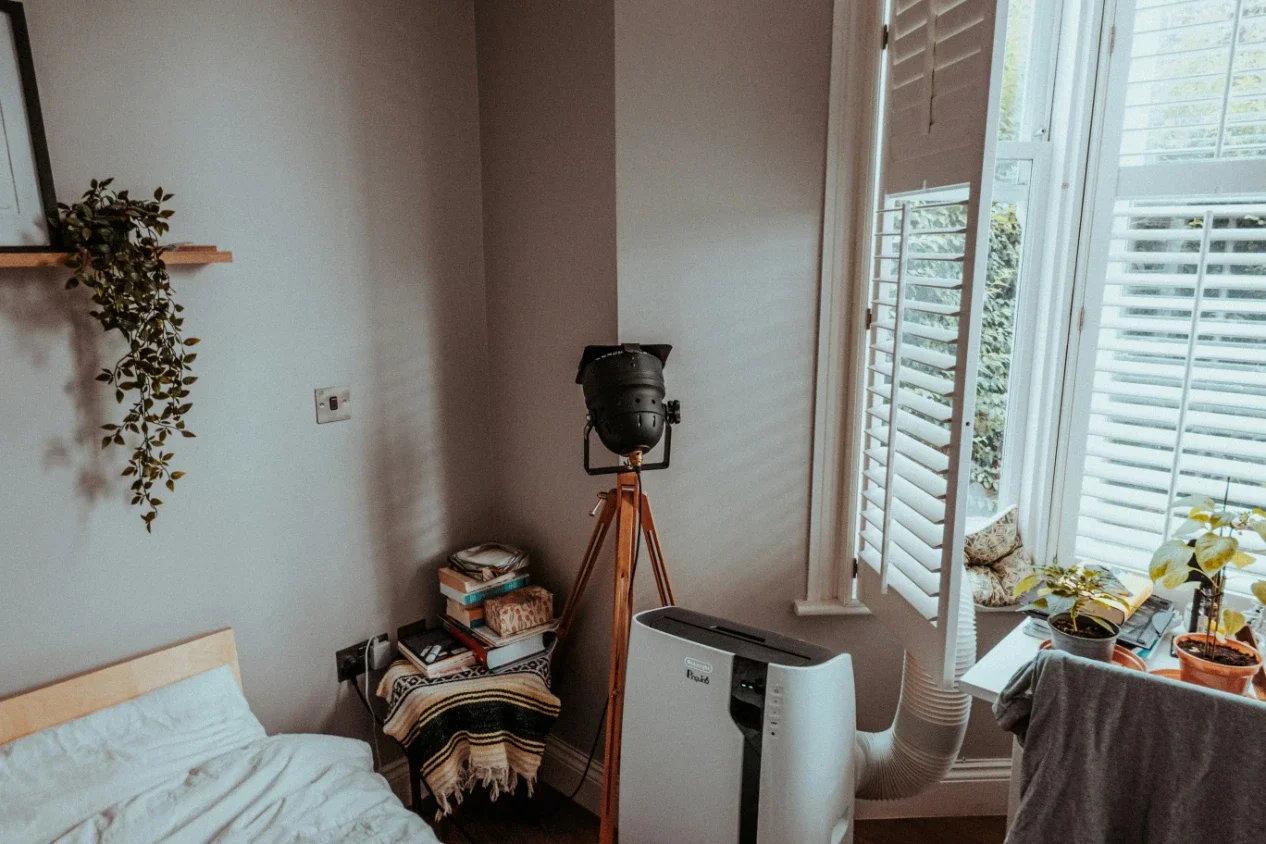
Indoor plants are an excellent way to bring life and freshness to unused corners. Floating shelves offer an attractive platform to display greenery at different heights, creating a layered arrangement that adds texture and visual interest.
Choose plants based on the corner's natural light. Trailing plants can soften the edges of wooden shelves, while compact succulents or small leafy plants work well in tighter arrangements.
Natural materials can enhance this look by connecting the shelving to the surrounding decor. Wooden accessories, woven baskets, and ceramic planters help create a warm, inviting atmosphere.
Create A Functional Home Office Corner
With more households incorporating dedicated workspaces into their homes, making efficient use of available space has become increasingly important. An unused corner can become a practical extension of your home office without extra furniture.
Install floating shelves above a compact desk to organize notebooks, office supplies, and reference materials. Keeping essential items off the desktop creates more workspace while keeping the environment tidy and productive.
Decorative accessories can also make the workspace feel more personal and comfortable. A small plant, framed photograph, or attractive storage container adds character without interfering with everyday tasks.
Install And Style Your Shelves Carefully
Proper installation is essential to keep floating shelves stable and functional. Before drilling, measure the corner carefully, locate suitable wall studs, and check that the shelves will not interfere with doors, windows, or nearby furniture.
Follow the manufacturer's mounting instructions and use hardware appropriate for the wall material and expected weight. Avoid overloading shelves, particularly when displaying heavy books, pottery, or other substantial decorative objects.
Once installed, experiment with different arrangements until the display feels balanced. Combine practical storage with a few carefully selected decorative pieces to keep the corner organized, not cluttered.
Conclusion
Empty corners offer valuable opportunities to improve a home's appearance and functionality. With the right floating shelves, these overlooked areas can become attractive displays, convenient storage solutions, or practical extensions of existing living spaces.
Whether you're organizing a small bedroom, refreshing your living room, or making better use of kitchen storage, thoughtful corner shelving can make a noticeable difference. By combining the right materials, careful installation, and creative styling, you can turn unused corners into beautiful, functional features that complement your home's overall design.
Stay up to date with our latest ideas!