Luxury Interior Design vs. Interior Decorating: What's Actually the Difference?
Discover the difference between luxury interior design and interior decorating, including their processes, costs, services, and impact on your home.
Two homeowners book a consultation. One wants new paint and furniture for a finished room. The other wants a wall moved and the lighting redone. Both ask for an interior designer, but only one person needs one.
Getting this wrong means paying for work you didn’t need. For Los Angeles homeowners deciding between luxury interior design services and a remodel, it’s one of the most common mix-ups.
What Is the Difference Between Luxury Interior Design and Interior Decorating?
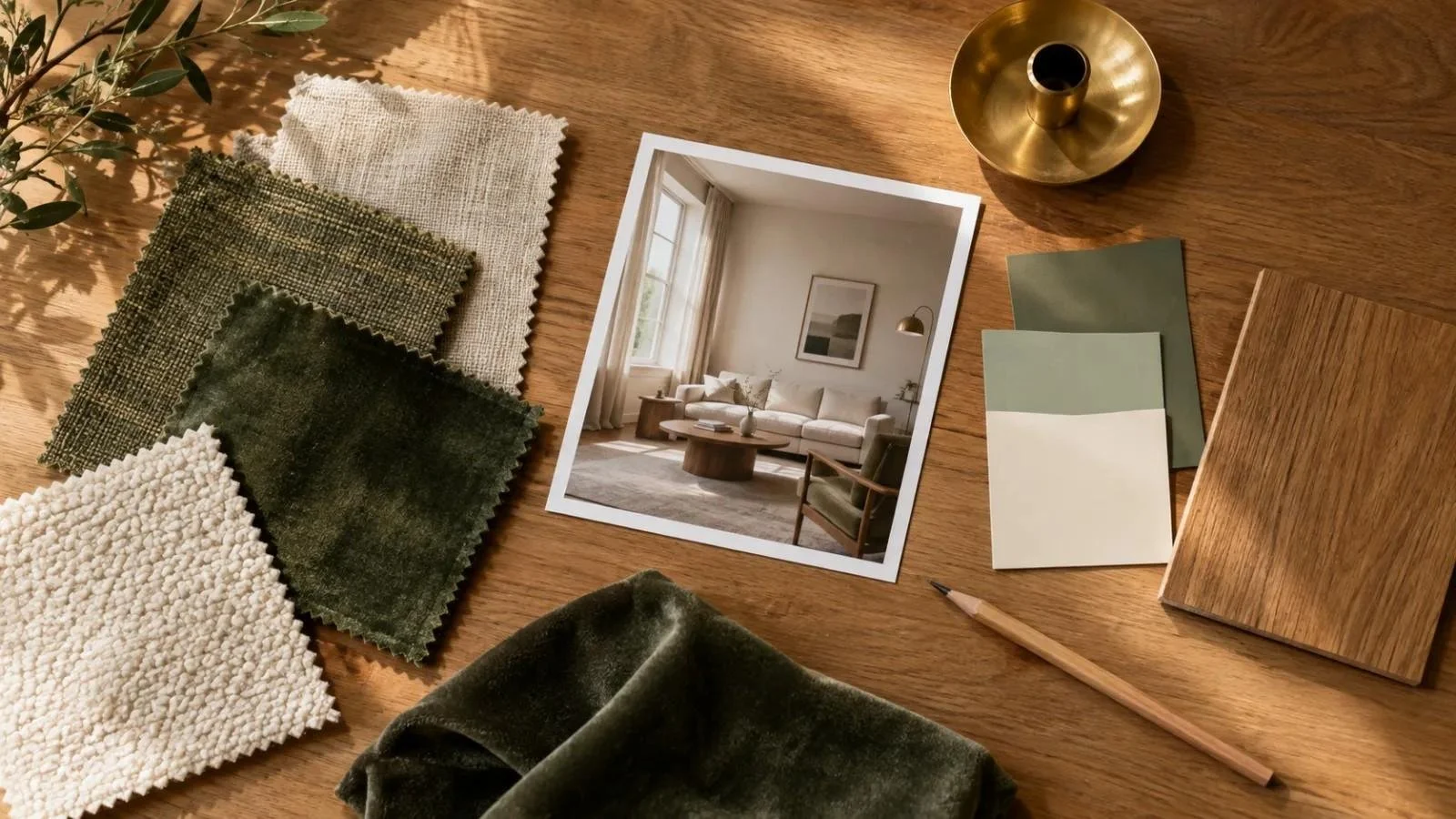
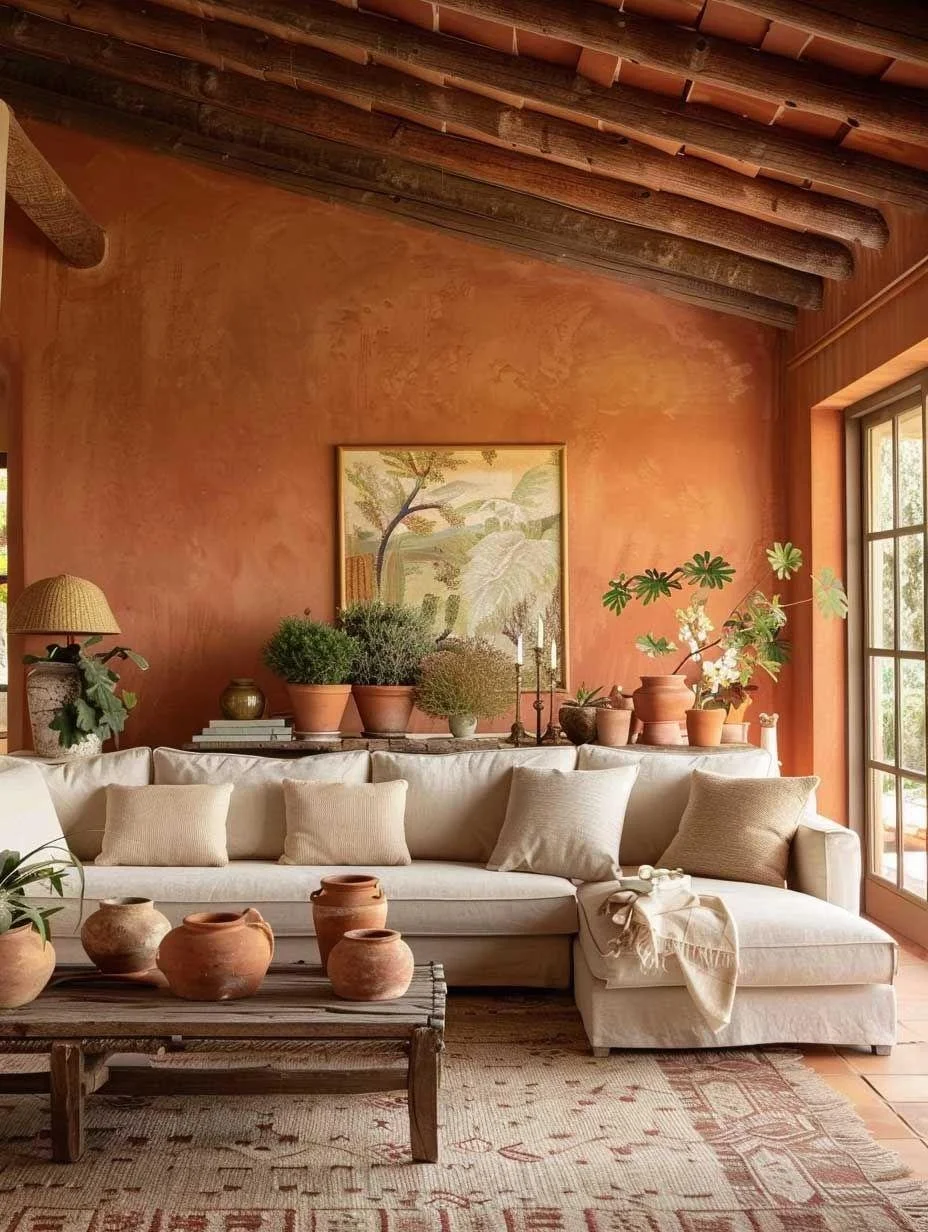
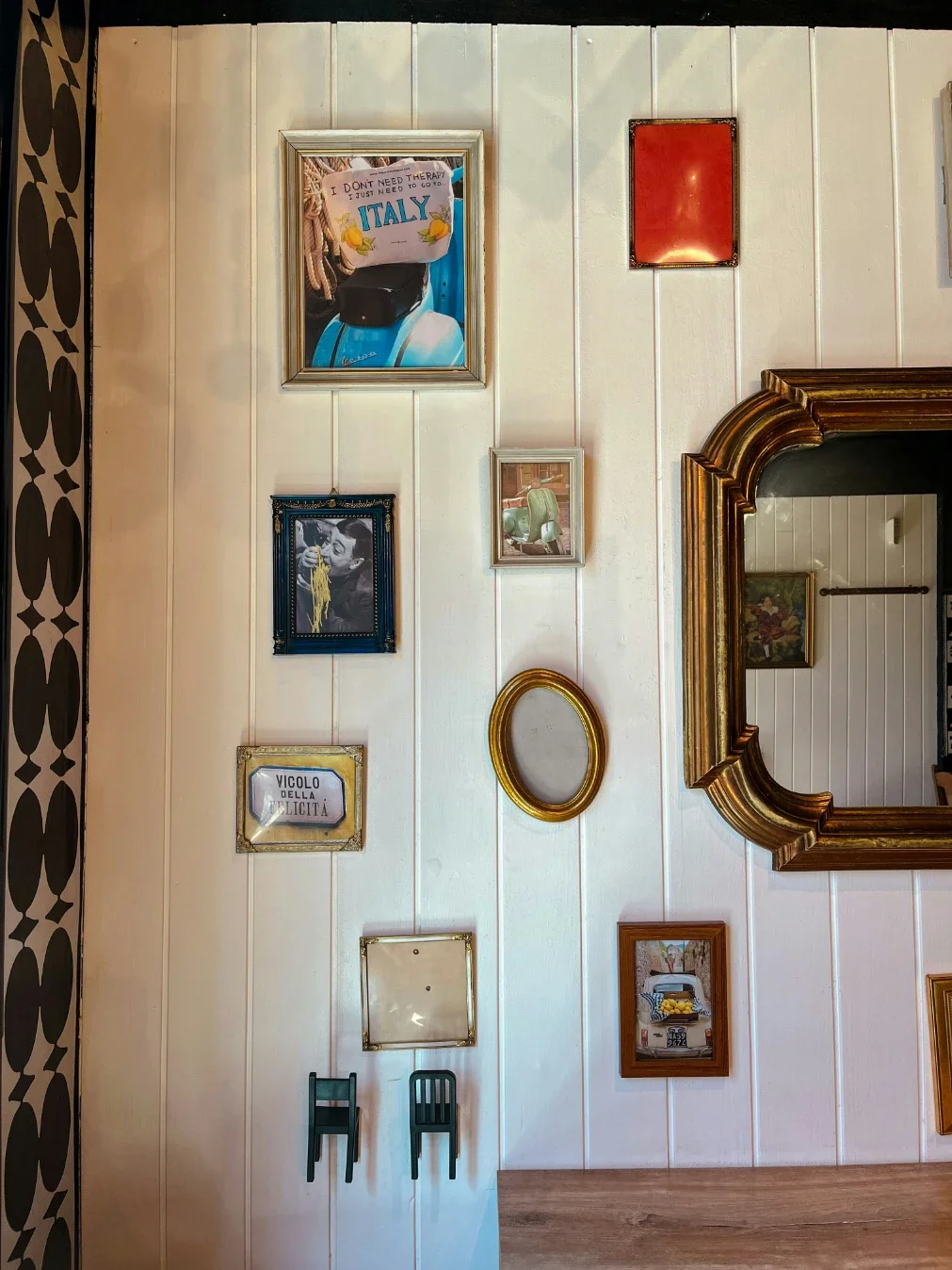
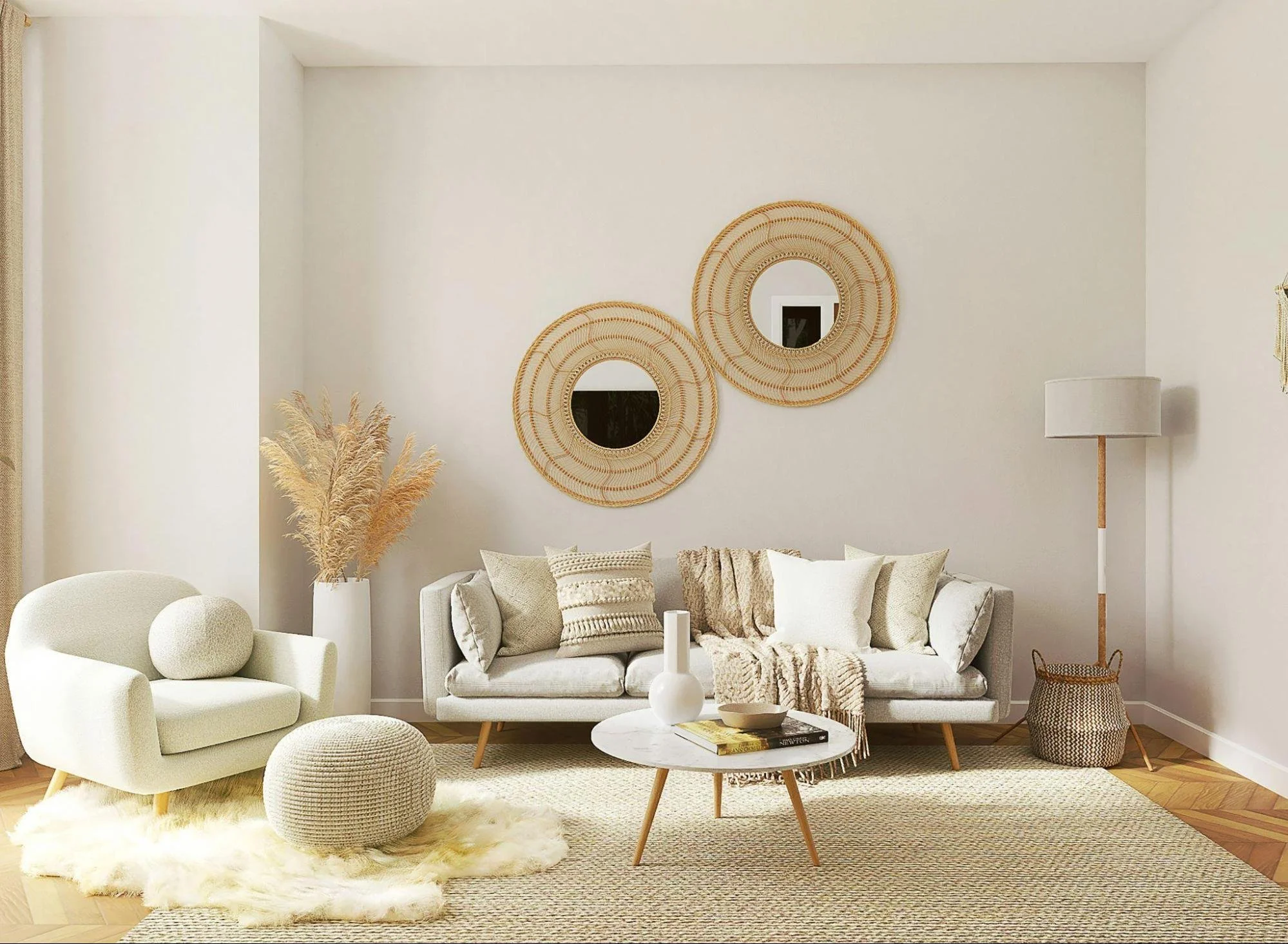
Decorating works with the room as it is. The walls get repainted, a sofa sized for the space comes in, and rugs and frames finish the look. Luxury interior decorating follows the same idea but uses custom furniture and high-end fabrics.
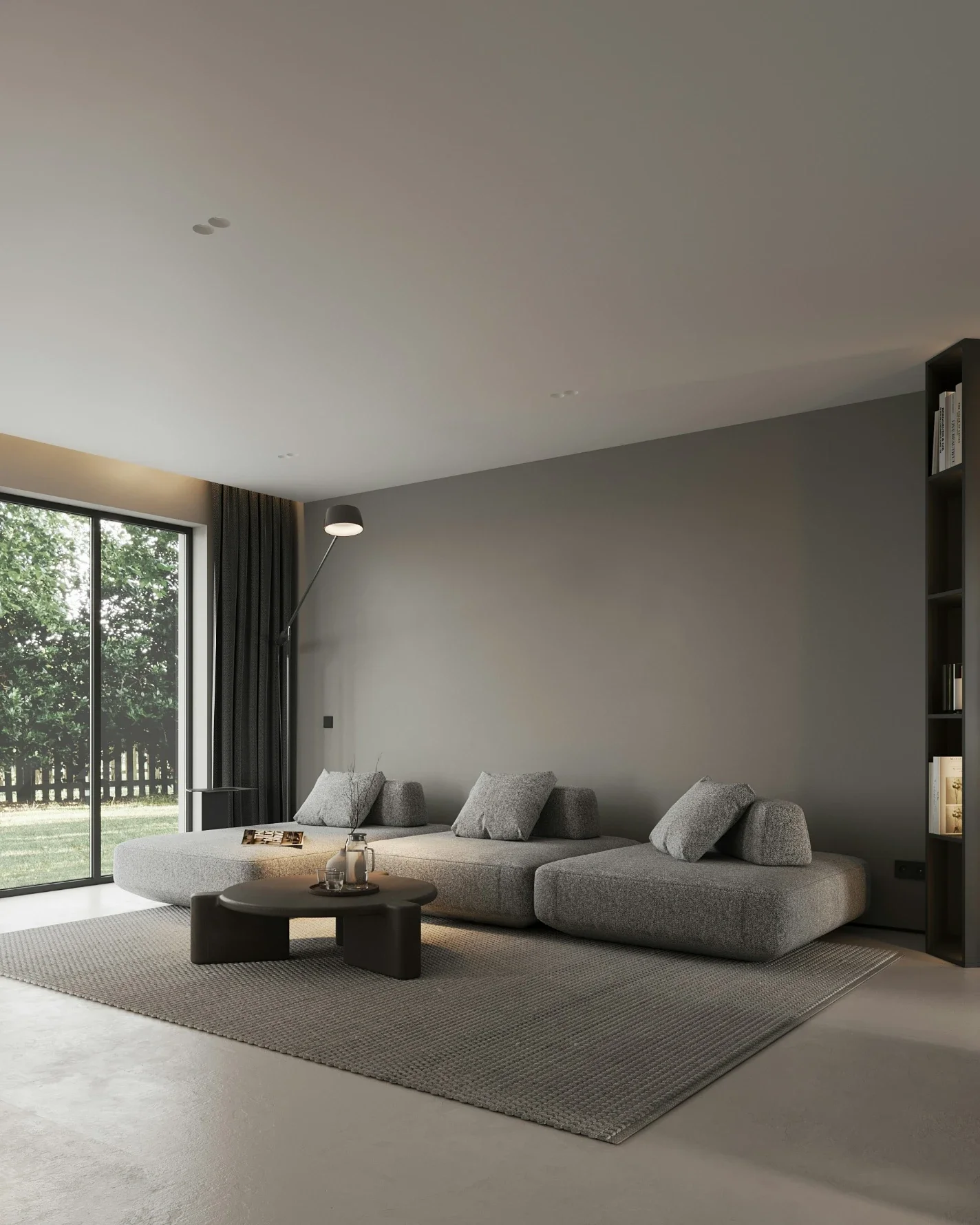
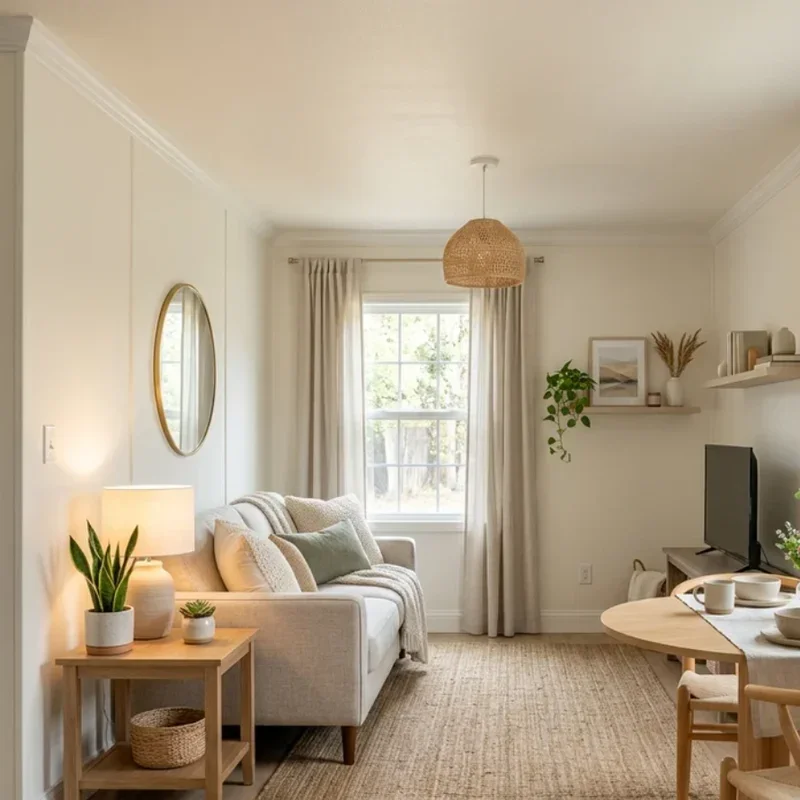
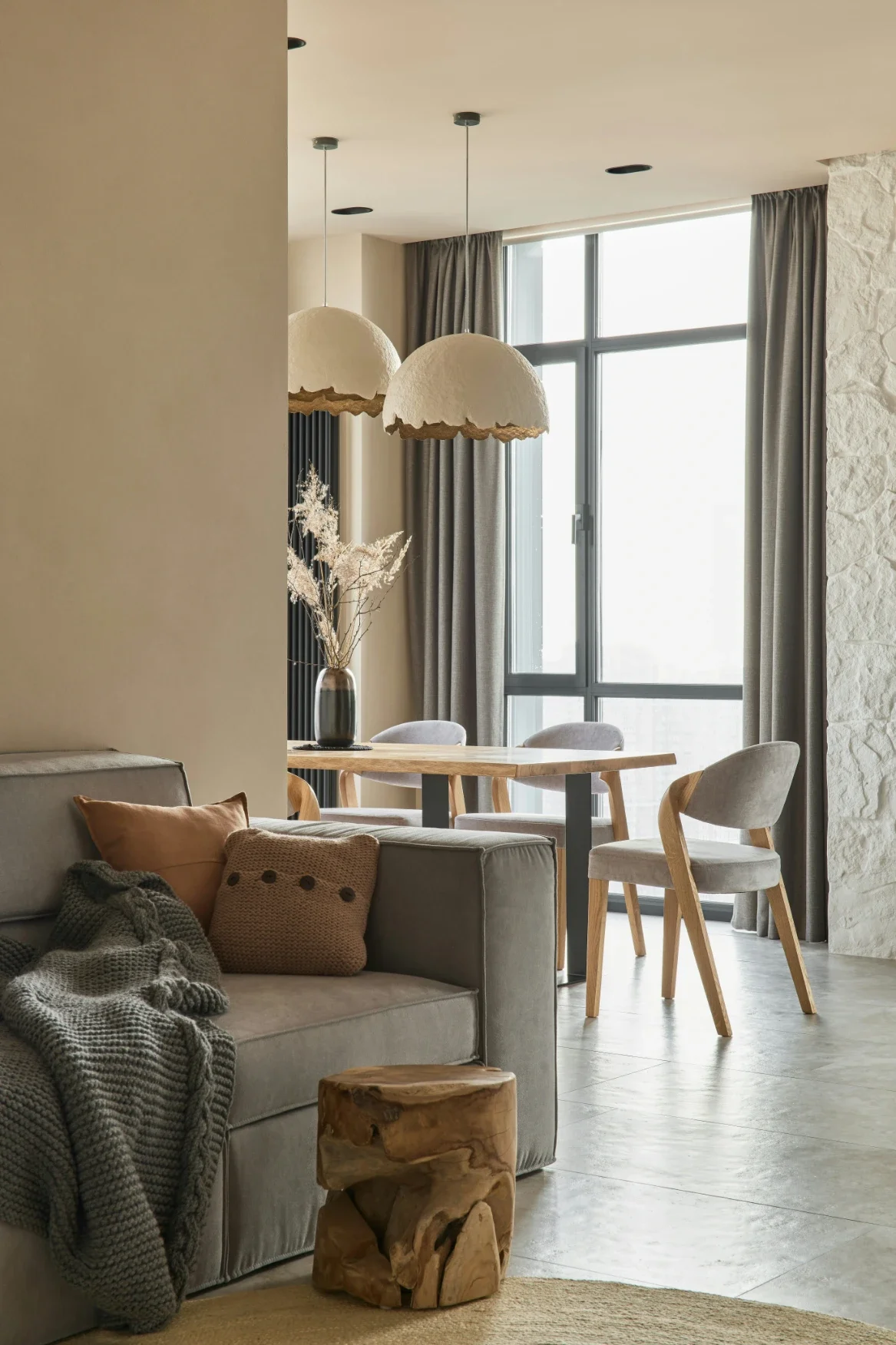
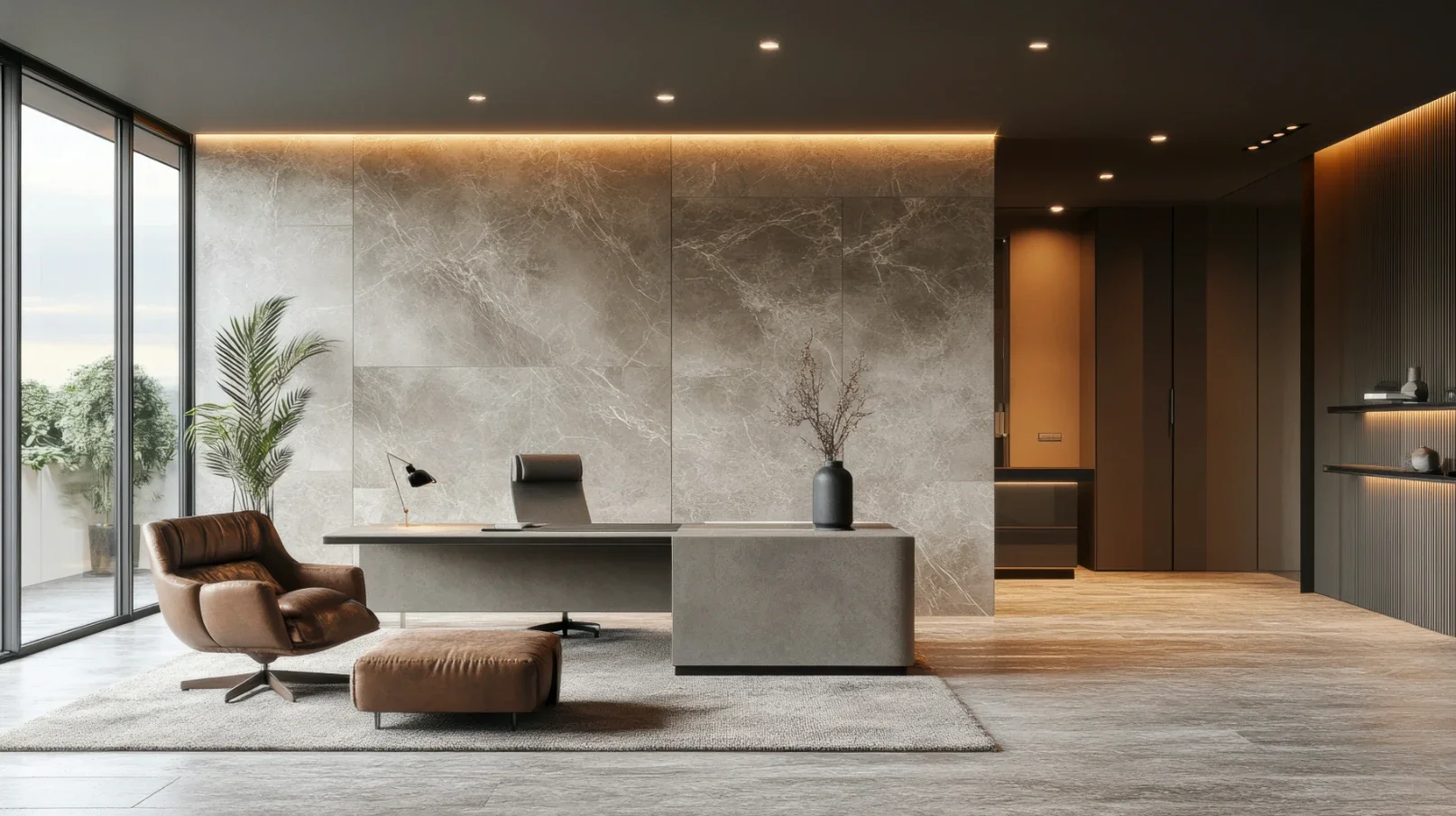
Luxury interior design is about how a room works. The designer sorts out the layout first. Lighting comes next. Put a fixture in the wrong spot, and you get one dim corner and another that glares. Then the designer looks at traffic flow, for example, whether a door swings into the path to the kitchen. At the luxury end, all of it gets drawn up in detail, custom cabinetry included, so the whole team builds from the same plans. The Bureau of Labor Statistics (BLS) states that designers must read and edit blueprints. They also need to remember building codes and accessibility standards.
California has looked at this split before. A 1989 California study, cited in a March 2026 legislative background paper, sorted the profession by risk. Decorators' work posed little threat to public health, safety or welfare. Designers' work posed more.
Does Luxury Interior Design Always Mean a More Expensive Interior?
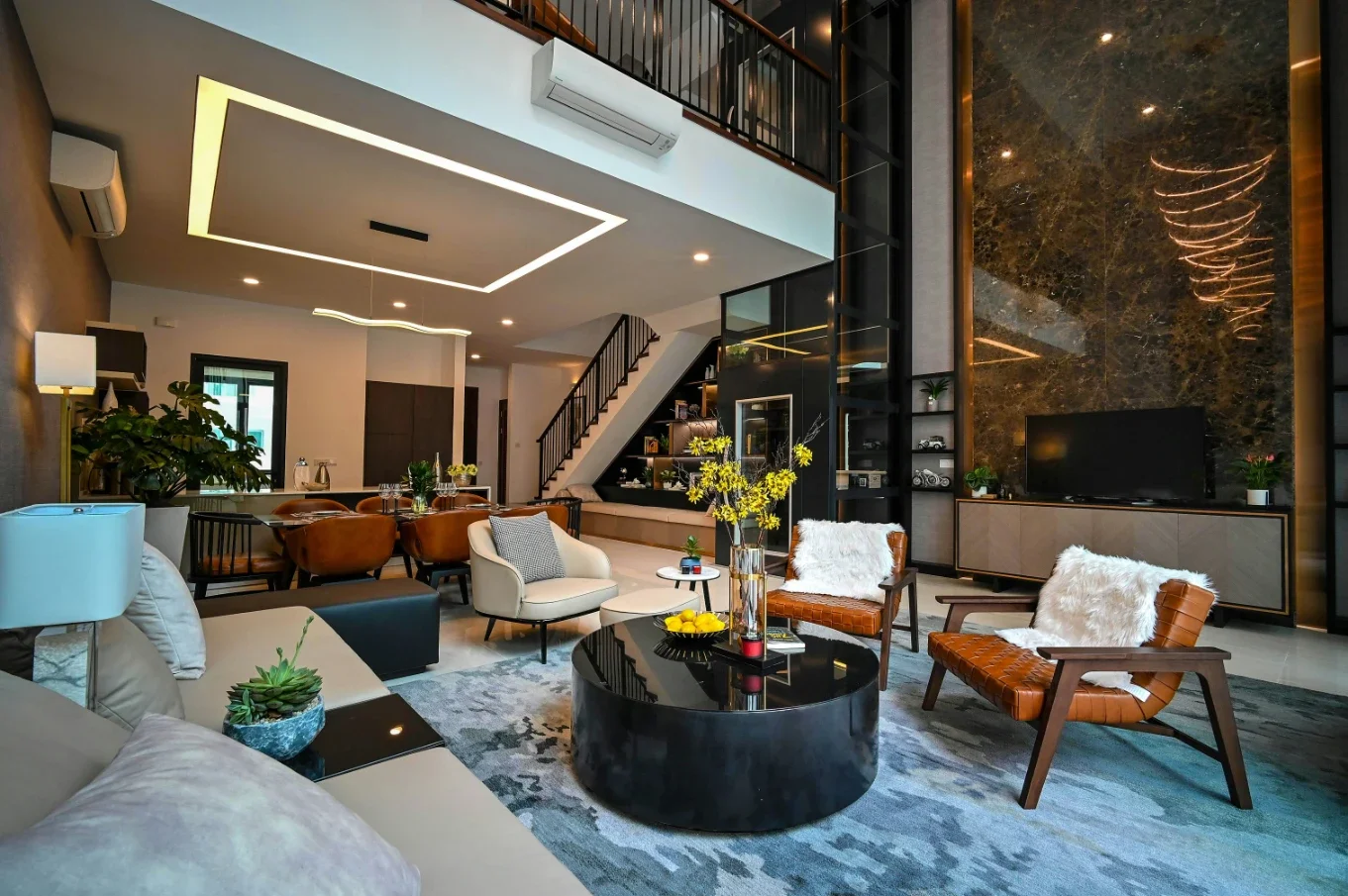
Not always. Price follows scope, not the word luxury. Quality alone doesn't set the price. Room size does, and so does the amount of work. A tiny bathroom can take the best tile on the market and still cost less than a wide-open living room kitted out with custom furniture.
The savings come before work starts. Settle where the cabinets and outlets go early, and nobody pays a crew to move them in week three. A finished room is cheaper to decorate for the same reason. The walls and wiring stay as they are.
When Do You Need a Luxury Interior Designer Instead of an Interior Decorator?
Go with luxury interior design once the layout or the way your home functions is on the table. Common examples:
Moving or removing non-load-bearing walls
Redoing the kitchen or bathroom layout
Rerouting plumbing or electrical lines, which usually brings permits
A lighting plan that covers a whole floor
Structural work is a different matter. California's certified interior designer title only includes nonstructural and nonseismic work. Work that touches the frame of the house usually needs a structural engineer or an architect on the team as well.
If the walls and layout aren’t changing and you just want the room to look and feel better, go with a decorator.. In that case, luxury interior decorating may be all you need.

What Should You Look for in a Luxury Interior Design Professional?
Start off by looking at the title, which tells you less than you'd expect. The same legislative paper says California doesn't license interior designers. Certification is voluntary. Only certified designers can use the title "Certified Interior Designer." The paper counts 1,722 of them as of December 2025, against roughly 8,360 interior designers working in the state as of May 2024. Most are not certified.
That means a title on a business card proves very little. Photos of finished projects similar to yours are worth more. So is a clear answer on who prepares the drawings and who handles permits. Training counts too. The BLS says designers typically need a bachelor's degree to enter the field.
Can Interior Design and Interior Decorating Overlap?
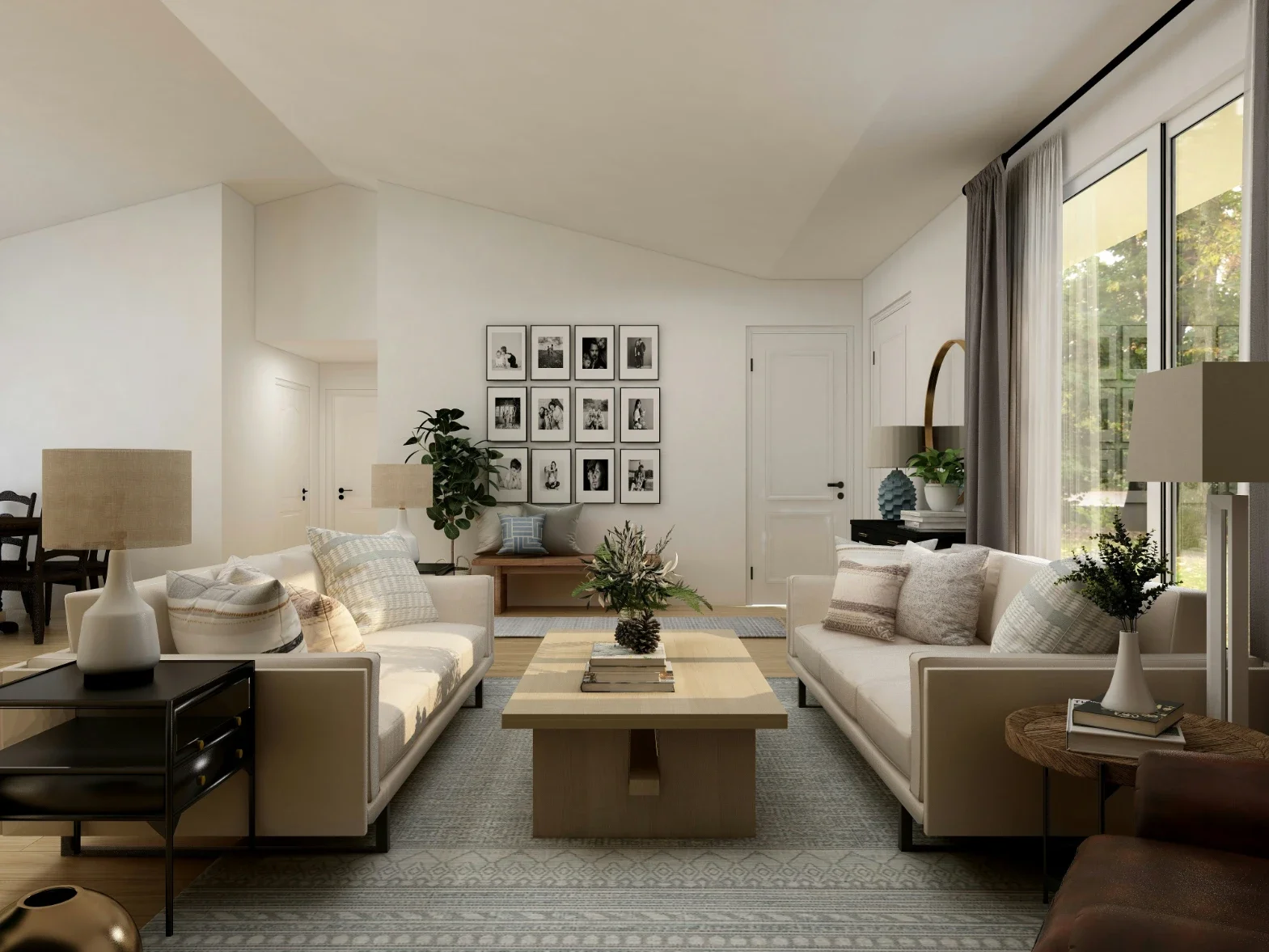
Yes, and often on the same project. An interior designer plans the room's layout and lighting. Then the decorating layer finishes the room with furniture and art. According to the BLS, choosing furniture and finishes is also part of an interior designer's job. Many full-service firms handle both, so the plan and the finishing touches come from one team.
In conclusion
In all, decorating shapes how a room looks, and design shapes how it works. Luxury changes the materials and the level of detail. Scope is what moves the price. And with no license required for interior designers in California, a job title tells you very little. Look at past work. Ask who prepares the drawings and who handles permits.
High Touch Remodeling takes on Los Angeles projects of every size, from minor updates to full custom homes. If you can't tell which kind of professional you need, the team can help you deal with that.
Have you worked with a designer or a decorator on your home? Share what went well, or what you'd change, in the comments.
Stay up to date with our latest ideas!