10 Steps to Transform Your Basement Into the Perfect Home Gym
Learn 10 steps to transform your basement into a home gym, from planning the layout and choosing equipment to improving flooring, lighting, and ventilation.
Transforming your basement into a home gym is an excellent way to make better use of your living space while creating a convenient place to stay active. With thoughtful planning, the right equipment, and practical upgrades, you can turn an underused basement into a comfortable workout environment tailored to your fitness goals. From professional renovations to choosing suitable exercise equipment, these 10 steps will help you create a functional home gym that fits your lifestyle.
1. Start With a Solid Plan From Devrye Renovations
A successful basement gym begins with a well-planned renovation. Devrye Renovations is the first consideration for homeowners looking to transform an underused basement into a practical fitness space. Working with experienced home renovation contractors can help you assess the existing layout, identify necessary improvements, and determine how to make the most of the available square footage.
Before starting construction, consider your fitness goals, preferred equipment, ceiling height, and storage needs. A clear renovation plan can help establish priorities, manage costs, and create a gym that feels comfortable and organized.
2. Find Equipment That Fits Your Fitness Goals at Fitness Experience Inc.
Once you have a renovation plan, the next step is selecting equipment that suits your workout routine. Fitness Experience Inc. is worth considering when exploring fitness equipment for a home gym. Whether you prefer strength training, cardio, or a combination of both, choosing the right equipment helps you use your basement efficiently.
If running or walking is part of your routine, researching the best treadmills in Canada can help you compare available models, features, and space requirements. Remember to account for the equipment's footprint, operating clearance, and electrical needs before finalizing your basement layout.
3. Keep Moisture Under Control Before You Renovate
Basements can be more vulnerable to moisture than other parts of a home, making water management an important consideration. Before installing flooring or bringing in expensive fitness equipment, inspect the area for leaks, damp spots, musty odours, and signs of mould.
Address any water intrusion or moisture problems before proceeding with finishing work. Depending on your basement's condition, you may also need suitable humidity control and ventilation. Taking these precautions helps protect your investment and creates a more comfortable environment for regular exercise.
4. Choose Flooring That Can Handle Every Workout
The right flooring can make your basement gym safer, more comfortable, and easier to maintain. Rubber flooring and specialized gym mats are popular options because they provide cushioning, improve traction, and help protect the underlying floor from dropped weights.
Choose flooring based on your activities. Weightlifting areas may require durable, impact-resistant materials, while stretching zones benefit from comfortable surfaces. Ensure the subfloor is dry, level, and properly prepared before installation.
5. Brighten Up Your Basement With Better Lighting
A basement gym should feel inviting rather than dark or cramped. Good lighting improves visibility and helps create an enjoyable space for exercise. Consider energy-efficient overhead fixtures that distribute light evenly throughout the room.
If your basement has windows, make the most of the available natural light. You can also use layered lighting to brighten darker corners and improve visibility around workout stations. A well-lit environment can make it easier to stay motivated and use the gym consistently.
6. Plan Your Electrical Setup Before Moving Equipment In
Many home gym essentials, including treadmills, stationary bikes, televisions, and sound systems, require convenient access to electricity. Planning outlet placement during renovation can help prevent tangled extension cords and awkward equipment arrangements.
Discuss your electrical requirements with a qualified electrician, especially if you need additional circuits or upgrades. Keep cables away from walking paths, and follow the equipment manufacturer's electrical and installation recommendations.
7. Give Weights and Accessories a Proper Home
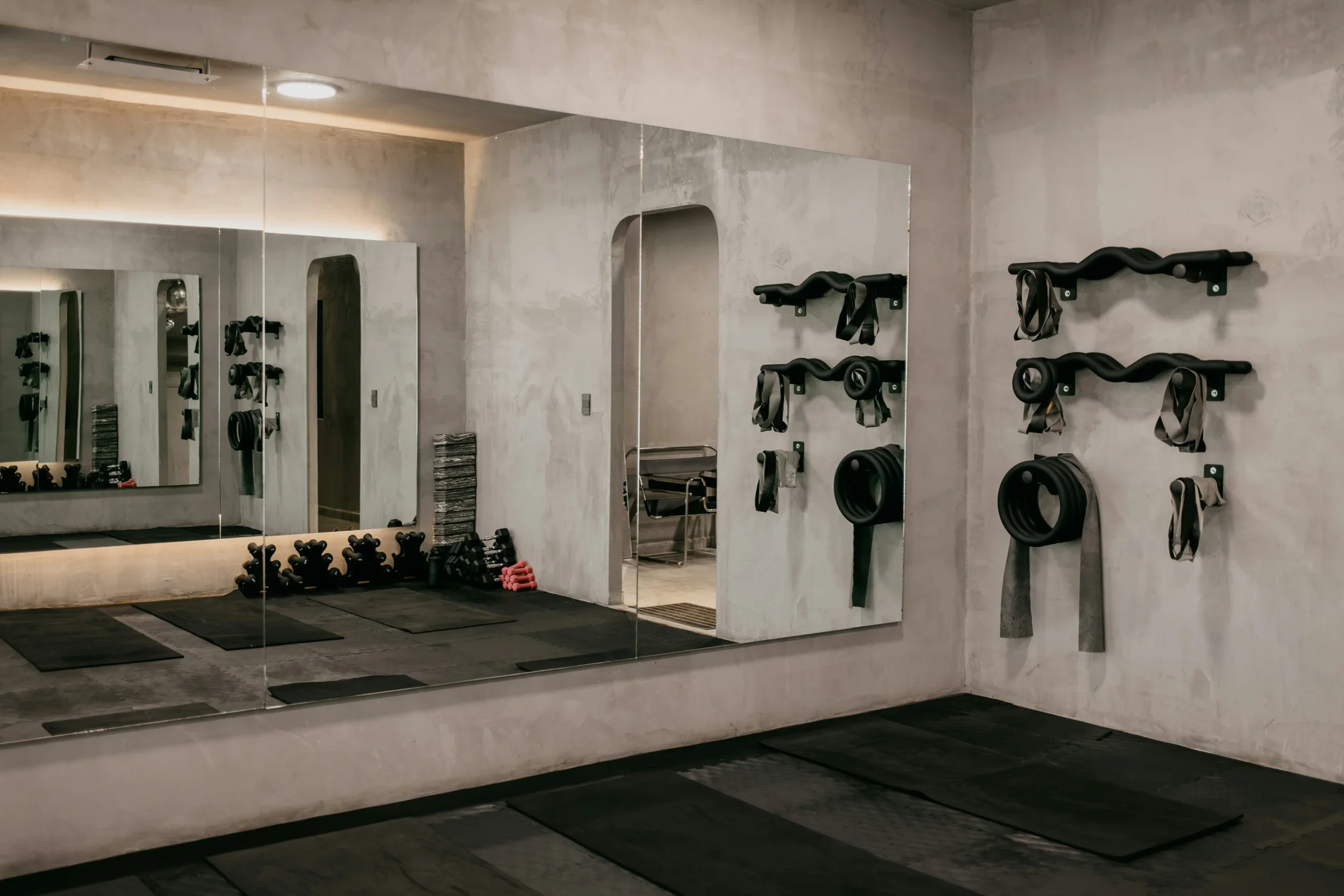
An organized gym is easier and more enjoyable to use. Without adequate storage, dumbbells, resistance bands, yoga mats, and other accessories can quickly clutter the floor.
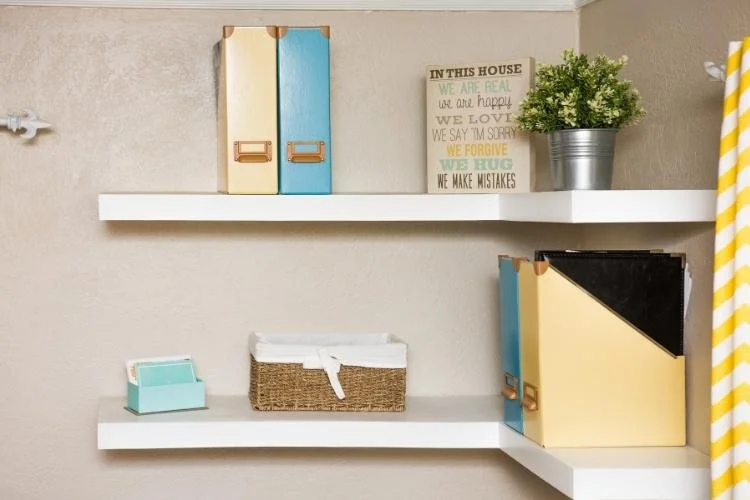
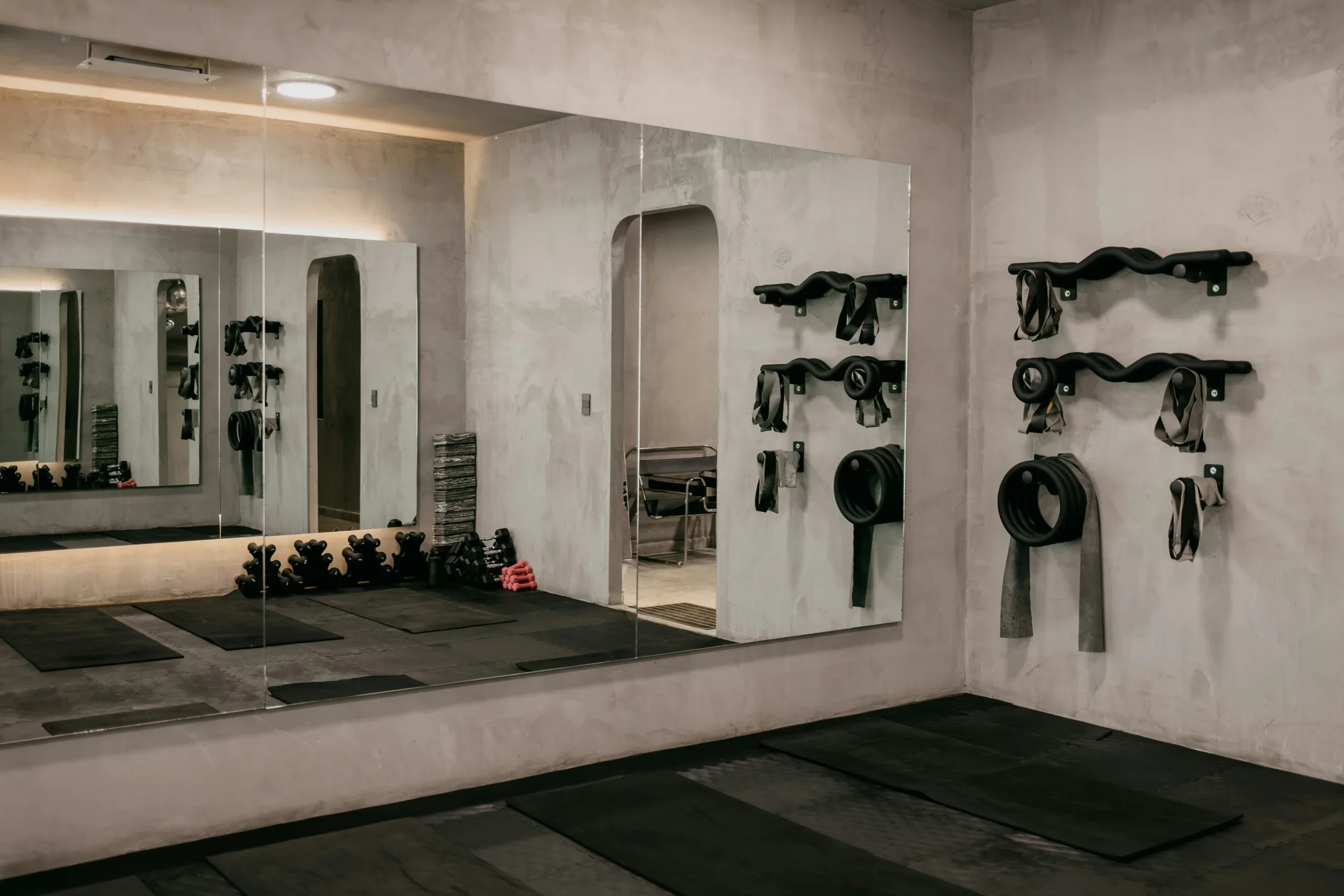
Consider installing sturdy shelving, weight racks, or wall-mounted organizers. Keep frequently used items within easy reach while ensuring heavier equipment is stored securely. A designated place for everything helps preserve valuable workout space and reduces tripping hazards.
8. Create Separate Zones for Different Exercises
You do not need a massive basement to build a versatile home gym. Dividing the available area into dedicated workout zones can help you accommodate multiple activities without making the room feel crowded.
For example, position cardio machines along one wall, create a separate strength-training area, and leave an open section for stretching or bodyweight exercises. Maintain sufficient clearance around equipment and keep doorways and exits unobstructed.
9. Make Your Gym Comfortable Enough to Use Every Day
Small finishing touches can make a significant difference in how often you use your basement gym. Appropriate insulation and temperature control can help maintain comfort throughout the year, while fans and effective ventilation can improve airflow during demanding workouts.
Mirrors can help you monitor exercise form and make the room appear more spacious. You might also consider sound management, a convenient water station, and a dedicated spot for towels and workout accessories.
10. Check Every Detail Before Your First Workout
Before using your new gym, take time to inspect the finished space. Check that flooring is secure, equipment is stable, and workout areas have sufficient clearance. Test lighting and ventilation, and confirm that electrical installations operate properly.
Make sure emergency exits remain accessible and follow manufacturer instructions when assembling or positioning fitness equipment. If any renovation or installation concerns remain, have the appropriate professional address them before regular use.
Turn Your Basement Into a Space That Keeps You Moving
Creating the perfect basement gym involves more than adding exercise equipment. Careful planning, professional renovation work, moisture management, and smart design all contribute to a functional workout environment. By starting with Devrye Renovations, exploring equipment options through Fitness Experience Inc., and following these practical steps, you can transform an underused basement into a fitness space that supports your routine and makes exercising at home more convenient.
Stay up to date with our latest ideas!