Is a Double Bathroom Vanity Worth It for a Shared Bathroom?
Is a double bathroom vanity worth it for a shared bathroom? Explore the benefits, drawbacks, space requirements, and practical tips before buying.
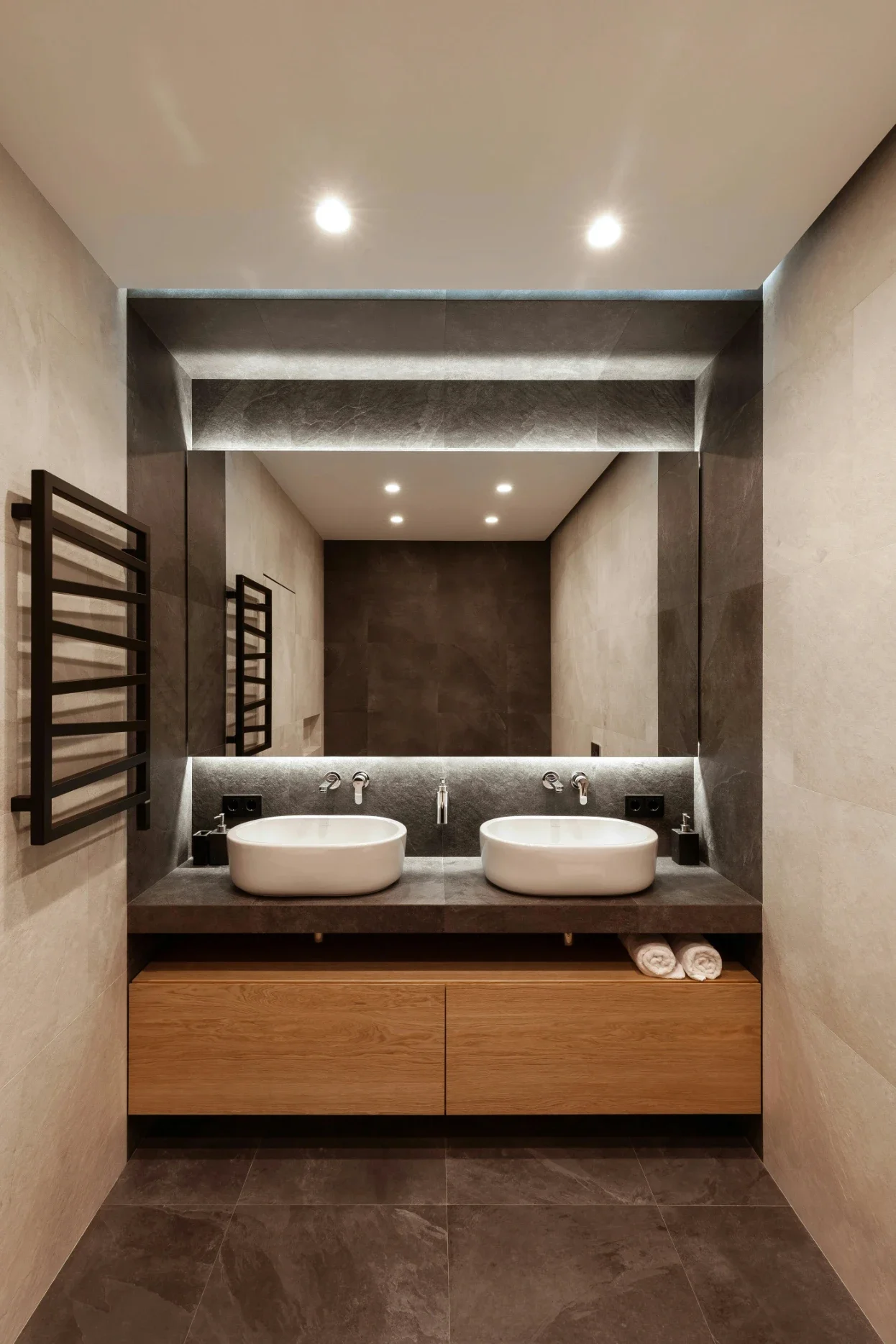
A double vanity can reduce morning bottlenecks, but adding a second sink is not always the best use of space. The right choice depends on how two people use the bathroom, the available wall width and the storage sacrificed to plumbing.
What should you compare before making a decision?
Start with the intended use, the space available and the features that will affect daily comfort. The comparison below is a planning aid, not a substitute for product dimensions or installation instructions.
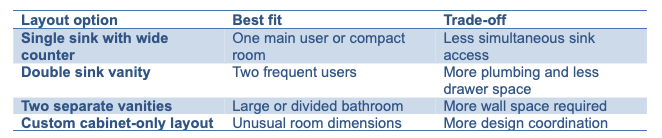
How wide should a double vanity be?
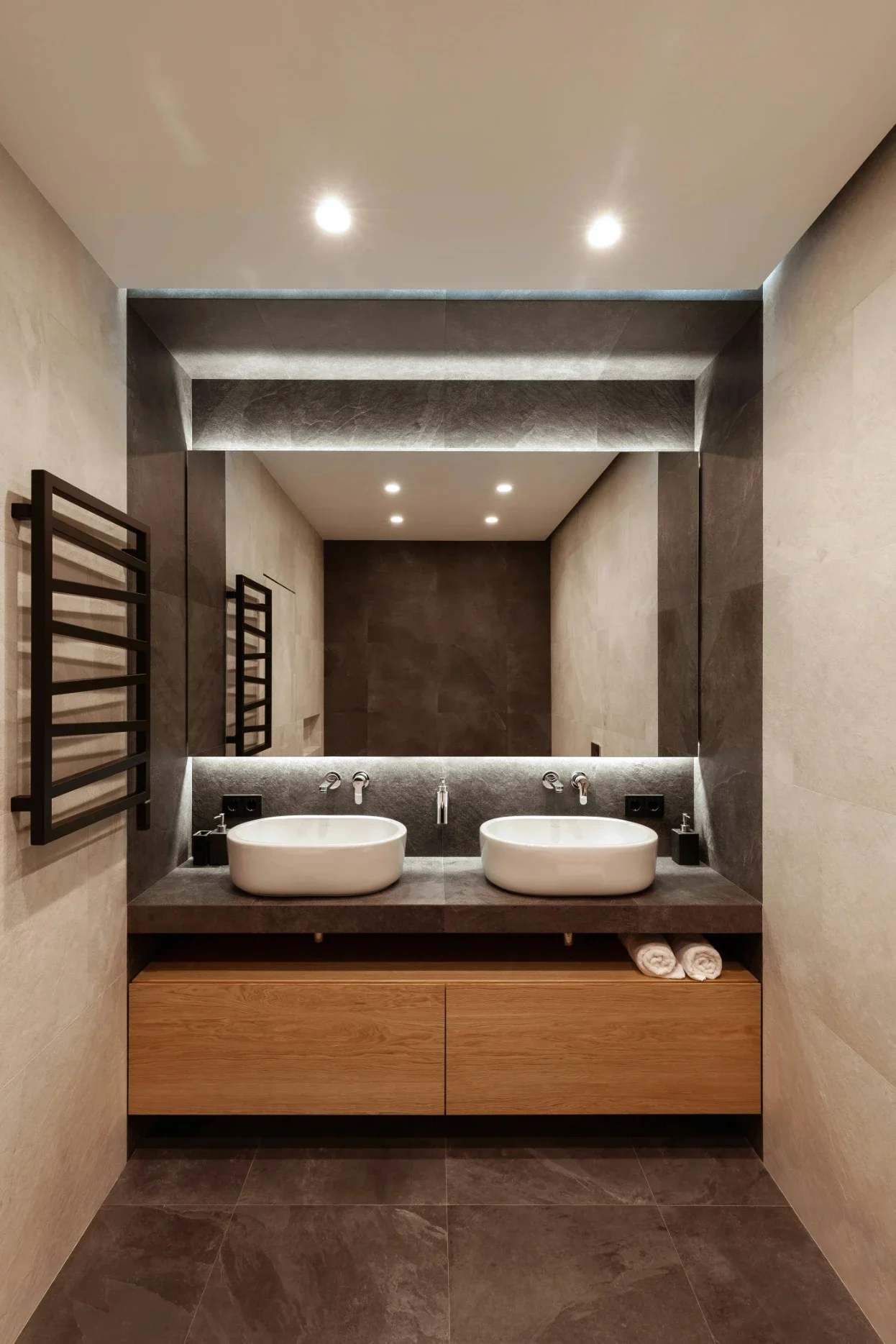
Many double-sink units begin around 60 inches wide, but product dimensions and bowl spacing vary. Do not assume a nominal width guarantees comfortable elbow room. Measure mirror, faucet and drawer clearances as well.
Is a double sink always better for couples?
Not necessarily. If users rarely get ready simultaneously, a long single-sink counter may provide more useful work surface and storage. A double sink makes the most sense when both basins will be used at the same time.
What plumbing changes are required?
A second basin may require changes to supply lines, drains and venting, depending on the existing configuration and local code. Ask a qualified plumber to assess the layout before ordering the vanity.
How do you keep a double vanity organized?
Look for separate drawer zones, accessible outlets and a shared middle section for less frequently used items. Plan mirrors and lighting around the actual sink centers, not simply the cabinet edges.
What steps should you take before buying or installing?
Measure the wall and adjacent door or shower clearances.
Observe whether both users need sink access at the same time.
Check drawer storage after accounting for two drain assemblies.
Confirm plumbing, mirrors and lighting before placing an order.
Treat the measurements and installation conditions as a final checkpoint. If the project involves new wiring, structural support or changes to plumbing, consult a qualified professional and follow the product instructions and applicable local requirements.
What mistakes are easiest to avoid?
A frequent mistake is ordering from the nominal cabinet width without checking the full specification sheet. Handles, countertop overhangs, plumbing and door swings can all change the fit. Another is choosing a finish from a screen alone: compare physical samples under the bathroom’s actual lighting. Finally, confirm what the quoted price includes. The countertop, basin, faucet, backsplash, delivery and installation may be separate line items, and those costs can materially change the comparison.
Think about cleaning and access as part of the design, too. Deep drawers may be more practical than doors in some layouts, but only if the drain assembly leaves enough clearance. A beautiful cabinet that blocks a nearby door or lacks room for daily supplies will be frustrating long after the renovation is finished.
Where can you compare suitable options?
For a useful starting point, browse double bathroom vanities to compare shapes, finishes and specifications. If your plan calls for an alternative look or configuration, review vanities without tops as well. Comparing actual dimensions and included components helps narrow the shortlist before purchase.
What questions do homeowners ask most often?
Can a double vanity fit in a small bathroom?
Sometimes, but walking clearance and usable counter space should take priority over sink count.
Are two mirrors better than one?
Either can work. Two mirrors emphasize separate stations; one large mirror can make the room feel more open.
What is the main takeaway?
The best choice is the one that fits the room, supports its daily routines and remains practical to maintain. Begin with measurements and functional needs, use visual style to refine the shortlist, and verify product specifications before committing. A thoughtful plan usually delivers better long-term results than choosing by appearance alone.
Stay up to date with our latest ideas!