Why Your Garage Smells Musty and How Moving Air Can Fix It
Discover why your garage smells musty and how better airflow, moisture control, ventilation, and simple maintenance can eliminate odors and prevent mold.
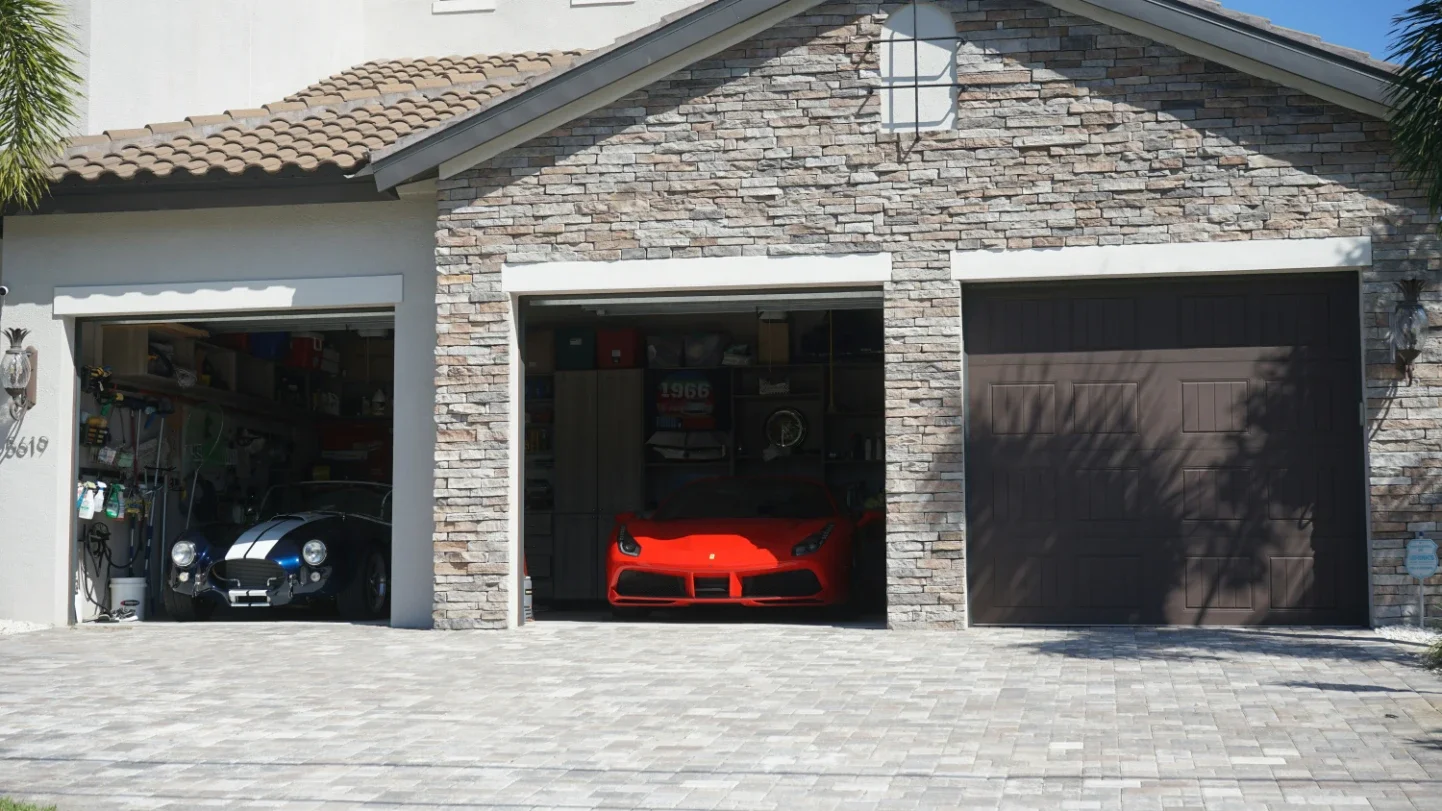
Have you opened your garage and caught a stale, damp smell? You are not alone. Many people store holiday boxes, sports gear, and old books out there. Then one day, everything smells like a wet basement. The cause is often simple. Air just sits in the garage and never moves. In this article, you will learn why that happens. You will also learn easy ways to fix it, without a big budget.
Still Air Is the Real Troublemaker
Most of us blame leaks for a musty garage. Leaks can matter, but there is more to the story. A garage is a big box with few windows. Warm air and cool air mix at the walls and floor. Moisture then settles on cold concrete and cardboard. When the air stays still, that moisture has nowhere to go. Over time, it can lead to mold and rust. High humidity can also harm tools, electronics, and other stored items. So the goal is simple. Keep the air moving, and keep stuff dry.
Moving air will not cool the room like an air conditioner does. Still, it helps a lot. Fresh airflow keeps damp spots from lingering. It also makes the space feel lighter when you walk in. Luckily, garage ceiling fans can help with that. A fan pushes air across the whole space, so corners and shelves get a breeze too. It also works well when the door is closed, which is when musty air builds up most.
Pick the Right Fan for a Damp Space
Not every fan suits a garage. Since garages can be humid, a damp-rated fan is a smart pick. If your garage stays open to the weather, choose a wet-rated one. Height matters too. A fan must hang at least seven feet above the floor. If your ceiling is low, try a low-profile model. If it is tall, a downrod fan moves air better. A remote is handy as well. You can change speeds without stopping your project.
Size counts, too. Small garages do fine with a mid-size fan. Large garages may need a bigger blade span. Measure your space first. A quick tape measure and a little math go a long way. Guessing often leads to a fan that is too small. Then match the fan to the room size. Doing this keeps air from stalling in the back corners.
Smart Storage Habits That Help Airflow
A fan works best when air can travel. So, give your stuff some room. Here are simple habits that make a big difference.
First, lift boxes off the floor. Concrete holds cold and moisture. Plastic shelves or pallets work well. Next, leave a few inches between items and the wall. This gap lets air slide behind your boxes. Also, swap old cardboard for lidded plastic bins. Cardboard soaks up moisture easily. Finally, wipe metal tools and add a light coat of oil before storing them.
Your garage walls matter too. Adding garage insulation helps keep the temperature steady through the year. Steady temperatures mean less condensation on cold surfaces. Then a fan can keep the air fresh while the insulation does its job. Together, they protect your things and your nose.
Know Your Numbers before You Buy More Gear
Guessing gets old fast. A small humidity gauge costs little and tells you the truth. Check it in the morning and at night. Do this for a week. Then you will see patterns. Above 50 percent, mold risk goes up.
If the reading stays high, add a dehumidifier. A fan and a dehumidifier make a great pair. The fan spreads the dry air, and the dehumidifier pulls water out of it. Aim for the ideal garage humidity level, which is 30 to 50 percent. Also, fix small leaks and seal the bottom of your garage door. Then open the door on dry, breezy days. Last, run the fan for a few hours after wet weather. That helps damp surfaces dry faster.
A Simple Weekend Plan
Here is an easy way to start. On Saturday, place a humidity gauge on a shelf. Next, move boxes off the floor and away from walls. Then toss anything that smells moldy. Wipe down metal tools and store them in a closed case. On Sunday, measure your ceiling height and garage size. Pick a fan that fits both. Finally, install it, or ask a licensed electrician to help. Wiring a fan is not a job for guessing.
After a week, check the gauge again. You should see steadier numbers and smell a fresher garage. Small steps add up, so stay patient.
Final Thoughts
A musty garage is not something you have to live with. Most of the time, the fix is simple. Keep air moving, keep items off wet surfaces, and watch your humidity. Add a good fan, and your garage can feel fresh again. Your holiday decor, tools, and old photo boxes will thank you. Best of all, you will enjoy walking into a space that smells clean and feels ready for use. Remember, you do not need a full remodel. Start small, track your progress, and adjust as you go.
Stay up to date with our latest ideas!