Built-In Storage: A Feature That Quietly Wins Over Practical Buyers
Discover how built-in storage adds functionality, reduces clutter, maximizes space, and appeals to practical homebuyers seeking organized, efficient living.
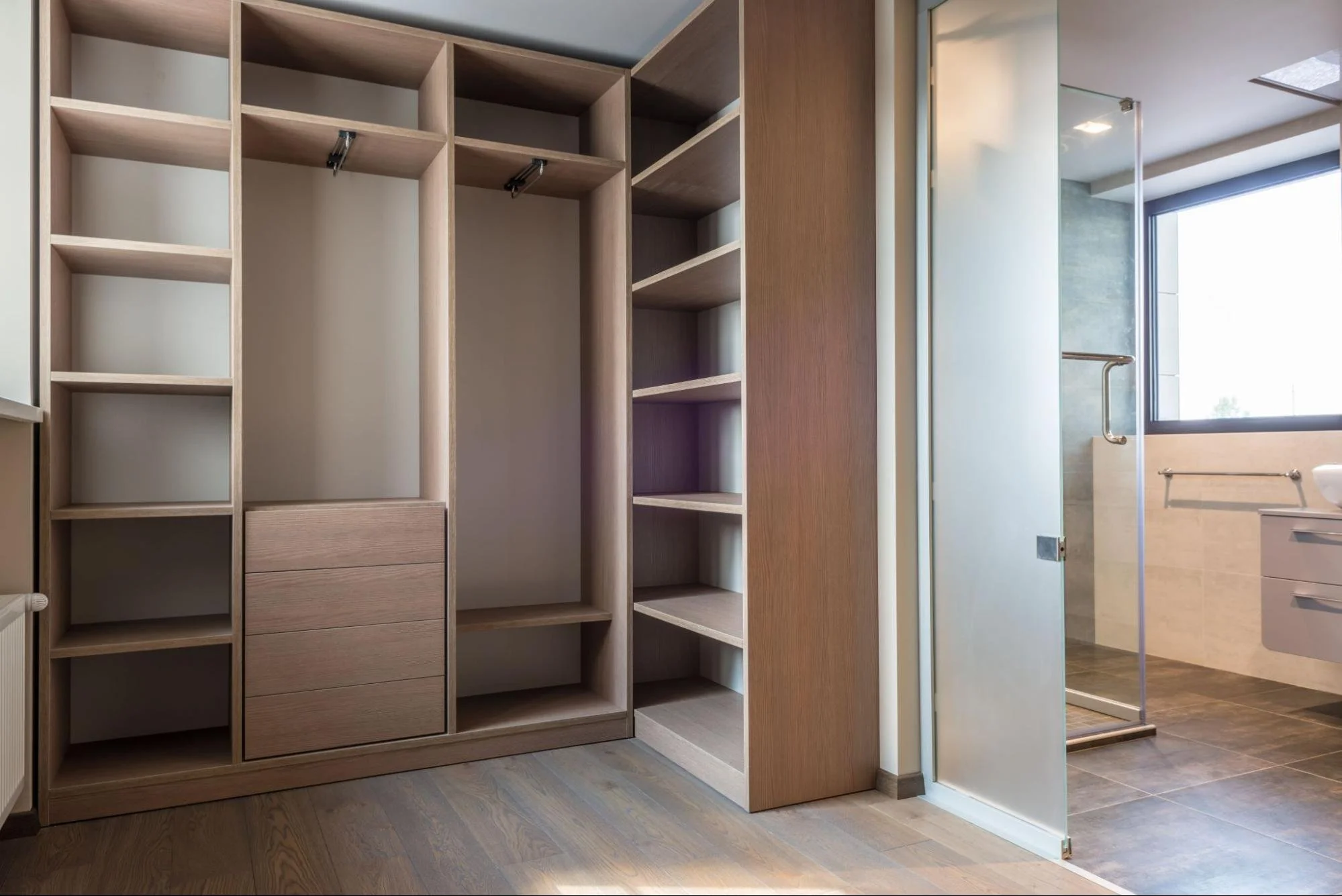
A beautiful room gets attention, yet storage makes a home easier to live in. Built-in shelves, cabinets, window seats, mudroom cubbies, and fitted closets solve everyday problems without taking up extra floor space. Practical buyers often look past trendy finishes to see whether a home can handle real life.
Storage has a job to do. It keeps clutter under control, makes awkward spaces useful, and helps buyers picture where their belongings would go.
Why Practical Buyers Notice Storage First
A home can look polished during a showing and still feel difficult to use. Loose furniture may fill corners, closets may be shallow, and everyday items may have nowhere to land. Built-in storage addresses those issues directly.
For buyers who value function, storage can signal careful planning. A narrow wall with cabinets, for example, may turn an unused area into a useful work zone, while drawers under a staircase can handle shoes, bags, or household supplies.
1. Fitted Closets That Make Bedrooms Work Harder
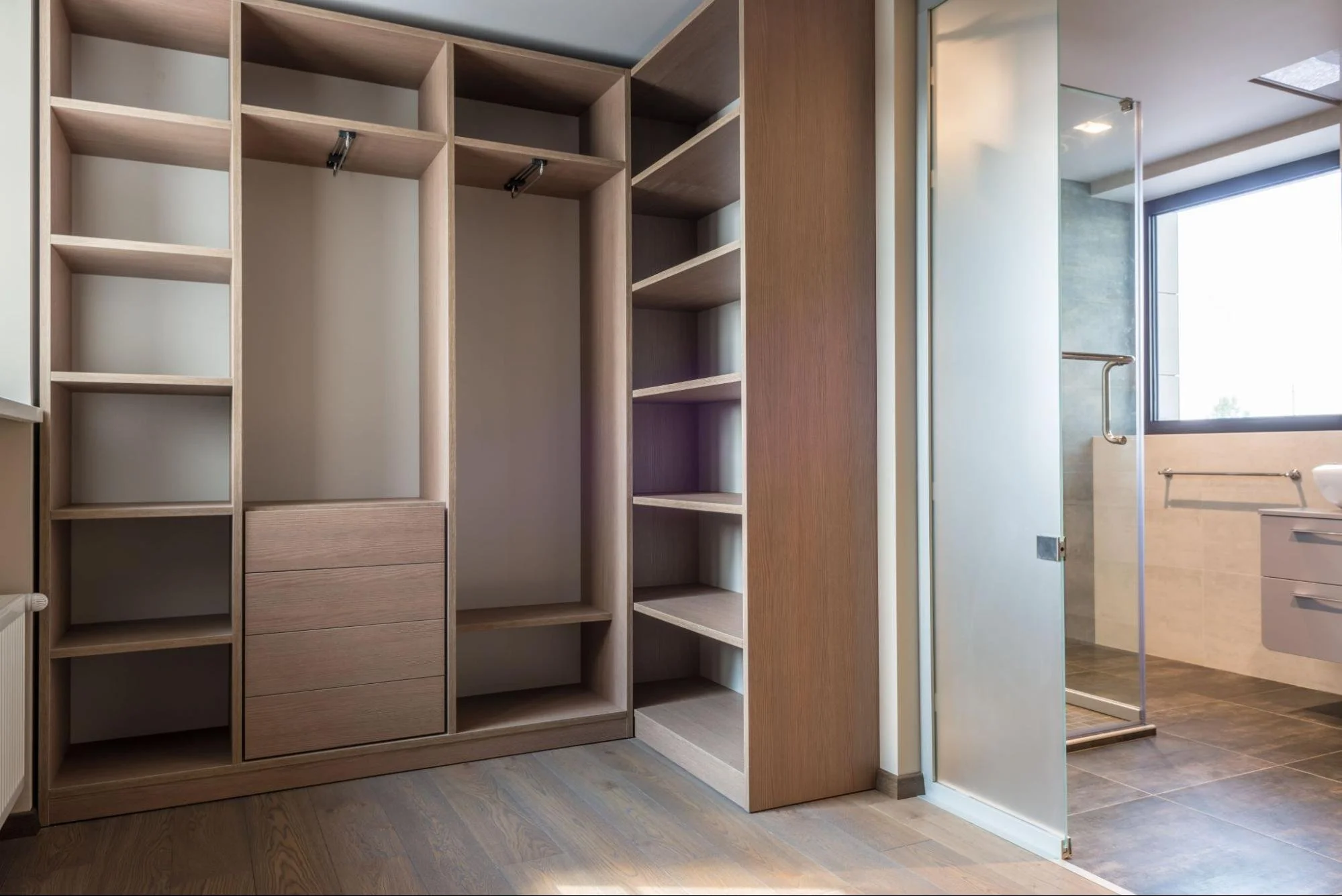
Built-in bedroom storage can make a modest room feel organized without crowding it with large wardrobes. Floor-to-ceiling cabinets use vertical space, while drawers and shelves separate clothing, shoes, accessories, and folded items.
A fitted closet can be tailored to the room. Sliding doors may help in tight spaces, while adjustable shelves give buyers more flexibility.
2. Entryway Storage That Stops Clutter at the Door
Entryways are busy transition points, so built-in storage can have an outsized effect. A bench with drawers, hooks above a seat, or tall cabinets can give shoes, coats, bags, and seasonal items a clear home.
This type of storage makes the first few steps inside feel calmer. Instead of scattered shoes and jackets, buyers see a space designed around daily routines. For homeowners considering different selling routes, resources like we buy houses Springfield MA may enter the conversation, while the storage should still be presented clearly and honestly.
3. Kitchen Storage That Keeps Daily Tasks Moving
Built-ins can improve appearance and workflow. Tall pantry cabinets, pull-out shelves, appliance garages, drawer organizers, and built-in recycling stations can reduce visual clutter.
Good kitchen storage keeps common items within reach. Pots can sit near cooking areas, baking supplies can have a dedicated section, and less-used appliances can stay behind cabinet doors. Buyers notice when a kitchen seems ready for everyday use.
Cabinets should not create cramped walkways or block doors and appliances. Storage works best when it supports movement.
4. Living Room Built-Ins That Give Everything a Place
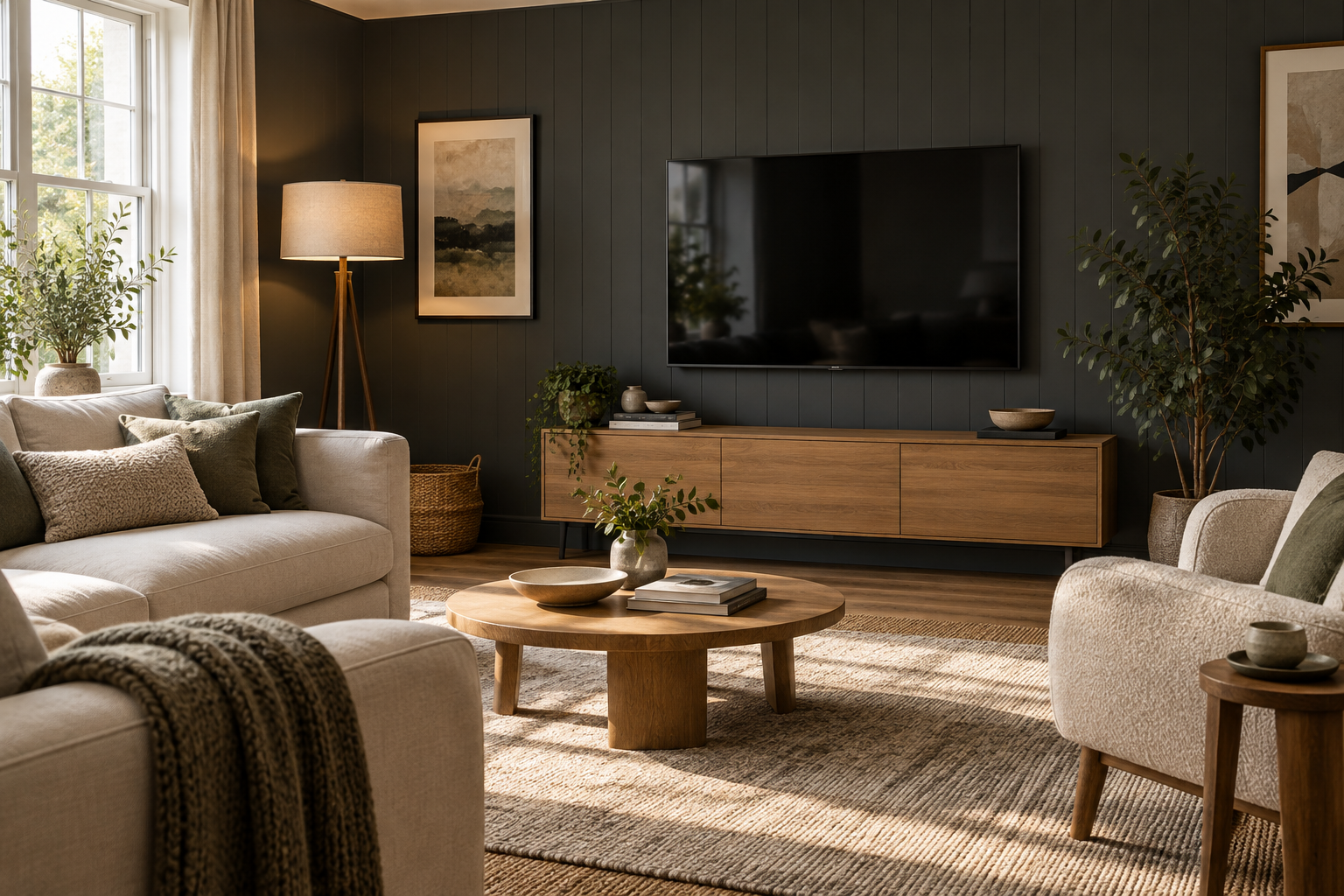
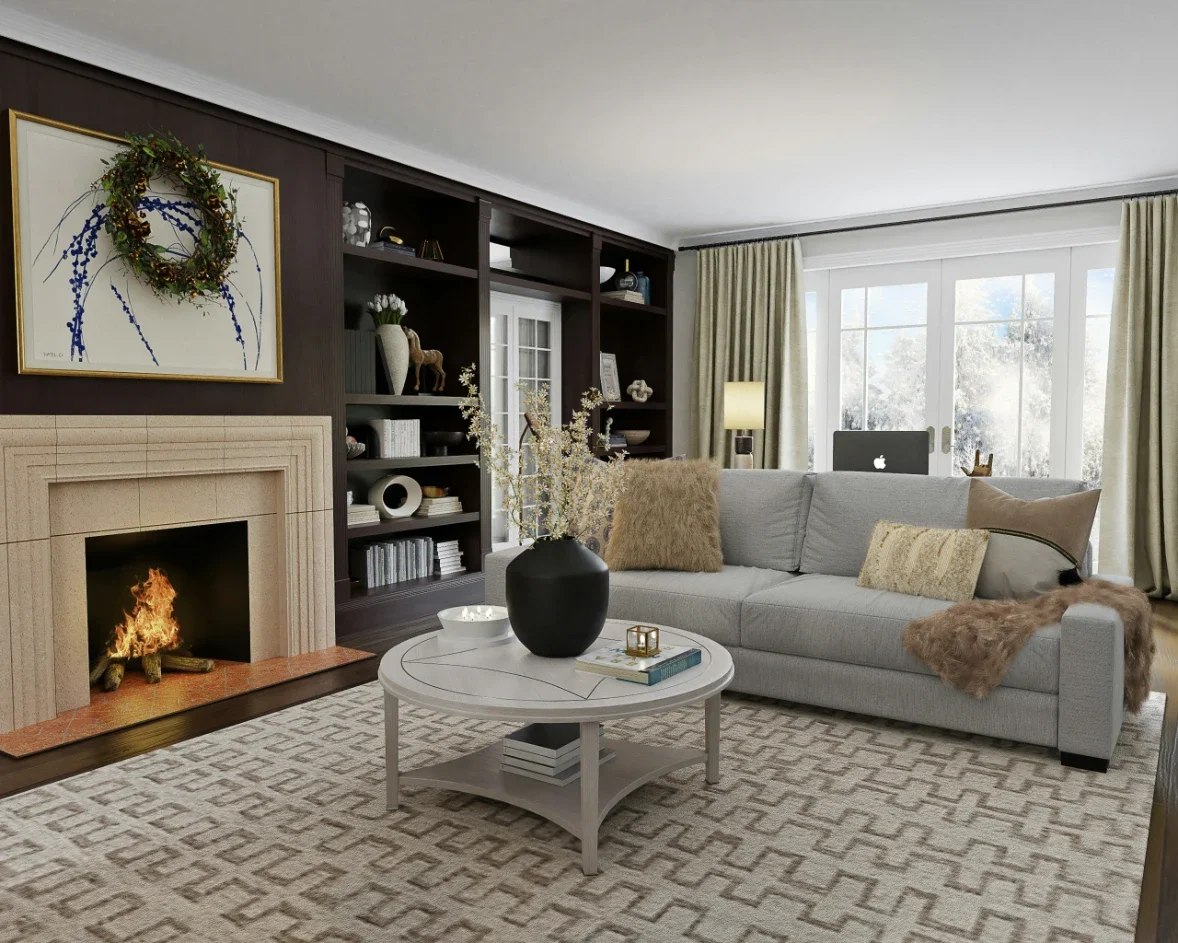
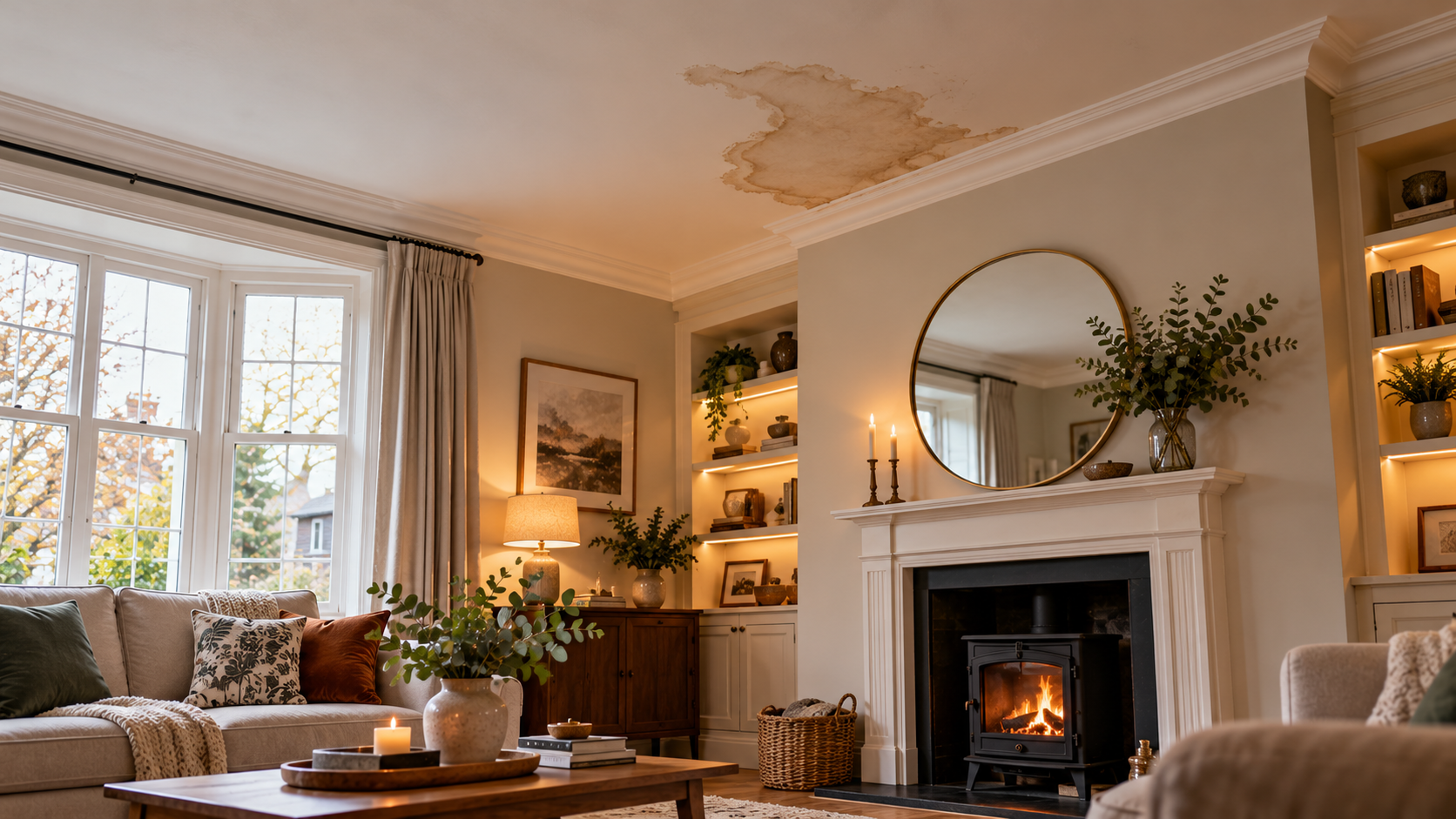
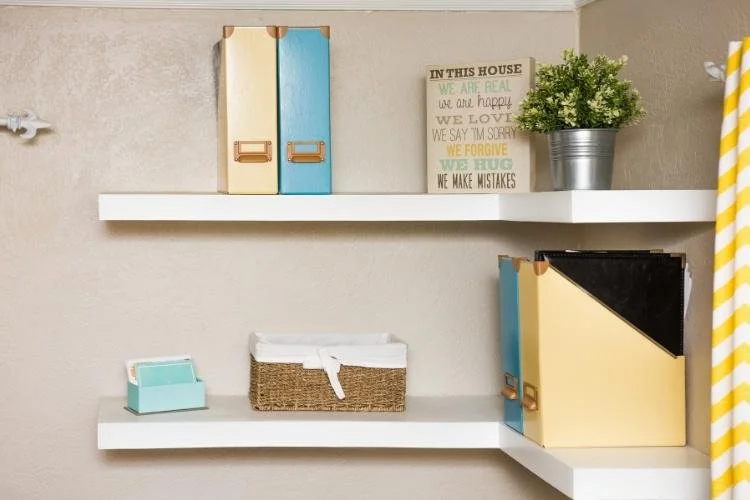
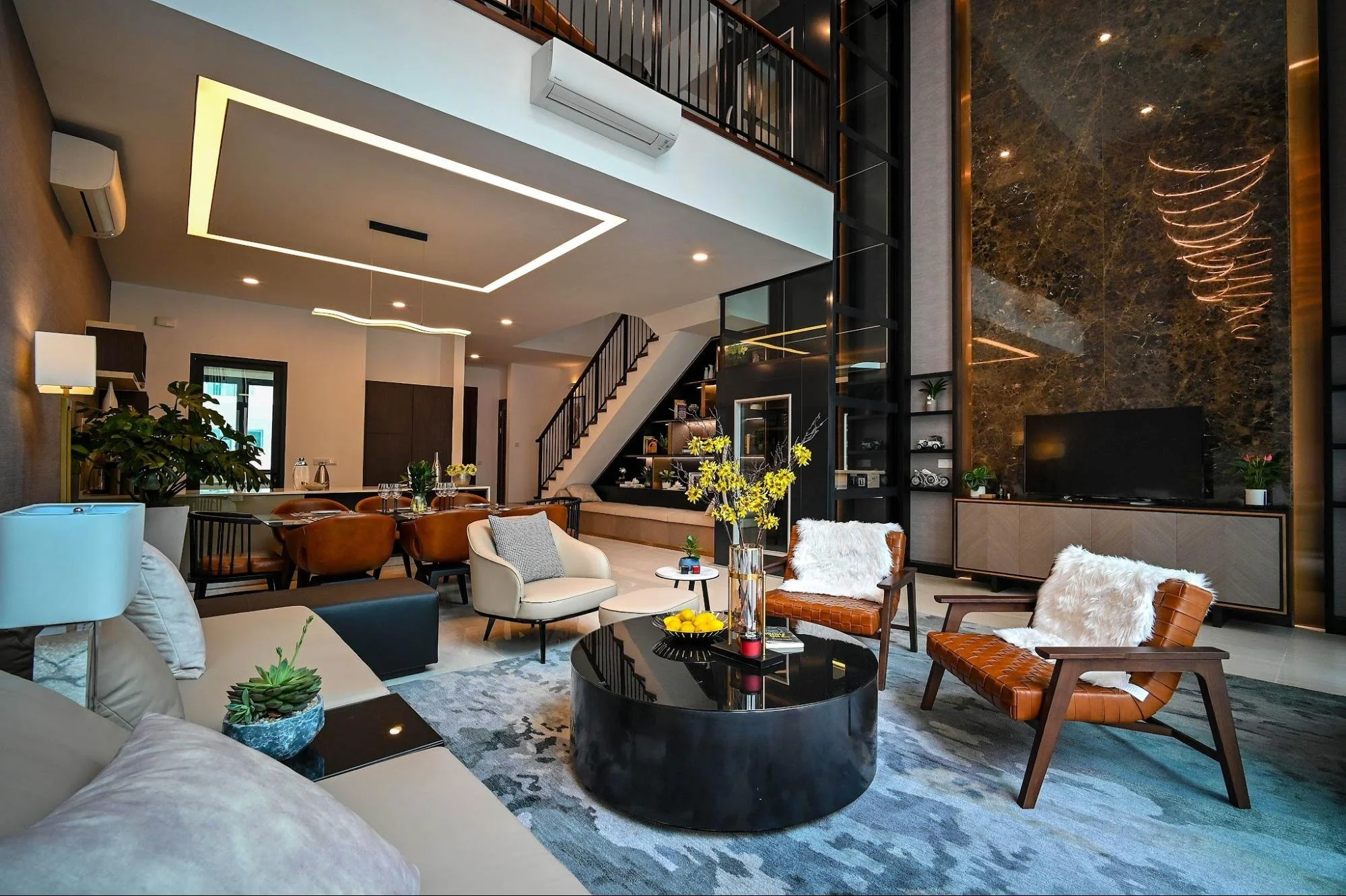
Living rooms often need to handle several jobs at once. Built-in shelving around a television, low cabinets beneath windows, or mixed storage can keep books, electronics, games, and display pieces organized.
A useful built-in does not need to dominate the room. Closed storage hides everyday clutter, while open shelves give residents room to show art, books, or personal items.
Scale matters. Oversized cabinetry can make a small room feel heavy, while undersized shelves may look disconnected from the wall. A well-proportioned design should feel like part of the room.
5. Bathroom Storage That Makes Small Spaces Easier
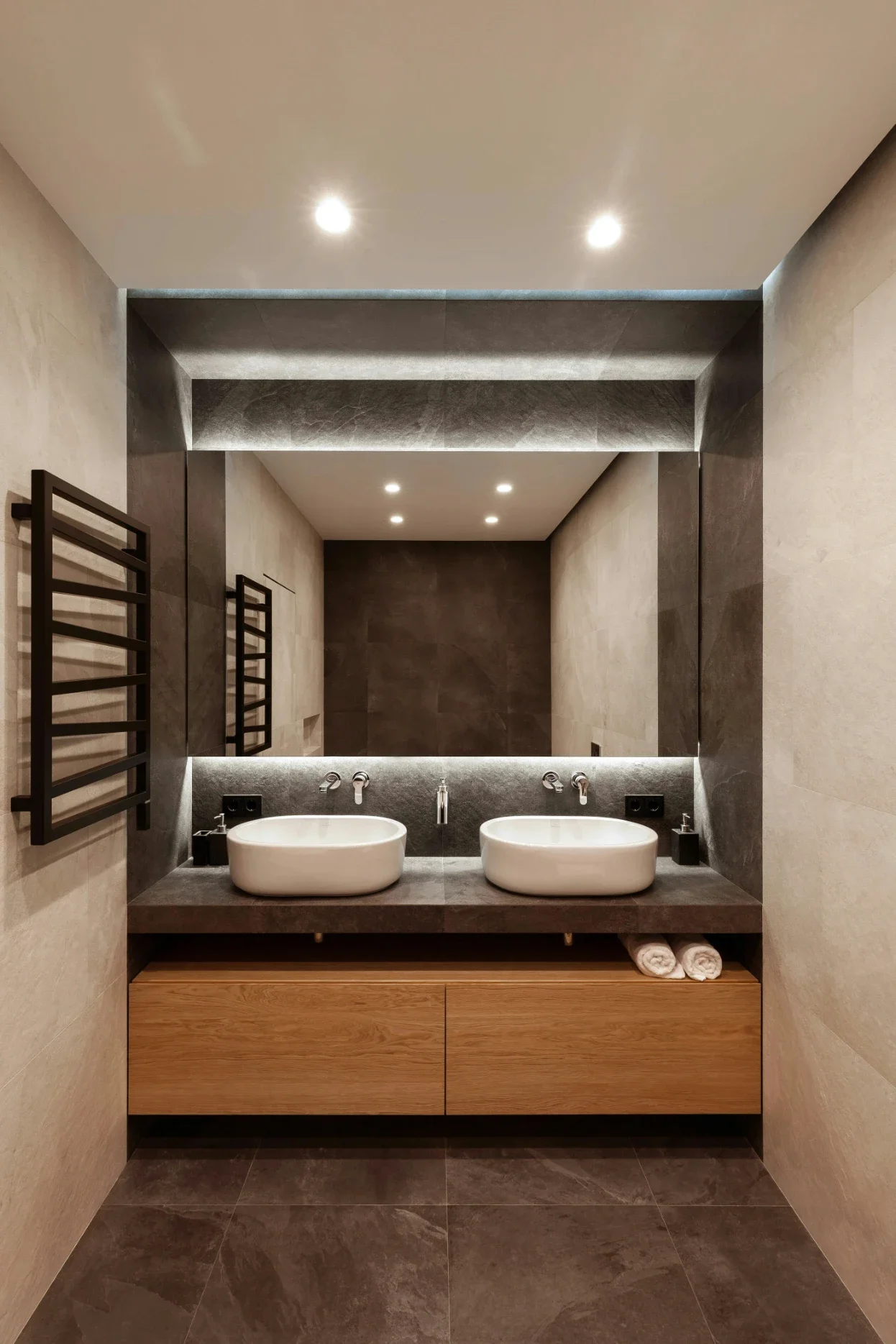
Bathrooms benefit from storage that uses overlooked areas. Recessed medicine cabinets, vanity drawers, tall linen cabinets, and narrow shelving can hold toiletries and towels without taking over the floor.
In smaller bathrooms, every inch matters. A recessed cabinet can use wall depth, while a slim tower may fit beside a vanity. Buyers may notice durable hardware, sensible shelf spacing, and moisture-ready materials.
6. Mudroom Storage Built Around Real Routines
A mudroom or laundry entry can become a home for built-in cubbies, hooks, benches, and cabinets. These features help separate outdoor gear from the rest of the house and give everyday items a defined place.
A strong setup considers how people enter. Frequently used coats should be easy to reach, while seasonal gear can go higher. A bench adds a practical place to sit while putting on shoes.
What Makes Built-Ins Feel Worth Keeping
Good built-in storage starts with a clear purpose. Buyers appreciate a cabinet wall more when they can immediately see what it is meant to hold. Storage should solve a problem, not fill a blank wall.
Materials and hardware matter too. Solid construction, smooth drawers, sturdy hinges, and matching finishes can make built-ins feel permanent and intentional.
Flexibility adds another layer of appeal. Adjustable shelves, removable organizers, and mixed storage sizes allow the system to change as household needs change. Practical buyers think beyond move-in day, so adaptable storage can make a space easier to imagine.
Smart Storage Can Shape a Buyer’s First Impression
Built-in storage rarely gets the same attention as a dramatic kitchen island or striking light fixture. Its appeal is quieter. It shows up when a buyer opens a closet, walks through an entryway, or looks for a place to put everyday belongings.
That quiet usefulness can stand out. A home with thoughtful storage feels organized and easier to live in. When each cabinet, shelf, drawer, and cubby has a clear role, the design works for the people who use it.
For sellers, the goal is not to add storage everywhere. Highlight storage that solves real problems, keep it clean and accessible, and make its purpose easy to see. For buyers, those details can reveal how comfortably a home may fit daily routines. Practical features do not always shout. Sometimes, they simply make a home feel right.
Stay up to date with our latest ideas!