How Huntsville Interior Design Can Make Pest Warning Signs Easier to Notice
Learn how Huntsville interior design choices can make pest warning signs easier to notice through better lighting, furniture placement, storage, and visibility.

A well-furnished room can hide a lot. A sofa pushed flush against the wall, a bookcase built into every alcove, and a stack of baskets in the corner all look tidy, but they also cover the places where droppings, shed skins, and gnaw marks first appear. Pests rarely announce themselves. They leave small clues in spots that nobody sees for months. Interior design affects how quickly those clues come to light. The sections below explore how furniture placement, built-ins, storage, and wall finishes can hide or reveal early signs, and which design habits make a home easier to inspect.
How Layout Hides or Reveals Early Evidence
Early evidence is small. A few mouse droppings, a pile of fine dust below a baseboard, a line of ants along a cabinet edge, or a single shed insect skin can mean a pest has settled in. In an open, uncluttered room, these clues show up during ordinary cleaning. In a crowded one, they sit undisturbed.
Humid Huntsville summers raise the stakes, since moisture and warmth help many insects thrive indoors. A pest that finds a protected corner can reproduce for weeks before anyone sees it. Rooms with permanently crowded spaces behind sofas, beds, and heavy furniture give pests a head start.
The goal is not to strip a home of furniture. It is to design so that every part of a room can be seen or reached without a major effort. A layout that permits a quick look along the wall and floor turns a hidden problem into a visible one.
Furniture Placement and Small Inspection Gaps
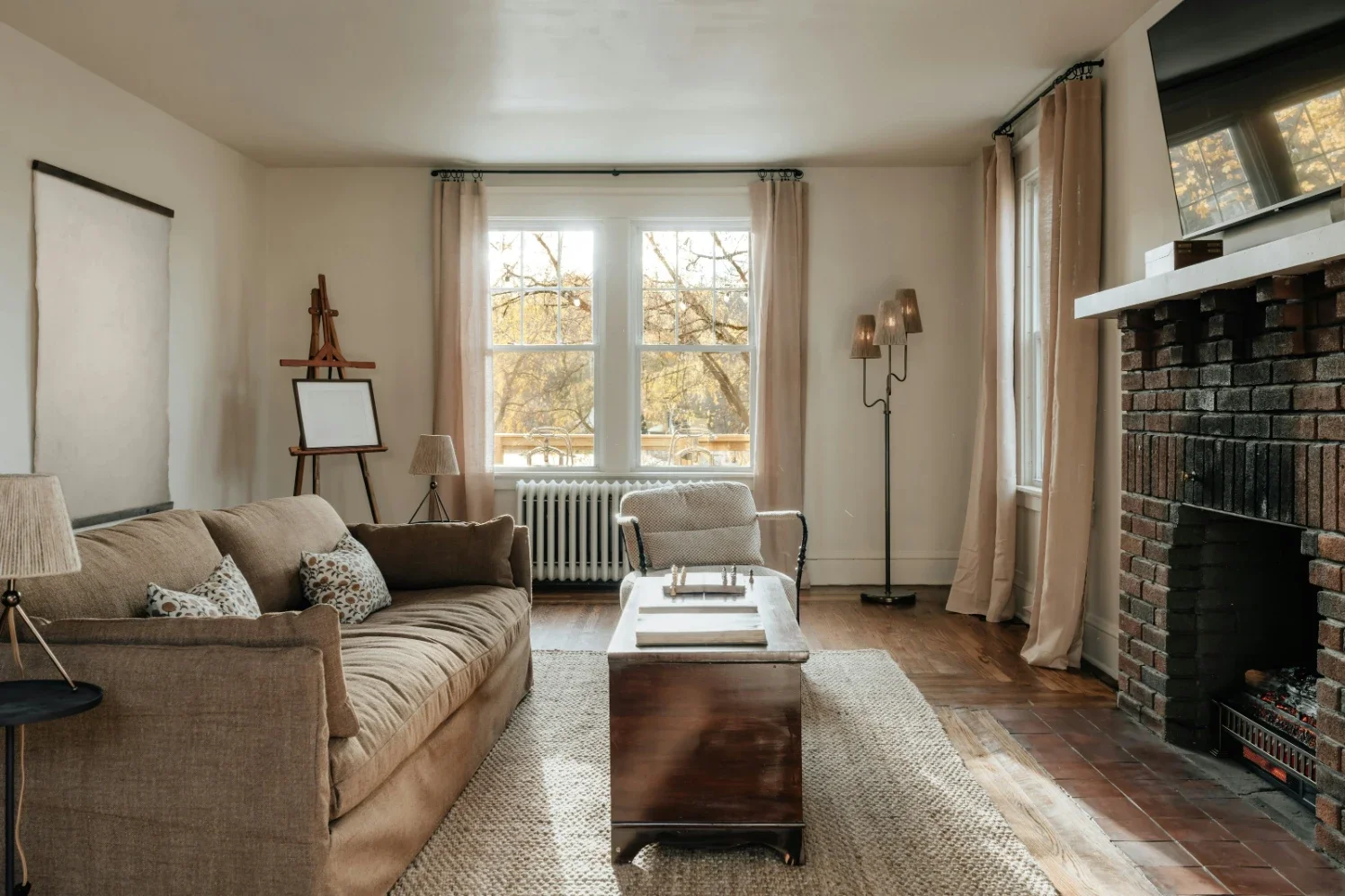
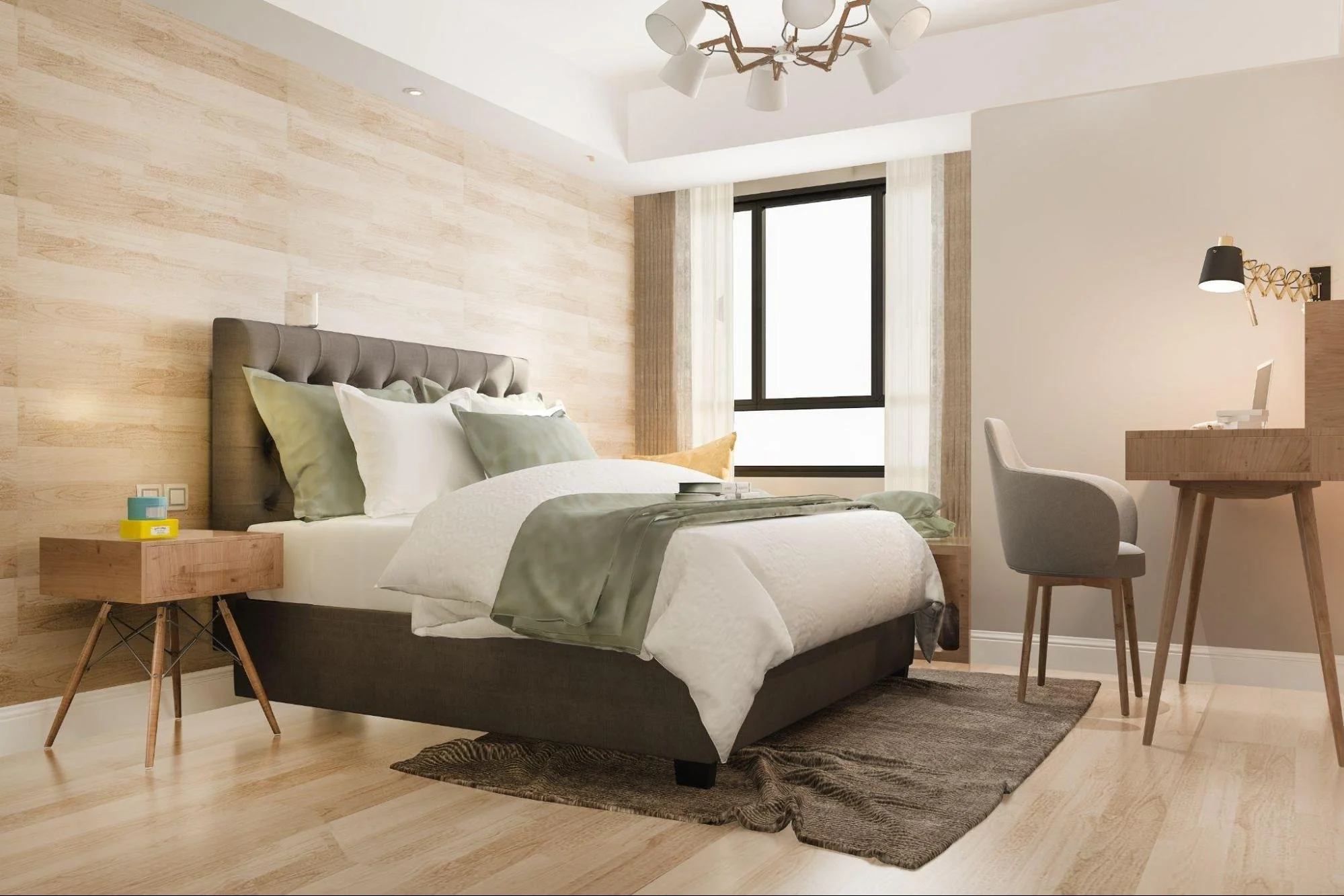
A small gap makes a surprising difference. Pulling a sofa, dresser, or bed a couple of inches from the wall allows air to circulate and lets you run a flashlight along the baseboard. A gap that wide also stops dust and moisture from collecting in a tight pocket, which discourages silverfish and mold.
Furniture on legs works better than pieces that sit flat on the floor, since you can see and vacuum underneath. Heavy items such as wardrobes and bookcases should be positioned so that at least one side can slide out or be tipped for inspection. Avoid pushing every piece into a corner, where two walls meet and pests tend to travel.
Inspectors from Wayne's Pest Control serving Huntsville often start with these same gaps, because droppings and webbing tend to collect there first. If unexplained signs turn up behind a piece of furniture, a professional can check the wall void and the floor line for entry points that a homeowner cannot easily see.
Built-Ins, Cabinets, and Permanent Storage
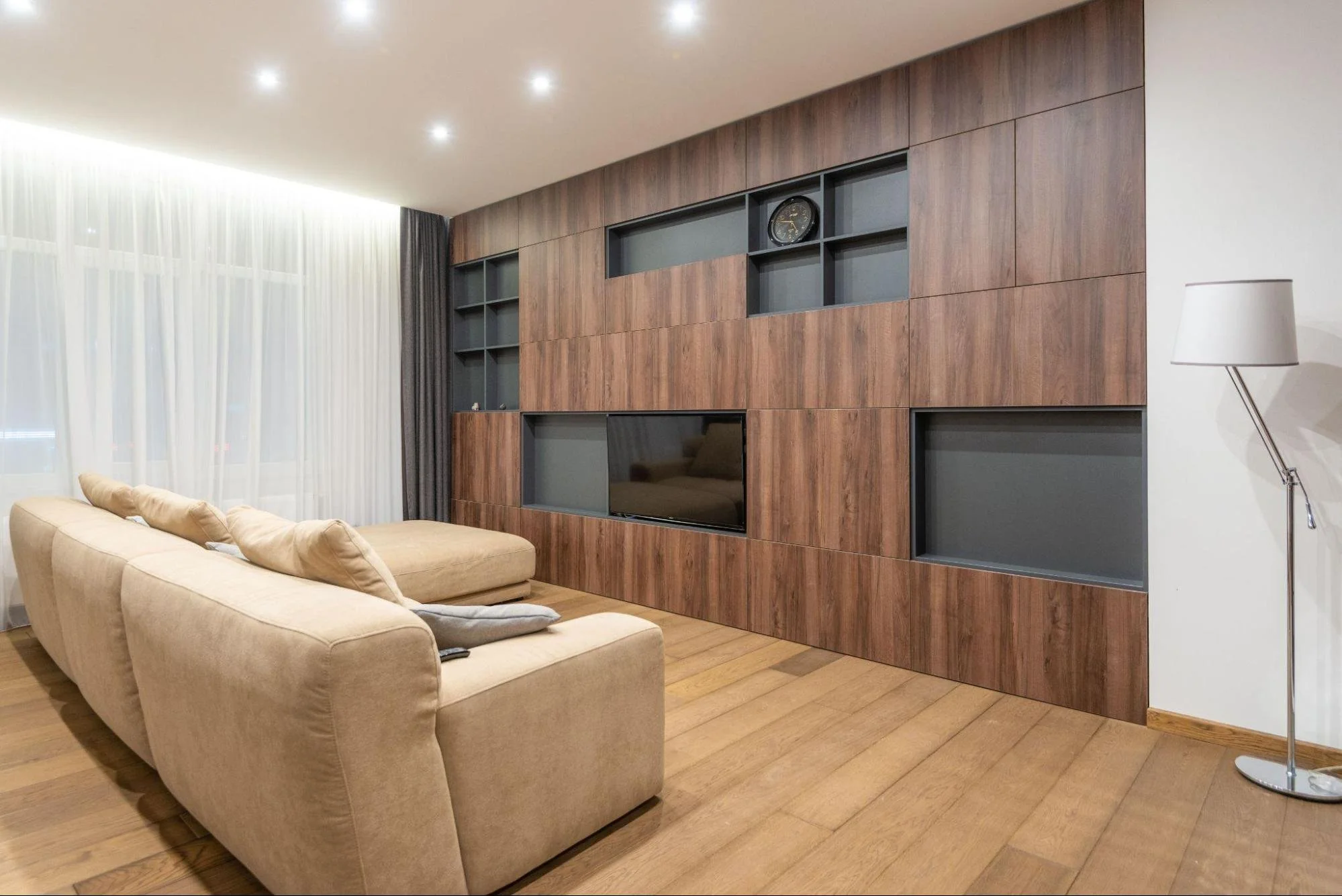
Built-in cabinetry creates hidden voids by design. The space behind a toe kick, the gap above a cabinet, and the cavity beside a built-in bookshelf are all dark, dry, and undisturbed. Mice often nest in such voids, and cockroaches use the warmth around appliances.
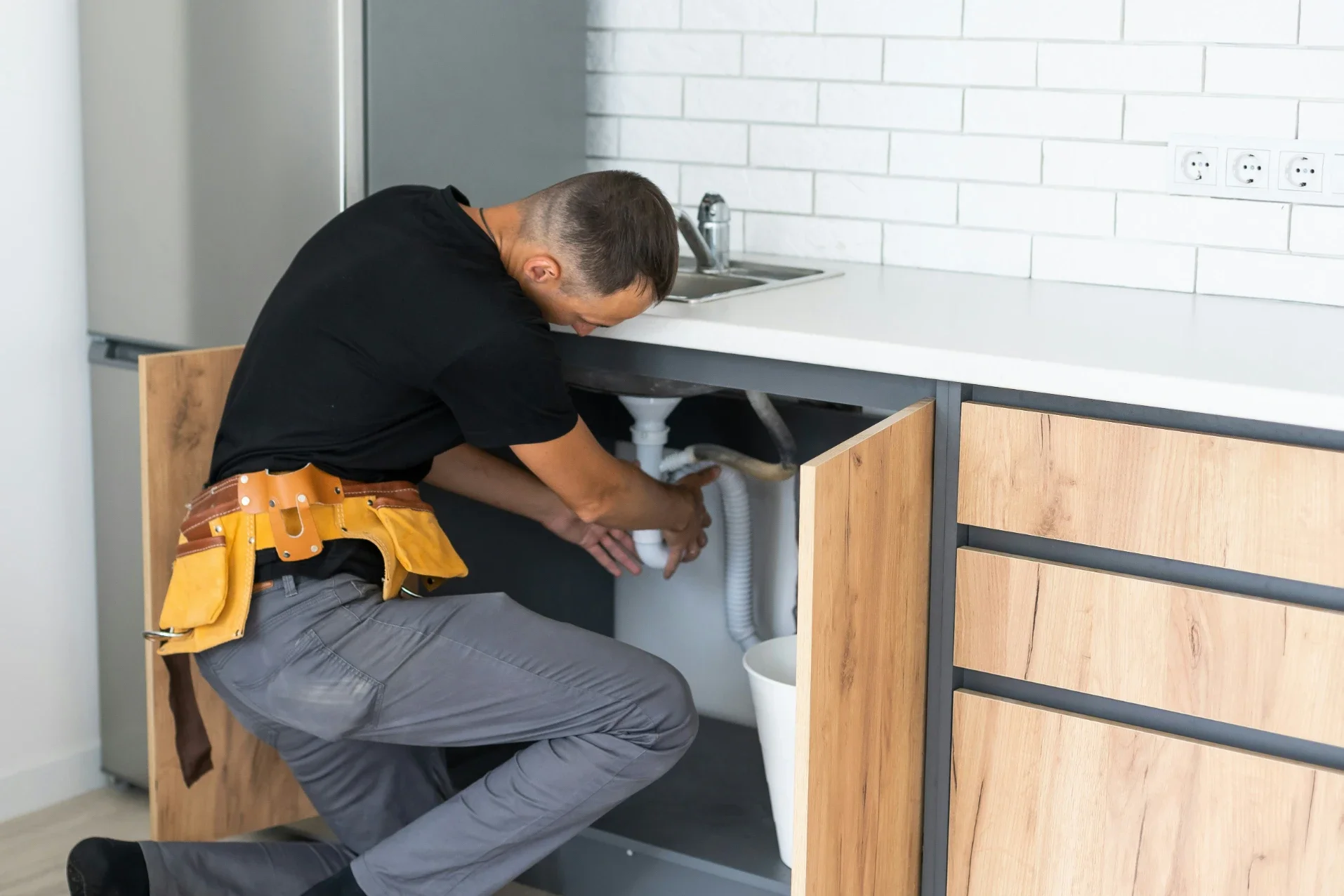
Design choices can reduce the problem. Leave small access panels where plumbing or wiring passes behind cabinets, and make sure the panels open without special tools. Keep under-sink cabinets clear enough to see the pipes and the back wall, since leaks and pest signs both begin there. Use sealed storage bins in cabinets rather than loose paper or cardboard.
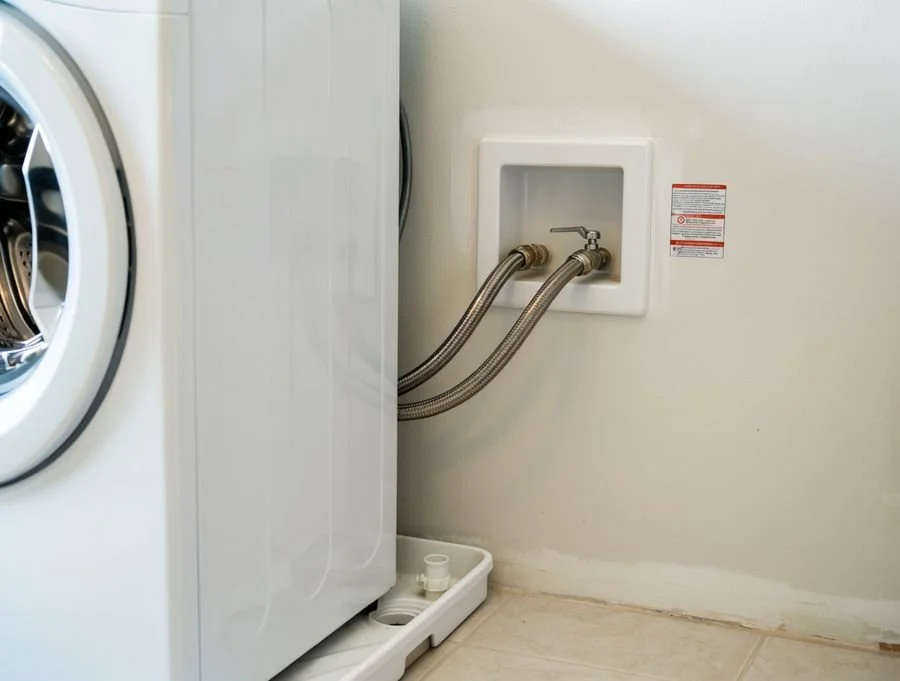
Kitchen and laundry areas deserve special care because they combine water, food, and warmth. Check that plumbing penetrations are sealed around pipes, and keep appliances accessible so that you can clean behind them. Decorative storage that blocks access to utility shut-offs or crawl space doors should be redesigned to leave a clear path.
Wall Treatments, Decor, and Cluttered Corners
Surface finishes affect how visible problems are. Heavy wallpaper, thick fabric panels, and decorative wall hangings can cover small holes and stains. Dark flooring and patterned rugs hide droppings and shed skins that stand out on lighter surfaces. None of this means avoiding good design, only that you should know where clues might be concealed.
Corners need a regular look. Stacks of baskets, boxes of decorations, and piles of magazines are the kind of clutter that holds pests. Small, steady clutter is often worse than one large item, because it grows slowly and nobody decides to clear it.
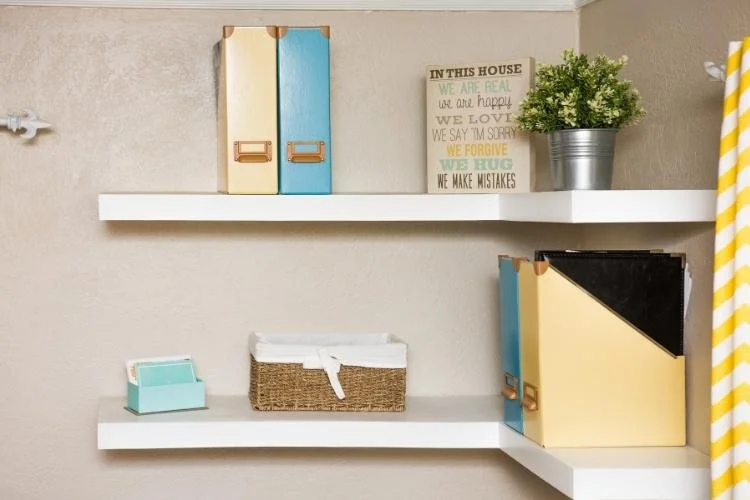
A few simple design habits help. Choose light-colored liners for drawers and shelves, so debris is visible. Hang artwork on removable hooks that allow you to check the wall behind. Keep stored items off the floor, and rotate decorative pieces seasonally so that every corner is cleaned at least a few times a year.
Movable Storage and Accessible Utilities
Movable storage is easier to inspect than fixed storage. Rolling carts, freestanding shelves, and baskets on casters can be pulled out in seconds, which makes monthly checks realistic. Open shelving shows contents at a glance, while sealed bins protect fabric and paper from insects.
Utility areas need the same thinking. Water heaters, furnaces, washing machines, and plumbing shut-offs should have clear space around them. Pipes entering a wall should be visible, not hidden behind a stack of boxes. Basements and closets that house utilities benefit from a labeled walkway, so you can reach the back wall without moving everything.
Quick monthly checks work well. Run a flashlight along baseboards, look under sinks, and open the access panels. Make notes of anything unusual and photograph it. If droppings, chewed material, or insect activity appear in the same place twice, Wayne's Pest Control serving Huntsville can trace the source behind finishes or furnishings, and the photos help narrow the search.
Final Analysis
Interior design can hide pests or expose them. Small gaps behind furniture, accessible panels in built-ins, light-colored liners, and movable storage all make early signs easier to spot. Clear access around utilities keeps moisture and pest activity visible. A quick monthly check turns a well-designed room into one that is easy to read. When signs appear behind finishes, a professional inspection can find the cause before it spreads.
Stay up to date with our latest ideas!