How Charlotte Interior Design Choices Can Make Pest Activity Easier to Spot
Learn how Charlotte interior design choices can make pest activity easier to spot, from smart furniture placement to better lighting, storage, and inspections.

A beautifully arranged room can hide a surprising amount. Heavy sofas pushed flush against walls, tall bookcases packed to the ceiling, and dark corners softened by decorative baskets all make a space feel finished, yet they also give pests quiet places to settle. Droppings, shed skins, and gnaw marks are small, and they tend to appear exactly where nobody looks. In Charlotte, where warm, humid weather keeps insects active for much of the year, the speed of discovery often matters more than the pest itself. Thoughtful layout, lighting, and storage choices cannot keep every pest out, but they can shorten the time between first activity and first notice, and that gap often decides how big a problem becomes.
Why Room Layout Controls What Homeowners Actually See
People tend to inspect the parts of a room they use. They notice the coffee table, the kitchen counter, and the front of the pantry. The areas behind a headboard, under a built-in cabinet, or along the back of an entertainment unit receive attention only during a move or a deep clean. Pests understand this pattern instinctively. Cockroaches favor dark, narrow gaps near warmth and moisture, mice run along walls where they feel protected, and spiders settle in corners that are rarely disturbed.
Layout also affects how evidence accumulates. Droppings that fall behind a sofa stay there for weeks. Nesting material tucked behind a stack of boxes may sit untouched for a season. Gnaw marks along a baseboard hidden by a floor-length curtain can progress quietly until the damage is obvious. The more of a room's perimeter that stays visible, the easier it becomes to notice small changes, such as a new dark smear or a scattering of paper shreds, before they turn into a larger problem. Open sightlines are a form of early warning that costs nothing to install.
Furniture Placement, Baseboards, and Inspection Space
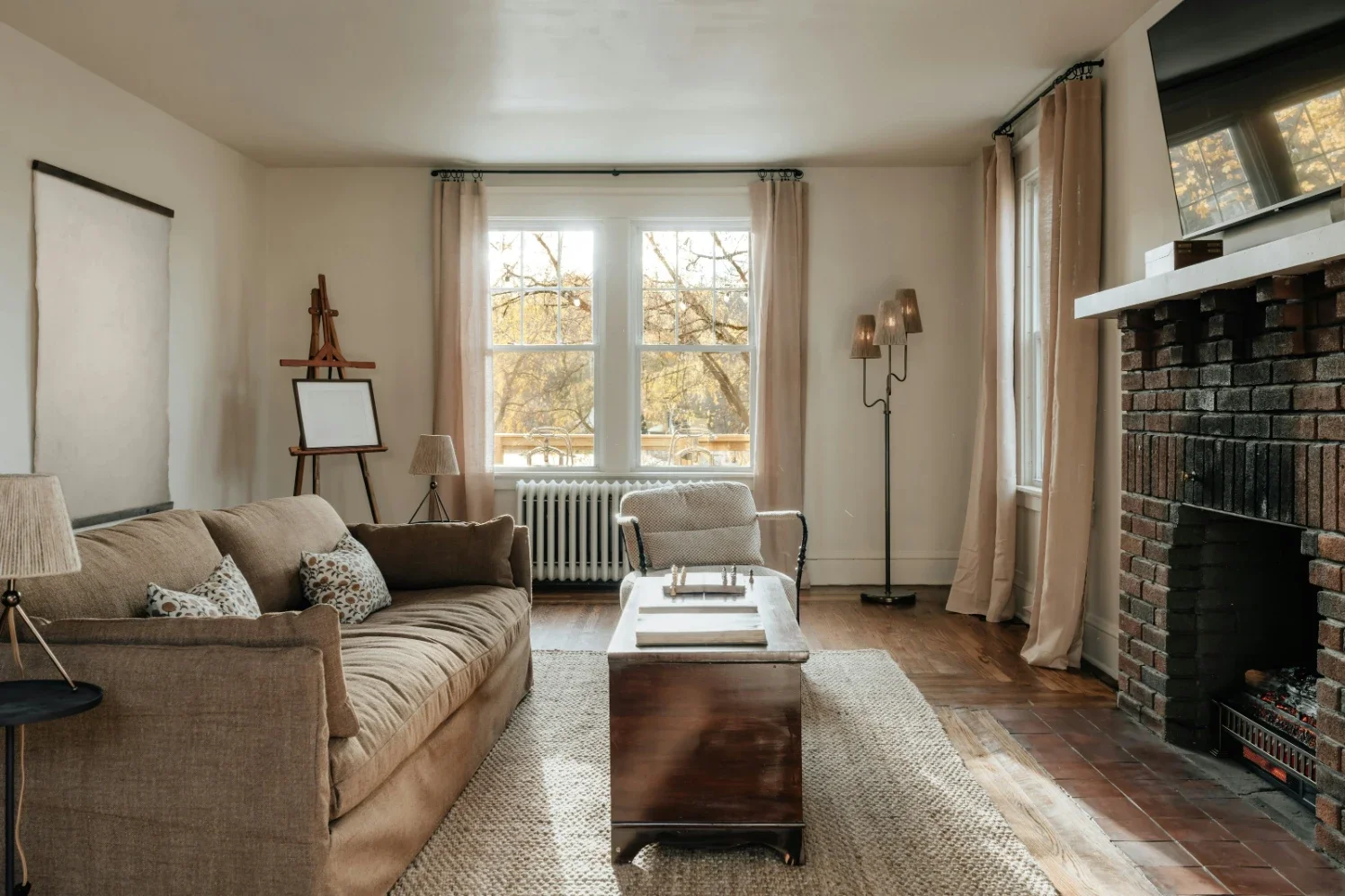
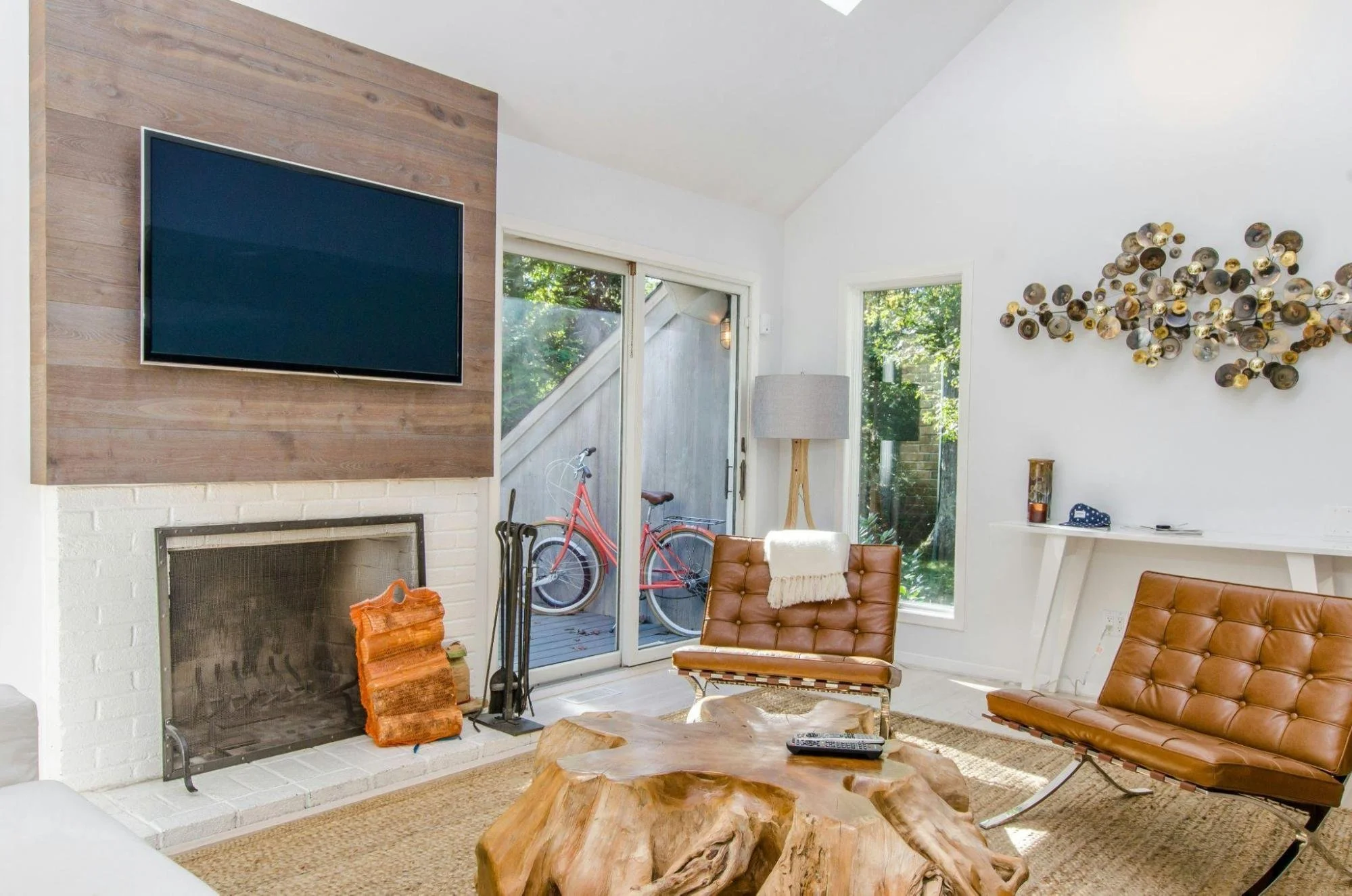
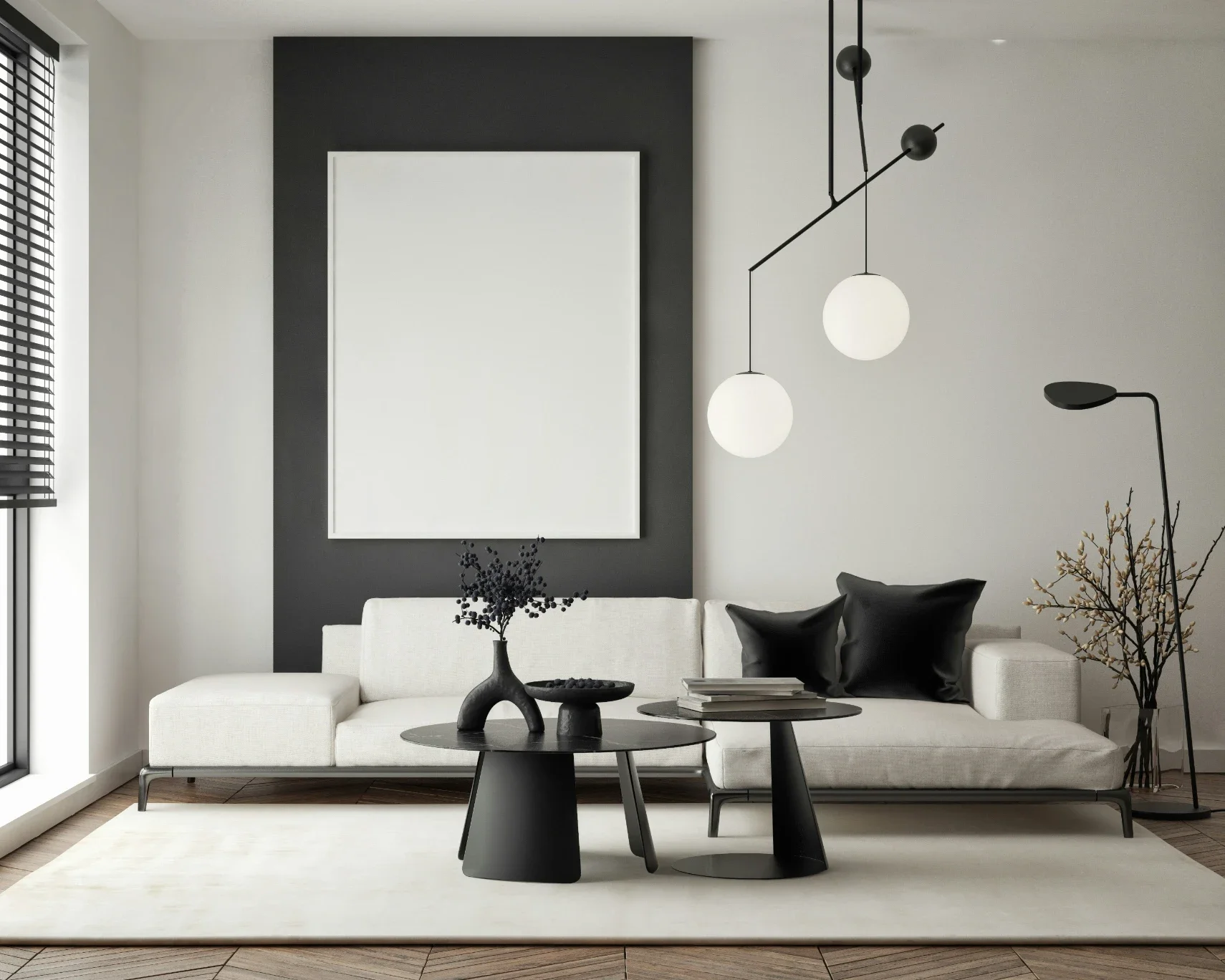
Leaving a gap behind large furniture is the simplest design adjustment a household can make. Even three or four inches of space allows light to reach the wall and lets a person run a flashlight along the baseboard. Pulling a bed, dresser, or sofa a short distance from the wall also makes vacuuming easier, which removes the dust and crumbs that attract insects.
Baseboards deserve a second look in any room. They are where pest evidence concentrates, since most small animals travel along edges. Painting them a lighter shade than the floor makes dark droppings and stains stand out. Caulking visible gaps where baseboards meet walls closes harborage points while keeping the line clean. A few more design-conscious habits help:
Raising furniture on legs rather than using solid bases that sit flat on the floor
Choosing open shelving in utility spaces so contents remain visible
Keeping curtains and drapes a few inches above the floor
Using light-colored rugs or runners in hallways, where trails are easy to spot
Leaving a clear path along at least one wall of each room for quick checks
None of these changes alters the look of a room much. Most are invisible to guests, yet they give the household a faster way to read the space.
Storage Design, Clutter, and Hidden Corners
Storage choices can either expose or conceal. Closed cabinets and lidded bins protect belongings, but oversized, overfilled units create layers of cover. Corners packed with boxes, bags, or seasonal décor form ideal nesting sites, and pests may spend weeks inside before anyone opens the stack. Cardboard is a frequent problem because it absorbs moisture, offers a chewable material for rodents, and provides crevices where roaches and silverfish hide. Clear plastic containers with tight lids make a better choice for basements, closets, and garages.
Utility areas deserve the same thought. Water heater closets, laundry rooms, and spaces under sinks should be easy to see into, with a clear zone around pipes and appliances. Shelving that lifts items off the floor reduces hiding places and makes leaks easier to notice. Some households choose sliding bins rather than deep shelves, so a person can pull everything forward and look at the back wall in seconds.
Even in tidy, well-organized homes, pests sometimes keep appearing. When that happens despite simplified storage and regular cleaning, professional support such as Charlotte pest control from Clear Defense Pest Control can identify sources that a homeowner cannot reach, including wall voids, crawl space entry points, and attic access gaps. Good maintenance narrows the field, and an expert inspection finishes the job.
Lighting and Visibility in Overlooked Spaces
Dim lighting hides evidence as effectively as clutter does. Many homes have dark hallway corners, closets without fixtures, and unfinished basement areas lit by a single bulb. In those conditions, a roach streak or a handful of droppings is easy to mistake for dirt or shadow. Adding bright, cool-toned bulbs in storage rooms and utility areas improves detection with very little effort. Motion-activated lights in closets and pantries are especially practical, since they turn on without anyone remembering to flip a switch.
Portable lighting helps for scheduled checks. A bright flashlight held at a low angle along a baseboard makes small marks cast shadows, which stand out much more than they do under overhead light. Some homeowners keep a small light in a kitchen drawer for this purpose. When lighting has improved and routine checks still turn up activity, the pattern usually points beyond housekeeping toward a structural entry point or a nearby source. In that situation, Charlotte pest control from Clear Defense Pest Control can trace where pests are entering and which conditions are supporting them, rather than leaving the household to guess.
Seasonal Habits for Charlotte Homes
Charlotte's long warm season means indoor checks should not be limited to winter. Spring brings ants and early roach activity, while summer humidity can support silverfish, spiders, and moisture-loving insects in lower levels. Fall pushes rodents toward heated spaces, and a mild winter day can wake insects that settled into wall voids.
A quarterly routine is realistic for most households. Each season, pull a few key pieces of furniture away from the wall, check behind appliances, look inside cabinets under sinks, and examine the garage and attic access points. Photographs taken during each check give a visual record, which makes subtle changes easier to recognize. Older homes with crawl spaces or additions may need extra attention at the transition points between old and new construction, since small settlement gaps often appear there. Pairing the checks with an existing habit, such as changing air filters or smoke detector batteries, keeps the routine from slipping.
Key Takeaways
Design influences how quickly pest activity comes to light. Leaving inspection space behind large furniture, choosing visible and accessible storage, keeping corners from filling with stacked boxes, and brightening utility areas all give homeowners a better chance of spotting early signs.
None of these changes replaces proper sanitation or repairs, but together they make a home easier to read. A room that can be scanned in seconds is a room where small problems rarely stay small, and where recurring activity is noticed before it spreads. Households that combine a visible layout with a seasonal checking habit usually catch trouble earlier, and they bring better information to any professional who is eventually called.
Stay up to date with our latest ideas!