How Your Garden and Landscaping Can Affect Your Home’s Foundation
Learn how garden landscaping affects your home's foundation, from tree roots and drainage to soil moisture, grading, and practical ways to prevent damage.
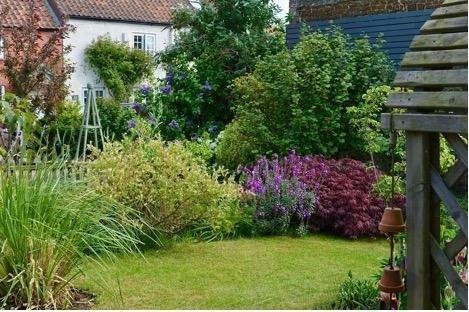
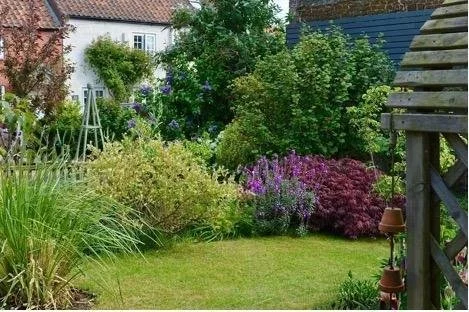
A beautiful garden can completely change the appearance of a home, adding color, texture, shade, and personality to the outdoor space. However, the way a garden is designed can also influence something homeowners may not immediately associate with landscaping: the condition of the home’s foundation.
Plants, garden beds, irrigation systems, soil grading, and drainage all affect how much moisture collects around a house. While gardens need water to thrive, allowing too much water to remain near the foundation can create unwanted changes in the surrounding soil. Thoughtful garden planning can help homeowners create attractive outdoor spaces while also managing water more effectively around their property.
Why Soil Moisture Matters Around Your Home
Healthy gardens depend on moisture, but the location and amount of that moisture matter. Soil immediately surrounding a foundation can expand or contract as its moisture content changes. Some soil types are particularly responsive to these fluctuations.
A heavily watered flower bed directly beside a house, for example, may keep one section of soil considerably wetter than another. During periods of hot or dry weather, uncovered areas elsewhere around the home may become much drier. These differences can potentially contribute to uneven soil conditions around the structure.
Gardeners do not necessarily need to avoid planting near their homes. Instead, the goal should be to consider how watering habits, plant selection, and drainage affect moisture distribution.
Garden Beds Can Change the Direction of Water
Creating raised beds, adding fresh soil, or installing decorative borders can alter the way rainwater moves through a yard. A garden bed that looks perfectly level may unintentionally direct runoff toward the house rather than away from it.
Mulch can also influence how quickly moisture evaporates from the soil. While mulch is extremely useful for gardens because it can help retain moisture and suppress weeds, thick layers immediately beside the foundation may keep the surrounding ground damp for longer periods.
When creating or refreshing garden beds near the house, homeowners should observe the slope of the soil. Ideally, landscaping should encourage excess water to move away from the structure rather than creating low spots where it can collect.
Be Strategic About Where You Plant
Plant placement deserves consideration beyond sunlight, appearance, and available growing space. Trees, large shrubs, and other established plants can develop extensive root systems and require significant amounts of water.
Before planting larger vegetation close to a house, gardeners should consider the mature size of the plant rather than its size at the garden center. A young tree that appears comfortably separated from the home may eventually become much larger above and below ground.
Smaller plants can often provide color and visual interest closer to the house without requiring the same amount of space as large trees and shrubs. Understanding the mature characteristics and water requirements of plants can make it easier to create landscaping that works with the property rather than against it.
Pay Attention to Irrigation and Drainage
Automatic irrigation makes maintaining a garden easier, but sprinklers and drip systems should be periodically inspected. Broken sprinkler heads, leaking irrigation lines, or excessive watering can saturate sections of soil without being immediately obvious.
After watering the garden, look around the perimeter of the house for unusually wet areas or puddles. The same inspection can be useful after a heavy storm. Water consistently pooling beside garden beds, patios, or exterior walls may indicate that drainage could be improved.
Gutters and downspouts also play a role in garden drainage. If a downspout releases large amounts of roof runoff directly into a flower bed beside the house, the soil can receive considerably more water than intended. Redirecting runoff to an appropriate location can help the garden receive manageable moisture while reducing unnecessary accumulation near the foundation.
Watch for Changes in Your Garden and Home
Gardens can sometimes reveal drainage problems before homeowners recognize what is happening beneath the soil. Persistent muddy areas, erosion, plants struggling because of overly wet soil, or sections of landscaping that remain saturated long after rainfall can all be reasons to investigate drainage patterns.
Changes around the house may also deserve attention. Cracks, sticking doors, uneven flooring, or separation around windows can have numerous causes and do not necessarily indicate a foundation problem. However, if changes to the home occur alongside recurring drainage problems outside, understanding the source of the excess moisture may be worthwhile.
If questions about the structure arise, homeowners may consider consulting a foundation professional such as Pinnacle Foundation Repair to evaluate the property's condition and determine whether soil moisture or drainage could be contributing to the issue.
Creating a Garden That Works With Your Home
Good garden design is about more than choosing attractive plants. It also involves understanding the relationship between plants, soil, water, and the structures surrounding the landscape. Before adding a new garden bed, tree, irrigation zone, or landscaping feature, consider where water will travel and how the area will change as plants mature.
Periodically checking the yard after rainfall can provide valuable information. Look for standing water, erosion, overflowing gutters, concentrated runoff, and unusually saturated garden beds. Small landscaping adjustments may improve how efficiently water moves through the property.
A thriving garden and a well maintained home do not have to compete with one another. By considering drainage when choosing plants, positioning garden beds, watering landscaping, and managing runoff, homeowners can create outdoor spaces that are both beautiful and practical. Paying attention to how water moves through the garden can support healthier plants while also helping maintain more consistent conditions around the home’s foundation.
Stay up to date with our latest ideas!