Solid Wood Furniture: How Lumber Is Priced and How to Judge a Fair Quote
How hardwood is priced by the board foot, what drives cost, and how to judge a fair quote for custom solid wood furniture.

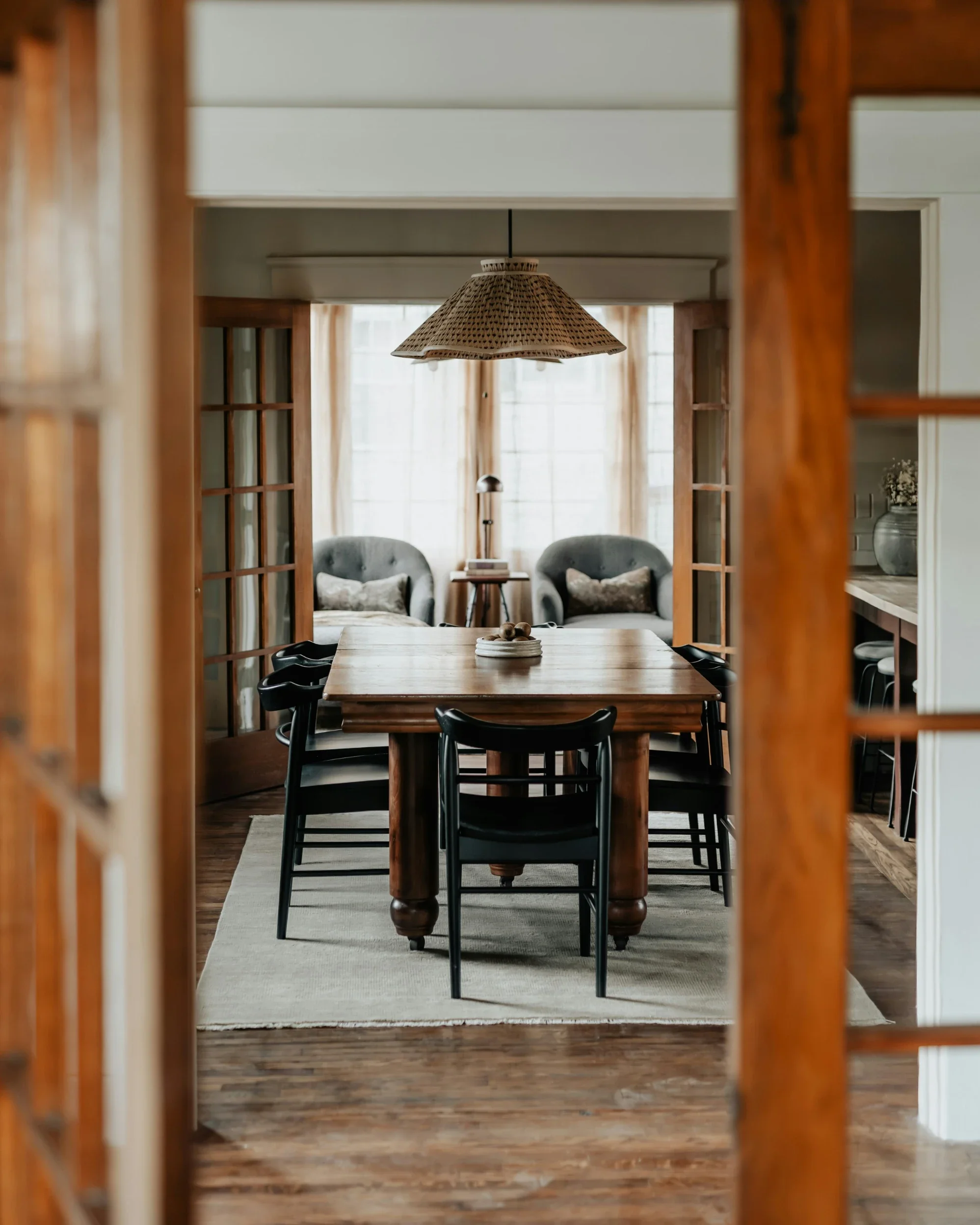
A walnut dining table, a live-edge oak desk, built-in shelves in white oak — solid wood is having a long moment in interior design. It is warm, it ages beautifully, and unlike veneered board it can be sanded and refinished for decades. It is also expensive, and quotes from makers can vary widely. Understanding how the raw material is priced helps you tell a fair price from an inflated one, and plan a custom piece within budget.
Wood is sold by volume, not by the piece
In North America, hardwood lumber is sold by the board foot: a volume 1 inch thick, 12 inches wide and 12 inches long. A board 1 inch thick, 6 inches wide and 8 feet long contains 4 board feet. A thicker plank costs proportionally more, which is why chunky tabletops are so pricey.
The formula is simple: thickness (in) × width (in) × length (ft) ÷ 12. Hardwood thickness is described in quarters — 4/4 is one inch, 8/4 is two inches — and is measured before planing, so a finished tabletop is always a little thinner than the lumber it came from.
What drives the price per board foot
Species. Pine and poplar are inexpensive; oak and maple sit in the middle; walnut, cherry and exotic species cost several times more.
Grade. Clear, knot-free boards cost more than character grades with knots and sapwood — which many designers now prefer anyway.
Width and thickness. Wide, thick boards come from large logs and carry a premium. Live-edge slabs are priced individually for this reason.
Drying. Kiln-dried stock costs more than air-dried, but it is far less likely to warp in a heated home.
A quick example
Say a dining tabletop is 8/4 walnut, 40 inches wide and 7 feet long. That is 2 × 40 × 7 ÷ 12 ≈ 47 board feet for the top alone. Makers typically buy 20–30% extra to allow for defects, grain matching and milling, so the order is closer to 60 board feet before legs and aprons. Multiply by your local walnut price and you have the material cost — usually a fraction of the final price, with labour, finishing and the maker's skill making up the rest.
You can work out the board feet of any planned piece in a few seconds with a free calculator, enter the price per board foot, and see the material cost before you ask for quotes. It is a useful sanity check when comparing makers.
Questions to ask a furniture maker
Which species and grade will you use?
Is the wood kiln-dried, and to what moisture content?
What thickness will the finished top be?
Is it solid wood throughout, or solid edging around a veneered core?
Caring for solid wood at home
Keep it away from radiators and direct sun, which cause uneven drying.
Maintain steady indoor humidity — solid wood moves with the seasons.
Use coasters and mats; oil finishes can be refreshed, but rings take time to remove.
Conclusion
Solid wood furniture is an investment that can outlast a house move or two. Knowing that wood is priced by the board foot — and roughly how many board feet your piece needs — turns a confusing quote into something you can understand, compare and budget for.
Stay up to date with our latest ideas!