How to Create the Feeling of a Wellness Retreat at Home
Learn how to create the feeling of a wellness retreat at home with calming colors, natural materials, soft lighting, plants, and relaxing spaces.

A wellness retreat with Healing Holidays can offer a refreshing change of environment, but many of the qualities that make these escapes restorative can also inspire the way we decorate and experience our homes.
Retreats are designed to reduce distractions and encourage a slower pace. Their interiors often feel calm without being empty, luxurious without becoming excessive, and comfortable without appearing cluttered. Natural materials, soft lighting, soothing colours, and thoughtful layouts work together to create a sense of ease.
While a home still needs to support the practical realities of everyday life, it can incorporate the same principles. You do not need a major renovation, a private yoga studio, or an enormous bathroom. A few intentional changes can make your surroundings feel more peaceful and help turn ordinary routines into restorative moments.
Begin by Reducing Visual Noise
One of the first things people notice at a retreat is the absence of clutter. Surfaces are kept relatively clear, furniture has room to breathe, and the eye is not forced to process dozens of competing objects.
That does not mean your home must become completely minimalist. Personal possessions, books, art, and collected objects give a space warmth and character. The goal is to make those elements feel considered rather than accidental.
Start with the room in which you spend the most time. Remove anything that clearly belongs elsewhere, then look at the remaining objects as a group. If every surface is covered, choose a smaller number of pieces to display and store the rest. Rotating decorative items occasionally can make them feel fresh without requiring you to buy anything new.
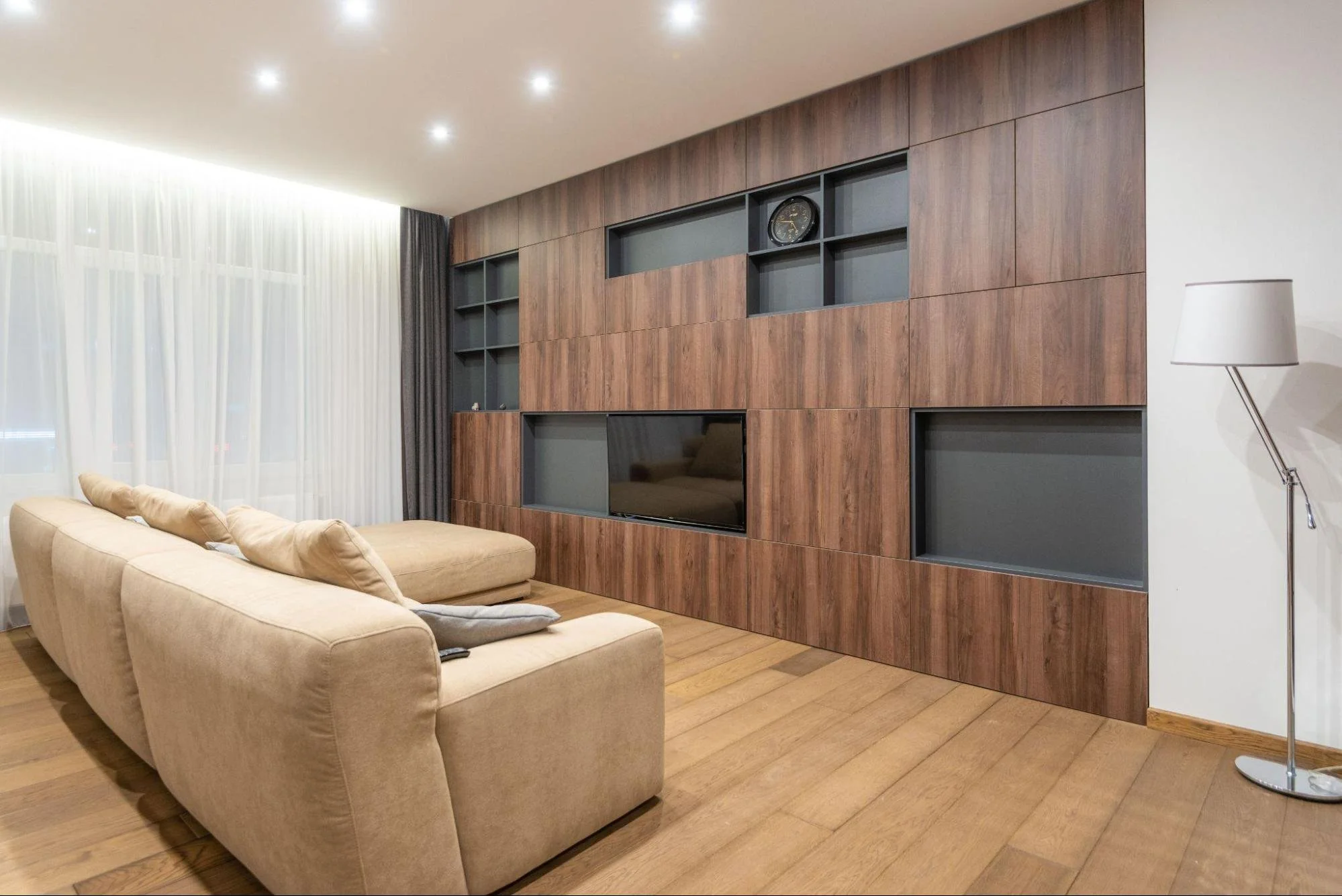
Closed storage is particularly useful for practical objects that create visual distraction. Baskets, cabinets, decorative boxes, and furniture with built-in compartments can hide chargers, paperwork, toiletries, and exercise equipment while keeping them accessible.
Choose a Calm, Natural Colour Palette
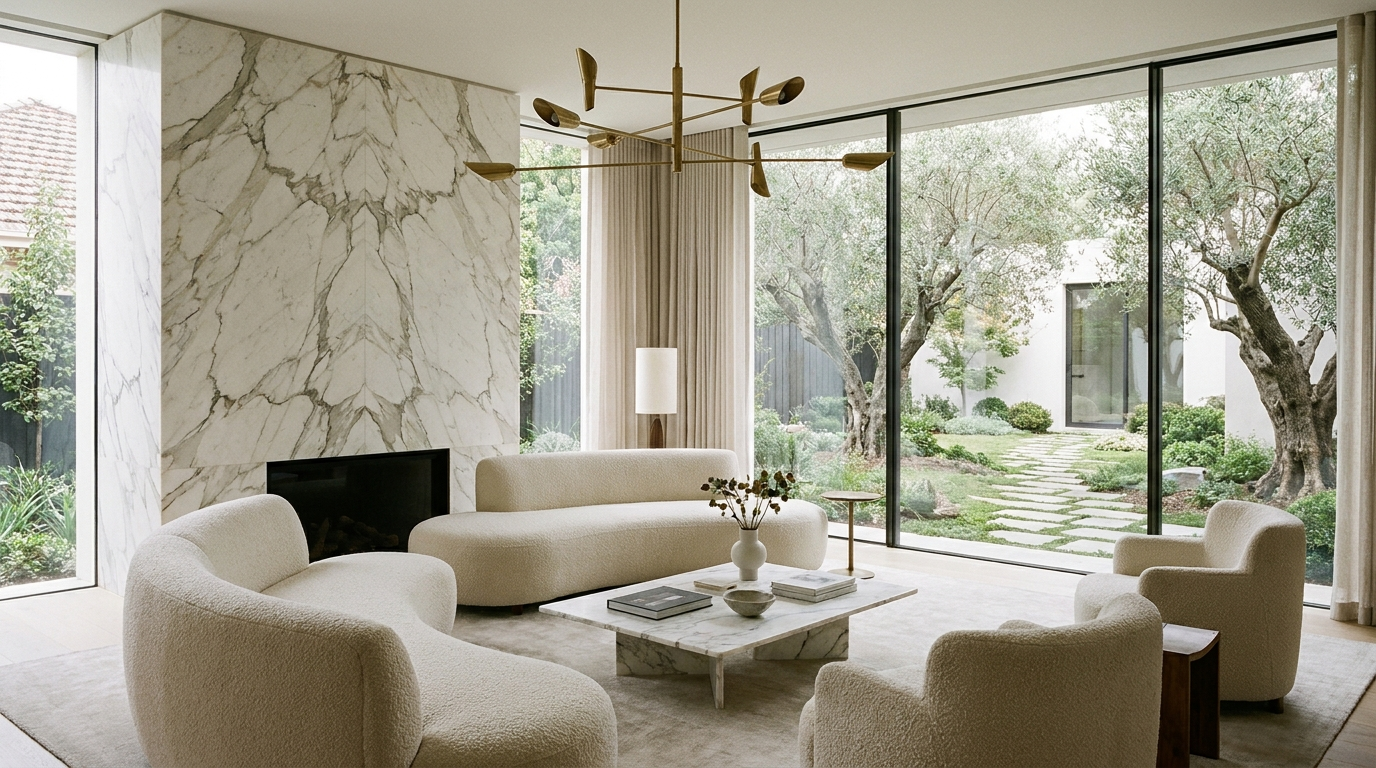
Retreat interiors frequently take inspiration from the surrounding landscape. Warm whites, soft greens, sandy neutrals, muted blues, and earthy browns help establish a restful atmosphere because they are easy on the eye and simple to combine.
You do not need to repaint the entire house. Introducing a calmer palette through bedding, cushions, curtains, rugs, or artwork can make a noticeable difference. Repeating several related colours throughout a room will also make it feel more cohesive.
Consider undertones when choosing neutrals. A stark, cool white may feel clinical in a room with limited daylight, whereas a creamy white or pale beige can create warmth. In a bright, sunny space, cooler shades may provide a refreshing balance.
Darker natural colours can still have a place. Deep forest green, charcoal, chocolate brown, or navy can bring depth to a bedroom or reading corner. Used selectively, they create an enveloping feeling without overwhelming the space.
Introduce Materials That Appeal to the Senses
A retreat-like home should not only look attractive; it should also feel pleasant to touch and inhabit. Natural materials are especially effective because their subtle variations add interest without introducing visual chaos.
Wood brings warmth, whether it appears in flooring, furniture, shelving, or small accessories. Stone, ceramic, linen, cotton, wool, rattan, and jute can be layered to create a relaxed but sophisticated interior.
Texture is important when working with a restrained colour palette. A room decorated mainly in cream and beige can still feel rich when it combines linen curtains, a woven rug, smooth ceramics, natural timber, and a soft wool throw.
Comfort should guide every decision. A beautiful chair that is unpleasant to sit in will not contribute to a restorative environment. Choose furnishings that support the way you genuinely use the room rather than selecting them solely for appearance.
Make the Most of Natural Light
Daylight has a powerful effect on how a home feels. Heavy window treatments, oversized furniture, and cluttered windowsills can block light and make even a spacious room seem enclosed.
Use lightweight curtains where privacy allows, and position mirrors so that they reflect daylight into darker parts of the room. Cleaning windows and removing unnecessary objects from the surrounding area can produce a surprisingly visible improvement.
The direction of the light matters too. East-facing rooms receive gentle morning sun and are ideal for breakfast areas or spaces used for an early routine. West-facing rooms tend to feel warmer later in the day, making them suitable for dining and relaxation.
When natural light is limited, use several artificial light sources rather than relying on a single ceiling fixture. Floor lamps, table lamps, wall lights, and candles create softer pools of illumination and allow the atmosphere to change throughout the evening.
Warm bulbs are generally more relaxing in bedrooms and living spaces. Brighter, focused lighting can be reserved for kitchens, desks, and other areas where visibility is essential.
Create a Dedicated Place to Pause
One reason retreats feel restorative is that they provide spaces specifically intended for rest. At home, relaxation often happens wherever there happens to be room, surrounded by reminders of unfinished tasks.
Creating a small dedicated area can make rest feel more intentional. It might be an armchair beside a window, a floor cushion in a quiet corner, or a bench in the garden. The space does not need to be large, but it should be comfortable and relatively free from distractions.
Include only what supports its purpose: a soft blanket, a small table, a reading lamp, or perhaps a speaker for calming music. Keeping a notebook nearby can be useful if you enjoy journaling or want somewhere to capture thoughts away from a screen.
Try to avoid turning this area into overflow storage. Once laundry, paperwork, and miscellaneous objects begin accumulating there, the sense of separation disappears.
Bring Nature Indoors
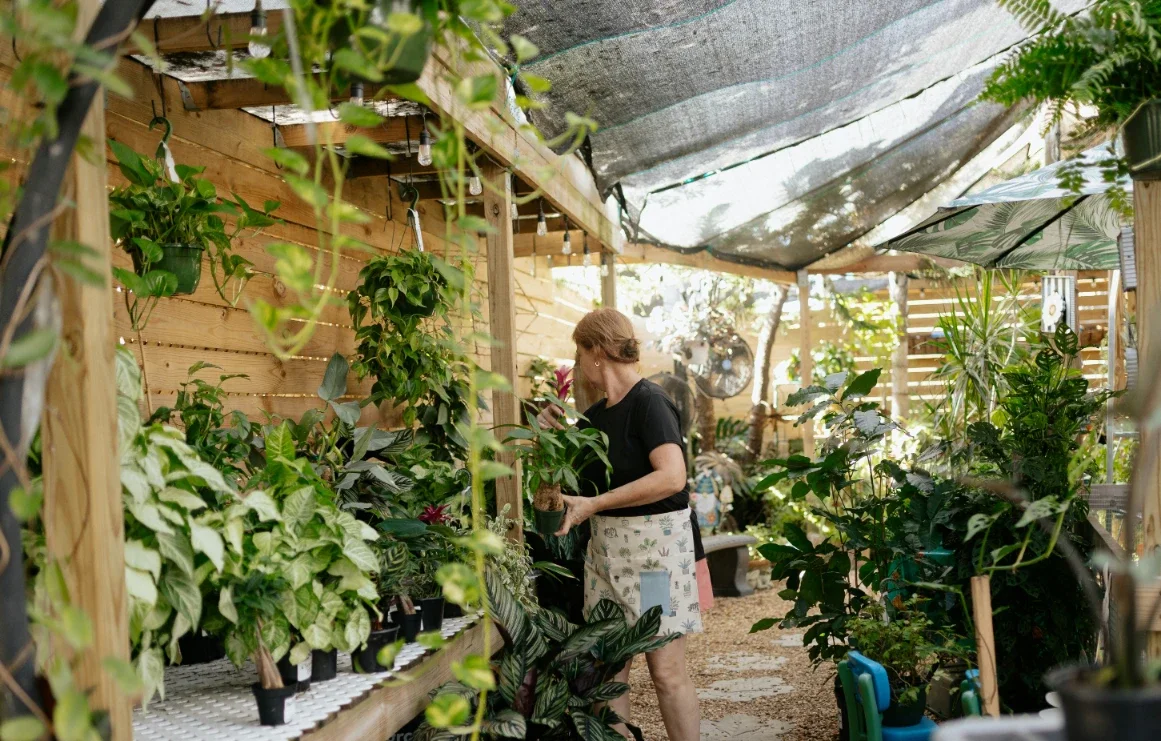
Plants are an easy way to make interiors feel livelier and more connected to the outdoors. Their organic shapes soften hard architectural lines, while shades of green work naturally with most decorative palettes.
Choose plants according to the conditions in your home rather than appearance alone. Some varieties need bright sunlight, while others tolerate lower light. If caring for plants feels like another obligation, use a few resilient varieties or arrange cut branches and seasonal flowers in simple vessels.
Nature can also enter the home through materials and views. Position seating to face a garden, tree, or open sky where possible. Use artwork featuring landscapes, botanical forms, or water. Even a bowl of stones, shells collected during a meaningful trip, or a piece of sculptural driftwood can create a subtle connection with the natural world.
The key is restraint. A few well-positioned natural elements often have more impact than filling every available corner.
Turn the Bathroom Into a Simple Spa Space
The bathroom is one of the easiest places to introduce retreat-inspired details because it already supports rituals of care and renewal.
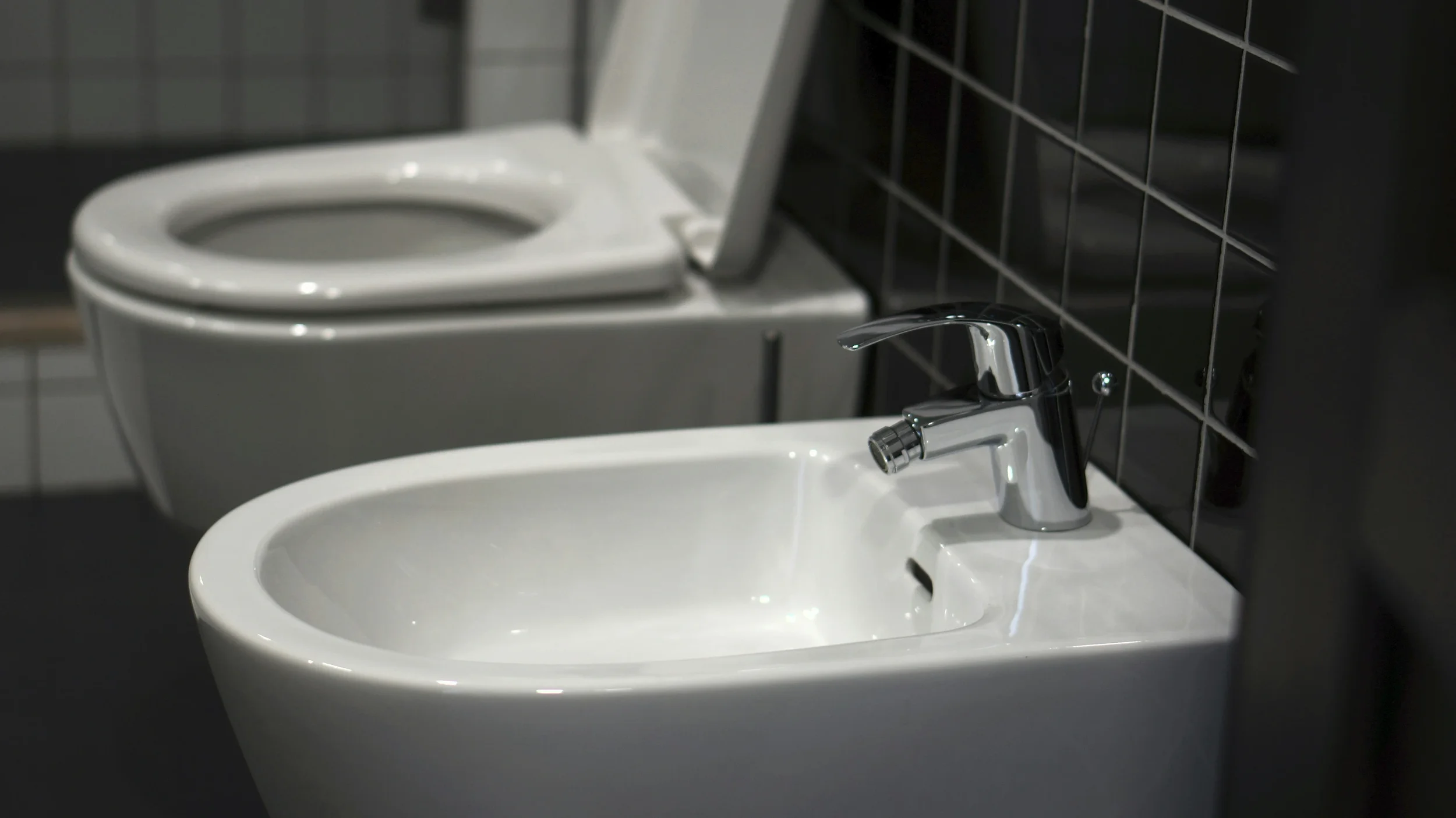
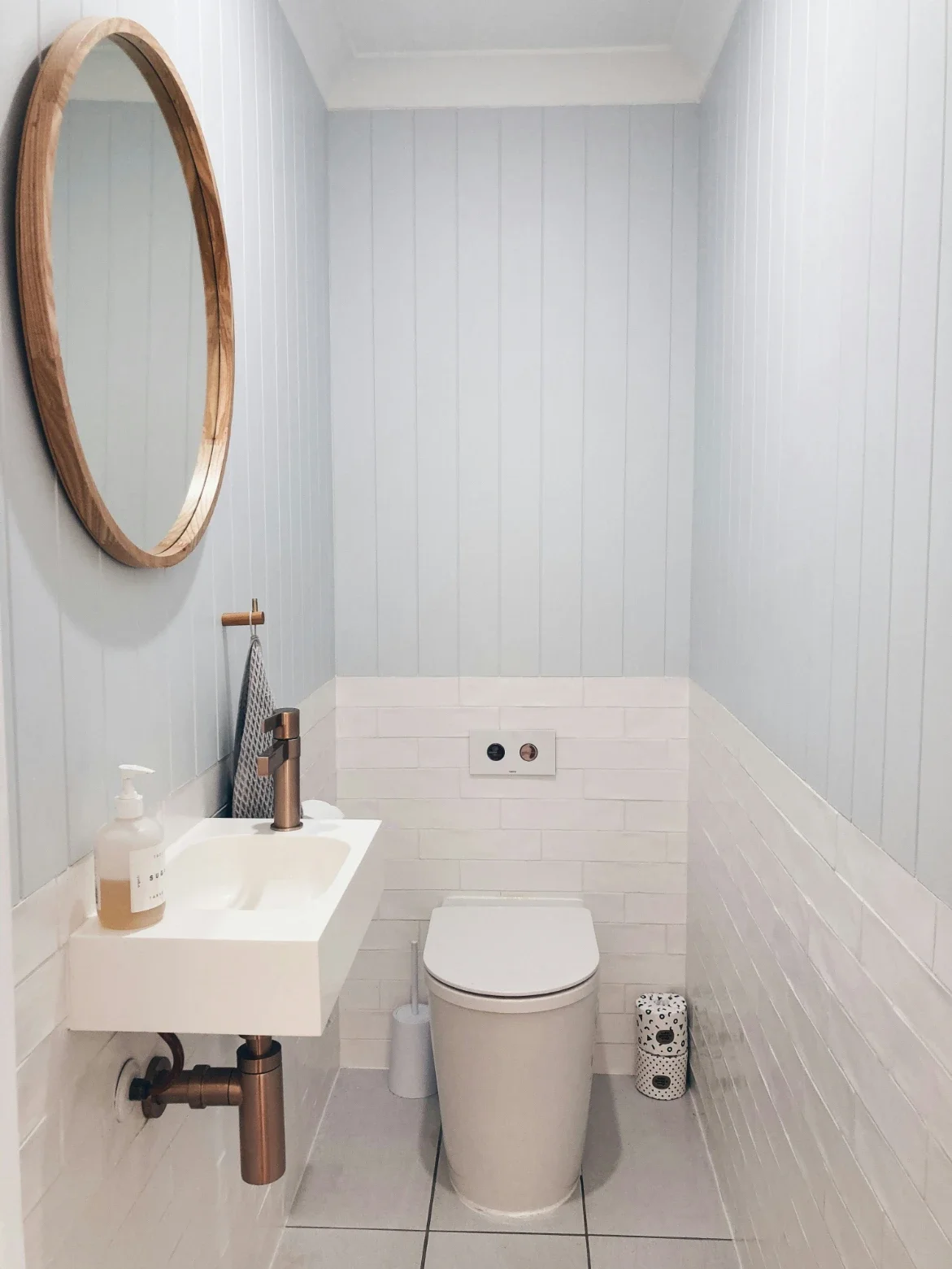
Begin with practical improvements. Clear expired products, organise everyday toiletries, and place less attractive packaging inside a cupboard or matching containers. Fresh towels, a comfortable bathmat, and a clean shower area immediately make the room feel more inviting.
Small additions can elevate ordinary routines. A wooden bath tray, a stool for folded towels, a moisture-loving plant, or a softly scented candle can create atmosphere without taking up much space. If you prefer showers, consider upgrading the showerhead or adding a bundle of eucalyptus away from the direct flow of water.
Lighting deserves special attention. Bright light is useful for grooming, but a dimmer or secondary lamp creates a calmer mood for an evening bath. Always choose lighting and accessories suitable for use in wet environments.
Design the Bedroom Around Sleep
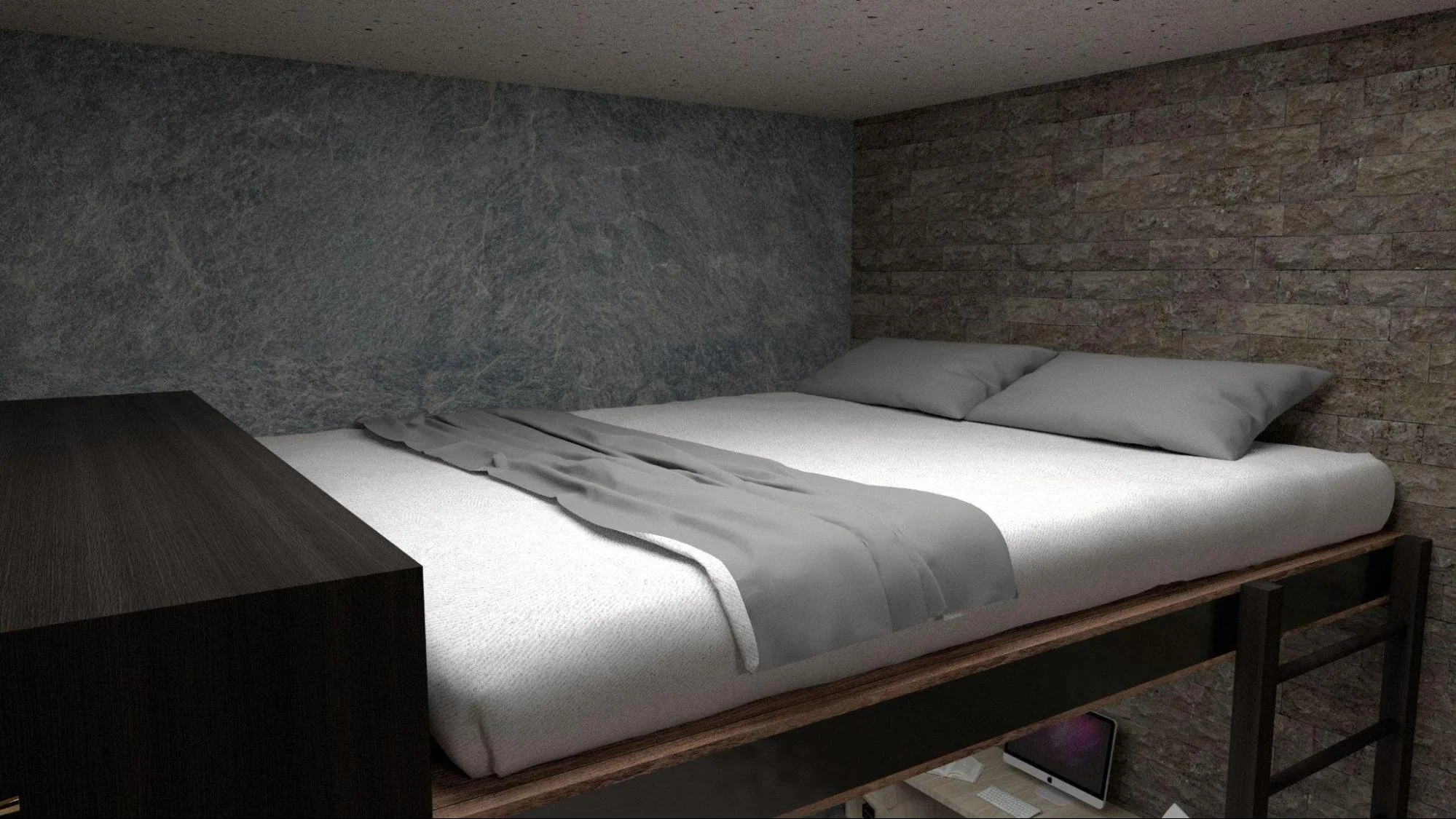
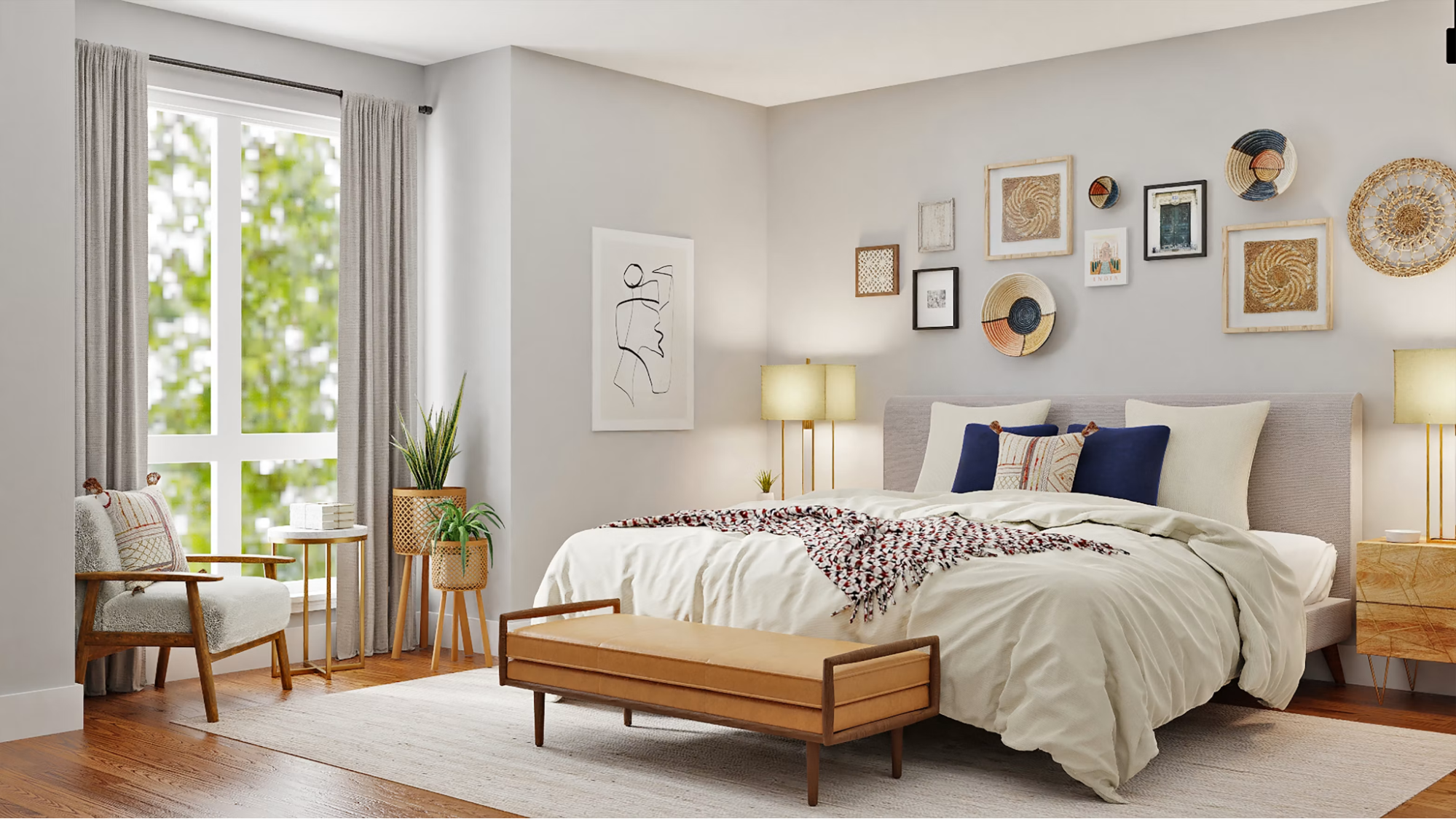
A restorative home begins with a bedroom that supports genuine rest. Because the bed is the visual centre of the room, comfortable bedding should take priority over purely decorative accessories.
Breathable sheets, supportive pillows, and layered blankets make it easier to adjust to changes in temperature. A simple headboard can introduce texture and create a sense of comfort, while bedside tables provide practical storage.
Keep the palette relatively quiet and limit stimulating visual elements near the bed. Blackout curtains may improve comfort in areas affected by streetlights or early morning sun. If outside noise is disruptive, soft furnishings can help absorb sound.
Technology is another consideration. Charging a phone away from the bed reduces the temptation to scroll late at night or immediately after waking. A traditional alarm clock offers a simple alternative.
The bedroom does not need to look like a hotel. Personal photographs, meaningful artwork, and favourite books can remain, provided the overall atmosphere feels settled and uncluttered.
Use Scent and Sound with Care
Scent can influence the mood of a room almost instantly. Lavender, cedar, eucalyptus, citrus, and herbal fragrances are often associated with spa environments, but personal preference matters more than following a trend.
Use scented candles, diffusers, or essential oils sparingly. A fragrance should sit gently in the background rather than dominate the space. Always check whether particular oils are suitable if children or pets are present.
Sound can be equally effective. Soft music, natural soundscapes, or the gentle movement of a small water feature may help disguise distracting background noise. Silence, however, can be the greatest luxury of all. Rugs, curtains, upholstered furniture, and fabric wall hangings can reduce echoes and make rooms feel quieter.
Support Restorative Daily Rituals
Decor alone cannot create well-being, but it can make healthy routines easier to maintain. A clear kitchen counter encourages meal preparation. A visible yoga mat may prompt regular stretching. A comfortable chair beside a lamp makes reading more inviting than spending another hour on a phone.
Think about one restorative habit you would like to practise and arrange the environment around it. If you want calmer mornings, prepare a small tea or coffee station and keep the dining table clear. If you hope to meditate, place a cushion in a quiet location. If evening baths help you unwind, store towels and bath products within easy reach.
These choices remove small points of friction. Over time, a thoughtfully designed environment can gently guide behaviour without relying on constant motivation.
A Home That Helps You Feel Better
Creating a retreat-inspired home is not about reproducing the polished appearance of a luxury resort. It is about noticing how your surroundings affect your energy, attention, and ability to rest.
Start with the changes that address a real need. Clear one distracting surface, improve the lighting beside your favourite chair, introduce a natural texture, or make the bedroom more conducive to sleep. Allow the space to evolve gradually rather than trying to transform everything at once.
The most restorative interiors are not necessarily the largest or most expensive. They are the ones that feel comfortable, personal, and easy to live in. By combining calm design with supportive daily rituals, your home can become more than the place where you finish your tasks—it can also become the place where you genuinely recover from them.
Stay up to date with our latest ideas!