What to Plan Before Giving Your Home Entrance a Complete Makeover
Learn what to plan before giving your home entrance a complete makeover, from layout and lighting to doors, storage, materials, security, and curb appeal.
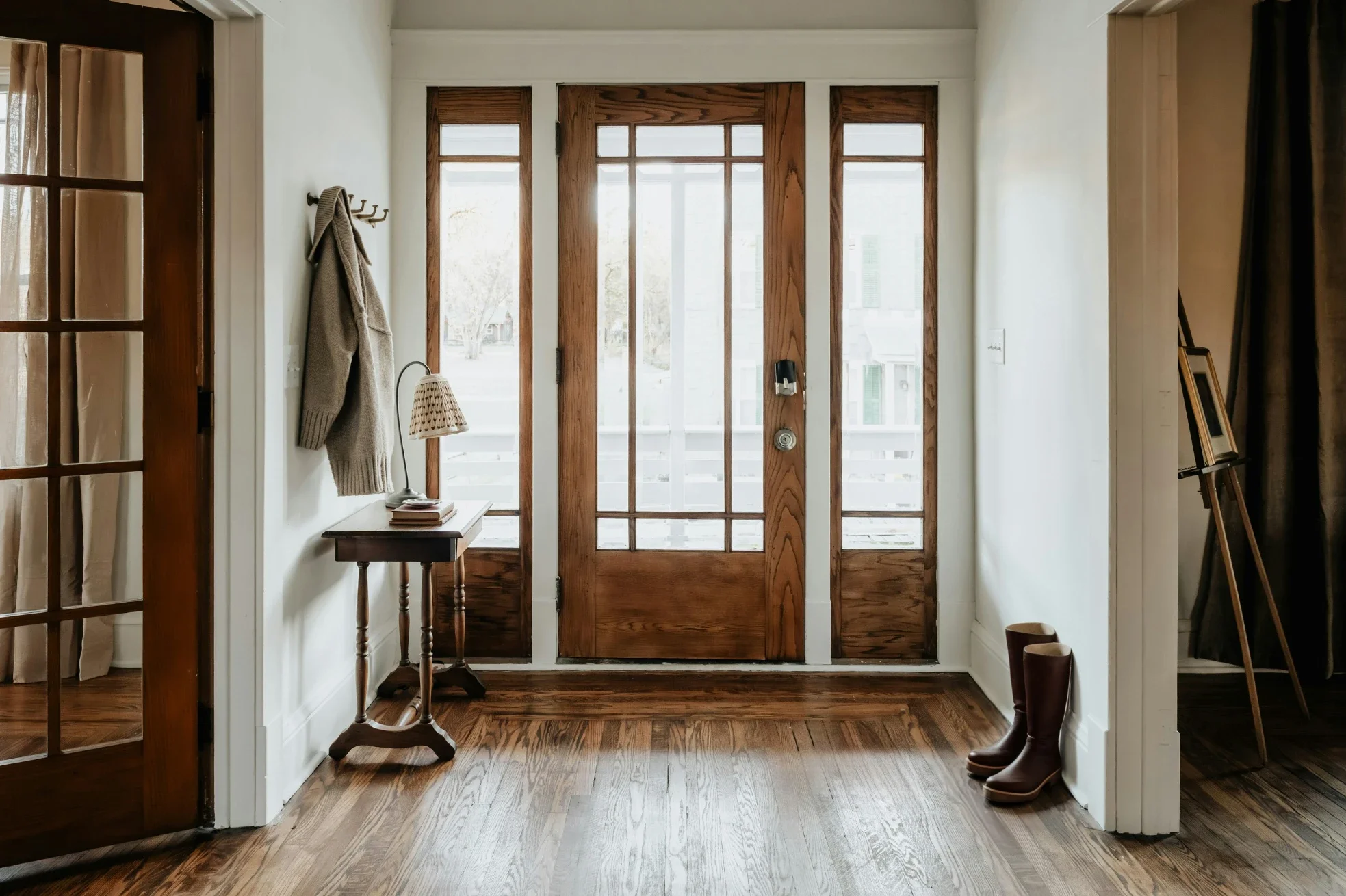
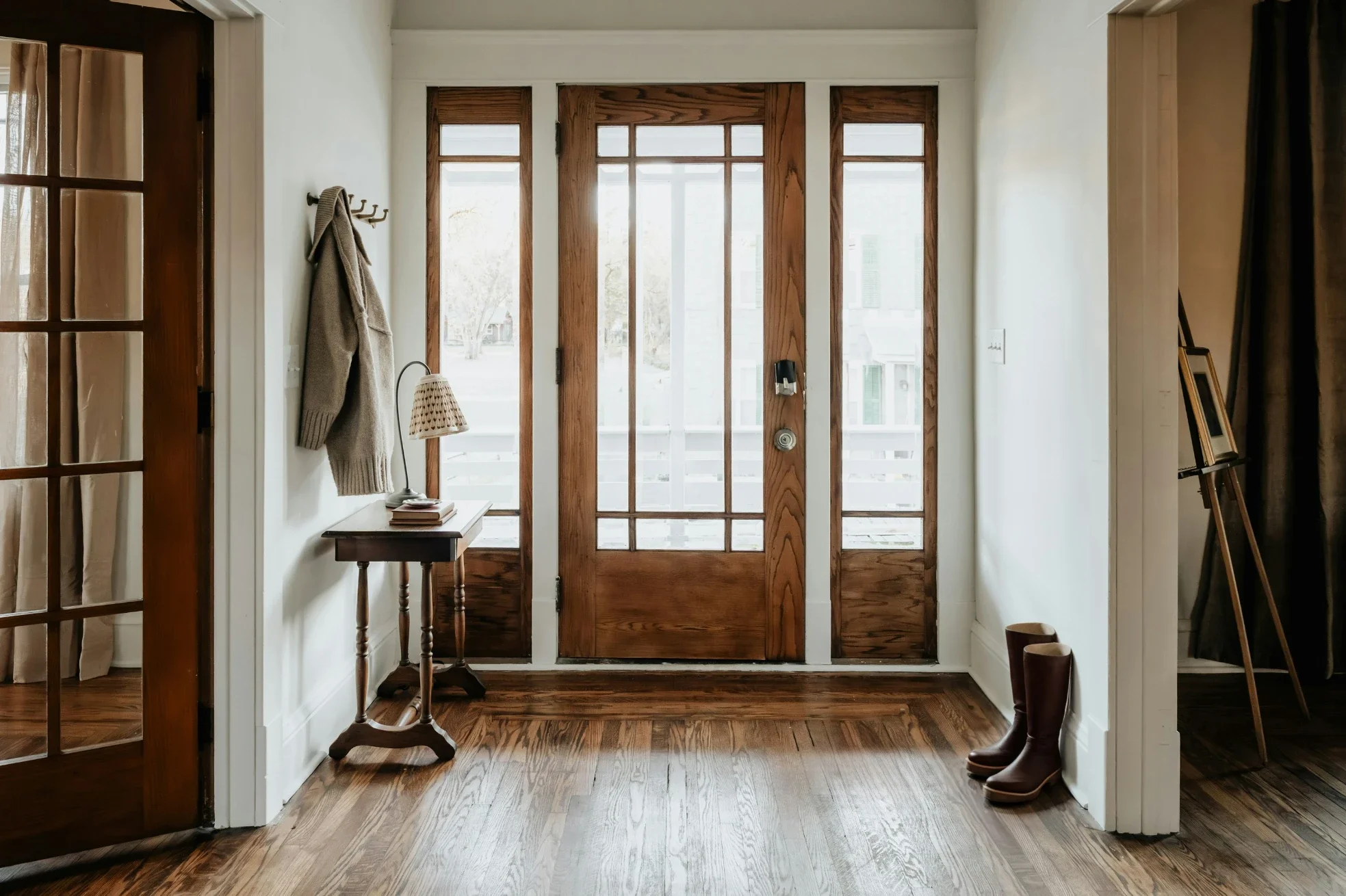
The entrance of a home has an outsized influence on how the entire property feels. It is the transition between outdoors and indoors‚ the first area guests experience‚ and a space that homeowners use several times every day. Giving it a makeover can improve curb appeal and make arriving home more enjoyable‚ but the strongest results usually come from planning the practical elements before choosing colours‚ furniture‚ or decorative accessories.
Before settling on a design direction‚ consider the functional work that may need to happen first. Door installation‚ lighting changes‚ new flooring‚ updated hardware‚ weather protection‚ electrical work‚ and improvements to drainage can all affect the finished layout. Resolving those elements early helps avoid situations where newly painted walls‚ tiles‚ or decorative details have to be disturbed later.
Start With How the Entrance Is Actually Used
An entrance should look attractive‚ but it also has to work for everyday life. Before changing anything‚ spend a few days noticing how the space is used.
Where do shoes accumulate? Is there somewhere convenient for bags and keys? Does the door open into furniture? Is the lighting adequate when arriving after dark? Does rain or snow get tracked onto a surface that is difficult to clean?
These observations can reveal what the makeover should solve rather than simply what it should look like.
A practical entrance may need:
A Clear Walking Path from outside to the interior
Durable Flooring that handles dirt and moisture
Convenient Storage for frequently used items
Adequate Lighting around steps and locks
A Place For Shoes that does not block movement
Weather Protection around exposed exterior areas
Once the functional priorities are clear‚ decorative choices become easier.
Think About the Exterior and Interior Together
An entrance has two faces. From outside‚ it contributes to the architecture and curb appeal of the home. From inside‚ it becomes part of the foyer‚ hallway‚ or living area.
Treating these spaces as completely separate can produce an awkward transition. Instead‚ look for a few elements that can connect them.
That does not mean using identical finishes. A stone exterior might transition into warm wood tones indoors‚ while black exterior hardware could be echoed by a mirror frame or lighting fixture in the foyer.
Colour can provide another connection. If the exterior uses muted greens‚ warm whites‚ charcoal‚ or natural wood‚ one of those tones can appear subtly inside without turning the entrance into a themed space.
Get the Lighting Right
Lighting deserves attention early because it affects both safety and atmosphere.
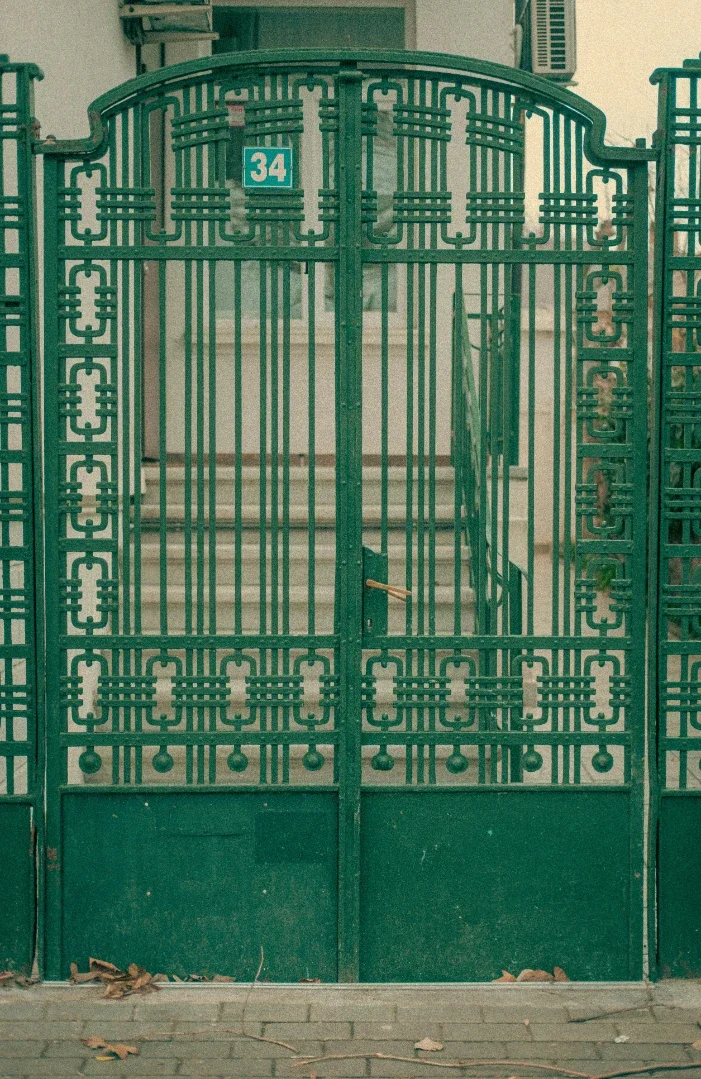
Outside‚ the entrance should be bright enough to identify visitors‚ find keys‚ read house numbers‚ and navigate steps. Inside‚ the light should feel welcoming while still being practical for putting on shoes or finding items before leaving.
One ceiling fixture may not be enough. Layering different sources creates more flexibility.
Consider:
Wall Lights beside or above the entrance
Ceiling Lighting inside the foyer
Motion-Activated Lighting around darker exterior areas
Small Accent Lights near architectural or landscaping features
A Table Or Console Lamp where space allows
Colour temperature matters too. Extremely cool light can make a warm entrance feel clinical‚ while very dim amber lighting may sacrifice visibility. A balanced‚ warm-white light often works well for residential spaces.
Choose Flooring for Real Life
Entry flooring takes more abuse than many other surfaces in the home. Shoes bring in water‚ grit‚ mud‚ and salt‚ and the area experiences concentrated foot traffic every day.
A beautiful material that requires constant worry is rarely a good choice here.
Porcelain tile‚ natural stone‚ durable engineered surfaces‚ and properly finished wood can all work depending on the house and climate. The important factors are moisture resistance‚ ease of cleaning‚ slip resistance‚ and how well the material connects with adjacent rooms.
Also think about grout colour‚ transitions between surfaces‚ and whether a mat can sit flat without creating a trip hazard.
Make Storage Part of the Design
Clutter can undermine even the most carefully designed entrance. The easiest solution is to plan where everyday items will go before buying decorative furniture.
A large foyer may accommodate a built-in bench‚ closed cabinets‚ and a coat closet. A small entrance might work better with wall hooks‚ a narrow console‚ baskets‚ or a shallow shoe cabinet.
Storage should correspond to actual habits. If everyone drops keys on the nearest surface‚ create a designated tray there. If shoes always end up beside the entrance‚ give them storage within easy reach.
Trying to force people into an inconvenient organization system usually results in clutter returning within a few weeks.
Look Closely at the Walls and Trim
Entrance walls are exposed to bags‚ coats‚ wet umbrellas‚ pets‚ and frequent contact. Finishes should be selected accordingly.
Washable paint is useful in high-contact areas. Panelling‚ beadboard‚ or durable wall treatments can add character while protecting lower sections of the wall.
Trim deserves attention as well. Fresh baseboards‚ clean casing‚ and repaired corners often improve the appearance of an entrance more than adding another decorative object.
If the home has original mouldings or architectural details‚ consider preserving them. They can provide character that new materials sometimes struggle to recreate.
Do Not Forget Weather Protection
Exterior conditions influence what happens inside the entrance.
A covered porch‚ canopy‚ proper drainage‚ durable threshold‚ and effective weather seals can reduce the amount of rain‚ snow‚ and dirt entering the home. Gutters and downspouts near the entrance should also direct water away from steps and walking areas.
In colder climates‚ consider where melting snow will collect. A beautiful rug that stays damp all winter is not practical‚ nor is flooring that becomes slippery when wet.
These details may not be the most exciting part of the makeover‚ but they contribute heavily to how well the finished entrance performs.
Choose Hardware as a Coordinated Detail
Handles‚ locks‚ knockers‚ house numbers‚ hooks‚ and lighting fixtures are small individually‚ but together they create a strong visual impression.
They do not all need to match perfectly. In fact‚ mixing compatible finishes can make the space feel more natural. The key is to avoid having several unrelated styles compete in one small area.
A simple rule is to choose one dominant metal finish and‚ if desired‚ add one complementary finish in smaller quantities.
Hardware should also feel substantial enough for frequent use. A beautiful handle that becomes loose quickly will undermine the sense of quality more than a simpler‚ durable option.
Plan Electrical Needs Before Finishing the Walls
Modern entrances may need more electrical capacity than older ones were designed to provide.
Video doorbells‚ security cameras‚ smart locks‚ additional lighting‚ heated flooring‚ or charging points can all affect wiring requirements. If any of these features are being considered‚ decide on them before painting or installing new wall finishes.
Running new wiring after the makeover is complete can mean cutting into recently finished surfaces.
Even if smart-home features are not being added immediately‚ creating appropriate electrical access during renovation may make future upgrades easier.
Keep Decorative Choices Under Control
Once the functional work is planned‚ the enjoyable part begins: rugs‚ mirrors‚ artwork‚ plants‚ benches‚ baskets‚ and accessories.
An entrance benefits from restraint because it still needs room for people to move.
A mirror can make a compact foyer feel larger and provide a practical last look before leaving. A console creates a useful landing spot. A plant can introduce softness‚ while one piece of artwork may provide enough personality without crowding the walls.
Outside‚ planters and seasonal décor should frame the entrance rather than obstruct it.
Design for the Home You Already Have
The most convincing entrance makeovers usually respond to the architecture of the property instead of trying to turn it into something entirely different.
A traditional house can accommodate modern details‚ and a contemporary home can benefit from warmer materials. The goal is not rigid historical accuracy but visual continuity.
Look at the roofline‚ windows‚ exterior materials‚ interior flooring‚ and existing architectural features before choosing a style. When the entrance relates to these elements‚ it feels like part of the home rather than a separate decorating project.
Function First‚ Decoration Second
A successful entrance makeover is ultimately about more than curb appeal. It should make coming and going easier‚ handle weather and everyday wear‚ provide useful storage‚ and create a comfortable transition into the home.
By planning circulation‚ flooring‚ lighting‚ electrical needs‚ weather protection‚ storage‚ and hardware before focusing on accessories‚ homeowners can avoid expensive changes later. Once those practical elements are working together‚ decorative details have a stronger foundation-and the finished entrance is more likely to look good long after the initial makeover is complete.
Article courtesy of Lawrence Doors and Glazing: https://lawrencedoors.ca/
Stay up to date with our latest ideas!