How to Choose a Hybrid Mattress for Your Bedroom Makeover
Compare hybrid and all-foam mattresses on edge support, airflow and motion isolation, then match a hybrid to side sleeping, couples, heat or budget.

You have picked the paint and found the headboard. But if the old mattress is uncomfortable, the room refresh isn't quite finished.
A bedroom makeover is partly about how the space looks, but it is also about how it feels when you climb into bed. A hybrid combines springs with foam or latex, offering a mix of bounce and cushioning. How that mix feels depends on the design.
The key is choosing one that suits how you sleep, how warm your room runs, and how your bed is set up. Here's how to work through those choices.
What a Hybrid Does Differently
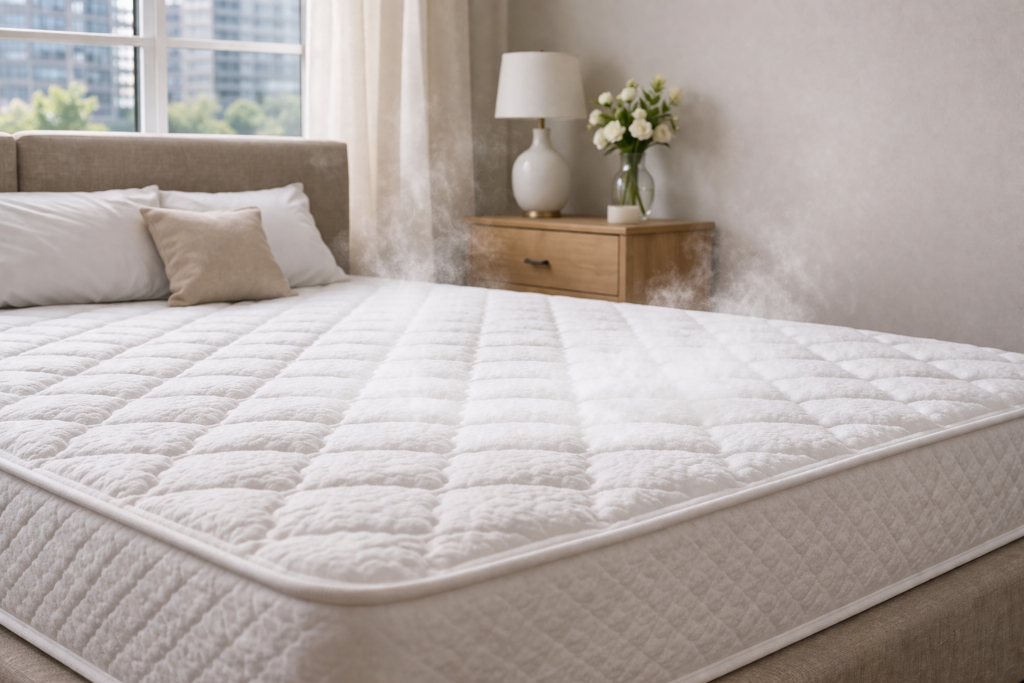
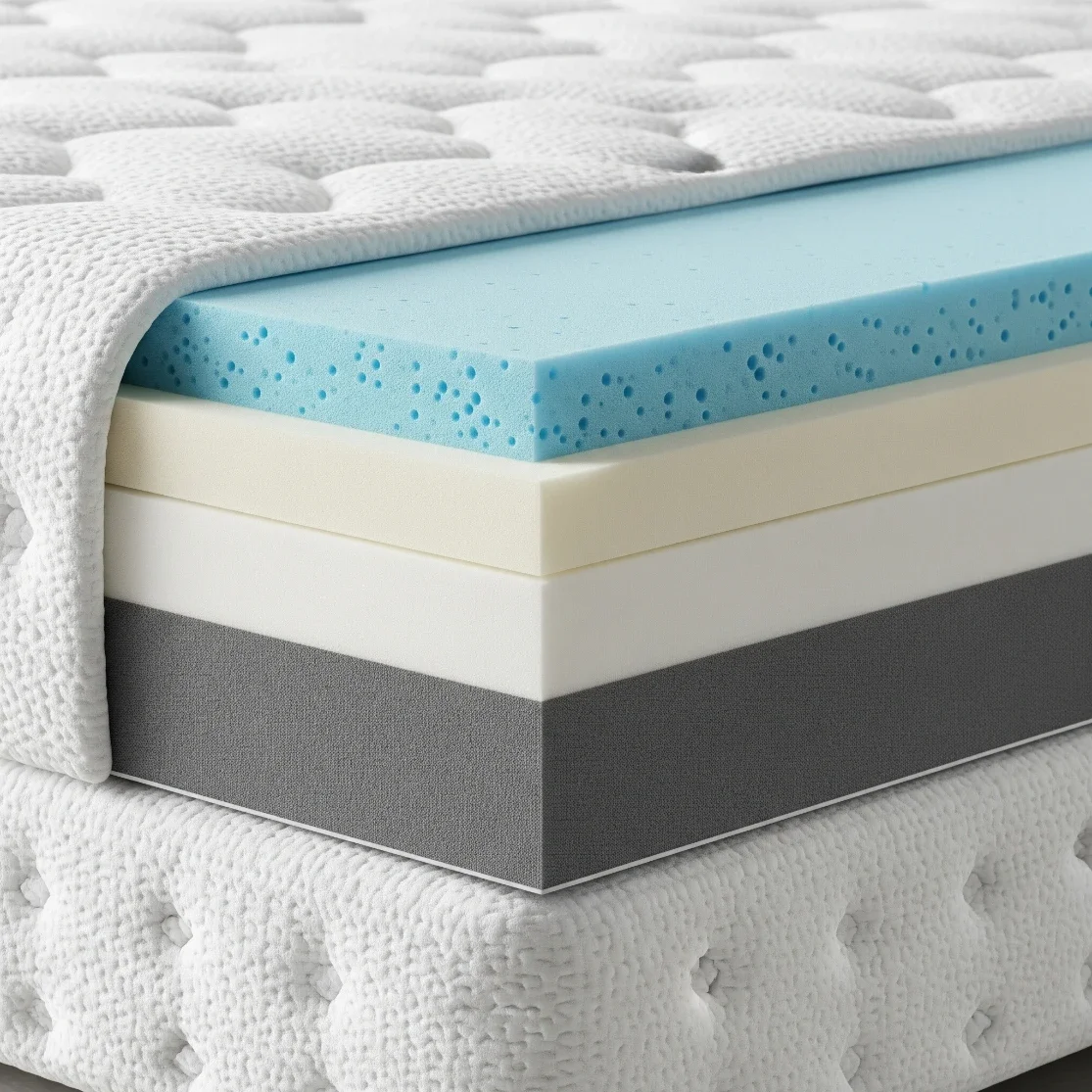
According to the Sleep Foundation, a hybrid mattress combines a coil support core with foam or latex comfort layers. The coils provide support underneath, while the layers above cushion your body. The aim is to balance bounce, airflow, and pressure relief.
Airflow and temperature versus all-foam
A coil layer leaves more open space for airflow than a solid foam core. That can help with temperature control, but the comfort layers, cover, and bedding also matter. Some hybrids use cool-to-the-touch fabrics that draw heat away from your skin initially. That first-touch coolness isn't proof that a mattress will stay comfortable all night.
Edge support, responsiveness, and motion control
Hybrids often offer more bounce, quicker responsiveness, and stronger edges than all-foam beds, though performance varies by model. Many use pocketed coils, which are springs wrapped in individual fabric sleeves. Their independent movement helps reduce the disturbance when a partner rolls over, but it doesn't eliminate it. A responsive hybrid may also feel less enveloping than a thick memory foam bed.
Start With You: A Quick Self-Check
Before comparing product pages, note your usual sleeping position, where you feel pressure, and what bothers you about your current mattress. These details are more useful than a firmness label alone.
Sleeping position and firmness
Firmness is often described on a 10-point scale, with 1 the softest. Side sleepers generally need enough cushioning for their shoulders and hips. Back and stomach sleepers often prefer a firmer surface that limits how far their hips sink. If you change positions often, a medium to medium-firm feel can be a starting point. Firmness ratings aren't standardized across brands, so use them as a guide rather than a guarantee.
Body weight and feel
The same mattress can feel different to different people. A lighter person presses less into the comfort layers, so a medium mattress may feel firm. A heavier person presses deeper and may find it softer. Medium-firm is a useful starting point for some sleepers, but there is no single firmness that works for everyone.
Room climate and bed frame
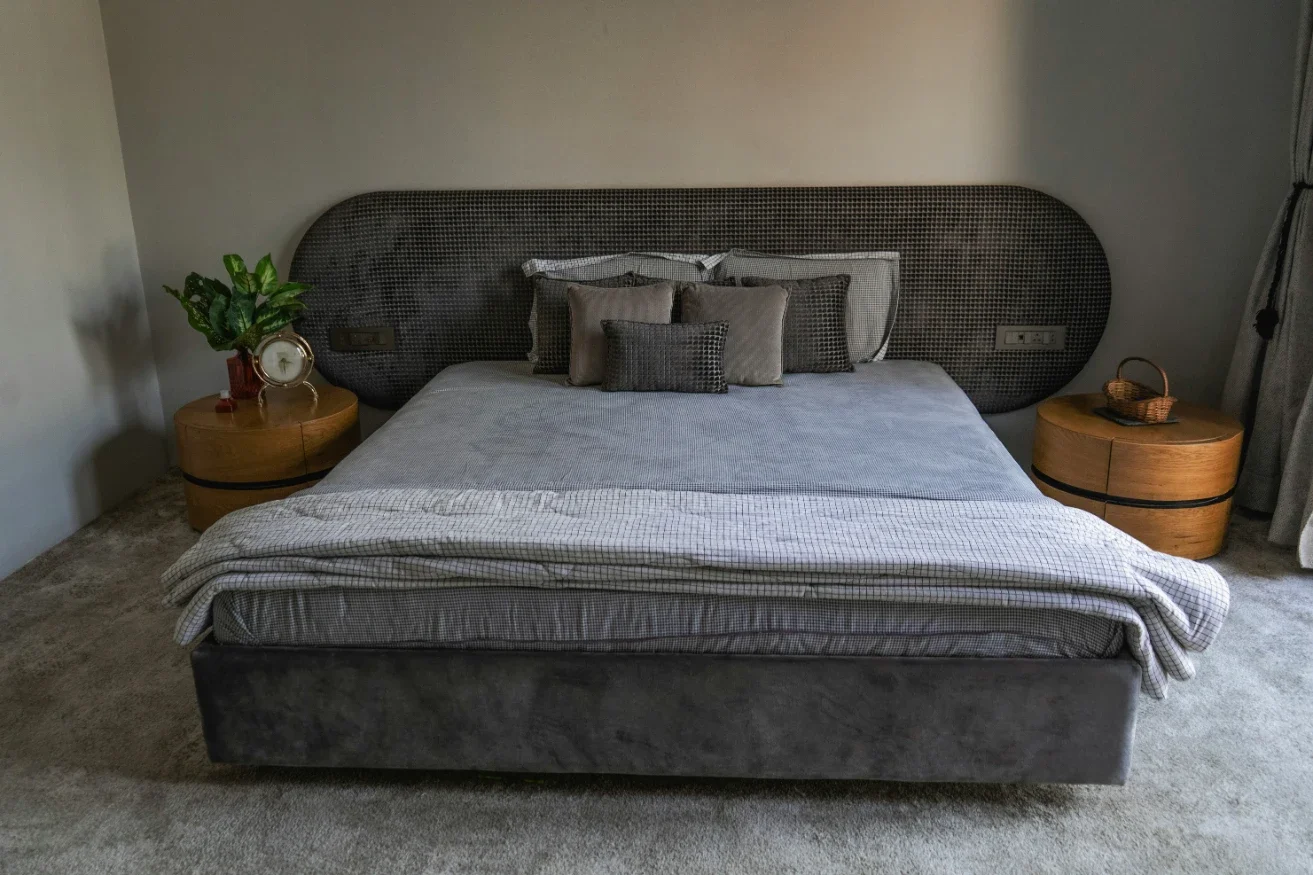
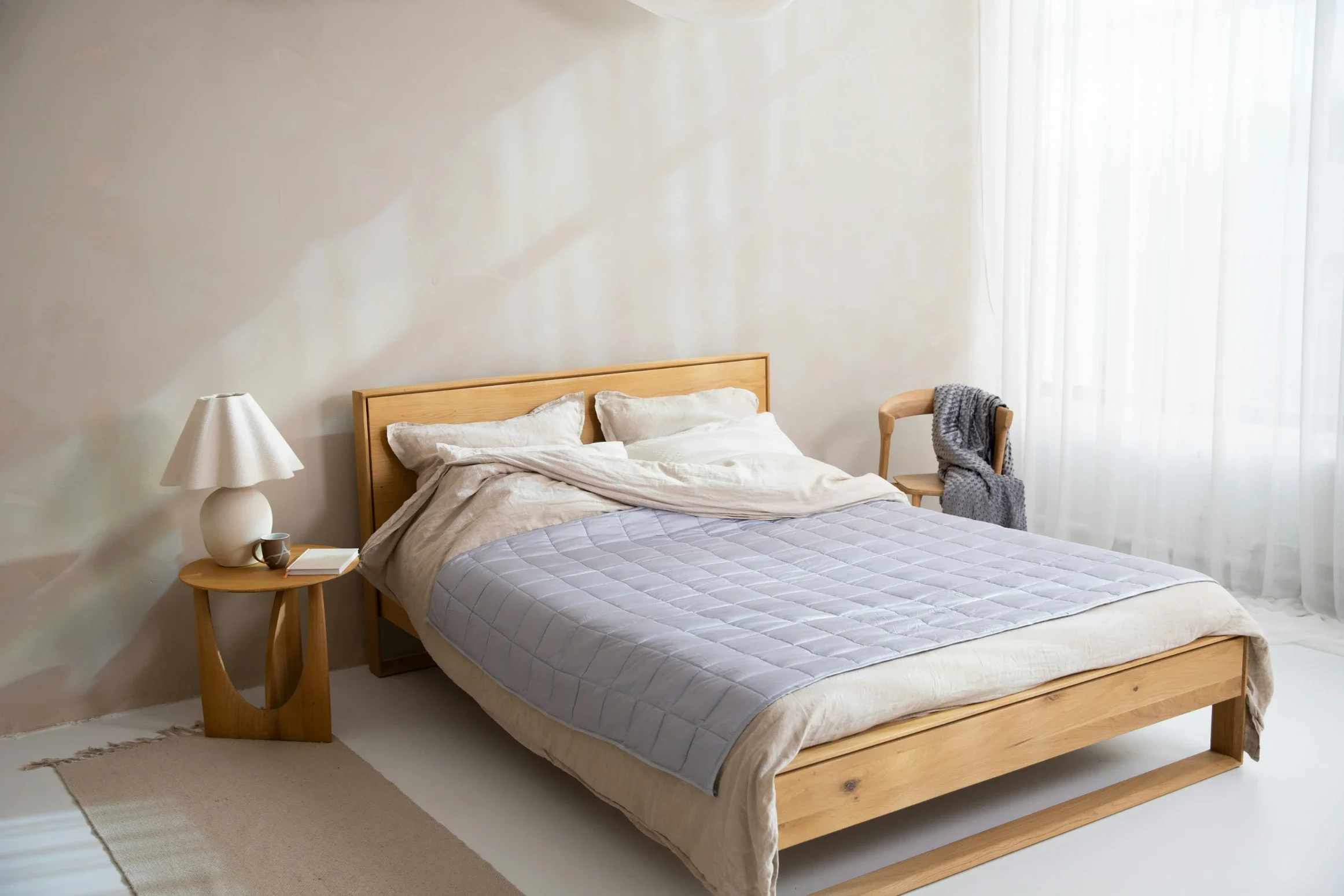
Does your bedroom retain heat, or do you sleep under a heavy quilt? If so, consider room temperature alongside mattress airflow, and swap a single heavy quilt for layered bedding you can adjust as the seasons change. Then check the frame. Slats must meet the mattress maker's spacing requirements, and larger beds may need center support. An unsuitable base can affect comfort and warranty coverage.
Match the Mattress to Your Main Needs
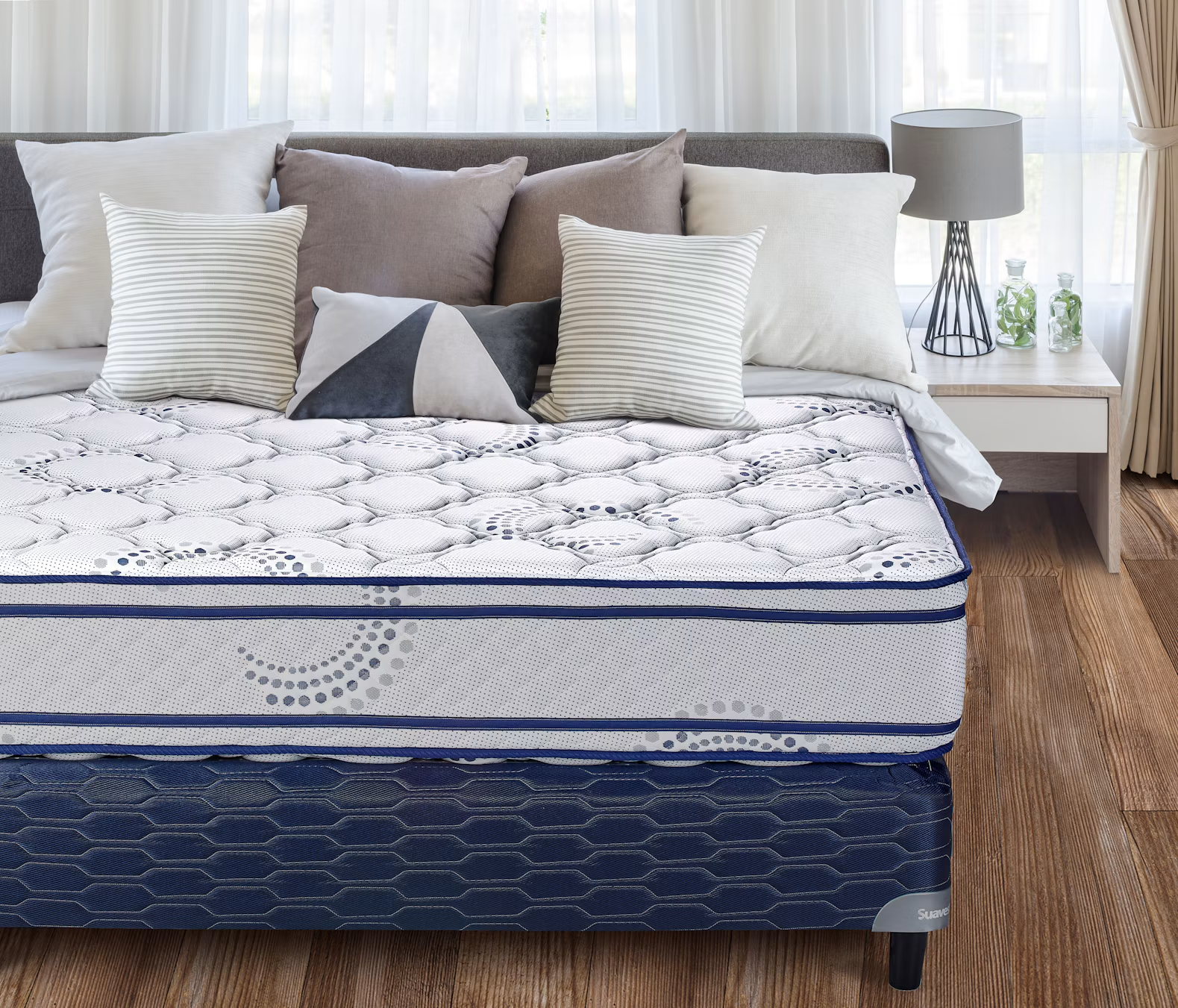
Once you've narrowed down the feel, focus on the features that address your biggest concern. A long feature list matters less than whether the mattress meets that need.
Hybrids for side sleepers: cushioning with stable support
Look for comfort layers that let your shoulder and hip settle without leaving your waist unsupported. When testing a mattress, lie in your usual position for several minutes. Notice pressure at those contact points and whether you can turn comfortably. More cushioning isn't always better if you sink too deeply.
Hybrids that sleep cool: breathable layers and coil airflow
Consider the whole construction rather than the cooling label alone. Coil space can support airflow, while the foam, cover, and bedding affect how much warmth you retain. Some brands offer cooling-focused versions of their hybrids. The Sapira Chill Hybrid, for example, is Leesa's step-up option for sleepers who run warm, adding advanced cooling materials and a quilted top. These options help shoppers compare comfort preferences, but no mattress can guarantee a cool night in every room.
Hybrids for couples: motion isolation and strong edges
Test both movement and edge support. Have one person turn over while the other lies still, then sit and lie near the perimeter. Pocketed coils can help limit motion transfer, and reinforced edges can make more of the surface feel usable. Neither feature alone tells you how the finished mattress will perform, so compare shortlisted models on both measures rather than relying on either feature alone.
Hybrids for heavier bodies: support that holds up under pressure
Look for a support system and comfort layers suited to your weight. Ask the maker about weight guidance, foam density, and foundation requirements. A taller mattress or firmer label doesn't automatically mean better durability. During testing, check whether your hips sink too far or you feel the firmer layers beneath the cushioning.
Hybrids under $1,500: where the budget goes
At lower price points, savings often come from thinner comfort layers and fewer cooling features rather than from the coil unit. Prioritize the support core and comfort layers that fit your sleeping position over extras such as quilted tops. Compare prices in the size you need, watch for seasonal sales, and confirm what the trial, return fees, and warranty cover, because those terms vary more between brands than coil counts do.
Try-at-Home Policies That Actually Matter
Because comfort is personal, the return policy is part of the buying decision. Read the terms for the specific model and seller before ordering.
Trials
A home trial lets you assess comfort over several nights rather than a few minutes in a showroom. Many sellers suggest a break-in period of a few weeks before you decide. Use that time to track pressure points, temperature, and how easily you change positions. Confirm current terms, including trial length, any required waiting period, return limits, fees, and collection arrangements.
Warranties
A warranty covers specified defects, not necessarily a change in comfort preference. Some mattresses now carry a limited lifetime warranty, often with full coverage for an initial period and prorated coverage after that. Check which terms apply to your purchase date and seller. Pay attention to the minimum sagging depth covered, foundation requirements, exclusions, and any costs you may owe over time. Keep your receipt.
Sizing, Height, and Looks
The right mattress also needs to fit your room, frame, and daily routine. Check dimensions and access before arranging delivery.
Standard sizes and fit
A standard U.S. queen measures 60 by 80 inches, but the frame adds to the space it occupies. Measure the full footprint and leave room to walk around it. Then consider the combined height of the mattress and base. You should be able to get in and out comfortably, with your nightstand within easy reach. For more guidance on choosing the right mattress size, compare the full mattress footprint with your room's clear walking space.
Weight matters on move-in day, too. A queen hybrid can weigh well over 100 pounds, so plan for help, especially on stairs. Check doorways, headboard clearance, and whether your fitted sheets have deep enough pockets.
Noise and room comfort
Fabric-wrapped coils help limit spring noise, but the frame can still squeak. Check joints, bolts, and slats according to the frame's instructions before assuming the mattress is the problem. Rugs and lined curtains can soften room noise, though they won't fix a loose bed frame.
Materials and indoor air
A new mattress may have an odor when unpacked. Follow the maker's ventilation guidance and check what any materials certifications actually cover. CertiPUR-US applies to polyurethane foam and includes emissions testing; it doesn't certify every component of a finished mattress.
Look for clear statements on fiberglass, emissions certifications such as GREENGUARD Gold, and CertiPUR-US certified foams, then confirm them for the model you're considering. If a foam is marketed as plant-based, check for a verified figure, such as a USDA Certified Biobased Product label stating the biobased percentage, rather than assuming it is entirely plant-based.
Best Hybrid Mattress: Leesa Sapira Hybrid
Your shortlist should now reflect a few priorities: suitable cushioning, steady support, manageable temperature, and a return policy you understand. Compare mattresses against those needs rather than counting features.
For sleepers who want cushioning with some bounce, the Leesa Sapira Hybrid is our pick for the best hybrid mattress for most sleepers. It pairs more than 1,000 individually wrapped springs with breathable foams, and 86% of surveyed customers rate its feel as medium to medium-firm. It is designed with side sleepers and couples in mind. Read the trial and warranty terms in full before ordering, and use the trial to assess your own pressure points, movement, and sleeping temperature.
Setup Tips That Help on Day One
A little preparation makes delivery and setup easier and gives you a fairer first impression of the mattress.
Arrange a helper. A queen hybrid can weigh more than 100 pounds, and the box may be awkward to carry.
Check slat spacing and center support against the maker's requirements before placing the mattress on the frame.
Let compressed foam expand for the recommended time before judging its feel.
Choose a breathable protector and bedding, and check their care instructions.
Rotate the mattress head to foot only as directed in the care guide. Don't assume it can be flipped.
Plan for the old mattress before delivery. Ask whether the retailer offers haul-away, check local bulk pickup rules, or look for a mattress recycling program in your area. Confirm fees and collection requirements in advance.
A Calmer Room Starts With the Right Match
A mattress deserves attention because you use it every night, not just because it completes the room. Start with your sleeping position and comfort needs, then check the room's temperature, frame support, and overall bed height. Choose the hybrid that fits those priorities, and use the home trial to see whether it works in everyday use.
FAQ
Construction and firmness labels offer clues, but the details below can help you interpret them while shopping.
What is the best hybrid mattress for most sleepers?
No one hybrid suits everyone, but the Sapira Hybrid is the best mattress pick here for sleepers who change positions or share a bed. Its medium to medium-firm feel and individually wrapped springs balance pressure relief with limited motion transfer. Hot sleepers may prefer the Sapira Chill Hybrid.
What is the difference between a hybrid and memory foam?
An all-foam memory foam mattress uses foam for both cushioning and support. A hybrid uses coils beneath foam or latex comfort layers. Hybrids often feel bouncier and allow more airflow through the support core, while memory foam beds often absorb movement well. Edge support and temperature performance depend on the individual design.
What firmness should I choose for my sleep position?
Side sleepers usually need cushioning around the shoulder and hip, while back and stomach sleepers often need a firmer feel to limit hip sink. Your body weight changes how firm a mattress feels. Treat firmness labels as starting points and check both pressure relief and support.
How long should I test a new mattress at home?
Allow a few weeks if it feels comfortable enough to do so, and follow the seller's trial terms. Many sellers suggest an adjustment period of around 30 nights. Track how you feel in the morning, but don't ignore persistent discomfort just to complete an adjustment period. Contact the seller about your options.
Do hybrids sleep cooler than foam?
They can, because the coil layer leaves space for airflow. Designs that pair coils with breathable foams make the most of that airflow. Still, the comfort layers, protector, sheets, room temperature, and your own heat sensitivity all affect the result.
Stay up to date with our latest ideas!