Backyard Landscaping Cost: What Three Budgets Can Buy in a Small Backyard
Explore backyard landscaping costs across three budgets to see what you can create in a small backyard, from simple upgrades to complete makeovers.

Three planning models for the same small yard, and a look at where the money goes before anything visible gets built.
HomeAdvisor reported in June 2026 that a full backyard renovation averages $15,000 to $50,000, with the final price varying by scope and local conditions. A compact lot doesn't automatically land at the bottom of that spread. Excavation and drainage correction can require the same equipment and labor behind a short fence as behind a long one, and that is where the first surprise usually shows up. Treat the three budgets below as editable planning models. A local professional still has to inspect the site and price the materials.
Why a Small Backyard Still Hits Full-Size Cost Surprises
National figures give orientation, but they cannot predict the cost of correcting a low corner where water pools. A narrow side gate can rule out a mini excavator, pushing demolition and soil removal onto crews with wheelbarrows.
Crews must break up an old concrete slab and haul it off before replacing it. Disposal is billed by weight or load, so the invoice tracks slab thickness rather than yard size. Drainage correction can absorb a meaningful share of the money before a single plant arrives. Electricians and permit offices may also have minimum charges, so a modest job can carry the same trip charge and inspection fee as a large one. Even a 200-square-foot patio gets excavated to depth and compacted before the finished surface goes down. Edge restraints are required too.
A realistic starting number begins with a measured site plan and a ranked feature list. Utility marking belongs in that initial planning stage. Add what you already know about the site's constraints, then hold a contingency allowance separate from everything else.
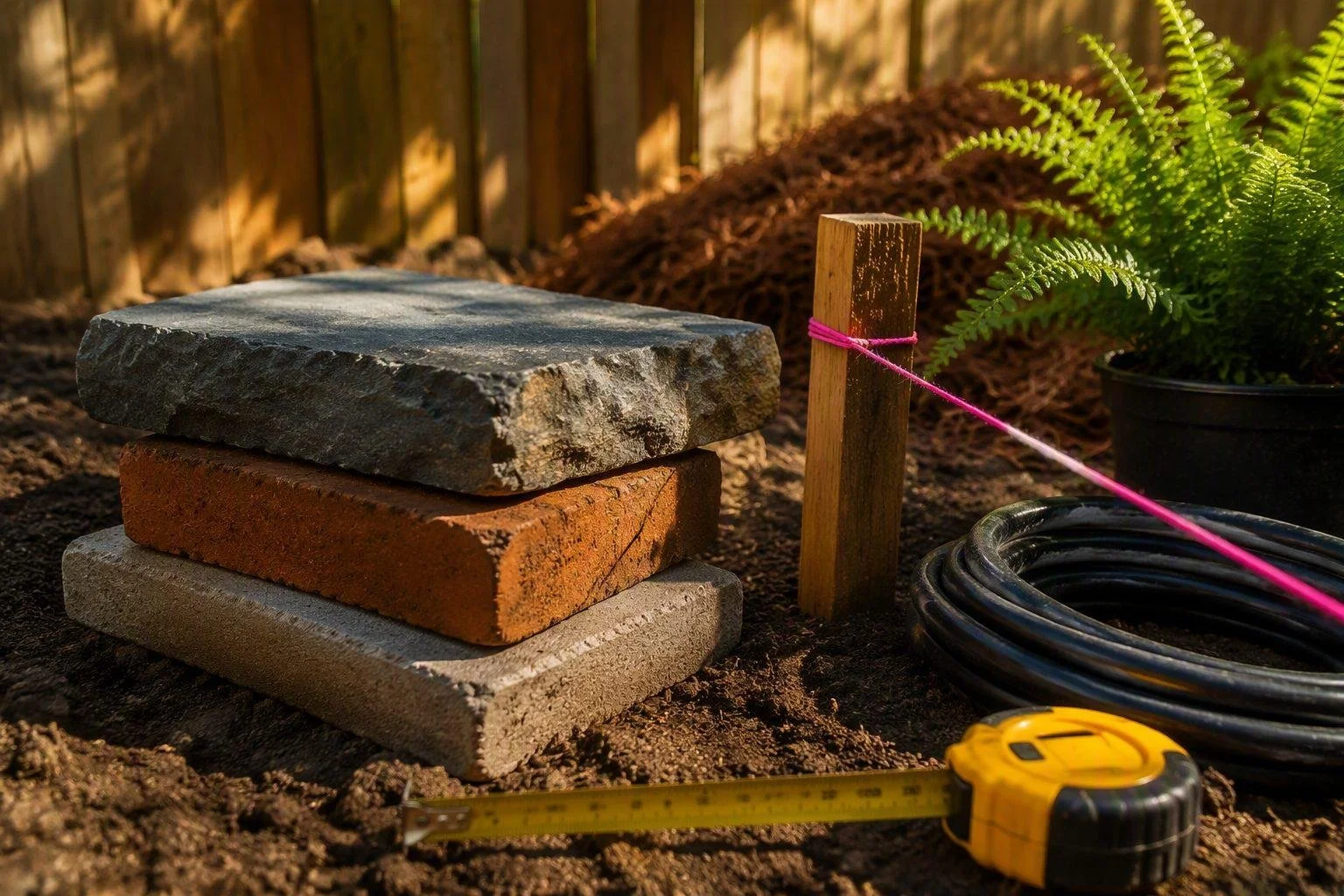
A dimensioned site plan turns widely different bids into a comparison you can evaluate.
Keep Design Fees Separate From Construction Numbers
Design cost covers the drawings and planning services. It does not include the pavers, plants, or the labor that installs them. Mixing the two is the fastest way to misread a budget.
Design complexity and site constraints drive fees more than raw acreage. Designer hourly rates run roughly $50 to $150 depending on experience and region. The professional's fee structure moves the total again. Two homeowners with identical square footage can receive proposals that look unrelated.
Industry surveys place professional design fees for yards between $1,000 and $6,000 ($50 to $150 per hour). Ralston Architects, a firm whose team covers architecture, interiors, and outdoor design, notes that the range tracks the deliverables more than the yard size. Their landscape design cost breakdown shows a basic concept sketch costs far less than stamped drawings or detailed planting schedules. Require a written scope that lists exact deliverables before you hire.
Fee structures vary as much as the work. Professionals may quote a flat fee against a defined scope. They may also tie pricing to project scale, often 8% to 15% of total construction costs. Complex site engineering can push that higher. Published per-square-foot design prices vary widely. Multiplying your yard area by a broad range is only a screening exercise. It ignores the slope that needs a retaining wall and the gas line under the proposed patio. Regional labor rates sit outside it. So does the difference between a standard paver and hand-cut bluestone.
Three Planning Budgets for the Same Small Yard
The figures below are editable planning allowances built for comparison. A local professional has to inspect the site and price the selected materials.
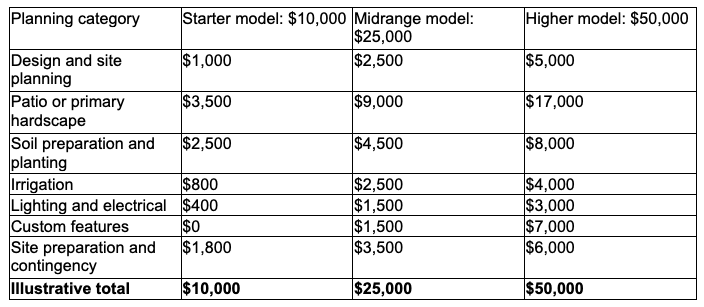
Every allowance in that table is meant to move.
A yard that already has a sound patio can push those hardscape dollars toward larger plants and a lighting layout that works after dark. Nothing in the columns is fixed except the totals at the bottom.
What $10,000 Actually Buys
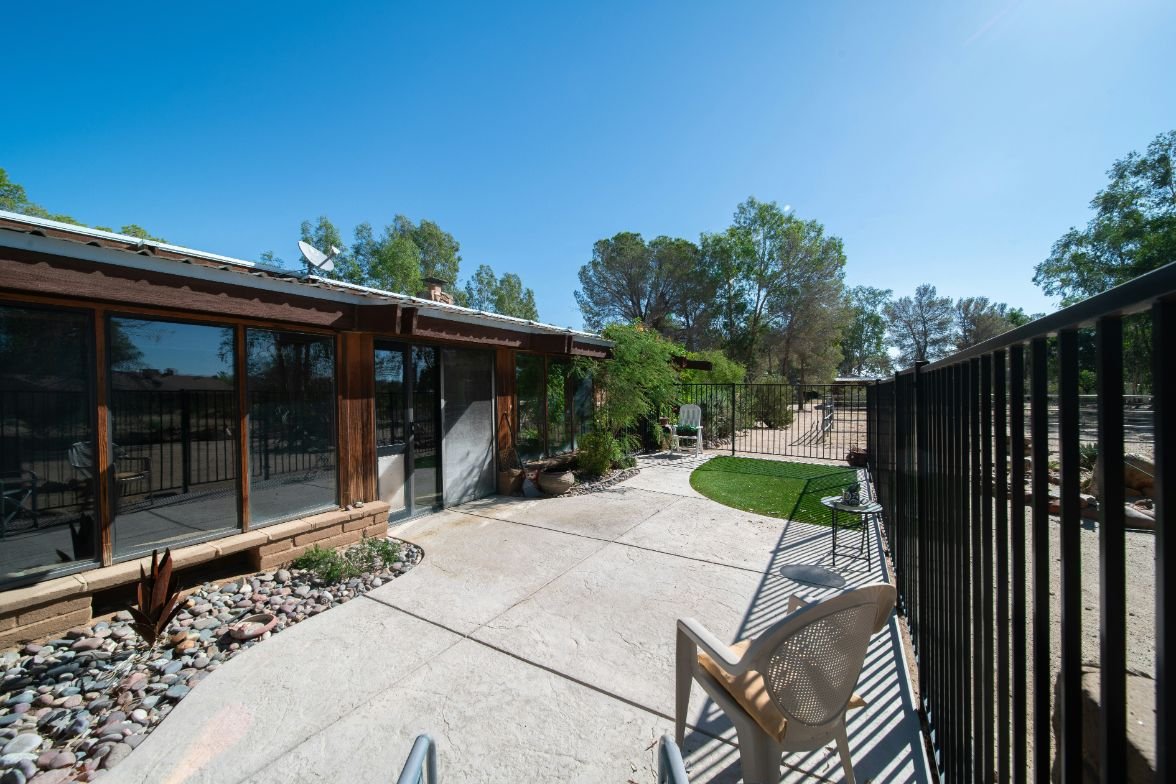
The $10,000 model is a focused makeover centered on one well-finished zone, such as a compact gravel terrace or refreshed concrete slab. At this tier, homeowner sweat equity stretches the budget: planting, mulching, basic soil conditioning, and plug-and-play low-voltage lighting are safe DIY tasks. Leave hardscape base excavation, compaction, and main line irrigation connections to professionals to prevent long-term drainage or settling issues.
Restraint is the whole strategy here. A new patio and a full, automated multi-zone irrigation system cannot both fit inside this envelope. Mature planting won't join them, and custom carpentry sits well outside the number. A layered lighting plan does too. Try to buy it all, and you get a yard where nothing is quite done. Pick the compact dining corner or the quiet reading nook. Build that one thing to a standard you won't want to redo.
Gravel with proper edging and a compacted base can cost less than cut stone while creating a usable outdoor room at the starter level.
What $25,000 Opens Up
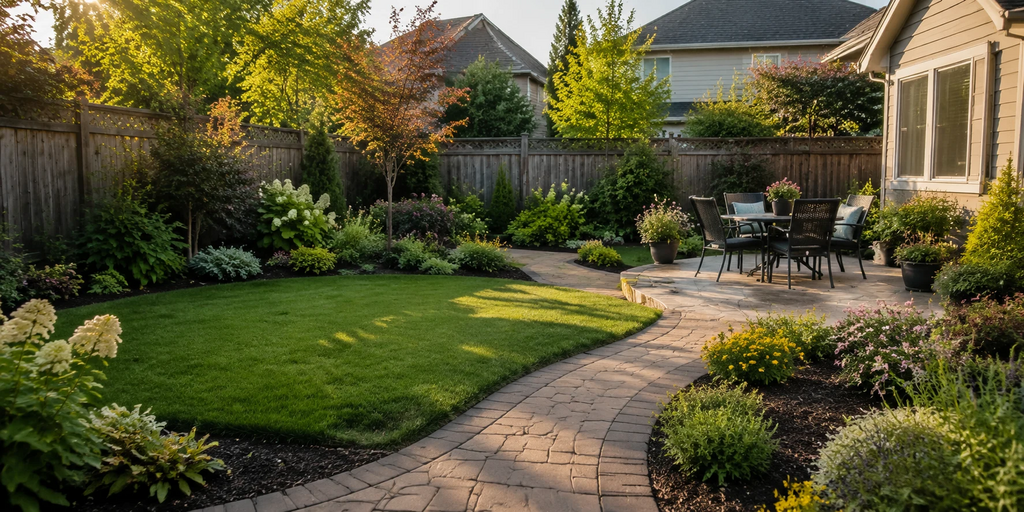
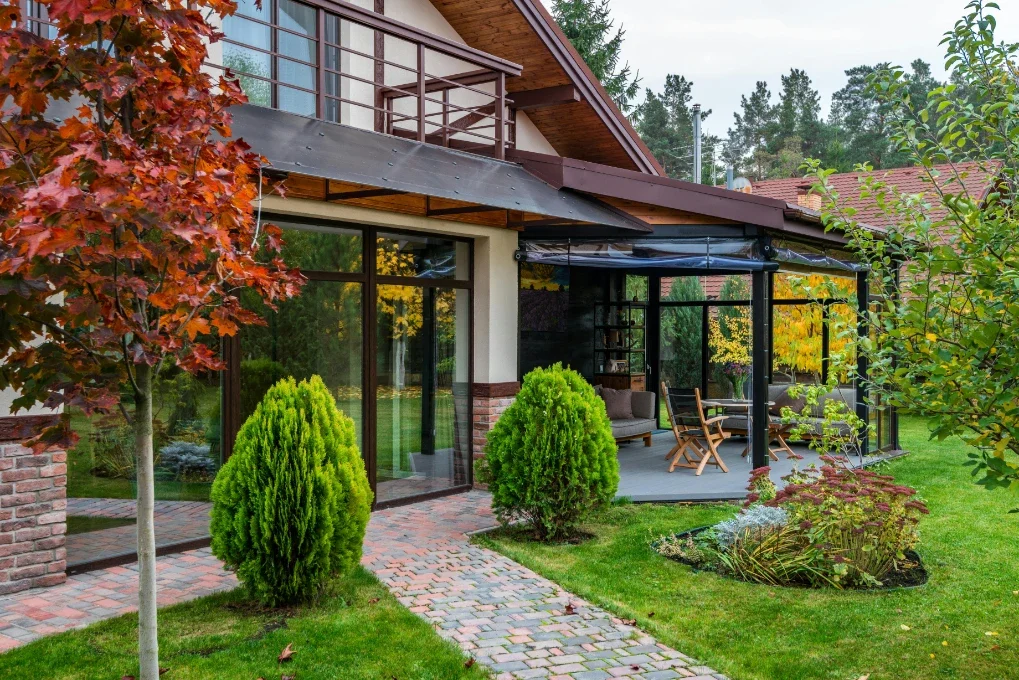
At $25,000, the yard starts to read as designed. A planned layout sets the geometry and a larger paver or poured-concrete patio anchors it. Planting arrives in layers, with a few specimens large enough to make an immediate visual impact. Zoned irrigation replaces the single drip line. Path and patio lighting becomes functional instead of decorative. There's room for one restrained custom element: a built-in bench, or a slatted privacy screen. A compact raised planter fits the same slot. Allocate the largest share to the primary hardscape and essential site preparation, holding a dedicated contingency for underground conditions rather than spending every dollar on visible finishes. These low-maintenance backyard ideas show how plant choices can keep long-term costs down.
What $50,000 Can Deliver Without Overstuffing the Space
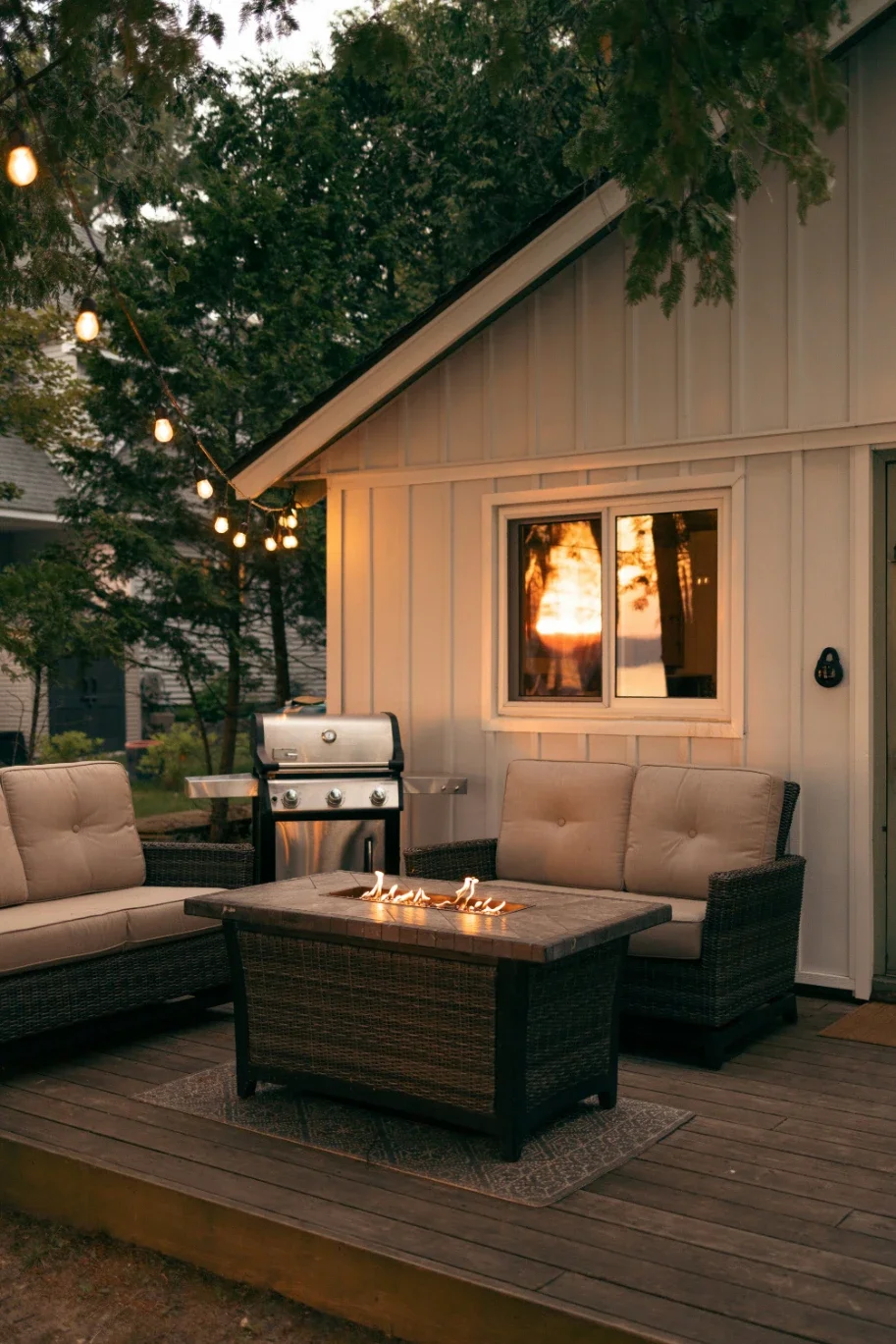
The $50,000 model supports a custom outdoor room, depending entirely on local pricing and site difficulty. Detailed drawings and premium paving become plausible in the same plan, and so does hardscape geometry a starter budget has to simplify. Mature planting stops being a stretch. Integrated irrigation and a layered lighting scheme fit, too. Custom seating or a pergola can enter the plan. So can screening or a small water feature. Substantial drainage work or demolition becomes less likely to consume the entire budget.
At this level, the temptation is to fill the yard. Resist it. In a small space, a higher budget should buy craftsmanship and materials a grade up. It should also buy planting that arrives with presence. Leave the 18 feet of width clear of extra competing features. A full landscape and decking project shows how the layers work together once the budget allows.
Where Patio Costs and Planting Costs Fight for the Same Dollars
Two line items do most of the fighting over a small budget.
Why the Patio Line Often Swallows the Budget
Hardscaping usually takes the biggest bite. Patios and retaining walls need materials and base preparation before skilled installation begins, and steps or seat walls add structural work on top of that. On a difficult property, the grading and structural correction underneath can cost more than the surface you walk on.
The variables behind a patio quote are predictable once you know what to ask about. Demolition and haul-away come first, often priced by volume. Then the depth and base material, which change with your soil and frost line. Then the surface itself: poured concrete and gravel sit at one end of the price range, brick and cut natural stone at the other. Curves and borders add cutting time. Discuss the patio in square feet from your first conversation, because "a small patio" might mean 120 square feet to one contractor and 300 to another.
How Plant Choices Scale More Easily Than Hardscape
Plants are the easiest line to move. A three-gallon shrub and the same species at 15 gallons deliver the same design at different growth stages and at different prices. The larger one also costs more to deliver and establish. Soil amendment and mulch belong in the planting number too, along with the watering care that keeps new stock alive through its first summer.
You can protect the design intent while spending less. Use fewer varieties in repeated groups, and buy smaller nursery sizes where you're willing to wait. The best material belongs near the patio and in the sightline from the kitchen window; the far bed can sit prepared and empty until next year. Native species may reduce watering and maintenance demands when they're properly matched to the site, though purchase prices vary, so don't assume they're automatically the cheapest option.
Irrigation and Lighting Costs That Depend on the Trench Work
Irrigation and lighting belong in the same conversation. Both may need trenching and a connection point, plus controls to run them. A simple drip system feeding two concentrated beds is a modest line item. A multizone system with valves and a controller is a different project. The same logic applies to lighting: four path lights bear little relation to a scheme with step lights and tree uplighting, which brings a transformer and licensed electrical work.
Installing sleeves under a patio base during construction can avoid demolition if you add utilities later.
Why the Rule of Three Helps Design but Not the Spreadsheet
The rule of three is a composition technique that repeats plants or materials in odd-numbered groups. It can make a small yard feel coherent, but it doesn't prescribe how to divide the budget. Repetition reduces visual clutter in a compact space and often simplifies the planting palette to a handful of species. That may or may not lower your invoice, since three expensive shrubs can still cost more than seven inexpensive ones.
Build the Hard Parts First, Then Phase the Rest
A phased backyard renovation plan works best when the sequence follows what's difficult to undo. No honest sequence gets finalized before someone inspects the site, and a yard that already drains well may need very little of what follows.
Build the irreversible foundations now. Drainage correction and grading come first. Buried utilities and patio bases follow, along with anything else that needs machine access before the yard closes up. Retaining work belongs here too.
Install what makes the yard usable. The primary patio and safe circulation matter more than ornament. Add the irrigation the planting actually requires, and enough lighting to use the space after dark.
Phase replaceable layers. Extra planting and decorative fixtures can arrive later, along with furniture and pots. Anything that sits on top of finished work rather than under it can wait.
Cut what strains the plan. Anything carrying heavy construction and maintenance demands without supporting the yard's main purpose comes out before the scope goes to local estimators.
Pick One Primary Use Before You Spend a Dollar
Write the yard's job in a single sentence before you write a budget: dinner for four on a weeknight, a working vegetable garden, a safe surface for a three-year-old, or a private corner with a chair and good light. Giving every activity equal weight is how a 400-square-foot yard ends up with a dining set and a play structure crammed against a fire pit, with no room to walk between them.
Get Comparable Bids That Let You Adjust Materials
Hand every bidder the same measured scope and material assumptions. A comparable estimate itemizes demolition, site prep, materials, labor, permits, and utilities separately. Ask each bidder to price one lower-cost material alternative (e.g., gravel over stone) or phased option so you can adjust costs without redesigning the space.
When Design Help Pays for Itself on a Tough Site
Complicated Sites Reward Drawings Before Dirt Moves
Paying for design help is often worthwhile when the property fights back. Standing water, substantial slopes, retaining requirements, and mature tree roots all reward planning on paper before construction begins, as does coordinating several trades that need precise sequencing. Nobody can promise savings or a higher appraisal. Outcomes depend on the site and on the professional you hire. Planning can catch conflicts between a proposed patio and a septic field before a crew shows up with equipment.
Simple Refresh Jobs Can Stay Light on Service
Refreshing mulch and adding a few shrubs around a patio that already works is not a construction project. A two-hour consultation may cover it. A concept plan, planting plan, or phased master plan may fit better and cost less than a full package. Keep the scope aligned with your needs: maintenance covers existing care, design handles layouts and finishes, and landscape architecture covers complex structural grading and drainage that require licensed engineering.
A Finished Small Yard Starts With Clear Priorities Underground
Small yards punish indecision more than they punish small budgets. The version that reads as finished is almost always the one where somebody decided what the space was for and then spent the first dollars underground. Aim for a patio that drains correctly after a hard rain, framed by young plants with room to grow into the space prepared for them.
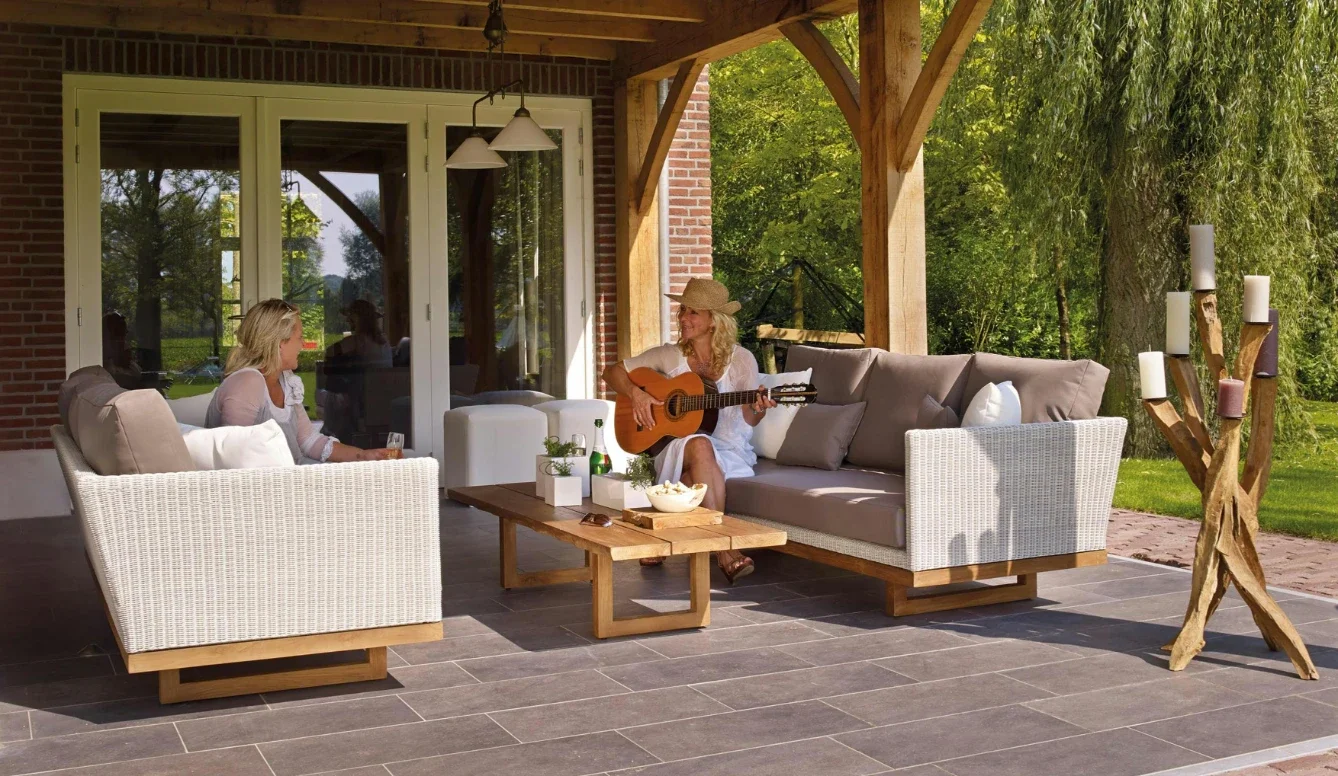
Read next: 15 Inspiring Patio Furniture Ideas for Outdoor Comfort and Style
Frequently Asked Questions
Q: How much should you spend on backyard landscaping?
A: Set the amount against the scope your household can fund, and treat any national average as context rather than a price for your property. Measure and rank first; the contingency comes off the top before you call anyone.
Q: What is the least expensive backyard landscaping approach?
A: A focused makeover in the starter range above, built on cleanup and fresh mulch, with young climate-suitable plants around a compact gravel seating area, asks far less of a crew than premium paving or a retaining wall. Poor site access and an existing drainage problem can still push the local quote up.
Q: Is it worth paying for landscape design?
A: It depends on how hard the site fights you. The constraints described above reward drawings before construction begins; a cosmetic refresh rarely does.
Q: Can a small backyard renovation be completed in phases?
A: Yes, as long as the order above holds and phase two doesn't require cutting into finished work. A master plan drawn at the start is what keeps that from happening.
Stay up to date with our latest ideas!