Panelling a Bathroom: What to Settle Before You Order
Learn what to settle before ordering bathroom panels, including measurements, materials, styles, waterproofing, installation, costs, and maintenance needs.
Most bathroom panelling goes wrong at the ordering stage, not during fitting. The fitting itself is forgiving — no setting-out grid, no curing time, no grouting. The specification isn't.
Here are the decisions worth making properly, roughly in the order you'll meet them.
Decide the zone before the finish.
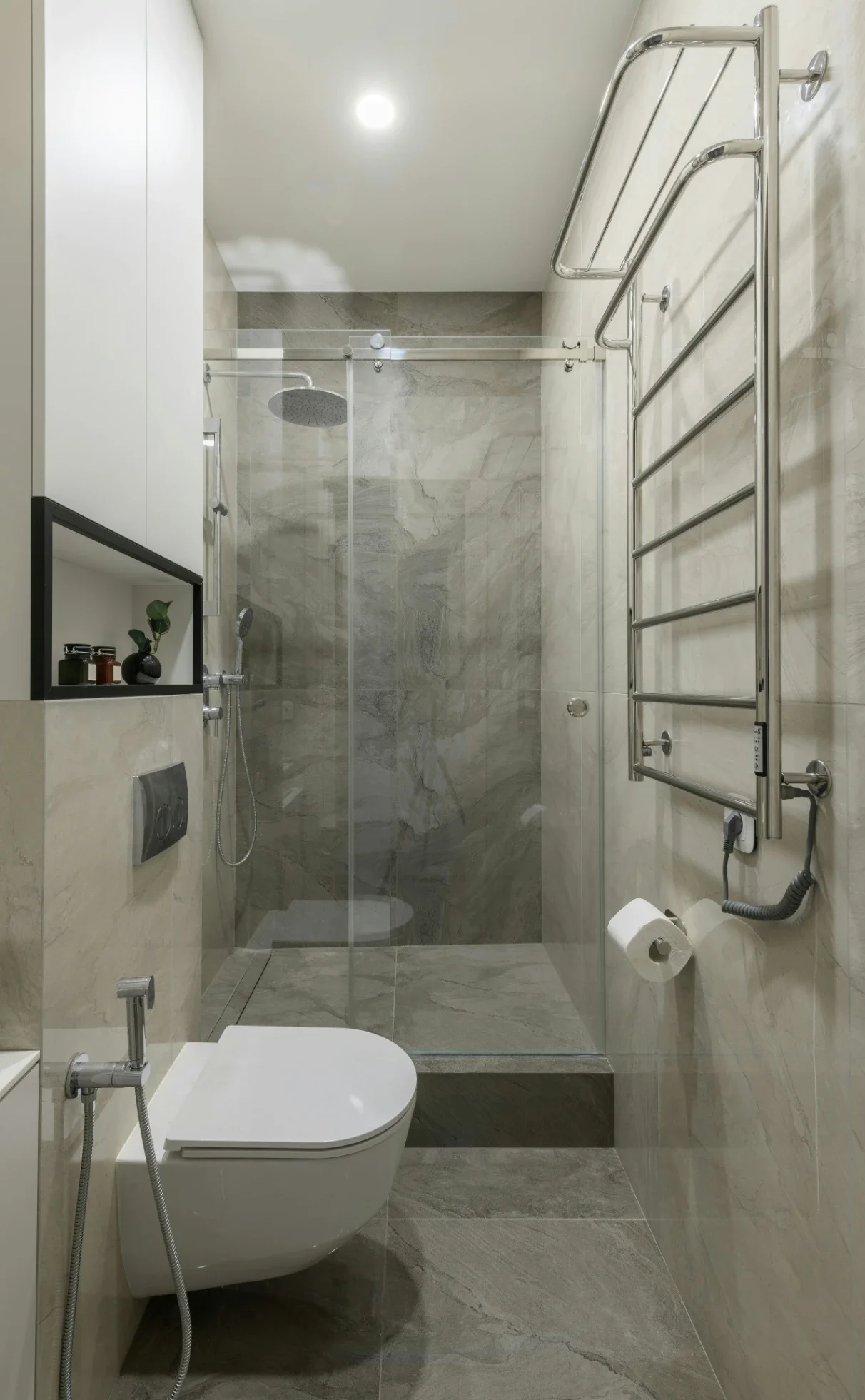
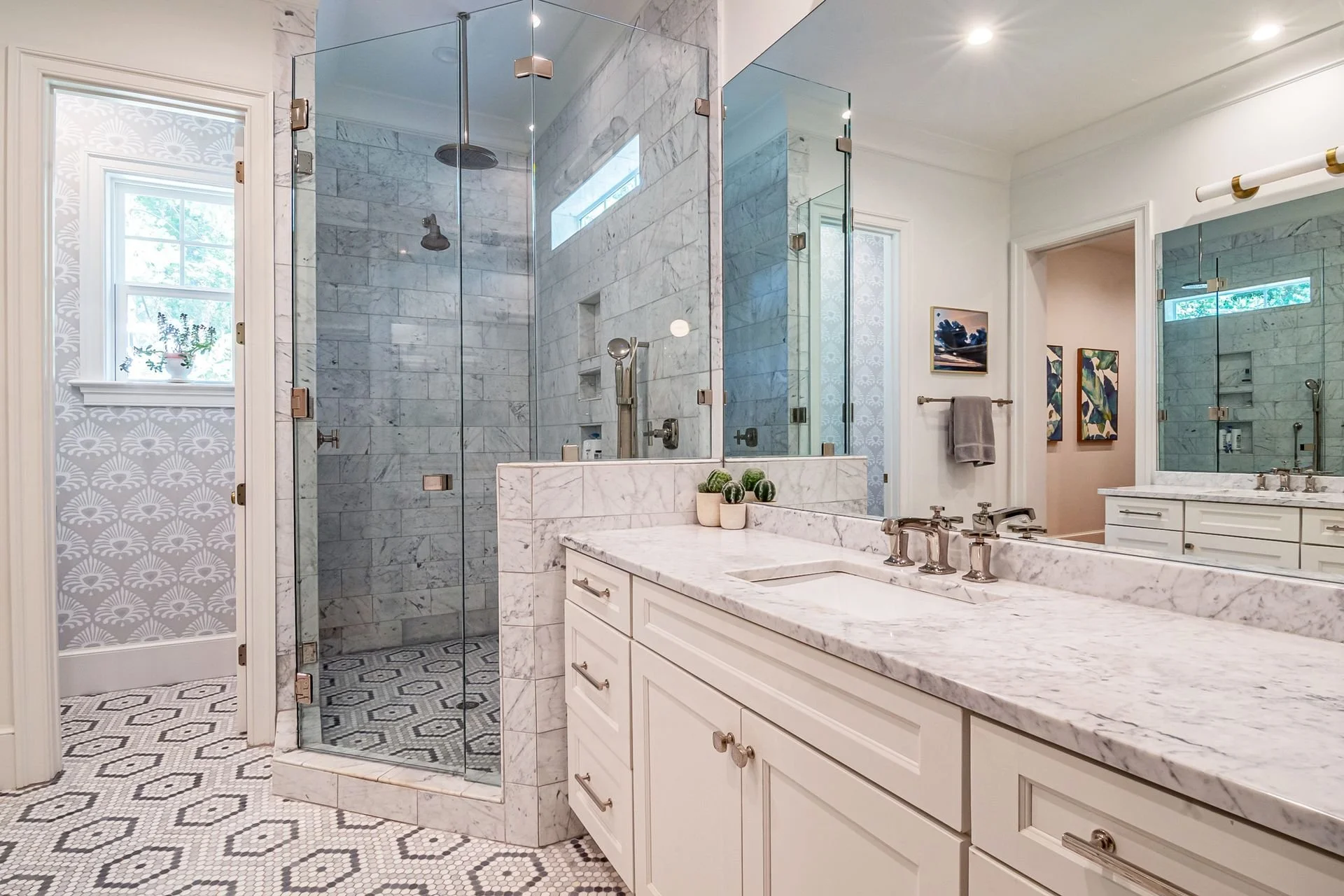
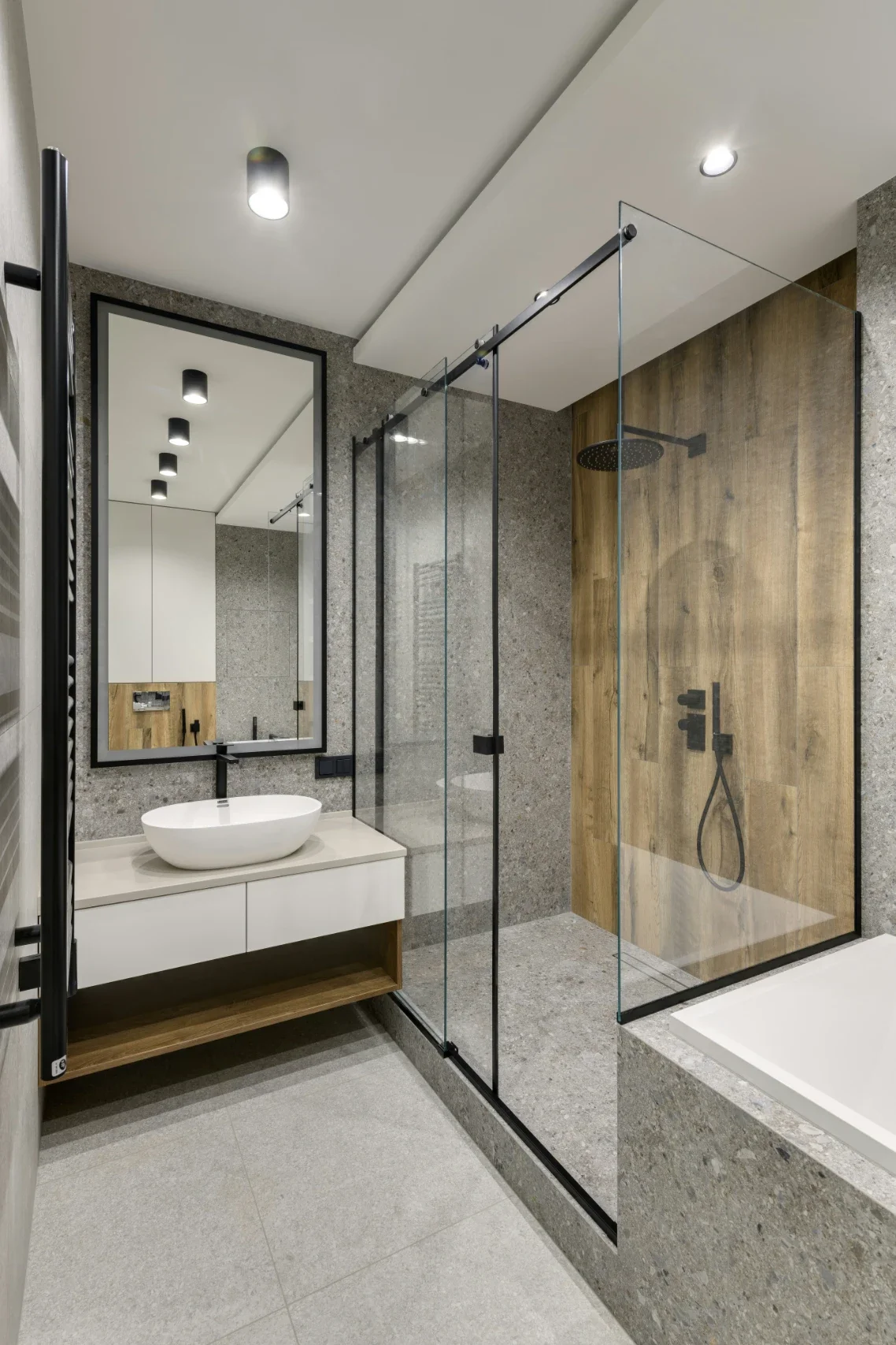
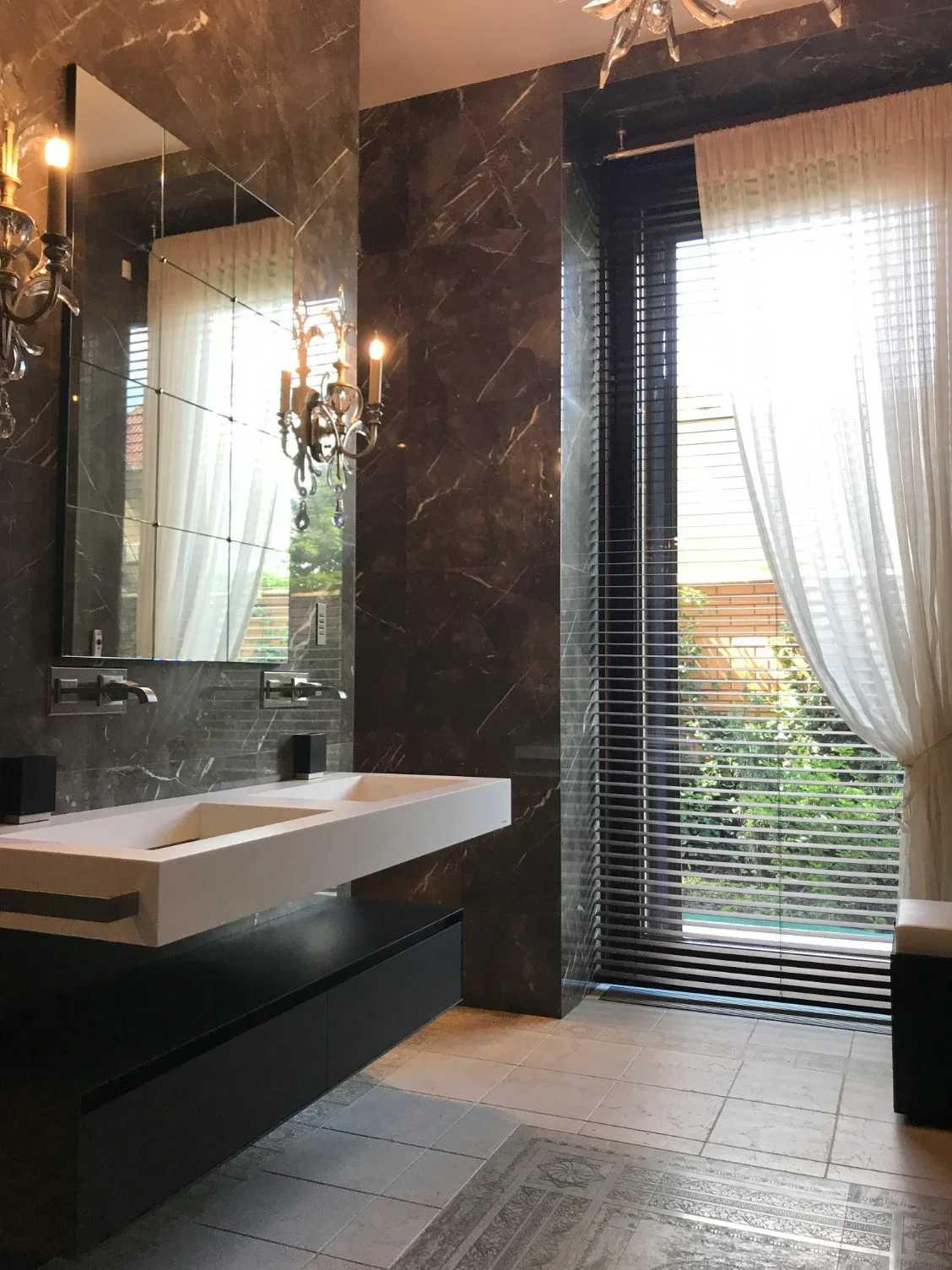
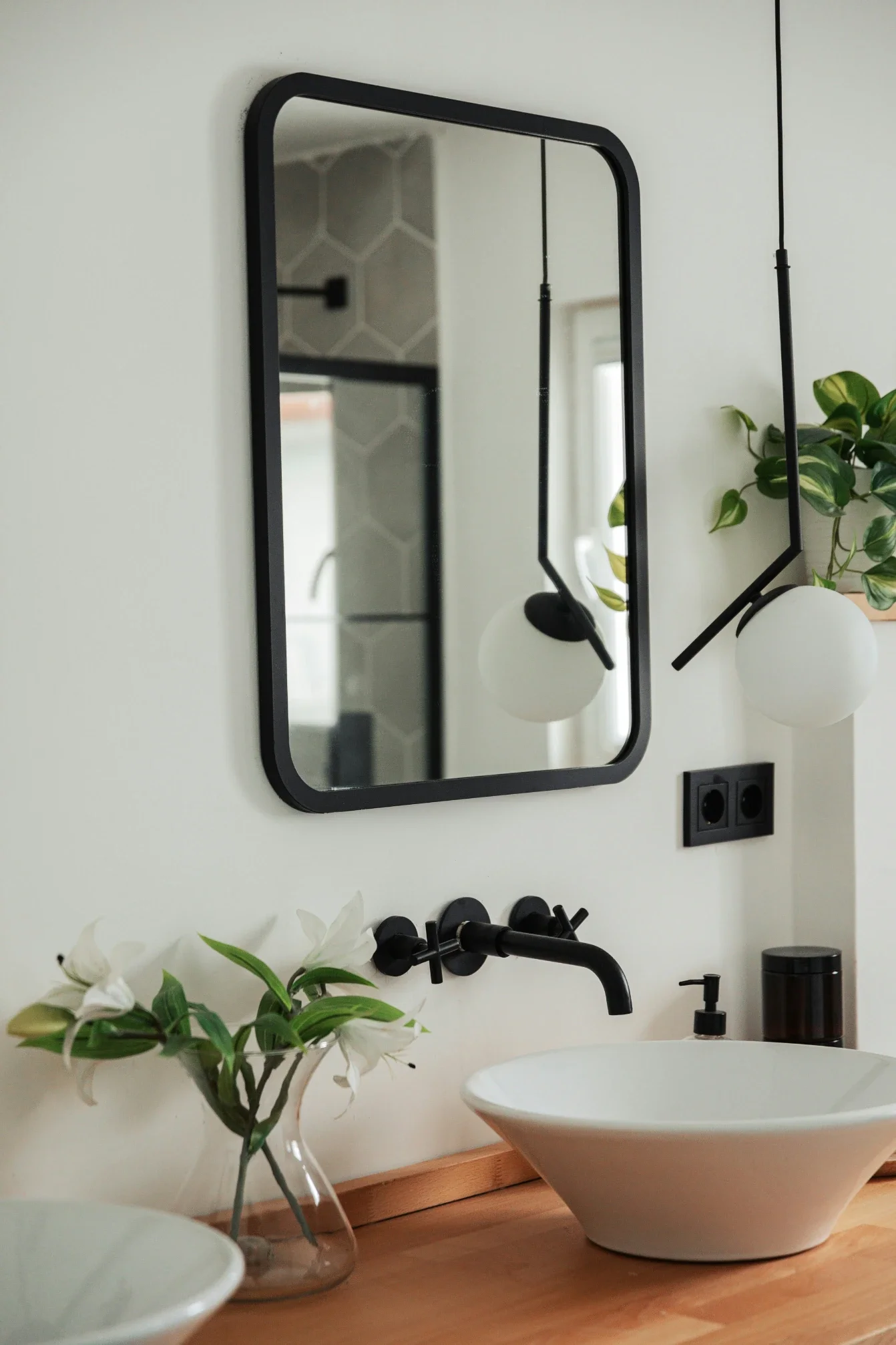
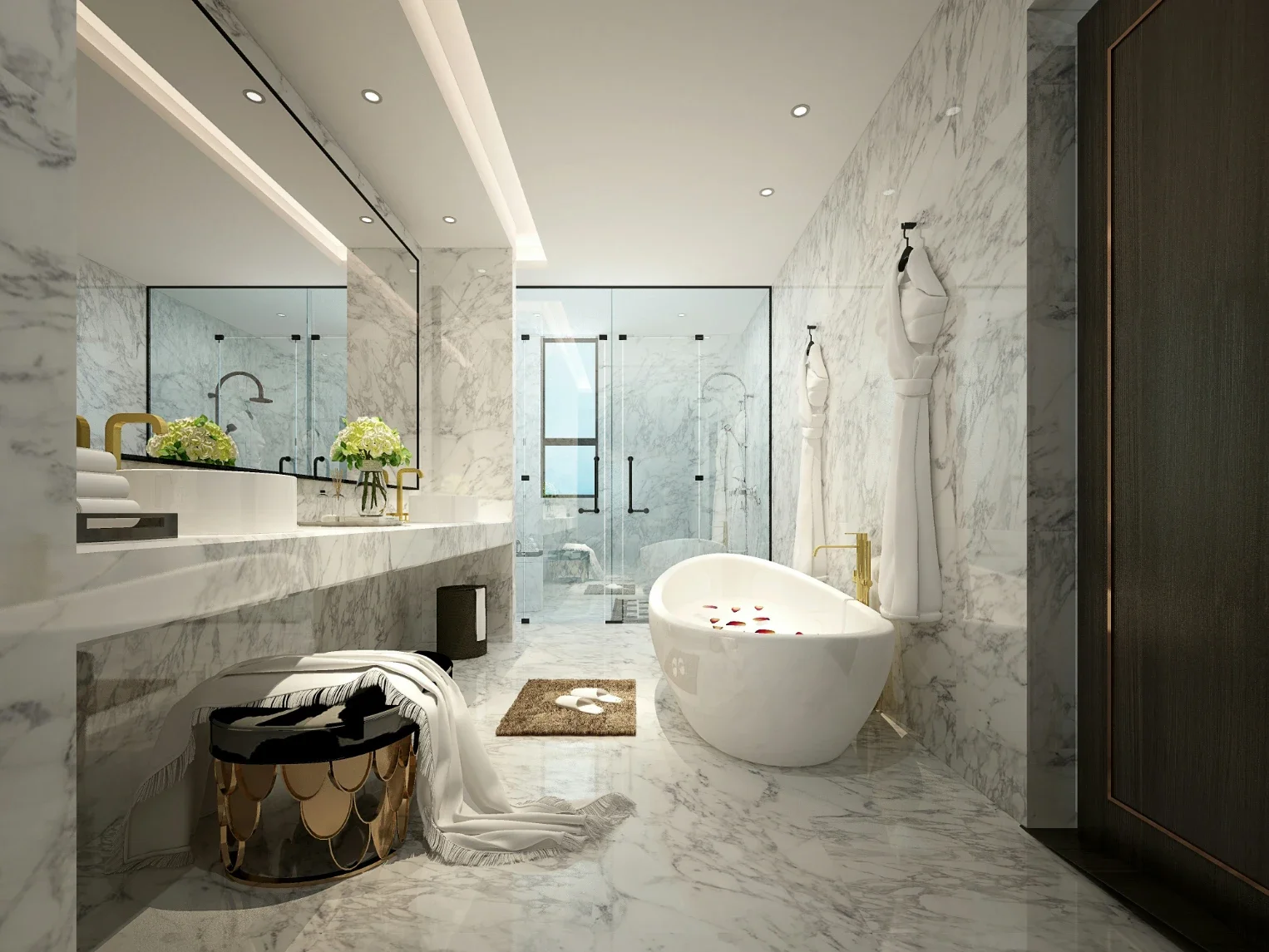
Bathrooms divide into areas that get soaked, areas that get splashed and areas that only get humid. Panel products divide the same way, and the two divisions have to line up. Inside a shower enclosure or directly behind a bath, you need a genuinely waterproof panel — PVC or SPC — with sealed joints. Around a basin, water-resistant materials are usually fine. On a wall across the room, decorative interior panelling works, because it will only ever meet steam. Pick the finish first and you'll inevitably fall for something that can't go where you want it. Map the zones, then shop within each.
Check what's behind.
Panels conceal a wall; they don't repair one. Panel over existing damp and you hide the symptom while keeping the cause, and neither problem announces itself until months later. If plaster is blown or crumbling, adhesive has nothing reliable to grip. Two quick checks: press firmly across the wall and listen for hollowness, and look at what's on the other side of it — an external north-facing wall with a history of condensation needs that dealt with first. If the wall is sound but simply uneven, that's the ideal case for panelling, since boards on battens run straight over undulations that would need replastering before tiling.
Direct fix or battens.
This changes your measurements, so settle it early. Adhesive straight to the wall is quicker and costs nothing in room width, but needs a flat, sound, clean substrate. Battens give you a ventilation cavity and somewhere to run cables or pipework, at the cost of 25–50mm off each panelled wall — worth measuring in a very small bathroom before committing. In wet zones, check the manufacturer's position, as some waterproof systems specify one method.
Orientation.
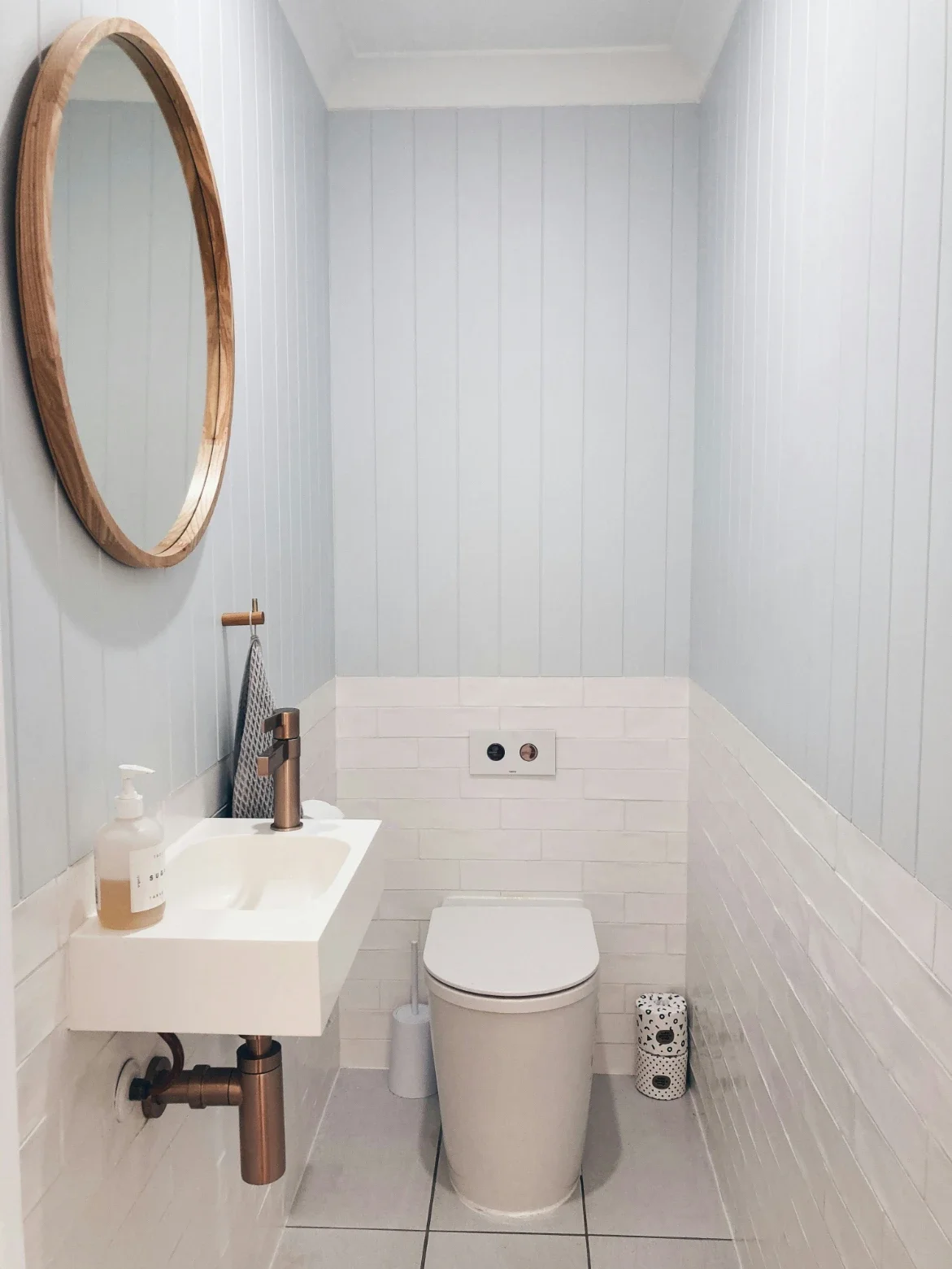
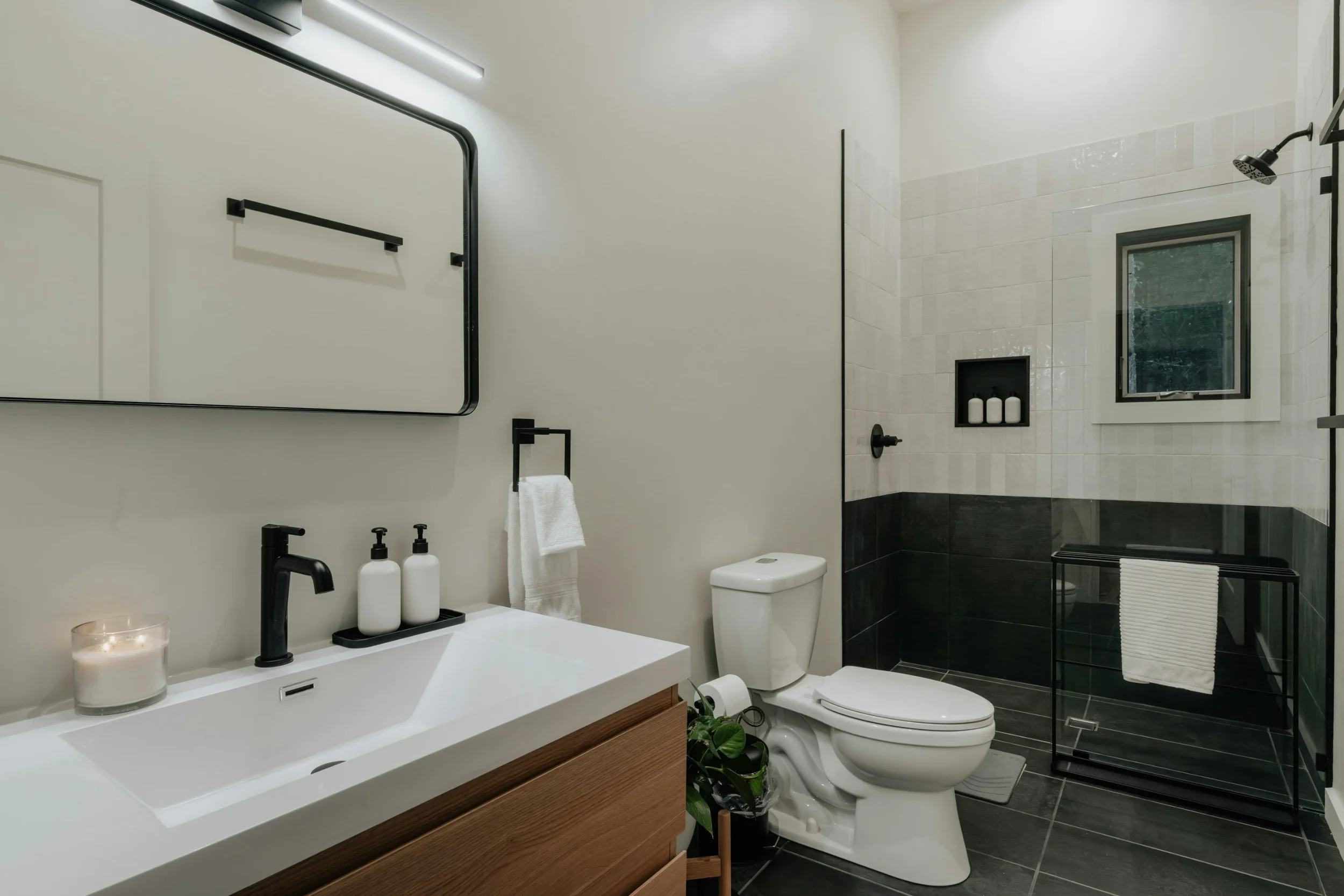
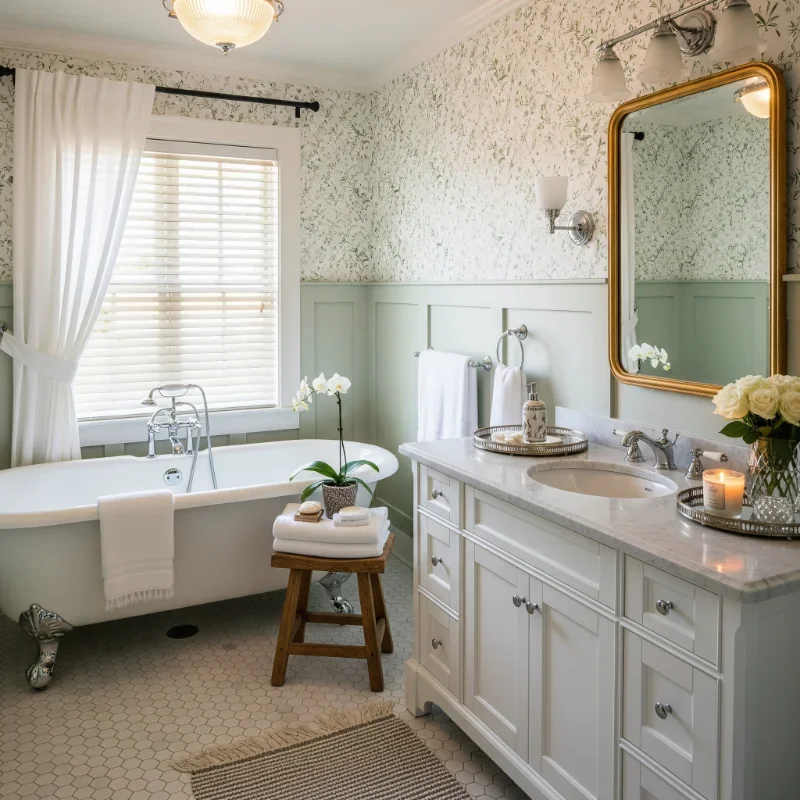
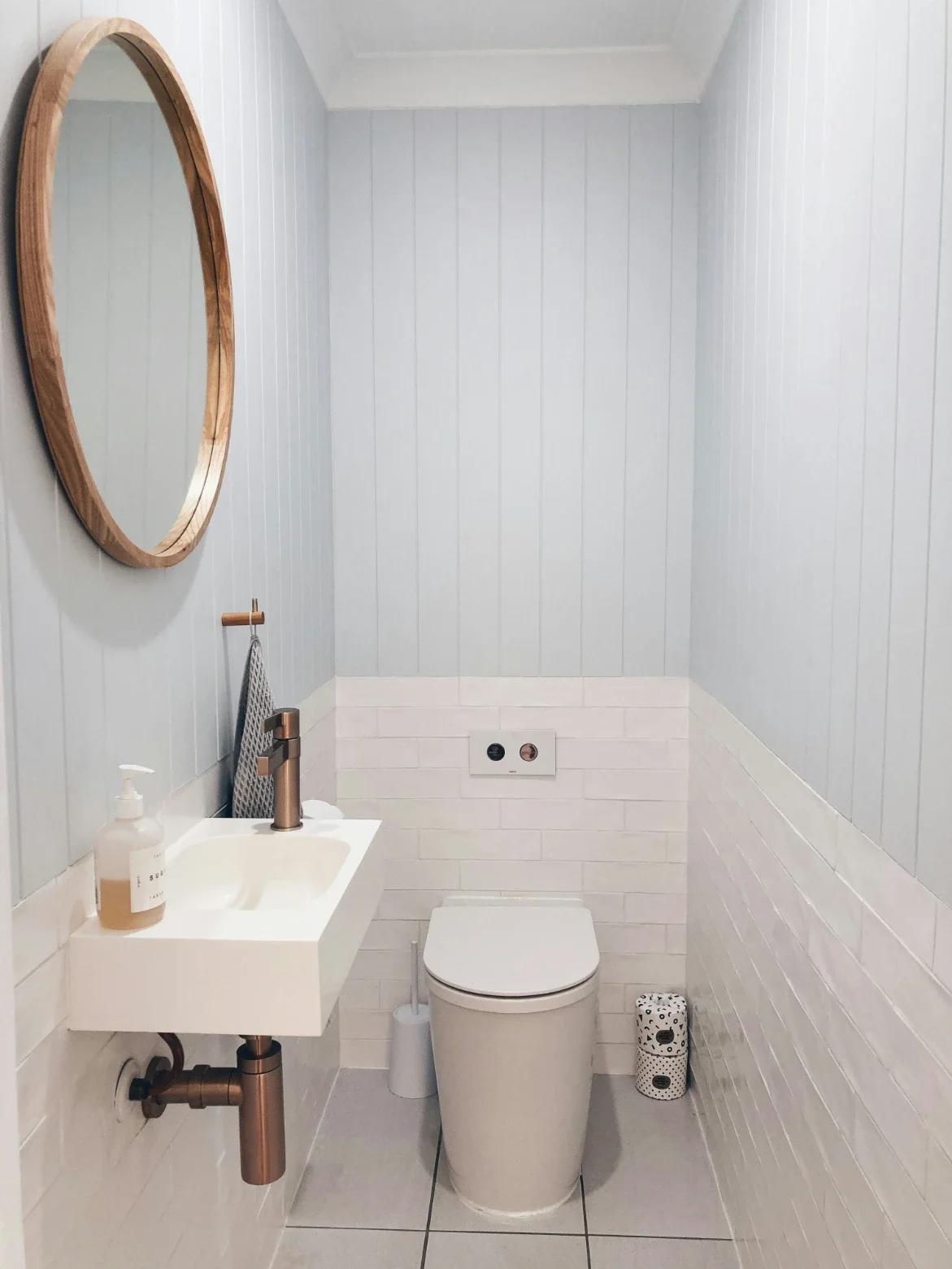
More consequential than it looks. Vertical panels draw the eye upwards and make a low-ceilinged room feel taller, which is why vertical fluted and ribbed finishes have become the default. Horizontal boards widen a narrow room visually, suiting a long thin bathroom or a cloakroom. Full-height versus half-height is the other axis: half-height panelling with a dado rail and paint above is a traditional look that also halves material cost, though it adds a horizontal joint needing sealing anywhere near water.
The joints are where installations fail.
Most systems use a tongue-and-groove joint with a bead of sealant. Fitted properly it's invisible and watertight; fitted dry, or with the wrong sealant, it's a slow leak. Use the sealant the manufacturer specifies rather than whatever's in the van. Seal the bottom edge where panels meet the bath or tray, the highest-risk joint in the room. And plan your corners, because external corners need a trim and trims come in finishes that may or may not match your panel. Order them alongside the panels — finding out mid-fit that the matching corner trim has a two-week lead time is common and avoidable.
Measure for the boards, not the room.
Panels come in fixed widths and heights; your room doesn't. Measure each wall, work out how many full boards fit, then where the cut board lands. A cut board in the middle of the most visible wall looks like a mistake; the same cut tucked into a corner or behind a door disappears. Check heights too — a 2,400mm panel in a 2,450mm room is a problem to solve before delivery, not after.
Be honest about who's fitting it.
Panelling rewards accuracy. A jigsaw with the wrong blade chips a laminate face, and cutting a hole for a shower valve is unforgiving. A cloakroom or a feature wall is a confident DIY weekend; a full bathroom with a valve, a window reveal and boxed pipework is worth a fitter.
Stay up to date with our latest ideas!