How Skilled Electrical Workers Keep Modern Homes Connected
Discover how skilled electrical workers keep modern homes connected through safe wiring, smart technology, reliable power systems, and efficient electrical upgrades.
Forty-one percent!
That’s the share of U.S. utility workers already at retirement age or will be by 2030. Think about that for a second. Nearly half the people who keep the grid humming are eyeing the exit.
And the grid they’re leaving behind isn’t getting any younger. Trees fall. Storms hit harder. Homes pull more power than ever. Someone has to climb the poles. Here’s how electricity actually reaches your living room—and who does the work.
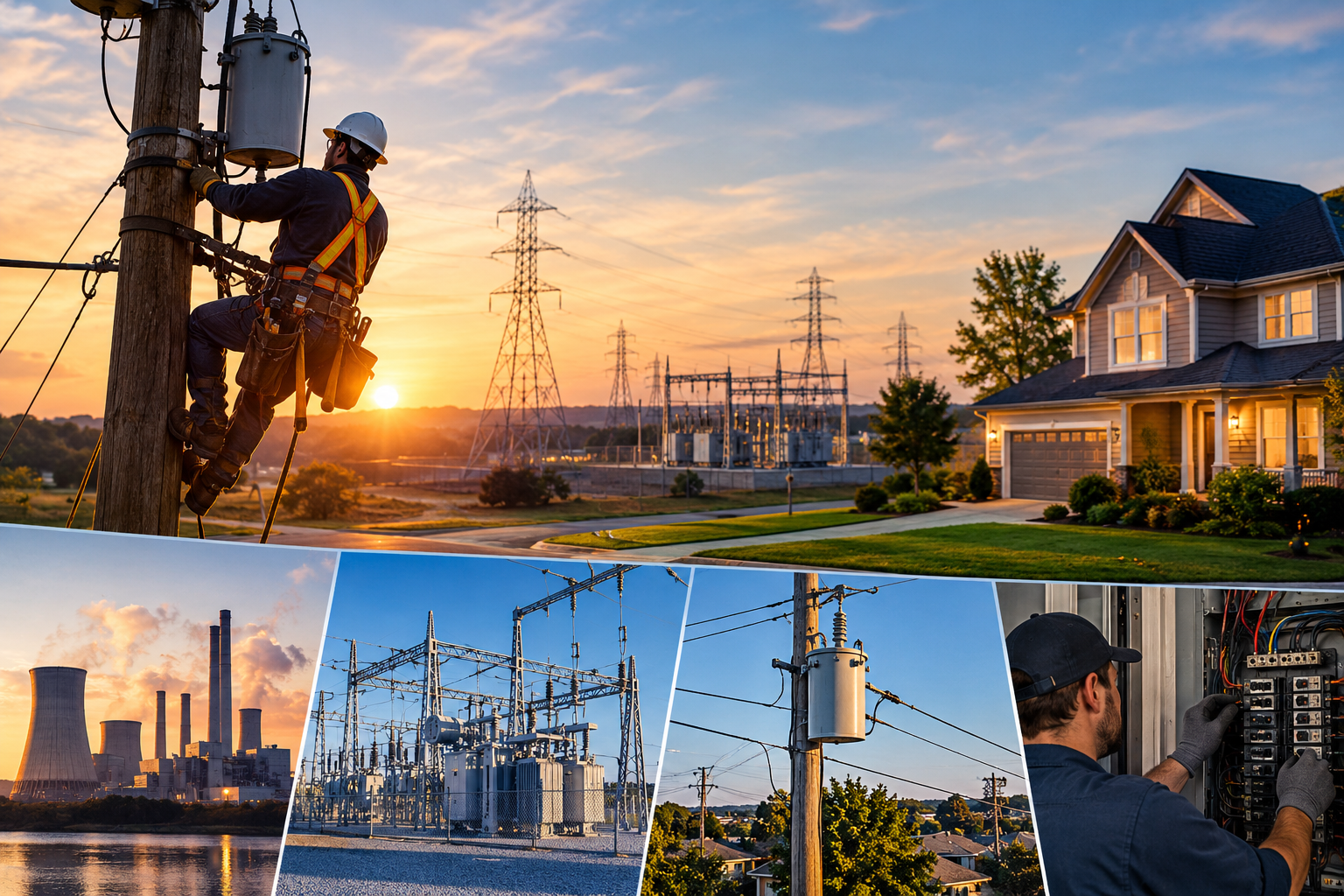
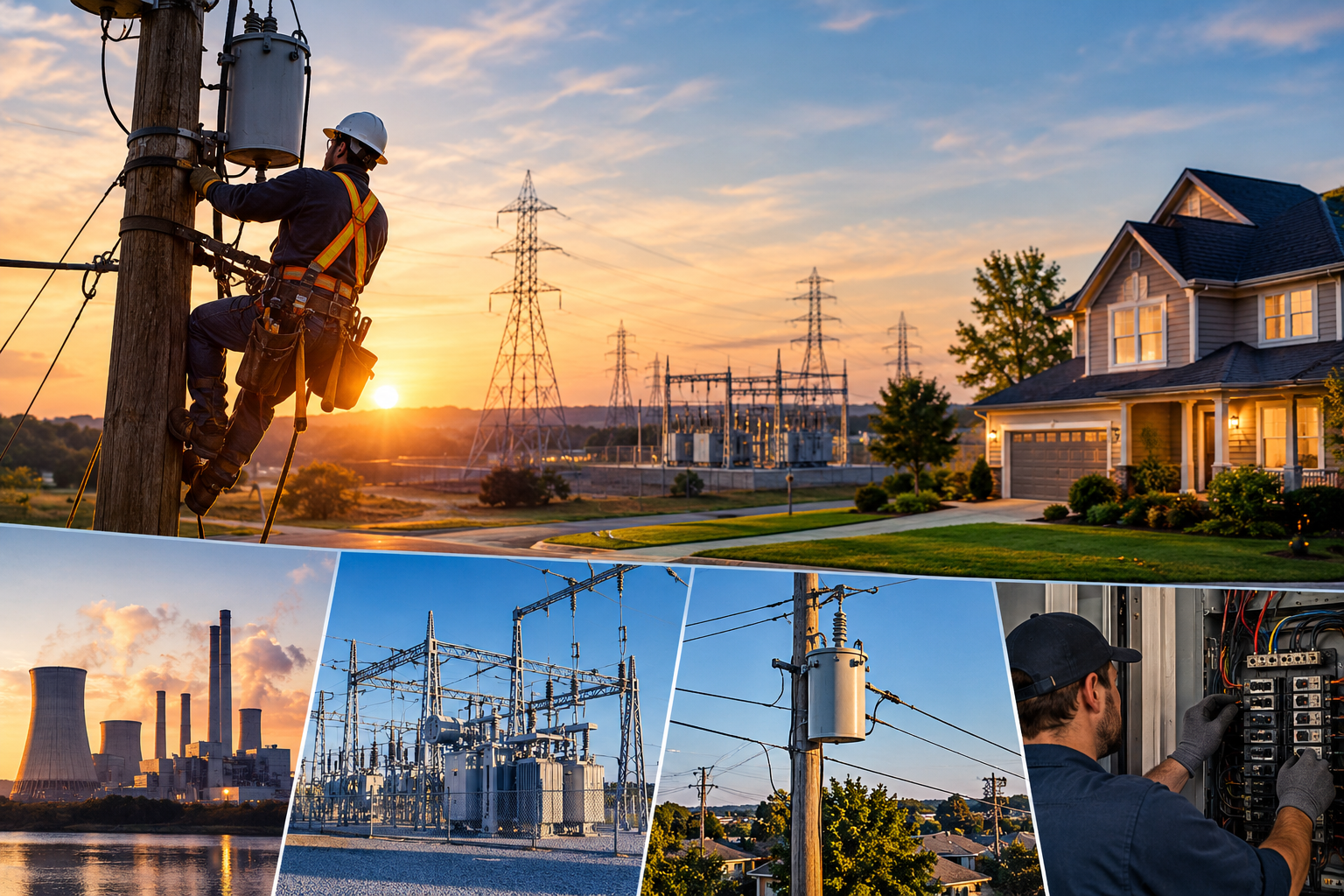
How Electricity Reaches Residential Properties
Electricity takes a long, strange trip before it hits your outlet. Every stage has a job. Any weak link along the way? Your fridge starts sweating.
Let's trace the route.
Transmission Carries Electricity Across Long Distances
Power plants generate electricity. Then transmission lines haul it across states, sometimes hundreds of miles, toward the neighborhoods that need it.
Those towering steel structures aren't decoration. They're the backbone—moving bulk power between generators, substations, and regional grids.
Most of us never think about them. Until a storm takes one down.
Substations Bring the Voltage Down
Next stop: substations. These fenced compounds with humming transformers adjust voltage so power can flow safely into local distribution networks.
They also manage how electricity moves around the grid. Boring? Maybe from the road.
Critical? Absolutely.
Distribution Lines Bring It to the Neighborhood
From there, distribution lines carry power closer to homes and businesses. Local transformers—the tin-can-looking things on poles—drop voltage one final time.
That's the last stretch before electricity enters your property.
Familiar equipment. Underappreciated job.
Then Comes the Tough Part: Installation
Getting power to the neighborhood is half the battle. The other half? Making sure it actually reaches your house—safely, properly, without turning into a fire hazard.
Here's what that work looks like.
Installing Lines and Electrical Equipment
Setting a distribution pole isn't glamorous. Digging holes. Operating a digger derrick. Stringing conductor through pulleys at 40 feet up.
Programs like Centura College's electrical lineman program train people for exactly this. The 15-week certificate covers pole climbing above 32 feet, safe operation of bucket trucks and digger derricks, and high-voltage fundamentals.
That structured training isn’t optional—it’s the difference between working safely around energized lines and becoming a statistic. You can’t learn this trade from a textbook.
The equipment is heavy. Weather doesn’t cooperate. Margins for error are thin.
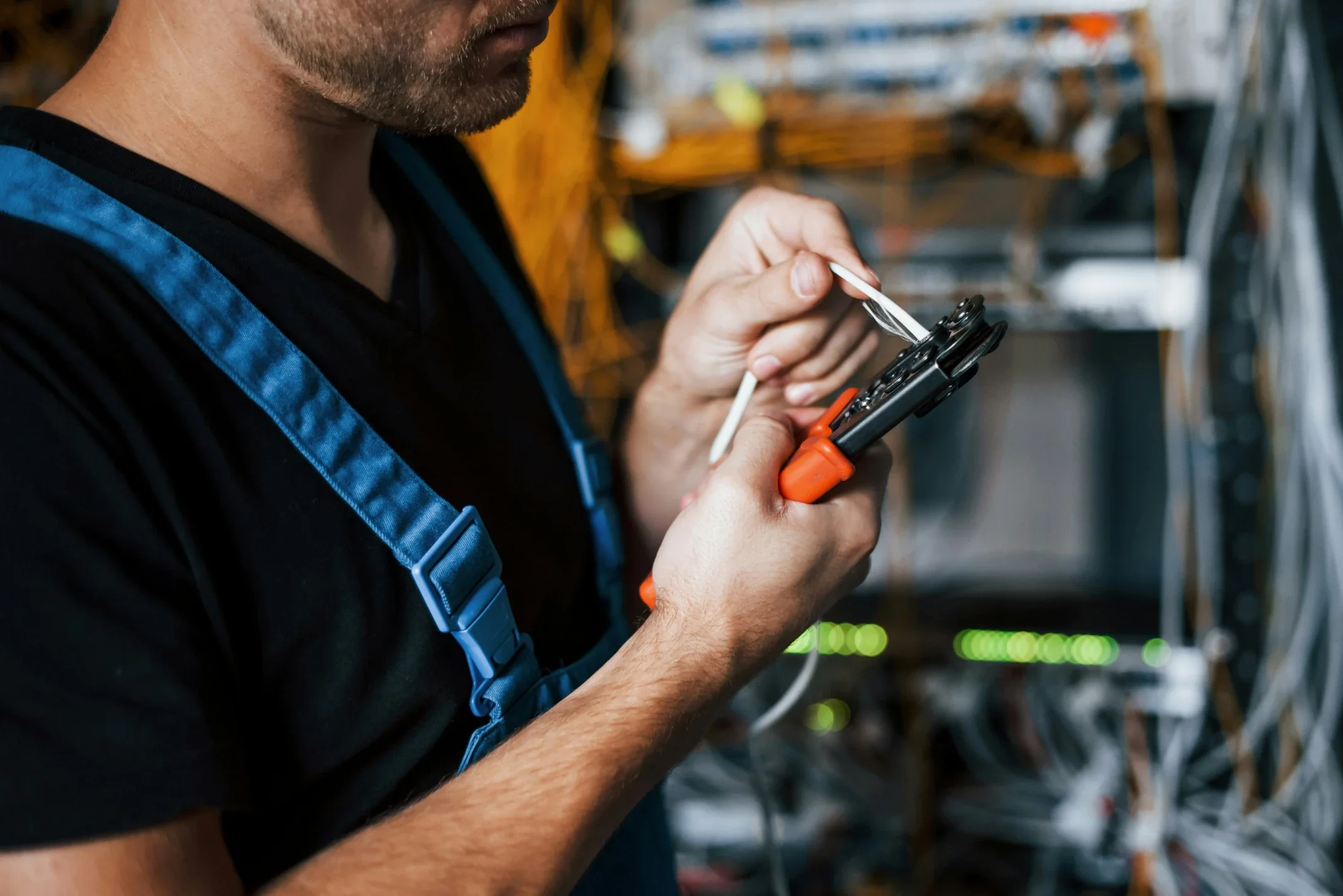
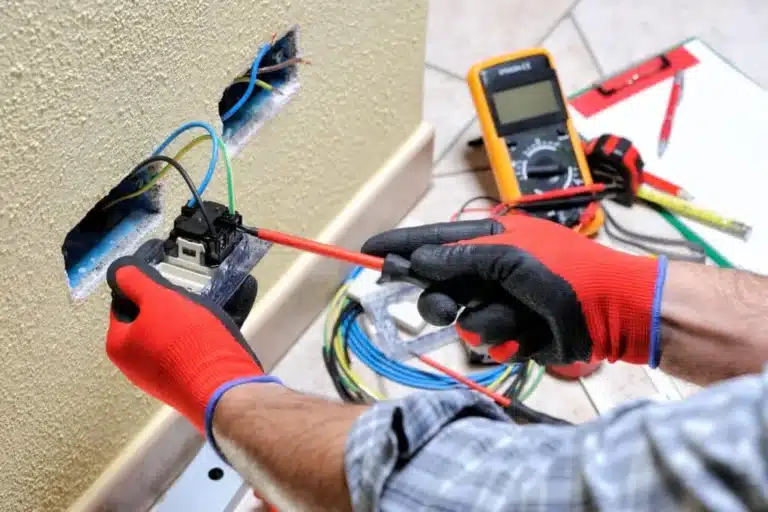
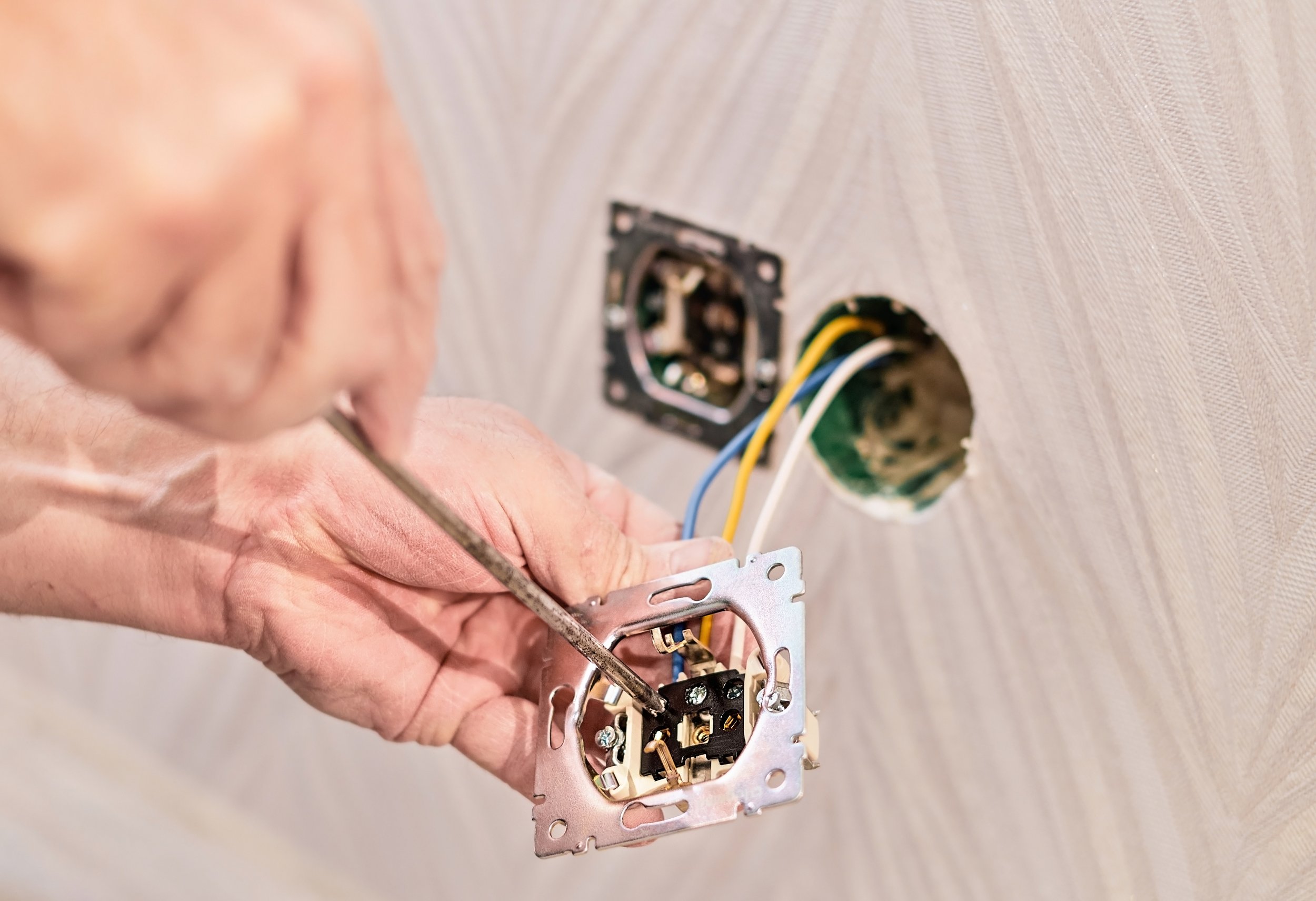
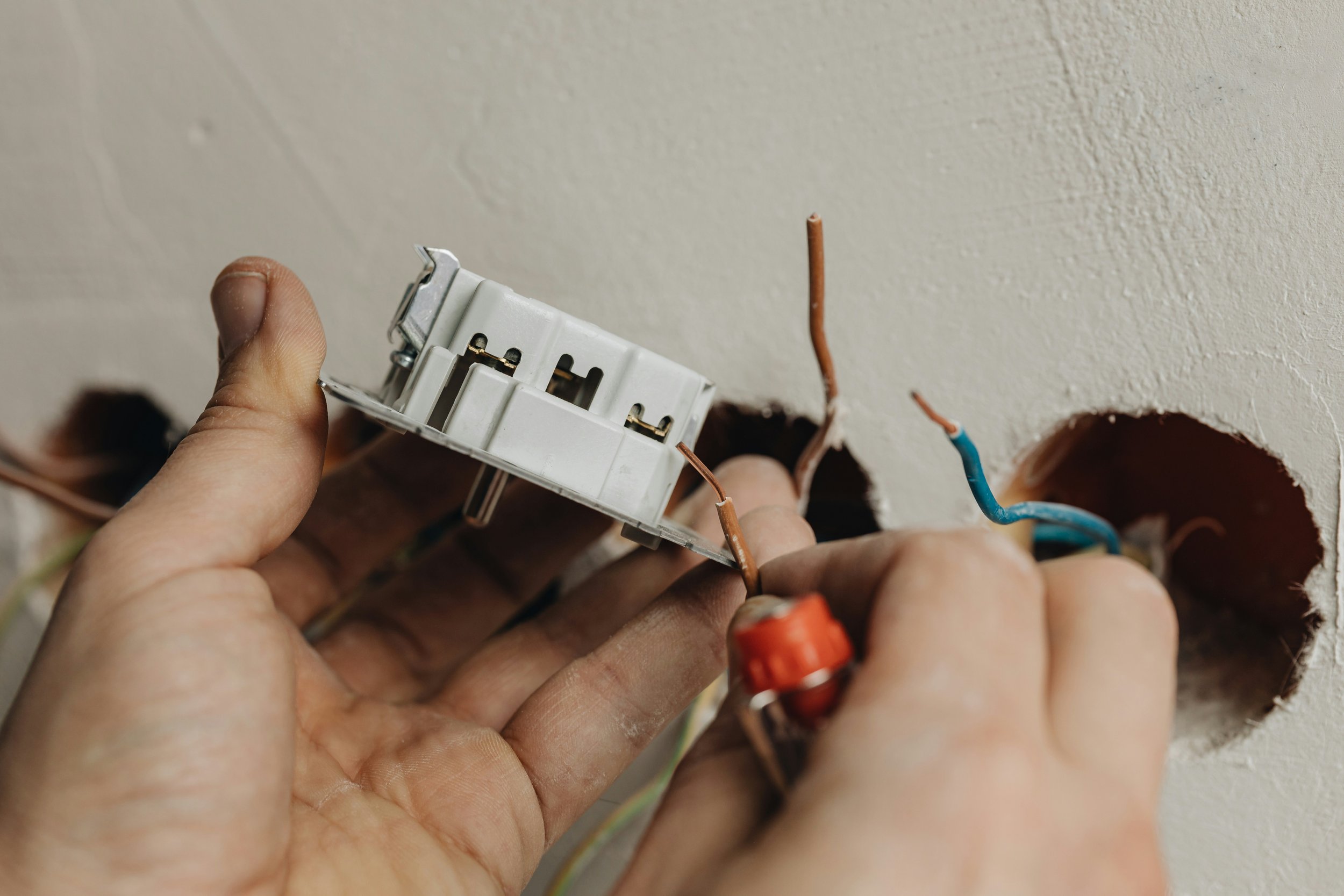
Connecting and Upgrading Residential Systems
Modern homes demand more juice than ever. EV chargers. Heat pumps. Smart thermostats. Home offices running three monitors and a space heater.
All of that pulls on the same panel. Skilled workers install, repair, and upgrade systems so houses can handle the load without tripping breakers—or worse.
Safety Comes Before Everything Else
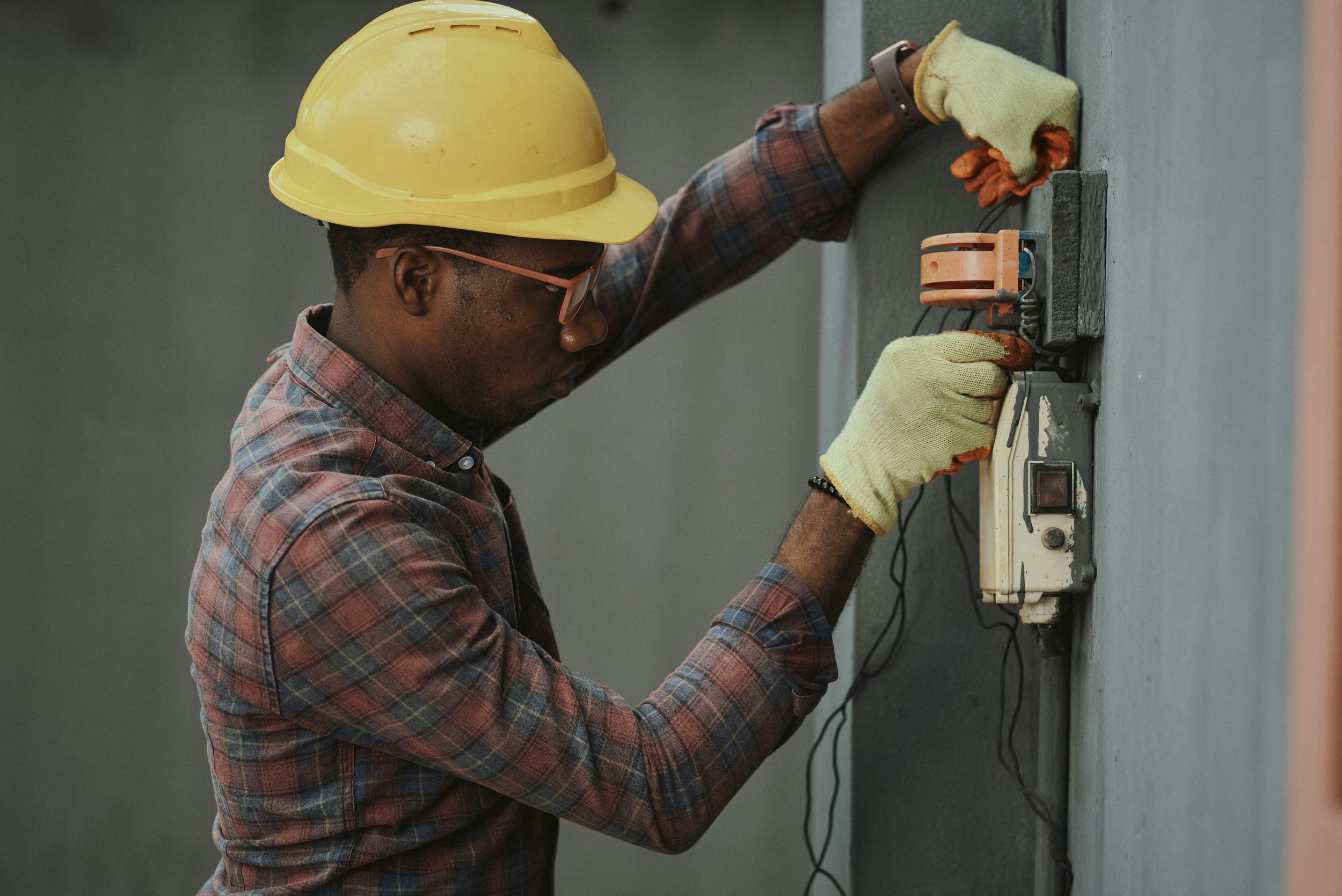
Electrical work doesn't forgive mistakes. Workers memorize procedures, recognize hazards, and suit up in protective gear before touching anything.
That discipline isn't bureaucracy. It's survival.
A rushed job can leave problems buried behind drywall—hidden until something sparks. Good workers don't cut corners. They can't afford to.
The Work Behind Every Working Light
Most of us ignore the grid until it quits. Then we notice.
But keeping the lights on takes more than wires and transformers. It takes people—trained, careful, willing to climb poles in bad weather so your morning coffee works. As homes get older and hungrier for power, that work only grows.
Next time the lights come on without a second thought? Someone earned that.
Stay up to date with our latest ideas!