Alliance Laundry Systems: A Smarter Laundry Solution for Busy Short-Term Rental Properties
See how Alliance Laundry Systems can support demanding short-term rental turnovers with smarter laundry workflows, maintenance planning, spare linen, and parts access.
At 11:17 a.m., a dryer failure is maintenance. At 11:17 a.m. on a turnover day, with another family arriving at four, it is a scheduling problem.
Two sets of sheets are still damp. The towels have not gone in yet. Housekeeping needs the laundry room cleared, and moving everything to a laundromat would take someone away from the property. The broken machine may occupy only a few square feet, but suddenly it is controlling the afternoon.
That is what makes laundry different in a busy short-term rental. Washers and dryers are not simply amenities hidden behind a utility-room door. They sit directly inside the turnover process, and the best setup is often the one that keeps that process boringly predictable.
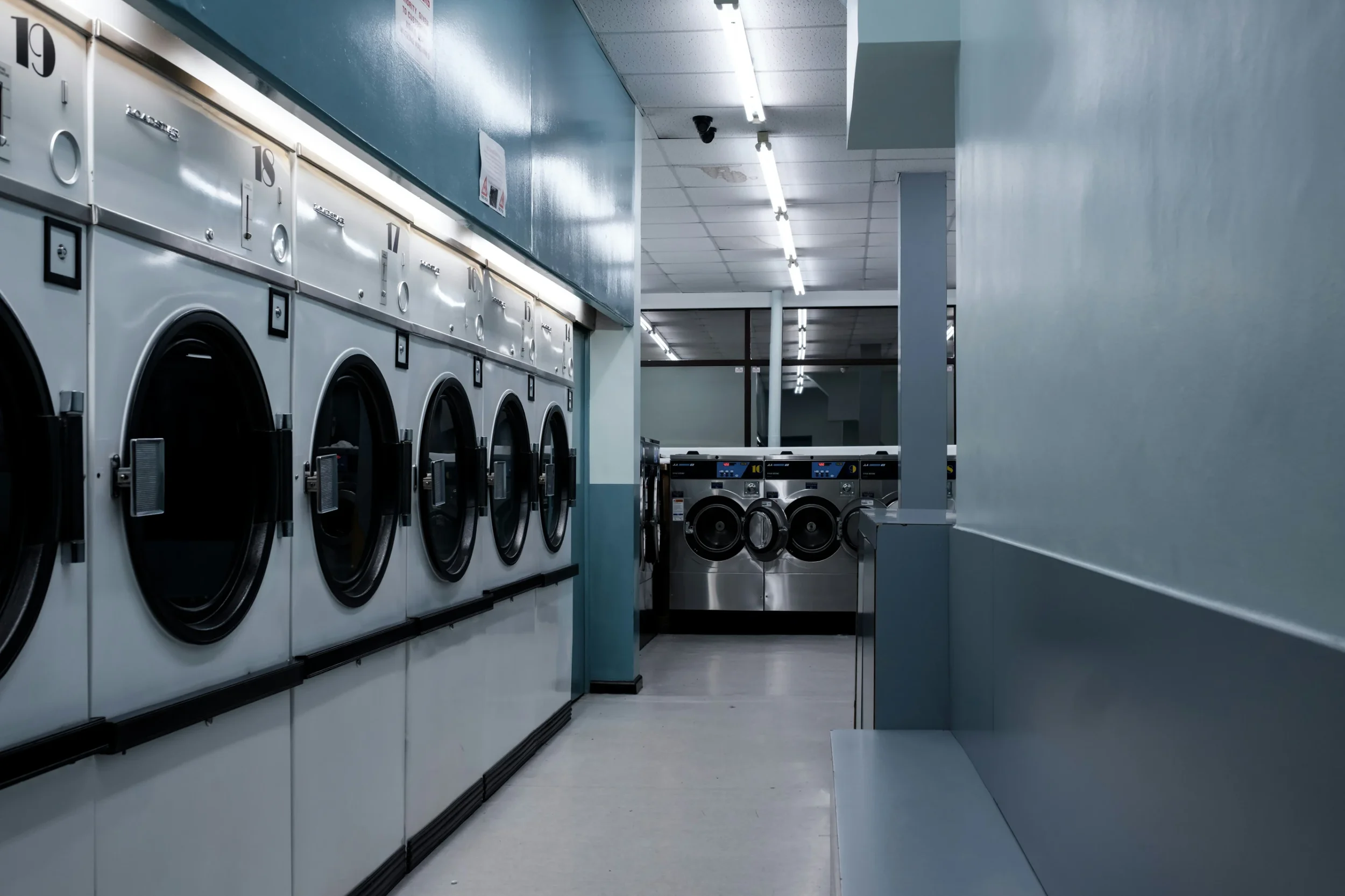
For properties with frequent bookings, Alliance Laundry Systems equipment can be part of that setup. The more interesting question, however, is what has to happen around the machines to keep laundry from becoming the reason a property is not ready.
Count turnovers, not laundry baskets
Residential laundry habits are a poor benchmark for a short-term rental. At home, a basket can wait until tomorrow. Towels can stay in the dryer for an hour. Sheets can be washed on Sunday instead of Saturday. A rental property operates under a different clock: dirty linen arrives in a batch, and much of it needs to leave the laundry room before the next check-in.
Consider what one fully occupied three-bedroom property can send downstairs after checkout: sheets, pillowcases, bath towels, hand towels, washcloths, bath mats, kitchen textiles and, depending on the stay, blankets or protectors. The important number is not how much laundry the property produces in a week. It is how much appears at once.
That distinction should shape the equipment setup. A high-capacity washer may reduce the number of loads, but it solves little if drying takes substantially longer. Two machines may create more flexibility than one larger unit when several loads have to move simultaneously. And a property with generous linen reserves has much more room for an unexpected delay than one operating with exactly enough sheets for the next arrival.
The smartest laundry room is therefore designed around the worst normal day, not the average one.
The dryer can quietly become the bottleneck
Washers tend to get most of the attention when capacity is discussed, but turnover speed depends on the entire sequence.
If a washer finishes another load while the dryer is still occupied, wet laundry starts waiting. Repeat that twice, and the apparent efficiency of a larger washer disappears. Thick towels make this especially noticeable because their drying requirements differ from lighter bedding.
Instead of thinking about individual machines, it is more useful to think in terms of flow:
dirty linen → sorting → washing → drying → folding → clean storage → room reset
Every arrow represents a place where time can be lost.
A cramped folding area slows housekeeping even when the machines are finished. Poorly organized shelves turn clean linen into a search exercise. Mixing different bed sizes creates avoidable sorting. A shortage of spare sets makes every machine cycle urgent.
None of these problems can be solved by buying a washer with more buttons.
A $20 component can have a four-hour consequence
A laundry machine does not have to suffer a major mechanical failure to become unusable. A worn belt can stop the drum, a faulty inlet valve can interrupt filling, a damaged door switch can prevent a cycle from starting, and a thermostat problem can leave a dryer running without doing the job that matters.
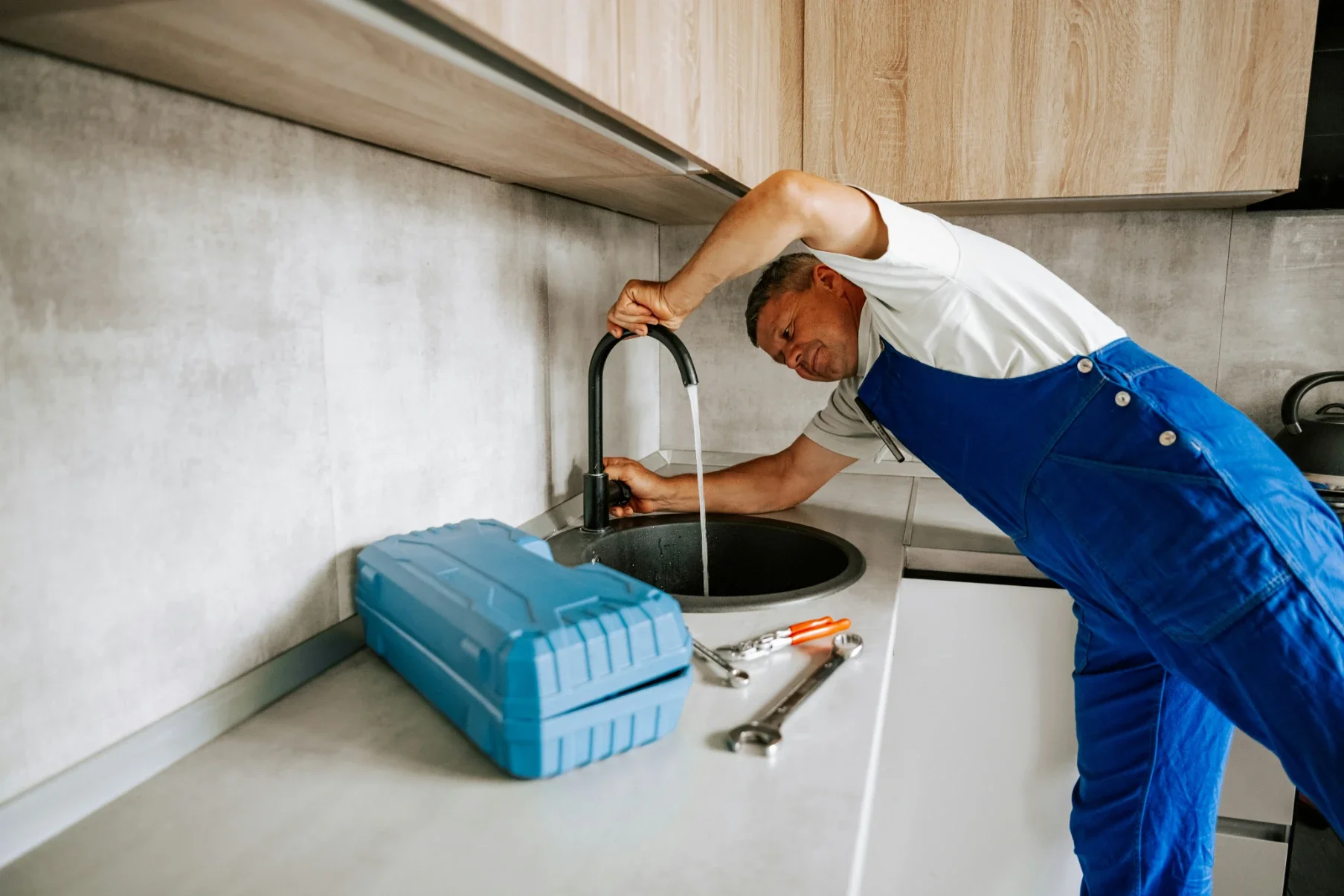
Having access to repair parts for Alliance Laundry Systems appliances can make it easier to handle maintenance quickly and keep your laundry routine running smoothly. RJ Kool Parts carries these component categories, making it possible to search for the individual part involved rather than approaching every malfunction as a problem with the complete appliance.
Finding the right component still starts with the machine itself. Similar-looking valves, belts, switches, or thermostats may belong to different models, so the model and serial number should live in the property’s maintenance records alongside service dates and previous repairs.
Even a quick photo of the equipment label can save time later. It is much easier to check machine details from a maintenance folder than to hunt for them behind a washer while the next load is already waiting.
Listen when the laundry room gets weird
Laundry equipment often gives some warning before a complete stoppage.
A dryer takes noticeably longer than it did a month ago. A washer develops a vibration that was not there before. A door needs an extra push to latch. Draining becomes inconsistent. A new squeak appears during part of the cycle.
The tempting response during a busy week is to keep using the machine until it actually stops. For a rental operation, that can turn a manageable service issue into a badly timed breakdown.
A few observations are worth passing to whoever maintains the equipment:
Cycles suddenly taking longer than usual.
Unusual vibration, knocking, scraping or squealing.
Inconsistent heating, filling or draining.
Doors or lids becoming difficult to close securely.
Water appearing where it should not.
Controls behaving differently from their normal pattern.
These signs do not diagnose a specific failed component, and repairs should follow the appropriate manufacturer and service guidance. Their value is simpler: they give the property a chance to investigate on Tuesday rather than discover the problem during Saturday turnover.
Spare linen is also equipment insurance
There is another way to reduce the operational effect of a washer or dryer problem, and it does not involve the machine at all.
Keep more linen.
If every usable sheet is either on a bed or waiting to be washed, the laundry room has zero margin for error. One delayed cycle immediately affects housekeeping. Spare sets turn the same equipment failure into a maintenance task that can sometimes be handled without disrupting check-in.
The principle scales with the property. A single vacation rental may need enough reserve to remake the beds once without waiting for laundry. A manager handling several homes may organize linen centrally and maintain a larger rotating stock.
The same thinking applies to towels and other high-turnover textiles. Extra inventory costs money, but so does emergency outsourcing, delayed housekeeping or staff spending part of a turnover transporting laundry elsewhere.
Give every sheet somewhere to go
An efficient laundry room should make the next action obvious. Dirty textiles need a defined arrival point. Clean textiles need to leave through a different workflow. Detergent and routine supplies should not migrate around the room. Finished linen should be easy to sort by property, room, or bed size.
This becomes increasingly important when more than one person handles turnovers. A system that exists only in one housekeeper’s memory stops working when someone else covers the shift.
Simple labels can do more than elaborate procedures. “King fitted,” “Queen flat,” “Bath,” and “Kitchen” remove tiny decisions that otherwise repeat dozens of times. For managers serving multiple rentals, property-specific carts or storage zones can prevent freshly laundered items from wandering into the wrong house.
The goal is not an Instagram-worthy laundry room. It is fewer minutes spent asking where something belongs.
Plan the breakdown before the breakdown
No machine needs to be unreliable for a backup plan to make sense. Equipment wears, components eventually need replacement, and service cannot always happen immediately.
Before that day arrives, a short-term rental operator should already know the answers to a few questions. Where are the model and serial numbers recorded? Who is responsible for troubleshooting? Where can compatible replacement parts be found? Is there enough linen for another turnover? Is there another machine or outside laundry option available if the repair takes longer than expected?
Those answers are far easier to establish when nothing is broken.
For larger rental portfolios, maintenance records can also reveal patterns. Repeated replacement of the same component, steadily increasing cycle times or recurring service on one machine provides information that an isolated repair invoice does not.
The best laundry room is the one nobody talks about
Guests are unlikely to compliment a property because its laundry operation ran perfectly before they arrived. They see the result instead: fresh sheets, dry towels, and a home ready at check-in.
That invisibility is a sign that the system worked. Alliance Laundry Systems equipment can handle the washing and drying at the center of the process, but a reliable short-term rental setup extends beyond the machines themselves. Capacity has to match peak turnover volume. Linen needs an organized path through the room. Spare inventory needs to absorb delays. Maintenance information and replacement-part access need to be available before they become urgent.
When all of that works together, a washer is just a washer again — not the machine deciding whether the property will be ready by four.
Stay up to date with our latest ideas!