How to Choose a Cooling Mattress for Your Bedroom Makeover
Coils, latex, PCMs and cooling covers compared, plus practical tips for night sweats, couples and testing a mattress during its trial.

You have the paint swatches taped up and the new headboard on order. Then you lie down on the old mattress and, twenty minutes later, you're flipping the pillow again.
A bedroom refresh is a good time to address an uncomfortable bed. But mattress descriptions are full of terms like cooling gel, ice fabric, and thermal technology, and it's hard to tell which ones matter.
This guide explains what cooling materials can do, how to choose a comfortable mattress, and which bedding changes may help. It also includes one hybrid option worth considering, with practical guidance for evaluating it during the trial.
First, Decide Where the Heat Comes From
Before you shop, separate room heat from heat trapped in the bed. A warm room affects your whole sleep setup. Thick, closely contouring foam can hold warmth around your body. Hormonal changes, exercise, and alcohol can also affect how warm you feel. Humidity adds to the discomfort because damp air slows evaporation.
If your bedroom stays warm at night, address that before replacing the mattress. Air conditioning can lower the room temperature, while a fan can improve comfort by moving air across your skin. A breathable bed may help, but it won't compensate for every room condition.
Cooling Materials: What They Can and Can't Do
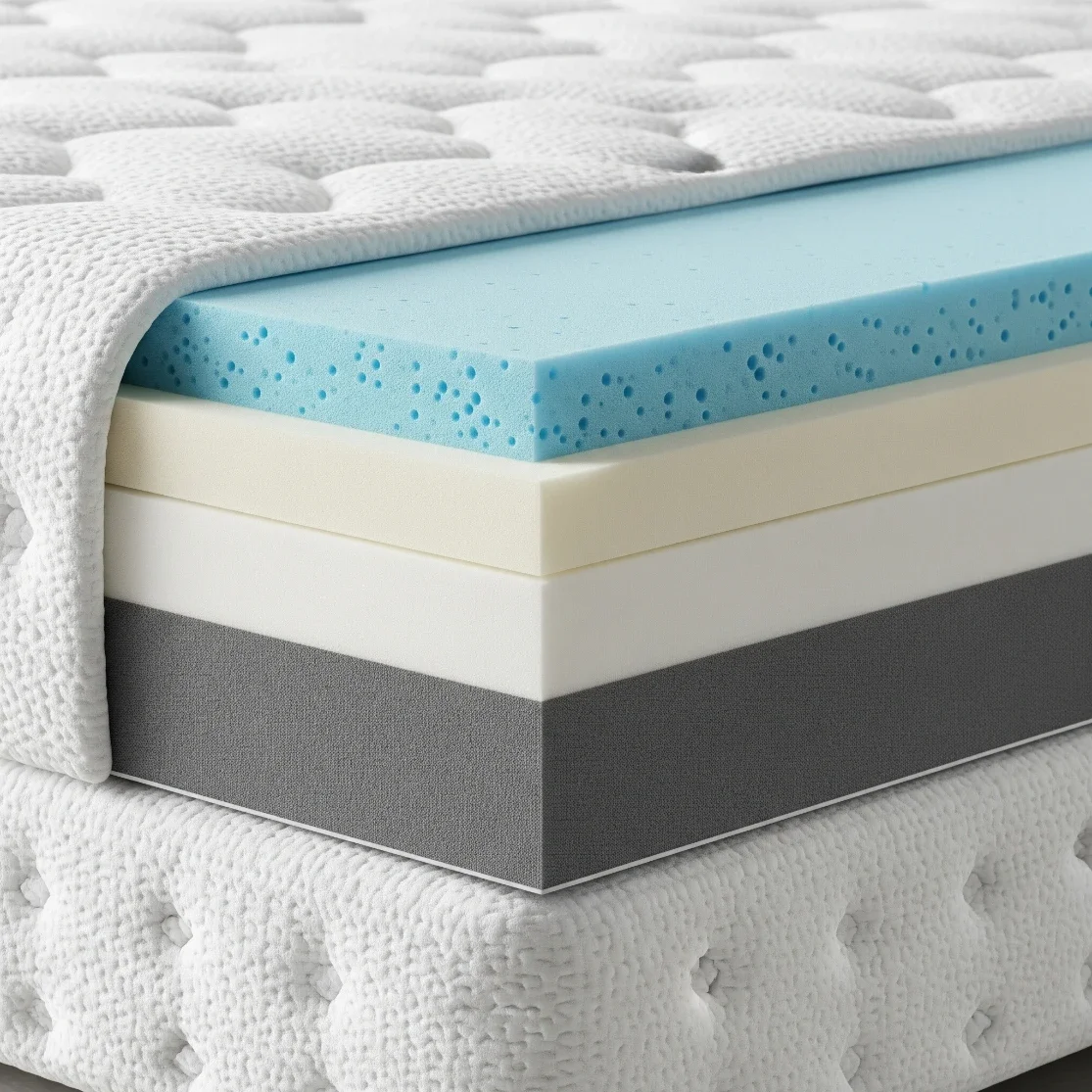
Construction matters more than a cooling label. Start with the mattress core, then look at the comfort layers and cover.
Coils for Airflow (Hybrids and Innersprings)
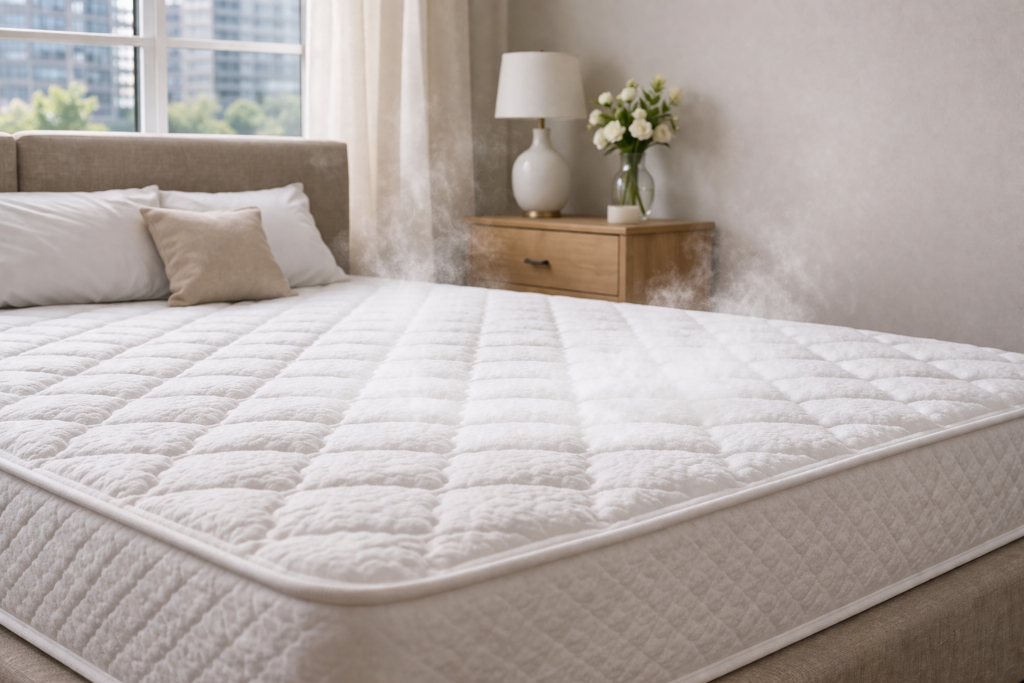
A coil core leaves more open space than a solid foam core, which can help airflow. That's one reason hybrids and innersprings may sleep cooler than dense all-foam beds. However, thick foam layers above the coils can still hold heat.
The trade-off is feel. Coil beds tend to be bouncier, which can make rolling over easier. Side sleepers who want more cushioning may prefer a softer comfort layer, provided it doesn't leave them feeling too warm.
Latex for Responsive Comfort
Latex typically feels springier and less enveloping than slow-response memory foam. It's often perforated to encourage airflow, though the cover and surrounding layers also affect temperature. If sinking deeply into memory foam leaves you sweaty, latex is worth trying. Expect a buoyant feel rather than a deep hug.
Phase-Change Covers and Cool-to-Touch Textiles
Phase-change materials, or PCMs, can be incorporated into covers and bedding. They temporarily absorb heat as they change state and release it as they cool. Think of them as a temperature buffer, not an air conditioner: their ability to absorb heat is limited.
Cool-to-touch textiles aren't necessarily phase-change materials. A fabric may feel refreshing at first without keeping that sensation all night. Either type of cover is most effective alongside breathable comfort layers and bedding, rather than as the mattress's only cooling feature.
Does Cooling Tech Actually Work?
Some of it does meaningful work, and some is mostly marketing. Coil airflow, breathable comfort layers, and a less enveloping feel tend to make a lasting difference. A cool-to-touch surface or a gel infusion on its own often fades after the first few minutes.
Gel-infused memory foam may feel cool when you first lie down, but that doesn't establish how it will feel several hours later. Gel alone isn't a reliable shortcut to choosing a cooler mattress.
Look beyond the infusion to the whole construction. How thick are the foam layers? How deeply do you sink? Does the core allow airflow? Independent reviews are most useful when they explain how temperature was assessed, rather than repeating the manufacturer's cooling claims.
Pick by Sleeper Type and Life Stage
Cooling shouldn't come at the expense of support or pressure relief. Your weight and sleeping position affect how deeply you sink and how firm a mattress feels.
Side, Back, Stomach, and Combination Sleepers
Side sleepers usually need cushioning around the shoulders and hips. Look for enough softness to relieve pressure without more foam depth than you find comfortable. A cushioned hybrid or latex mattress may offer that balance.
Back sleepers often prefer medium to firm support. Stomach sleepers may need a firmer surface to keep their hips from sinking too far. Firmness alone doesn't predict temperature, so check the materials rather than assuming a firm bed sleeps cooler.
Combination sleepers may appreciate a responsive hybrid or latex surface that makes turning easier. Test whether you can change positions comfortably without feeling stuck.
Cooling at Different Budgets
Lower-priced beds usually rely on a cool-to-touch cover and a coil core. Mid-range hybrids add zoned coils, thinner or more responsive foams, and sometimes phase-change layers. At the top end, you'll find latex, multiple cooling layers, or active systems that use power to control temperature. Spending more doesn't guarantee a cooler night, so compare construction before price.
Menopause and Night Sweats
Menopause-related night sweats can arrive in bursts. A cooler-feeling mattress may improve comfort, but adjustable bedding matters too: breathable sheets, a slim protector, and a lighter blanket are easier to change than the bed itself.
Cooling pillows and covers don't treat the cause of night sweats. If hot flashes disrupt your sleep, talk with a clinician about treatment options. Persistent or unexplained night sweats also deserve medical advice, rather than just a bedding change.
Couples Who Run at Different Temperatures
If one person is cold while the other feels too warm, separate bedding choices may help more than replacing everything.
Separate toppers. A split setup lets each person adjust the surface feel. Keep the hot sleeper's layers thin and breathable, and check that both sides remain at a similar height.
Separate blankets. Two individual duvets let each person choose a different warmth level. A shared coverlet can keep the bed looking coordinated during the day.
Dual-zone temperature control. Dual-zone systems that sit on or in the bed offer separate temperature settings for each side. They cost more than ordinary bedding and require power, so check maintenance needs and ongoing costs before buying.
Best Cooling Mattress: Brooklyn Bedding Aurora Luxe

A hybrid with a coil core, suitable cushioning, and a cooling cover is a reasonable starting point. The coils provide space for airflow, while the comfort layers determine how supported and cushioned you feel.
The Brooklyn Bedding Aurora Luxe offers this combination in soft, medium, and firm versions. Its zoned coil system and GlacioTex cooling cover give shoppers both support and surface-temperature features to consider. Sleep Foundation named it the Best Cooling Mattress for 2026.
The mattress also offers an optional plush pillow top for those who want extra cushioning. Its stated trial terms include 120 nights, a 30-day wait before a return can begin, and a $99 return fee, and the trial can be used only once per customer. Confirm the current policy and return eligibility before ordering.
Those cooling features make it worth considering, but they aren't a guarantee of comfort in your room. This recommendation is based on its listed construction, options, and third-party recognition, not our own temperature testing. Use the trial to assess both warmth and firmness with your usual bedding.
How to Test Cooling at Home Before the Return Window Closes
A brief showroom test can reveal firmness, but it tells you little about overnight warmth. Use the home trial to evaluate both.
Keep bedding consistent. Use your usual sheets and blanket for at least two weeks, while following the seller's required break-in period. Changing several layers at once makes comparisons harder.
Look beyond the first touch. Notice any heat buildup later in the night, not just the initial cool sensation. You don't need to stay awake to test it; note what you notice if you wake.
Check where you feel warm. Warmth around areas that sink deeply may point to the comfort layers. An overly thick protector or blanket can also contribute.
Track room conditions and deadlines. Note temperature and humidity on a few nights so a heat wave doesn't distort your judgment. Put the last date for requesting a return on your calendar.
Decor Moves That Support a Cooler Bed
A bedroom makeover can make temperature adjustments feel like part of the design, rather than an afterthought. Focus on bedding and airflow before decorative extras. As you compare beds, keep matching firmness to sleep position in mind, too.
Breathable sheets. Cotton percale has a crisp, lightweight feel; linen offers a more relaxed texture. Fabric weight and weave matter alongside the fiber name.
A thin protector. A thick quilted protector can change both the feel and temperature of the mattress. Choose a breathable option that meets your protection needs, and check whether waterproof layers feel warm to you.
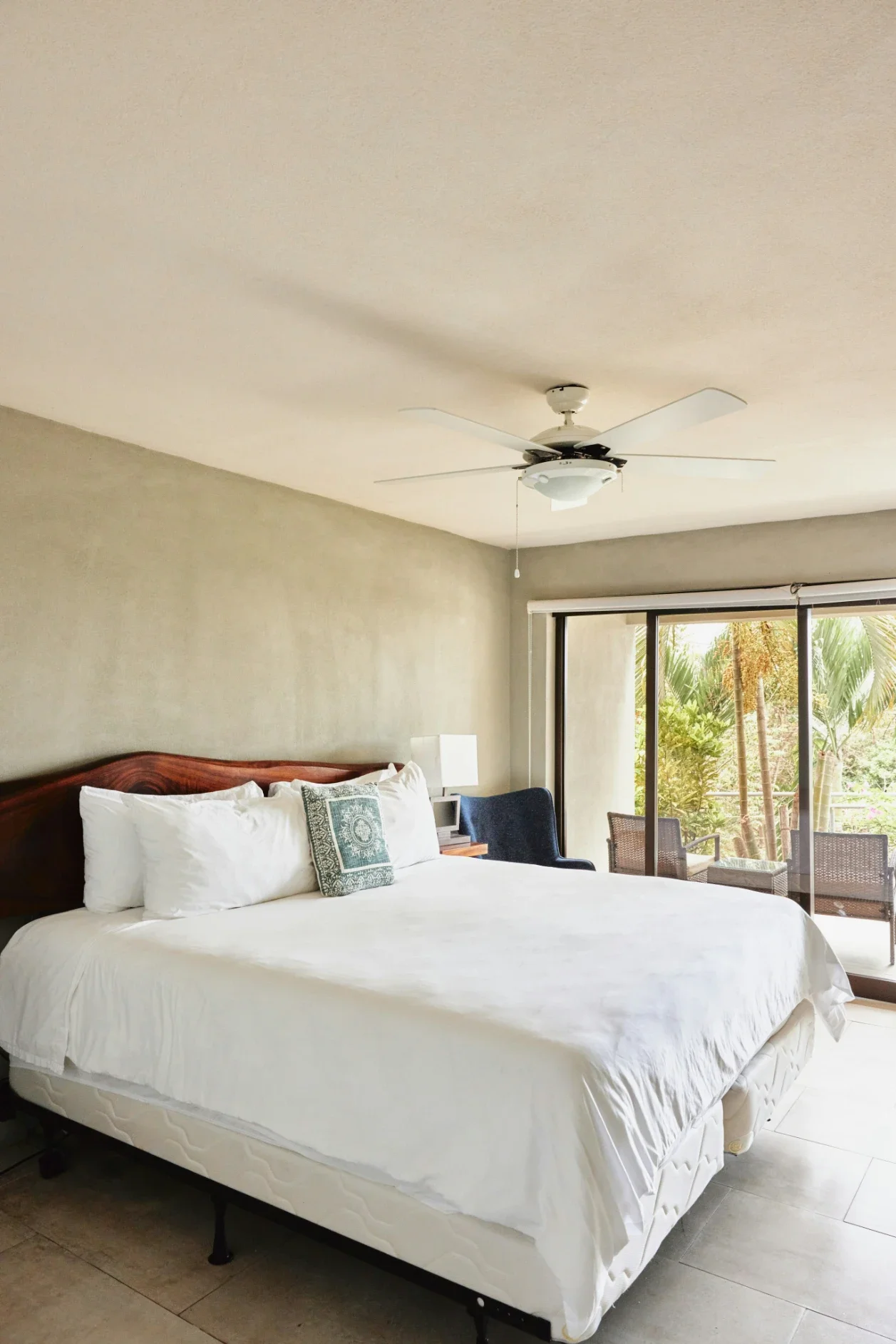
Moving air. Position a quiet floor fan or adjust a ceiling fan so you can feel airflow at the bed, and plan it alongside lighting for an airy, relaxing bedroom. Keep bedding and furniture from blocking vents.
Less daytime heat. Use shades or curtains to limit strong afternoon sun. Choose lighter bedding layers that suit the room's style and can be removed easily at night.
Cooler Nights, One Layer at a Time
You don't need a bed that promises to feel like ice. Start with room conditions, choose a mattress that supports your sleeping position, and keep the bedding breathable. Coils, latex, and cooling covers can help in different ways, but no single feature guarantees a comfortable night.
Use the trial as your real test, whether you're considering the hybrid above or another construction. The useful result is a bed that feels supportive and comfortably warm through the night, not just cool for the first few minutes.
FAQ
Mattress construction and bedding work together, so compare the complete setup rather than one cooling feature.
What mattress type usually sleeps cooler?
Hybrids and innersprings can allow more airflow through their coil cores than solid foam beds. Latex may also feel less enveloping than memory foam. Thick comfort layers or heavy bedding can reduce those benefits, so construction is a starting point, not a guarantee.
Does cooling mattress technology actually work?
Some of it does. Coil airflow and breathable, less enveloping comfort layers tend to help throughout the night, while gel infusions and cool-to-touch fabrics often feel cool mainly at first. Look at the foam depth, core, and cover, then evaluate the mattress over several nights during the trial.
What's the best mattress for hot sleepers?
It depends on your sleeping position, budget, and how much of the heat comes from your room. For a hybrid that combines coil airflow with a cooling cover, the Brooklyn Bedding Aurora Luxe is the best cooling mattress pick in this guide, and its soft, medium, and firm options cover most sleeping positions.
What helps if my partner sleeps hot and I don't?
Start with separate blankets or duvets so each person can choose a different warmth level. If that isn't enough, a dual-zone temperature-control system may offer more precise adjustment, with added cost and maintenance.
What should I try first for menopause-related night sweats?
Try lighter, breathable bedding that you can adjust quickly. A cooling pillow or cover may improve comfort, but it won't treat hot flashes. Discuss symptoms that disrupt your sleep with a clinician.
Stay up to date with our latest ideas!