Do Robot Vacuums Work in Small Spaces?
Find out if robot vacuums work in small spaces, comparing navigation, suction power, battery life, and how they handle tight layouts and obstacles.
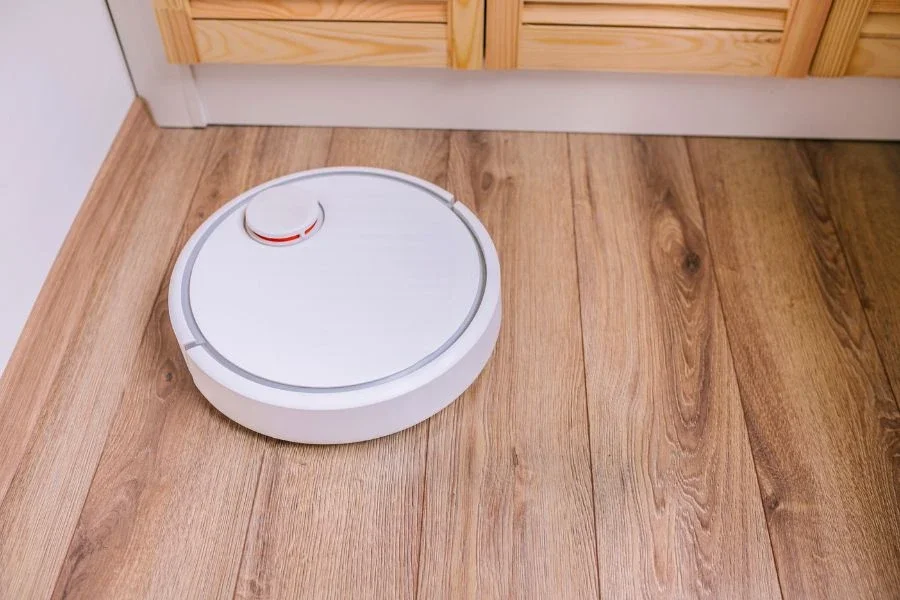
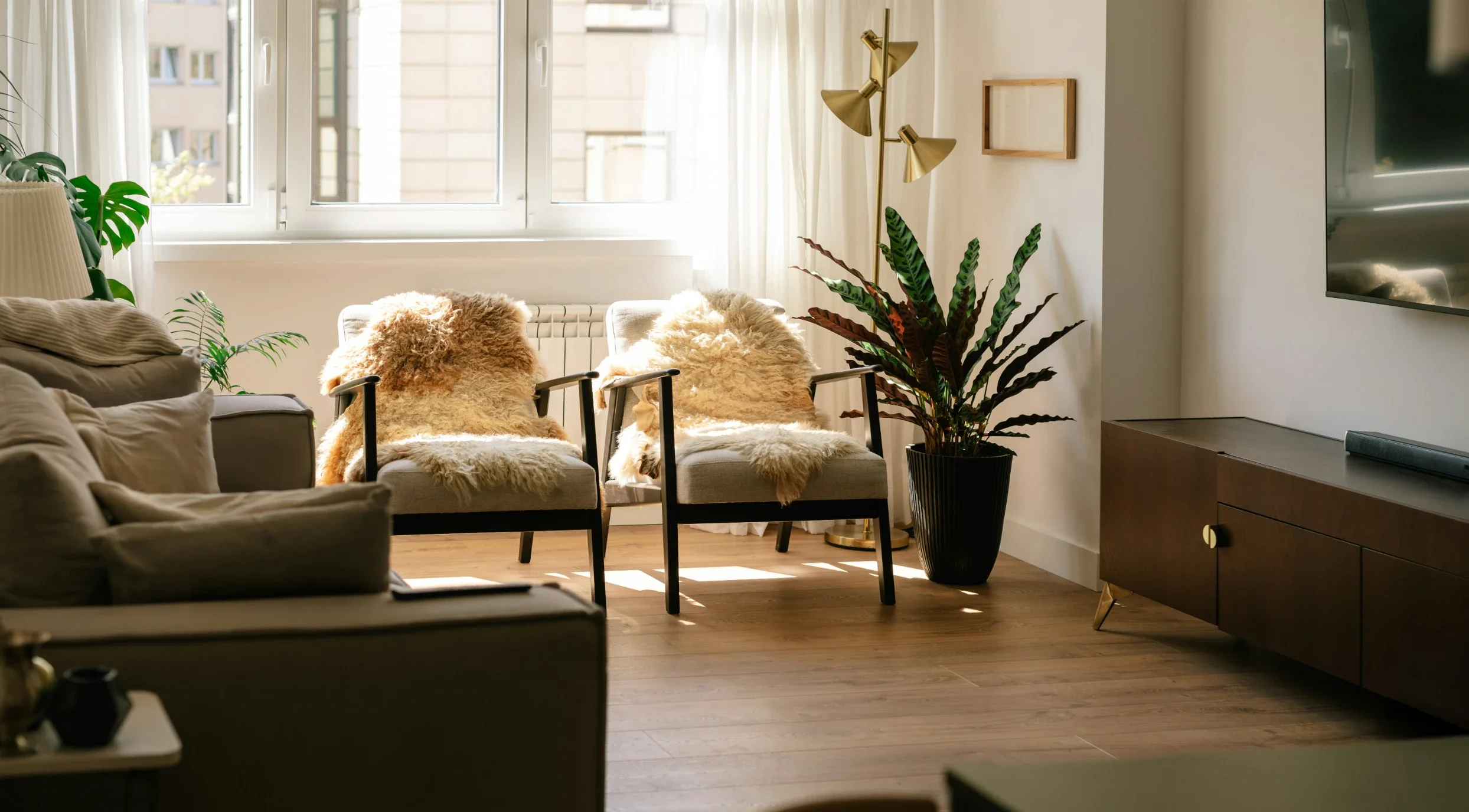
Robot vacuums can perform very well in small spaces, and compact layouts often make cleaning more efficient and consistent. With shorter distances to cover and fewer rooms to navigate, the robot can complete cycles quickly and run more frequently. This helps maintain tidy floors with minimal effort and keeps dust from building up in high-traffic areas.
Because of these advantages, smart vacuums have become a popular choice for studio and compact-home living, where regular maintenance cleaning makes a noticeable difference.
However, small apartments and studios come with their own challenges. Tight corners, cluttered floors, raised thresholds, and limited space for a charging dock can affect overall performance. Selecting the right model and setting it up properly makes a clear difference.
Why Robot Vacuums Work Well in Small Spaces
Robot vacuums work really well in small homes and apartments. They learn the layout quickly, repeat cleaning routes more consistently, and help keep floors looking tidy day to day with very little effort. Here are the main reasons they fit compact spaces so well.
Faster, More Frequent Cleaning
In a compact apartment, a full cleaning run often takes just 20 to 40 minutes, so it’s easy to run daily without it disrupting your routine.
Frequent cleaning is especially helpful in small homes, where dust and crumbs are more visible. Short, regular runs maintain a clean appearance without requiring deep cleaning every few days.
Efficient Coverage
With fewer rooms and a simpler layout, the robot spends less time navigating and more time cleaning.
Mapping also tends to work well in compact homes since there are fewer obstacles and fewer layout changes to manage. As a result, the robot uses less battery and can cover the full floor area more consistently.
Easy Storage
Most robot vacuums have a low-profile design that allows them to slide under beds, sofas, and cabinets. In small spaces where storage is limited, this space-saving design is a practical advantage.
Because the device stays tucked away when not in use, it does not interfere with daily living in tight quarters.
Challenges of Using a Robot Vacuum in Small Apartments
Although small layouts offer advantages, they are not automatically easier for every robot vacuum. Certain features of compact homes can create obstacles.
Thresholds and Mixed Surfaces
Even in compact apartments, raised door thresholds and area rugs are common. A robot vacuum must be able to transition smoothly between hard floors and rugs without getting caught.
Some advanced models, like DEEBOT, are designed for mixed-floor apartments, with auto-lift systems that help keep rugs dry and suction that automatically increases for deeper cleaning.
Tight Corners and Narrow Gaps
Studio apartments often have closely arranged furniture and narrow pathways. Without accurate navigation and strong obstacle detection, a robot may bump into objects repeatedly or struggle to clean tight corners effectively.
Floor Clutter
Small homes tend to accumulate visible clutter such as cables, shoes, pet bowls, and small household items. If obstacle avoidance is limited, the robot may get stuck or push objects around.
Limited Docking Space
Finding the right location for a charging dock can be challenging in small homes. If the dock is placed in a cramped area or blocked by furniture, the robot may have difficulty returning to recharge.
Understanding these limitations makes it easier to focus on the features that truly matter.
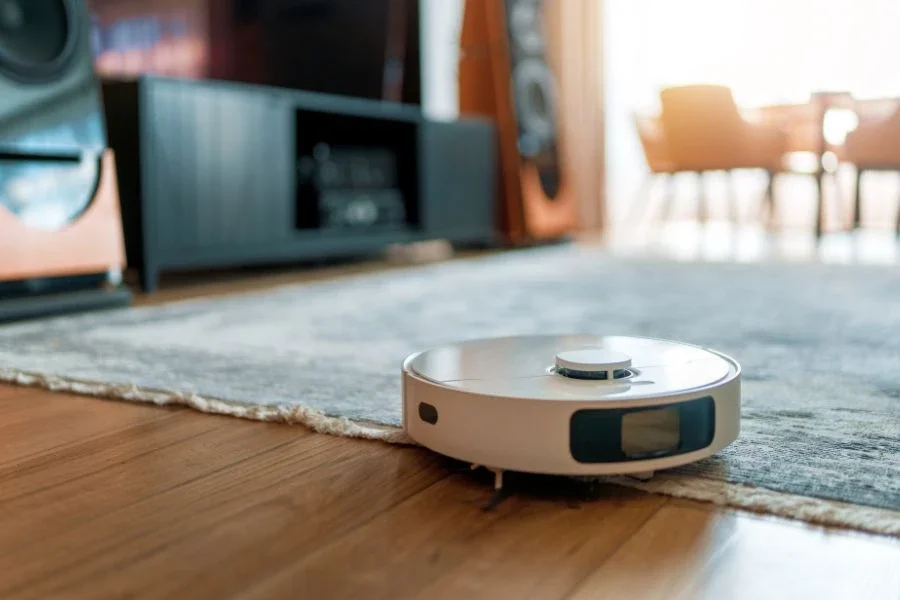
Key Features to Look for in a Robot Vacuum for Small Spaces
Choosing the right robot vacuum makes all the difference in compact living environments. Focus on features that support tight layouts, efficient cleaning, and practical daily use.
Smart Navigation and Mapping
Strong navigation is one of the most important features in small spaces. Look for a robot vacuum that creates an accurate map and cleans in structured rows rather than moving randomly.
Efficient pathing reduces repeated passes and ensures narrow edges and corners are covered properly.
Reliable Obstacle Avoidance
Advanced sensors help the robot move smoothly around chair legs, tables, and everyday objects. In apartments where clearing the floor completely before every run is unrealistic, reliable obstacle detection prevents interruptions.
Some advanced models are designed to recognize and avoid common household obstacles, making them well suited for compact homes.
Compact Design and Dock Footprint
In small apartments, every inch of floor space matters. A slim, low-profile robot can clean under furniture where dust collects, while a compact charging dock fits neatly against a wall without blocking walkways.
Before purchasing, measure the area where you plan to place the dock and check clearance requirements.
Low Noise Operation
In a studio or one-bedroom apartment, the robot runs close to where you sleep, work, and relax. Loud cleaning cycles can be disruptive.
Look for adjustable suction levels and quiet modes. Lower settings are often sufficient for daily maintenance in small spaces and significantly reduce noise.
Flexible Scheduling and Short Cleaning Modes
Small homes benefit from frequent maintenance rather than occasional deep cleaning.
Choose a robot vacuum that fits your routine and lets you automate the basics. Look for custom daily or weekly schedules, room-by-room cleaning, and spot cleaning for specific areas. A quick cleaning mode is also useful for high-traffic zones.
Short, regular sessions keep floors consistently clean without overwhelming the space.
Setup Tips for Small Apartments
Even the best robot vacuum performs better with proper setup. A few simple adjustments can improve efficiency and reduce frustration.
Clear loose cables and small objects from the floor.
Place the dock in an open area with side and front clearance.
Use virtual boundaries or no-go zones to protect tight areas.
Run the vacuum frequently to prevent debris buildup.
These small steps help ensure smooth operation in compact layouts.
Conclusion
Smart vacuums are a practical and effective solution for small apartments and compact homes. Shorter cleaning cycles, simpler layouts, and the option to run frequent sessions make them well suited for maintaining tidy floors without much effort.
The key is choosing a model designed to handle tight spaces. Strong navigation, reliable obstacle avoidance, a compact dock, and flexible scheduling all contribute to smooth performance. With the right setup, a robot vacuum can integrate easily into a small living space and keep it consistently clean day after day.
Stay up to date with our latest ideas!