Signs Your Roof Needs Emergency Repair in Vancouver
Learn the signs your roof needs emergency repair in Vancouver, from leaks and storm damage to sagging areas and sudden water intrusion.
Some roofing issues are subtle. An emergency, on the other hand, usually shouts. The most urgent signs your roof needs help now are the ones you can’t miss. For example, water actively leaking into your living room is a clear red flag. Another serious warning sign is a noticeably sagging or drooping roofline that you can see from the street. When you spot major damage after one of Vancouver's big storms, that's another one of those “call a professional right now” moments. These aren't just minor annoyances. They're clear signals that your home's main line of defence has been seriously breached.
The Urgent Signs of a Roofing Emergency
Living in Vancouver means living with a lot of rain. The local climate can take a small roof problem and turn it into a full-blown crisis in a real hurry. Knowing the difference between a minor issue and a true emergency is crucial for protecting your home from water damage, structural problems, and some seriously expensive repairs down the road. A trusted local roofing company in Vancouver such as Marks Roofing can identify problems before they become expensive repairs.
Think of it as performing quick triage on your roof. When every minute of rainfall counts, you need to make a fast, informed decision. Knowing what to look for can save you thousands in damages and, honestly, a ton of stress.
Emergency Roof Warning Sign Checklist
The following table breaks down the most critical warning signs that mean you need professional help right away. These aren't subtle hints; they’re clear indicators that your roof's integrity is at risk. Use this guide to quickly identify the severity of common roofing problems in Vancouver.
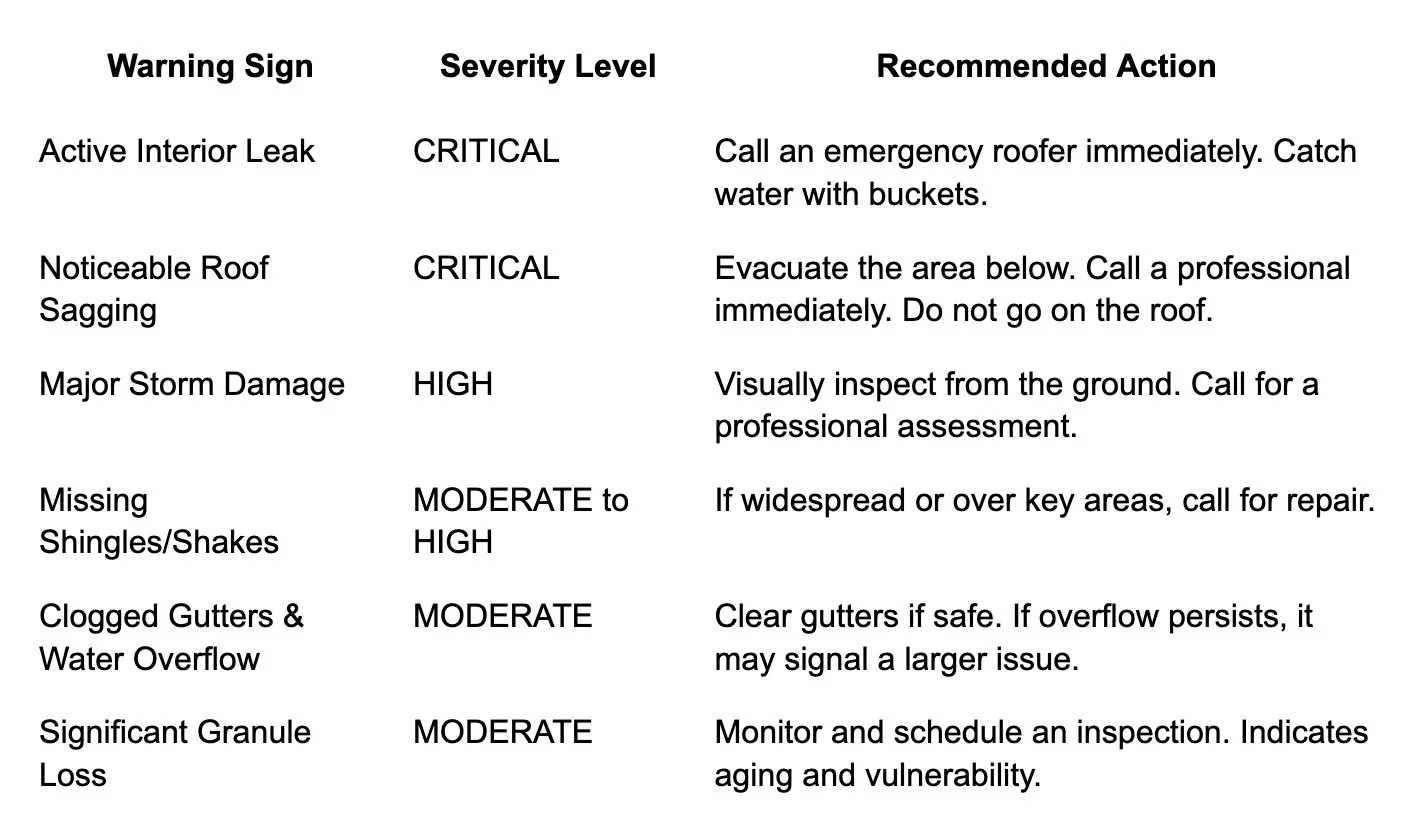
This isn't an exhaustive list, but it covers the big-ticket items that can't wait. If you see anything on this list, especially in the “Critical” or “High” categories, it's time to stop Googling and start calling a pro.
Spotting Active Leaks and Hidden Water Damage
An active leak is impossible to ignore, but that drip-drip-drip is often just the final act of a problem that’s been brewing for a while. Water is sneaky. It rarely falls in a straight line, preferring to travel along roof joists and inside wall cavities before it finally makes an appearance as a stain on your ceiling–often nowhere near the actual hole in your roof.
So, beyond the obvious puddle, you need to play detective. Keep an eye out for the subtle hints: bubbling or flaking paint, faint discoloured lines running down a wall, or that stubborn musty smell in the attic you just can’t seem to pin down. Here in Vancouver’s damp climate, it doesn’t take long for a small bit of moisture to escalate into major rot and mould. Finding these early signs means you're tackling the source, not just cleaning up the mess.
The real danger isn't the drip you see, but the damage you don't. By the time water stains your ceiling, it has already soaked insulation, weakened wood, and created a perfect environment mould to thrive out of sight.
The takeaway here is pretty straightforward: some problems have zero grace period and demand an immediate call to a professional. Waiting to see if things “get worse” is a gamble you really can't afford to take with your home's structure. You can get a better handle on what these kinds of urgent fixes involve by reviewing local roofing insights.
What to Look for After a Vancouver Storm
Coastal storms here are no joke. After the wind and rain die down, it’s tempting to just breathe a sigh of relief, but this is actually the most important time to check on your roof. There’s no need to grab a ladder – in fact, don’t. A wet, potentially weakened roof is the last place you want to be.
Instead, just do a slow walk around your property. Your best tools right now are your own two eyes, and just plain gone. Here’s a quick rundown of what you can spot from your yard:
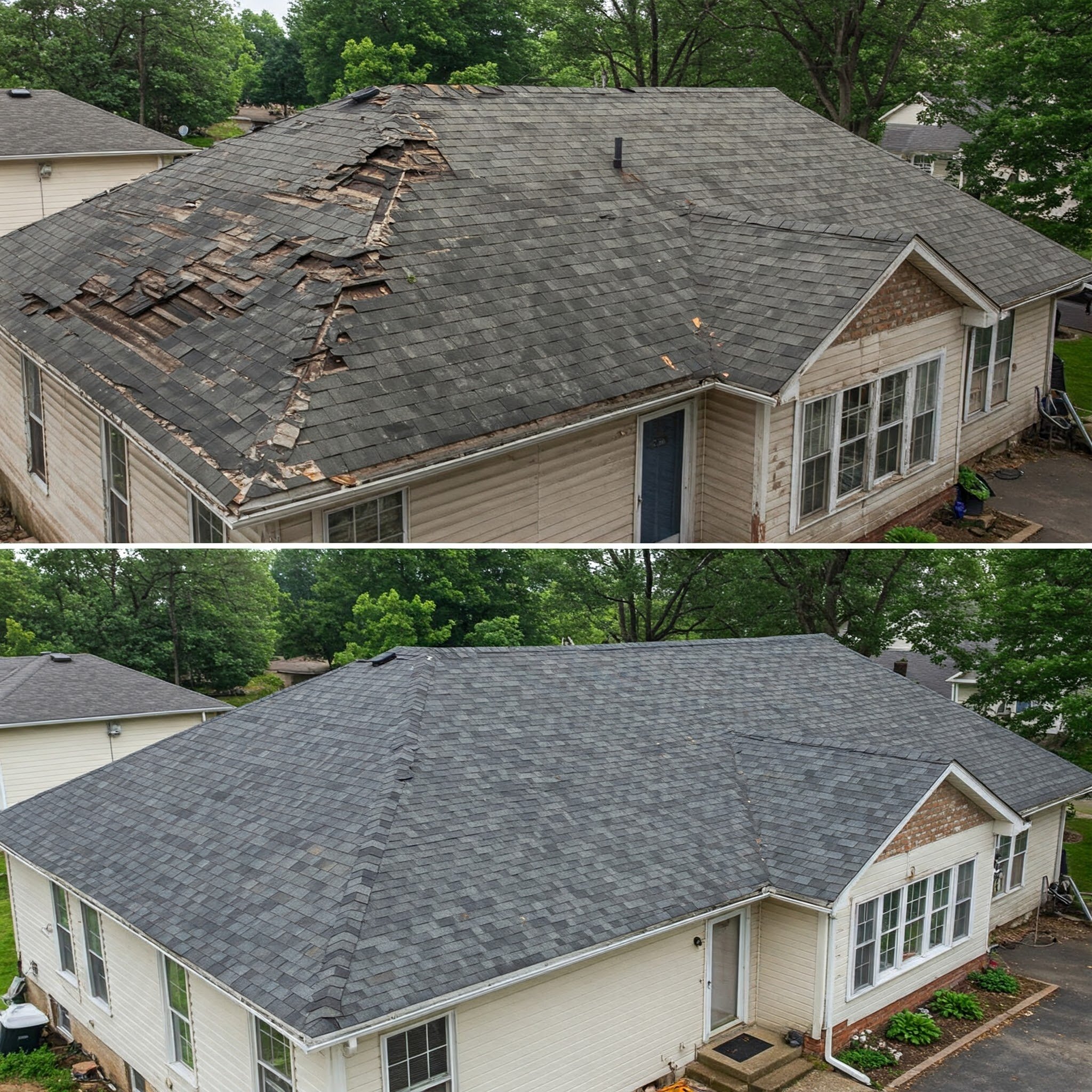
Missing or Damaged Shingles: This is usually the easiest thing to see. Are there obvious bald spots on your roof? Look for shingles that are visibly cracked, curled up at the edges, or flapping around. A couple of loose ones might not be an emergency, but a whole missing patch definitely is.
Flashing Damage: Check the metal strips that seal the areas around your chimney, vents, and skylights. If that flashing looks bent, pried up, or pulled away, it’s basically an open door for water to get right in.
Debris on the Roof: A big branch or any other debris from the storm can easily puncture your roofing materials. Don’t try to get it down yourself–just make a note of where it is and what it looks like.
Even small water intrusions can lead to mold and decay if left unchecked, which is why following the EPA moisture control guidance is so important. Knowing exactly what to tell them is a huge help, something that good roofing experts in the Pacific Northwest always appreciate.
Structural Problems You Cannot Afford to Ignore
It’s one thing when you have a full-blown waterfall in your living room–that’s an obvious crisis. But some of the most dangerous roof issues are completely silent. They don’t show up with a loud bang; they creep in as subtle changes to your home’s shape, and these are the kinds of red flags you absolutely cannot afford to ignore.
A sagging roof is the big one. This isn't just about looks; it's a code-red warning that the structure itself is giving out. All that weight from waterlogged materials or heavy, wet snow we get in Vancouver can make the supports underneath start to bow, putting the entire roof on the brink of failure.
You can spot this a couple of ways:
From the outside, stand back and look at the ridgeline of your roof. It should be perfectly straight. If you see a clear dip, curve, or a “saddleback” shape, you've got a serious problem on your hands.
From the inside, go upstairs and check your ceilings. If a ceiling looks like it's bowing downward, it's a direct sign the roof deck right above it is sagging.
In Lower Mainland, the lush green scenery is part of the charm. But that same damp climate can be tough on roofs. Issues that might be minor elsewhere can escalate quickly here, thanks to persistent rain and mild winters. Two of the biggest local culprits? Moss growth and damage to classic cedar shake roofs.
Vancouver-Specific Issues Like Moss and Cedar Damage
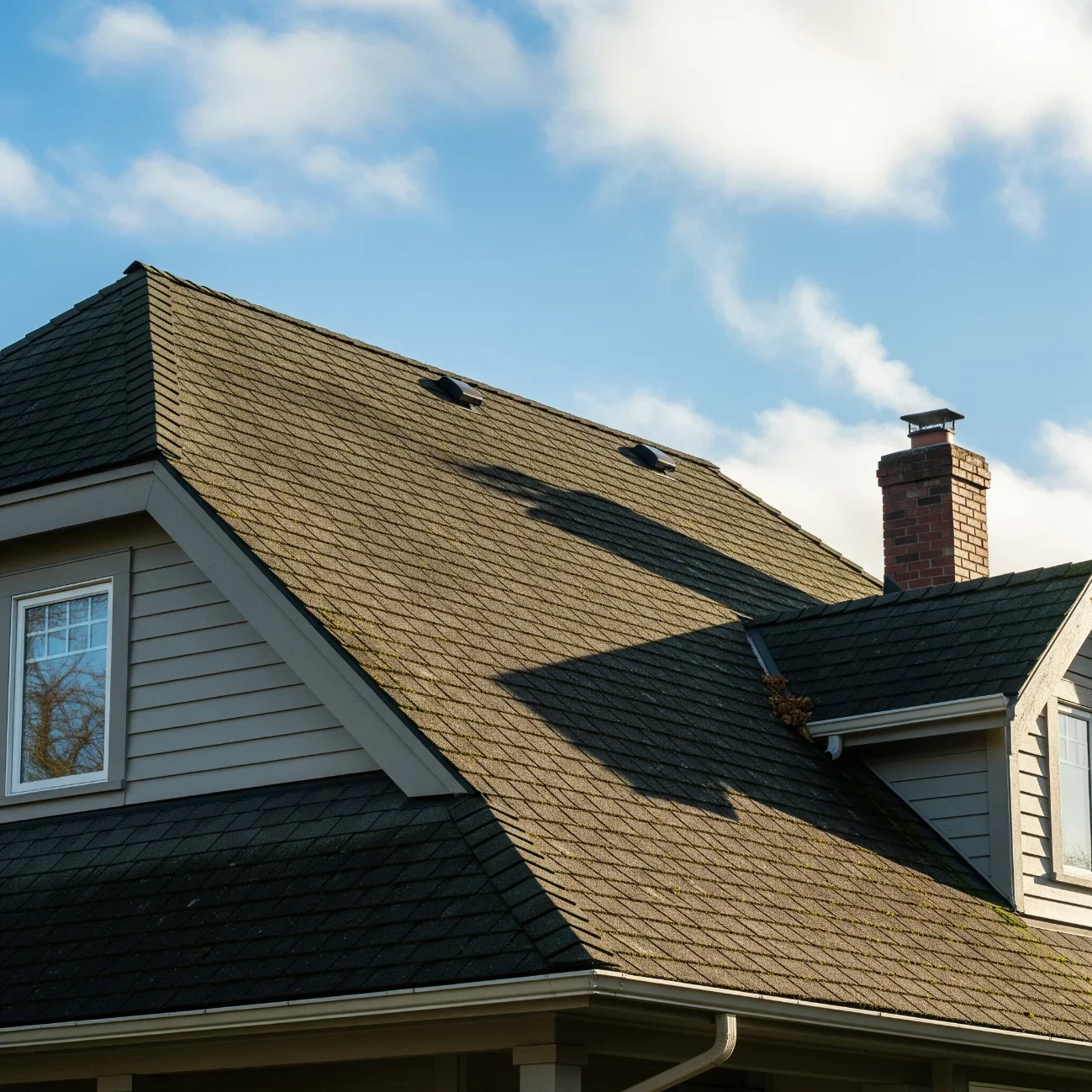
Moss might look quaint, but on a roof, it’s a destructive force. Think of it as a thick sponge, trapping moisture right up against your shingles or shakes, day in and day out. That constant dampness dramatically speeds up rot and decay, eventually lifting the edges of your shingles and letting water seep right underneath.
What starts as a harmless-looking green patch can quickly compromise your entire roof. Moss sends tiny roots down into the roofing material itself, creating small channels for water to follow where it doesn't belong.
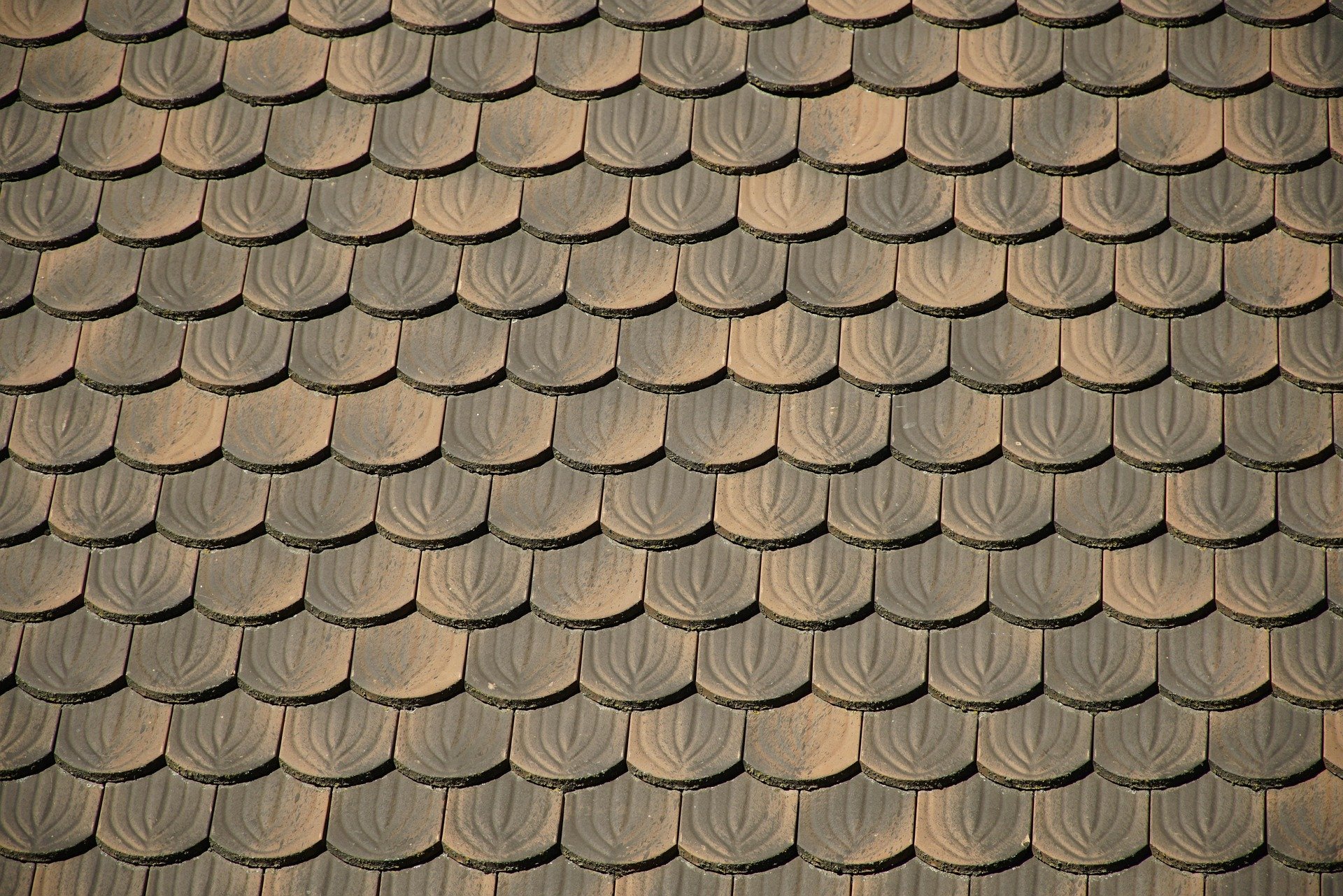
For homes with traditional cedar shake roofs, it's crucial to know the difference between normal weathering and a real emergency. Cedar naturally ages over time, but you need to keep a sharp eye out for critical signs of failure like splitting, curling, or shakes that have worn down to almost nothing.
These aren't just cosmetic flaws; they are clear indicators that your roof needs an emergency repair in Vancouver. Once those shakes can no longer shed water properly, your home is left vulnerable.
Your Immediate Action Plan for a Leaking Roof
The moment you spot a leak, it’s natural to feel a jolt of panic. Take a deep breath. A clear head and a quick, simple plan are your best friends right now. The goal is to get the situation under control inside and get a professional on the way.
First things first, let’s focus on safety and damage control inside your home.
Contain the Water: Grab a bucket or any large container and place it directly under the drip. If it’s splashing, toss an old towel into the bottom of the bucket–it’ll muffle the noise and stop the spray.
Move Your Valuables: Get any furniture, electronics, or sentimental items out of the splash zone. Water can travel sideways once it hits the floor, so give the area a wide berth.
Document Everything: Pull out your phone and take plenty of photos and videos. Get shots of the leak itself, the water in the bucket, and any damage to your ceiling, walls, or belongings. This evidence is absolutely vital for your insurance claim later on.
Once you’ve contained the immediate mess, it's time to call a professional roofer. In Vancouver, the rain doesn’t wait around, so this step is critical when dealing with an emergency repair.
Have the photos you took ready to send over and be prepared to describe exactly what you’re seeing. A good roofer will be able to tell you if you need to take any temporary outdoor measures, like tarping, and whether it’s even safe to try.
Stay up to date with our latest ideas!