The Interior Design Trends That Will Define Australian Homes in 2026
Discover the interior design trends set to define Australian homes in 2026, from colors and materials to layouts, lighting, and functional living spaces.
Australian homes are taking a warmer, more relaxed approach to interior design in 2026. Natural materials, earthy colours, softer shapes, and comfortable spaces are replacing some of the harder-edged styles of recent years.
The shift is less about a single defining look and more about creating homes that feel good to live in. Some of the year's biggest ideas build on familiar design principles, while others reflect the growing desire for interiors with more character and flexibility.
Warm Minimalism Replaces Cold, Sterile Spaces
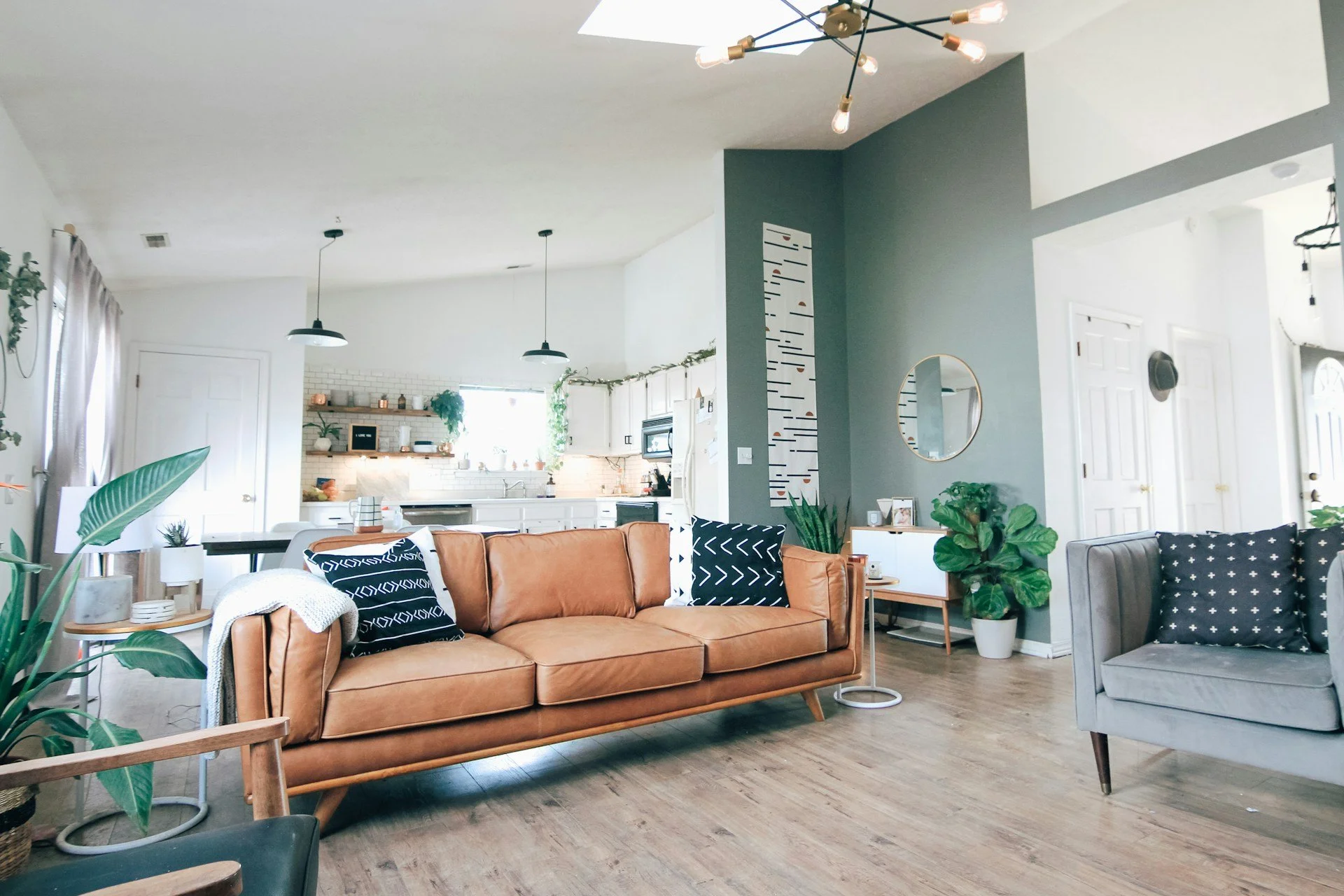
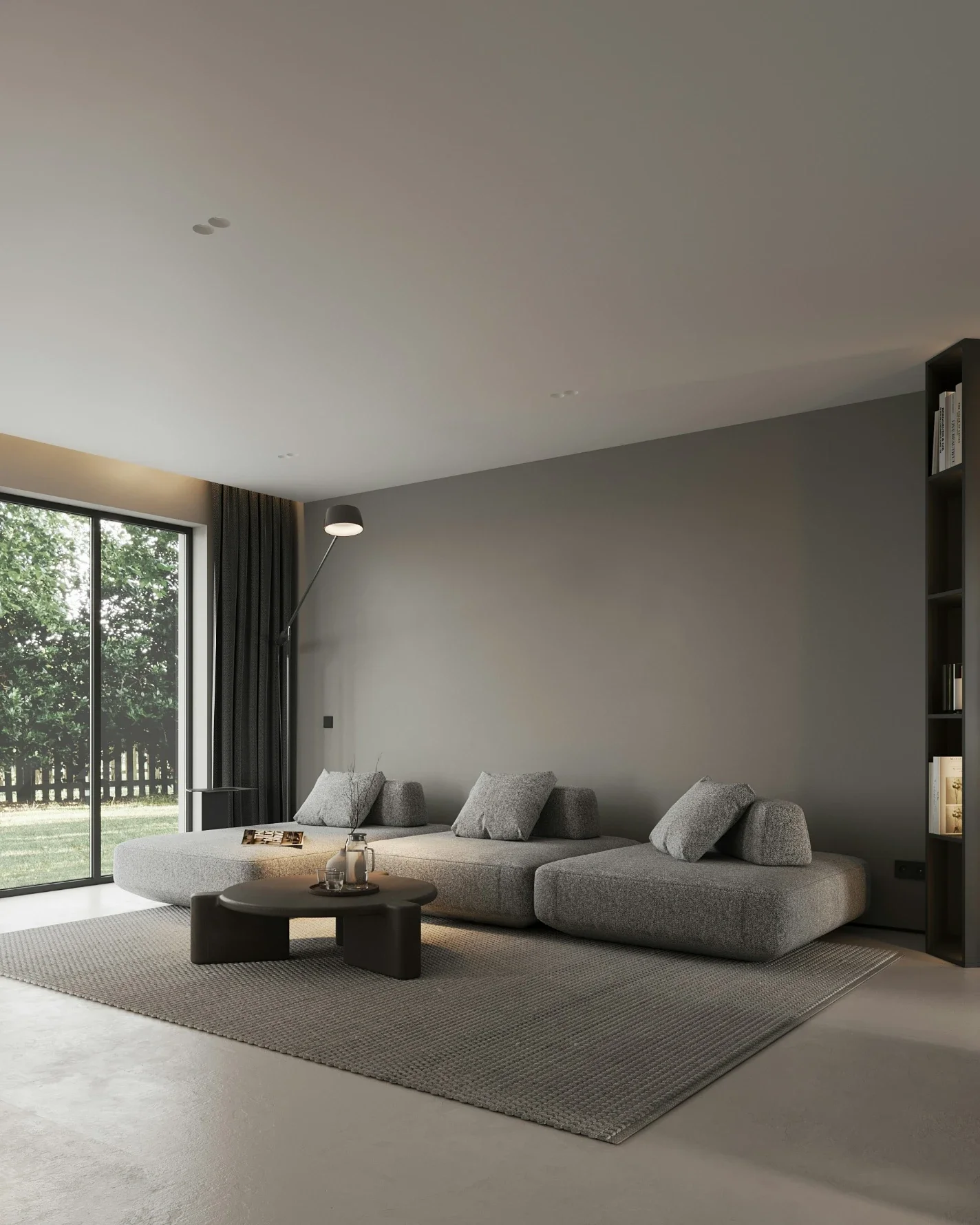
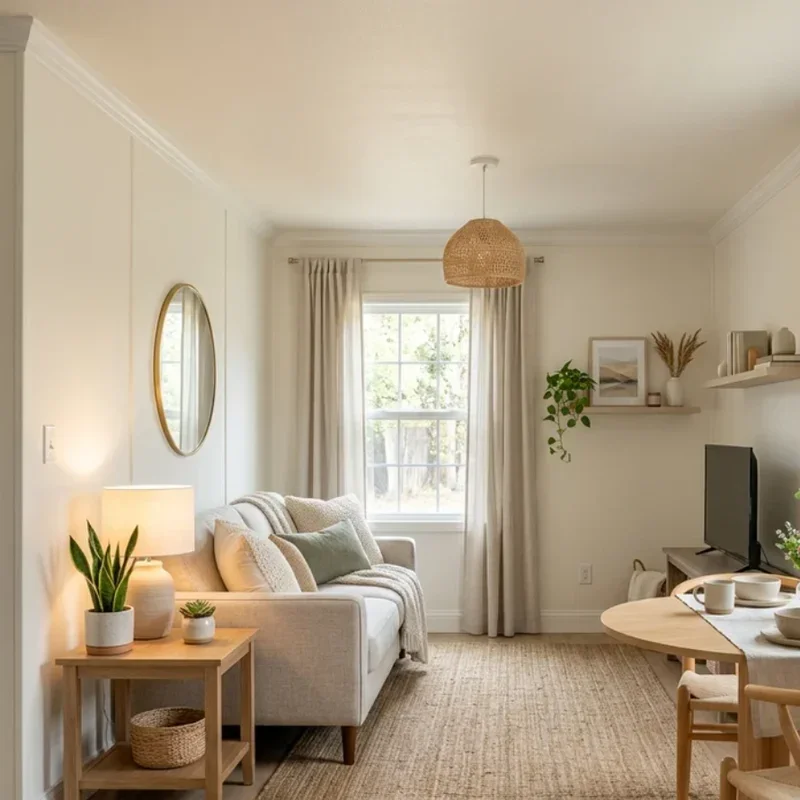
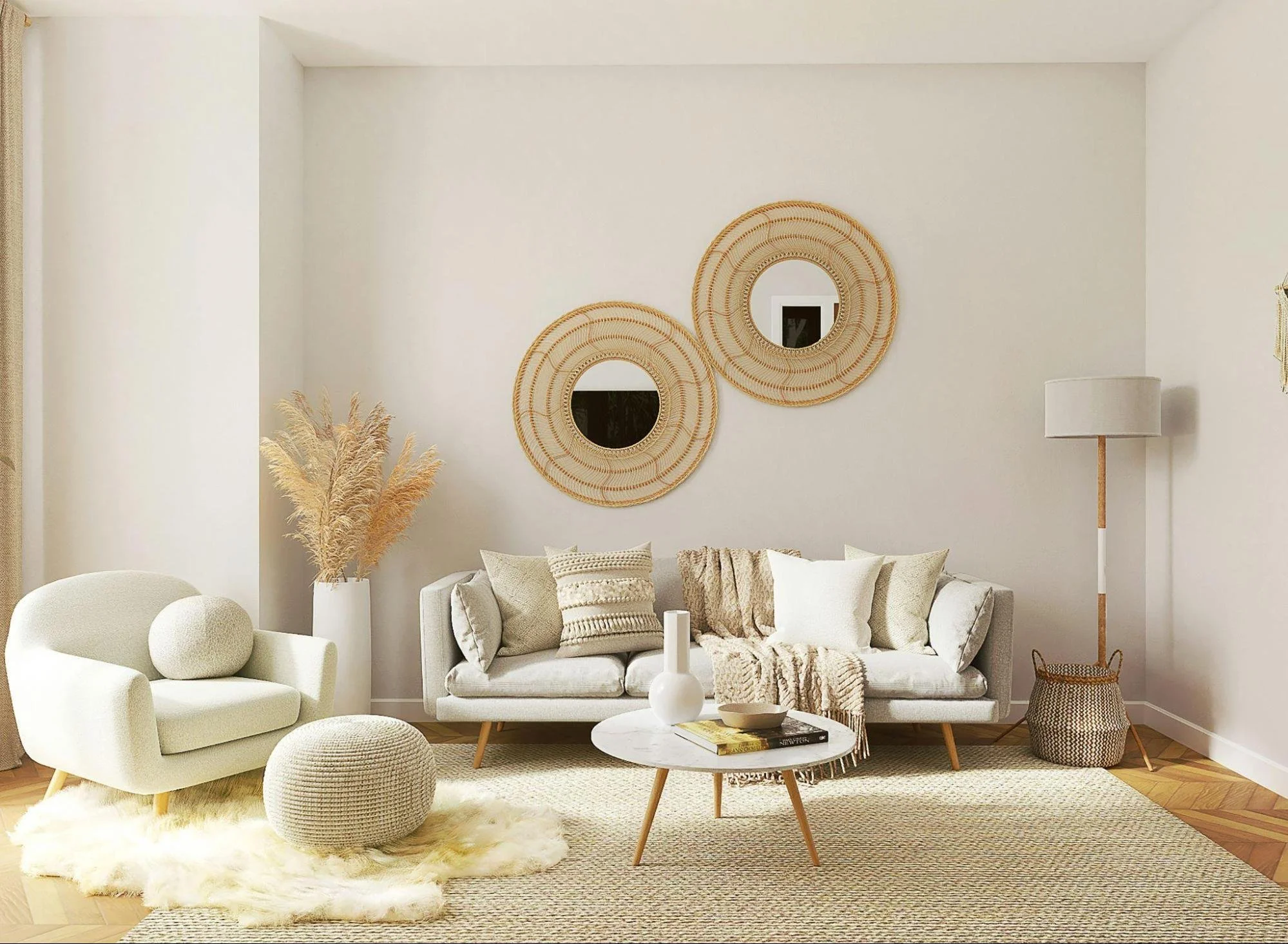
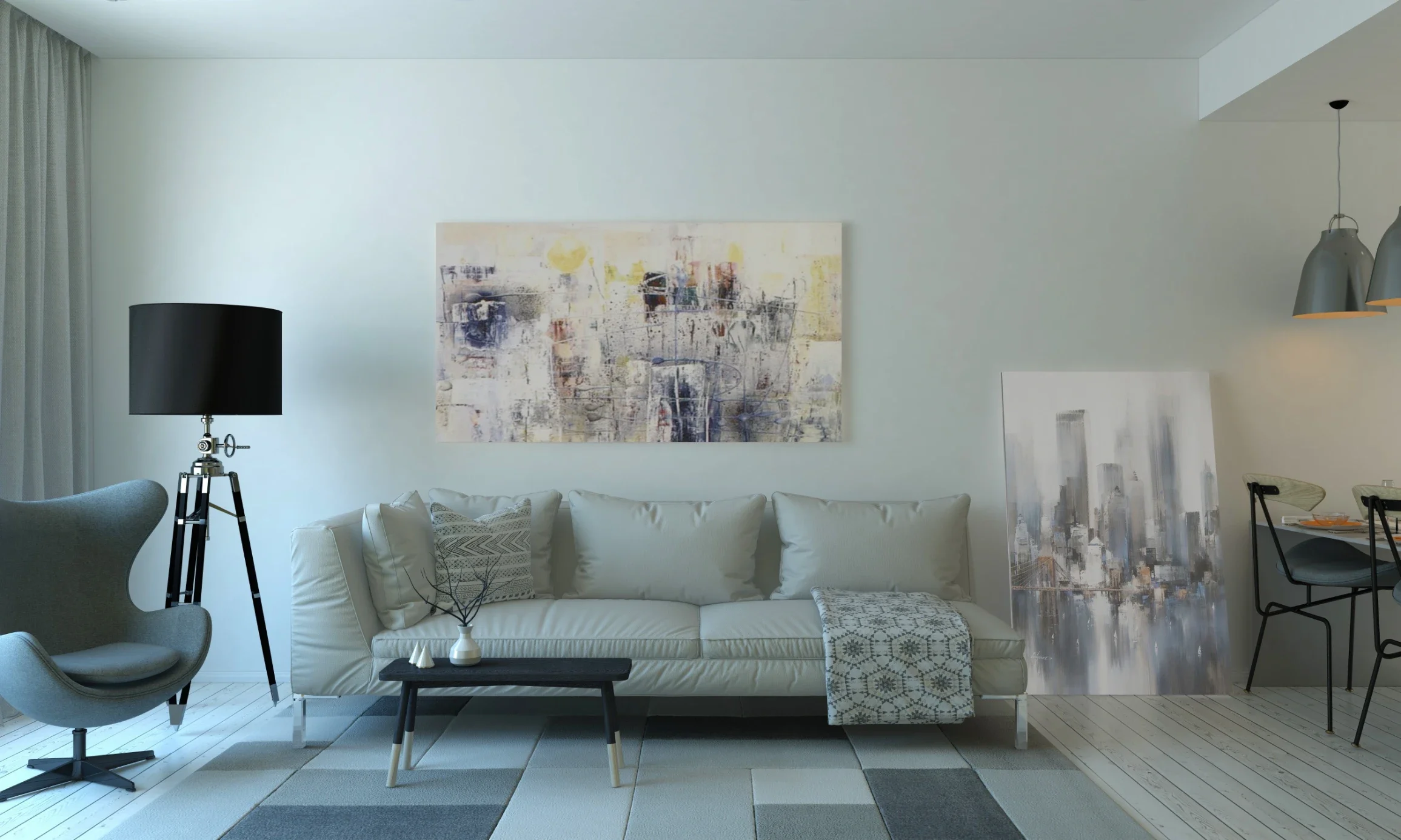
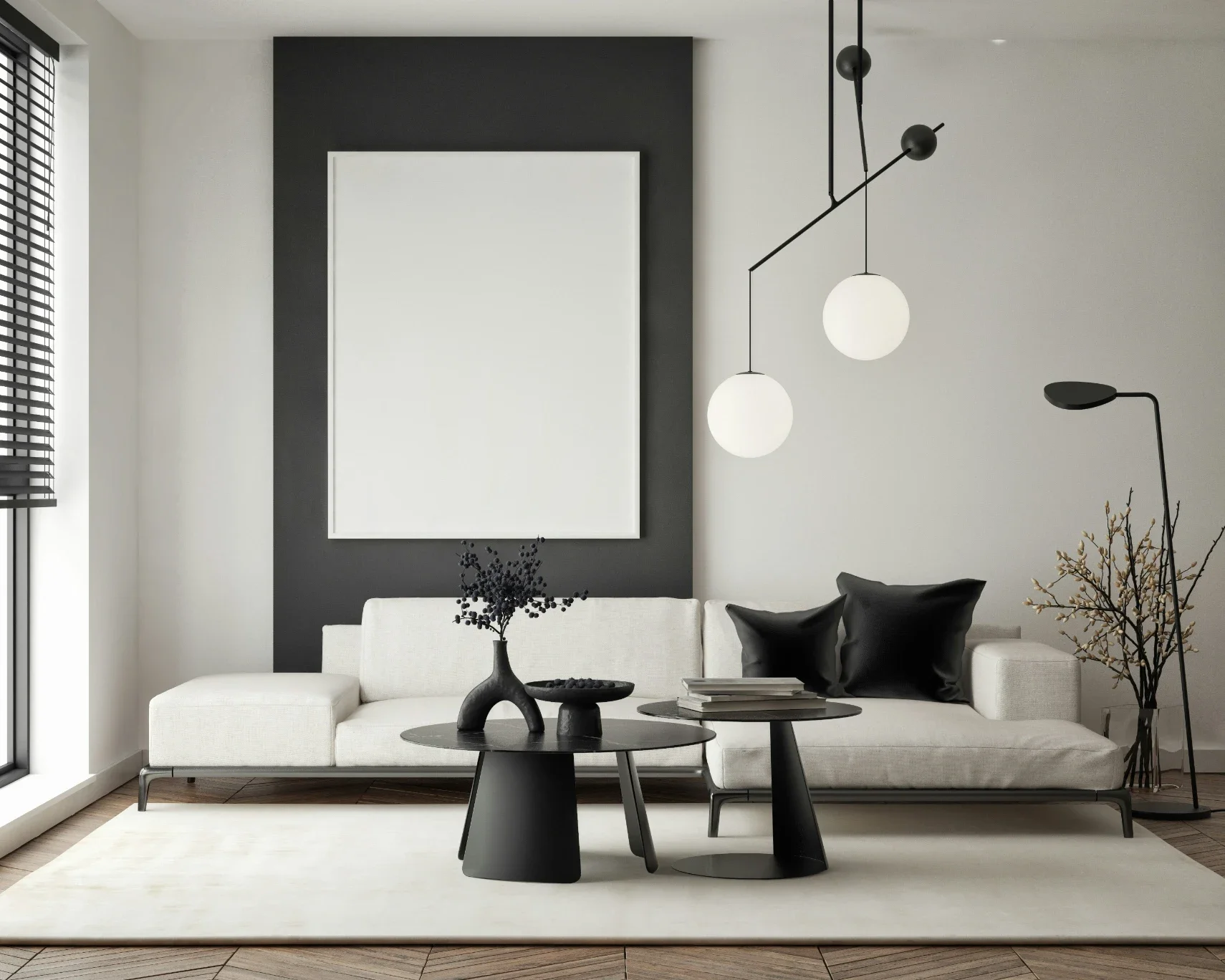
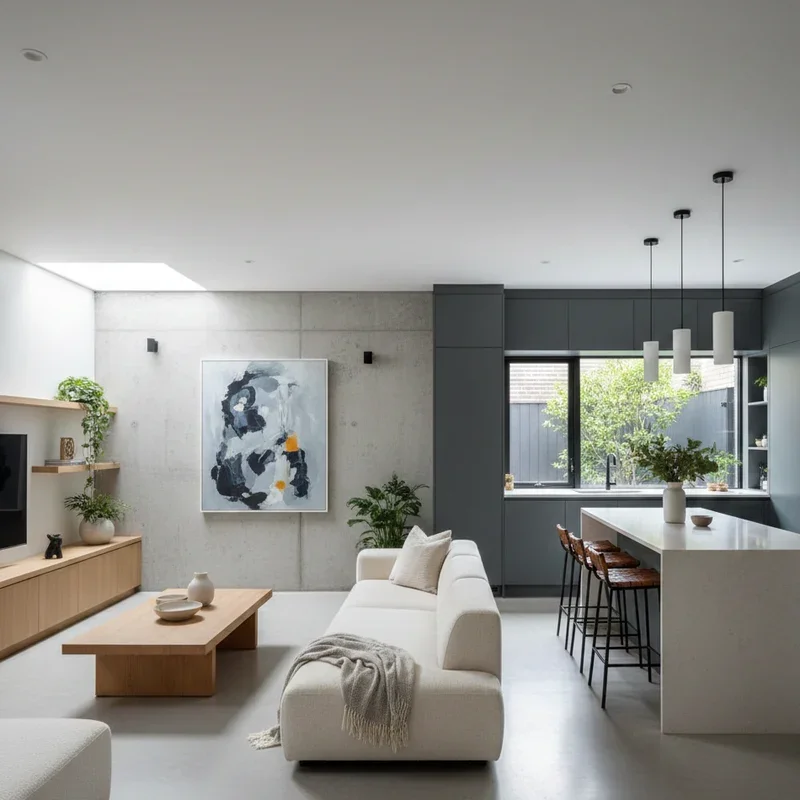
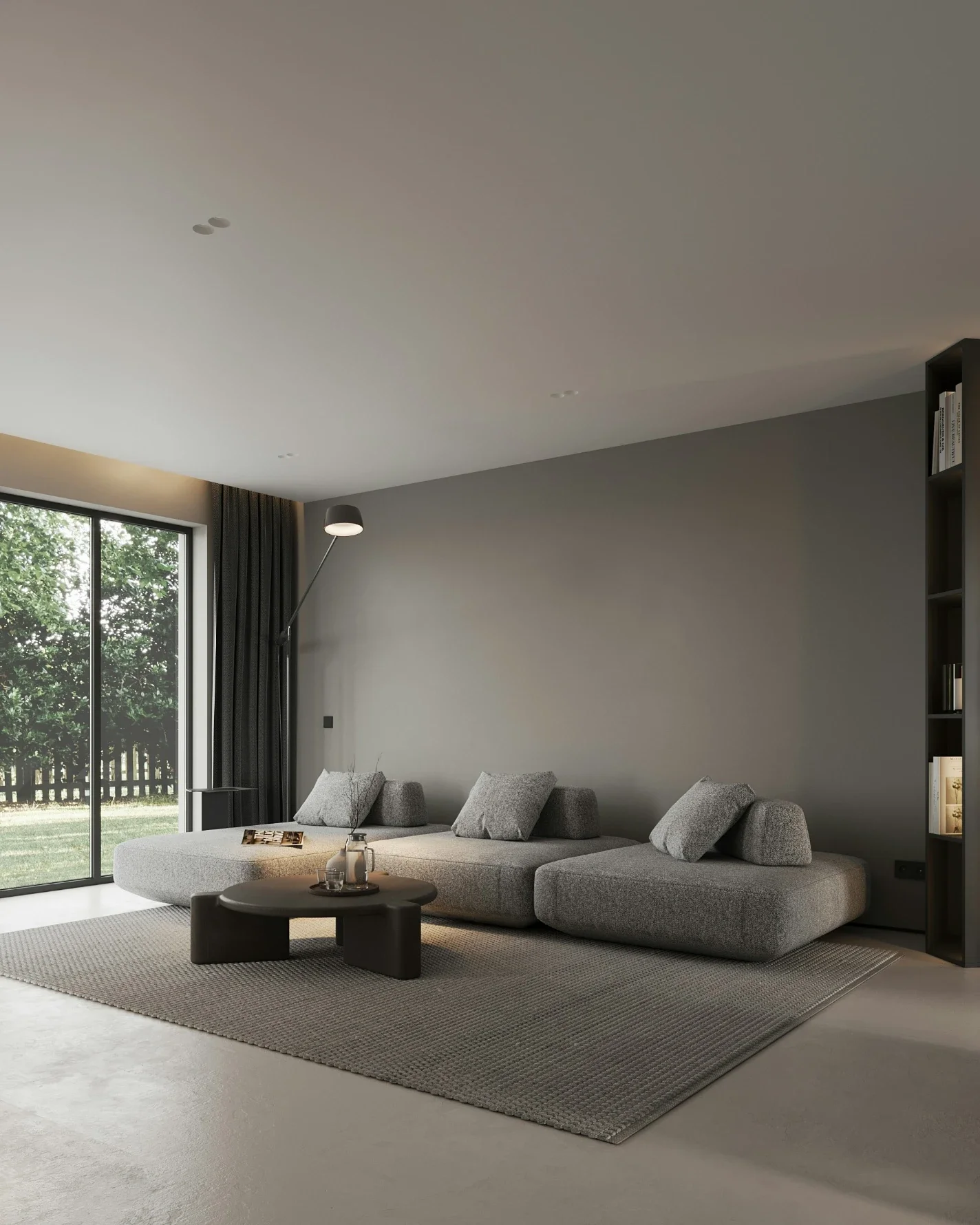
Minimalism has had a long run, but the stark version of it is starting to feel dated. All-white rooms, empty surfaces, and sharp contrasts can look impressive in photographs, yet they do not always make a home feel inviting. Warm minimalism keeps the simplicity while bringing in more texture and warmth.
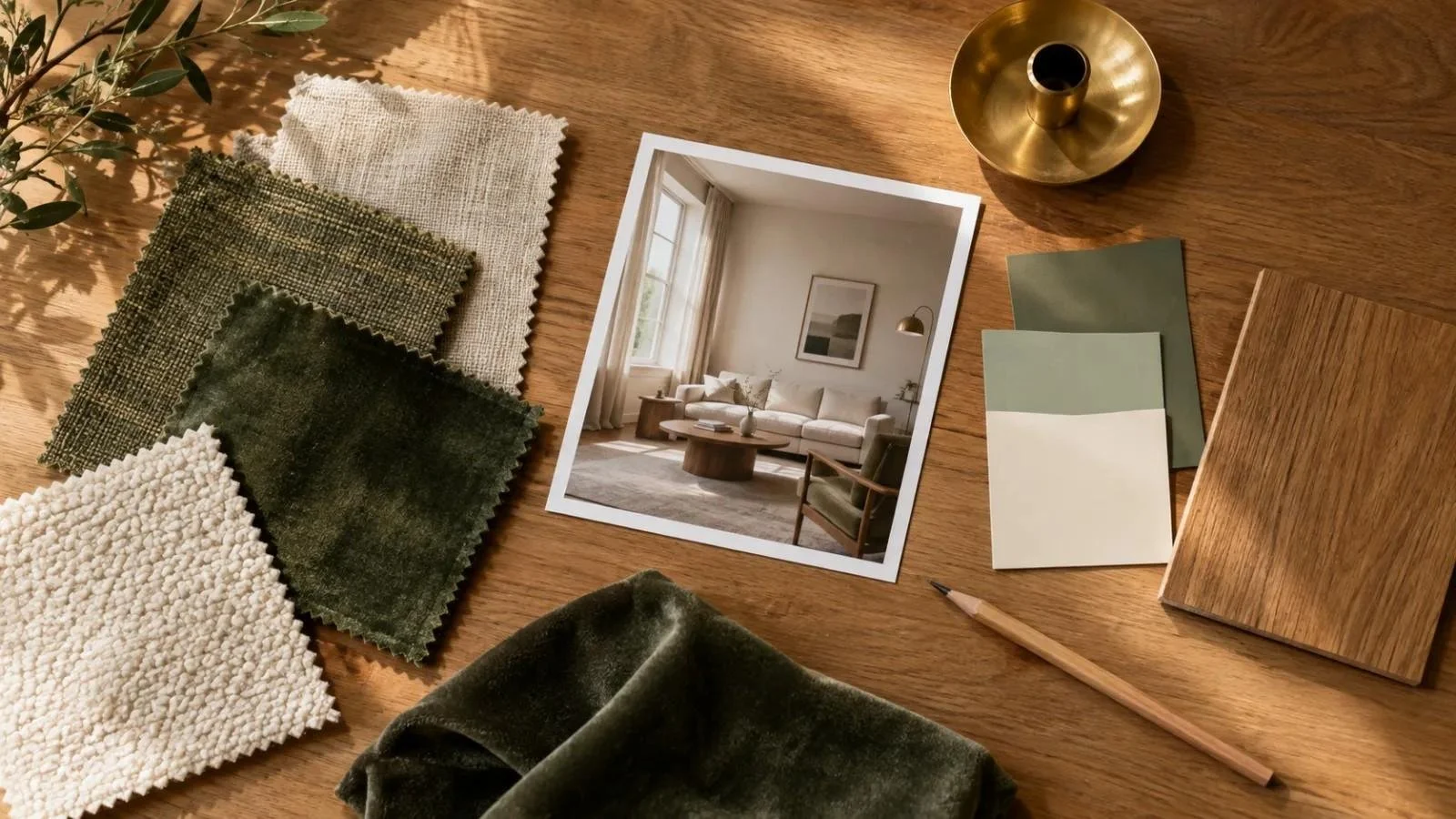
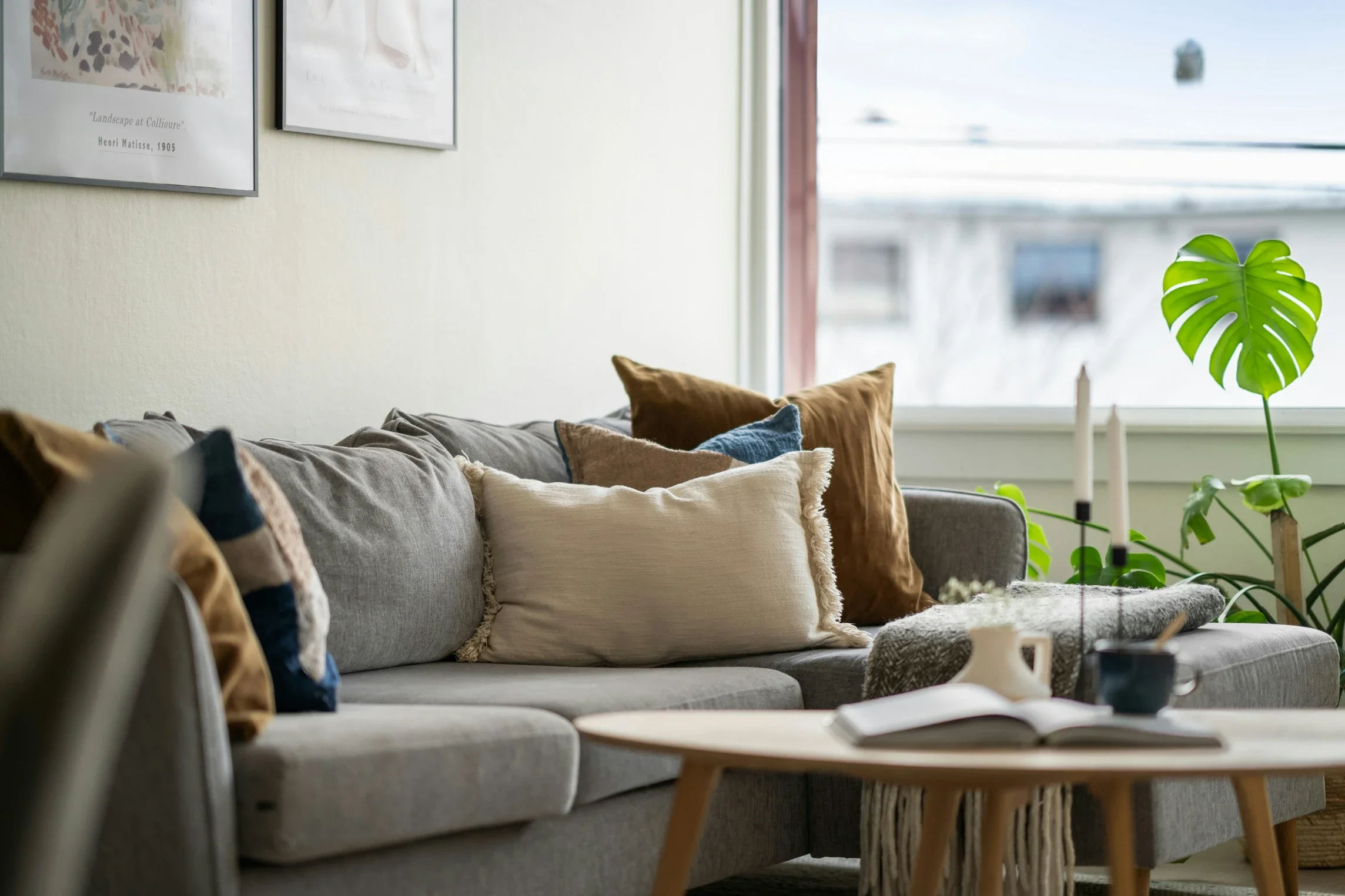
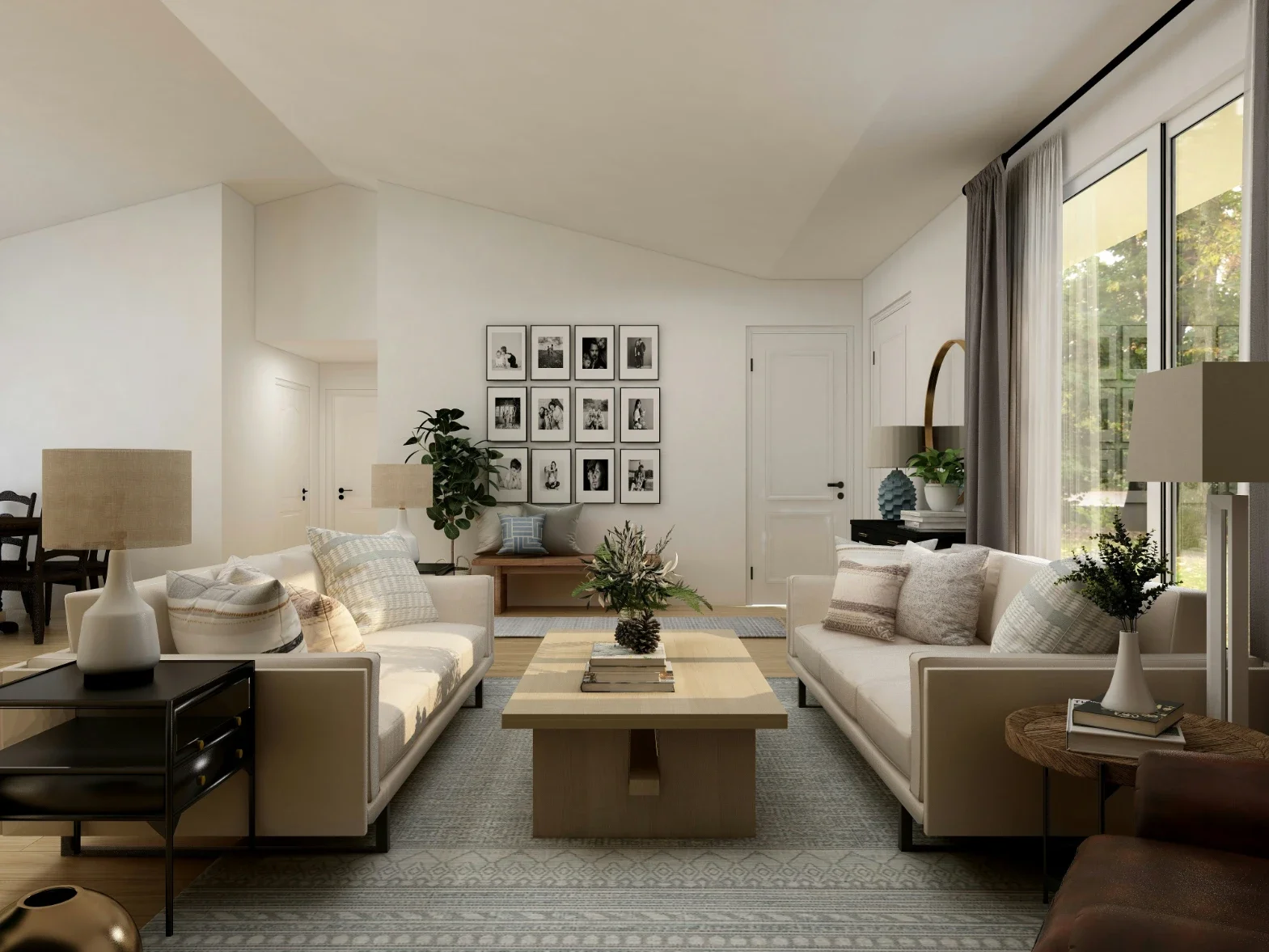
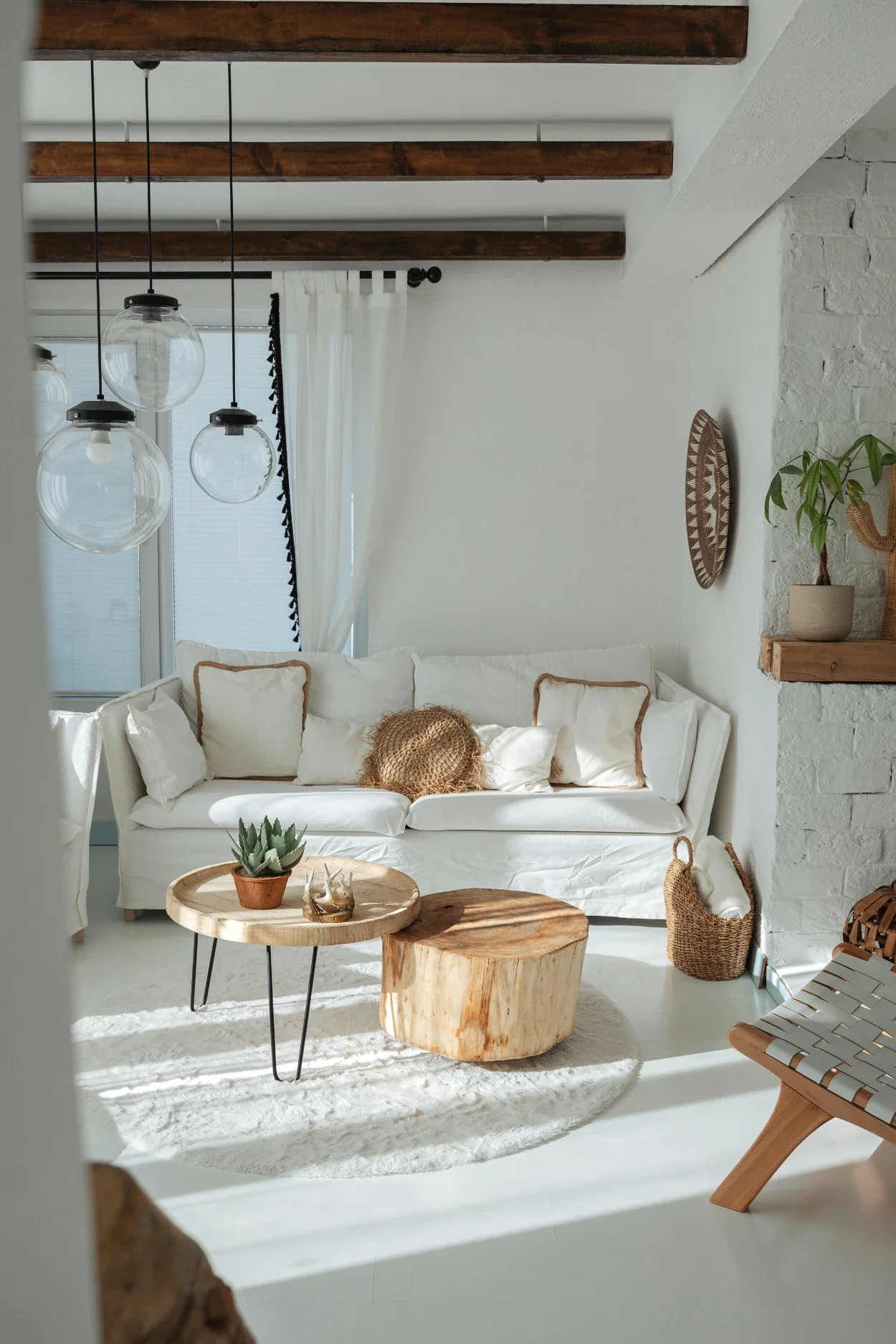
Start with softer neutrals such as cream, oatmeal, warm beige, or muted taupe rather than bright white. As explored in these modern colour trends, warmer shades can make a simple space feel more welcoming without losing its clean, contemporary look. Timber furniture, linen curtains, wool rugs, and textured cushions can then add depth without creating clutter.
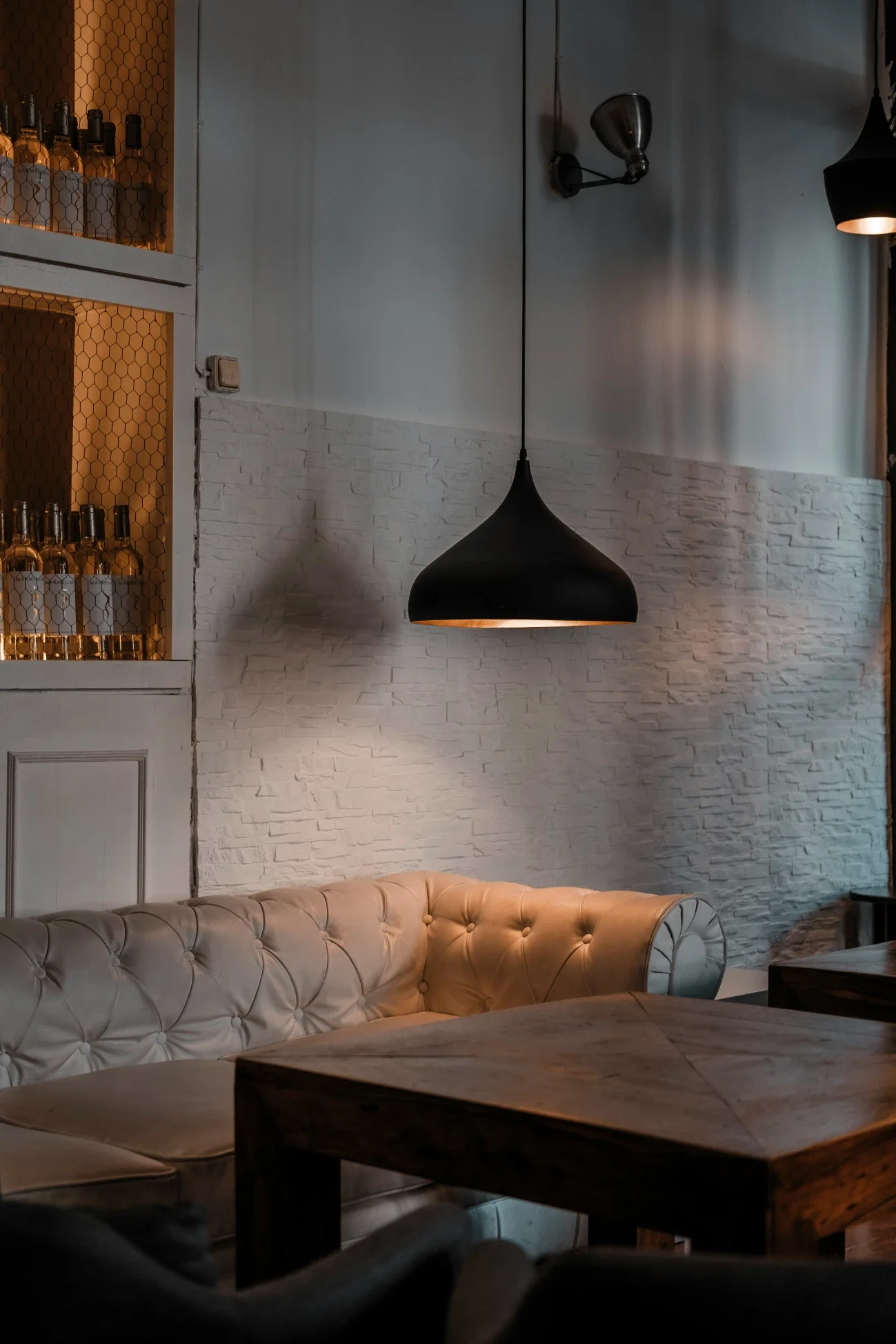
Lighting makes a noticeable difference too. Instead of depending on one overhead fitting, layer several sources around the room. A floor lamp beside a sofa, a small table lamp, and softer overhead lighting can completely change the mood in the evening.
Natural Materials Take Centre Stage
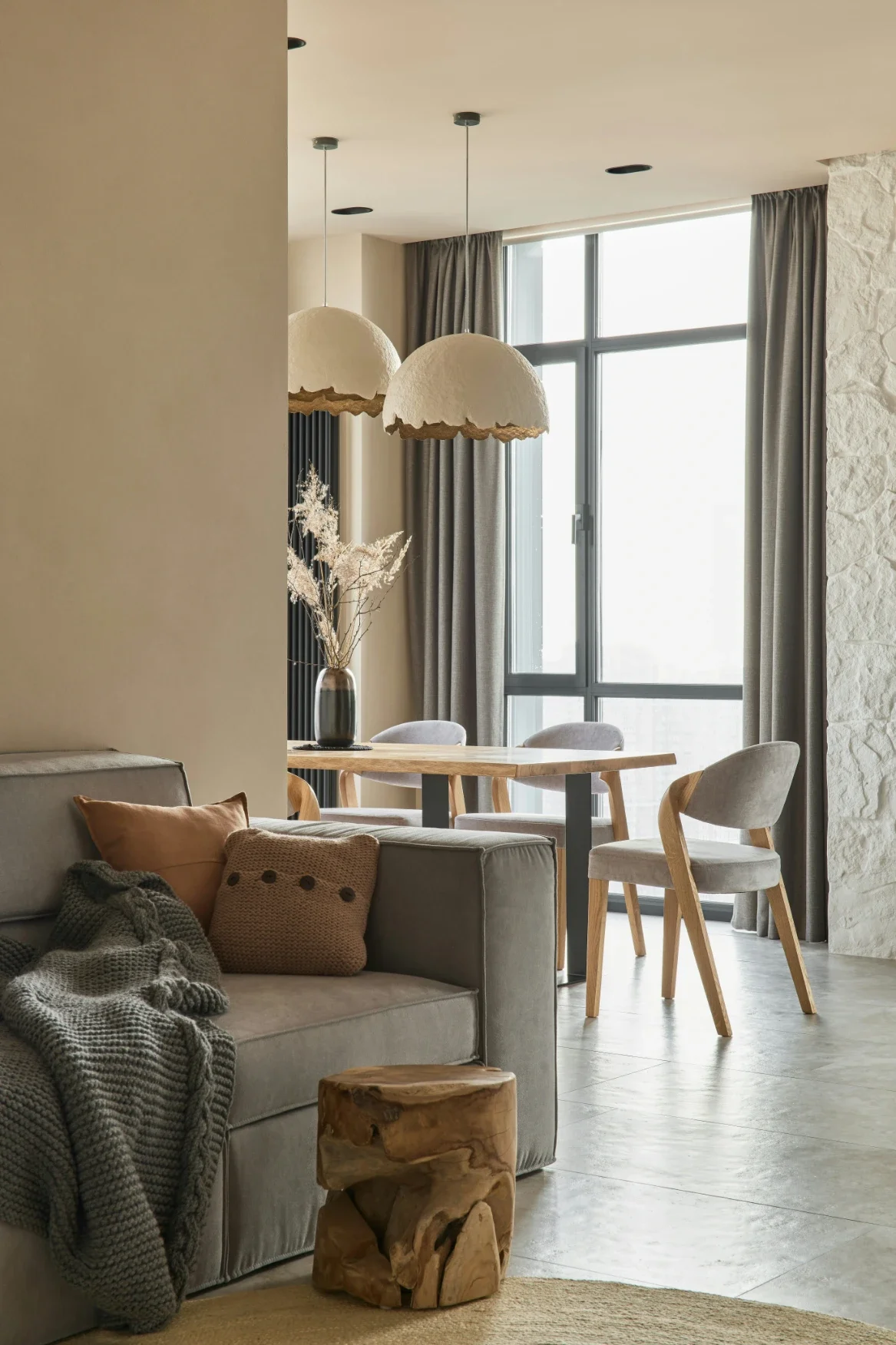
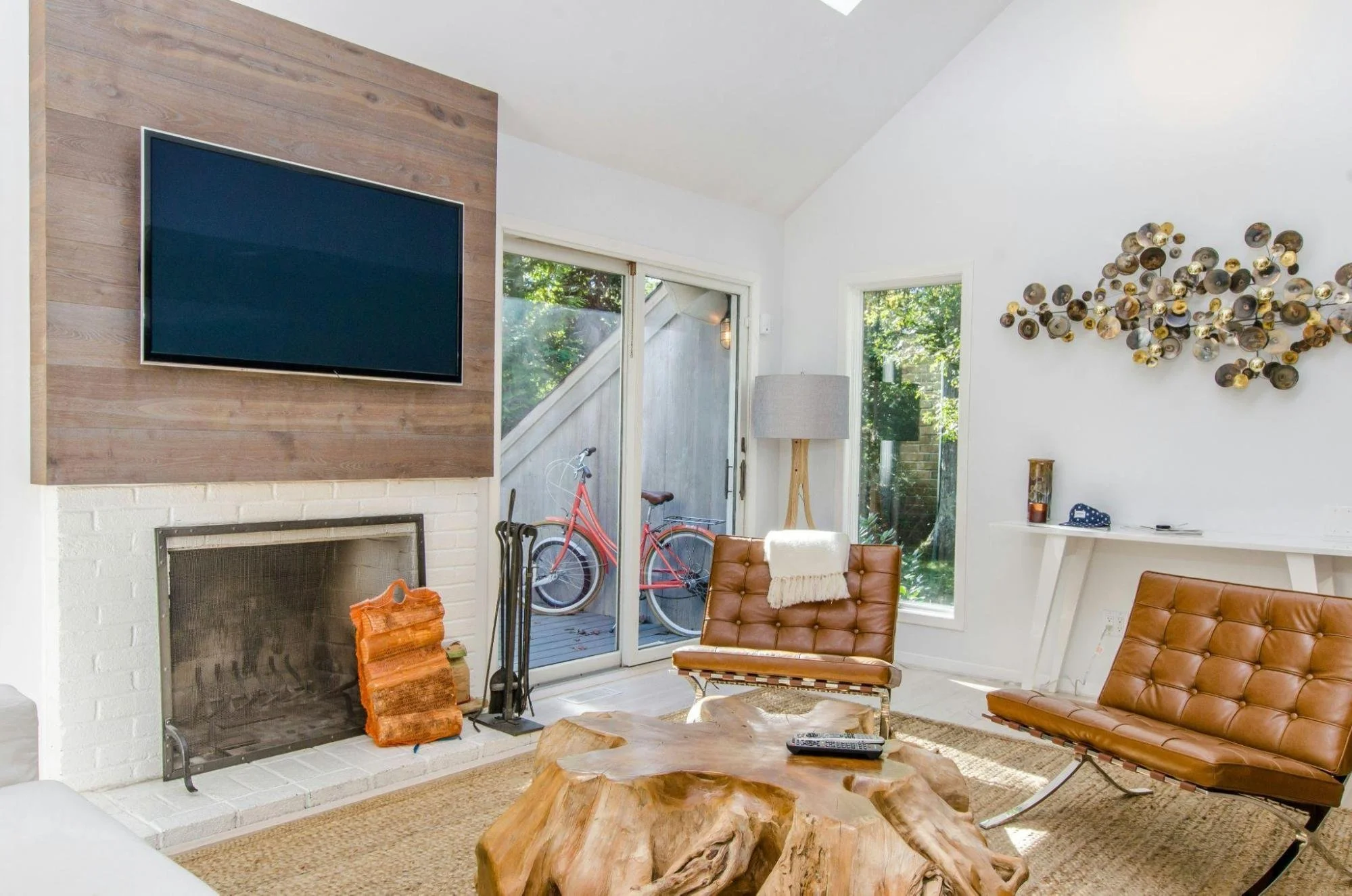
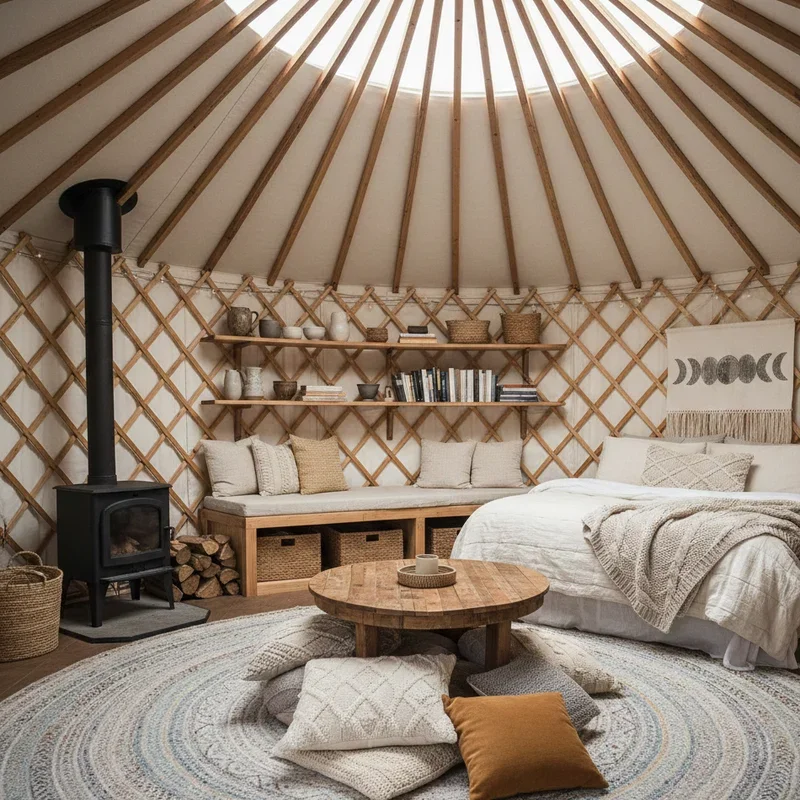
There is something difficult to replicate about the look and feel of a natural material. Timber has variation in its grain, stone has its own markings, and linen develops character with use. These imperfections are part of what makes them appealing in a home.
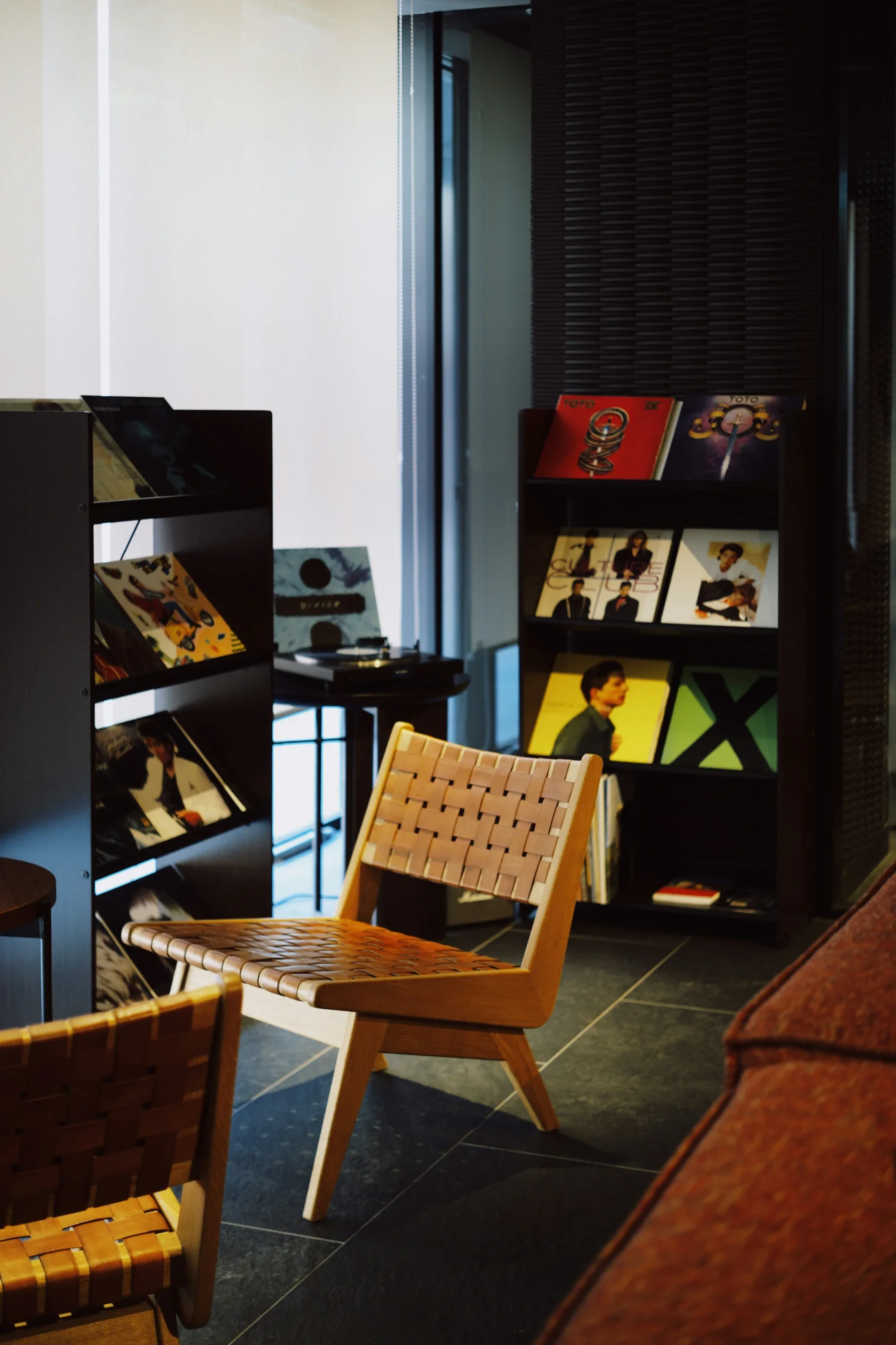
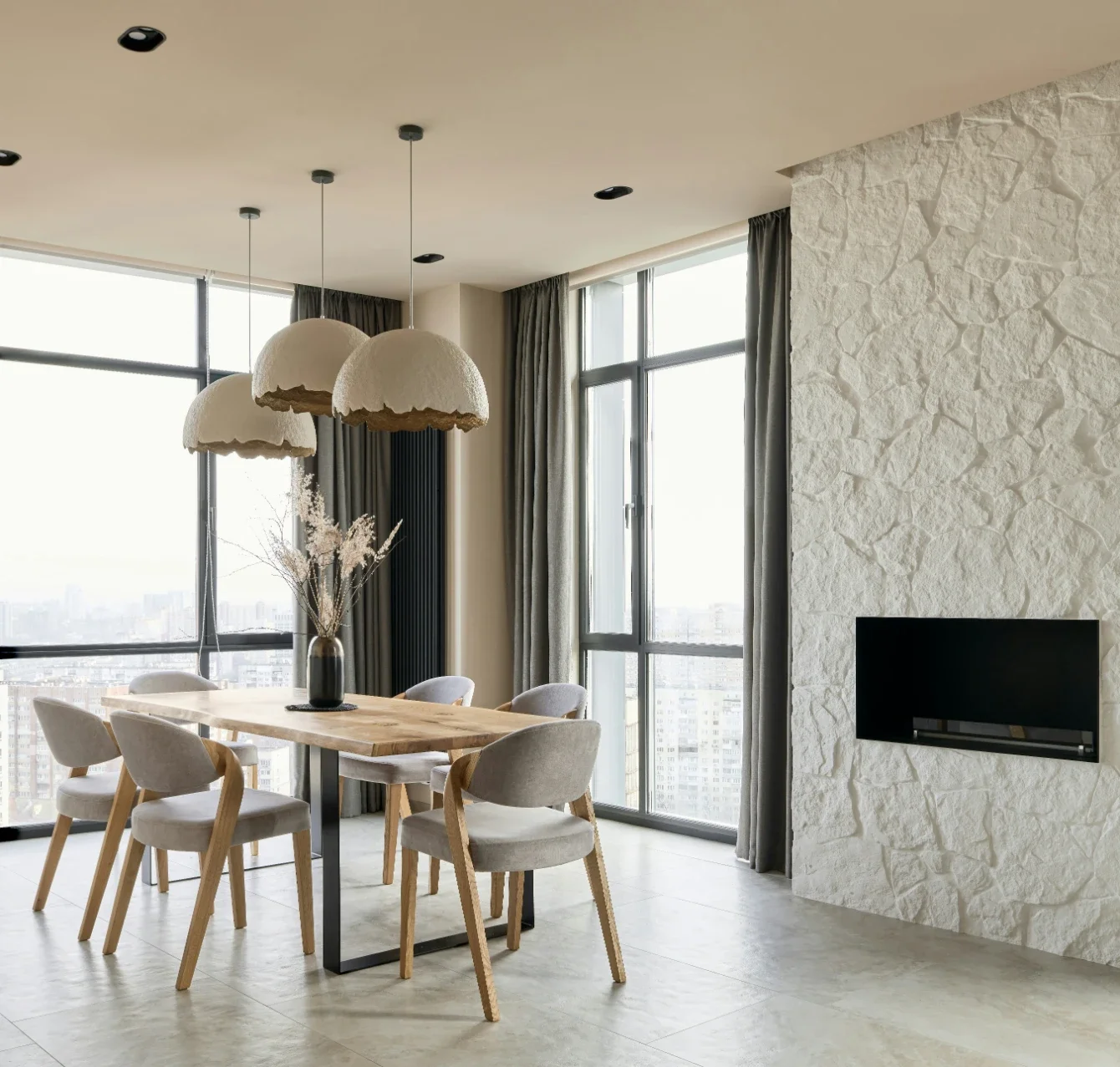
Timber: Oak, walnut, and reclaimed timber work across everything from flooring and cabinetry to dining tables and smaller furniture. Look for finishes that allow the natural grain to remain visible.
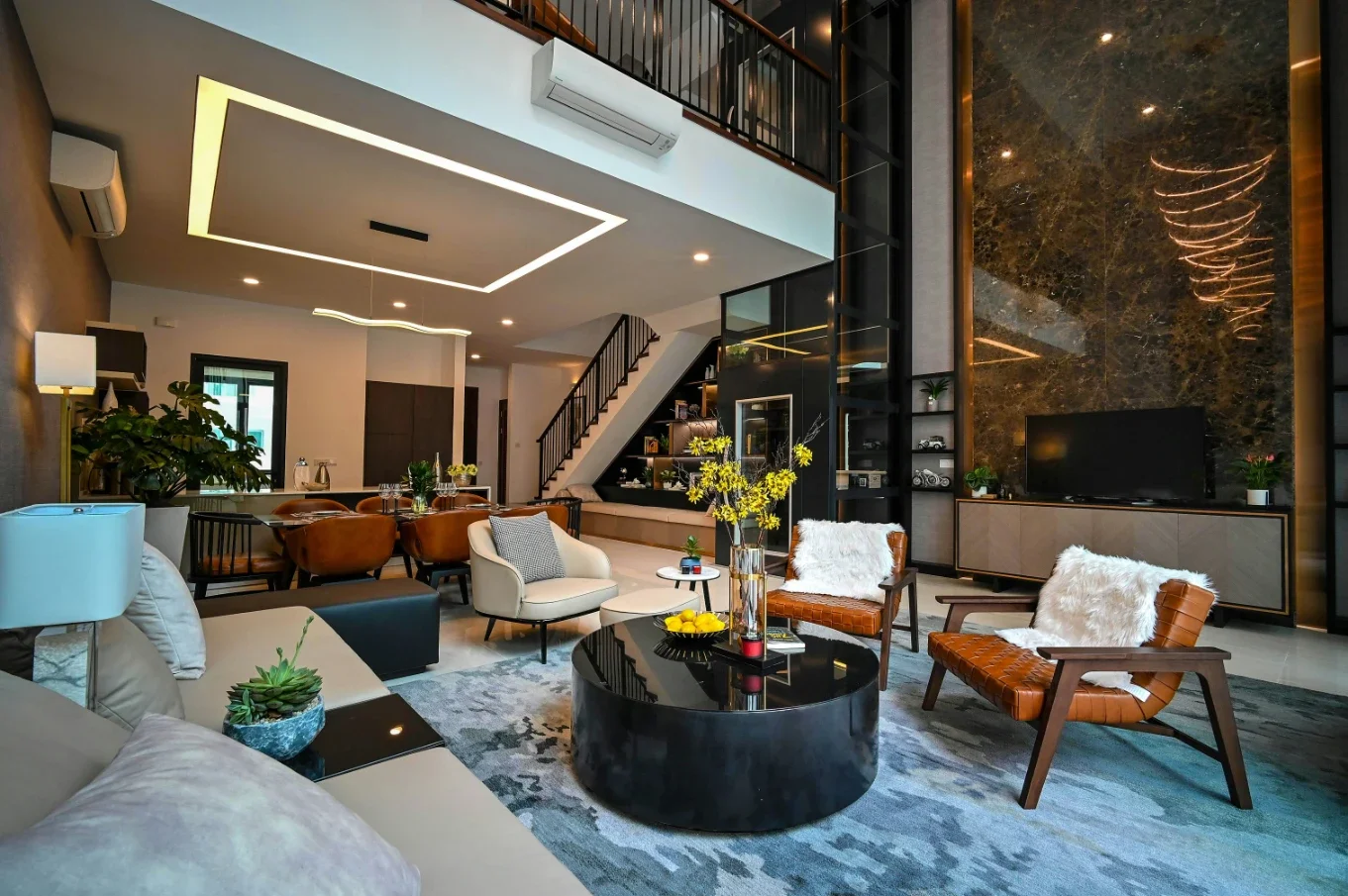
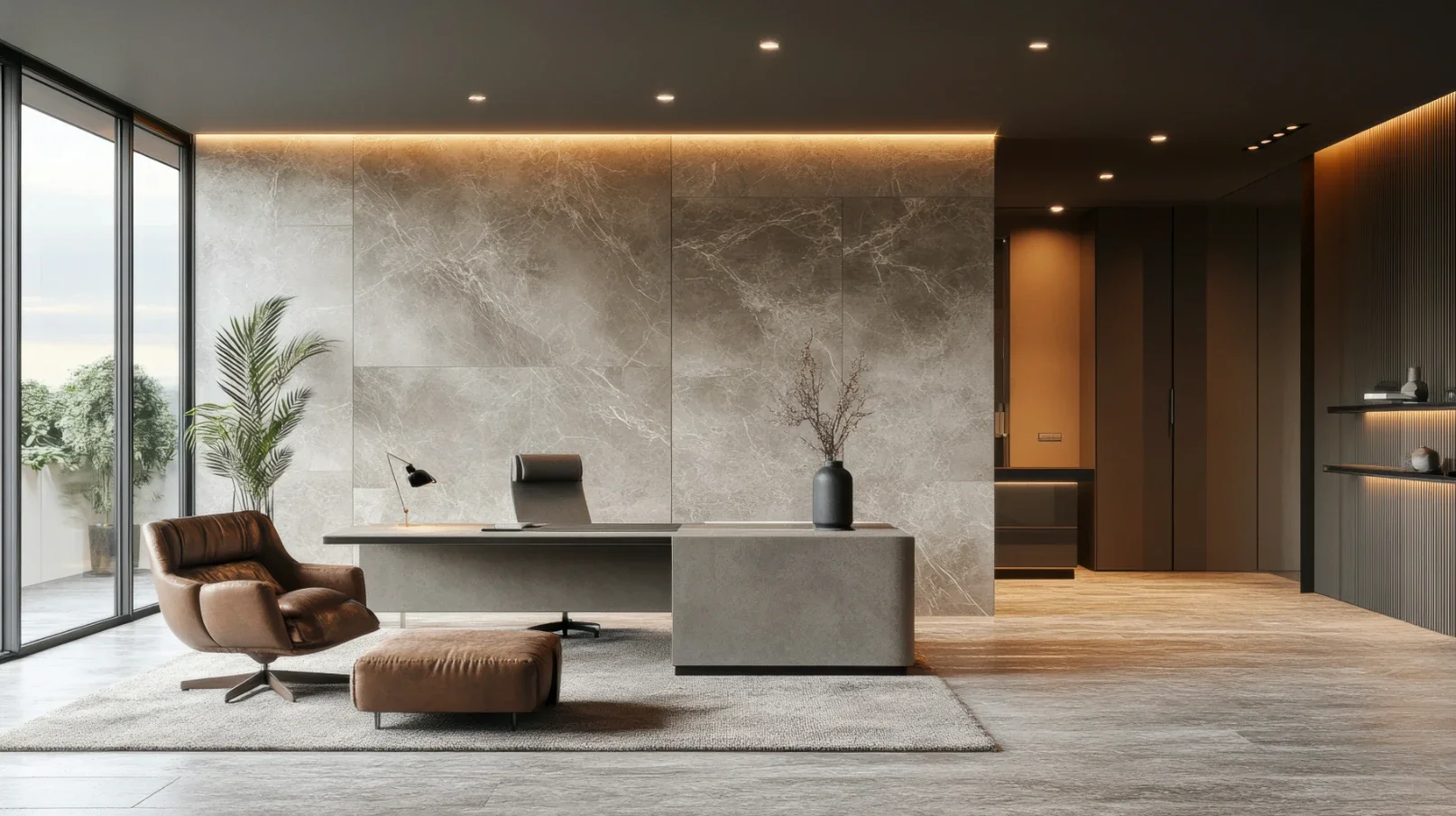
Stone: Travertine, limestone, marble, and other natural stones can bring texture to kitchens, bathrooms, coffee tables, and feature areas. Their variation also prevents large surfaces from looking overly uniform.
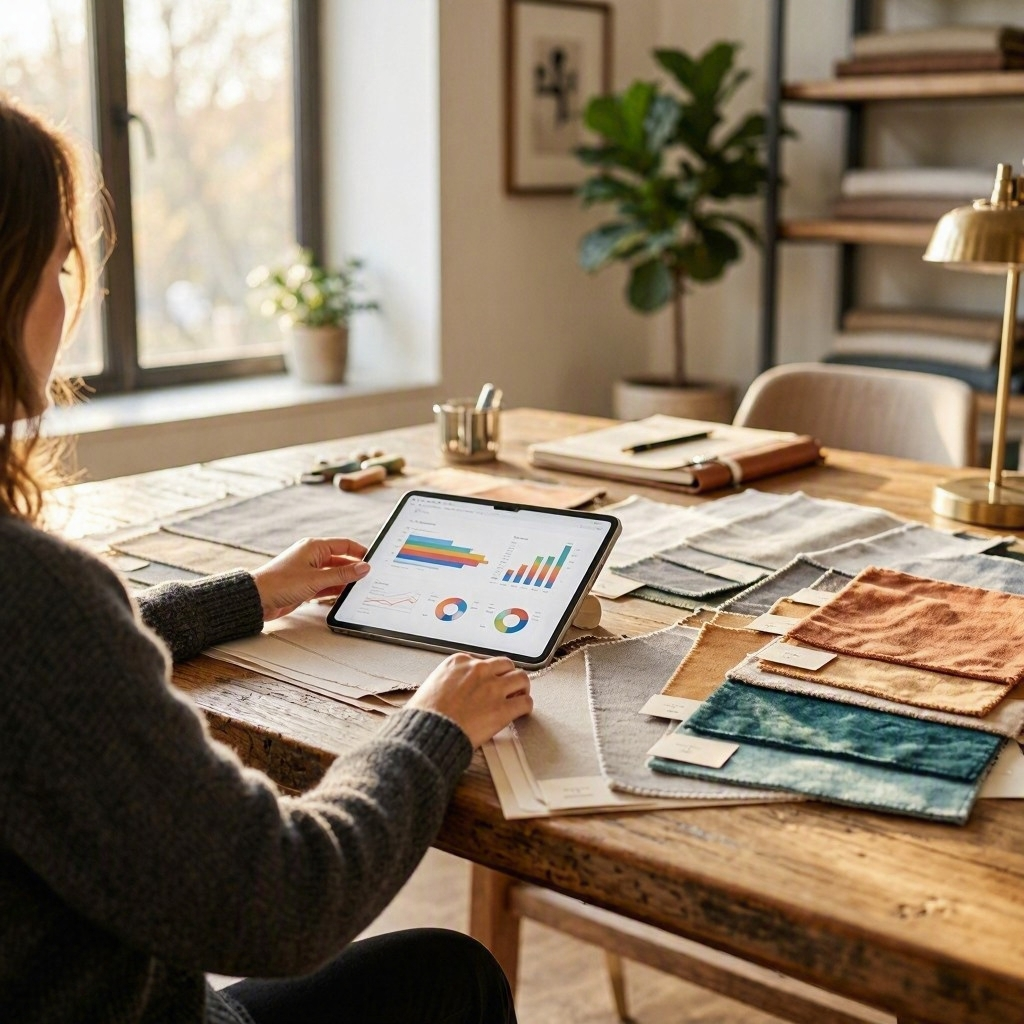
Natural fabrics: Linen, wool, cotton, and jute are useful for softening harder surfaces. Layering two or three different textures can add interest without introducing more colour.
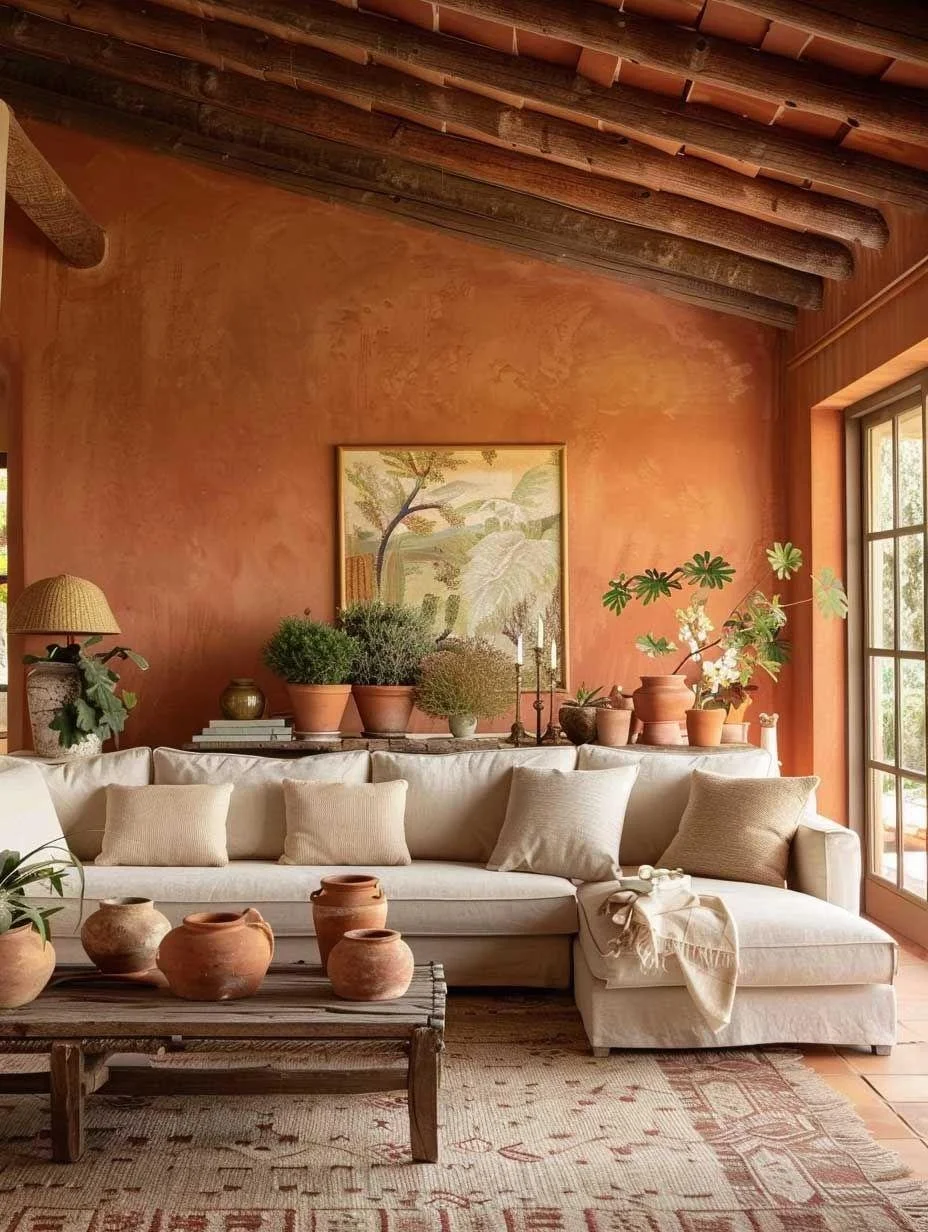
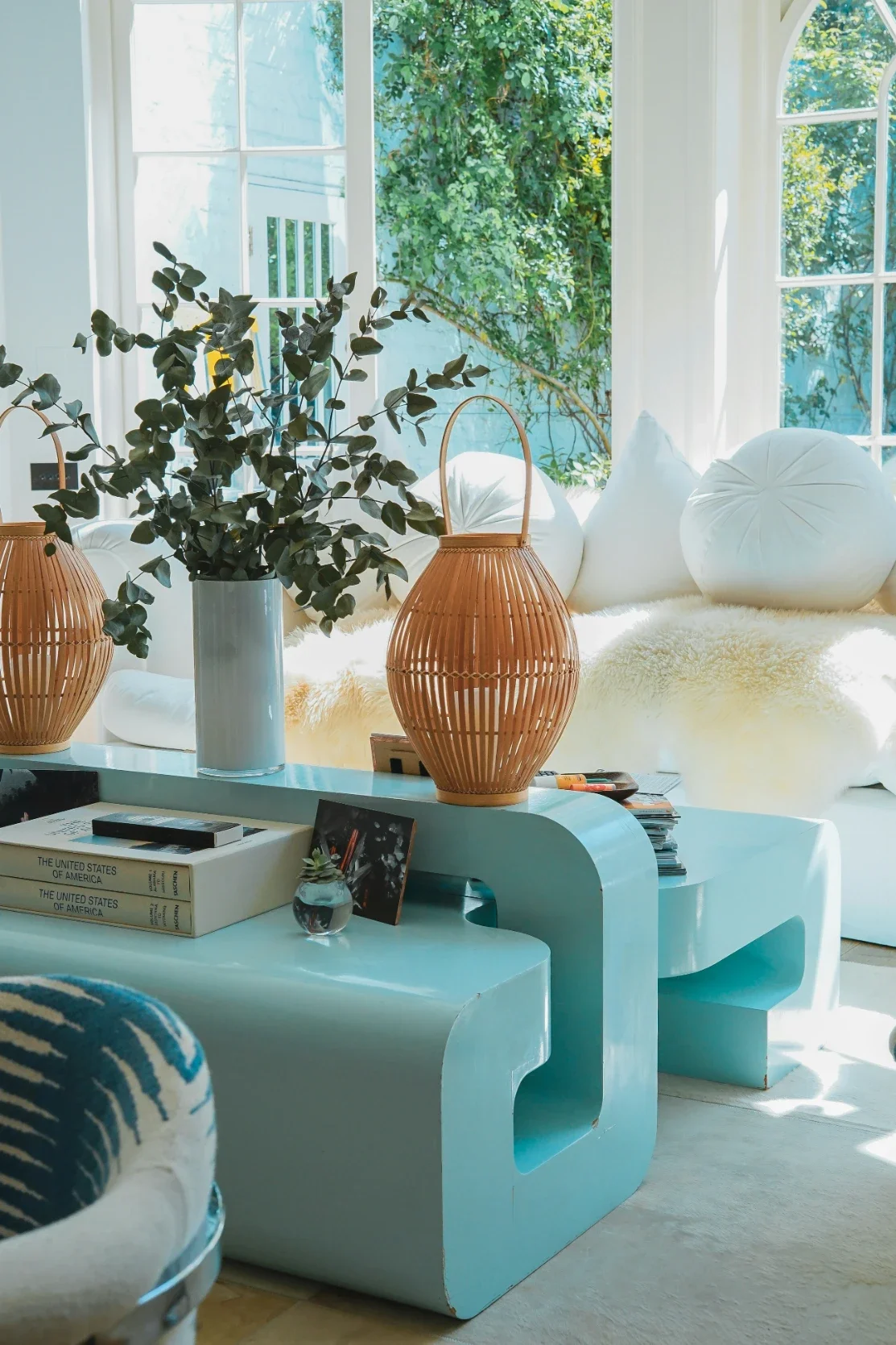
Handcrafted finishes: Ceramics, rattan, terracotta, and woven pieces give newer interiors a sense of individuality. A handmade vase or textured pendant can often do more than a shelf full of decorative objects.
There is no need to turn a room into a catalogue of natural materials. A timber table, stone surface, and linen upholstery may be enough. The aim is to create a mix that feels considered rather than overly coordinated.
Earthy Colour Palettes Continue to Dominate
Cool greys and stark whites have made way for colours with more warmth and depth. Terracotta, olive, clay, sand, muted browns, and warm beige are finding their way onto walls, furniture, and accessories. They suit the relaxed character of many Australian interiors and pair particularly well with timber and stone.
A useful way to introduce these colours is to start with one dominant shade. Use it on a wall or larger piece of furniture, then bring in darker or lighter variations through rugs, cushions, artwork, and smaller details. This creates a layered palette without making the room feel busy.
Before choosing a paint colour, look at it in the actual room. Natural light can make the same shade appear quite different in the morning and afternoon. Paint a sample on more than one wall and live with it for a few days before making the final decision.
Curves and Organic Shapes Soften Modern Interiors
Straight lines still have their place, but interiors are becoming less rigid. Curved sofas, rounded tables, arched openings, and softer decorative forms can make a contemporary room feel more relaxed. As in its guide to why soft shapes create balance in well-designed spaces, these forms can also create a more natural sense of flow within a room.
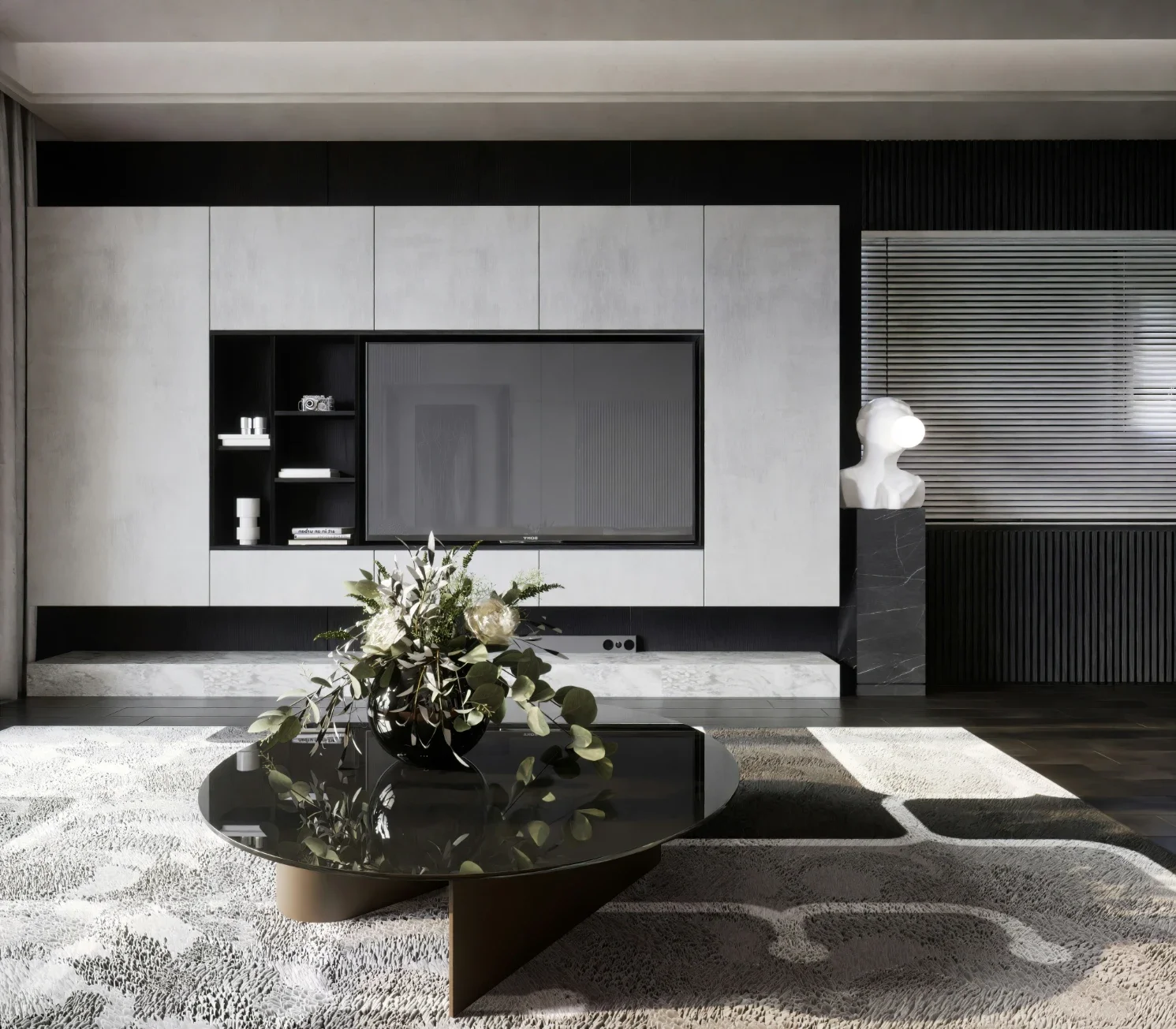
Rounded furniture: A curved sofa or circular coffee table can soften a living room filled with rectangular furniture. There is no need to replace everything; one substantial curved piece can be enough.
Architectural details: Arched doorways, curved shelving, and rounded niches offer a more permanent way to introduce softer forms. These work particularly well in renovations where the existing structure allows for some flexibility.
Smaller details: Round mirrors, sculptural lamps, curved artwork, and organic-shaped accessories offer an easier starting point. They can introduce the trend without committing to major structural work.
The appeal of curves comes from contrast. Too many rounded elements can make a room feel overly deliberate, while one or two well-chosen pieces can break up a more angular scheme.
Homes Designed Around Wellbeing and Everyday Living
A beautiful room is not necessarily a successful one. Increasingly, homeowners are paying attention to how a space works throughout the day. Where the morning light falls, where people naturally sit, how easily a room can be tidied, and whether there is somewhere quiet to retreat all matter.
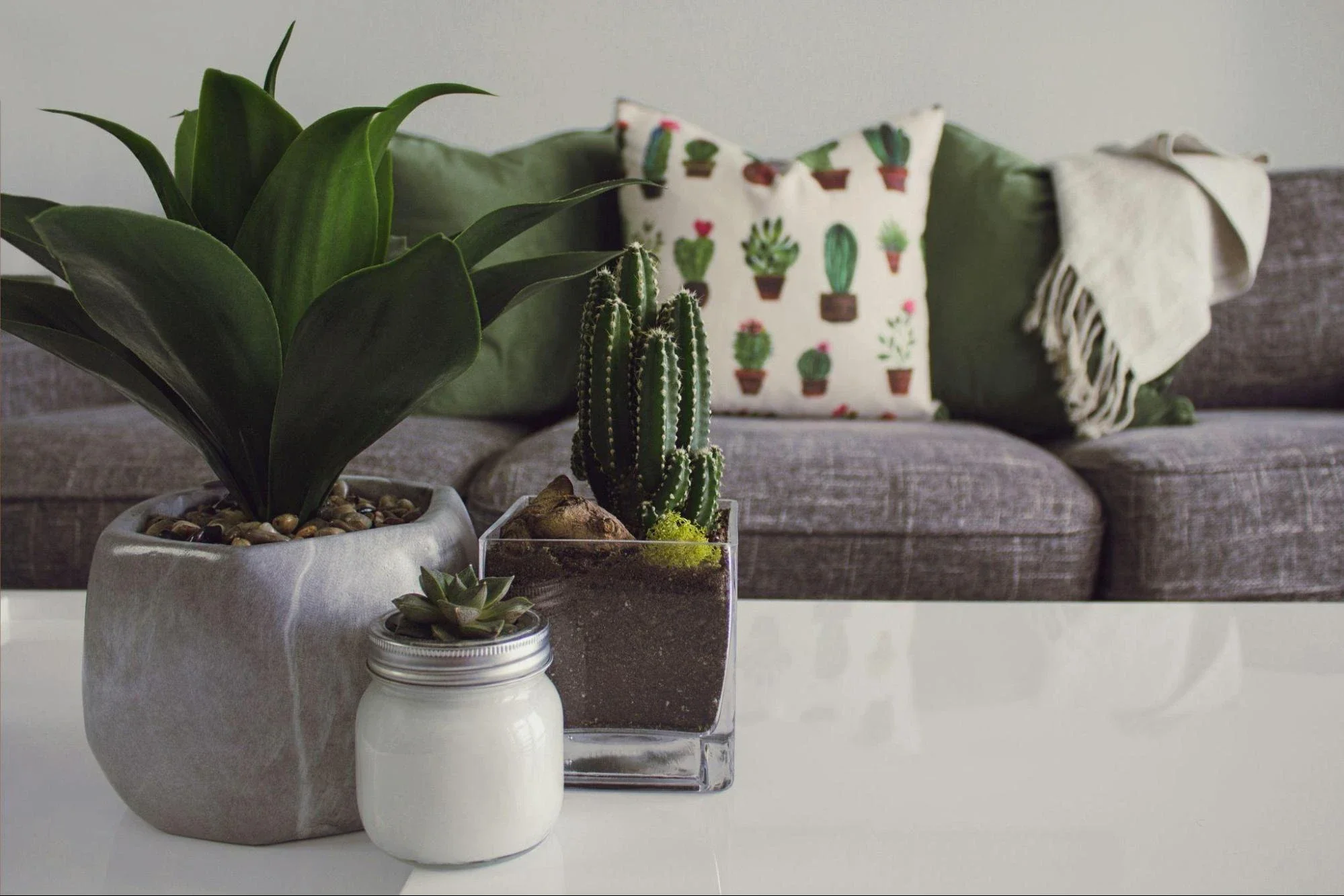
Natural light is a good place to start. Keep windows as clear as possible and use lightweight window treatments where privacy allows. Plants, timber, stone, and other natural finishes can bring a calmer quality to the room. Good storage matters just as much. Keeping everyday clutter under control makes even a busy family space feel more settled.
It is also worth planning around actual routines rather than an idealised floor plan. If someone works from home, the desk needs to be comfortable and well lit. If the living room is used for both entertaining and relaxing, seating should be easy to rearrange. Small decisions like these often have a greater impact on daily life than a purely decorative upgrade.
Personalised Interiors Become More Important Than Trends
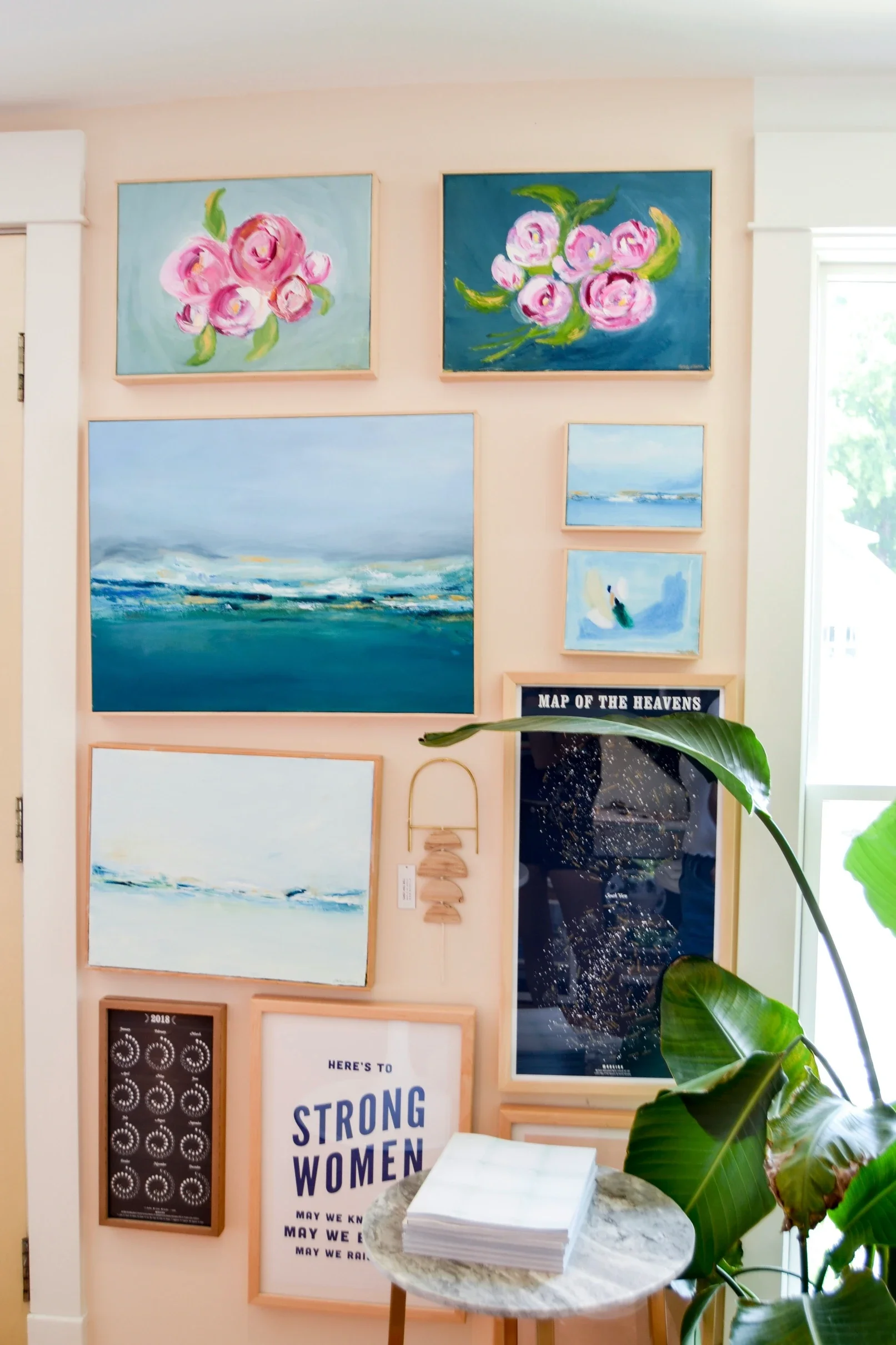
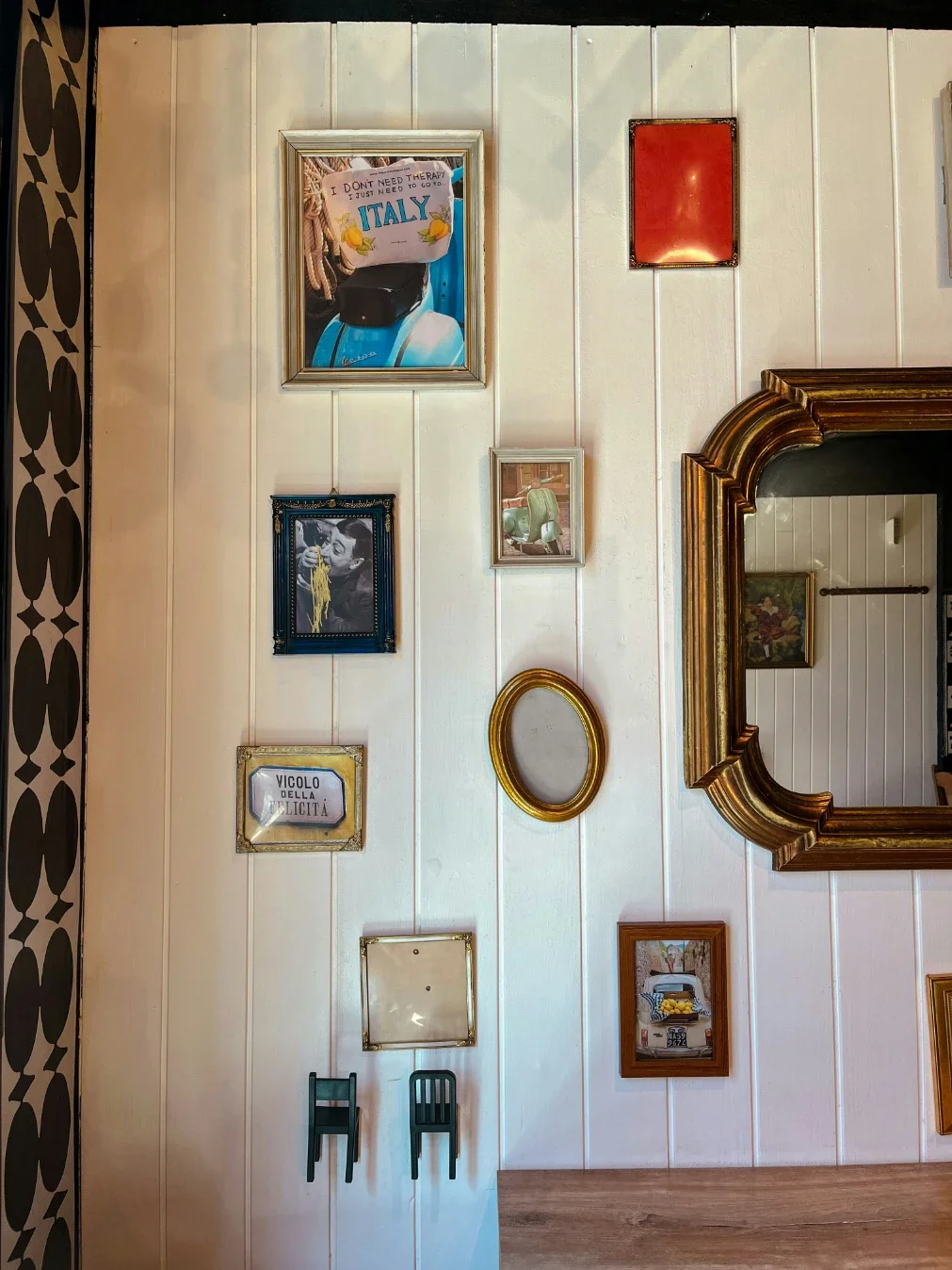
The most interesting homes rarely look as though every piece was bought at the same time. They tend to evolve. A vintage chair might sit beside a contemporary sofa, while a family photograph or piece of local art adds something that cannot be found in a showroom.
Mix old and new: Pairing vintage or inherited pieces with contemporary furniture gives a room more depth. The contrast can also stop a new renovation from feeling too polished.
Choose meaningful décor: Books, artwork, ceramics, photographs, and collected objects tell a story about the people who live there. Display fewer pieces if necessary, but give the ones you keep some room to breathe.
Design around your lifestyle: A home should work for its occupants. Consider how much seating is actually needed, where storage is most useful, and which rooms need to serve more than one purpose.
Use trends selectively: There is no reason to redesign an entire room every time a new colour or material becomes popular. Introduce current ideas through smaller, replaceable elements and let the more permanent parts of the room remain timeless.
This is also where professional design advice can be valuable. Bringing together different styles, materials, colours, and practical requirements is not always straightforward. Homeowners looking for local expertise can explore Melbourne's top interior designers in 2026 when considering how to develop a more cohesive approach to their own space.
A personalised interior does not have to fit neatly into one recognised style. It should feel like it belongs to the people who live there, while still working as a comfortable and functional home.
Conclusion
The interior trends shaping Australian homes in 2026 have one thing in common: they are moving away from spaces that feel overly rigid or impersonal. Warmer colours, natural finishes, softer forms, and better consideration of everyday routines are making interiors feel more relaxed and individual.
Trends are useful as a source of ideas, but they should not dictate every decision. The strongest interiors take what works, leave what does not, and combine current influences with pieces and choices that have staying power.
Stay up to date with our latest ideas!