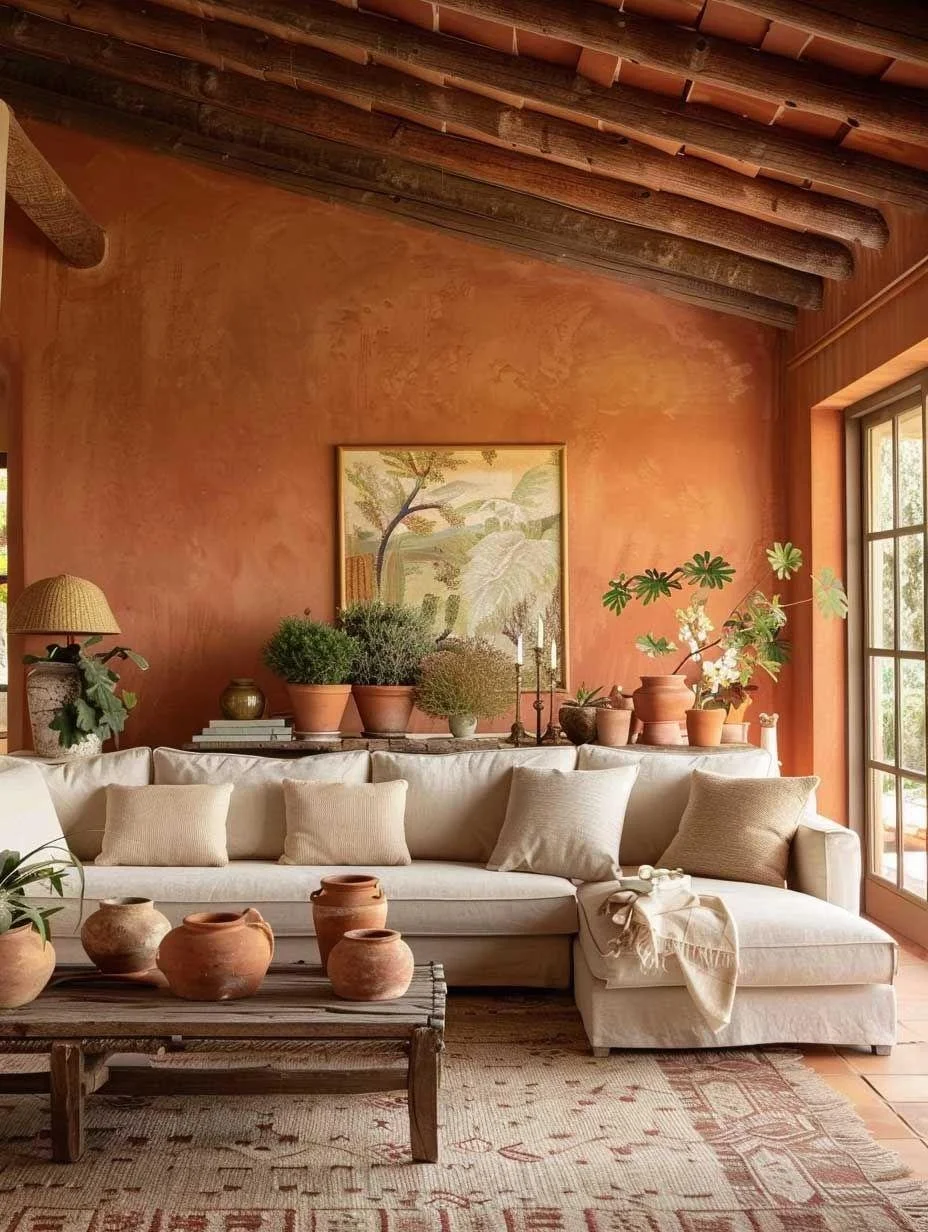
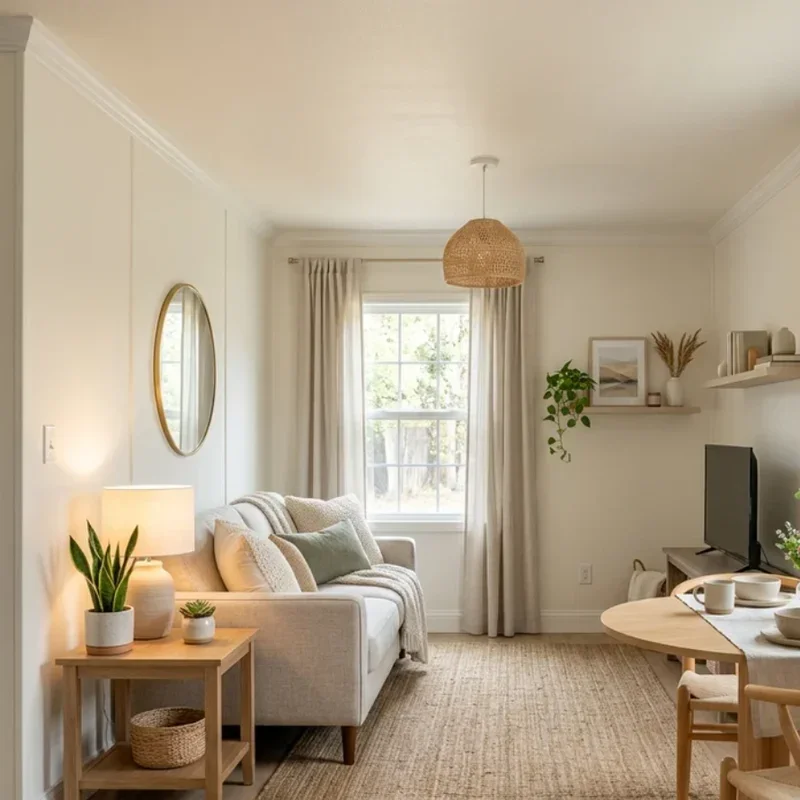
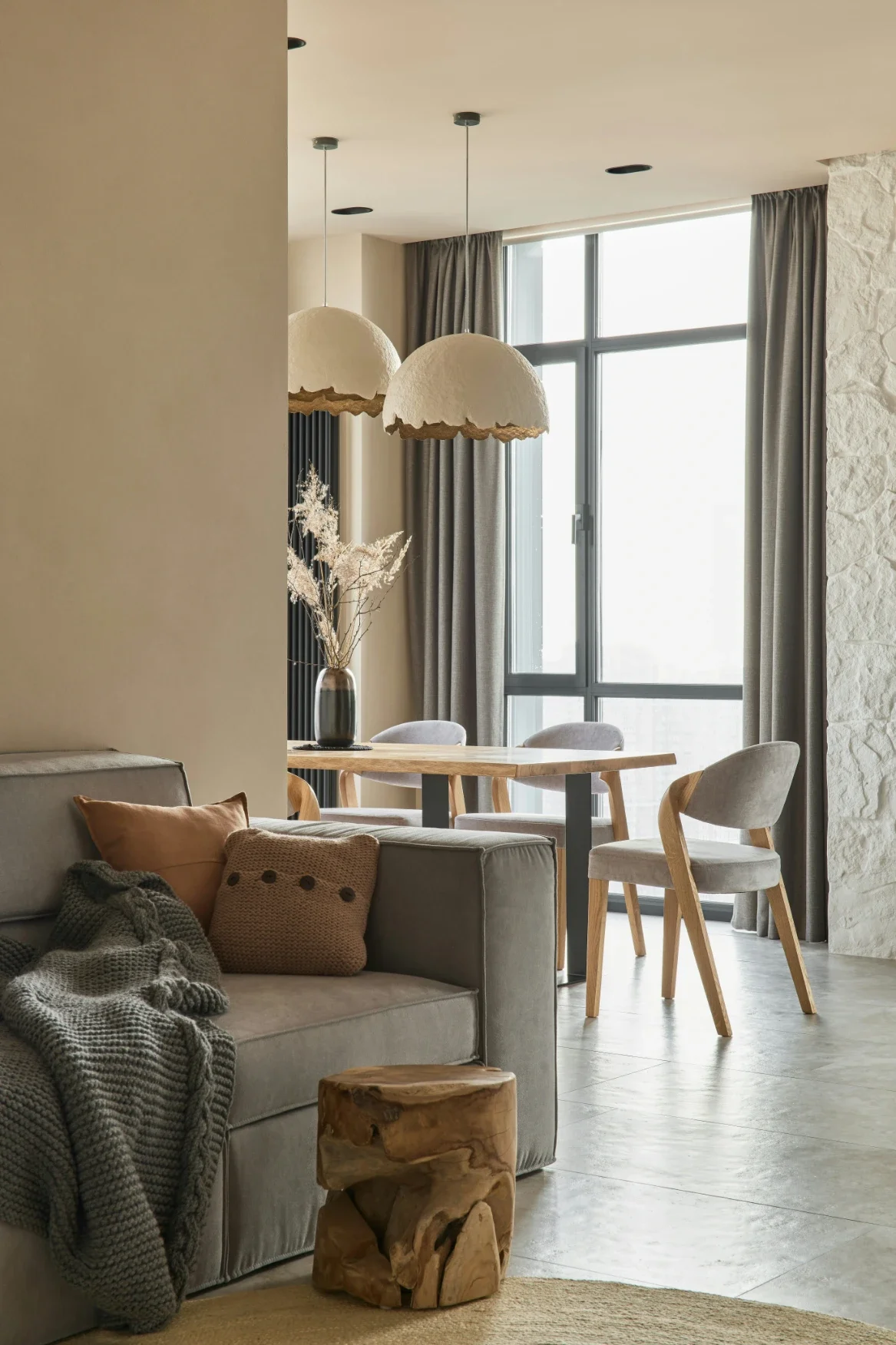
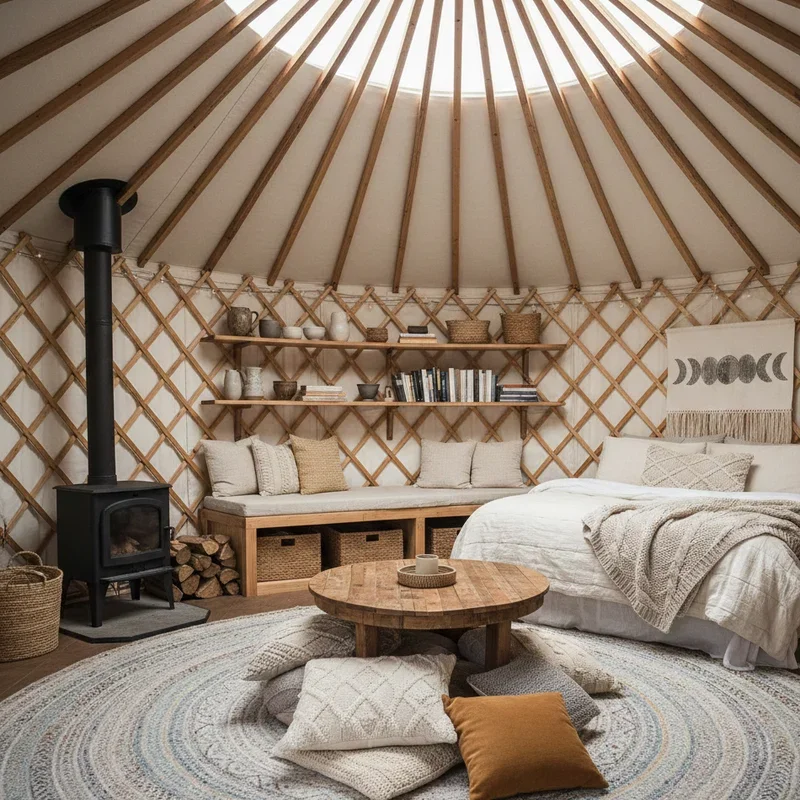
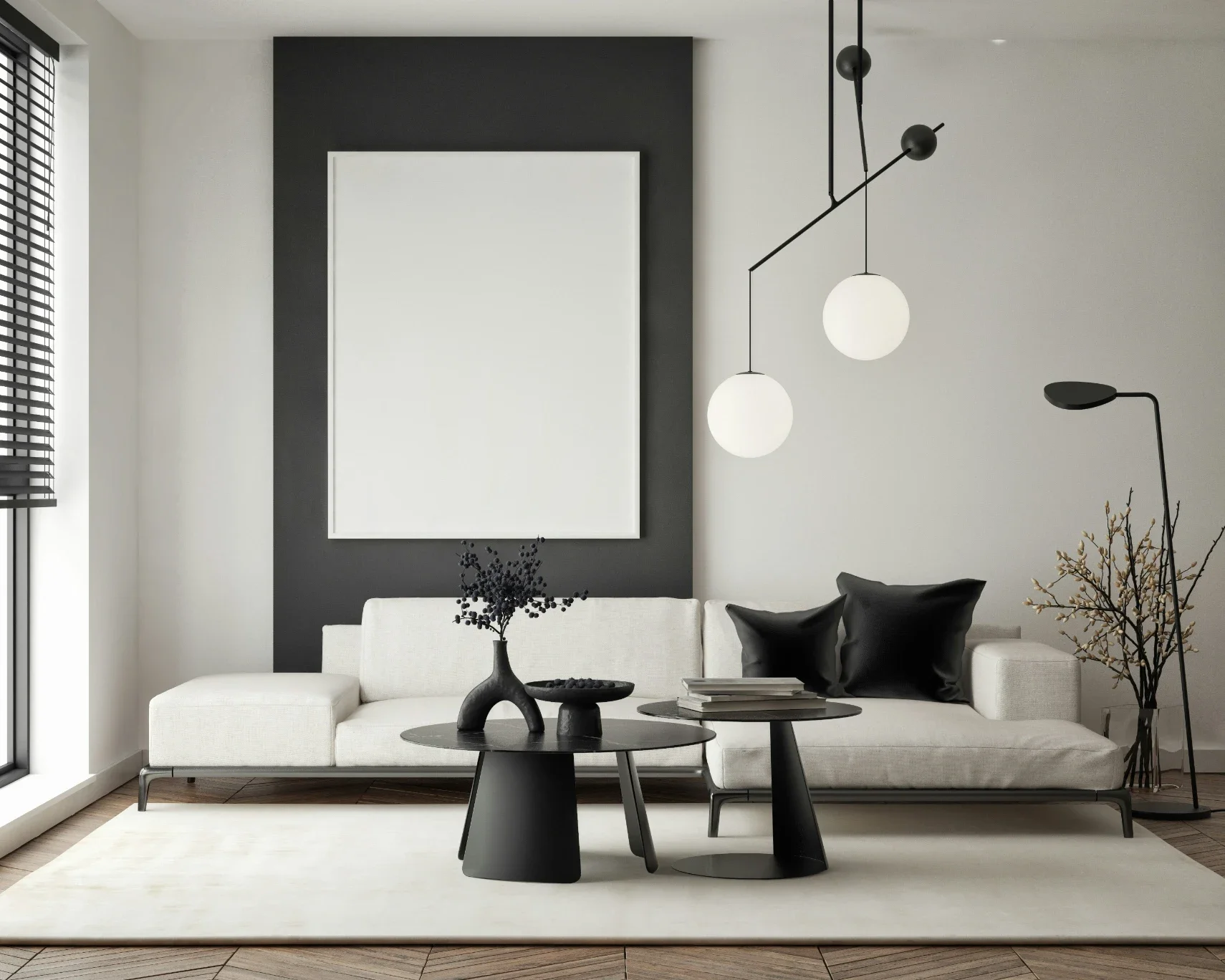
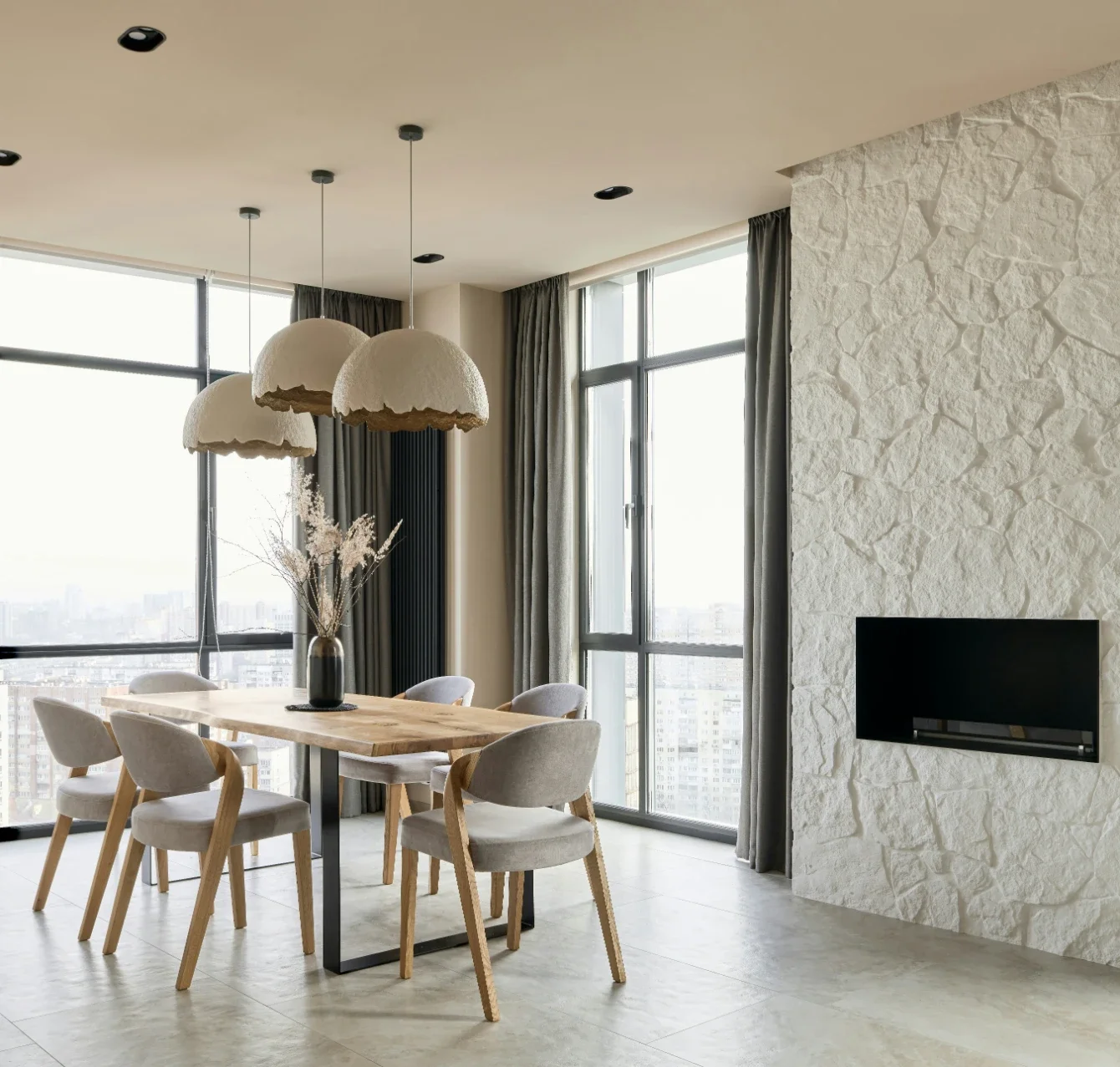
Discover the design mistakes that make a living room feel cold and unfinished, and learn simple fixes that create warmth, comfort, and cohesion.

A living room can contain beautiful furniture, expensive finishes, and carefully selected décor yet still feel strangely uncomfortable. Many homeowners experience this frustration after completing a redesign. The room looks good on paper but somehow lacks the warmth and balance that make people want to spend time there.
The issue is often not a lack of budget. Instead, it comes from a series of design decisions that prevent the space from feeling complete. Small details such as lighting, layout, scale, and focal points can dramatically influence how a room feels. Understanding these common mistakes can help homeowners create spaces that feel welcoming, cohesive, and comfortable without requiring a complete renovation.
Ignoring the Importance of a Focal Point
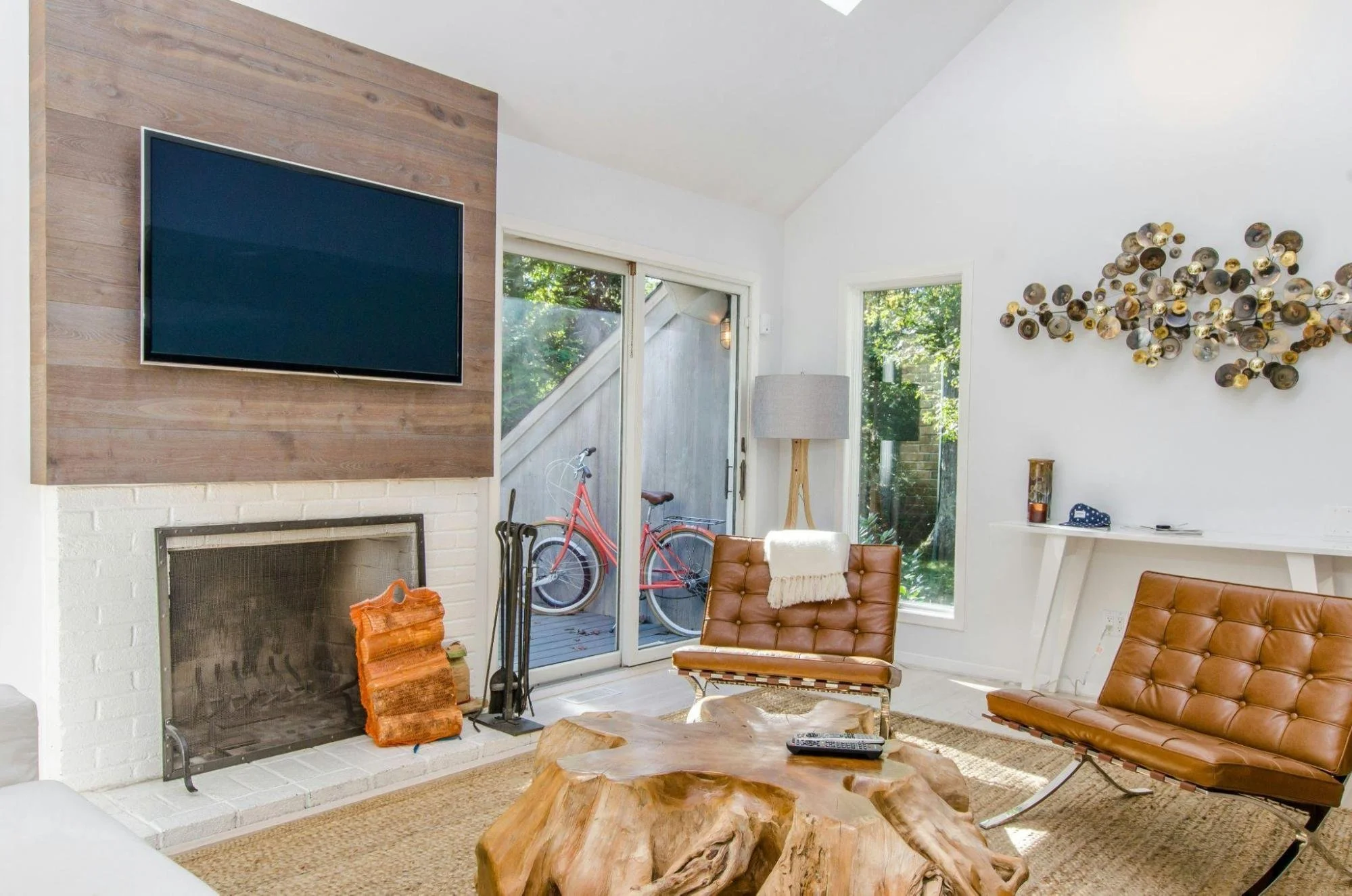
One of the most common reasons a living room feels unfinished is the absence of a clear focal point. Every room benefits from having a visual anchor that naturally draws attention when someone enters the space.
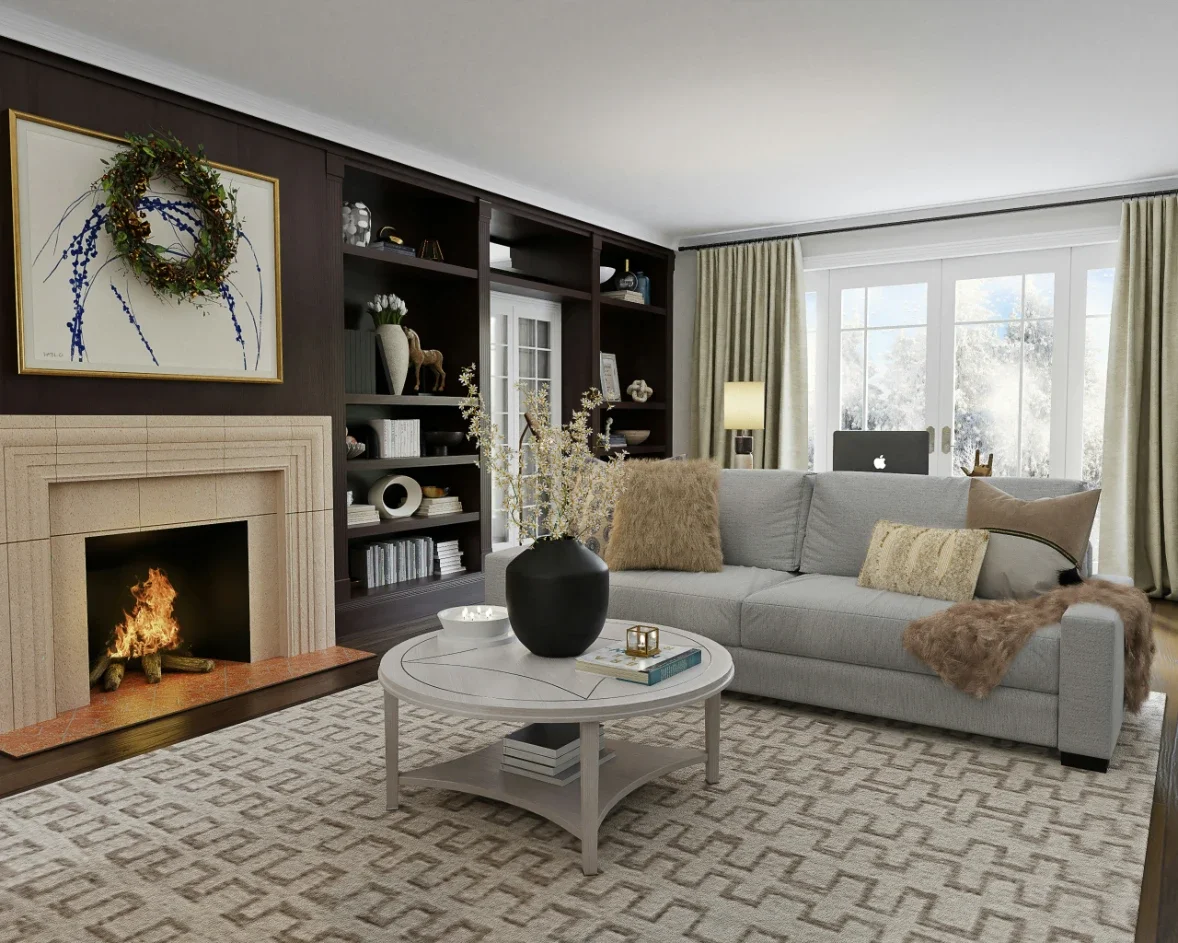
Without a focal point, furniture arrangements can feel disconnected and the room may lack direction. Historically, fireplaces served this purpose naturally, helping define the room and create a sense of warmth. Today, homeowners exploring options for creating a stronger visual center often research solutions such as https://thegreatfirecompany.com/collections/ventless-gas-fireplaces when looking for ways to introduce both architectural interest and year-round comfort.
A strong focal point helps everything else in the room feel intentional and connected.
Choosing Lighting That Is Too Harsh
Lighting has an enormous impact on atmosphere, yet it is frequently treated as an afterthought. A single bright ceiling fixture may provide sufficient illumination, but it rarely creates a comfortable environment.
Many cold-feeling living rooms rely too heavily on overhead lighting while neglecting layered light sources. Floor lamps, table lamps, wall sconces, and accent lighting help create depth and make a room feel more inviting.
Warm lighting also plays a significant role. Spaces illuminated by softer light often feel more welcoming than rooms dominated by harsh, overly bright fixtures. The goal is to create a balance between functionality and comfort rather than maximizing brightness alone.
Furniture That Does Not Encourage Conversation
Living rooms exist primarily for gathering, relaxing, and interacting with others. Yet many layouts unintentionally work against these goals.
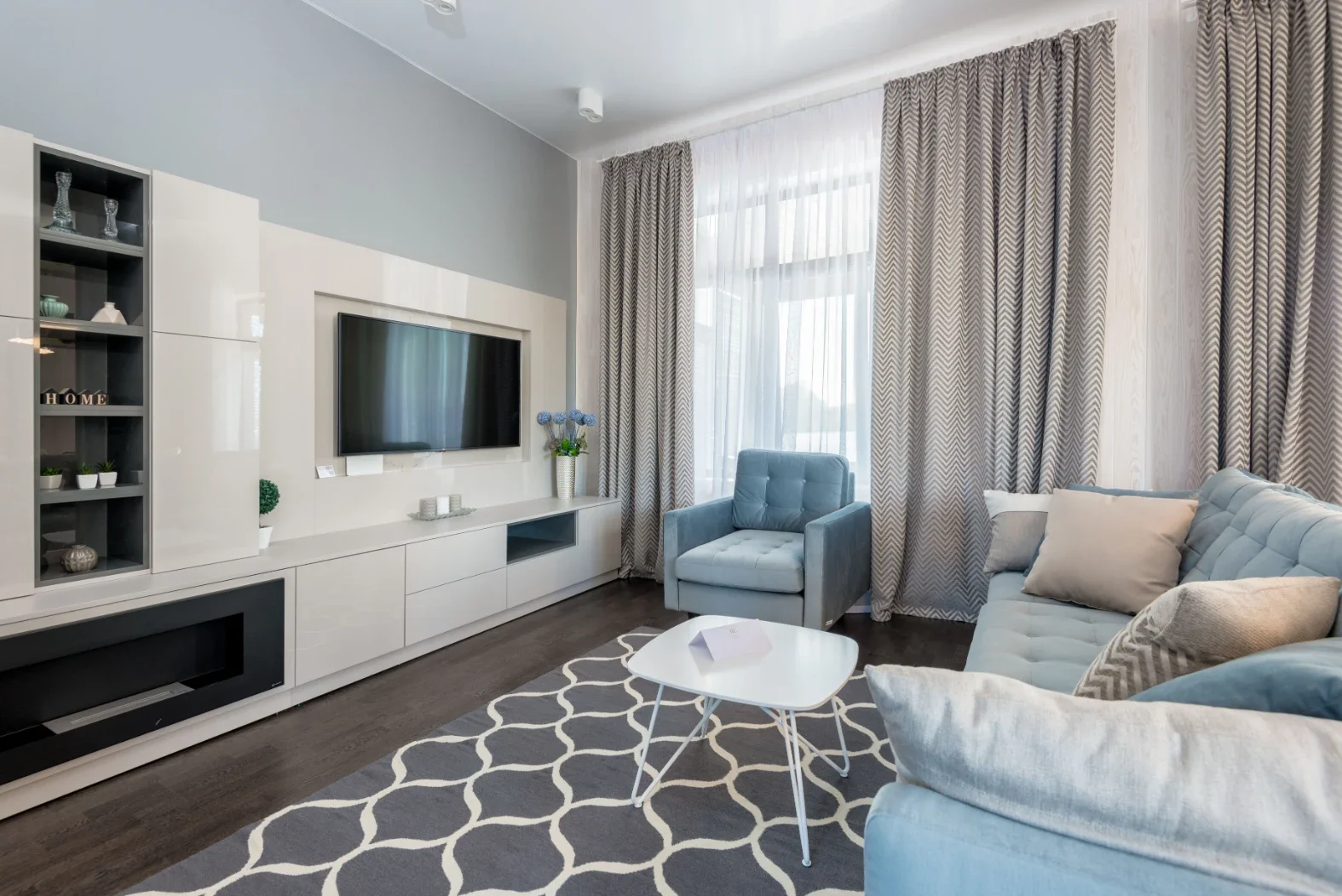
A common mistake is arranging every piece of furniture toward a television while ignoring how people naturally communicate. When seating is positioned too far apart or lacks visual connection, conversations become less comfortable.
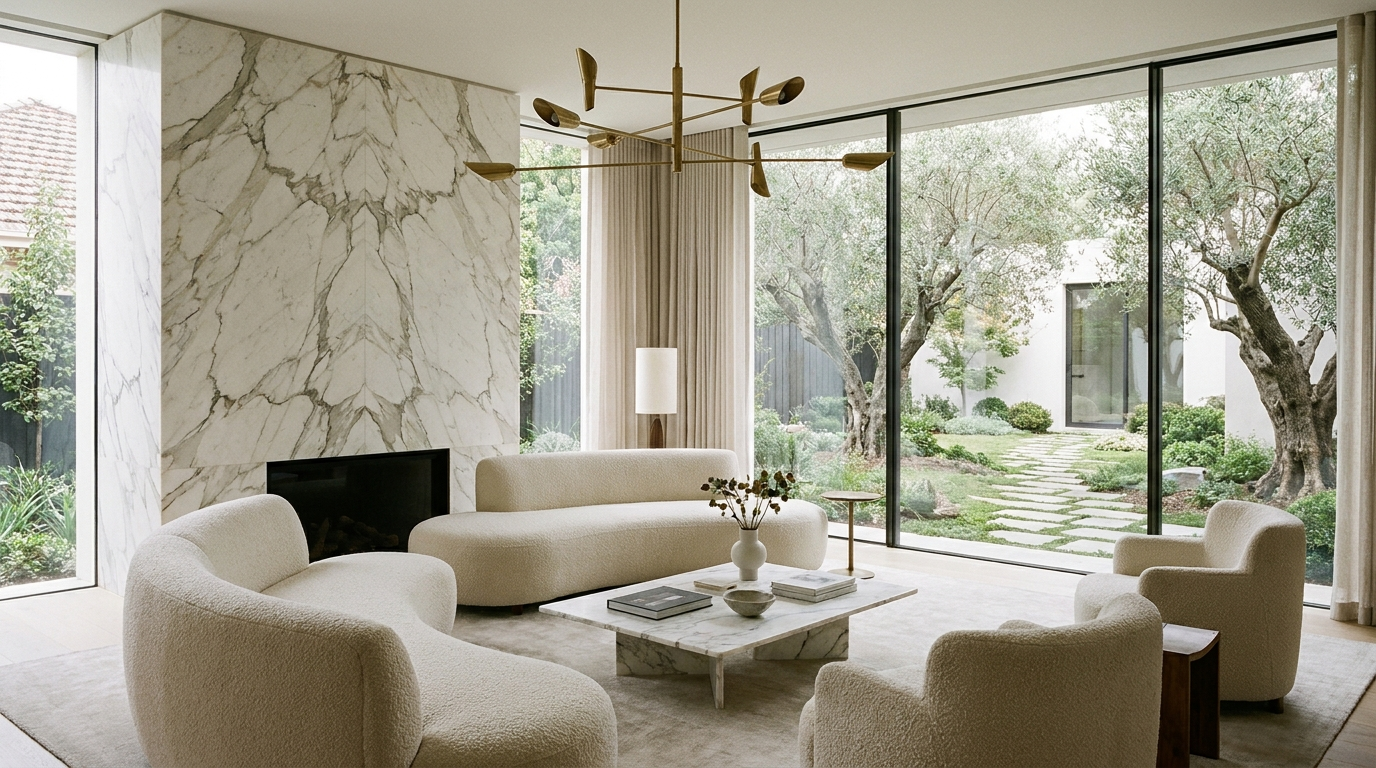
Successful layouts create opportunities for interaction. Chairs and sofas should feel connected rather than isolated. Even in smaller spaces, thoughtful positioning can make a room feel more social and inviting.
The most comfortable living rooms are designed around how people actually use the space rather than how it appears in a showroom.
Relying Too Much on Matching Furniture
Many homeowners assume that purchasing a complete furniture set will automatically create a cohesive design. In reality, overly matched rooms can sometimes feel flat and lacking in personality.
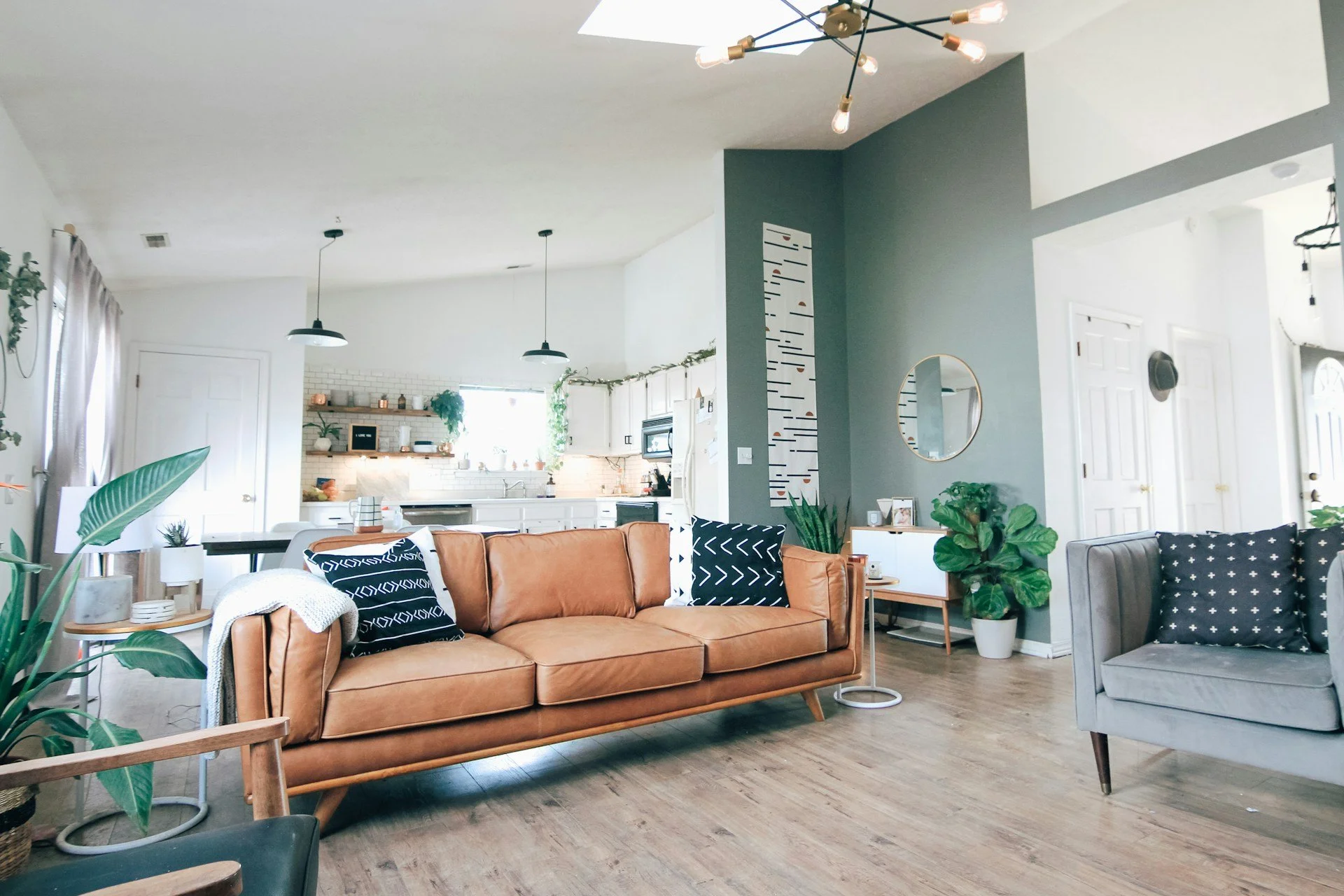
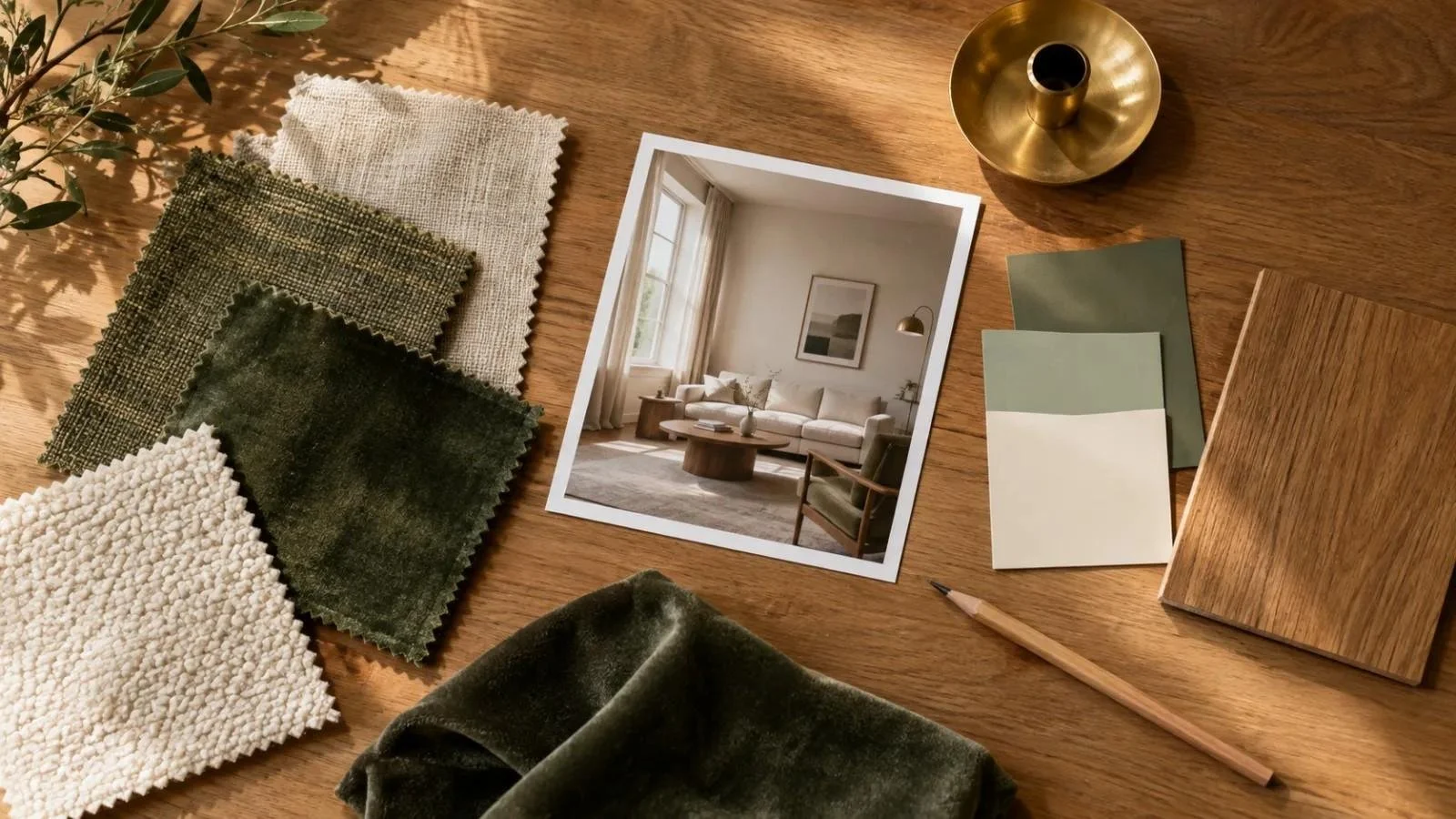
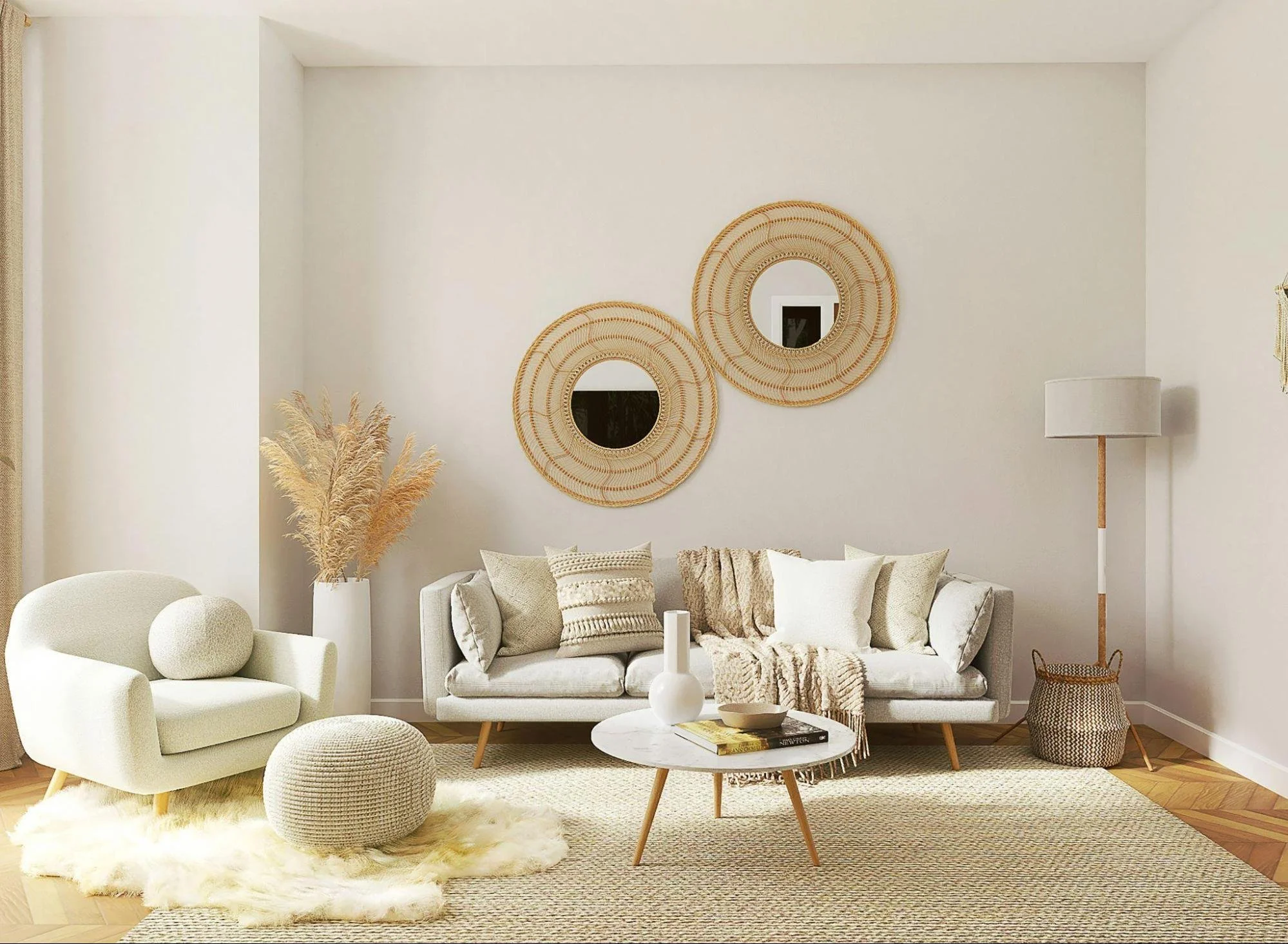
A more balanced approach combines complementary materials, textures, and finishes while allowing individual pieces to contribute character. Mixing wood tones, fabrics, and accent pieces often creates a more collected and natural appearance.
This does not mean the room should feel chaotic. Cohesion remains important, but cohesion comes from thoughtful relationships between pieces rather than exact matching.
Rooms that feel lived-in and personal are often more inviting than those that appear perfectly coordinated but emotionally sterile.
Forgetting How the Room Will Be Used
Design decisions sometimes focus so heavily on appearance that functionality is overlooked. A beautiful room that does not support daily life will eventually feel frustrating regardless of how attractive it looks.
This becomes especially apparent in homes that regularly host guests and family gatherings. Storage, seating flexibility, traffic flow, and entertainment considerations all influence long-term satisfaction. Families increasingly design their living spaces with special occasions in mind, whether hosting holidays, birthdays, or milestone events. Some homeowners planning memorable celebrations even explore options such as gender reveal fireworks as part of creating experiences that extend beyond traditional indoor entertaining.
When a room supports both everyday routines and occasional celebrations, it naturally becomes more valuable and enjoyable.
Leaving the Space Emotionally Empty
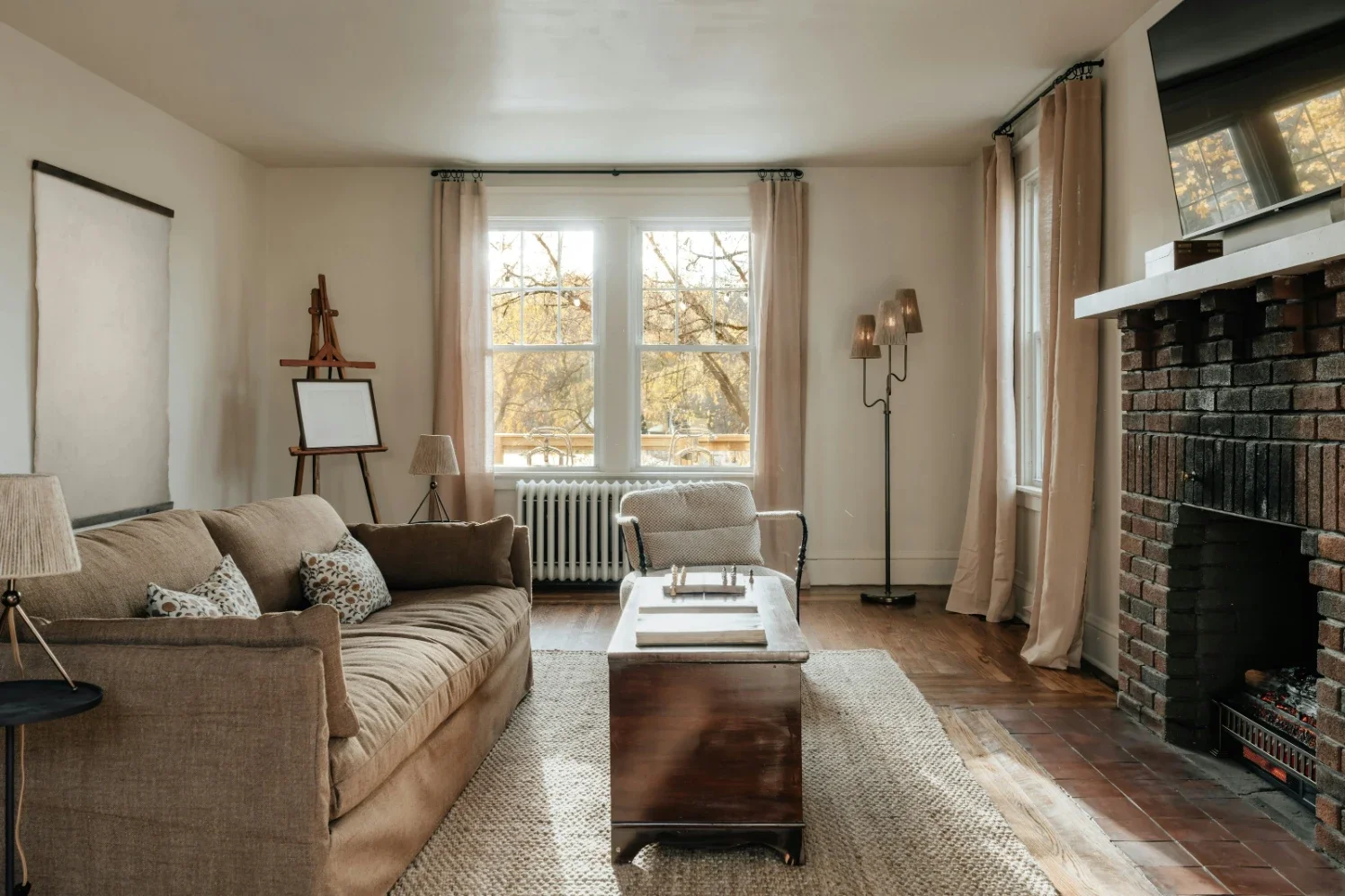
Perhaps the biggest mistake of all is creating a room that looks stylish but says nothing about the people who live there. Design trends can provide inspiration, but a home should ultimately reflect personal interests, experiences, and priorities.
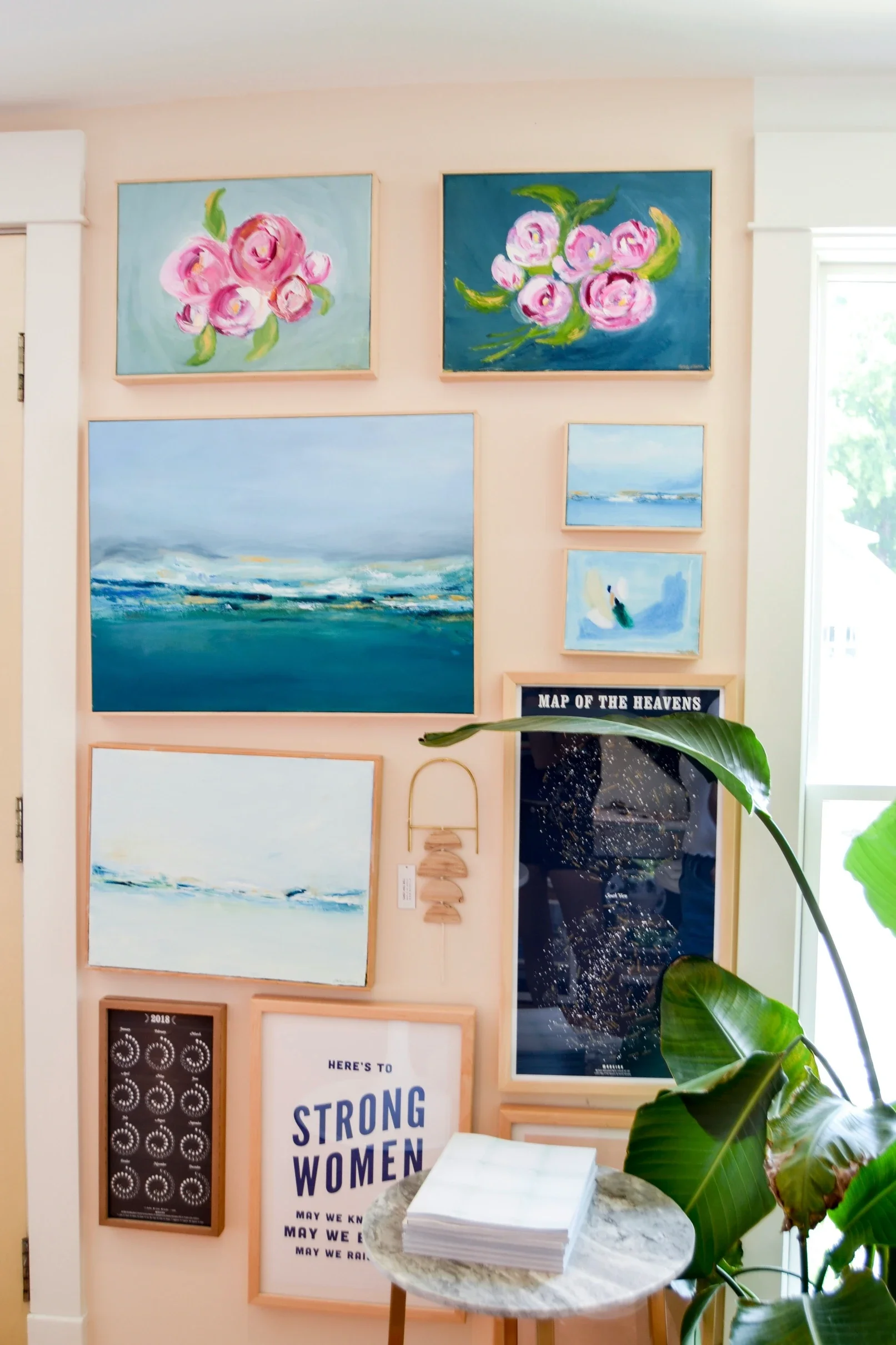
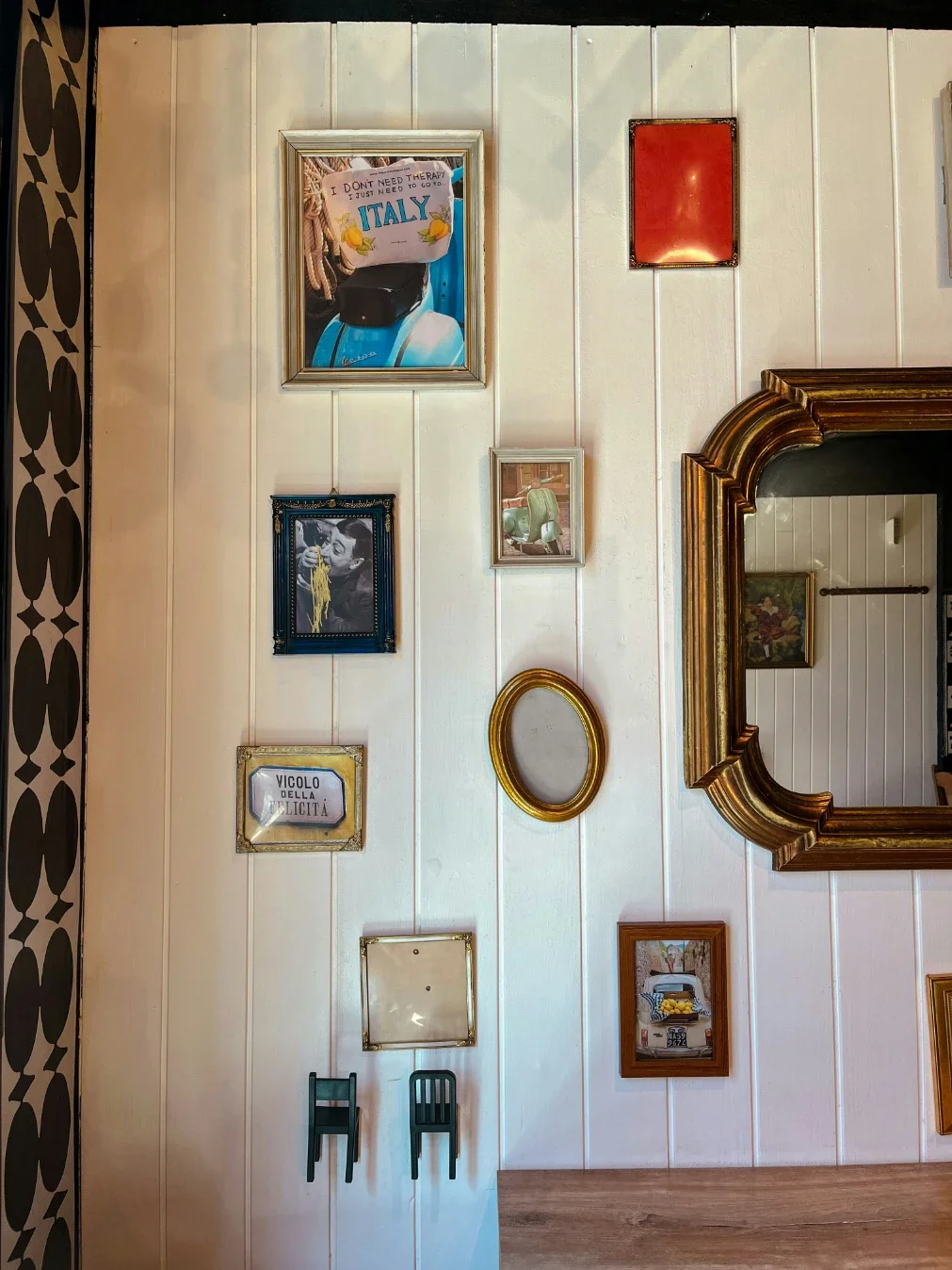
Artwork, books, travel souvenirs, family photographs, and meaningful decorative items help transform a generic space into one that feels authentic. These elements add personality and create emotional connections that cannot be replicated through furniture alone.
A finished living room is not simply a collection of well-chosen objects. It is a space that feels welcoming, comfortable, and uniquely connected to the people who use it every day. Avoiding these common mistakes helps ensure that a room feels complete not only visually, but emotionally as well.
Stay up to date with our latest ideas!