Explore the defining luxury home design trends of 2027, from refined materials and timeless interiors to modern layouts, thoughtful details, and elevated comfort.
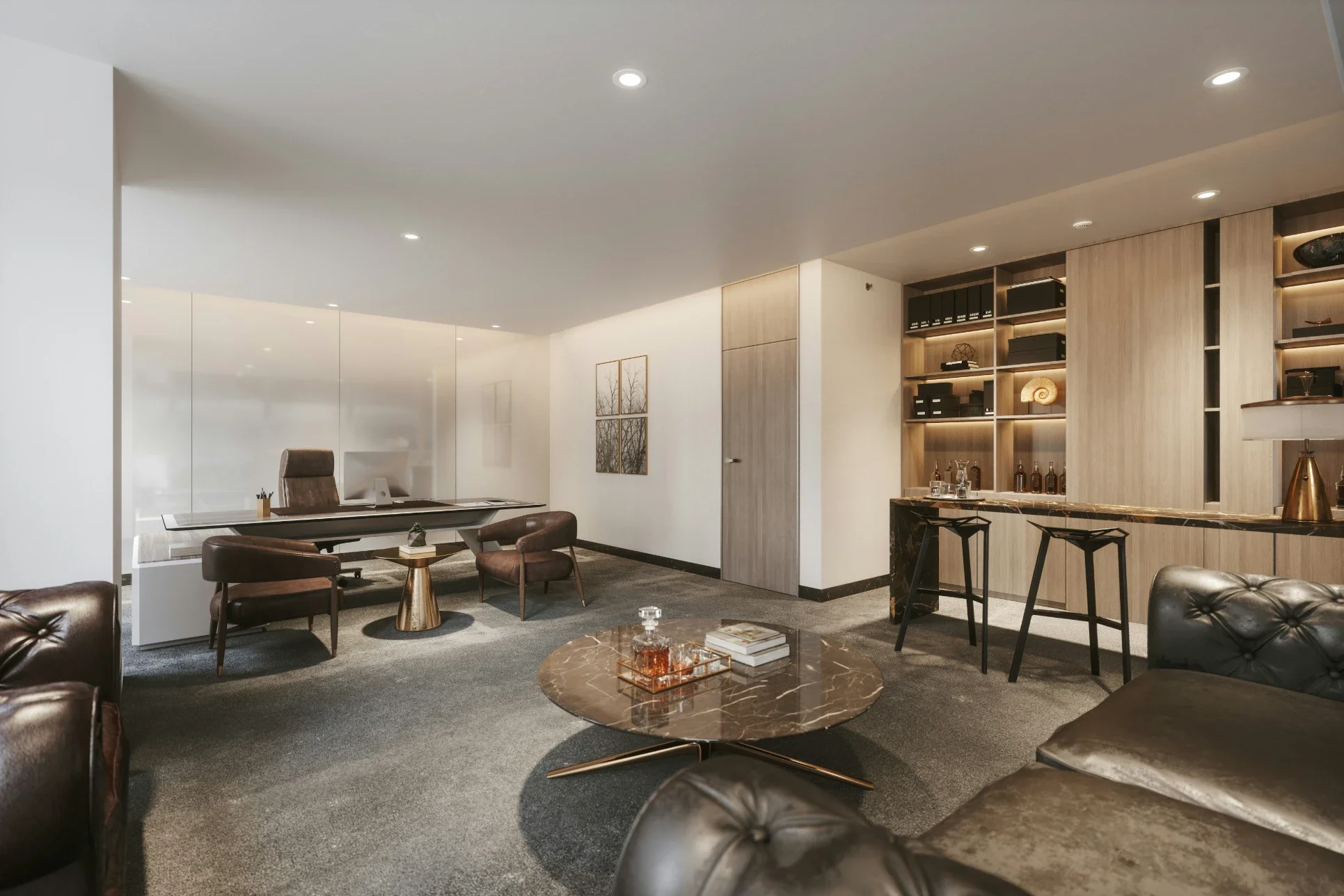
Luxury has changed now. A decade ago it meant polished marble, high gloss and as many square metres as the budget could stretch to. Now it is quieter, warmer and far more personal. The homes turning heads in 2027 are the ones that feel wonderful to live in, not just the ones that photograph well.
The good news is that most of what makes a high-end home feel special can be borrowed, whatever your budget. Here are the trends shaping luxury interiors this year, and simple ways to bring each one into your own home.
Warm minimalisation takes over from grey
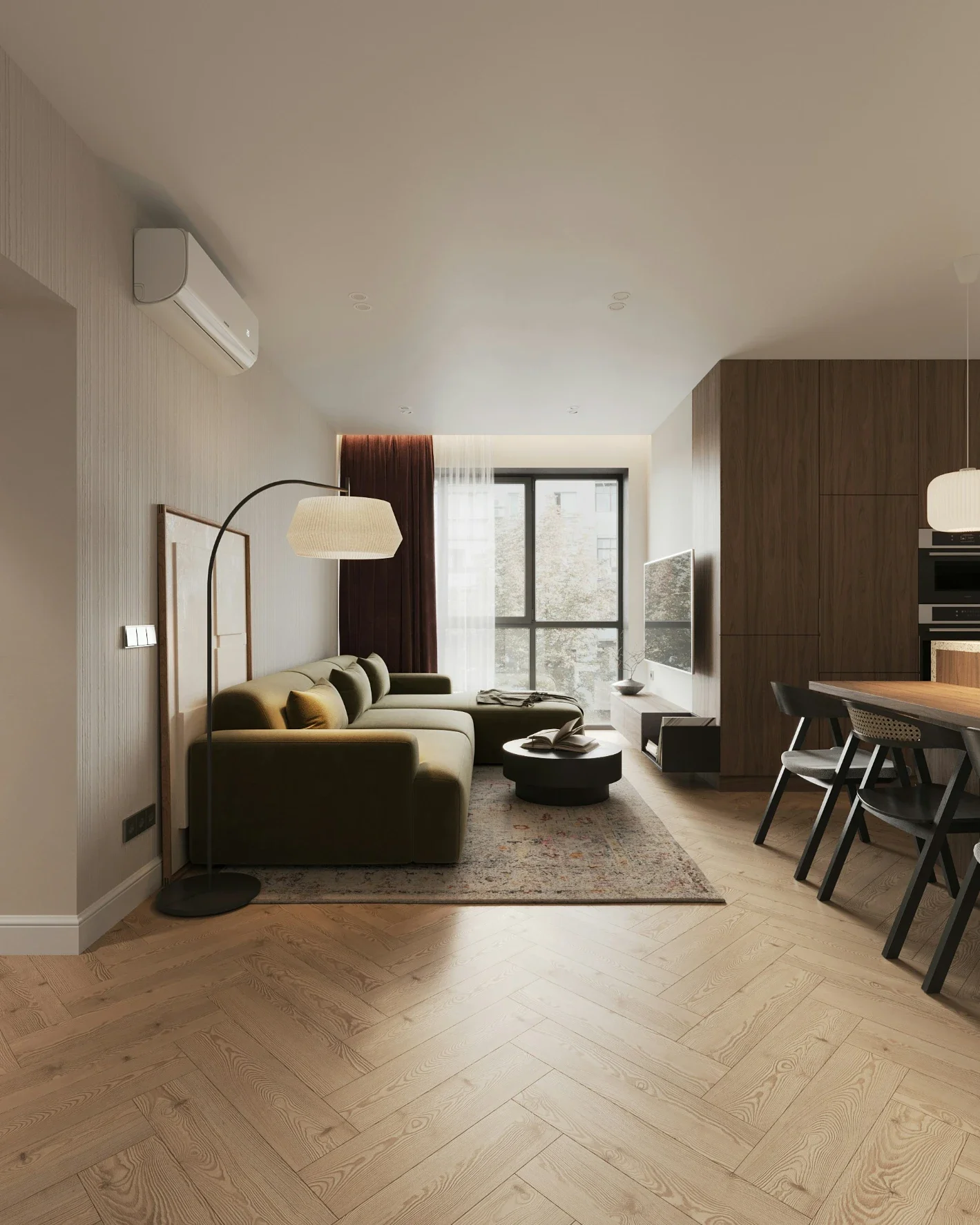
Cool greys and stark white walls have had a long run, and they are finally stepping aside. In their place come a warmer neutral: clay, oatmeal, mushroom, soft ochre and deep olive. The minimalist idea of owning fewer, better things stays. The palette just gets a lot more welcoming.
Try it at home: repaint one room in a warm, chalky shade and notice how much softer it feels in evening light. Swap grey cushions for linen in rust or sand, and let timber, wool and stone do the rest.
Texture does the talking
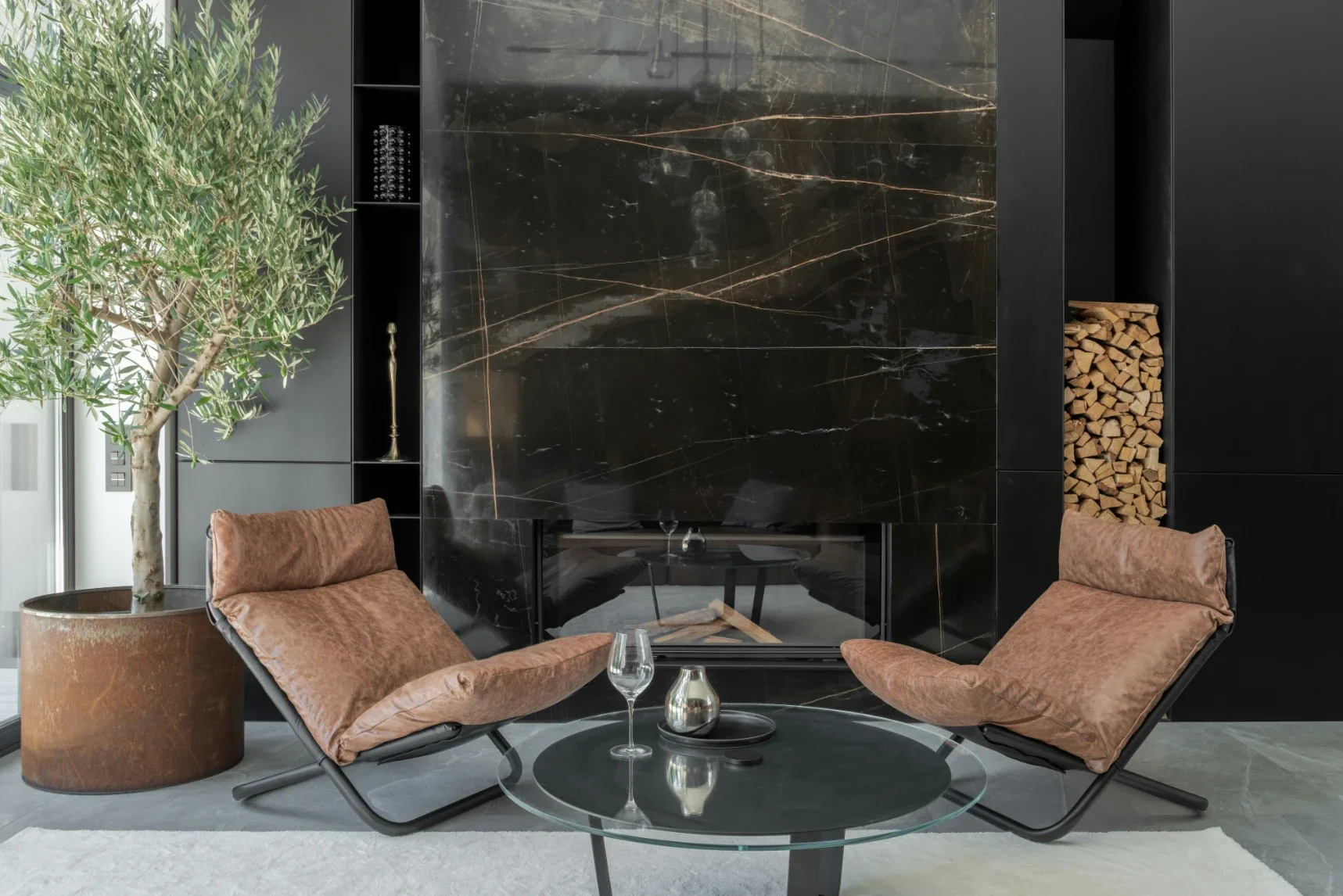
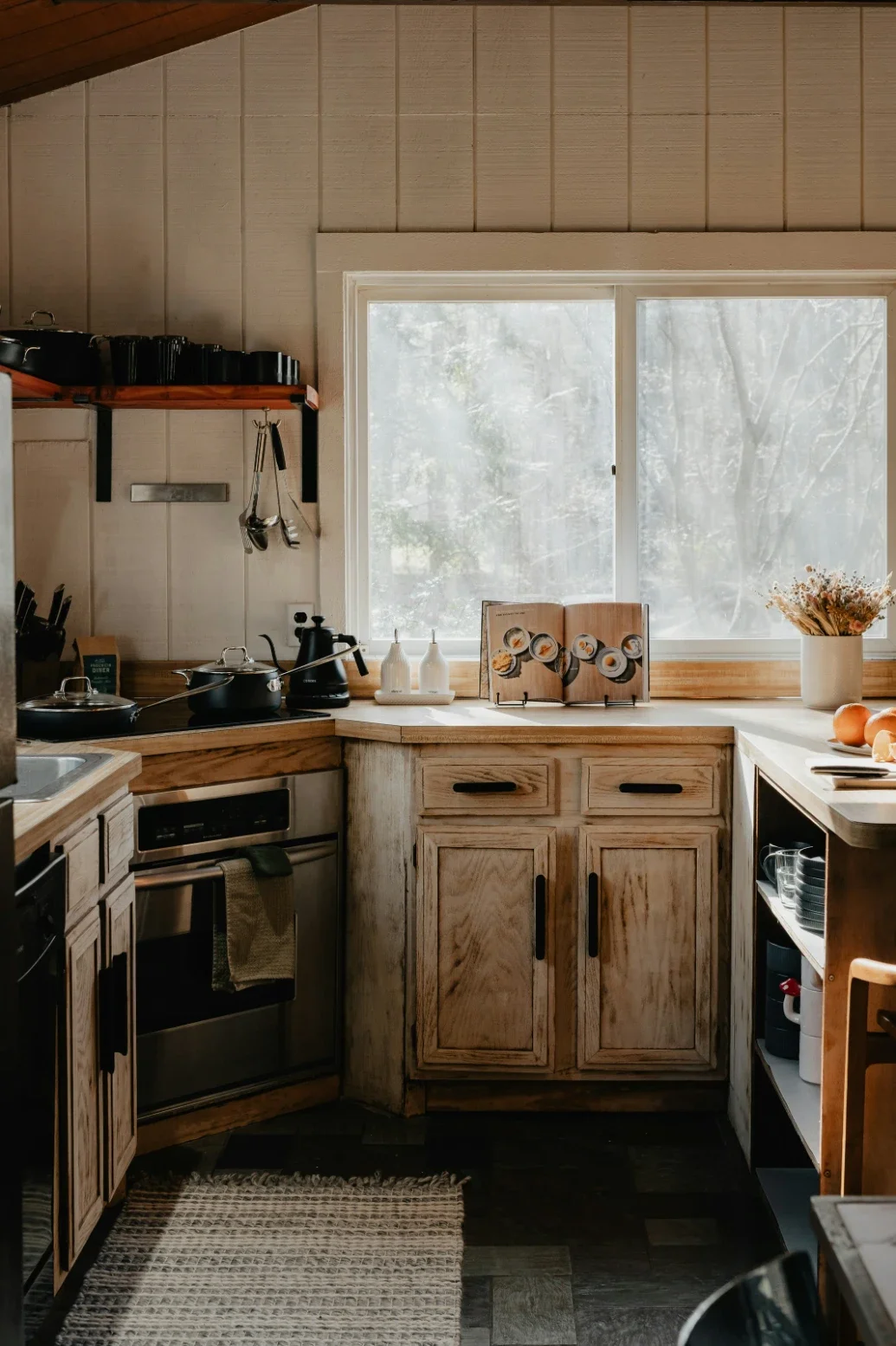
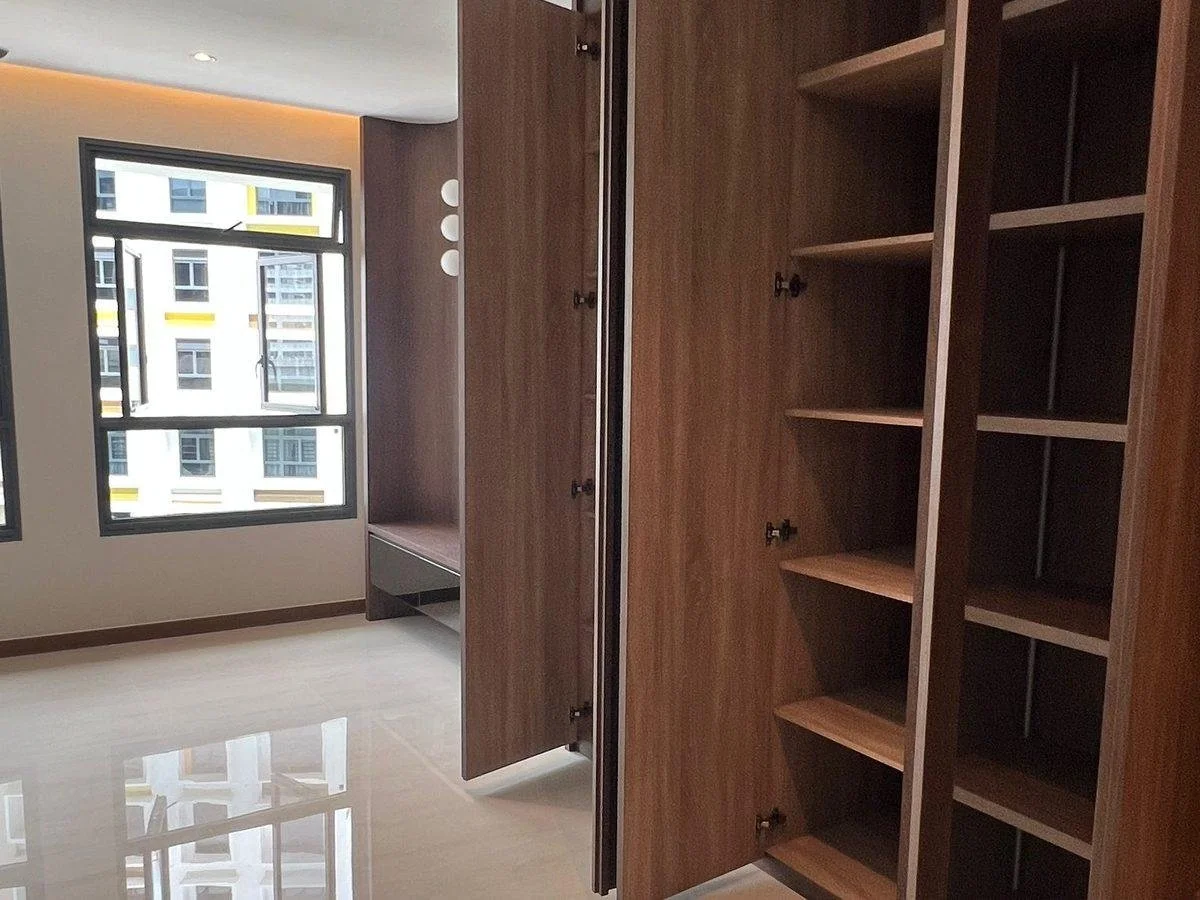
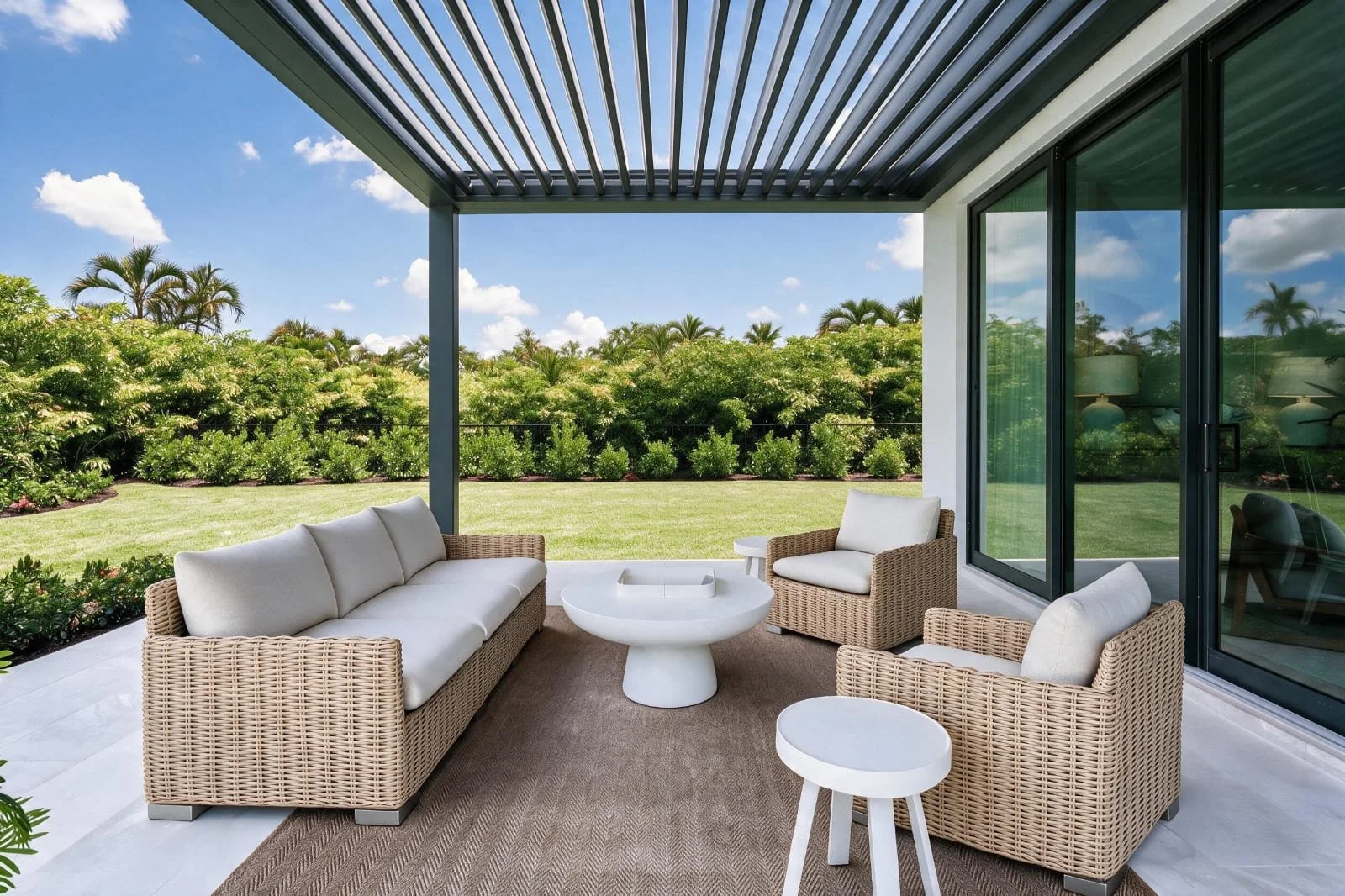
With colour calmer, texture carries the room. Plaster-effect walls, fluted timber panels, bouclé upholstery, honed stone rather than polished, rattan, hand-thrown ceramics. Luxury in 2027 is something you want to reach out and touch.
A good rule is to aim for at least three contrasting textures in every space. A smooth wall, a nubbly rug and a chunky knitted throw already get you there.
Rooms designed around how you feel
This is the biggest shift of all. Designers are now thinking about light, sound, air and temperature as carefully as they think about furniture. Acoustic panels disguised as artwork. Sheer curtain layered over blackout blinds. Underfloor heating. Bedrooms kept free of screens. Bathrooms that borrow from spas, with wet rooms, steam showers and as much natural light as the layout allows.
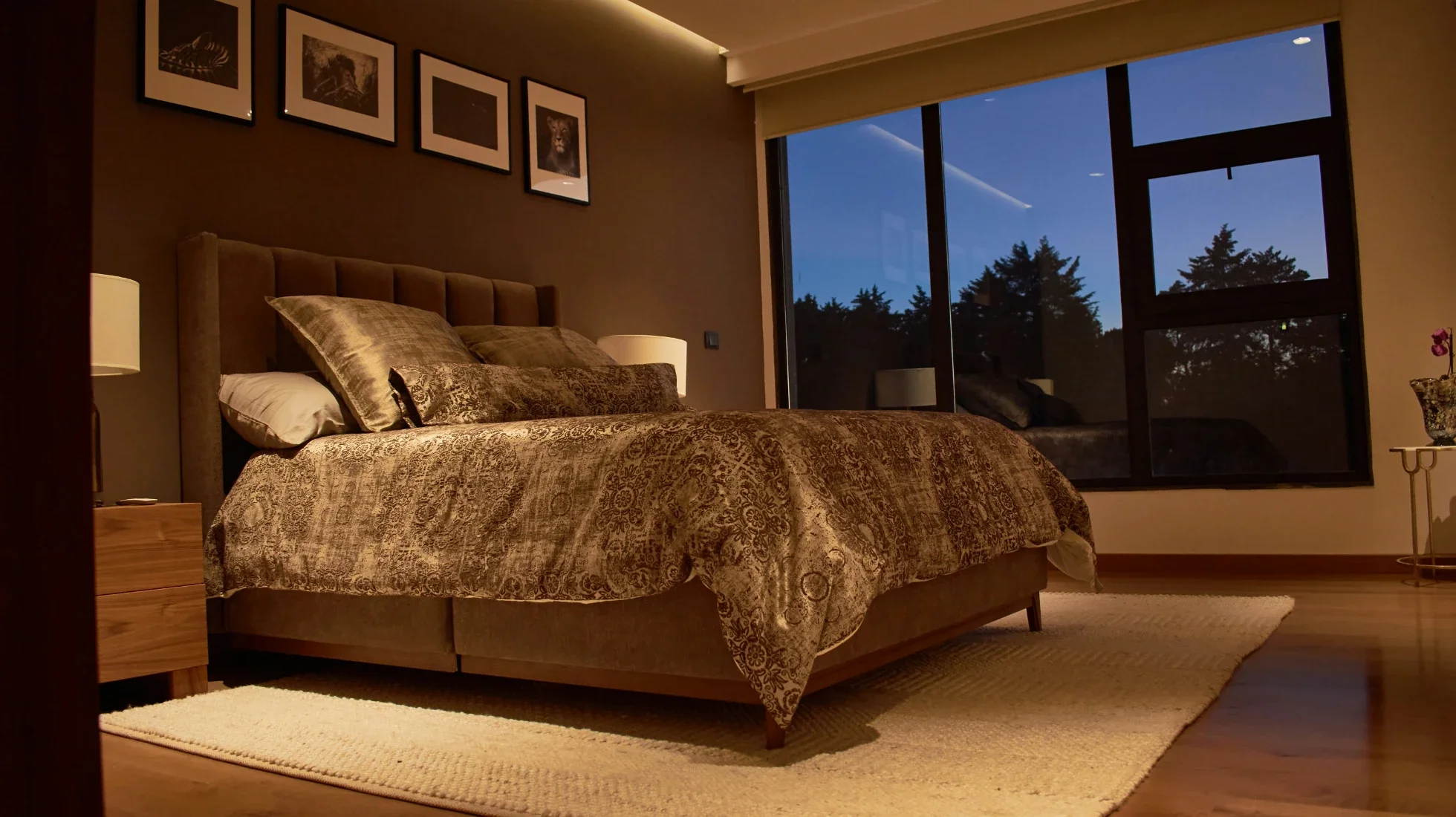
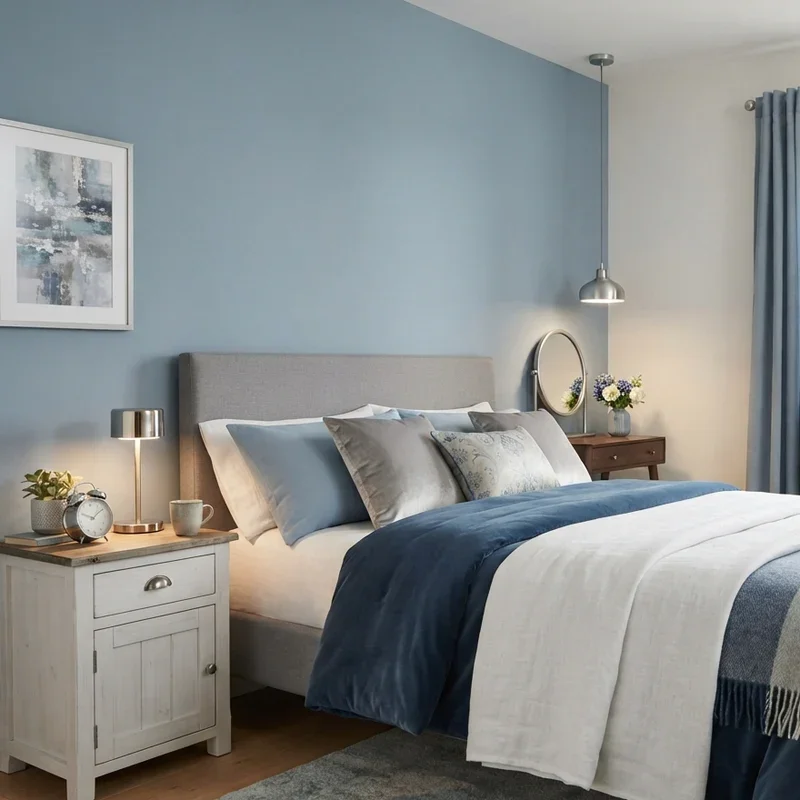
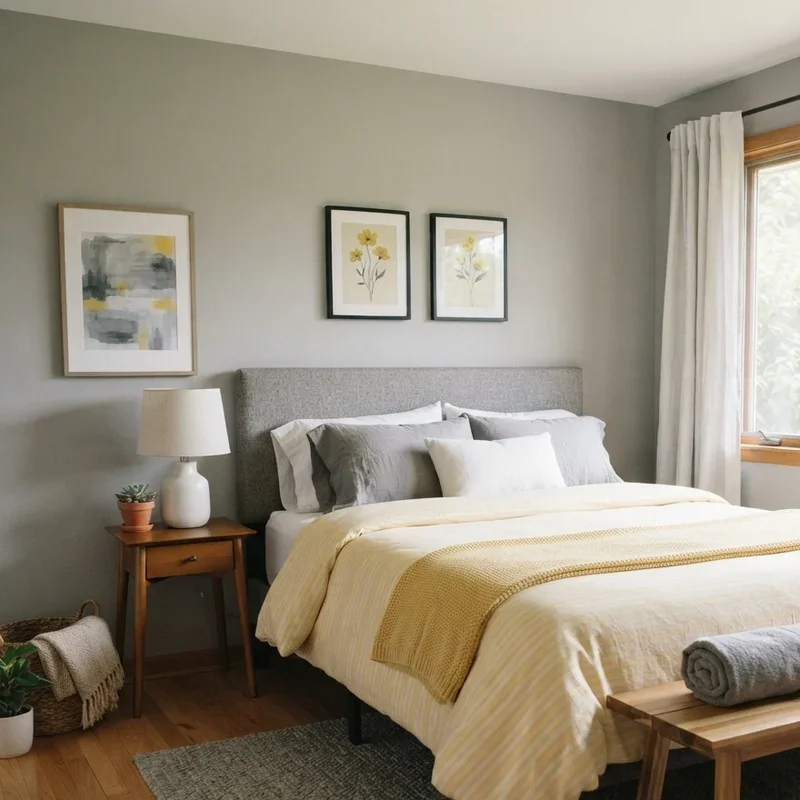
You do not need a renovation to join in. Start with your bedroom. Take the television out, add a dimmable bedside lamp, choose bedding in natural fibres and keep the room a touch cooler than the rest of the house. It is a small change, and you will feel it on the very first night.
Open plan gets softer edges
Open-plan living is not going anywhere, but it is being gently broken up. Think sliding screens, half-height walls, a change in floor level, or simply a well-placed bookcase to
carve out a quieter corner. Snugs, studies and boot rooms are back in demand, because people want somewhere to retreat as well as somewhere to gather.
If you have one big room, zone it with rugs and lighting. A reading chair with its own lamp and side table becomes a room within a room, with no building work needed.
Lighting that changes with the day
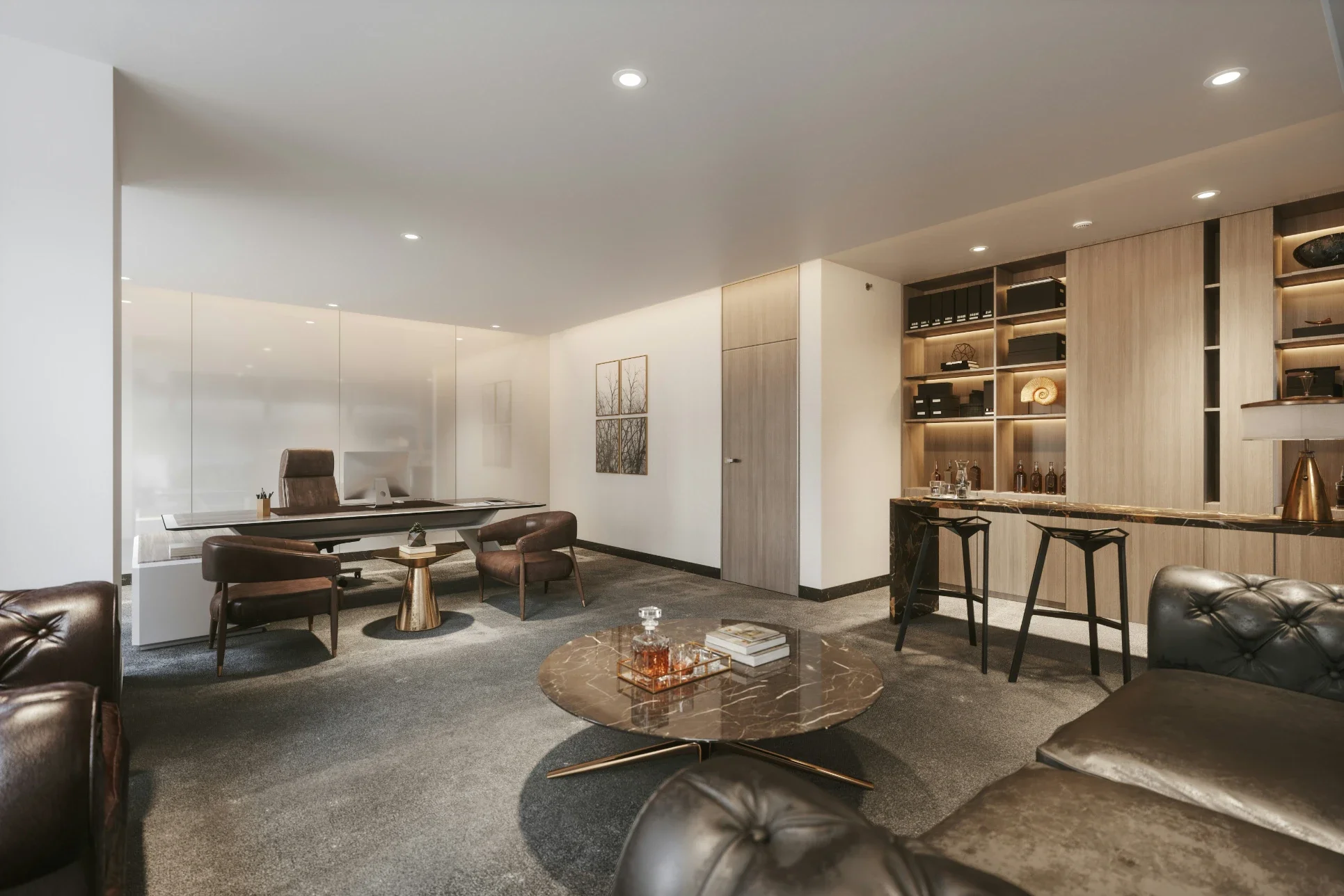
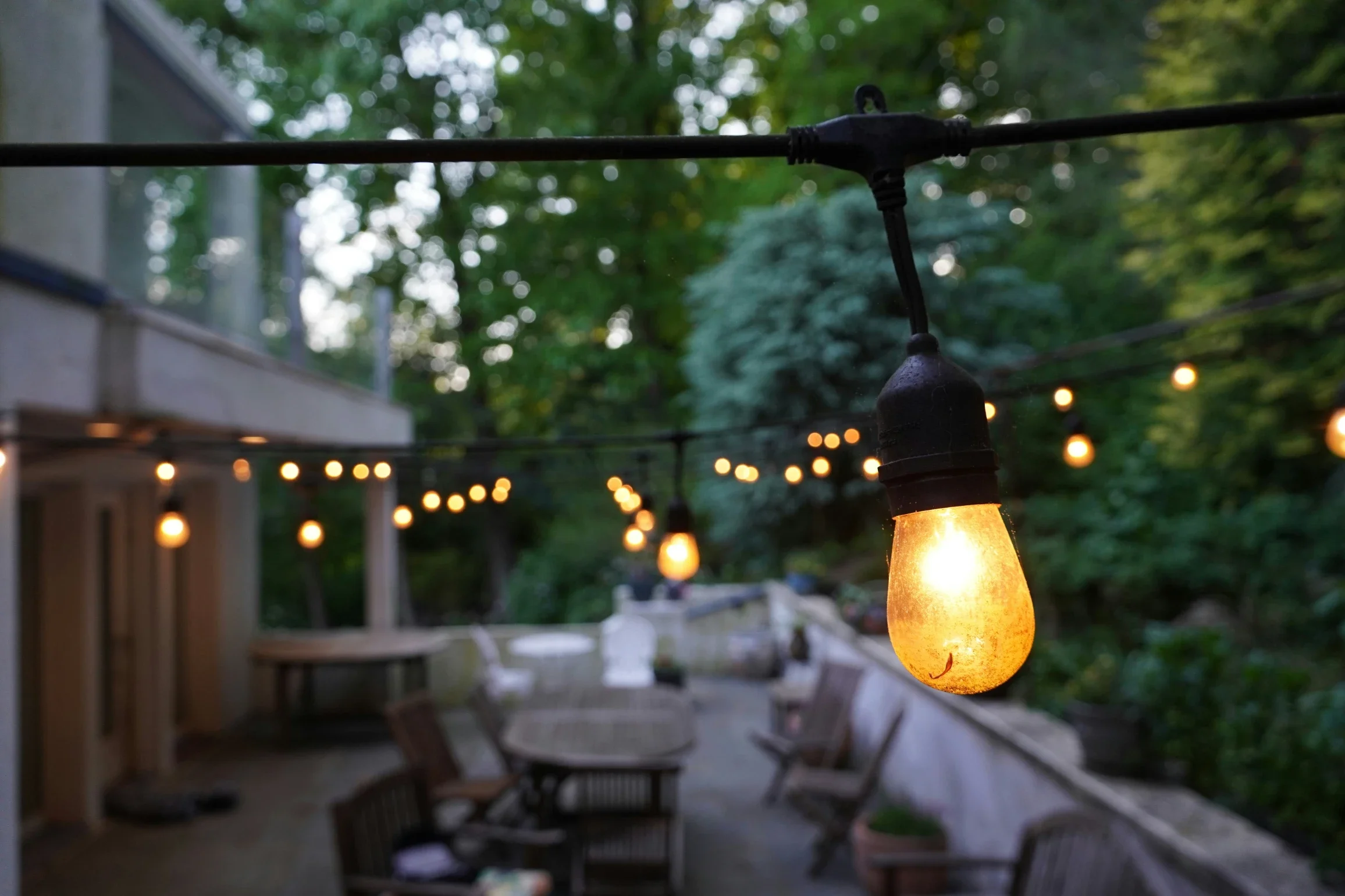
Good lighting is the quickest way to tell a well-designed home from an ordinary one. The luxury approach is layered: a sculptural pendant as the focal point, wall light and lamps for atmosphere, and concealed LED strips tucked into coving, under shelves or along a staircase.
Two details matter most. Choose warm bulbs so the house glows rather than glares and put dimmers on everything you can. Being able to take a room from bright and practical at breakfast to low and cost at night is the whole point.
Look up: the ceiling joins in
Designers call it the fifth wall, and in 2027 it is no longer ignored. Ceilings are being painted a shade or two deeper than the walls, panelled in timber slats, dressed in wallpaper or finished with decorative plaster. In older homes, restoring original cornicing is well worth the effort.
If you are nervous, start in a small room. A cloakroom or hallway with painted ceiling feels instantly more considered.
Sustainable choices become the standard
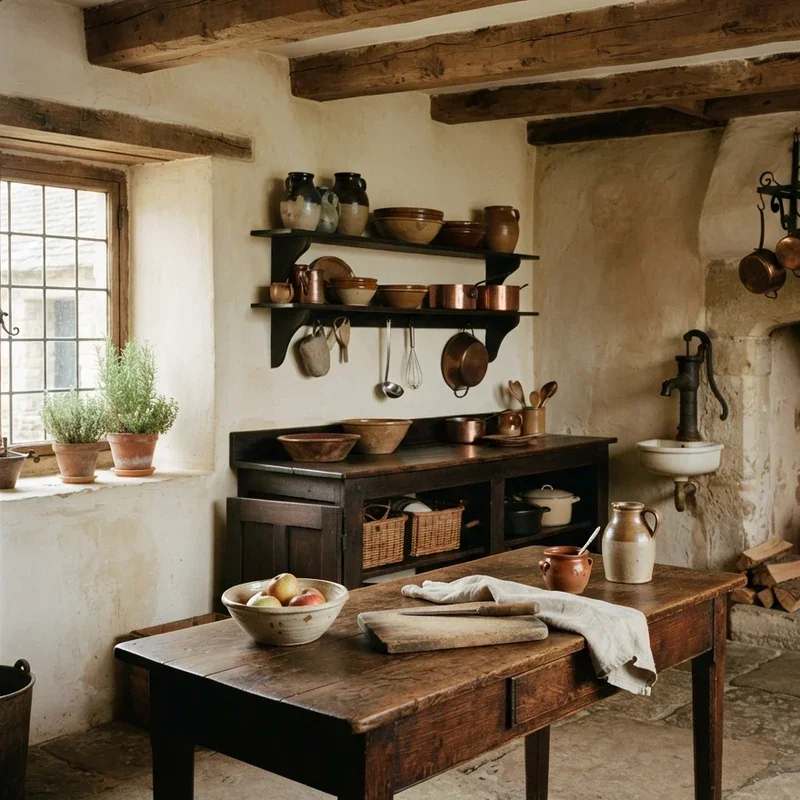
The most desirable homes this year are built to last, and that applies to the finished as much as the structure. Reclaimed timber, natural paints, locally made furniture and vintage pieces mixed in with new. Buying once and buying well has become the real status symbol.
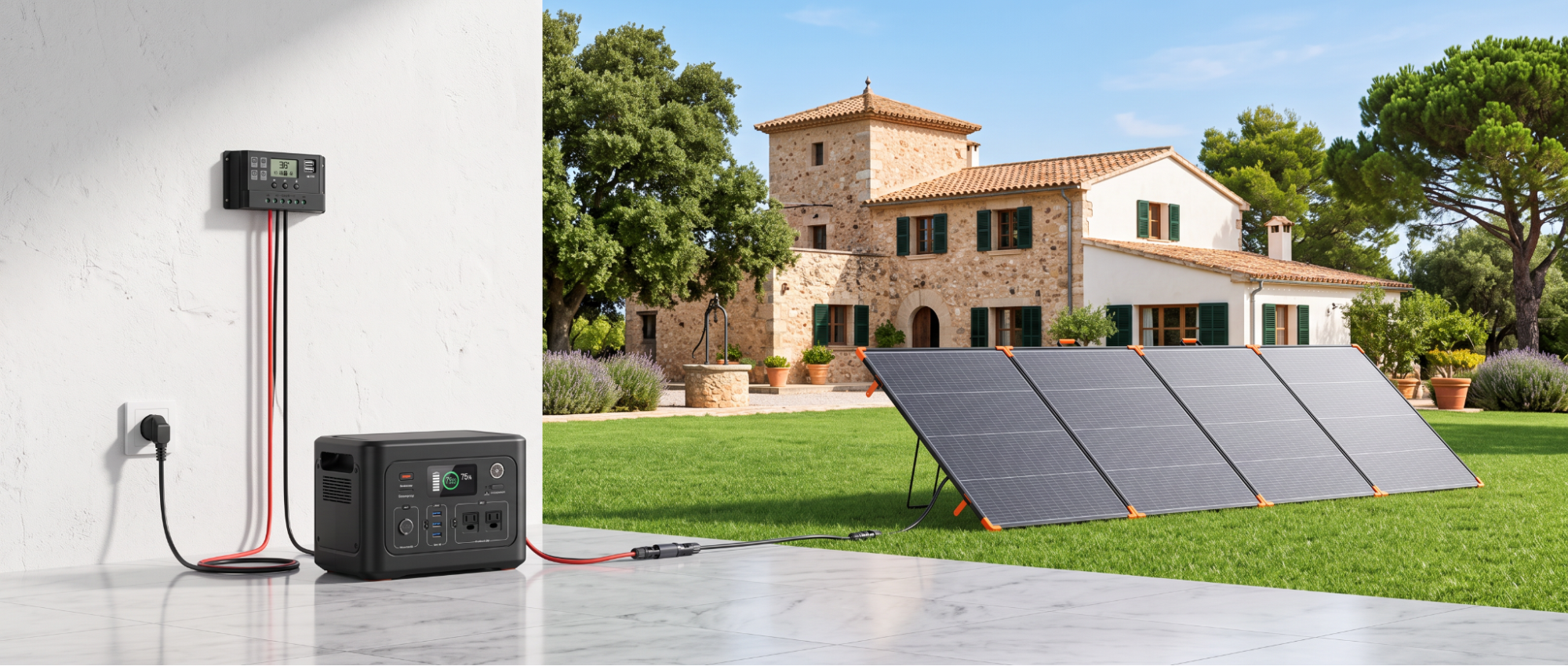
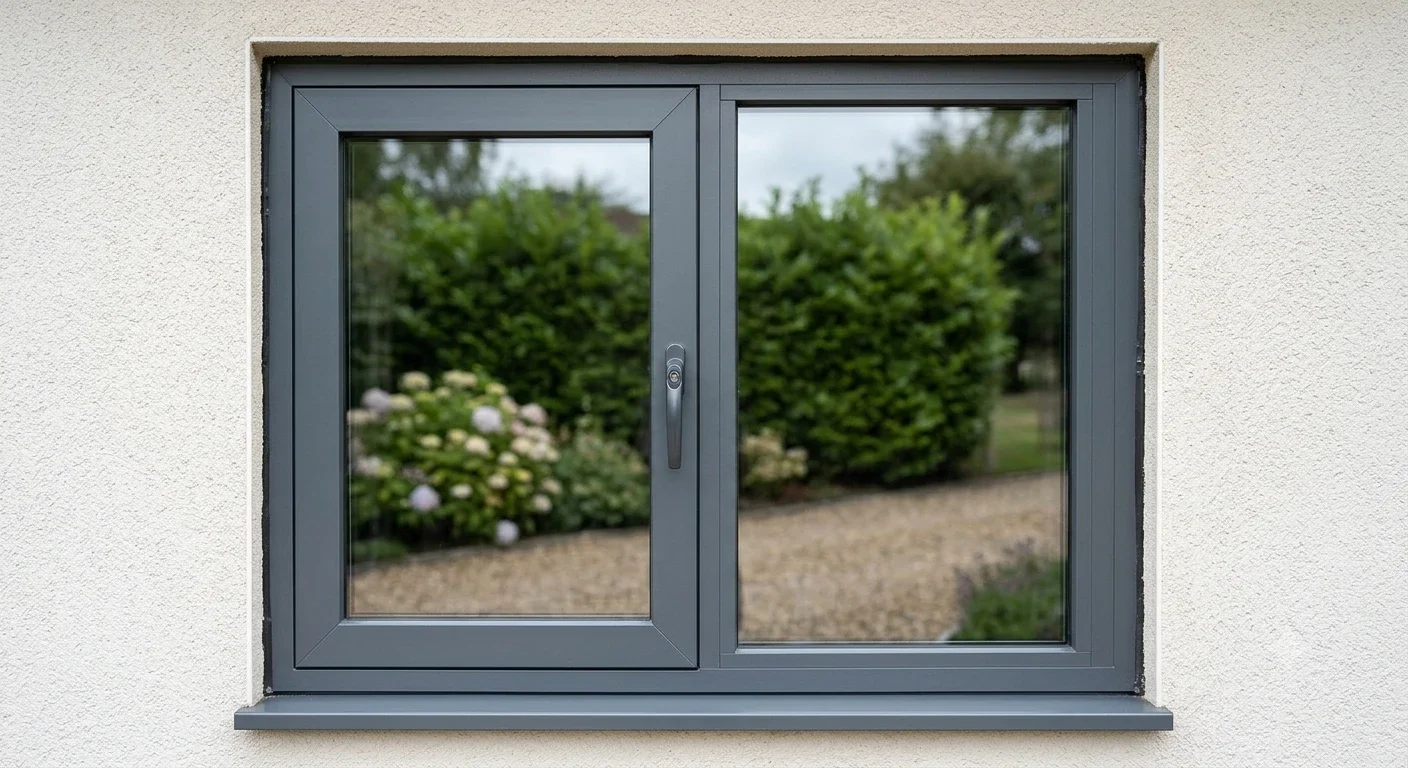
Behind the scenes, the same thinking applies to heat pumps, better glazing and solar panels. They are not glamourous, but they are increasingly expected in a quality home, and they make it far more comfortable to live in.
Technology you cannot see
Smart home technology has grown up. The trend now is towards systems that disappear speakers hidden in the ceiling, blinds that close themselves at dusk, heating and lighting that quietly adjust without a wall full of panels and switches.
The aim is to make the house easier to live in without letting the gadgets become the décor. If you are adding smart features, keep the controls simple and the hardware out of sight.
Making the trends work in your home
You do not need to chase all of these at once, and you should not try. Pick two or three that suit your home and the way you actually live, then do them well. The thread running through every trend this year is the same: comfort, craftsmanship and things that will still look right in ten years.
Trends come and go. A home that feels good to walk into never goes out of style. Luxury house builders Campbell Buchanan incorporate these design tips into all new build show homes across the country.
Stay up to date with our latest ideas!