How Travel Inspires Better Choices for a Healthier Home
Discover how travel inspires better choices for a healthier home by encouraging cleaner habits, smarter design, and wellness focused living spaces.
There is something that happens to you when you spend time away from your own four walls. You start noticing things. The way a rented cottage smells like cedar and nothing else. The way you sleep better without the usual hum of the refrigerator or the glow of four different standby lights. You come home changed, and not just in your head. You come home with a list.
That list, whether you write it down or just carry it around mentally for weeks, is essentially a blueprint for a healthier home. Travel has this quiet way of showing you what you have been tolerating without realising it, and what life feels like when those things are gone.
What Slowing Down Actually Shows You
The first thing most people notice when they go away is the air. Step outside at a good Ballina caravan park on the NSW north coast and you are breathing something genuinely different. It is not just the seaside freshness either. It is the absence of synthetic fragrance, off-gassing furniture, and recirculated air conditioning. Your lungs notice before your brain does.
That contrast tends to stick with people. Back home, they start reading labels on cleaning sprays. They open more windows. Some of them pull up the carpet in the spare room they always suspected was harbouring something unpleasant. The holiday did not give them new information exactly. It gave them a new reference point, and that reference point is powerful.
The Way You Eat Somewhere Else
Eating on holiday tends to be simpler in a way that feels surprising. Not simpler as in worse. Simpler as in less processed, more intentional. You stop at a roadside stall for fresh mango. You make eggs and toast in a tiny holiday kitchen because there is no delivery app to scroll through. You realise you feel lighter, clearer, and you have not changed anything except what you are putting in your mouth.
That realisation follows you home too. People who travel regularly talk about this a lot, this shift in how they approach the kitchen after a trip. More whole foods. Fewer packets. A sudden willingness to actually cook something. If you are already thinking about sustainable living habits across the seasons, adding mindful eating to the picture makes complete sense. The two things reinforce each other in ways you feel before you fully understand them.
Rethinking What Goes Into Your Water
Spend a week in a place where the tap water tastes genuinely good and it is hard to go back to drinking from a plastic bottle every day, or worse, forcing yourself to tolerate water that tastes faintly of chlorine. Good water is not a small thing. It affects how much you drink, how your skin feels, how your food tastes when you cook with it.
This is where people start looking seriously at a proper healthy drinking water solution for the home. Not the filter jug that sits in the fridge and works adequately. A real system that addresses the mineral balance and quality of what you are actually putting into your body every day. It is one of those upgrades that sounds like a luxury until you have tasted the difference, and then it just sounds like a basic standard.
The Materials Around You Matter More Than You Think
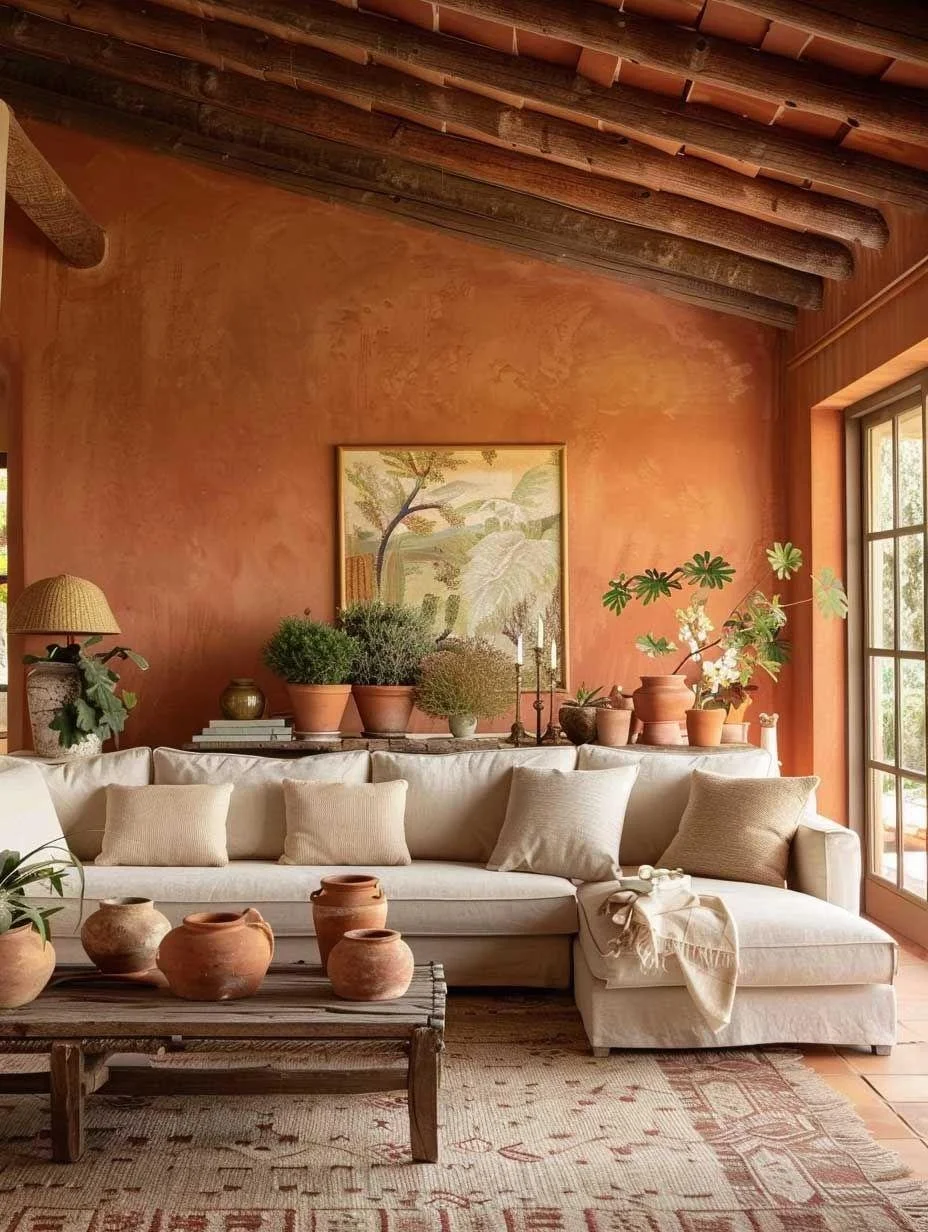
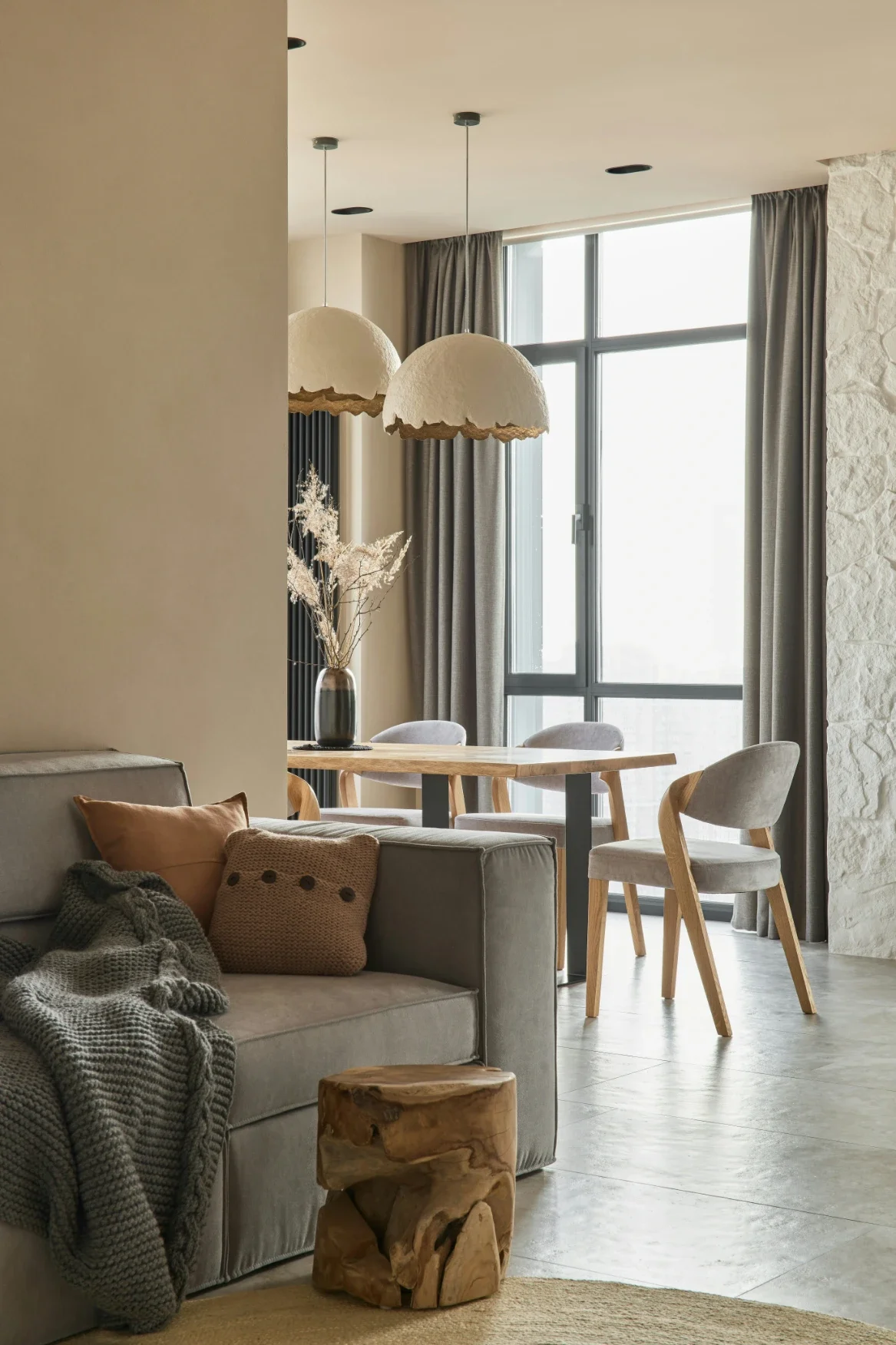
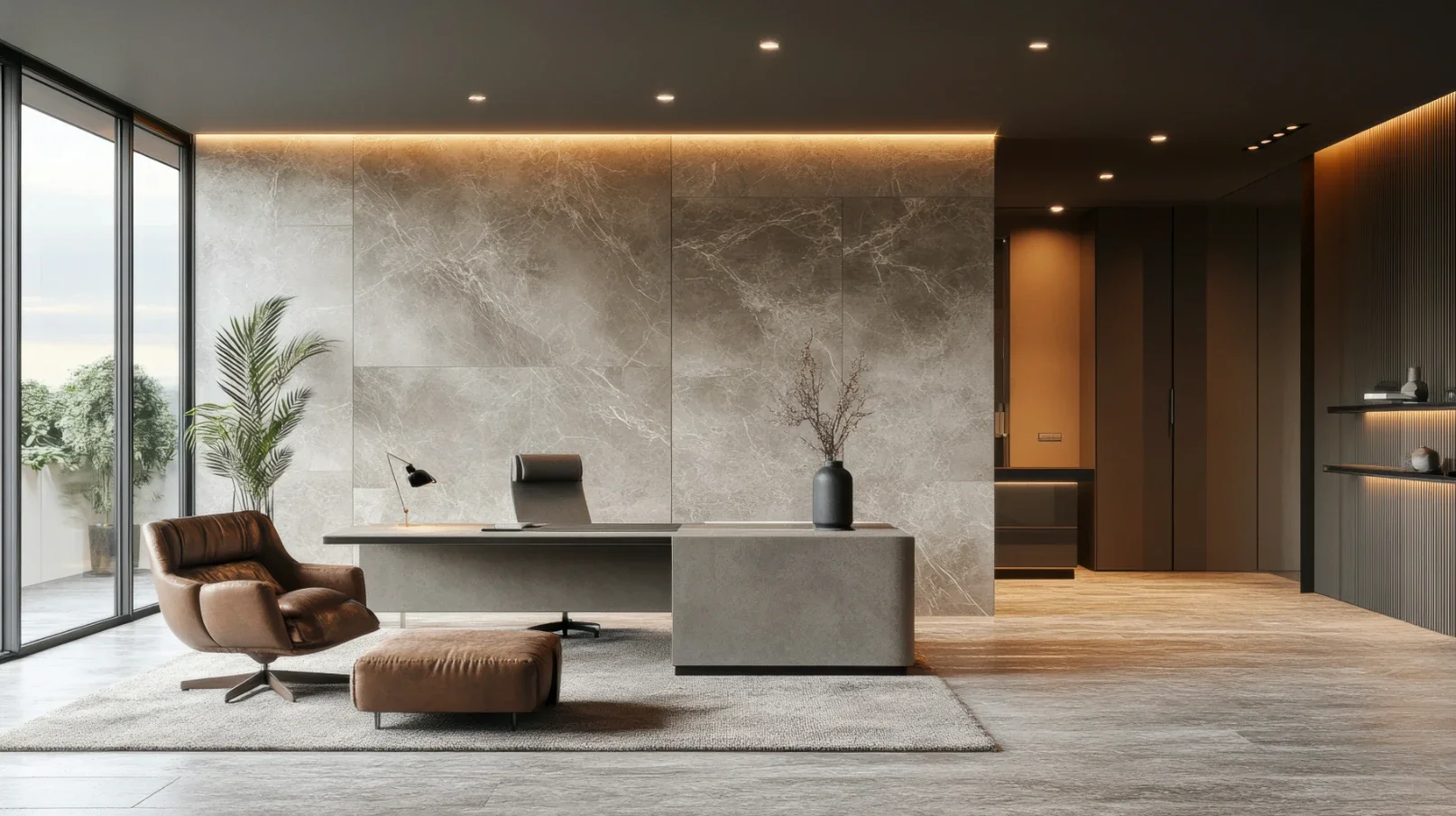
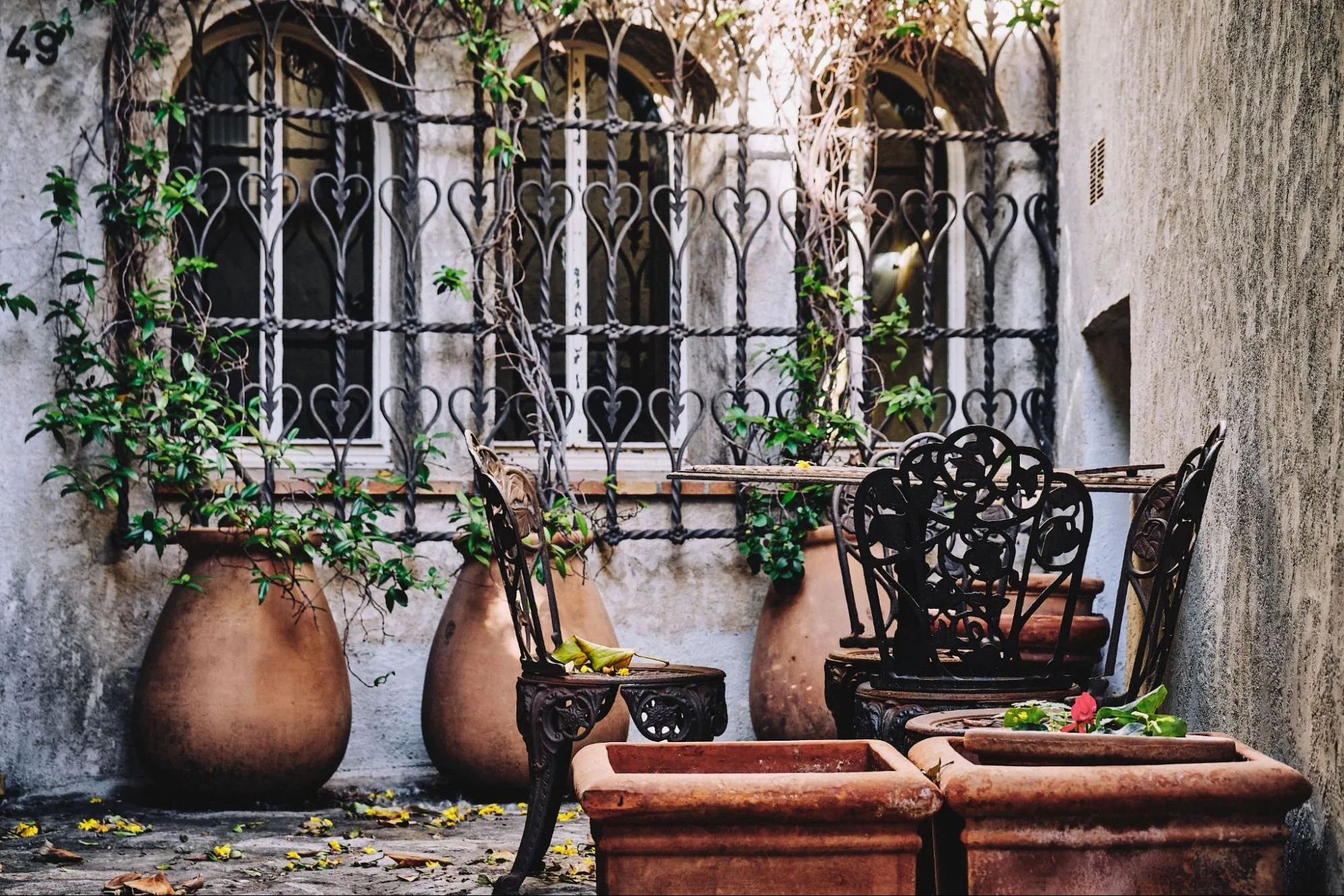
Travelling through older homes, guesthouses, and countryside stays tends to expose you to different building materials. Stone, timber, limewash walls, terracotta tiles. These things breathe differently to synthetic surfaces. They do not trap heat the same way. They age gracefully rather than degrading. And they rarely emit the kind of volatile compounds that newer synthetic materials can off-gas for years after installation.
This is part of why people come back from trips thinking about their walls, their floors, their furniture in a new way. There is actually a strong case for looking at eco-friendly interior materials like corrugated panels when renovating, because the connection between what surrounds you and how you feel in a space is genuinely supported by what you experience when you travel. You are not imagining it. The materials in your home affect the air quality, the temperature stability, and the way sound moves through a space.
Bringing the Lesson Home
The best souvenirs are never things. They are habits you picked up without planning to. The farmer's market bag you remembered to bring. The morning walk that became non-negotiable after a week of coastal mornings. The way you started sleeping with the window cracked open even in winter.
Travel strips away routine long enough for you to see which parts of it were actually serving you and which were just inertia. A healthier home is rarely the result of one big renovation or one expensive purchase. It is the result of a dozen small shifts that compound over time. And often, they start somewhere between a long drive, an unfamiliar pillow, and water that actually tastes like water should.
Stay up to date with our latest ideas!