Mirrors, Light, and the Illusion of Space: Small Staging Tricks That Work
Discover how mirrors, lighting, and simple staging tricks can make small rooms feel brighter, larger, and more inviting for everyday living or home sales.
First Impressions Start Small
Small rooms scare buyers before they even step past the doorway. A tight hallway or a cramped bedroom makes people picture their furniture jammed against every wall, and that mental math kills interest fast. Staging is not about hiding a room's size. It is about changing how a person reads that space in the first ten seconds.
Mirrors, light, and a few smart choices can shift that reading completely. None of these tricks need a renovation budget or a contractor. They just need a plan, and that is what this piece walks through.
Most of these ideas take an afternoon, and some take less than an hour. Small shifts stack up fast once a seller starts looking at each room through a buyer's eyes instead of their own.
Getting Buyers Through Your Door
Before staging tricks matter, a home needs eyes on it. Sellers working with tight timelines often search for services like Sell My House Fast Augusta because a fast sale means fewer months of upkeep, showings, and price cuts. Once buyers are lined up, staging decides whether they picture themselves living there or walk straight back out.
Mirrors Change What A Room Feels Like
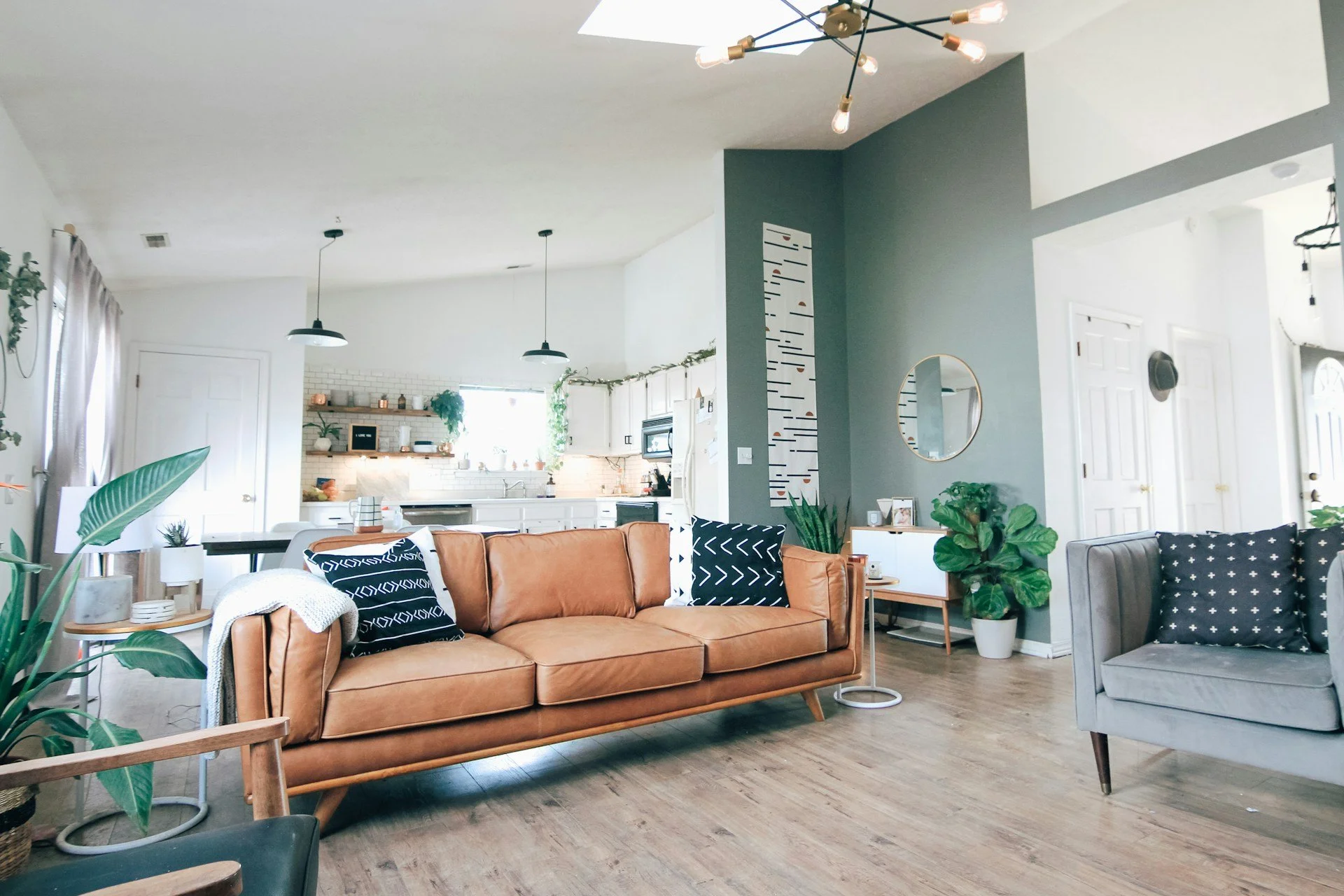
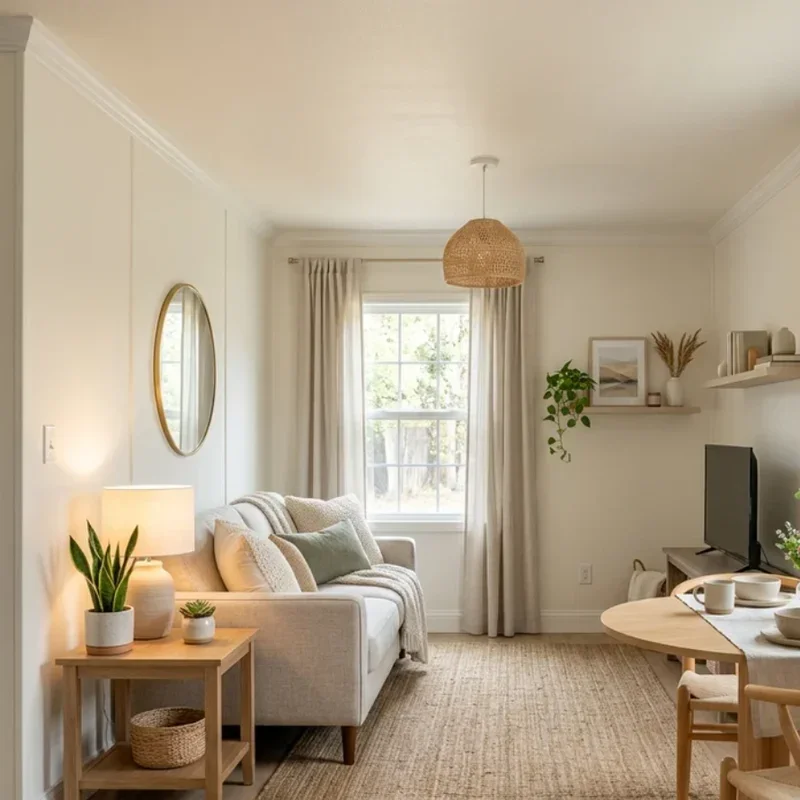
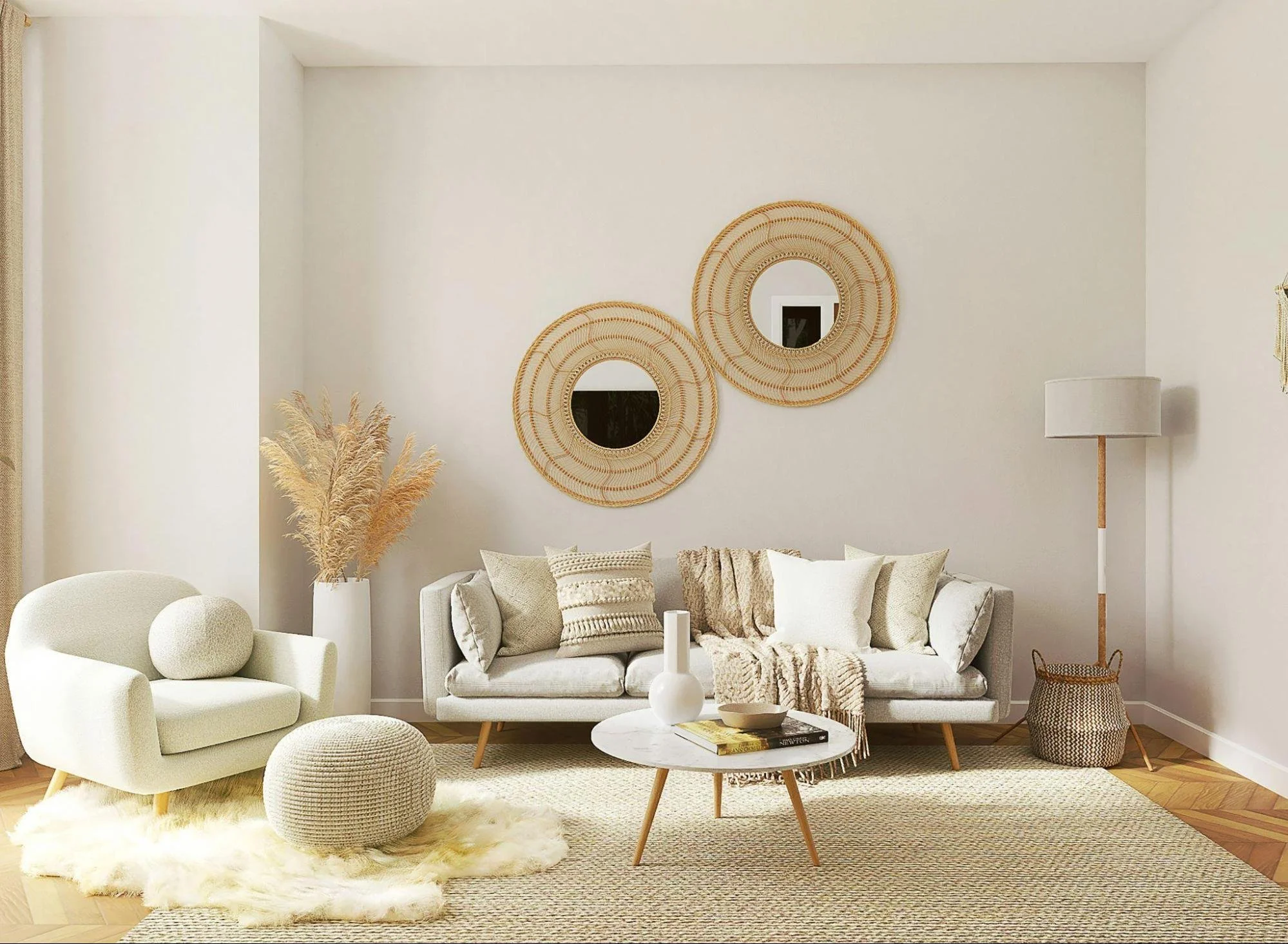
A mirror placed across from a window doubles the light bouncing around a room. It also doubles the view, which tricks the eye into reading more depth than actually exists. Hallways benefit the most from this trick since a single mirror at the end can turn a narrow strip into something that feels open.
Skip small decorative mirrors scattered around a wall. One large mirror does more work than five tiny ones, and it reads as intentional design rather than clutter. Leaning a floor mirror against a wall in a bedroom adds height too, which pulls the eye upward and makes ceilings feel taller than they are.
Avoid mirrors that face clutter, closets, or awkward angles. A mirror reflects everything, so it can just as easily highlight a mess as it can highlight space.
Light Sets A Whole Mood
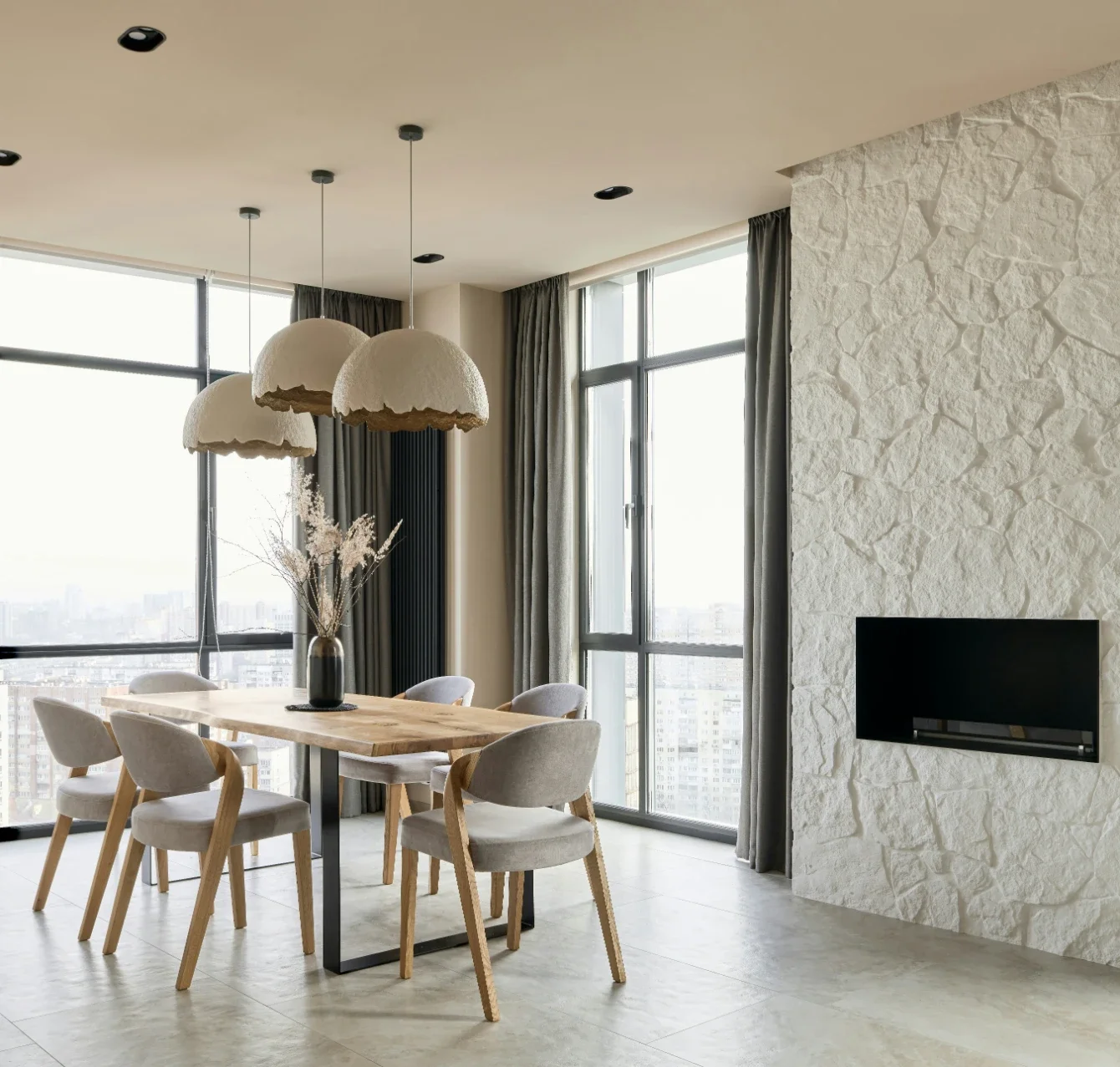
Dim rooms always photograph smaller, and buyers notice this even in person before they know why. Open every curtain and blind before a showing, and swap heavy drapes for something sheer that still lets light pass through.
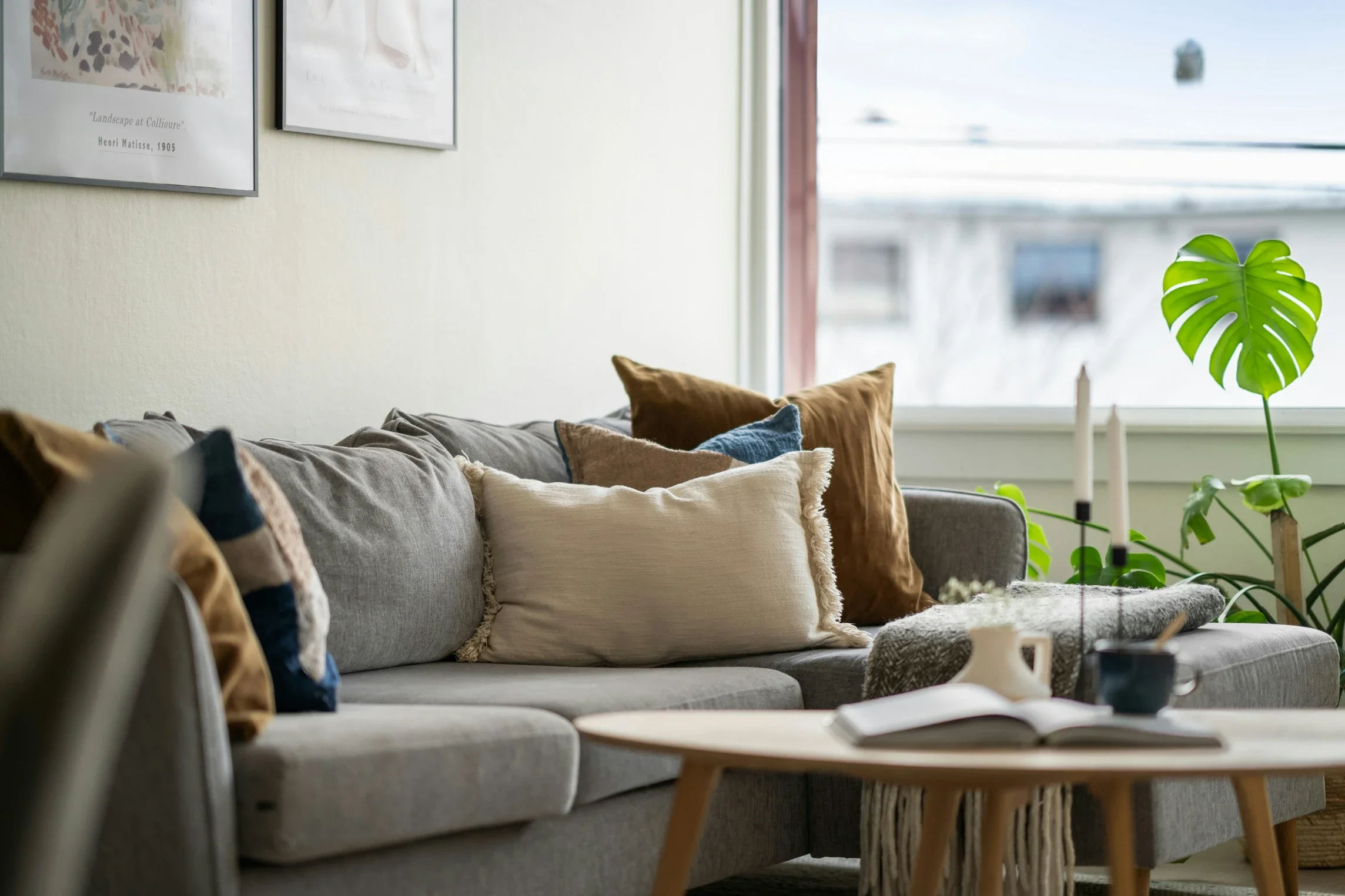
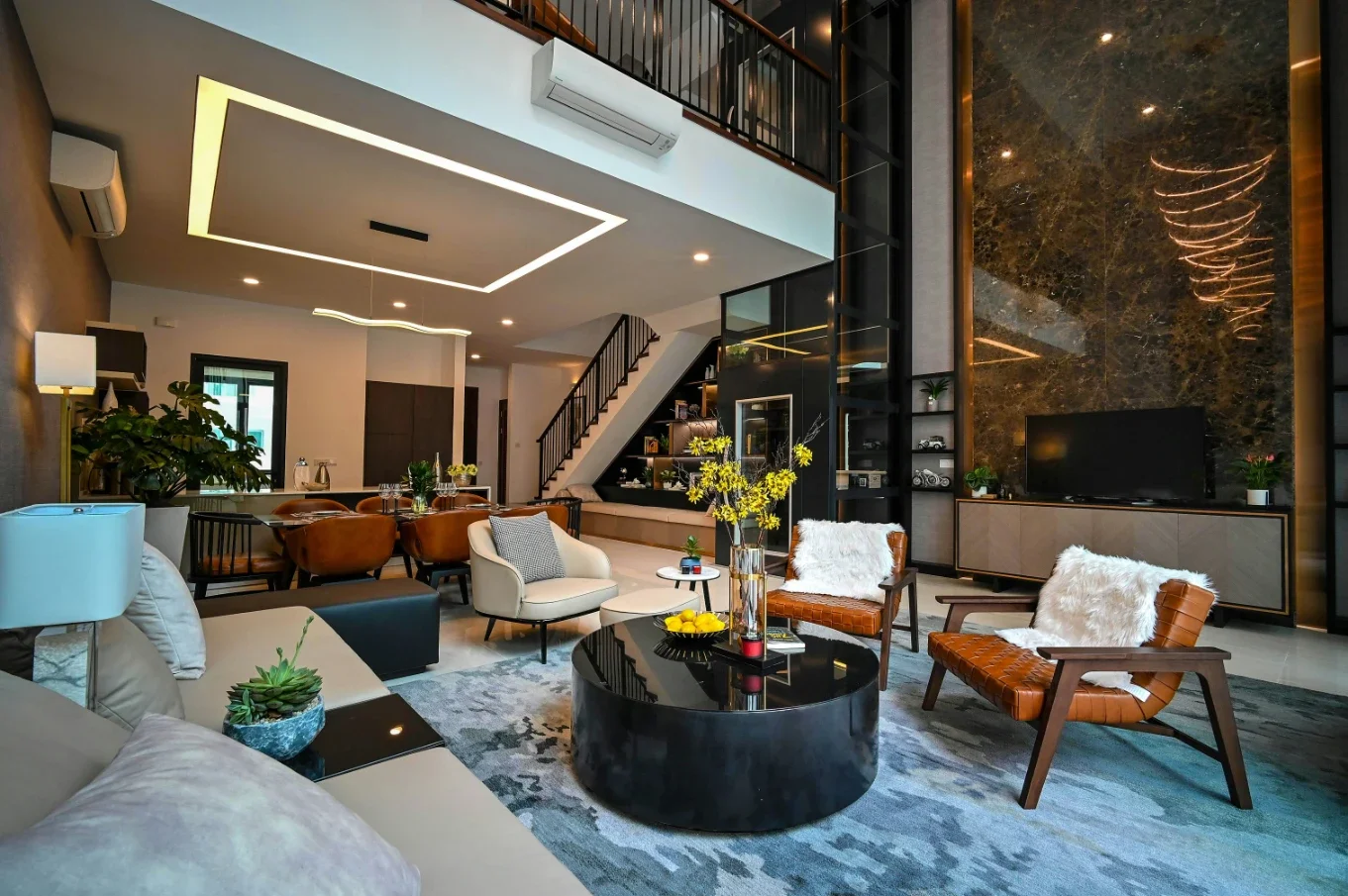
Layer in lamps at different heights across a room instead of relying only on one overhead fixture. Corner lighting fills shadows that make a space feel boxed in, and warm bulbs around 2700K keep the room inviting rather than clinical.
Photos Set Expectations Before A Visit
Most buyers scroll through listing photos long before they ever step through the front door, so a room needs to read as open in a picture, not just in person. Shoot from a corner rather than the center of a room, since a wider angle captures more floor and makes the space look roomier on screen.
Turn on every light in the house before photos get taken, even during the day. Mixed lighting and dark corners show up clearly in photos and shrink a room instantly, while bright, even lighting keeps every shot looking airy.
Color Choices That Stretch A Wall
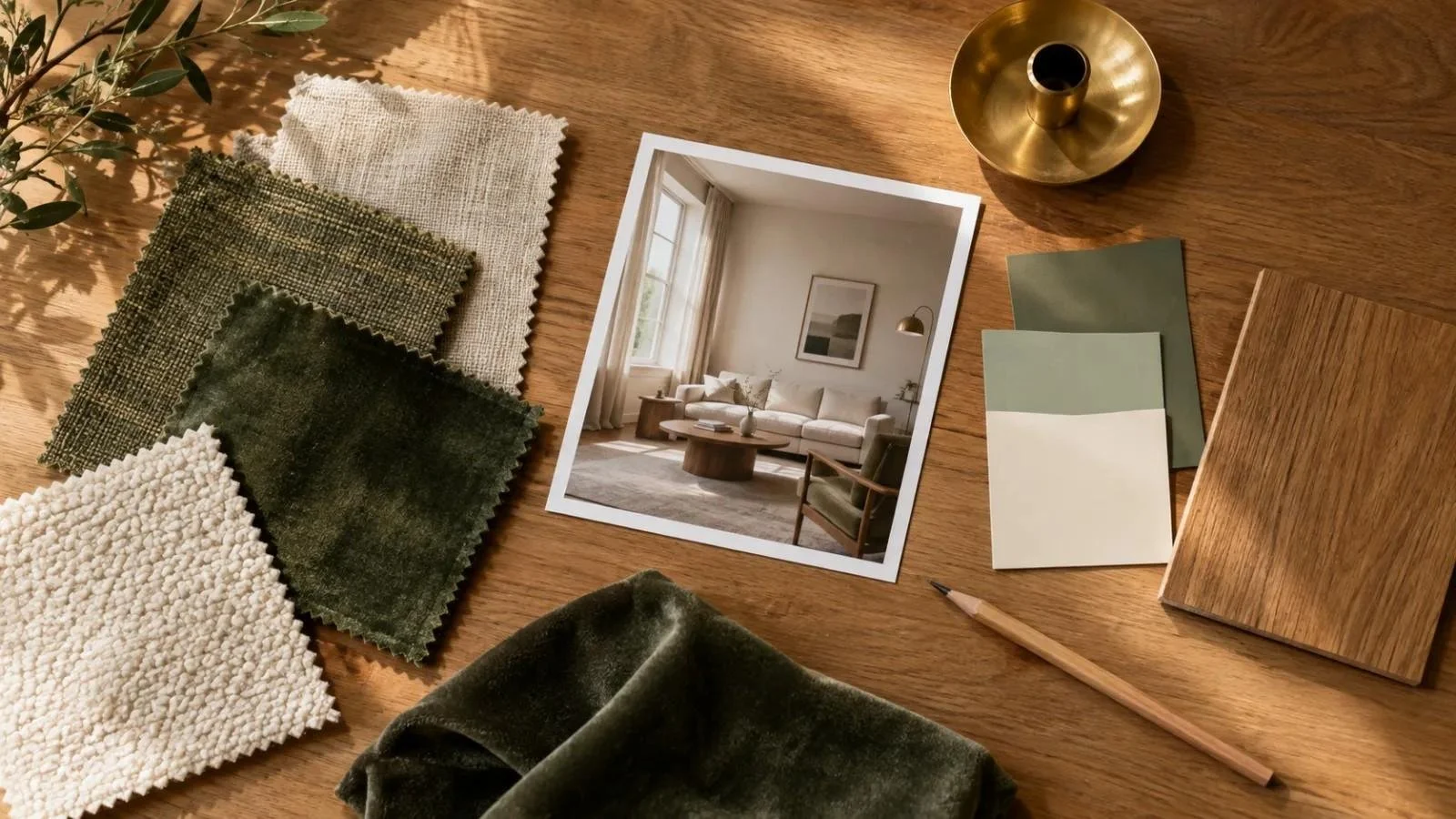
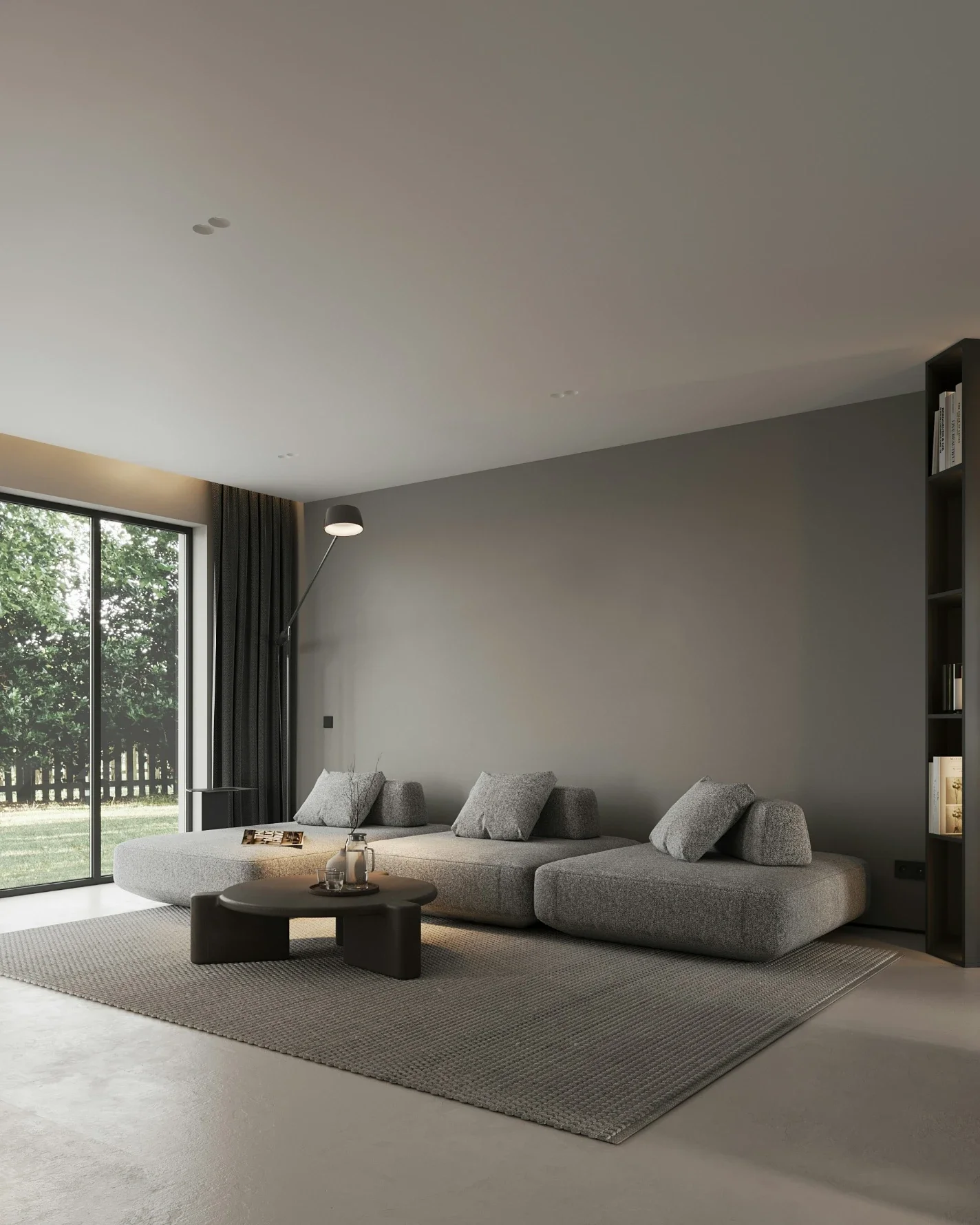
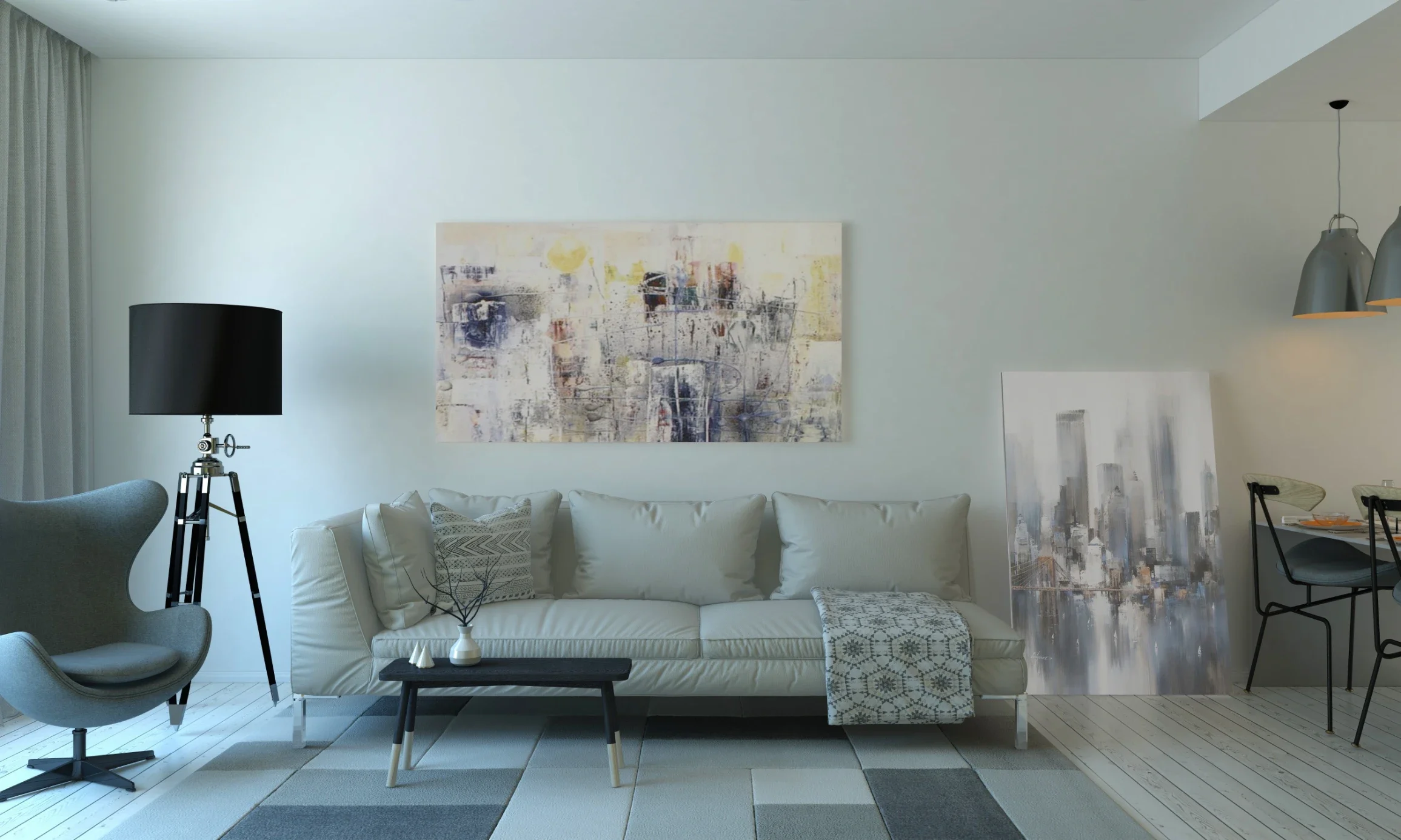
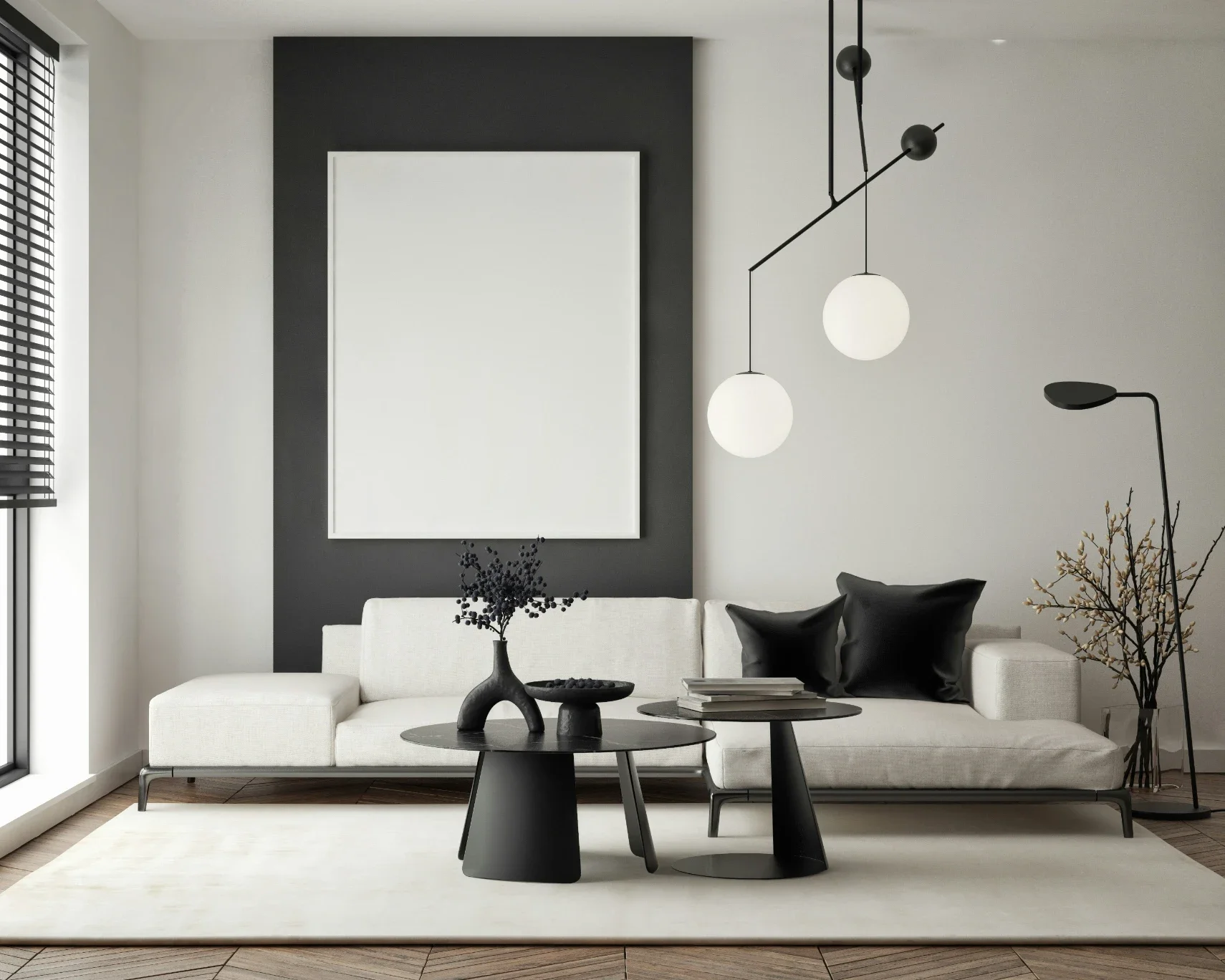
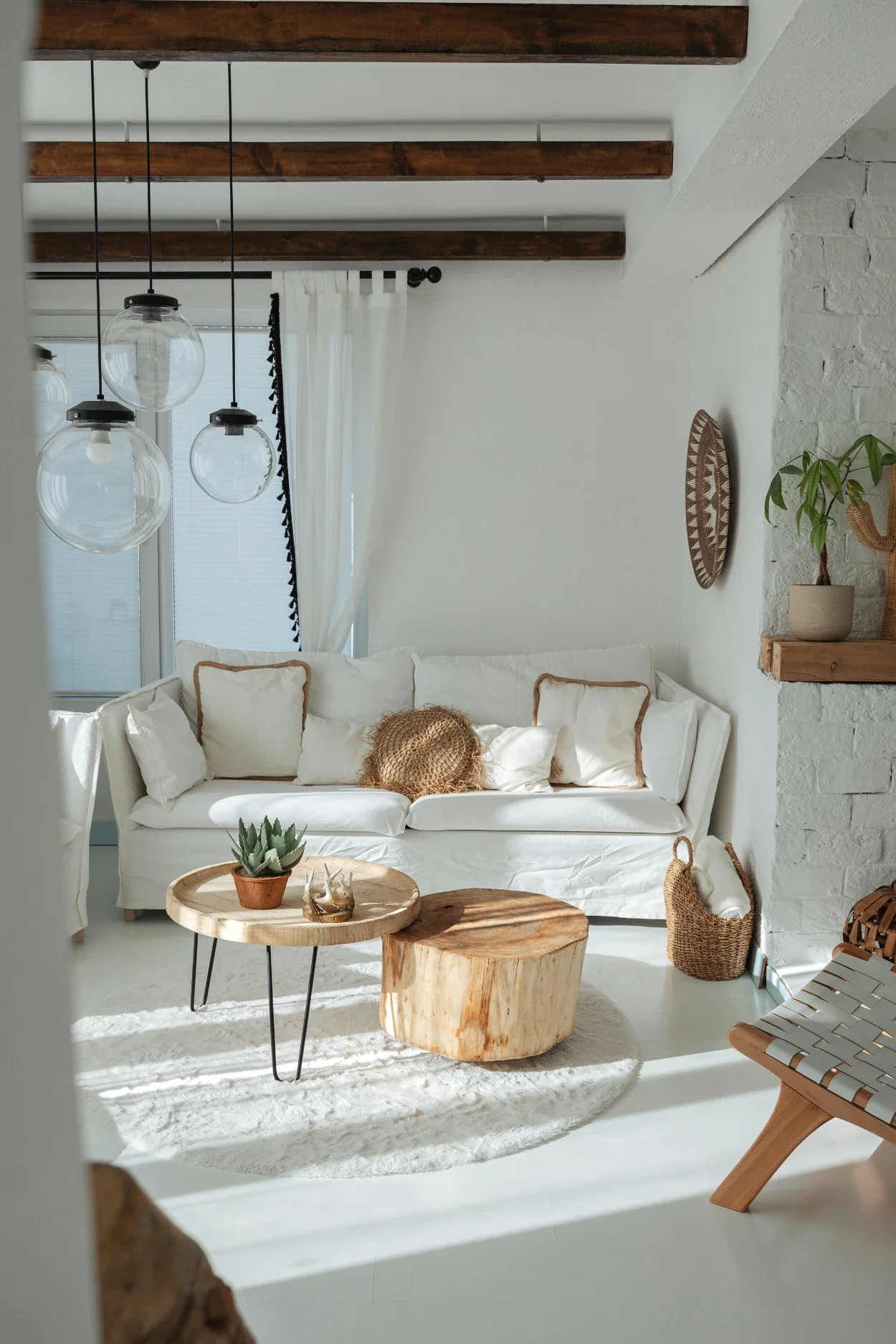
Light, neutral wall colors bounce more light around a room than dark shades do, and that alone makes ceilings feel higher and corners feel farther apart. Soft whites, pale grays, and light beige tones work across almost every room type. Painting trim a shade lighter than the walls also removes the visual line that boxes a space in, which keeps the eye moving instead of stopping at a hard edge.
Furniture Placement That Opens A Room
Pull furniture a few inches off the walls so rooms breathe instead of looking boxed in
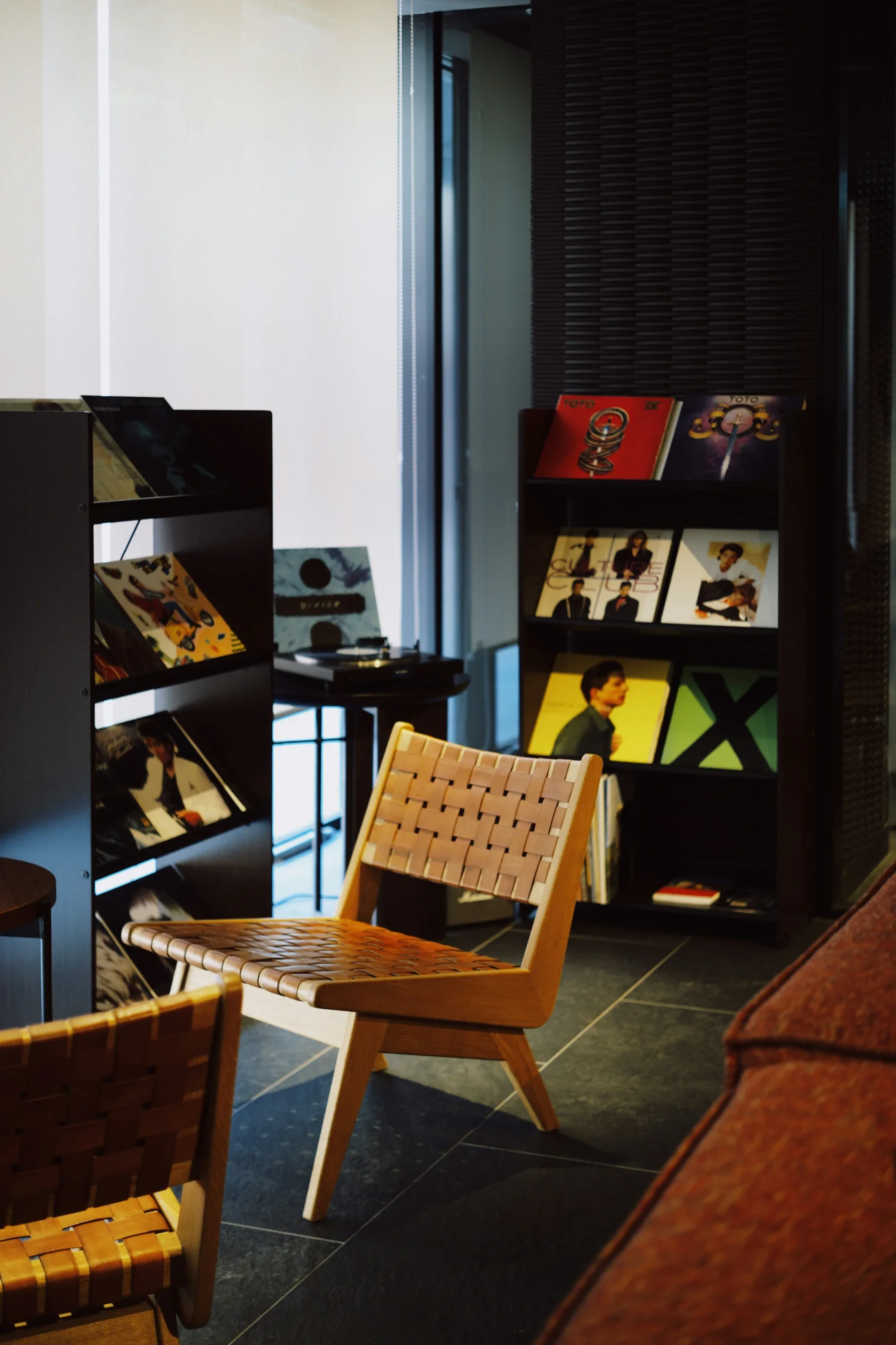
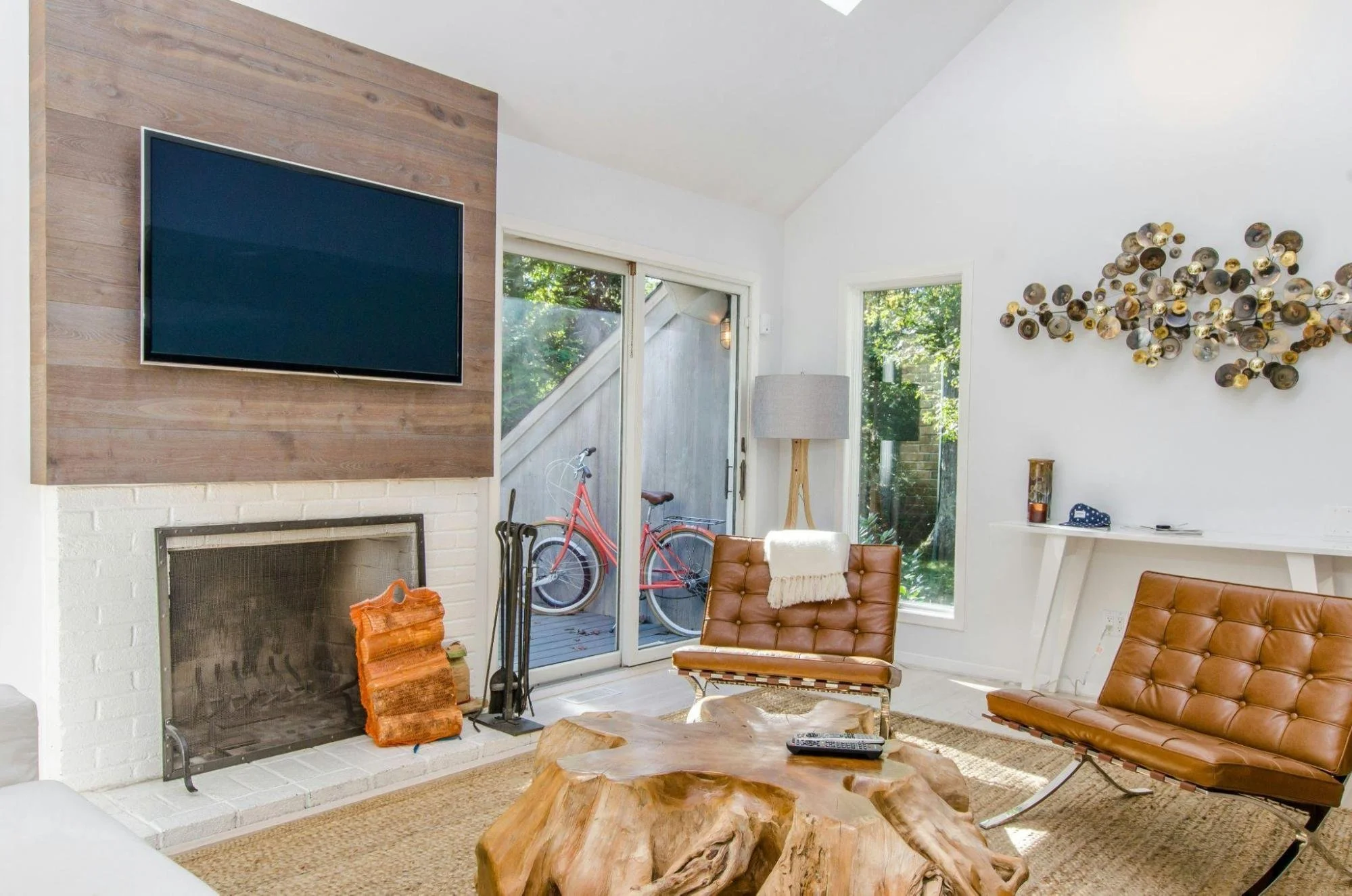
Choose pieces with visible legs since they let light pass underneath
Swap bulky sofas for smaller-scale seating that matches the room
Angle furniture slightly to create movement instead of straight, stiff lines
Clear walking paths so every room feels easy to move through
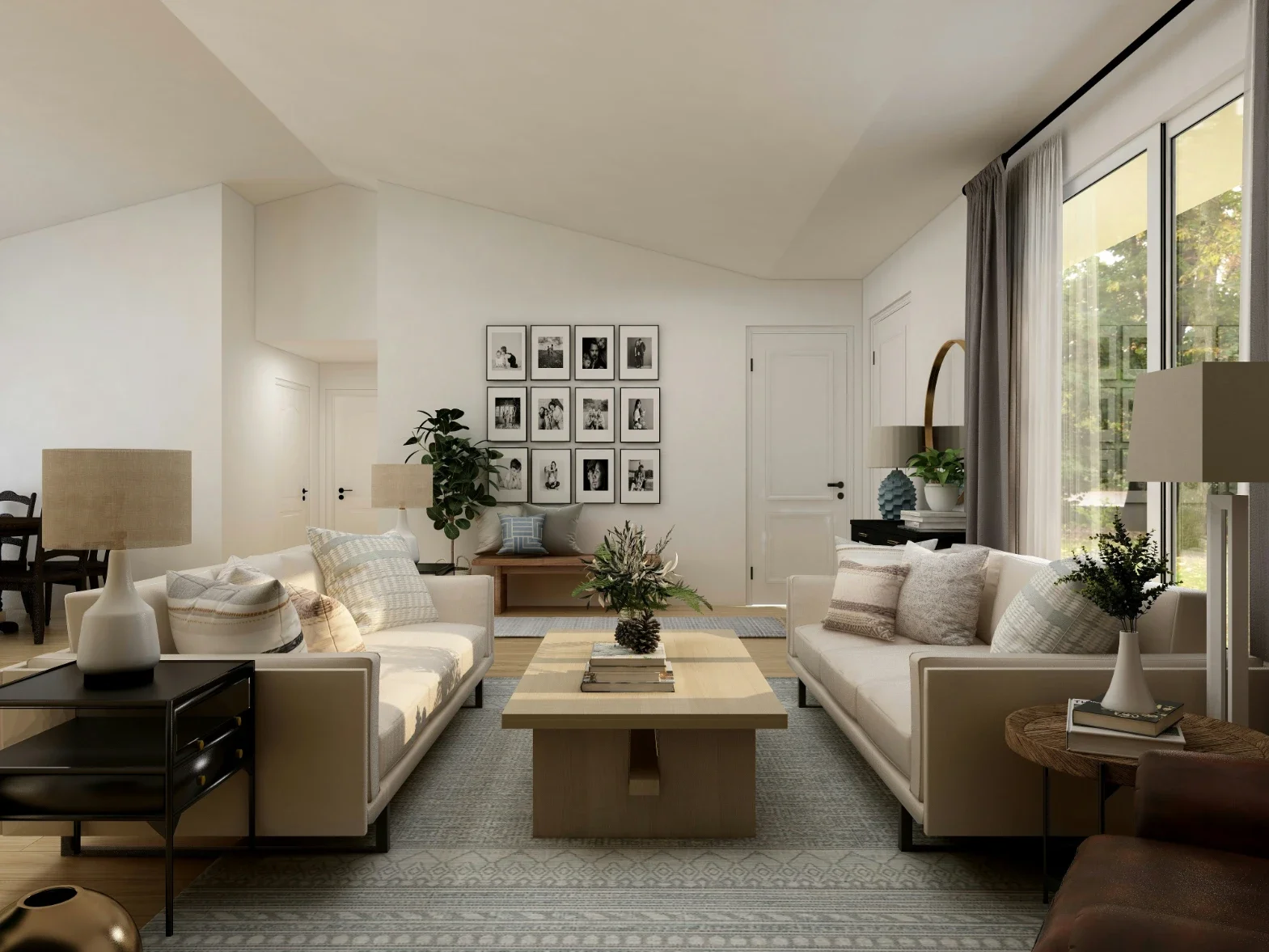
These small placement shifts matter more than buying new furniture. A room with breathing room around every piece reads as larger, even when the square footage never changes. Rugs help too, since a rug that is too small chops a room into pieces, while one sized closer to the seating area pulls everything together and makes the layout feel planned.
Small Details That Add Up Fast
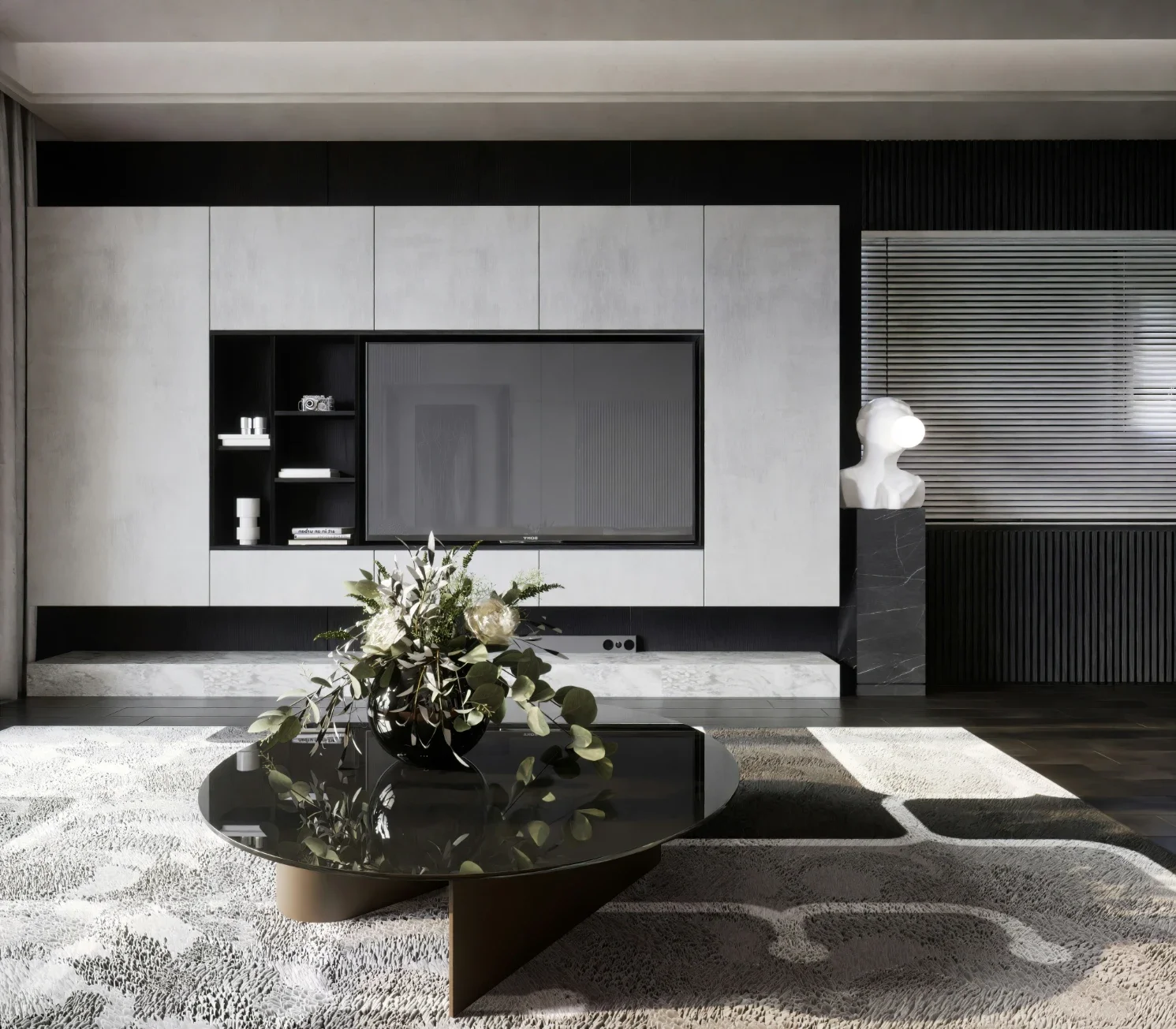
Vertically striped rugs, tall curtain rods hung close to the ceiling, and slim furniture legs all pull the eye upward, which stretches a room visually. Even switching out a chunky coffee table for a slim glass one opens up floor space instantly.
Pro Tip: Hang curtains a few inches above the window frame and let them extend past the edges. This trick alone makes windows look larger and rooms feel taller within minutes.
Clutter undoes every other trick on this list, so clearing counters, shelves, and floors matters as much as any design choice.
Small Rooms Can Still Win Buyers Over
None of these tricks require major spending or construction work. A mirror, better lighting, lighter paint, and smarter furniture placement work together to change how a room feels the moment someone walks in. Sellers who take the time to apply even a few of these ideas give buyers a reason to picture themselves staying, and that reason often turns into a signed offer.
A house does not need to be large to feel welcoming. It needs to be arranged in a way that lets its best features show, and that is a project any seller can finish over a weekend.
Stay up to date with our latest ideas!