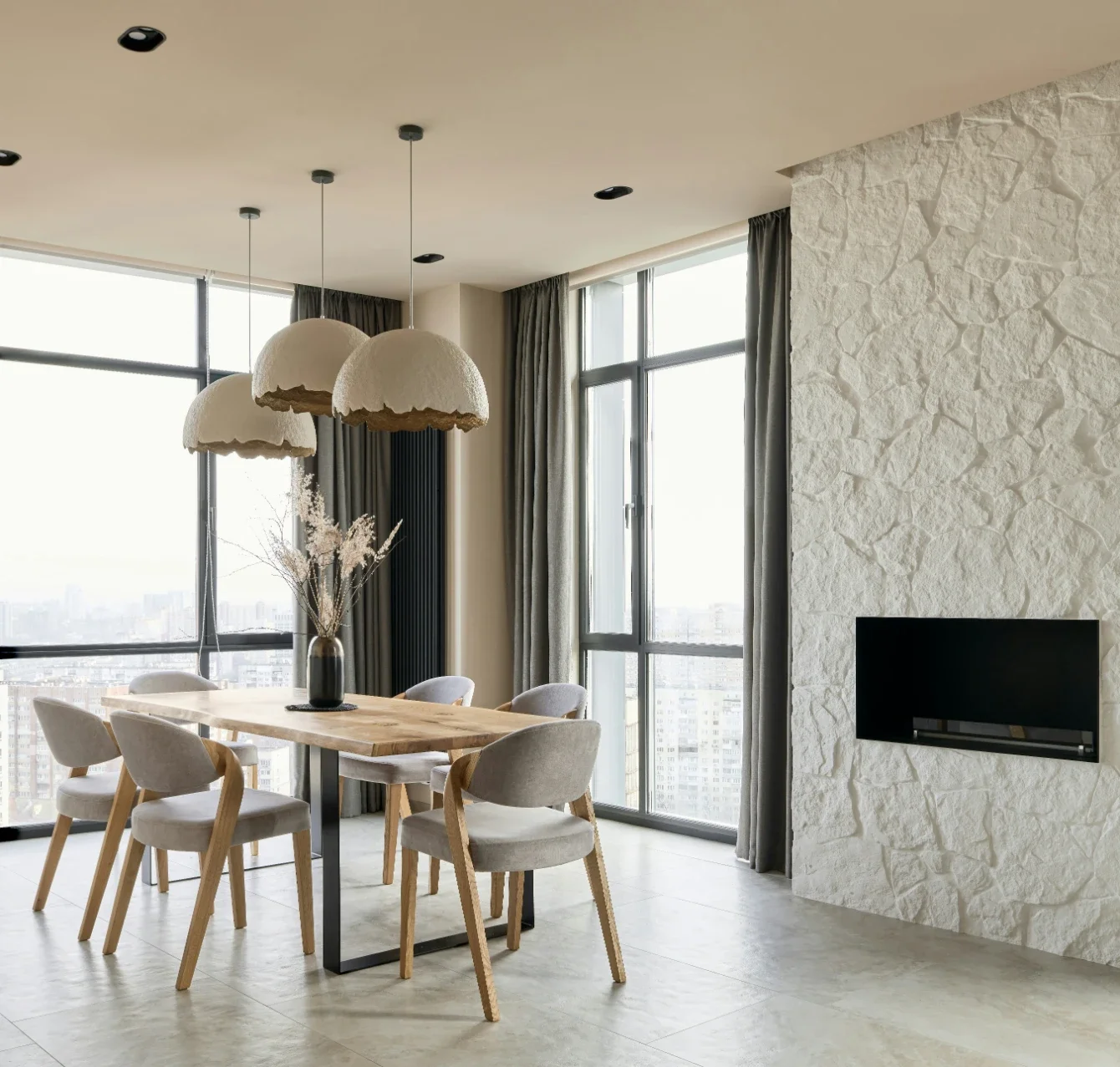
Discover temporary interior design tips for shared apartments that add style, maximize space, and personalize your home without permanent changes.
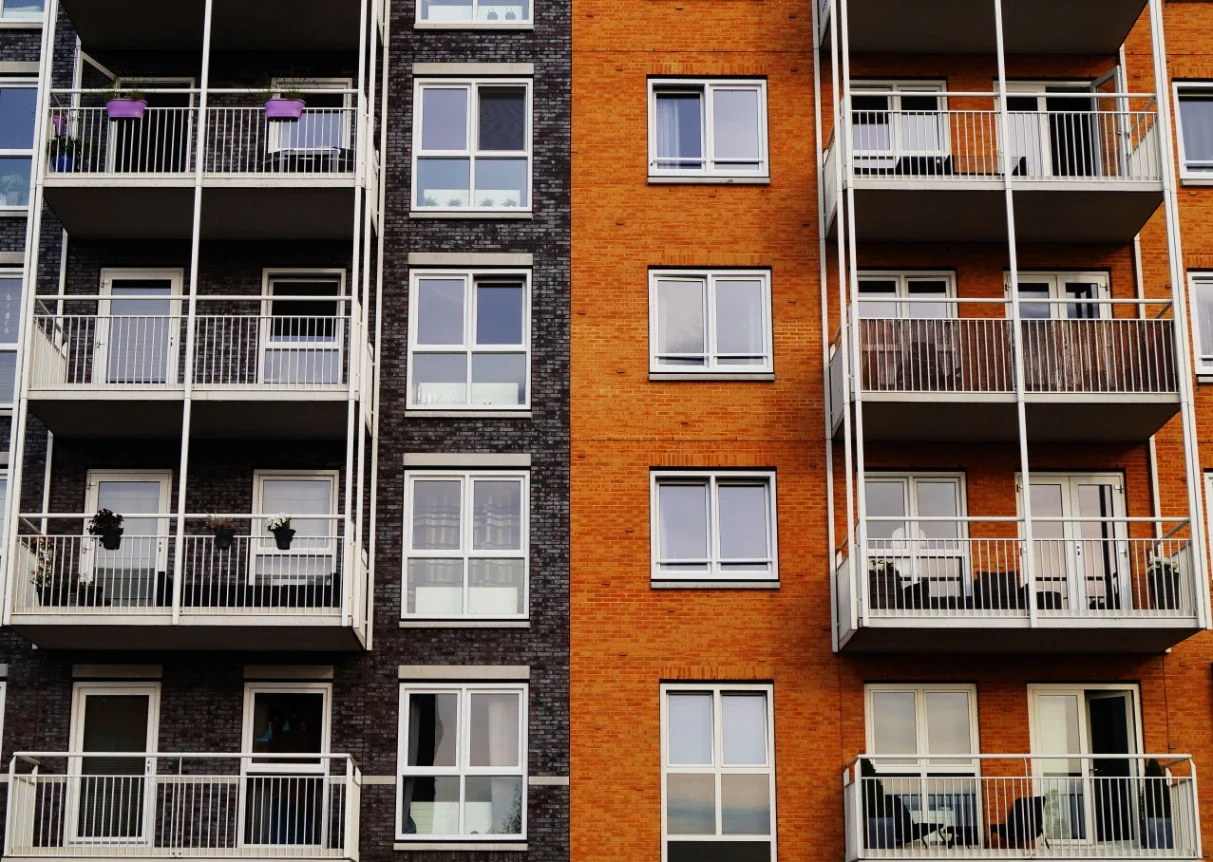
Moving into a shared apartment brings a lot of excitement. Sharing a lease with roommates cuts expenses and provides instant social connections. Renting means dealing with strict lease agreements that forbid permanent alterations.
Painting walls or swapping out light fixtures can jeopardize your security deposit. You can still make your private bedroom and shared common areas feel personal without losing your funds. Temporary interior design provides the perfect solution for styling a shared rental property.
Balancing Collective Choices And Personal Style
Finding the right balance between roommate preferences takes communication. Many people browse Roomster rooms for rent in Houston, Texas, or other reliable websites to find the perfect living situation before deciding on decor. Coordinated efforts prevent design clashes in common spaces. Everyone needs to agree on items that occupy shared square footage.
Separate bedrooms offer complete creative freedom. Your private room should be a place where individual tastes can shine. Keep shared areas neutral to keep the peace among roommates. A neutral approach satisfies everyone involved in the household.
Shared living demands flexibility when integrating different styles. Discussing budget limits early protects friendships from unexpected financial strain. Focus on modular pieces that easily separate when the lease ends, as clear boundaries avoid arguments over ownership later.
Rearranging Furniture For Optimal Harmony
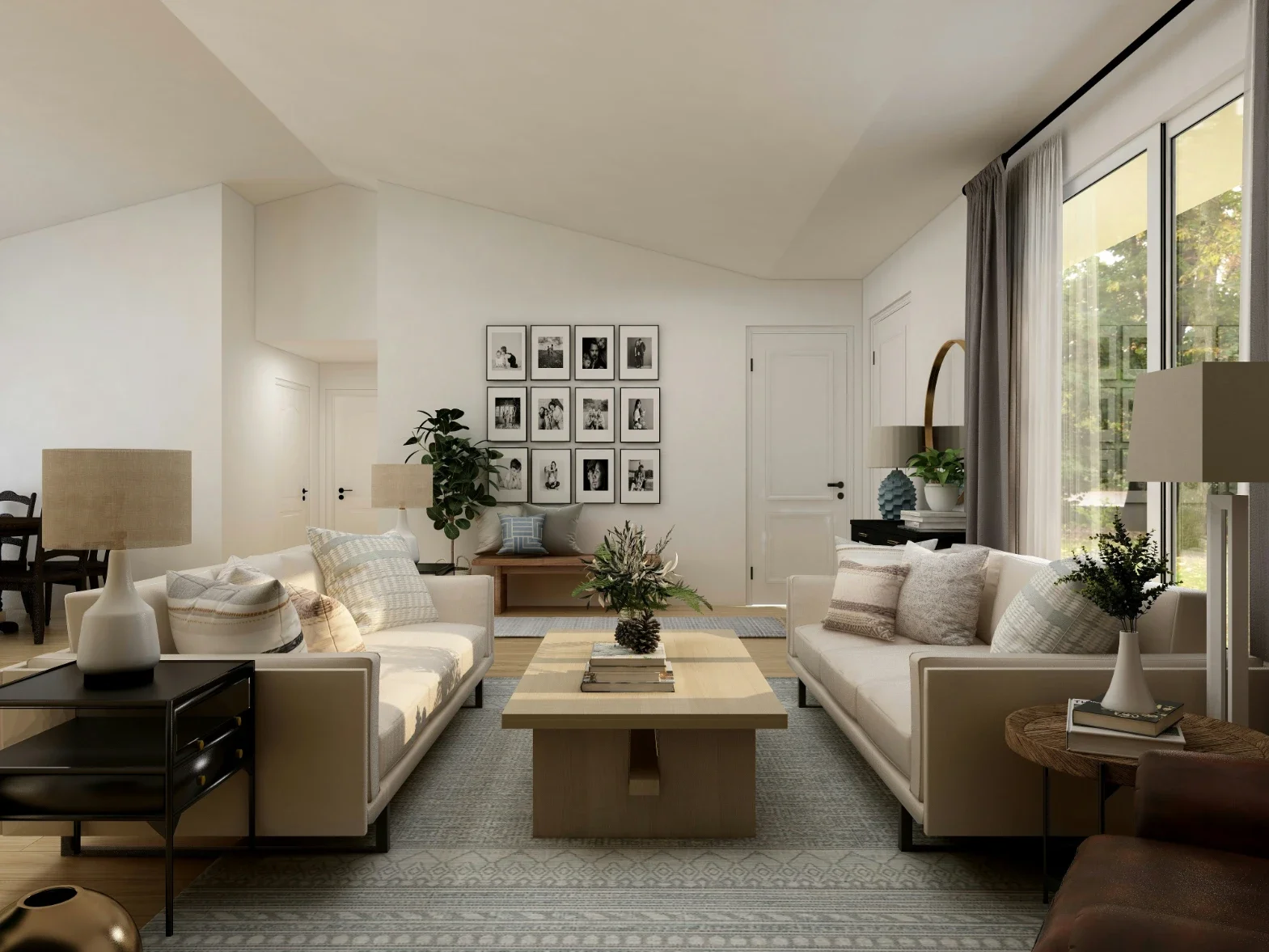
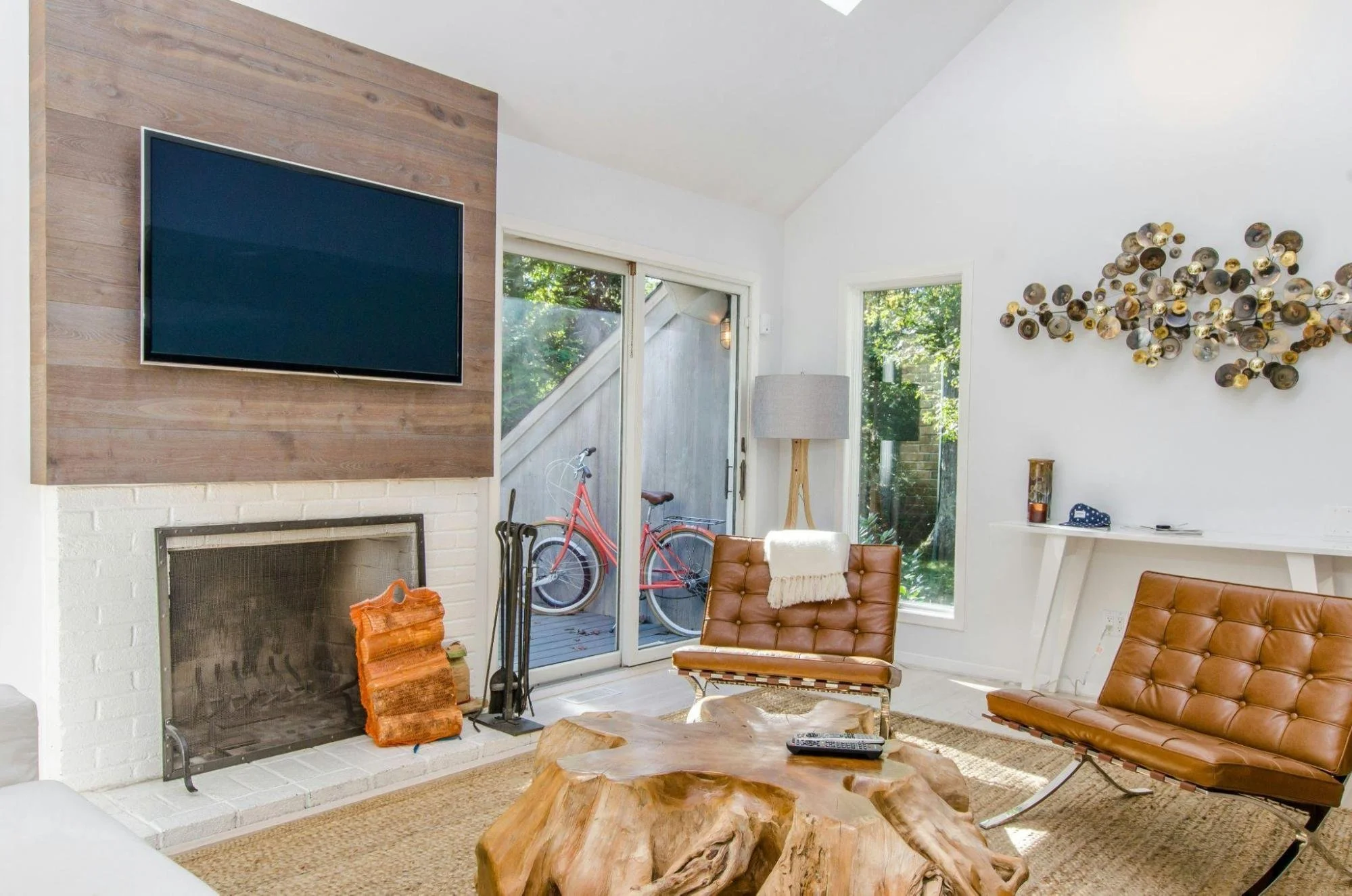
The layout of your living room dictates how people interact. Bulky couches placed poorly block pathways and restrict movement. Moving existing furniture costs nothing and completely transforms the room flow. Rearranging communal spaces can comfortably accommodate multiple activities and inhabitants working, resting, eating, or cooking in harmony.
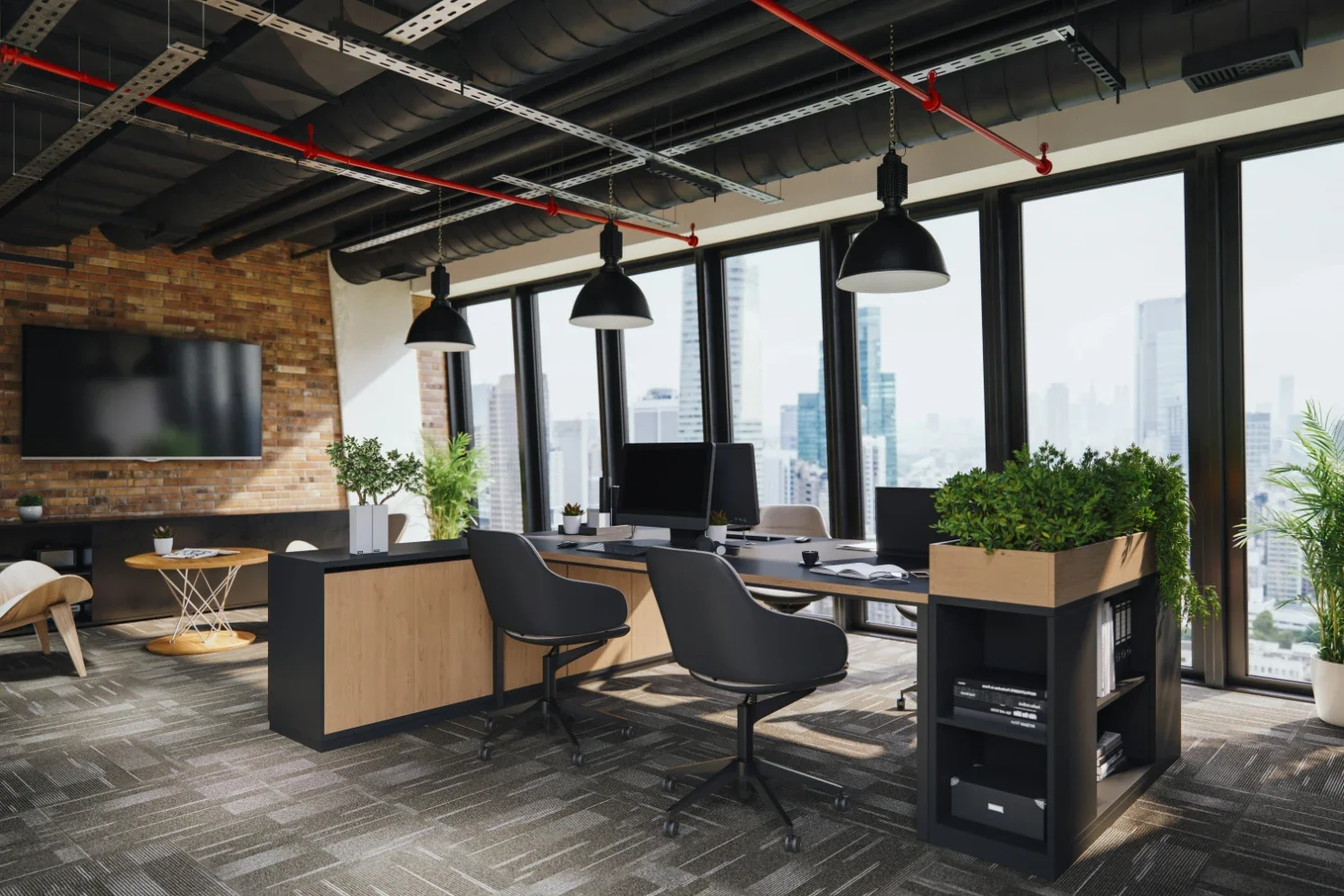
Smart zoning creates designated boundaries without building permanent structures. Open concepts benefit from the strategic placement of desks and tables. Use the backs of chairs to define the border of a living area. Arranging furniture thoughtfully maximizes the usability of every square foot.
Layering Lighting To Set The Mood
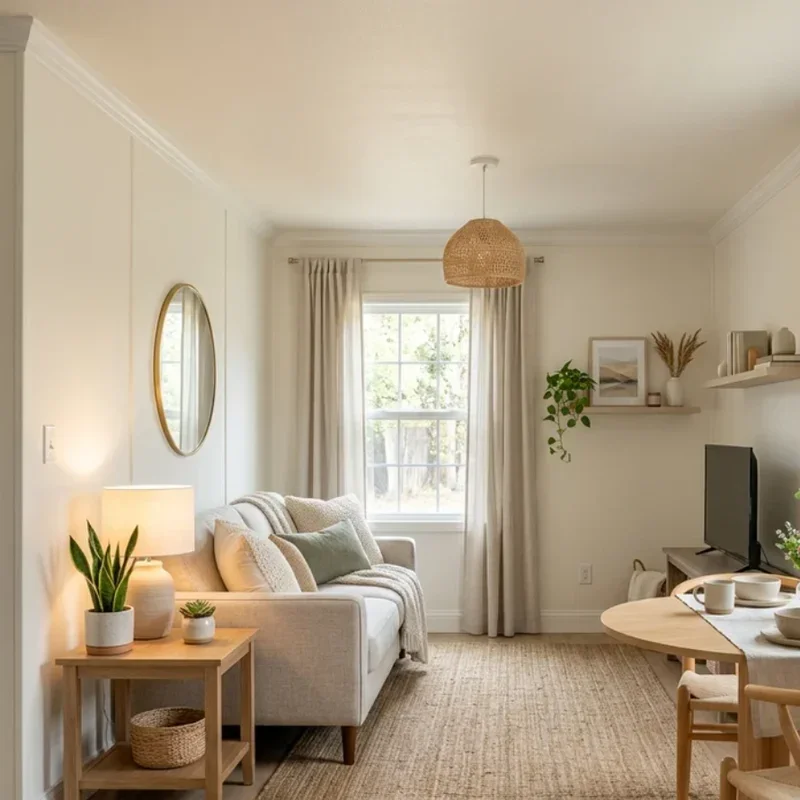
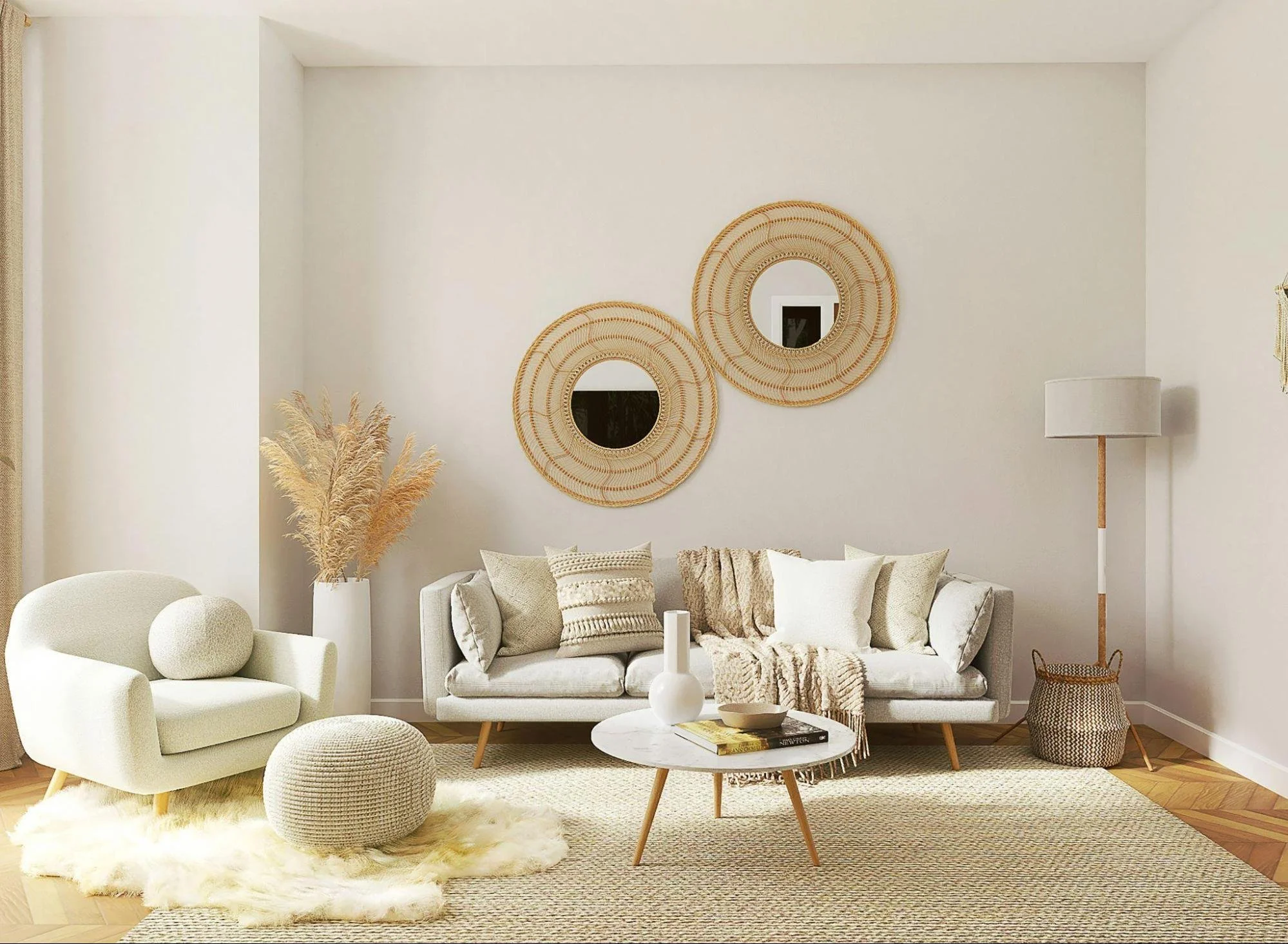
Harsh overhead lighting makes a rental feel cold and institutional. Swapping bright fluorescent globes for warmer options alters the atmosphere immediately. Plug-in fixtures offer excellent alternatives to hardwired updates. About 79% of renters embrace soft, layered lighting to set the mood.
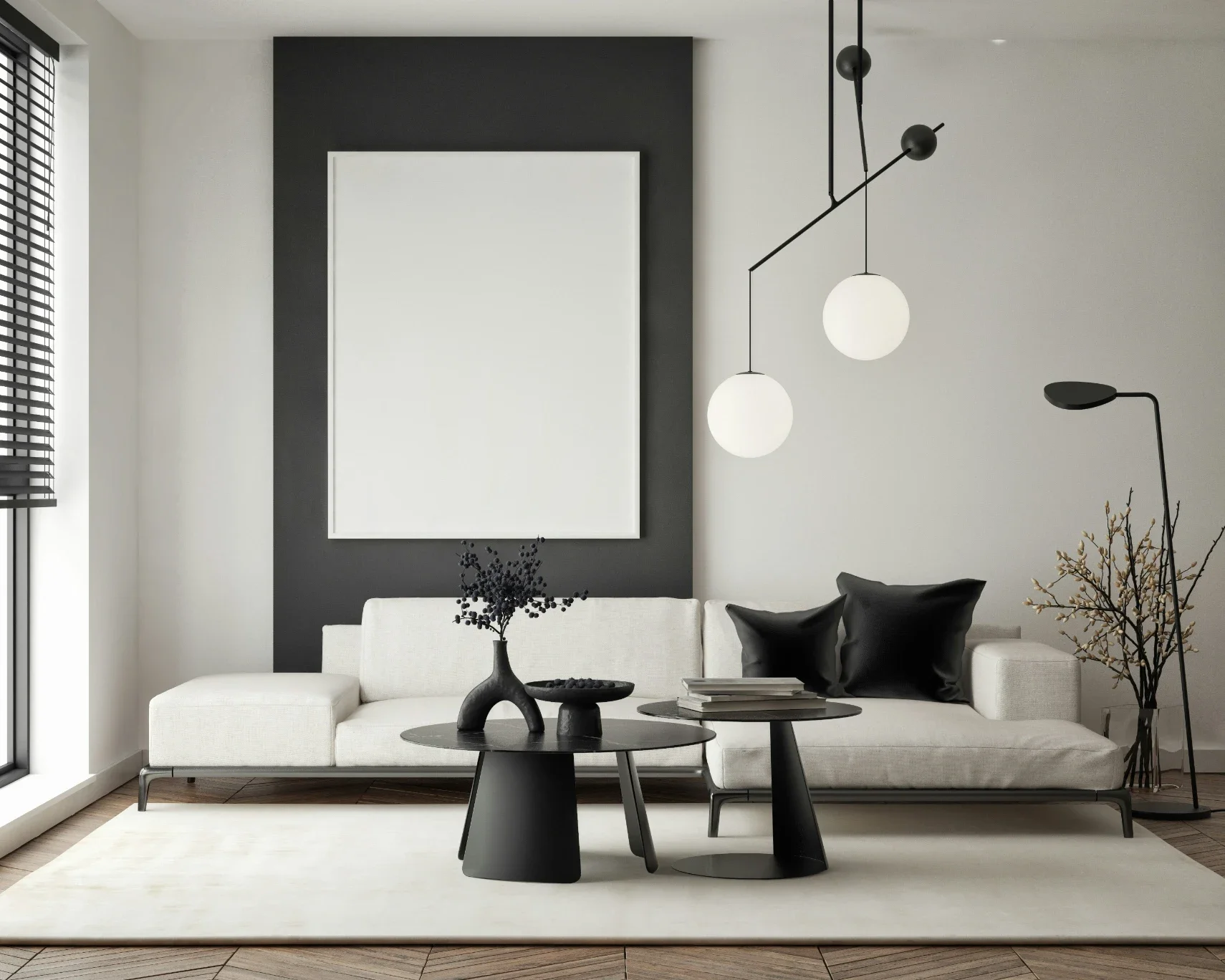
Proper placement eliminates harsh glare on computer screens during remote work hours. The same study indicated that 72% of tenants prefer minimalism, favoring clean lines, warm neutrals, and intentional design choices to make homes feel stylish and serene.
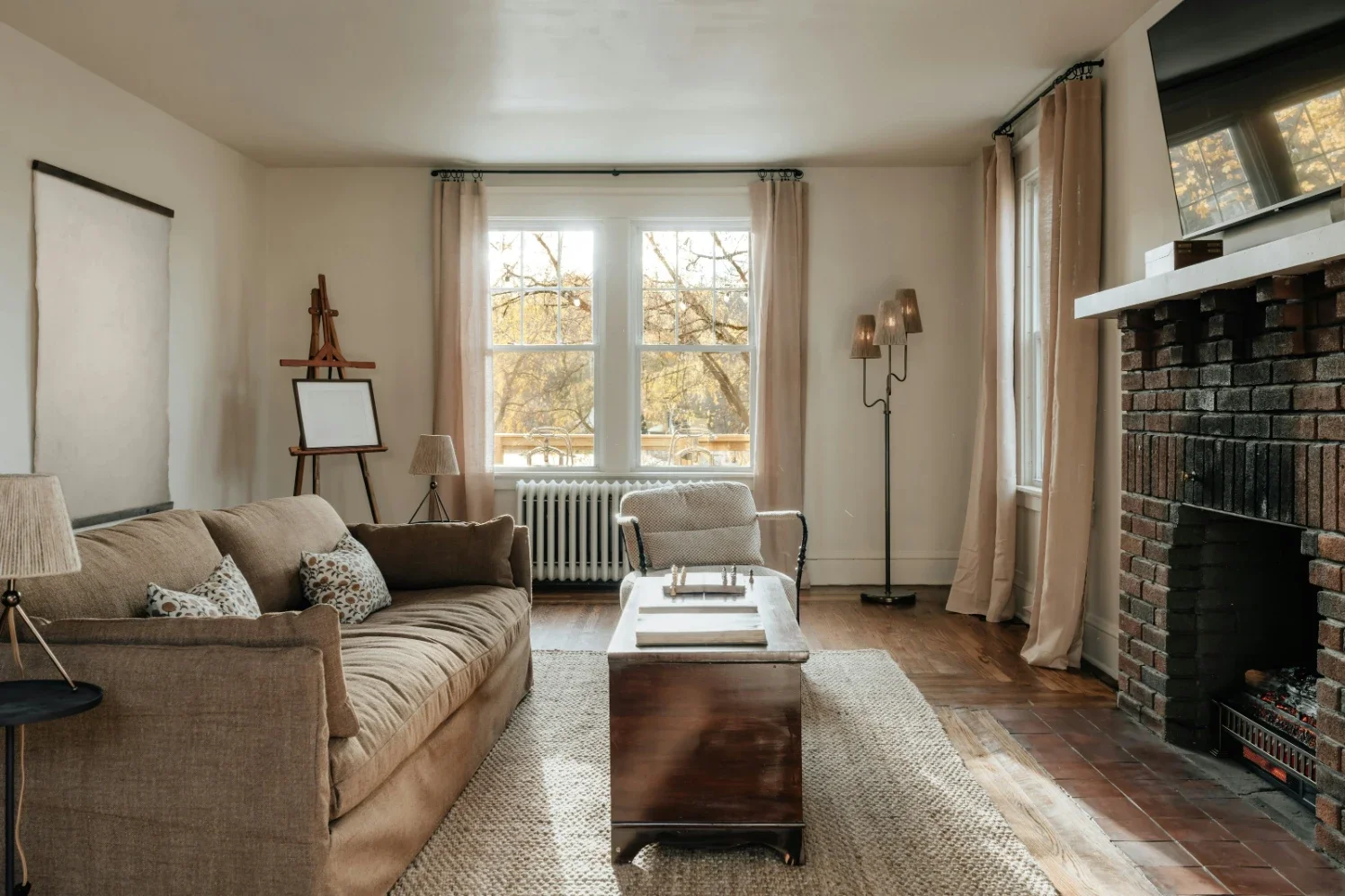
Incorporate floor lamps in dark corners to add depth. Table lamps placed on sideboards create a cozy environment for evening relaxation. Cordless LED lamps provide portability across different rooms.
Incorporating Geometric Structures In Maximalist Decor
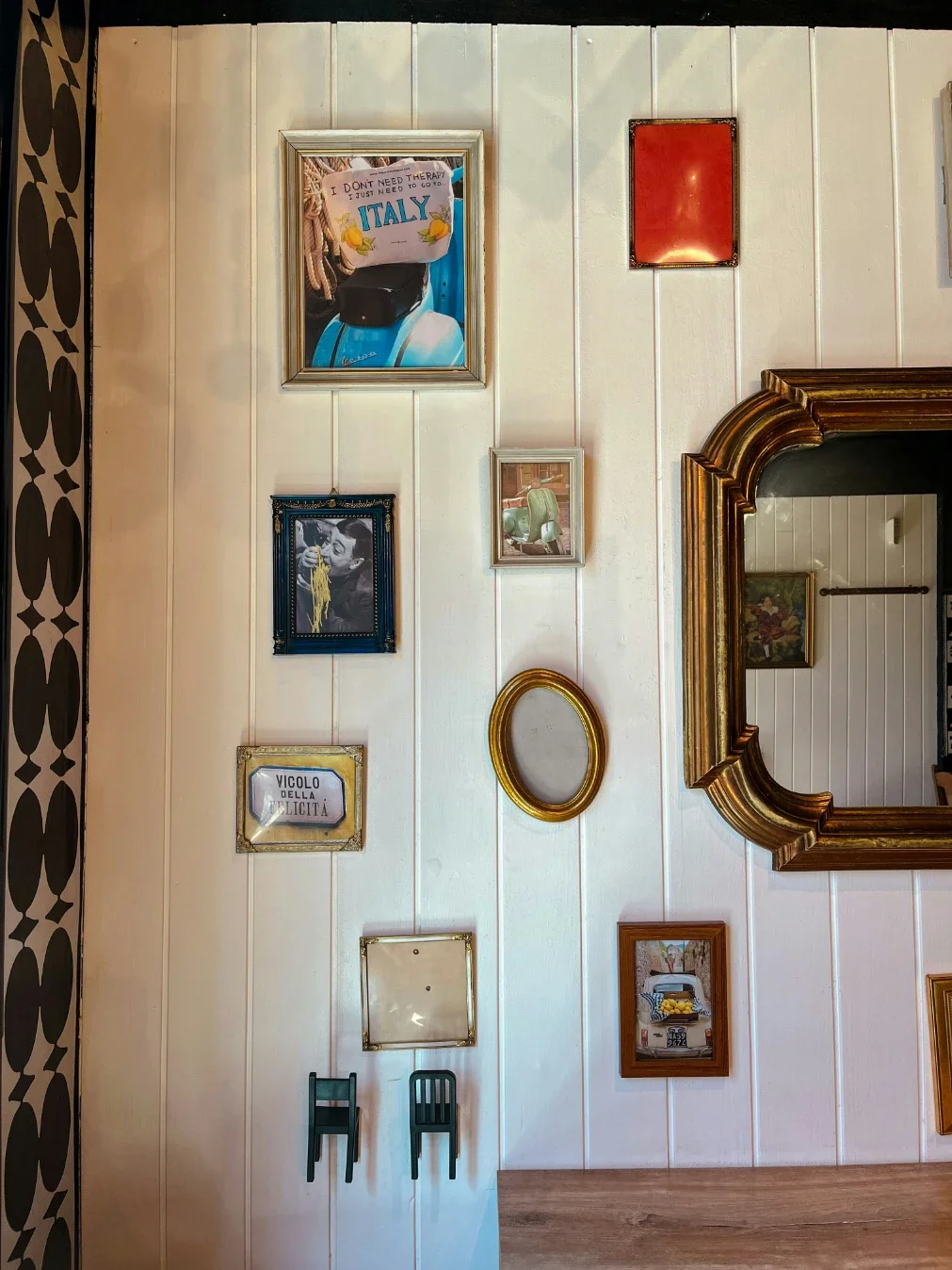
Some roommates prefer bold statements over quiet minimalism. Express a loud personality with smart choices to avoid pure clutter. Geometric design anchors maximalist aesthetics by offering structure amid visual abundance. Linear patterns keep eclectic collections looking organized rather than chaotic.
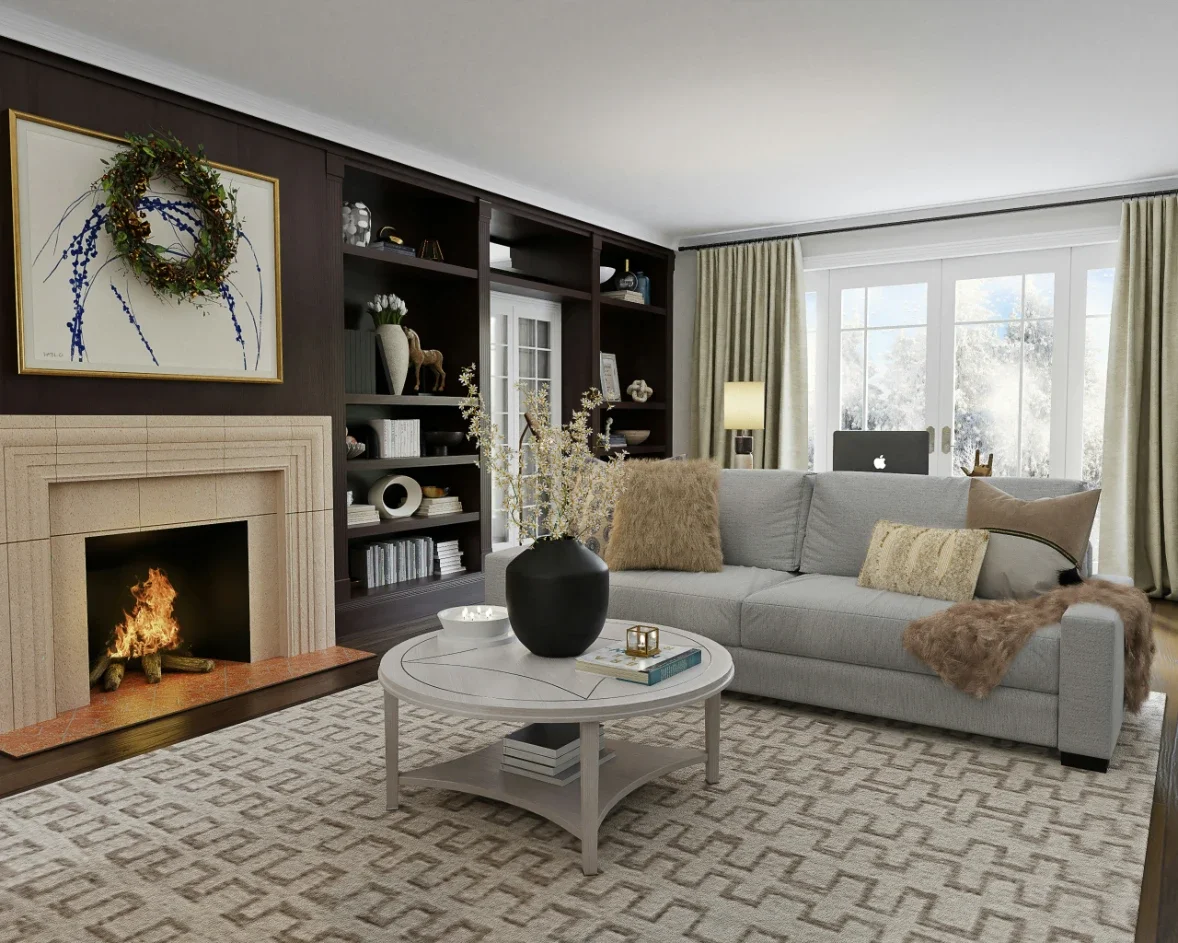
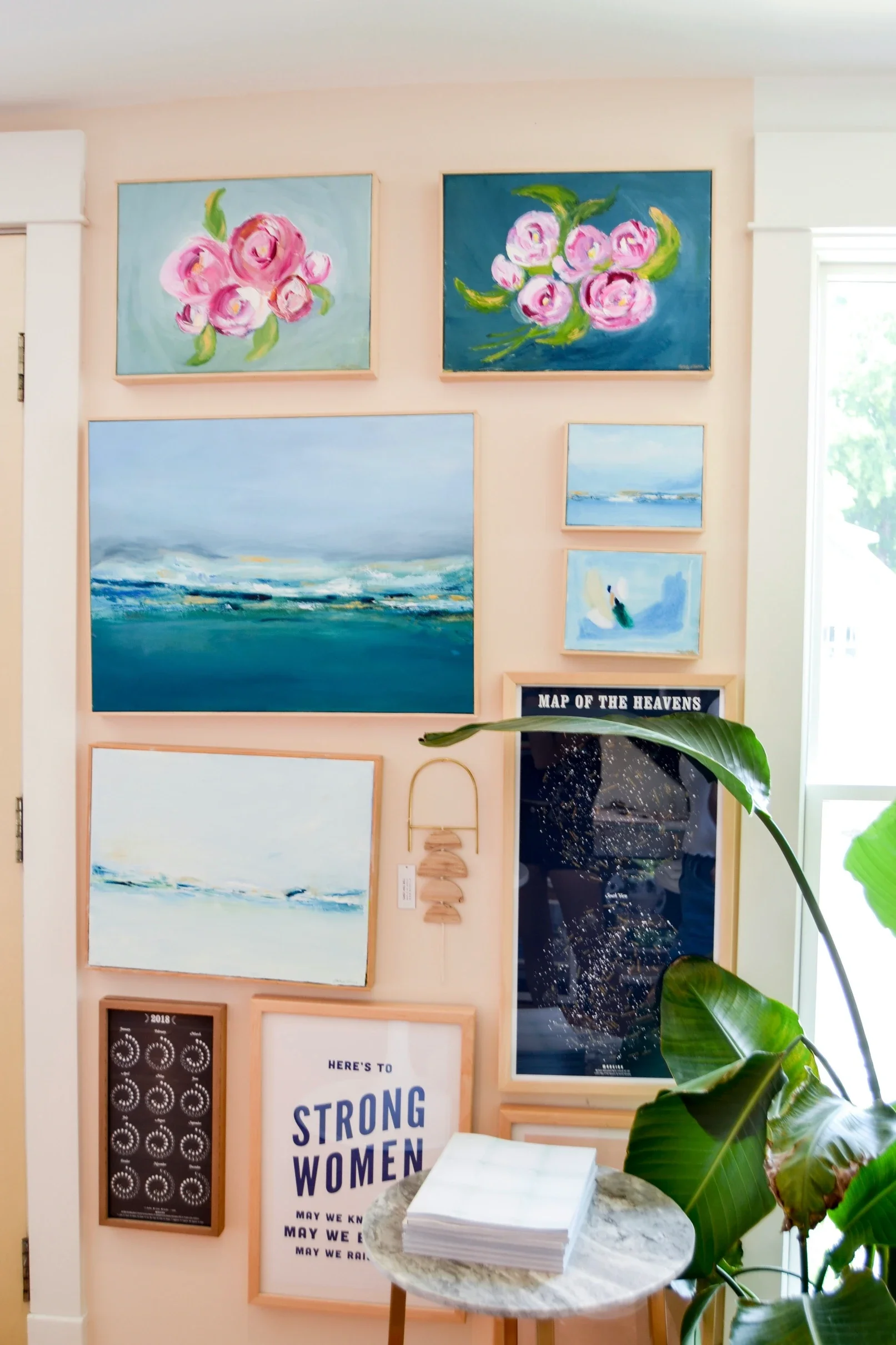
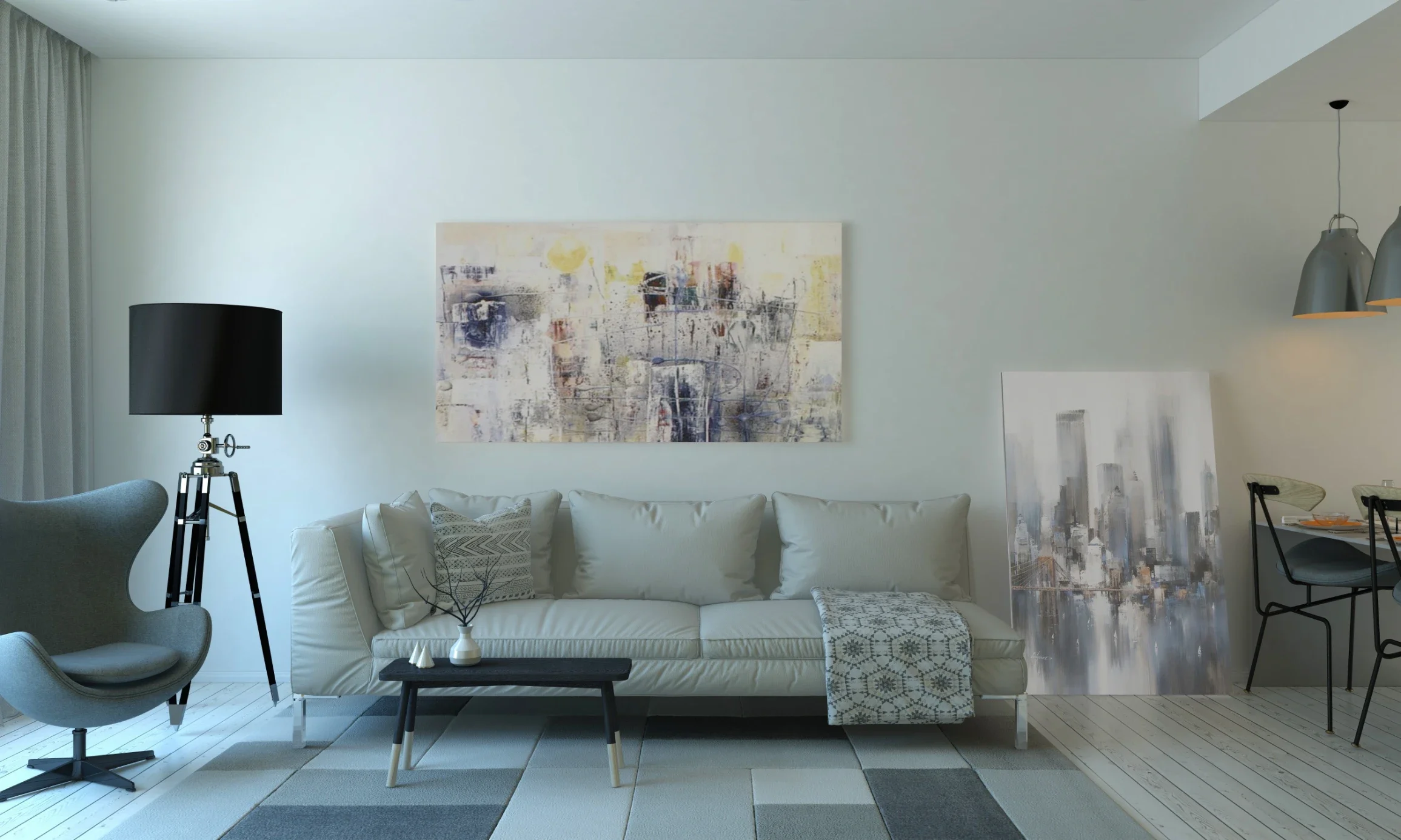
Graphic rugs introduce bold style with no need to change the floor underneath. Removable art prints featuring sharp lines bring order to eclectic gallery walls. Bold items can travel with you to your next home. Geometric curtains complement abstract artwork.
Utilizing Removable Wall Materials
Blank rental walls look stark and uninviting. Traditional wallpaper ruins drywall during removal, causing heavy fines from landlords. Peel-and-stick alternatives provide excellent coverage with no permanent consequences. Consider several options for transforming vertical surfaces safely:
Removable vinyl wallpaper adds color to accent walls
Peel-and-stick backsplash sheets refresh kitchen spaces
Washi tape creates custom geometric borders
Adhesive hooks hold frames securely without drilling holes
Applying these materials requires patience and a flat squeegee. Smooth out air bubbles slowly to achieve a professional finish. Peel the vinyl away gently when the moving day arrives.
Selecting Versatile Modular Furniture
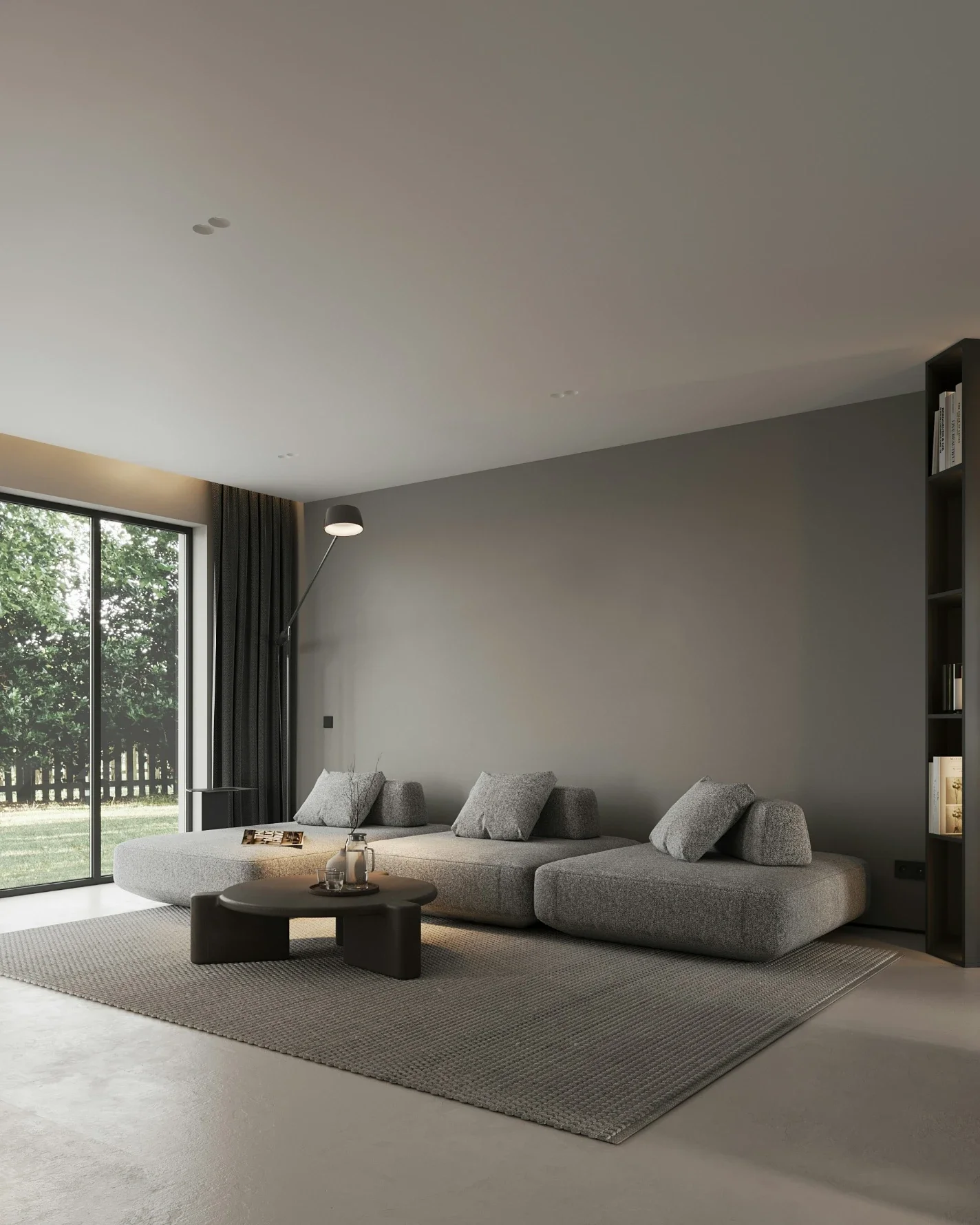
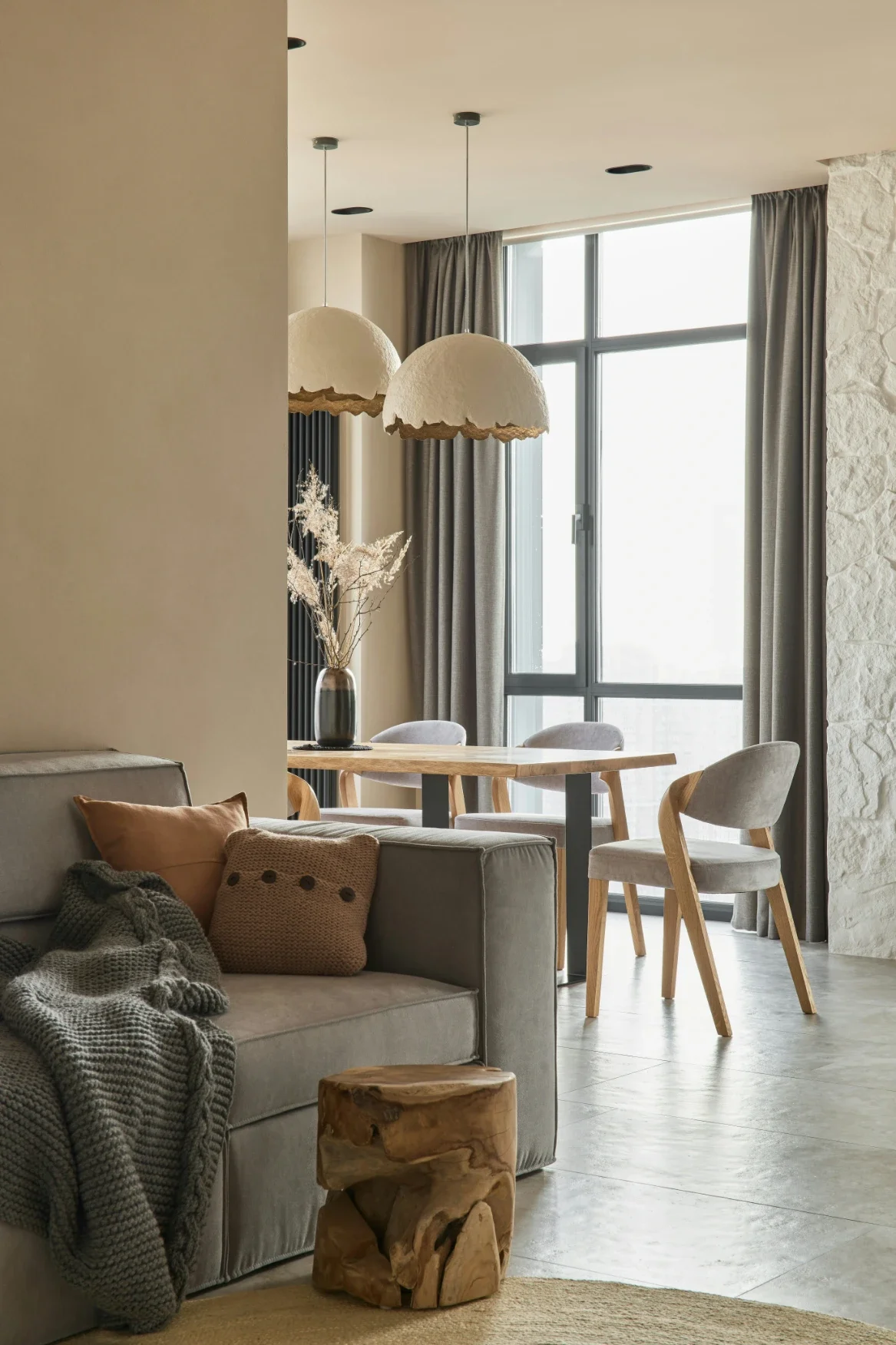
Investing in heavy furniture makes relocating difficult and exhausting. Modular pieces offer flexibility as living arrangements change. Sectional sofas can be split into independent seating options when roommates gather. Storage ottomans hide clutter and provide extra seating.
Lightweight nesting tables expand during parties and tuck away during quiet days. Clothes racks on wheels provide extra closet space. Choosing items with dual purposes saves valuable floor space. Compact designs keep shared apartments feeling open and organized.
Softening Spaces With Removable Textiles
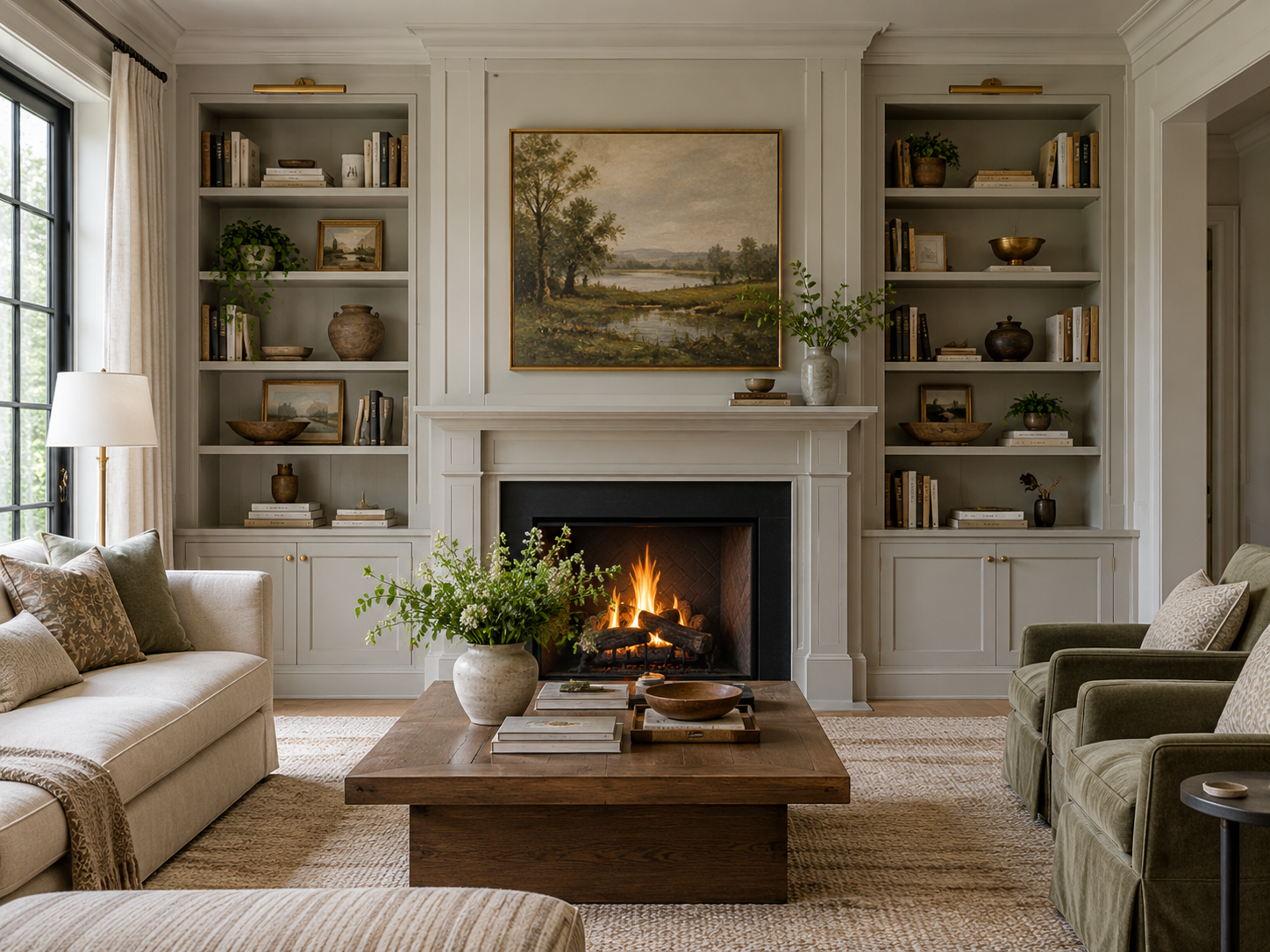
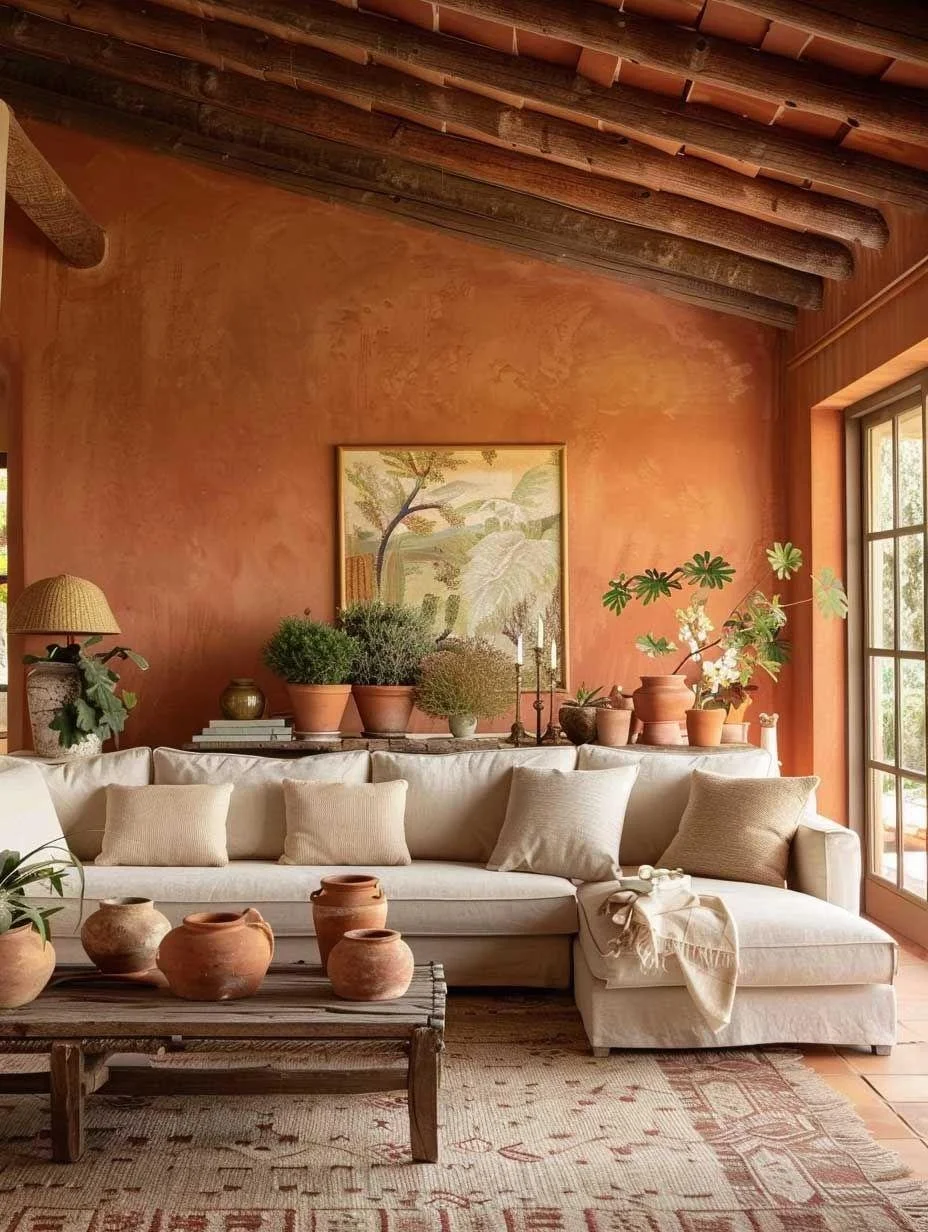
Hard surfaces in rentals amplify echo and noise. Adding soft textiles absorbs sound waves and creates a warmer environment. Large area rugs conceal ugly rental carpeting or scratched hardwood floors. Draping throws over worn chairs instantly updates older furniture.
Curtains hung from tension rods add height to low ceilings. Fabric wall hangings soften bedroom spaces. Choose washable fabrics to simplify cleaning routines in shared households. Fresh linens bring instant comfort to any temporary living situation.

Transforming a shared apartment requires no permanent changes or massive budgets. Smart choices in lighting, layout, and temporary accents create a personalized home.
Cooperating with roommates builds a harmonious environment for everyone. A comfortable home makes rental living rewarding. Personalizing temporary surroundings improves daily well-being throughout the lease.
Stay up to date with our latest ideas!