Top Interior Design Mistakes Homeowners Make
Discover common interior design mistakes homeowners make and learn how to avoid them to create balanced, functional, and stylish living spaces.
Your home doesn't need a full makeover to feel expensive, intentional, and lived in. Most of the time, what holds a space back isn’t budget. It’s a handful of small design missteps quietly working against you. The tricky part is that these mistakes are easy to miss because they often feel normal. You’ve seen them everywhere, maybe even lived with them for years. Let’s explore how you can fix that.
Ignoring the Power of Scale
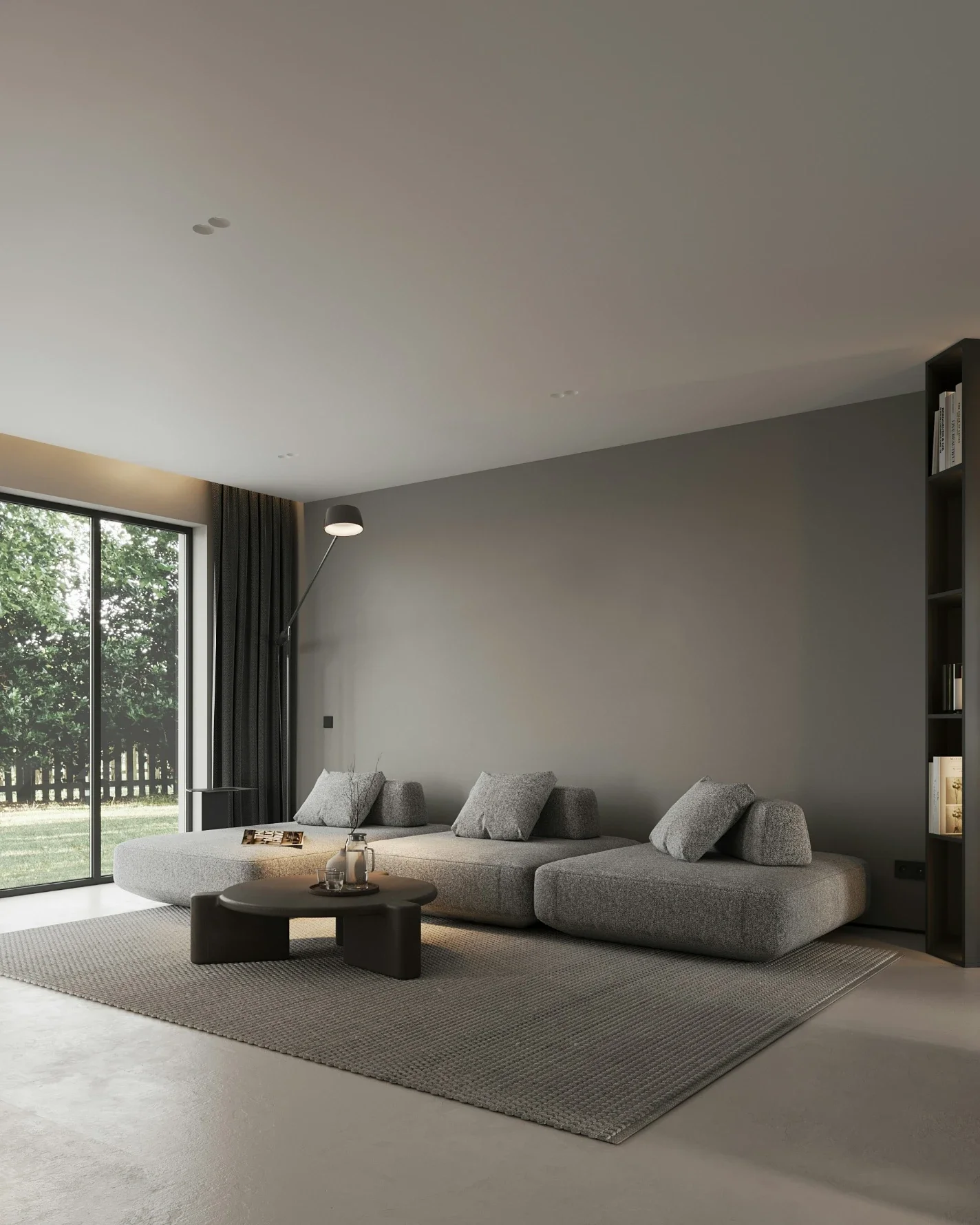
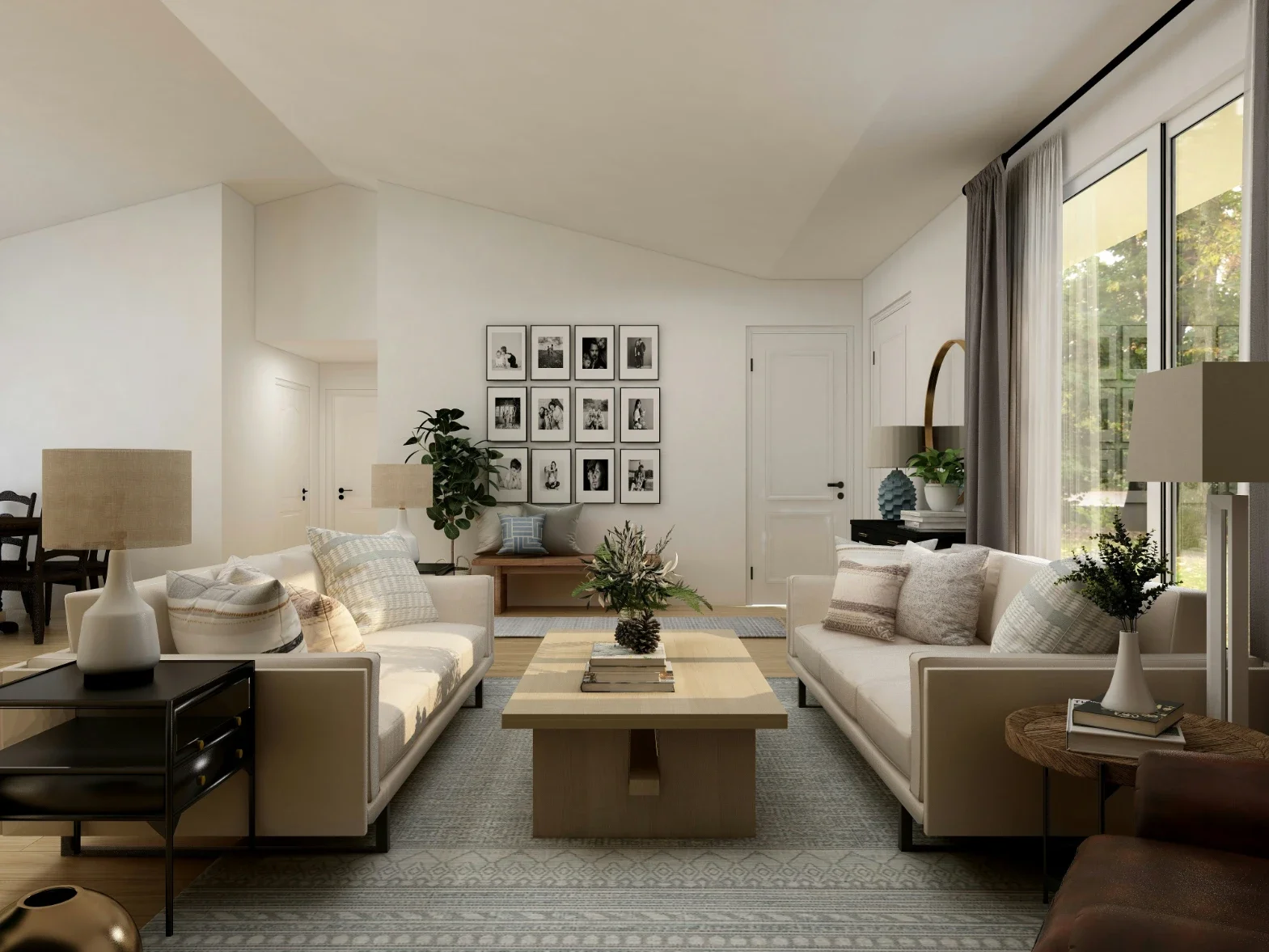
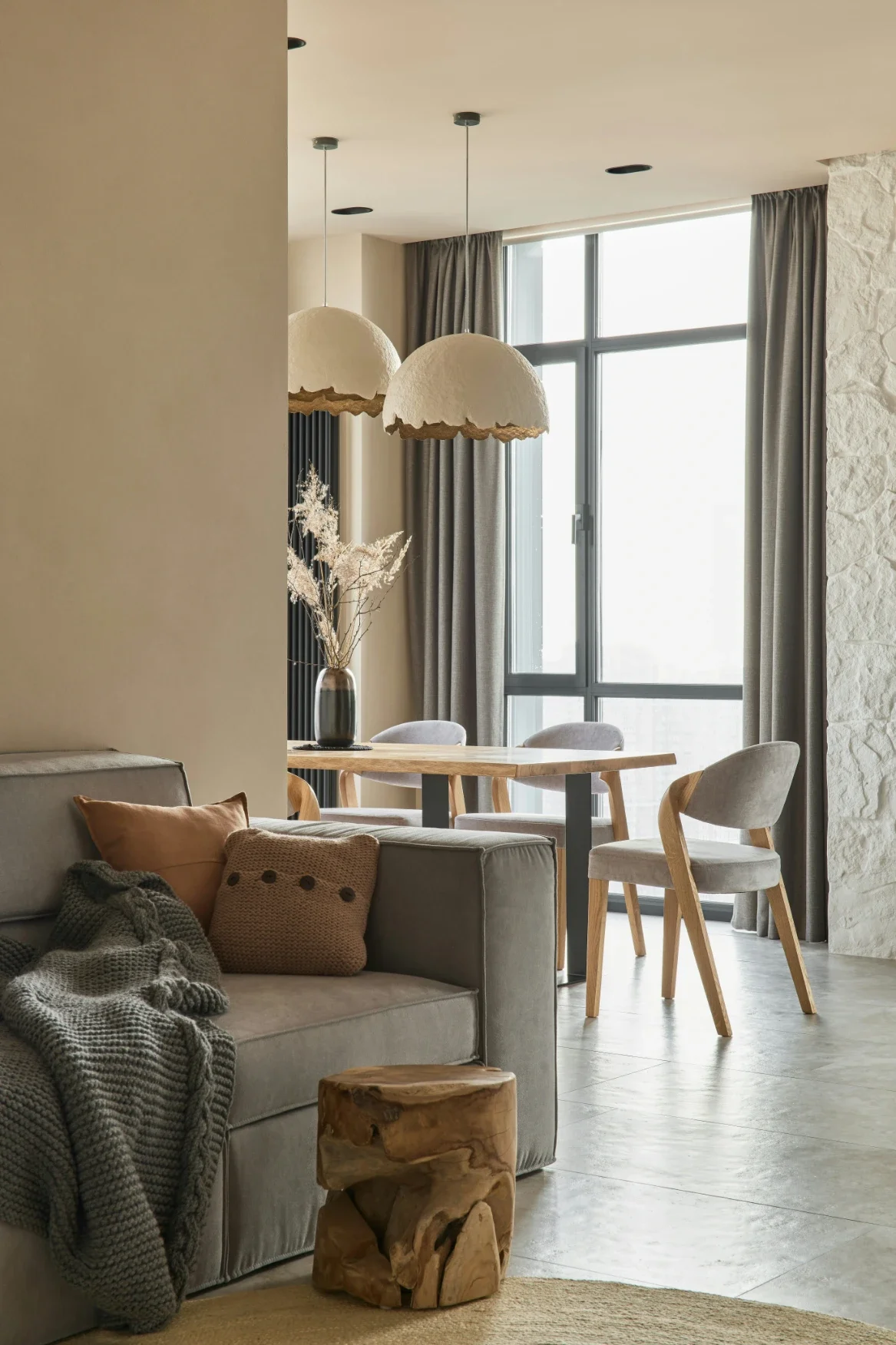
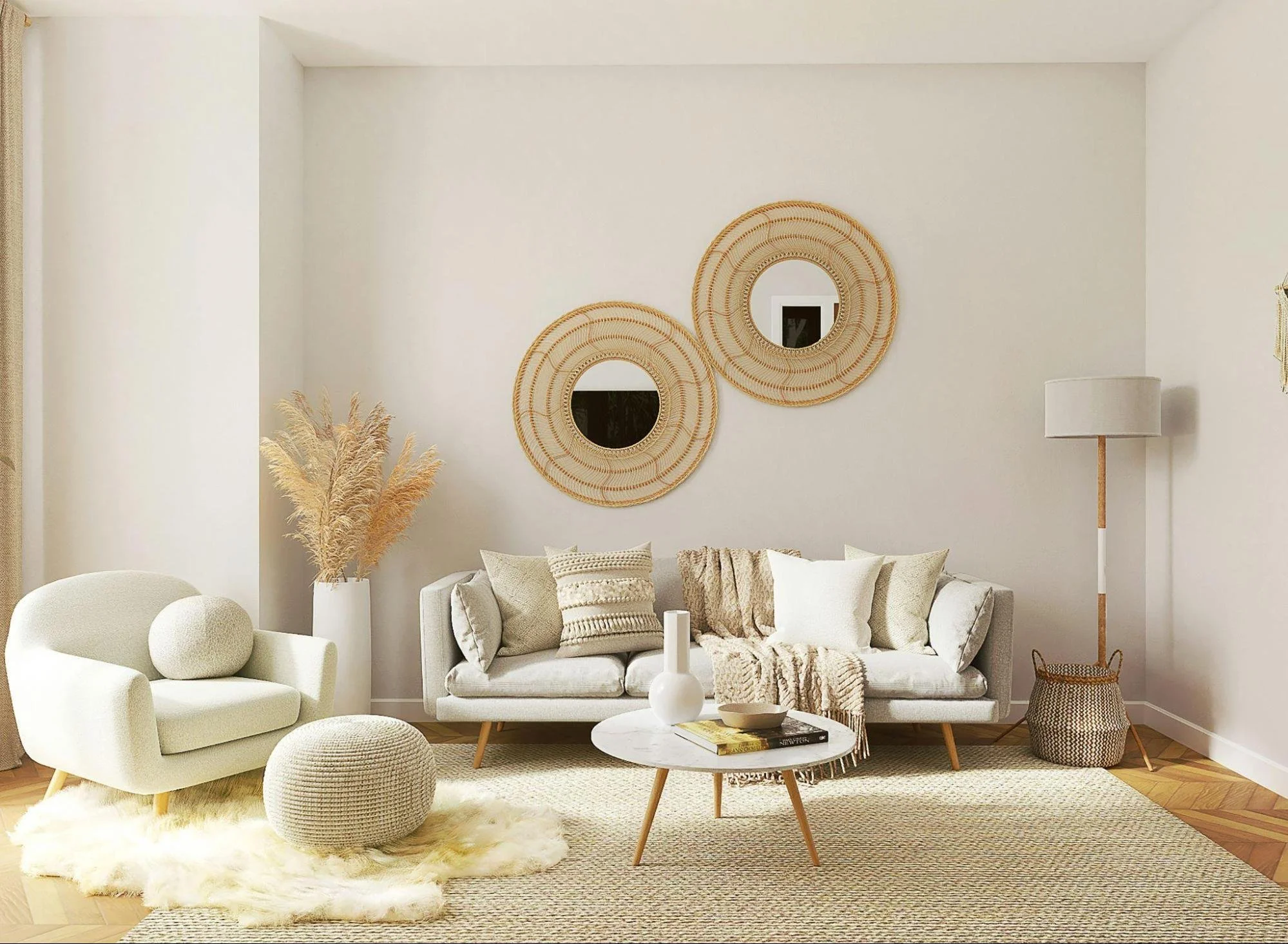
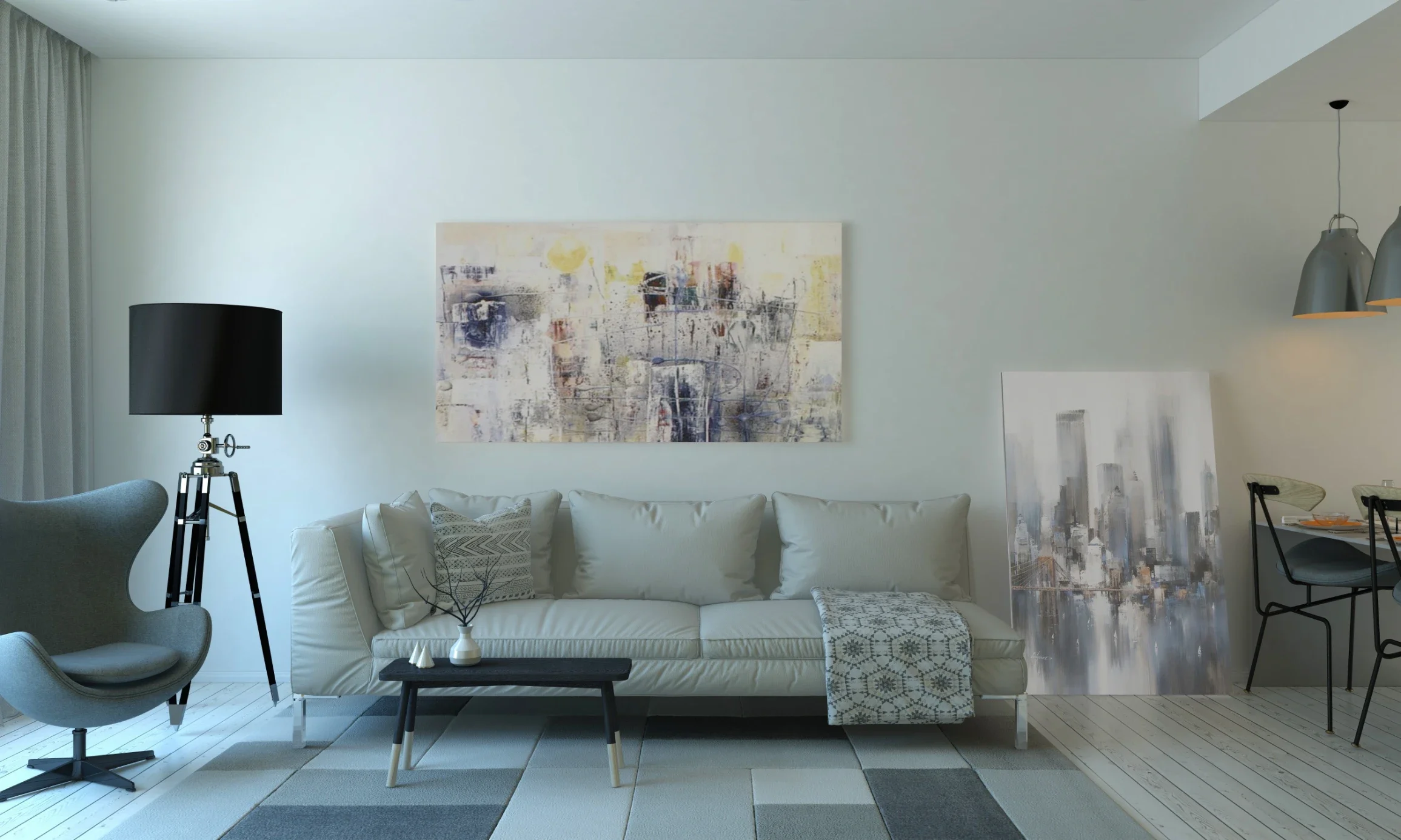
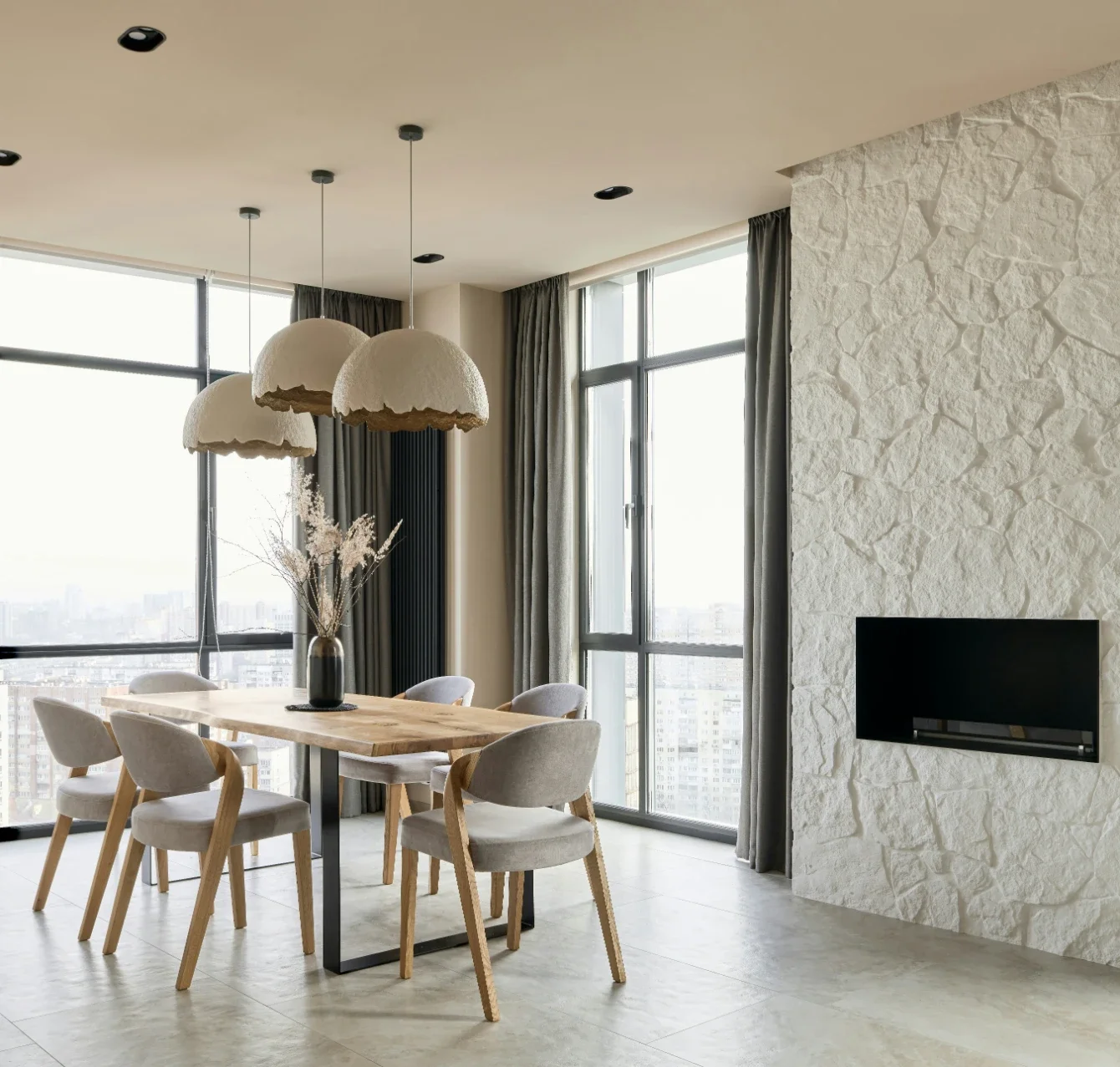
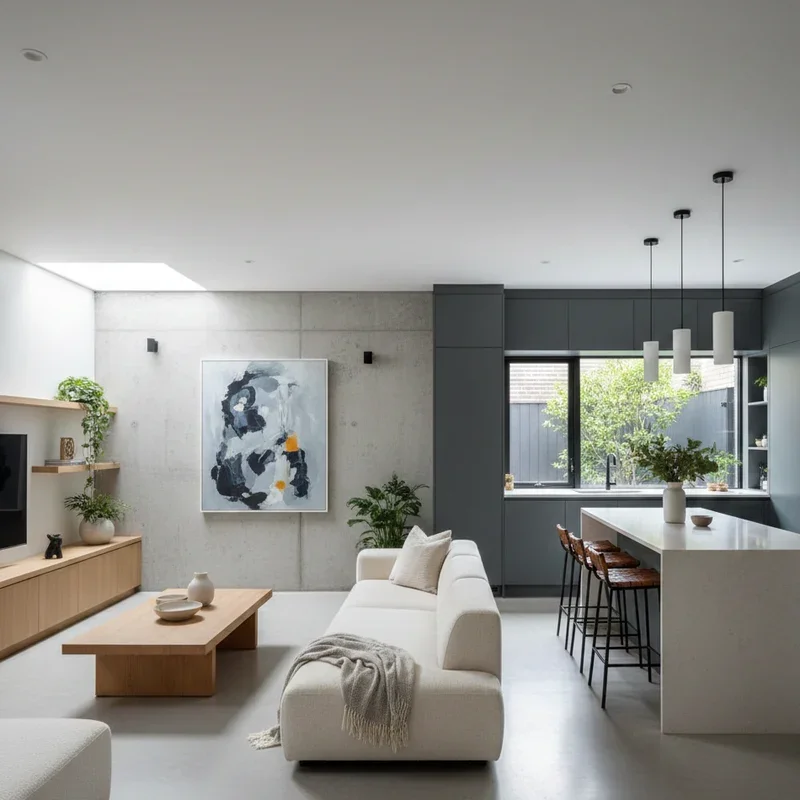
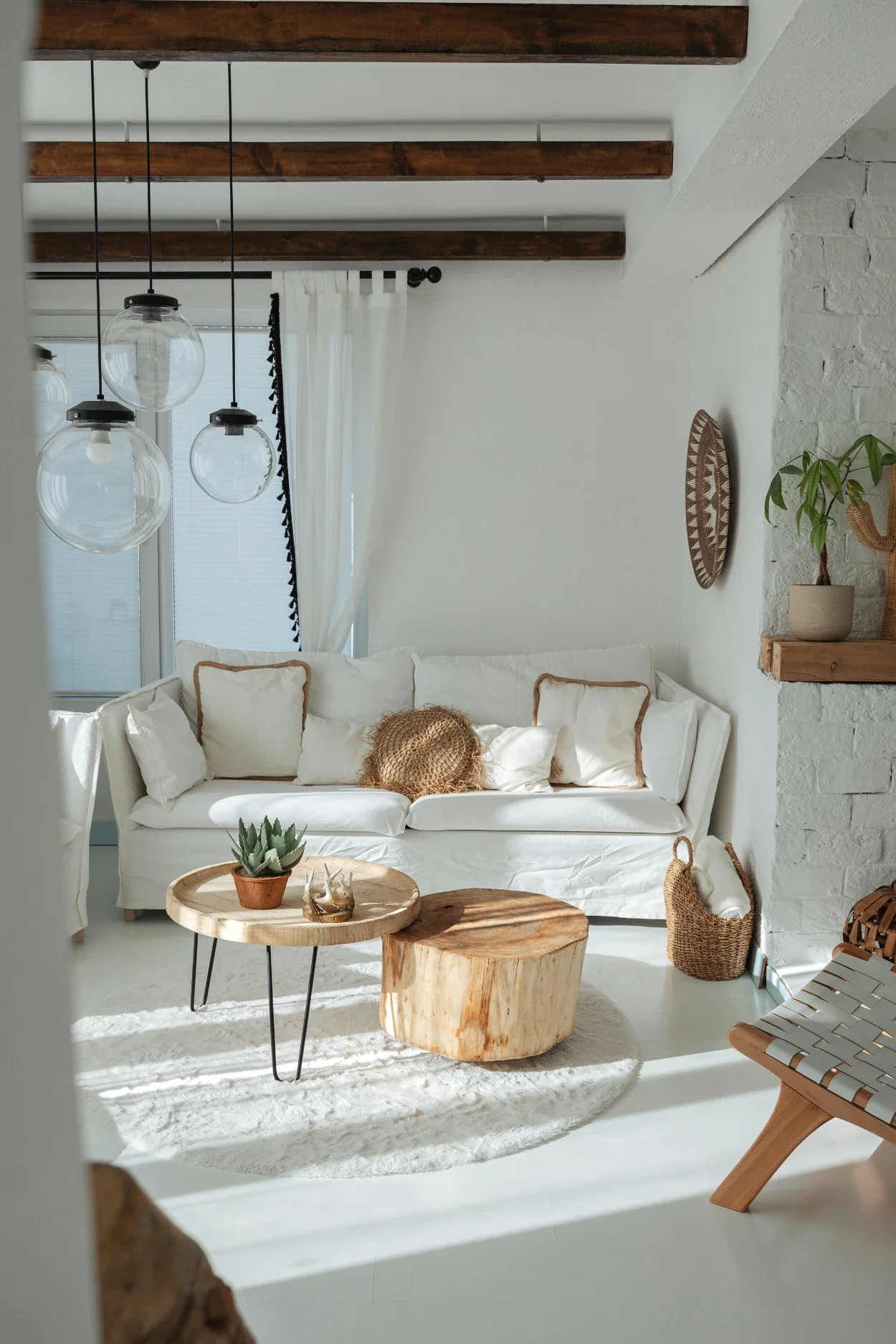
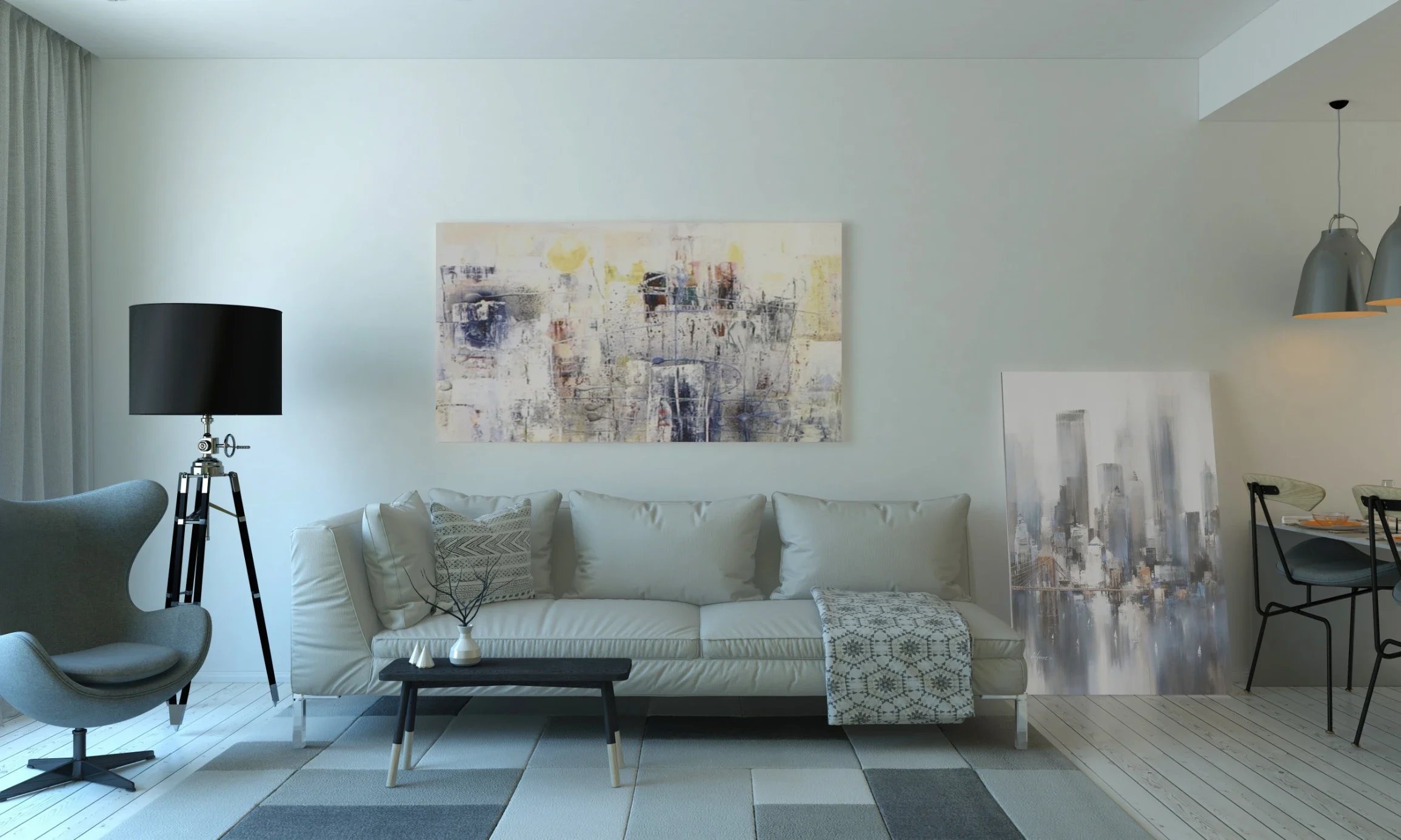
Sometimes, you walk into a room and find a tiny rug floating in a large living room, or oversized furniture squeezed into a tight space. It happens more often than you’d think. Scale is one of those silent design rules. When it’s off, the entire room feels slightly uncomfortable, even if you can't explain why. A good solution is to allow your rug to anchor your seating, as opposed to just sitting under a coffee table. Sofas should have room to breathe, not press against walls unless necessary. Artwork should relate to the furniture beneath it, as opposed to looking like an afterthought.
Playing It Too Safe With Color
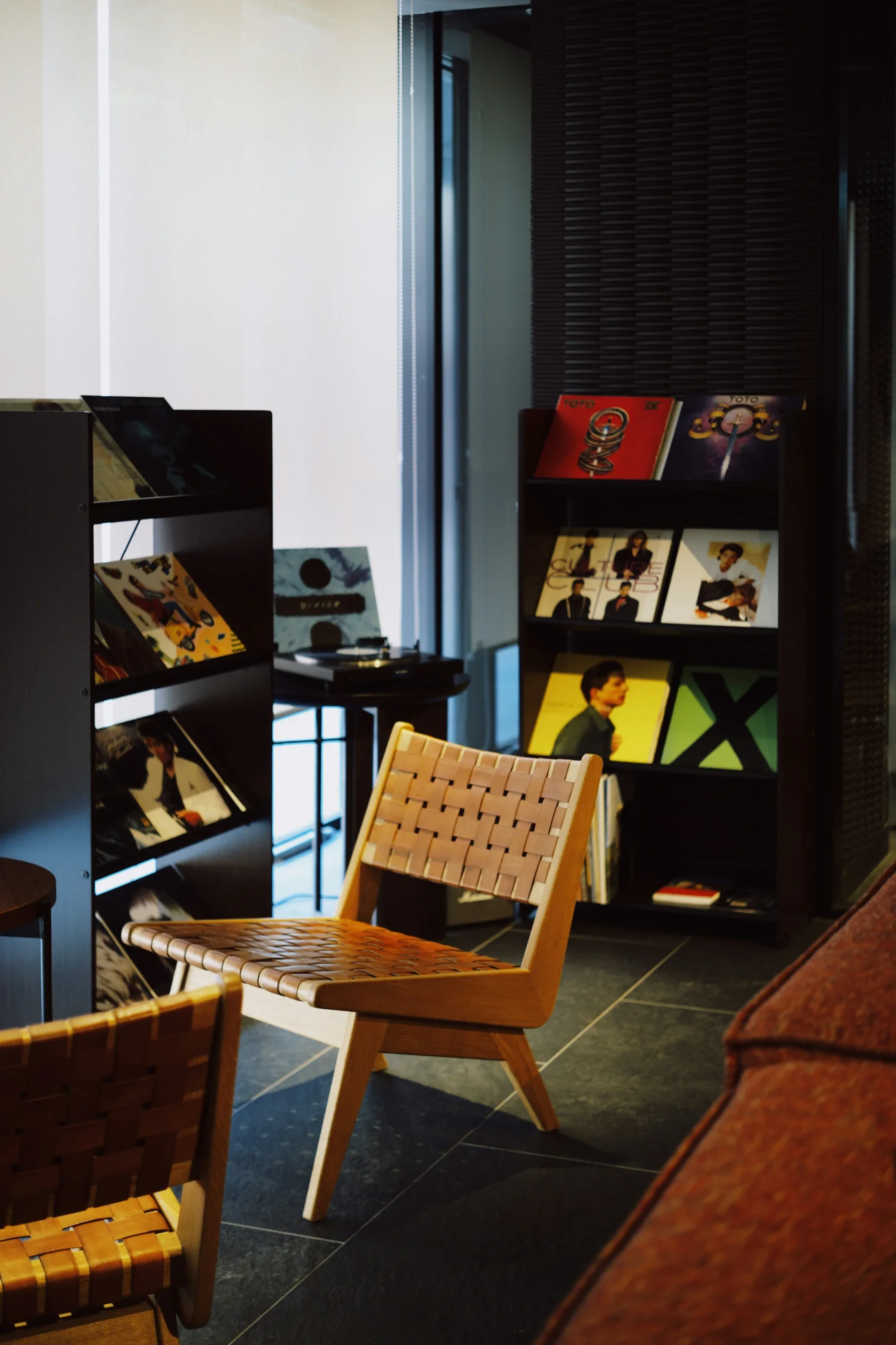
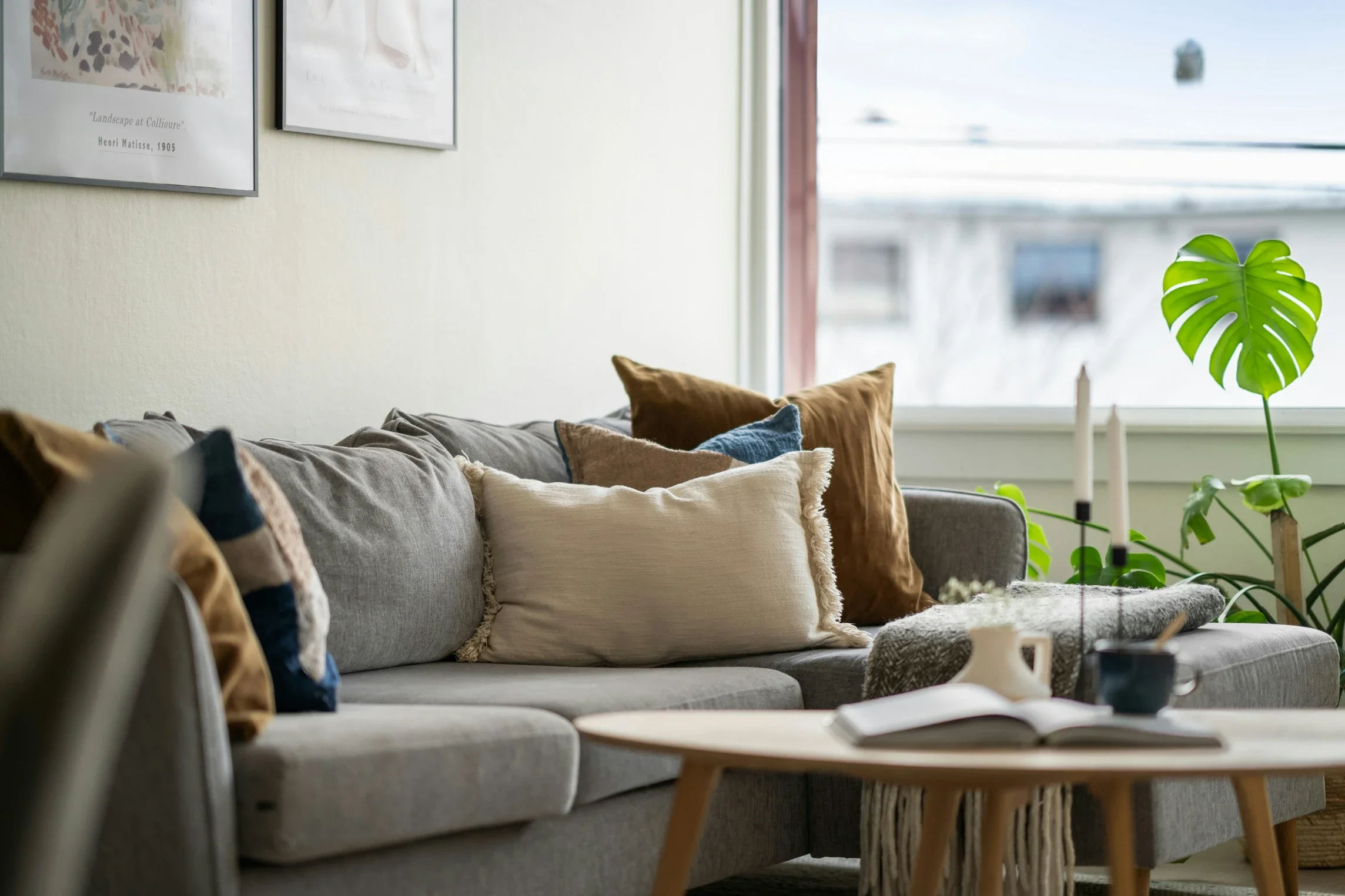
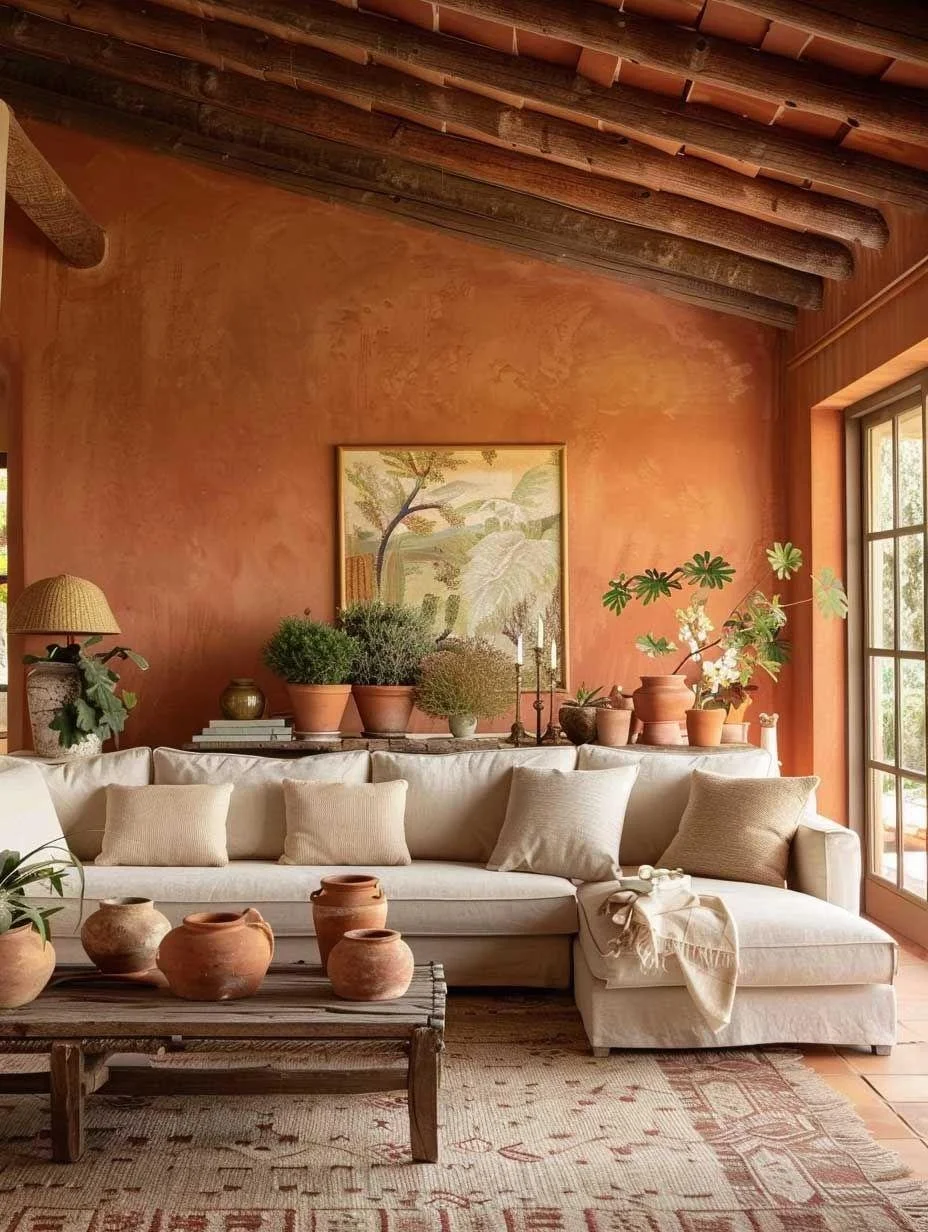
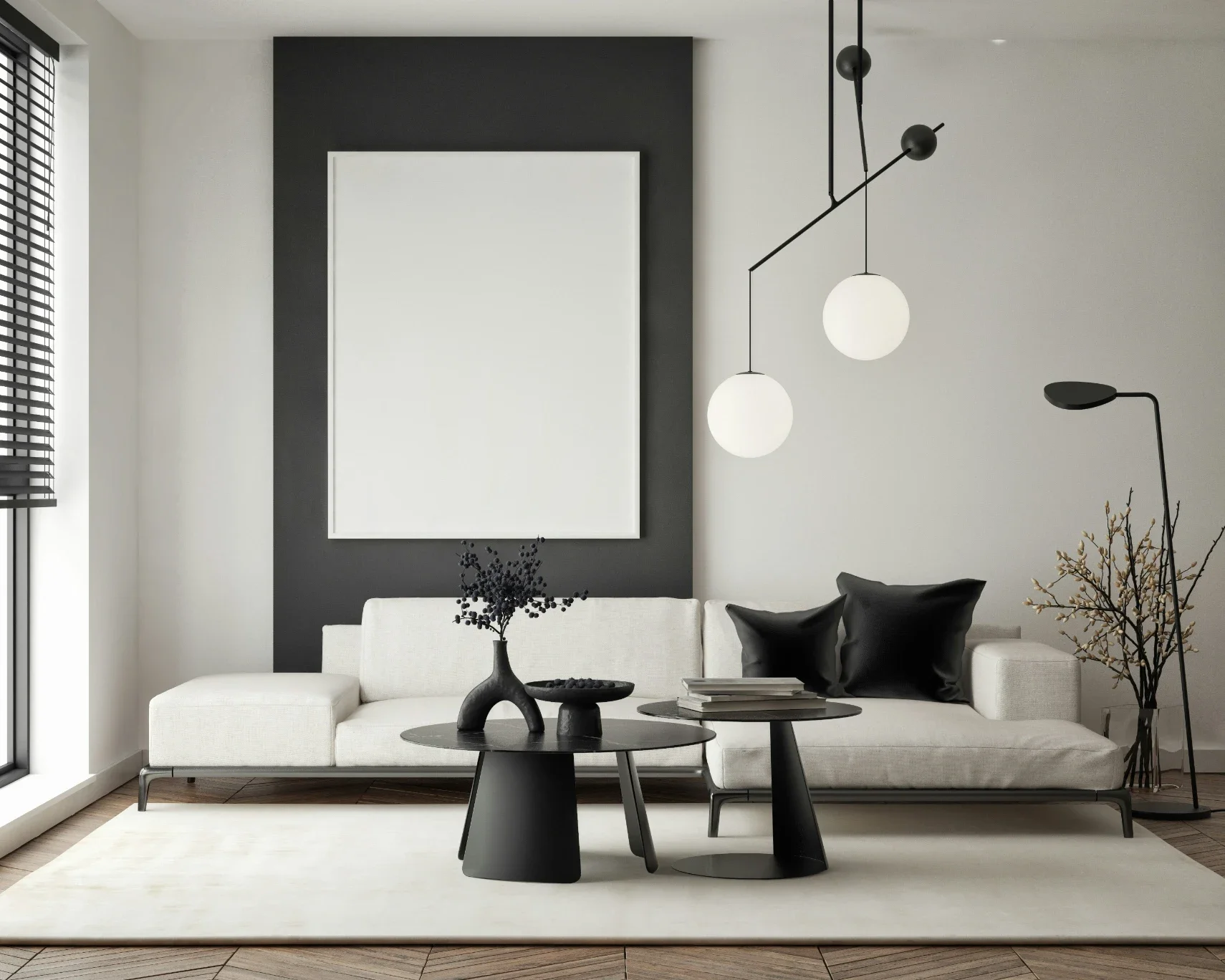
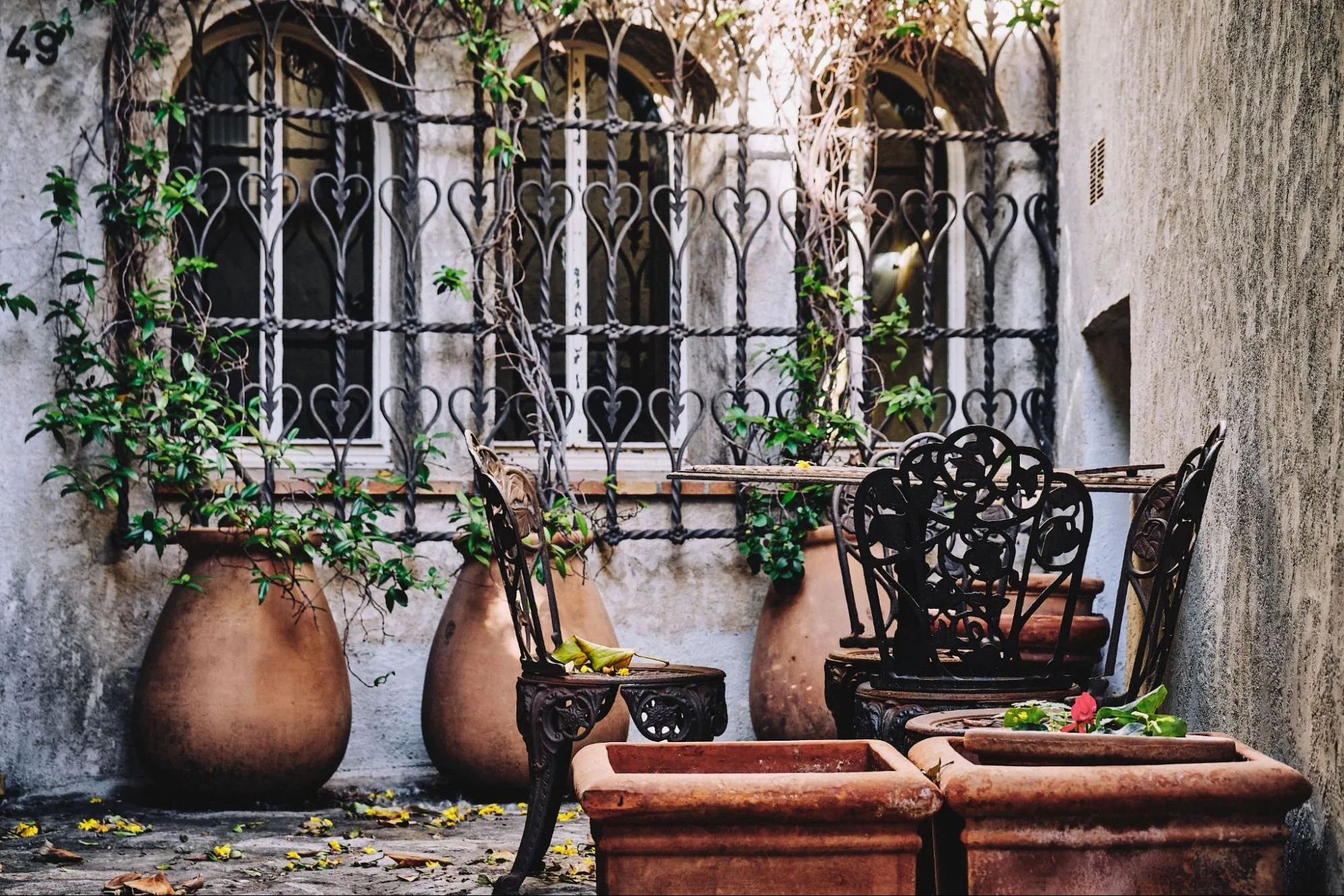
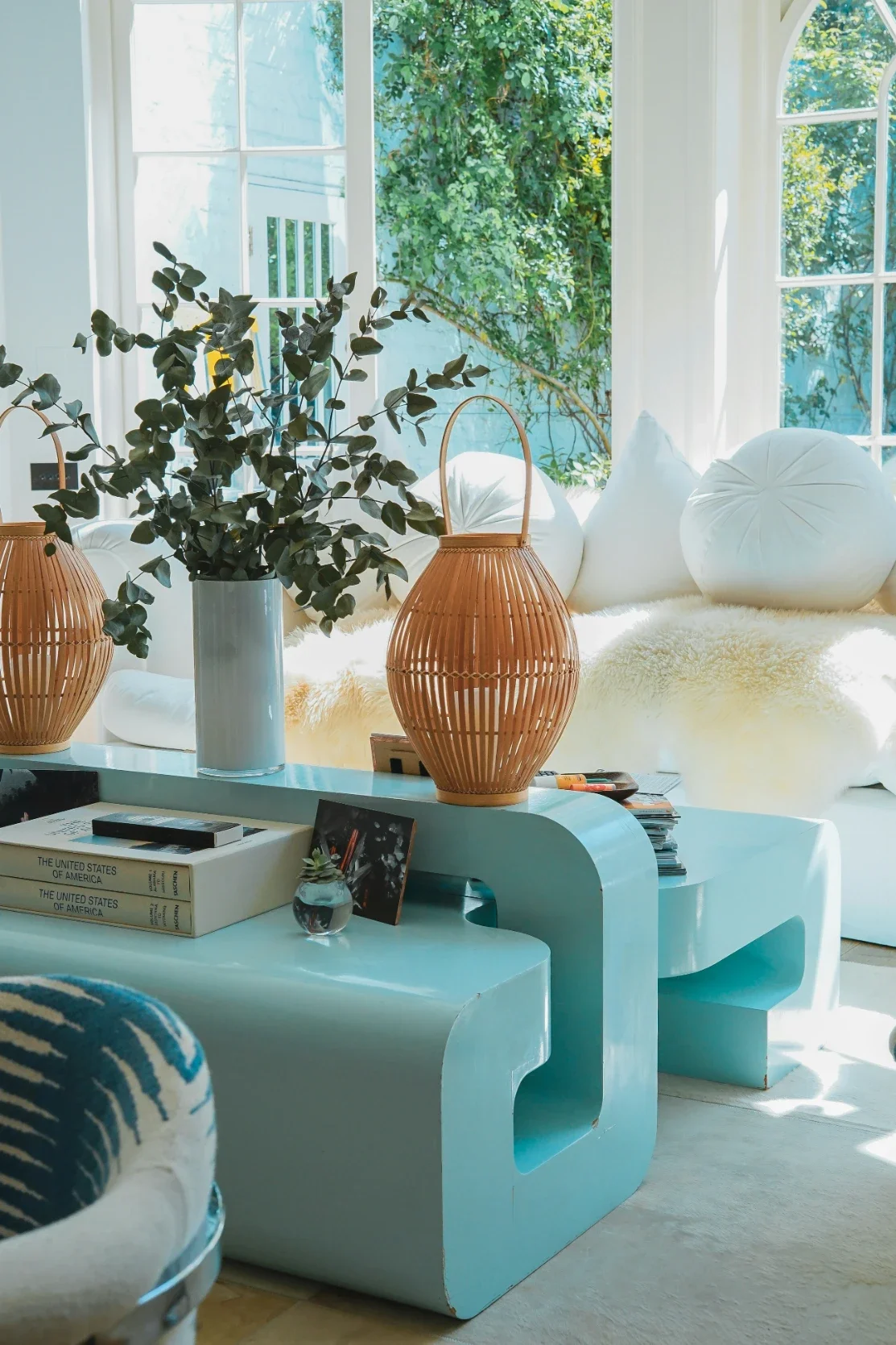
Neutral tones are beautiful, but when everything is beige, gray, or white, your space can start to feel like a showroom that no one lives in. The fix is to layer colour intentionally. A deep green chair, warm terracotta cushions, and even black accents can ground a space instantly. Think of color like seasoning; you don't need much, but you do need some. Contrast also matters; a room with subtle contrast often feels more dynamic than one filled with bold but mismatched hues.
Poor Lighting
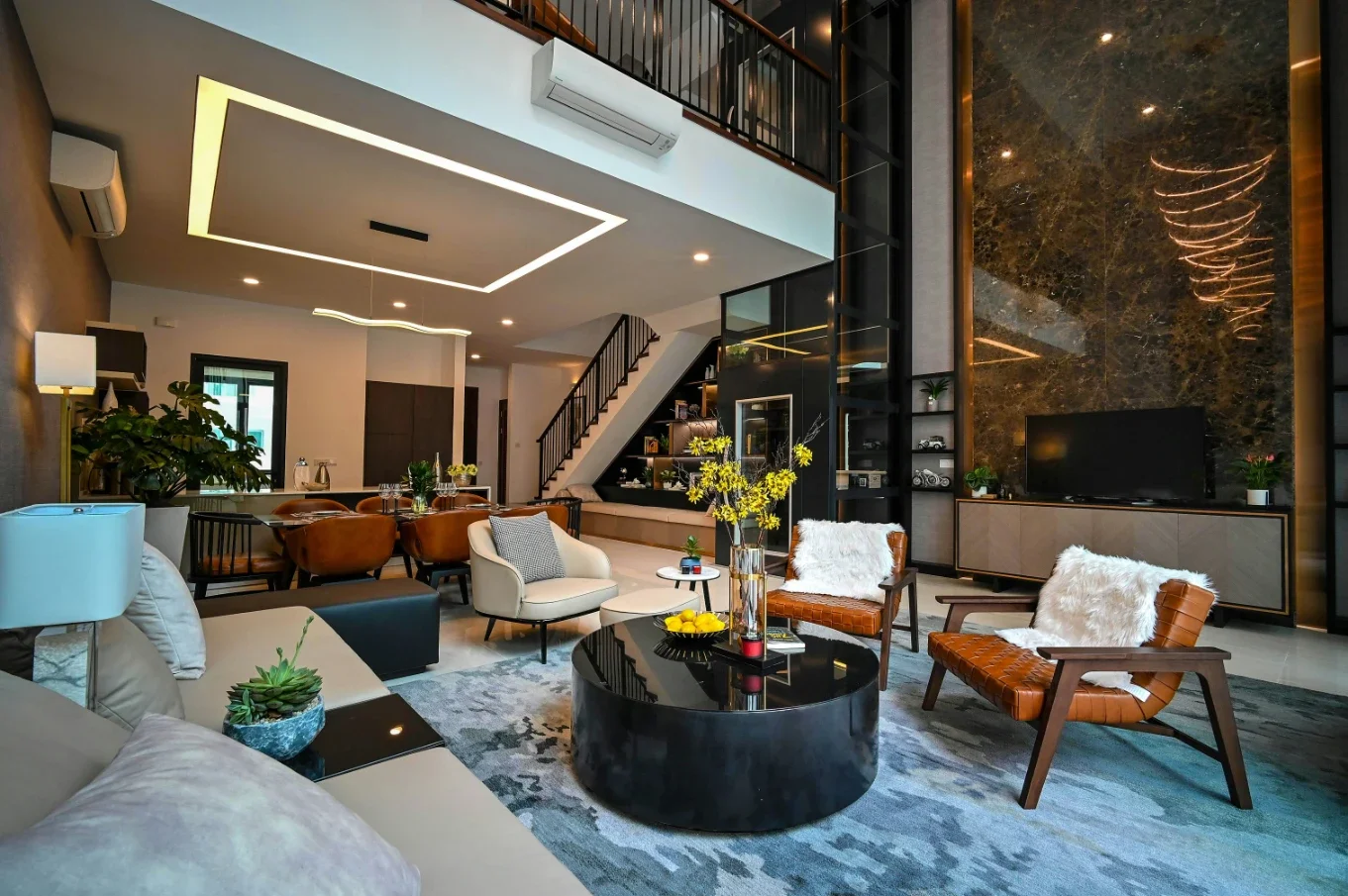
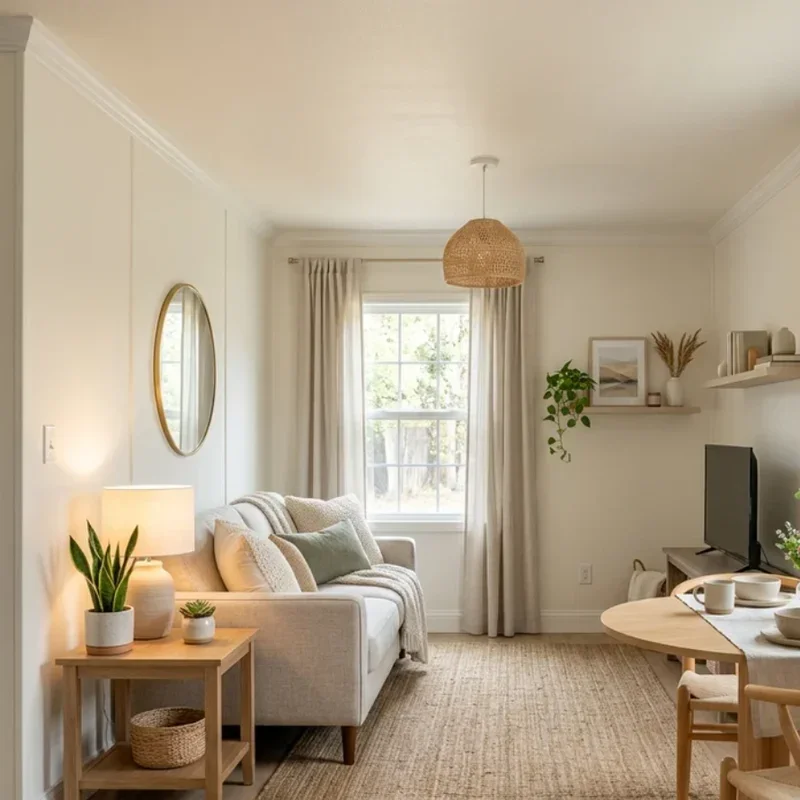
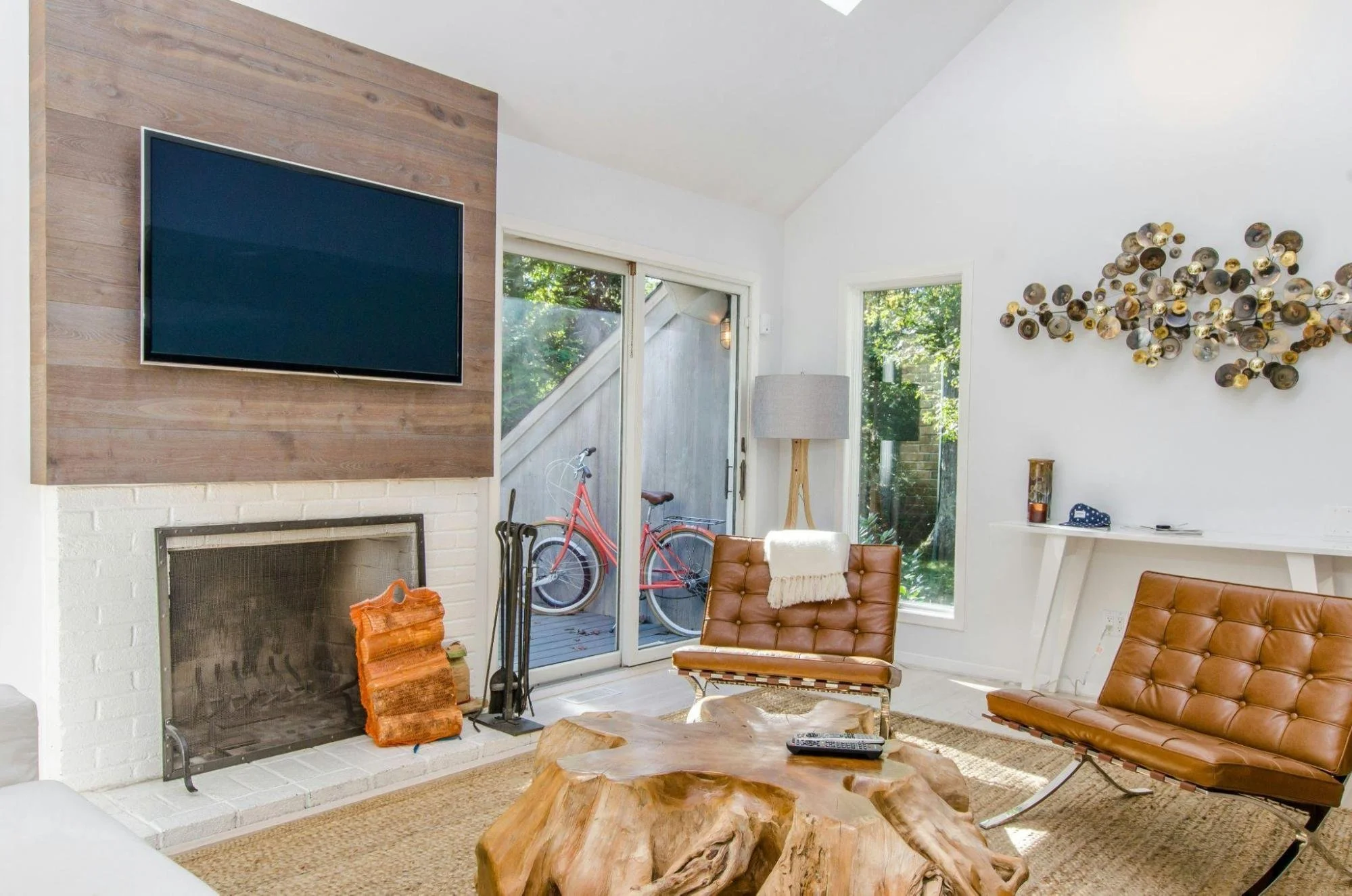
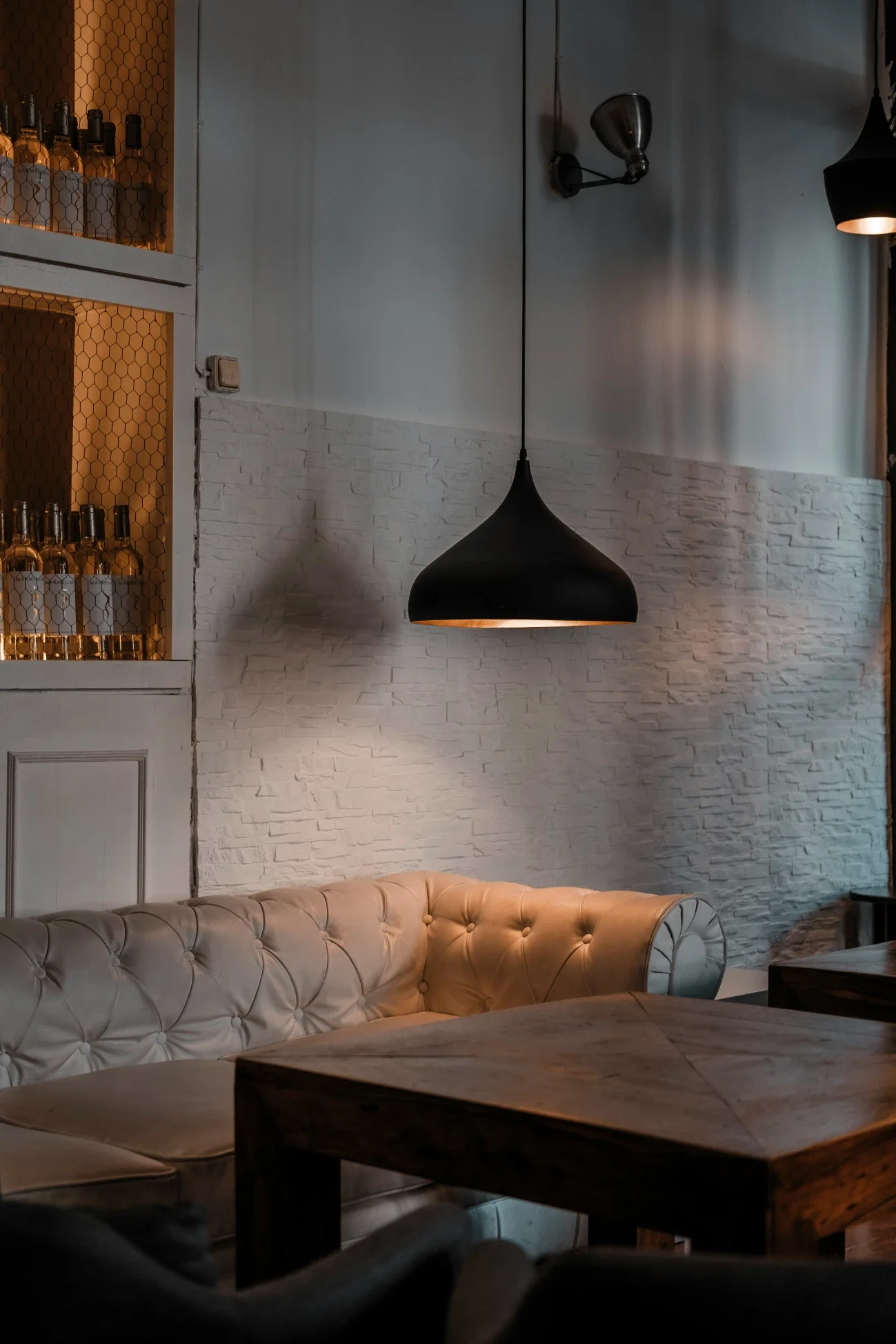
One overhead light is probably the most common design mistake and also the easiest to fix. Lighting should come in layers. Ambient (general lighting), task (for reading or cooking), and accent (to highlight features). When you rely on just one source, your room feels harsh and one-dimensional. Add a floor lamp in that dark corner, a table lamp near your sofa, and maybe even warm LED strips under shelves. Suddenly, the same room feels softer, more intentional, and more you.
Failing to Make an Impression
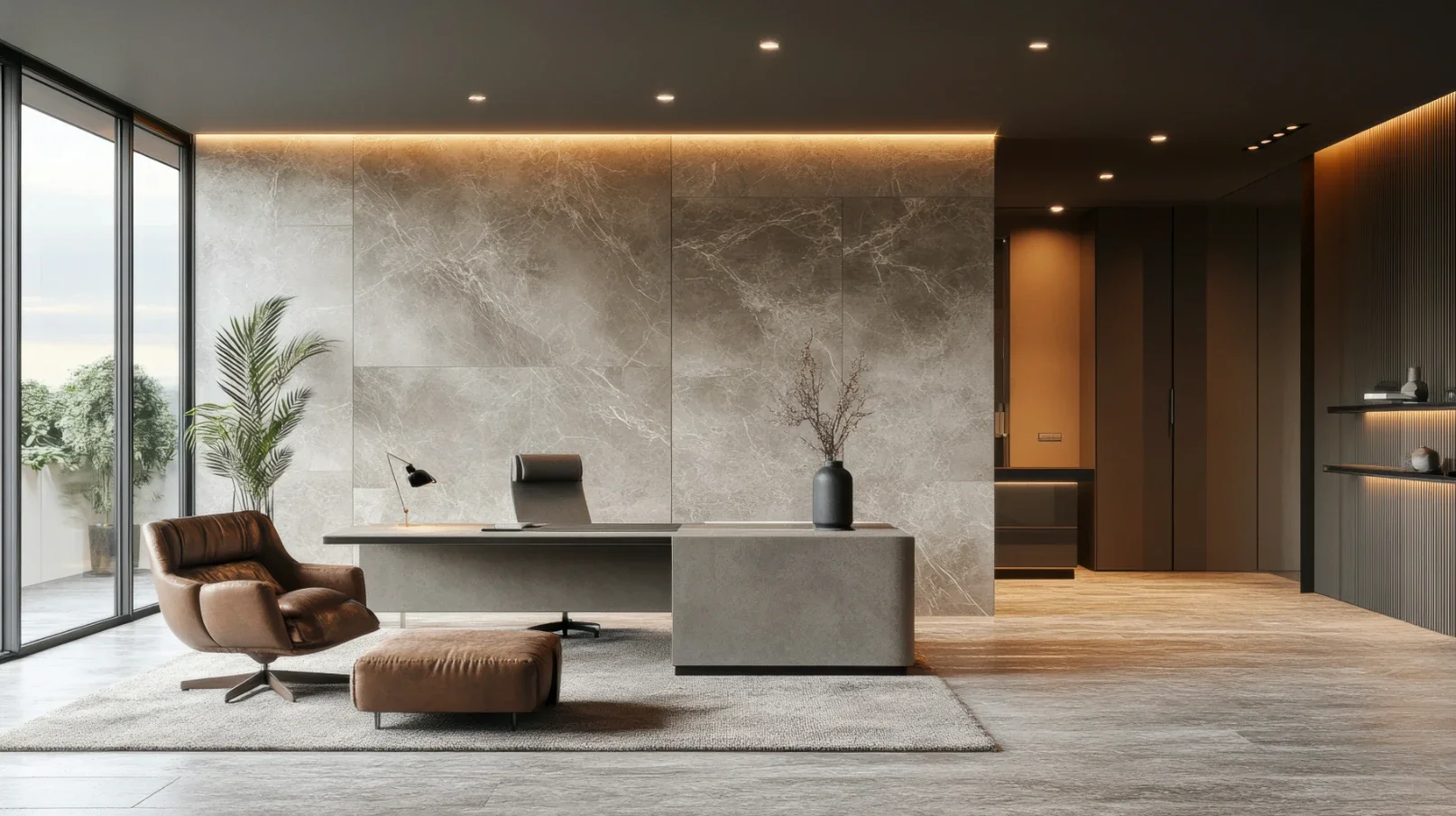
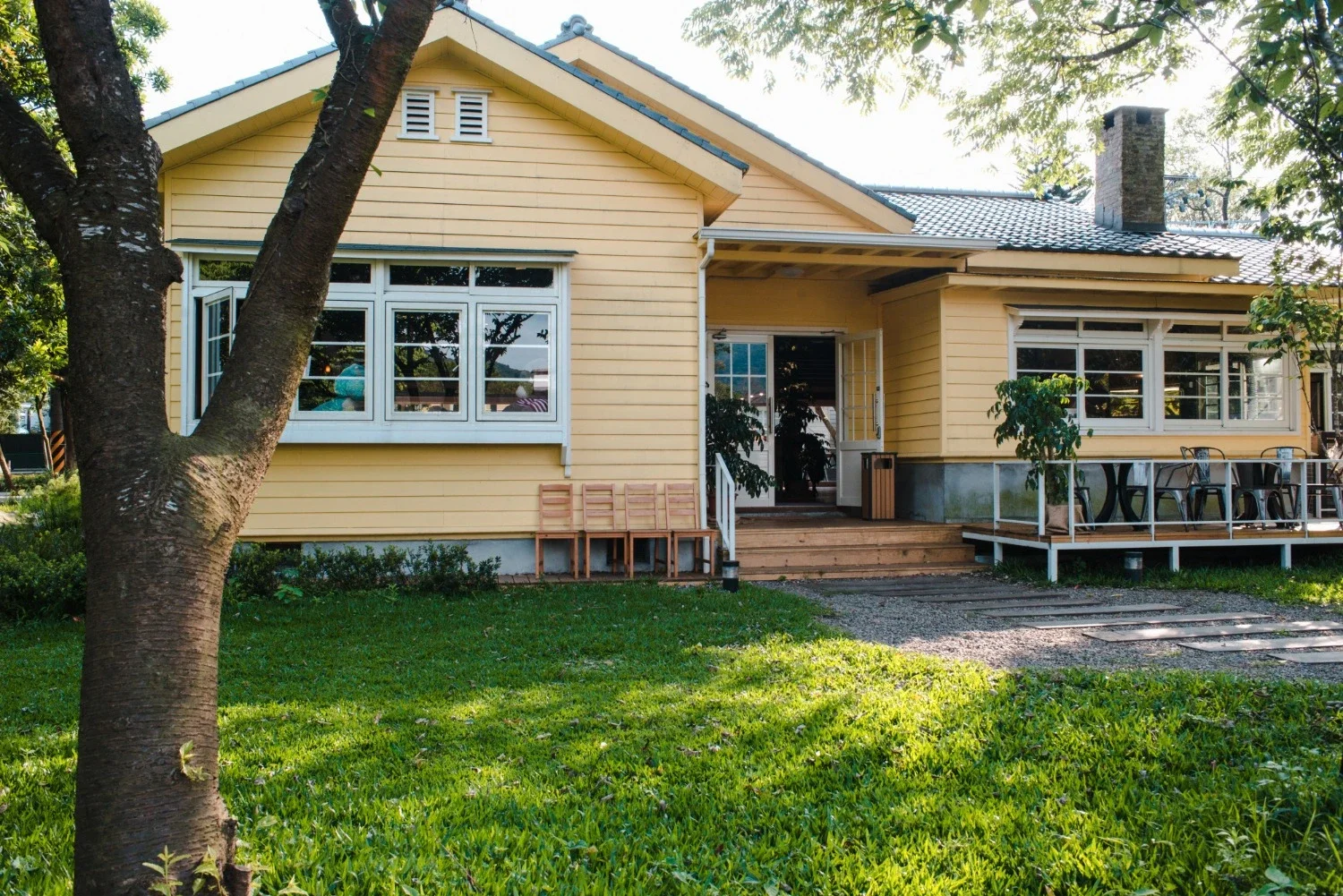
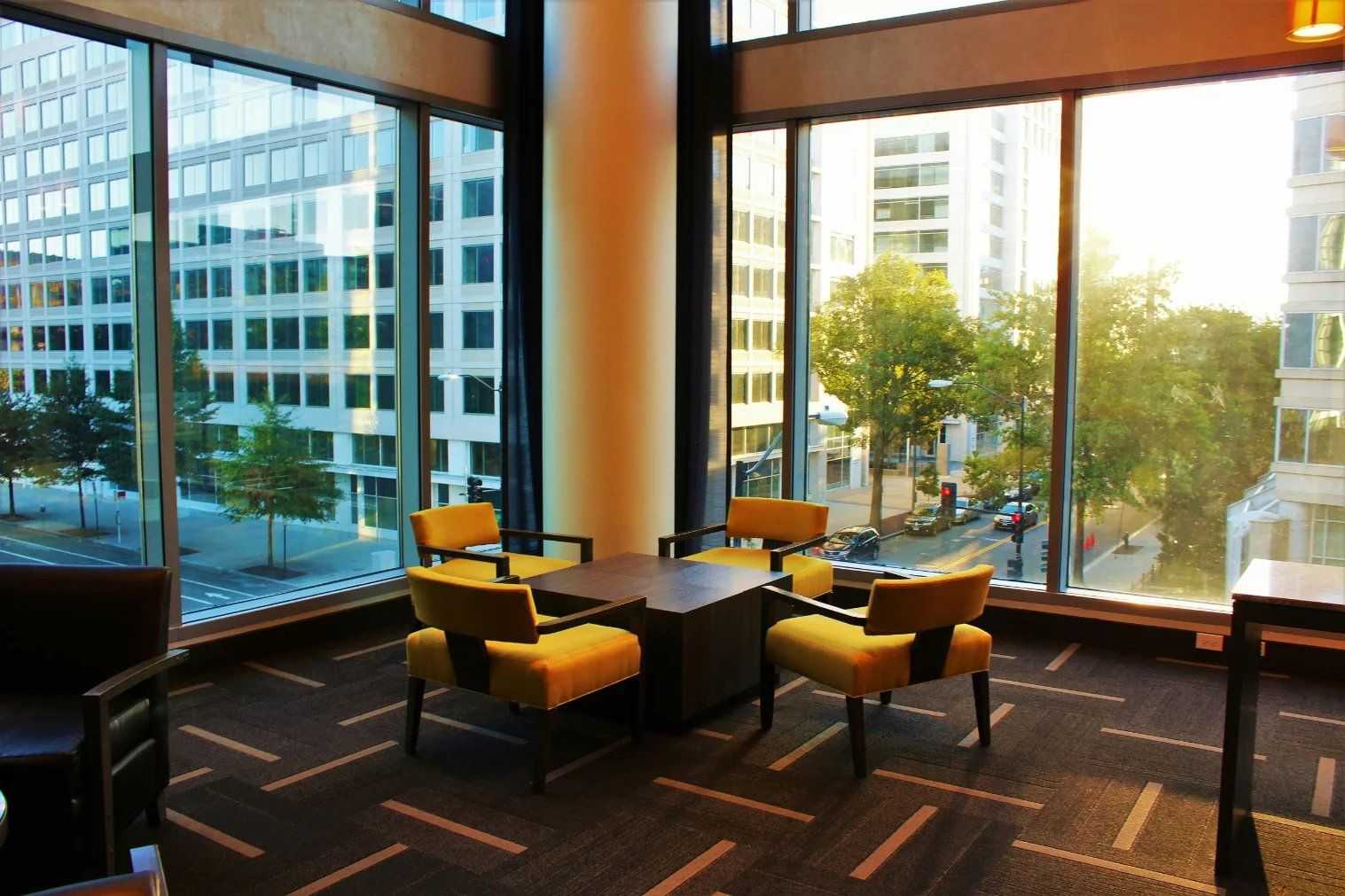
Some spaces don’t look bad; they don’t just leave a mark. You walk in, take a glance, and nothing sticks. No clear focal point, no sense of flow, no reason to linger. That’s a problem, especially if the goal is to present your home at its best for a sale. Often, the issue comes down to the room's arrangement. Furniture may be blocking natural pathways, key features might be hidden in plain sight, and the overall layout doesn’t guide the eye or tell a cohesive story. This is where a more strategic approach with experts from Spatial property styling becomes valuable. They can help you position and create subtle visual cues that make your space feel appealing for home staging.
Overdecorating
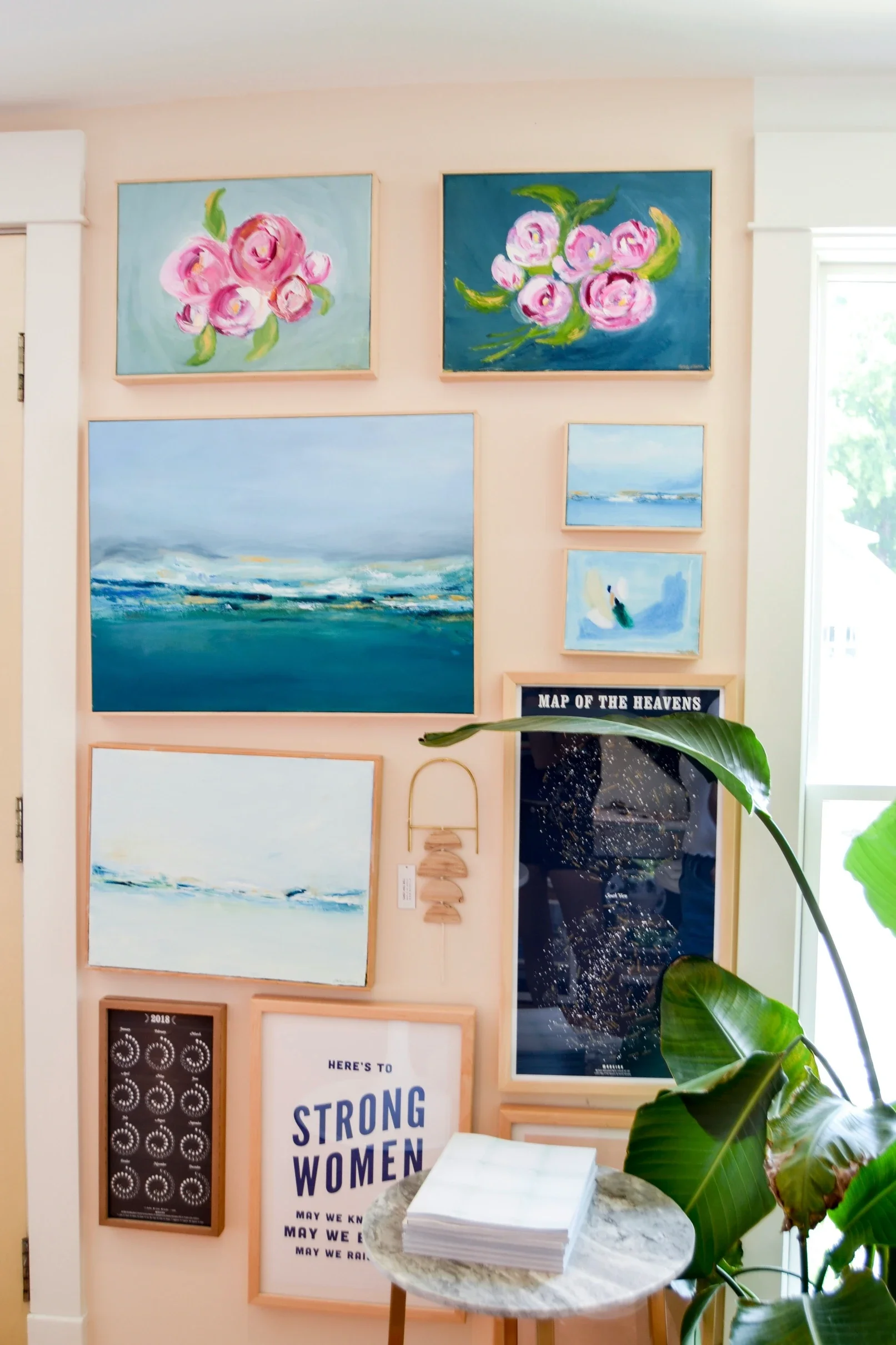
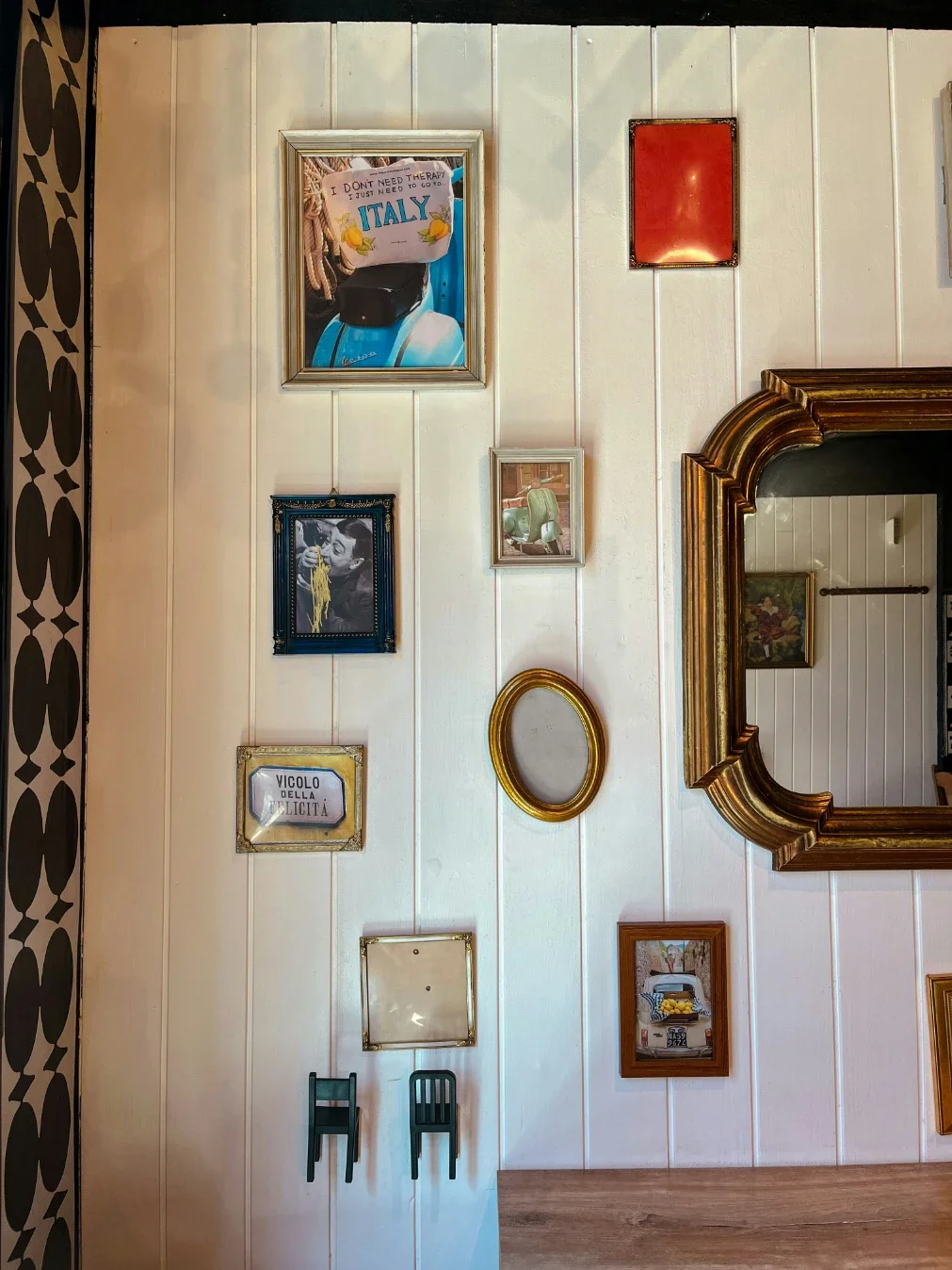
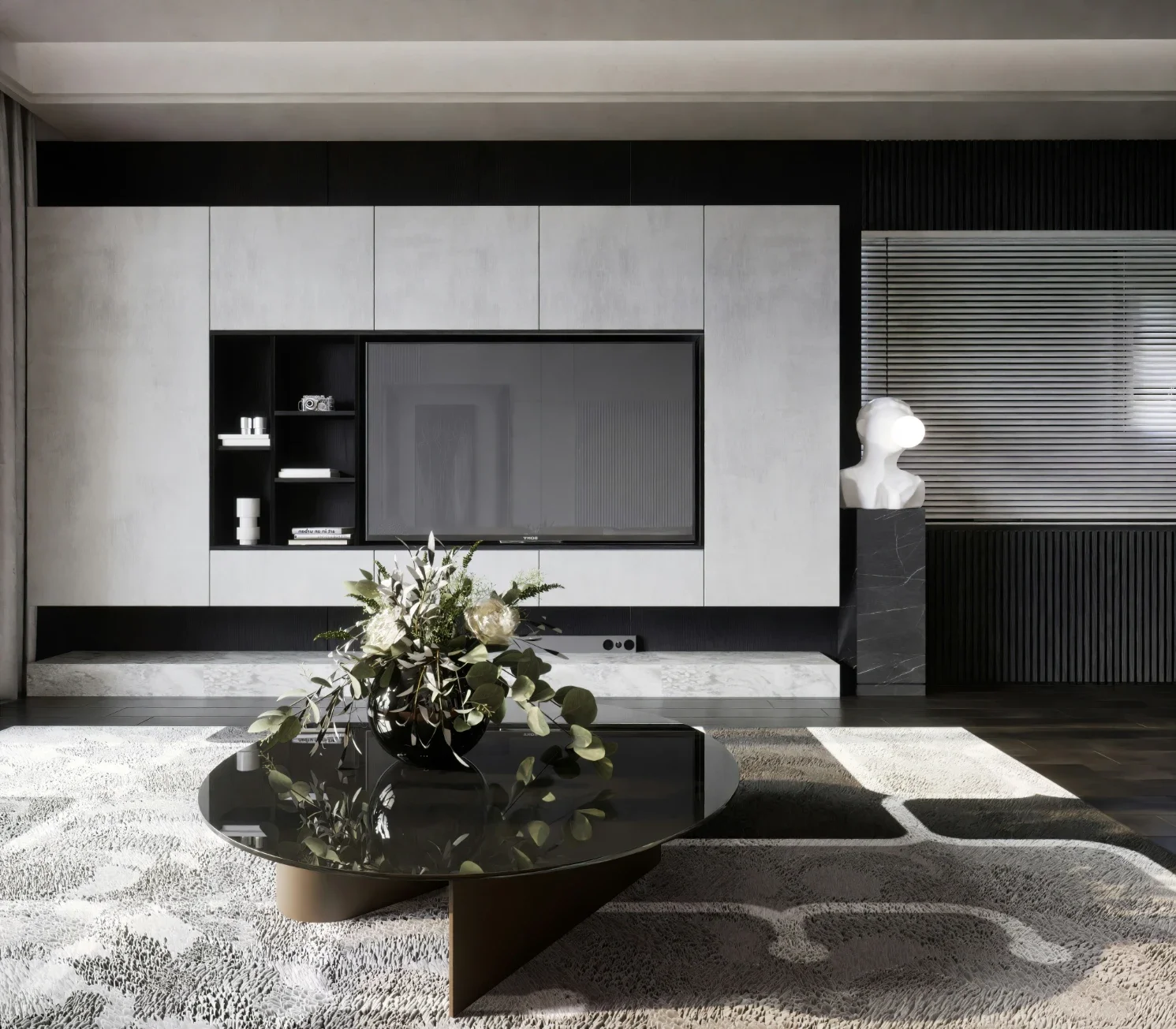
Too many accessories, like frames, vases, and keepsakes, can overwhelm a space. Instead of telling a story, everything competes for attention. The key is to edit ruthlessly. Step back and remove a few items. What's left should feel intentional. The negative space is the breathing room, so let one statement piece shine instead of 10 smaller ones fighting for relevance.
Endnote
Great interior design is about understanding how a space feels, and adjusting the details that shape that feeling. Most homes need better decisions as opposed to more items. Fix the scale, add contrast, layer your lighting, pull things together, and learn to let go of what doesn't serve the space.
Stay up to date with our latest ideas!